
Do You Agree That TV Shows Aren’t What They Used to Be?
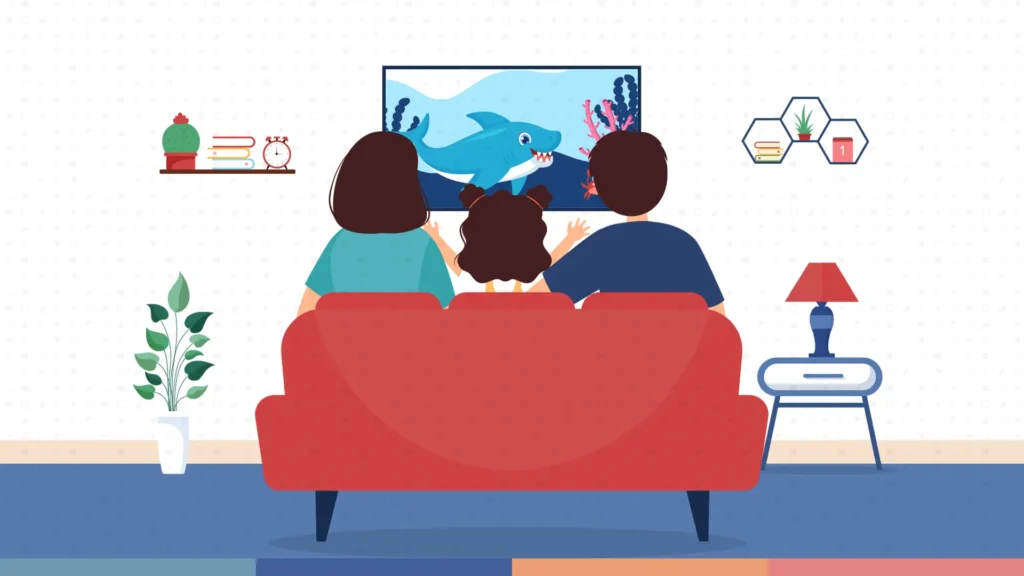
Home Services Our Works Gamification 101 Case Studies Turnkey Event Contact Languages Home Services Our Works Gamification 101 Case Studies Turnkey Event Contact Languages Home Services Our Works Gamification 101 Case Studies Turnkey Event Contact Languages Home Services Our Works Gamification 101 Case Studies Turnkey Event Contact Languages Edit Template Do You Agree That TV Shows Aren’t What They Used to Be? If you grew up in the 90s (like me), you probably remember the great shows that taught us so much. Want to learn Spanish? Dora the Explorer. Need help with math? Team Umizoomi. For critical thinking and problem-solving, there was Blue’s Clues. For arts and crafts, we had Art Attack. And for mnemonic devices? Animaniacs. There were so many more if you think about it. These shows offered more than just entertainment. They were thoughtfully designed to engage young minds and provide educational value. Dora the Explorer, for instance, encouraged interaction by asking viewers to respond and solve puzzles, fostering both language skills and problem-solving abilities. Blue’s Clues took a similar approach by presenting clues and encouraging kids to piece them together, making learning feel like a fun detective game. Animaniacs, though whimsical and comedic, embedded historical facts, wordplay, and geography lessons into its episodes. Such content not only made learning fun but also seamlessly integrated education into everyday entertainment. But nowadays, there aren’t many of them left. Almost all of us hand over shows to our kids on phones, tablets, and other devices. Back in the day, after we watched our favorite shows, we stopped because they were over and we moved on to other activities throughout the day. But with smartphones and tablets, it goes on forever. Even worse, are you paying attention to what they’re watching? I mean, really monitoring them? The availability of streaming platforms and devices has undoubtedly changed the way our children consume media. Unlike traditional TV schedules, which dictated viewing times and created natural breaks, streaming services offer endless access to content. While this on-demand approach can be convenient, it often leads to binge-watching, reducing opportunities for outdoor play or hands-on learning experiences. Moreover, with the sheer volume of content available, it’s challenging for us parents to vet every show our kids watch. Some programs may lack educational value or, worse, promote inappropriate themes for young audiences. This raises an important question: How much screen time is too much, and how can we ensure that what children watch benefits their development? The Best Parts of Educational Cartoons Educational cartoons have always been special because they combine fun with learning. They use engaging characters, catchy songs, and interesting stories to teach valuable lessons. Shows like Dora the Explorer and Team Umizoomi make learning interactive and enjoyable, helping kids grasp new concepts effortlessly. These shows often incorporate problem-solving, critical thinking, and creativity, making them a great tool for early childhood education. A study published in the International Journal of Computer Graphics & Animation (IJCGA) gives us some interesting insights. Researchers found that primary school students learned significantly better when they used interactive materials, like animations. The study showed that students were more enthusiastic and open to learning when the content was engaging and fun. The researchers developed visual learning materials about the solar system using multimedia tools. They tested these materials in a primary school in Dhaka, dividing students into three groups: one taught traditionally, one with just the visual materials, and one with a blend of both. The results were clear: the blended approach, combining animations with teacher instructions, led to the best learning outcomes. Students not only answered more questions correctly but were also more excited about the lessons. For example, Team Umizoomi’s focus on math skills, such as counting, patterns, and basic geometry, provides foundational knowledge in an accessible way. Similarly, Blue’s Clues promotes active participation by encouraging kids to think critically and engage with the storyline. The interactive nature of these shows ensures that children are not passive viewers but active participants in their learning journey. This format not only enhances cognitive skills but also builds confidence as children see themselves solving problems alongside their favorite characters. https://www.youtube.com/watch?v=UrcEy6eW0KM&ab_channel=NickJr Educational cartoons can introduce children to diverse cultures and languages, broadening their horizons and fostering empathy. Shows like Dora the Explorer expose children to basic Spanish vocabulary and cultural elements, helping them develop an appreciation for linguistic and cultural diversity from a young age. These programs also provide a safe and controlled environment for learning, where parents can trust the content their children are exposed to. Moreover, shows like Animaniacs were ahead of their time. They introduced us to a lot of educational content in a fun and engaging way. Animaniacs featured segments that taught history, geography, and even grammar through catchy songs and humorous skits. For instance, the famous “Yakko’s World” song helped kids learn the names of countries around the world, while other segments introduced historical figures and scientific concepts in a memorable manner. https://www.youtube.com/watch?v=V1508wboZXk&ab_channel=WBKids The Downside of Today’s Television Unfortunately, today’s television landscape lacks the abundance of quality educational shows that we enjoyed in the past. Many channels have shifted their focus to entertainment-driven content. This shift means that children are less likely to encounter shows that are both entertaining and educational, which can impact their learning opportunities. Sources have documented the decline in educational television programming. Historically, public and non-commercial television channels such as PBS in the United States played a significant role in offering educational content, particularly for children. Shows like Mister Rogers’ Neighborhood and Sesame Street were groundbreaking in their approach to combining entertainment with education. However, shifts in funding models, viewer preferences, and the proliferation of cable channels and streaming platforms have contributed to a reduction in such content. Public broadcasting networks like PBS have seen their funding and influence diminish over time, while private channels have largely shifted to entertainment-driven programming to maximize ratings and revenue. This trend has particularly impacted the availability of educational shows for children, as these programs
Debunking the Learning Pyramid

Home Services Our Works Gamification 101 Case Studies Turnkey Event Contact Languages Home Services Our Works Gamification 101 Case Studies Turnkey Event Contact Languages Home Services Our Works Gamification 101 Case Studies Turnkey Event Contact Languages Home Services Our Works Gamification 101 Case Studies Turnkey Event Contact Languages Edit Template Debunking the Learning Pyramid Employee training has always been a cornerstone of organizational success. From improving performance and productivity to fostering employee retention, the right training program can significantly boost a company’s competitive edge. As Jack Welch, the former CEO of General Electric, once said, “An organization’s ability to learn, and translate that learning into action rapidly, is the ultimate competitive advantage.” However, traditional training methods, such as workshops, seminars, and classroom-based lectures, are increasingly being scrutinized for their effectiveness. A commonly cited framework, the Learning Pyramid by Edgar Dale, suggests that retention rates vary dramatically depending on the mode of learning, from a mere 5% for lectures to an impressive 75% for hands-on practice. But how valid is this framework, and how can organizations implement more effective training methods? The Myth of the Learning Pyramid The Learning Pyramid is a framework that categorizes different methods of learning based on their purported effectiveness for retention. It is often cited in educational contexts to emphasize active over passive learning strategies. Recent research still uses the framework to discuss methods such as group discussions, hands-on learning, and teaching others as highly effective approaches. However, it is also widely critiqued due to its lack of empirical evidence and questions about its validity as a universal tool. Research Using the Learning Pyramid Studies and articles stresses the importance of combining active learning methods, such as teaching others or practice-by-doing to improve retention rates. These methods are often integrated with modern educational technologies like simulations to enhance their impact like demonstration or practice learning. Some researchers also explore variations in the pyramid’s methods to align with unique learning styles. Critiques and Validity Concerns The framework lacks strong empirical backing. Critics argue that rigorous data do not support the specific retention percentages associated with each learning method. Additionally, its hierarchical presentation oversimplifies learning as universal and uniform, ignoring individual differences and situational factors in education. Researchers emphasize the need for caution in applying the pyramid universally, suggesting that while it might be a useful guideline, it should not replace evidence-based instructional design The Learning Pyramid is often used to criticize traditional learning formats, implying that interactive, practical methods are far superior. Yet, this model is not without its flaws: 1. Lack of Empirical Support While widely referenced, the pyramid is not backed by robust empirical research. Its exact origins are unclear, and many experts argue that retention rates are context-dependent and cannot be universally categorized. 2. Oversimplification The pyramid reduces learning to percentages that oversimplify complex cognitive processes. Retention depends on variables such as the subject matter, individual learning styles, and the quality of the instructional design. 3. Misleading Framework By focusing exclusively on retention, the pyramid overlooks other critical outcomes of training, such as the ability to apply knowledge, critical thinking, and long-term skill development. While the pyramid’s effectiveness may be debatable, its core message—that active, experiential learning often outperforms passive methods—remains relevant. This is where modern innovations in training, such as gamification and virtual reality (VR), come into play. Level Up Powered by Agate and Denso: A Case Study in Modern Training Recognizing the limitations of traditional employee training methods, Level Up powered by Agate has partnered with organizations like Denso to revolutionize how training is delivered. Their collaboration produced the Denso Wiper Simulator, a customized VR training solution that aligns with modern learning needs. The Denso Wiper Simulator https://youtu.be/h2ElNpRxkDY This VR-based training tool was designed to address a critical issue: the importance of high-quality windshield wipers in ensuring vehicle safety during challenging weather conditions. Hands-On Experience The simulator provides a practical, immersive experience, enabling employees to interact with scenarios they may face in real life. This hands-on approach bridges the gap between theoretical knowledge and practical application. Engagement Through Gamification By incorporating gamified elements, the simulator ensures that learners remain engaged throughout the training process. This engagement is key to improving both retention and the ability to apply learned concepts. Cost-Effective and Scalable Unlike traditional workshops, VR-based training is easily scalable and can be reused for multiple training sessions, reducing costs over time while maintaining consistency in training quality. The Future of Employee Training The collaboration between PT Denso Indonesia and Level Up powered by Agate highlights how modern technology can effectively address the challenges of traditional training approaches. PT Denso Indonesia, a leading manufacturer of automotive-electric products, emphasizes producing high-quality components like car wipers, which are crucial for ensuring visibility and safety in diverse weather conditions. Recognizing the critical need to train employees on the importance of quality assurance, Denso partnered with Level Up to develop the Denso VR Wiper Simulator, an innovative solution that uses advanced VR goggles and racing simulation controllers. This VR-based training system immerses employees in realistic scenarios, demonstrating how high-quality wipers maintain safety under challenging conditions. By shifting to practical, active learning methods, the simulator ensures employees gain hands-on experience, aligning with educational research supporting the effectiveness of learning by doing. While traditional frameworks like the Learning Pyramid may remain a topic of debate, the value of active, practical training is evident. As industries evolve and job roles become more specialized, partnerships like this demonstrate how advanced technologies can enhance workforce development. The success of the Denso VR Wiper Simulator not only contributed to higher product quality but also reinforced workplace safety, reflecting Denso’s vision of excellence in manufacturing. This approach sets a benchmark for innovative employee training that combines technology, creativity, and real-world applications. Conclusion The Learning Pyramid might look nice on paper, but it’s not the ultimate guide for building effective training programs. Its simplified retention percentages approach just doesn’t hold up in the real world. Still, the core idea that active, hands-on learning
Understanding the Dynamics of Sales Promotions

Home Services Our Works Gamification 101 Case Studies Turnkey Event Contact Languages Home Services Our Works Gamification 101 Case Studies Turnkey Event Contact Languages Home Services Our Works Gamification 101 Case Studies Turnkey Event Contact Languages Home Services Our Works Gamification 101 Case Studies Turnkey Event Contact Languages Edit Template Understanding the Dynamics of Sales Promotions Sales promotions are a big part of marketing strategies, offering businesses a way to attract customers and boost sales. However, the success of these promotions depends on a number of factors, such as how customers perceive the promotion, how the offer is framed, and whether it balances short-term sales with long-term brand health all play a role. We’re going to take a serious look at some of the recent studies that will provide us with valuable insights for businesses to come up with more effective promotional strategies. The Complex Role of Sales Promotions in Consumer Behavior Sales promotions aren’t just about grabbing attention, they’re about creating value in the eyes of the consumer. They’re designed to bring in customers and boost sales, but how well they work depends on several factors. Percentage discounts, buy-one-get-one offers, or loyalty reward promotions influence how customers view the deal and the brand. However, crafting promotions that drive sales without hurting brand perception is a complex process. To navigate this, it’s crucial to understand how consumers evaluate deals and what factors shape their responses. Mary Jane Gardner’s study, “Deal or No Deal: Sales Promotion Influence on Consumer Evaluation of Deal Value and Brand Attitude,” published in the Small Business Institute Journal (SBIJ), explores how consumers perceive and respond to sales promotions. According to Gardner, promotions aren’t just simple discounts or coupons. They also depend on factors like: How the deal is presented (framing) The type of consumer-targeted Brand familiarity Purchase involvement Promotion frequency These elements collectively shape how consumers evaluate the value of a promotion and their attitude toward the brand. Gardner expresses that for small businesses, which often have limited budgets, it’s important to use promotions strategically. By understanding these variables, businesses can maximize their return on investment. Gardner’s research highlights how thoughtful planning can boost returns while minimizing risks to the brand’s image. She also points out that spending on promotions has been steadily growing, making it even more critical to get them right. The study provides a framework for small business owners to better understand the sales promotion landscape. By examining the effects of monetary versus non-monetary promotions and their presentation, Gardner offers practical strategies to enhance brand perception and drive sales while avoiding potential harm to brand equity. Challenging Conventional Discounting Practices Another interesting piece of research, Research: Smaller, More Precise Discounts Could Increase Your Sales, published in the Harvard Business Review, challenges traditional assumptions about discounts. The authors suggest that smaller, precise discounts like 6.8% instead of 7% can be more effective than larger, rounded discounts. This counterintuitive approach is rooted in consumer psychology, where precise discounts are perceived as less stable and more likely to change, making the discount feel temporary, which can create a sense of urgency. The study, which involved nine experiments with approximately 2,000 participants, showed that these precise discounts could increase purchase intentions by up to 21%, particularly for discounts under 10%. The perception that these discounts are temporary drives consumers to act quickly. Retailers often capitalize on this urgency through tactics like flash sales and countdown timers, and precise discounts can achieve similar effects. Additionally, the research also open doors for future exploration, such as the impact of precise discounts on luxury items or their effectiveness when expressed in dollar amounts versus percentages. These nuances could provide deeper insights for retailers looking to refine their discounting strategies. Sales Promotions Sales promotions are a common way for businesses to capture consumer interest and drive purchases, but their impact can vary based on the context and market. In the Philippines, understanding how promotions shape consumer behavior and business performance has become an important focus. For local businesses, finding the right balance between short-term sales and long-term brand loyalty is especially critical. In the Philippines, sales promotions are also a focal point for understanding consumer behavior and business performance. A research proposal titled “Effectiveness of Discounts or Promotional Tools Among Filipino Businesses and Its Consumers in Science City of Muñoz and San Jose City,” authored by a team of students and guided by Research Adviser Honeylet L. Lagasca, explores these dynamics in a regional context. This study examines how different promotional tools, such as discounts, coupons, and special offers, influence consumer purchasing decisions and satisfaction. The researchers aim to identify which strategies are most effective in driving engagement and loyalty among Filipino consumers. They also investigate factors like the perceived value of discounts, the frequency of promotions, and their impact on brand perception. A key takeaway from this research is the need for businesses to balance short-term sales boosts with long-term brand health. While sales promotions can generate immediate revenue, poorly designed strategies may harm brand equity and customer loyalty. The study seeks to provide actionable recommendations for Filipino businesses, contributing to the broader literature on sales promotions. Practical Implications for Businesses Here are some practical tips for designing effective promotions based on these studies: Framing MattersHow a promotion is presented significantly influences consumer perception. Businesses should consider whether monetary or non-monetary incentives are more appropriate for their target audience. The Power of PrecisionSmaller, precise discounts can create urgency and drive sales, particularly for lower discount percentages. Retailers should experiment with precision in their promotional offers to gauge consumer response. Balancing Short-Term Gains with Long-Term GoalsWhile sales promotions can boost immediate sales, businesses must carefully design these strategies to avoid negative effects on brand equity. Understanding Market-Specific DynamicsResearch like the Filipino study underscores the importance of tailoring promotional strategies to specific markets and consumer preferences. Integrating Gamification into Sales Promotions The studies discussed highlight the nuanced nature of sales promotions, offering businesses actionable strategies to optimize their efforts. By understanding
Balancing Between Work, Study, and Leisure

Home Services Our Works Gamification 101 Case Studies Turnkey Event Contact Languages Home Services Our Works Gamification 101 Case Studies Turnkey Event Contact Languages Home Services Our Works Gamification 101 Case Studies Turnkey Event Contact Languages Home Services Our Works Gamification 101 Case Studies Turnkey Event Contact Languages Edit Template Balancing Between Work, Study, and Leisure Balancing work, study, and leisure is an intricate dance. Ever since we can remember, we are often taught to focus our lives on productivity at work or excel in academics, as these are commonly seen as the paths to success and fulfillment. We grow accustomed to the idea that the more hours we put into work or study, the more we achieve. However, this constant drive for accomplishment can lead to burnout, stress, and a lack of fulfillment. And in reality, leisure is equally important—not as an indulgence but as a necessity for maintaining mental and physical well-being. Taking time to relax, pursue hobbies, or simply unwind helps to recharge our energy and restore focus. It’s in these moments of respite that creativity and problem-solving can flourish. Balancing work, study, and leisure is essential for maintaining overall well-being and enhancing productivity. By giving ourselves permission to step away from responsibilities, we can return with a fresh perspective and a clearer mind. With that in mind, let’s explore how people around the world spend their time, why balancing these aspects matters, and how we can achieve it effectively. How We Spend Our Time: A Global Perspective Every day consists of 24 hours, 1,440 minutes, and an endless number of ways to spend them, and how we spend those hours reflects our priorities, values, and resources. Data from Our World in Data reveals that no matter where in the world we are, most of us dedicate the majority of our time to the essentials. Most people worldwide dedicate the majority of their day to essential activities like sleeping, working, and eating. Leisure activities typically take up the remaining time, but the distribution of these hours can vary significantly based on geography, economy, and even cultural norms. For instance: Work People in countries like China and Mexico often spend significantly more time on paid work compared to those in other parts of the world, such as countries like France or Italy. This makes sense, given the economic structures at play in these regions, which align with economic theories suggesting that higher-income countries allow more time for leisure due to greater productivity and access to resources, which leads to more leisure time as workers become more efficient. Leisure Leisure time appears to be relatively consistent, but there is subtle cultural differences. In France, in places like France, leisure is often intertwined with cultural practices, like long meals and social gatherings. The French, for example, spend more time savoring meals, reflecting the country’s strong culinary culture. On the other hand, Americans report spending far less time on dining. This speaks to how culture shapes our understanding of leisure. Interestingly, leisure doesn’t just mean “free time.” but how we choose to spend it, be it relaxing, socializing, or engaging in hobbies, from watching television or playing games, each carrying its own implications for well-being. And in each culture, there are nuances that affect how leisure time is spent, which in turn impacts our well-being. So, understanding the global perspective on time usage helps to reveal how people everywhere balance the fundamental aspects of their day, and why it’s important to get that balance right. Source: Our World in Data Average Time Spent on Activities If we break down a typical day into hours, it’s interesting to see how much of our time is dedicated to various activities. Sleeping takes up the largest portion of the day, with people getting an average of 9.07 hours of rest. This is a good reminder of how crucial sleep is for both our physical and mental health, supporting everything from cognitive function to mood regulation. Next comes work, which claims about 3.56 hours of the average person’s day. But this number varies depending on the country or industry, with people in some regions working significantly longer hours than others. As for leisure, we’re looking at an average of 5.15 hours—plenty of time to unwind with activities like watching TV, socializing, or engaging in hobbies. Household tasks, like cooking and cleaning, take up 1.92 hours, and while necessary, these activities don’t always bring the same sense of fulfillment or relaxation. Here’s a short breakdown: Sleeping (9.07 hours): Sleep occupies the largest share of daily time, emphasizing its role in maintaining physical and mental health. Working (3.56 hours): While work remains a central activity, the variation across countries and individuals is influenced by economic and social factors. Leisure (5.15 hours): Leisure is a significant part of the day, with activities like watching TV and socializing dominating this category. Household Activities (1.92 hours): Tasks like cooking and cleaning take up a substantial amount of time, often varying by gender. It’s important to note that not everyone has equal access to leisure, with gender disparities often shaping the way household duties are divided. Such as the gender gap in unpaid domestic work, which can reduce leisure opportunities, reducing their available leisure time compared to those who work. By examining these numbers, we can get a clearer picture of how time is distributed across different parts of the world, and why making time for both work and leisure is so essential for maintaining a healthy balance. While work and household tasks are essential, ensuring adequate time for sleep and leisure is crucial for overall well-being. The Need for Balance Achieving a balance between work, study, and leisure is more than just a way to avoid burnout. It’s about improving our overall quality of life. When we focus too much on any one aspect of work or study without leaving room for rest, the consequences can be severe. Studies consistently show that prolonged focus on one aspect, such as
How Video Games and Pop Culture Push Educational Success
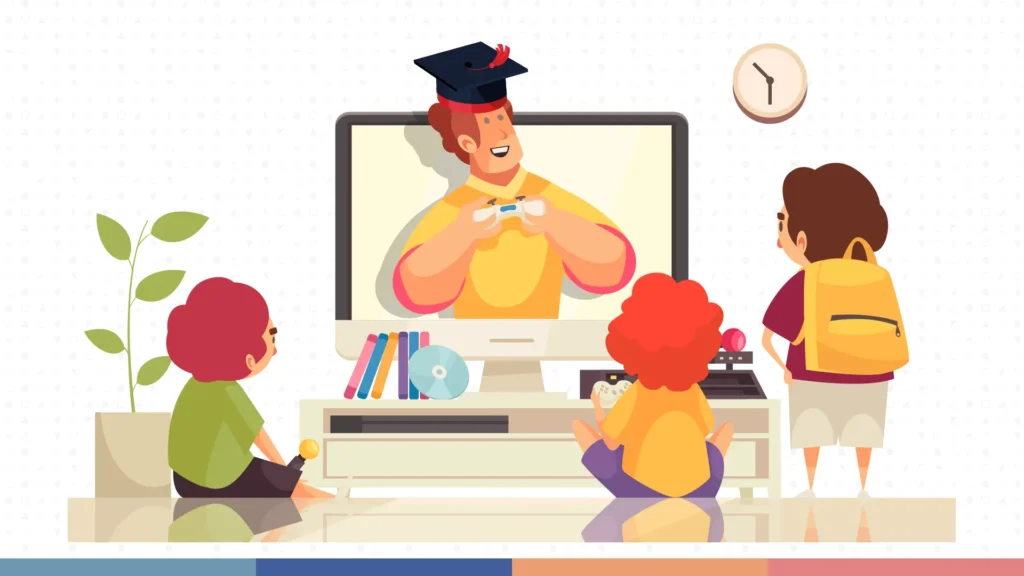
Home Services Our Works Gamification 101 Case Studies Turnkey Event Contact Languages Home Services Our Works Gamification 101 Case Studies Turnkey Event Contact Languages Home Services Our Works Gamification 101 Case Studies Turnkey Event Contact Languages Home Services Our Works Gamification 101 Case Studies Turnkey Event Contact Languages Edit Template How Video Games and Pop Culture Push Educational Success Engaging kids in educational activities has never been easy. Capturing their attention has become even more challenging. Pop culture and video games dominate their daily lives, providing a level of interactivity and excitement that traditional teaching methods often struggle to replicate. This raises a pressing question: How can educators and parents compete with these powerful distractions? Rethinking the Competition The truth is, competing directly with these influences is almost impossible. But what if we stopped seeing them as rivals? By changing our perspective, we can explore ways to turn these so-called distractions into powerful tools for connection and growth. Rather than removing video games or digital experiences, which can often lead to frustration and resentment, we can channel their appeal into educational opportunities. It’s always been the go-to of almost every parent to take away our loved one’s leisure time to make them spare the time of day to study or do other “productive” activities. However, research indicates that removing enjoyable activities can lead to negative outcomes. This is because, engaging in leisure activities is associated with lower levels of anxiety, depression, and stress, as well as an increased sense of well-being. Viewing leisure time as wasteful or unproductive can undermine its benefits and potentially lead to future mental health issues. So instead of exchanging their activity, we can combine the two elements. But could these media become our greatest allies in creating meaningful learning experiences? Why Video Games Work As we dig deeper to what those media can do, at the heart of a successful educational game, is the learning itself. According to research from MIT’s Education Arcade Lab, effective learning games are driven by intrinsic motivation and genuine engagement, rather than mere content regurgitation. Games that offer open-ended exploration, allow learners to connect with larger systems, and encourage problem-solving tend to be more resonant. These games provide “hard fun” which perfectly balances challenge with satisfaction, making learning an enjoyable quest rather than a tedious task. Furthermore, video games like Minecraft not only engage but also enhance educational outcomes across various subjects. They promote skills such as creativity, collaboration, critical thinking, and problem-solving. According to a whitepaper on the educational benefits of Minecraft, integrating games like Minecraft in education can lead to improvements in motivation, engagement, and even attendance, transforming the learning environment into one that fosters enjoyment and accessibility. Pop Culture as a Tool for Learning? Stepping into a classroom that leverages pop culture can feel like entering a student’s personal space, filled with their favorite characters and themes from movies, books, or games. This approach not only makes students feel comfortable but also makes them feel like they’re home. A classroom in Red Deer, Alberta, for example, utilizes elements from Minecraft and Star Wars not just for decoration but as integral parts of the teaching methodology. Such environments help students, especially those facing language barriers or cultural adjustments, connect better with the curriculum through familiar references. The Science Behind the Fun Yes, there are studies that support the idea that children are more likely to pay attention and retain information when learning materials feature characters or settings they already love. For example, research has shown that children can better transfer information from picture books to real-world contexts when the books feature familiar and engaging characters. Additionally, studies on narrative fiction suggest that children are more likely to engage with and learn from stories that resonate with their interests and experiences. It goes to show that when kids encounter learning materials featuring characters or settings they already love, they are more likely to pay attention and retain information. Educational Benefits of Engaging Games The research consistently supports the notion that well-designed games and culturally resonant educational tools do not merely serve as entertainment but are effective educational resources. They enable students to improve their language skills, foster critical thinking, and build social connections. These tools also provide a unique opportunity for students to become teachers themselves, sharing their knowledge and interests with peers and educators, thereby flipping the traditional teacher-student hierarchy. Business Meets Science While the business aspect of integrating popular media into educational resources cannot be ignored—after all, publishers and developers benefit from the popularity of franchises like Star Wars or Minecraft—the scientific backing for their effectiveness provides a solid foundation for their use. Educational products that incorporate popular media need to balance commercial interests with genuine educational value, ensuring that they offer real learning benefits as substantiated by research. In conclusion, the fusion of video games and pop culture in educational settings is not just a trend but a validated educational strategy. As we move forward, the challenge will be to continue refining these tools to ensure they meet educational standards while remaining engaging and relevant to students’ lives. This approach not only respects the complex identities of students but also enriches their learning experiences, making education a truly immersive and enjoyable journey. If you are interested in learning more about gamification and how it can benefit you or your organization Check out our gamification services page and contact us today. We are ready to help you create a gamification experience that aligns with your needs and preferences. The Authors Related Articles All Posts All-EN Education-EN News-EN Service Highlight-EN Level Up Agate’s Journey | Celebrating the Present, and Shaping the Future December 27, 2024/ How Do We Know If Our Training Works? December 26, 2024/ Do You Agree That TV Shows Aren’t What They Used to Be? December 19, 2024/ Debunking the Learning Pyramid December 19, 2024/ Understanding the Dynamics of Sales Promotions December 12, 2024/ Balancing Between Work, Study, and Leisure December 11, 2024/ How
The Shocking Truth About Screen Time and Your Child’s Brain
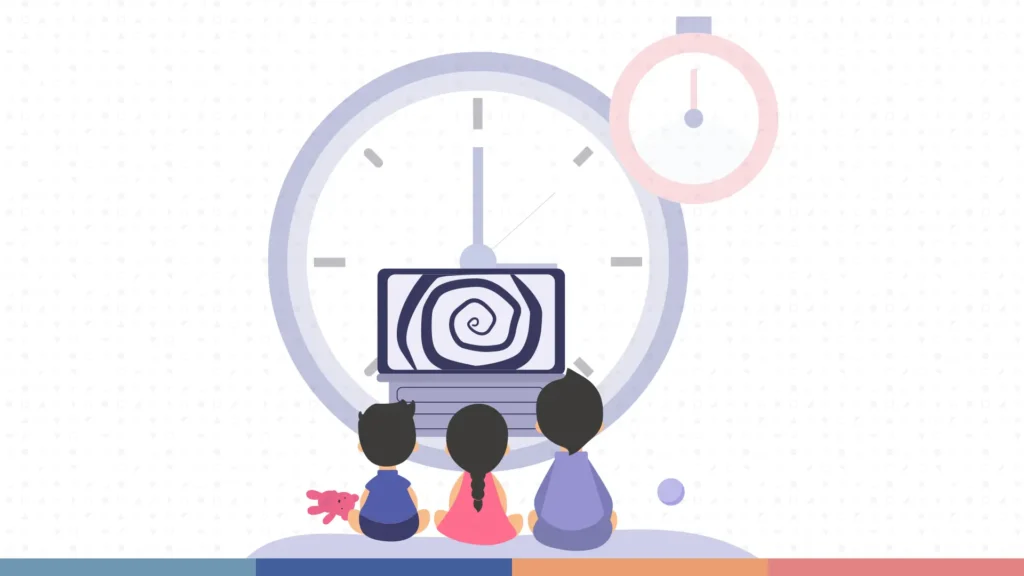
Home Services Our Works Gamification 101 Case Studies Turnkey Event Contact Languages Home Services Our Works Gamification 101 Case Studies Turnkey Event Contact Languages Home Services Our Works Gamification 101 Case Studies Turnkey Event Contact Languages Home Services Our Works Gamification 101 Case Studies Turnkey Event Contact Languages Edit Template The Shocking Truth About Screen Time and Your Child’s Brain Let’s face it, screens have become a constant part of our everyday lives, influencing how we interact, work, and even have fun. But when teenagers are spending over 7 hours a day on their devices, and adults can’t even eat dinner without checking notifications, it’s time to address the elephant in the room and acknowledge the impact this is having on our well-being. As alarming statistics flood in, it’s clear we need to get serious about our digital habits, especially when it comes to our future generation. According to Worldmetrics, teenagers are now clocking in over 7 hours a day glued to their screens, and a staggering 75% of kids fail to meet the recommended screen time limits. Let’s not kid ourselves, we, as a society, are enabling this digital dependency. The Consequences We’ve become a society that can’t put the phone down, even at dinner. Over one-third of adults admit to using their phones at the dinner table, and kids are spending more time watching screens than they are at school. The effects are palpable. Pew Research Center points out that even toddlers are mastering tablets at shockingly young ages. And let’s not forget about the potential damage to our kids’ reading skills. As outlined in Psychology Today, the shift from traditional reading to digital has compromised our ability to dive deep into texts and engage in meaningful comprehension. This isn’t just a matter of preference. The tactile experience of holding a book offers something screens cannot replicate. Digital reading, particularly on hypertext-heavy pages, encourages shallow skimming and jumping from one link to another, preventing our brains from forming the deep neurological connections needed for true comprehension. Humans did not evolve to spend hours staring at bright electronic screens, and our eyes are paying the price. Approximately 58% of computer users suffer from Computer Vision Syndrome, a condition characterized by eye strain, blurred vision, headaches, and neck and back pain. Prolonged screen time may also lead to permanent vision damage. https://www.youtube.com/watch?v=rx1l51qxGbQ&ab_channel=InsiderTech Parents, We Need to Talk Here’s the harsh reality, we are setting our kids up for failure. Yes, I’m looking at you, parents, who rely on screens as babysitters. It’s a bitter pill to swallow, but 64% of parents admit to using screens to keep their kids quiet. Using technology to distract a toddler or calm down a fussy child might work in the short term, but in the long run, we are creating a generation that can’t function without a constant dopamine hit from screens. Solutions? We Can’t Just Ban Screens Let’s be realistic. We can’t pull the plug on technology entirely. In a world where future job prospects are increasingly tied to tech-savvy skills, going cold turkey isn’t an option. Instead, we need to find a balance. Enforce Tech-Free Zones and Times Families should be reclaiming moments without screens. Designate dinner time, car rides, or an hour before bed as tech-free periods. Even adults need to put their devices away and engage in real, face-to-face conversations. Encourage your kids to read printed books, explore nature, or engage in hands-on creative activities. Make a rule that bedrooms are screen-free zones, and if possible, create an environment where kids can learn to interact with the real world without feeling the urge to swipe or tap. Set an Example as Parents Kids are notorious for mimicking adult behavior. If you’re checking your phone every few minutes or are constantly streaming Netflix, don’t be surprised when your child does the same. Lead by example. Turn off your notifications during family time, resist the urge to doom-scroll, and show your kids that there’s more to life than the latest TikTok trend. Use apps that track and limit screen time for the whole family—accountability can go a long way. Curate the Content Now, here’s where things get interesting. We can’t just eliminate technology, but we can change “how” our kids use it. Companies like Level Up powered by Agate are onto something with their gamification solutions. Instead of fighting against screen time, why not make it work for us? Picture this, educational games packed with fun challenges that teach valuable skills in a way kids actually enjoy. These games can be available on all devices, from smartphones to VR, blending learning with the excitement kids crave. Kids love technology, and soon they’ll need it for work and study. So, why not prepare them with platforms that teach problem-solving, financial literacy, and teamwork in an engaging and interactive way? Gamification isn’t just a buzzword; it’s a powerful tool to channel the energy kids already invest in screens. Imagine a world where screen time fuels learning instead of just numbing our minds. We Need a Collective Effort The solution doesn’t lie in pointing fingers but in taking responsibility. Parents, teachers, tech companies, and even the government need to come together. We must create tech-positive habits while being mindful of their downsides. Because if we don’t, we’re at risk of raising a generation more connected to pixels than to people. The stats don’t lie, and neither should we when it comes to addressing this issue. Our kids deserve more than just screen babysitters and shallow entertainment. It’s time for real change, and gamification could be the bridge that helps us navigate this complex digital world. Let’s act now, or we might wake up one day to a society that has forgotten how to put the screen down and truly live. If you are interested in learning more about gamification and how it can benefit you or your organization Check out our gamification services page and contact us today. We are ready to help you
Level Up powered by Agate at Money Fest 2024 x UMN Career Day 2024: Raise You Up!

Home Services Our Works Gamification 101 Case Studies Turnkey Event Contact Languages Home Services Our Works Gamification 101 Case Studies Turnkey Event Contact Languages Home Services Our Works Gamification 101 Case Studies Turnkey Event Contact Languages Home Services Our Works Gamification 101 Case Studies Turnkey Event Contact Languages Edit Template Level Up powered by Agate at Money Fest 2024 x UMN Career Day 2024: Raise You Up! On November 21–22, 2024, Level Up powered by Agate had the honor of participating in the anticipated Money Fest 2024 x UMN Career Day 2024 event at Universitas Multimedia Nusantara (UMN). Themed “Raise You Up!“, the event brought together thought leaders, industry experts, and young talents to explore the impact of the digital era on careers, creativity, and innovation. Hosted at UMN’s campus in Serpong, Tangerang, the event featured an array of activities, from job fairs and inspirational talks to hands-on experiences and music performances. The event featured job fairs, inspirational talks, experience zones, and music performances, focusing on empowering adaptability and innovation, and attracting students and professionals from across Jabodetabek. Our Head of Gamification Division, Junialdi Dwijaputra, was invited as one of the speakers on November 22, delivering a session titled “Became a GGWP on Your Career Path.” Jun shared insights on leveraging technology and gamification to thrive in the digital era, offering attendees practical strategies to navigate this fast-evolving landscape. ‘Became a GGWP on Your Career Path’ Jun’s session addresses the profound ways the digital age has reshaped creativity and careers. He shared some of the challenges faced by creators, such as the rise of AI and copyright issues, while shining a light on the new opportunities brought by digital platforms and technologies. Jun’s talk covered how digital tools and technology affect creativity and careers, focusing on these points: Creativity in the Digital Era Jun explained how the digital world offers new ways to express creativity and stand out. He talked about how tools like gamification can make an impact in creative industries and help professionals grow. AI and Human Collaboration AI was another key topic, with Jun highlighting how it works best when paired with human input. He suggested thinking carefully about: Who uses AI? Making sure users know how to work with AI effectively. How the process works. Identifying which tasks AI can support or improve. What tools are needed. Choosing the right technology for the job. Jun also reminded the audience that some tasks, like creative decision-making, still need the human touch. Handling Challenges in Digital Transformation Jun talked about dealing with issues like AI misuse and copyright concerns, pointing out that these challenges also offer chances to do things better and set higher standards. Using AI Responsibly He highlighted the importance of understanding AI’s limits and respecting ethical and legal boundaries, especially when it comes to intellectual property. Finding Opportunities in Digital Technology Jun encouraged attendees to use digital tools as a way to enhance their ideas and skills, showing that technology works best when it supports creativity rather than replacing it. Thank You for Joining Us! We are immensely grateful to Money Fest 2024 and UMN Career Day 2024 for inviting us to be part of such a significant event. Together, we are shaping a brighter, more innovative future for Indonesia and beyond. If you are interested in learning more about gamification and how it can benefit you or your organization Check out our gamification services page and contact us today. We are ready to help you create a gamification experience that aligns with your needs and preferences. The Authors Related Articles All Posts All-EN Education-EN News-EN Service Highlight-EN Level Up Agate’s Journey | Celebrating the Present, and Shaping the Future December 27, 2024/ How Do We Know If Our Training Works? December 26, 2024/ Do You Agree That TV Shows Aren’t What They Used to Be? December 19, 2024/ Debunking the Learning Pyramid December 19, 2024/ Understanding the Dynamics of Sales Promotions December 12, 2024/ Balancing Between Work, Study, and Leisure December 11, 2024/ How Video Games and Pop Culture Push Educational Success December 6, 2024/ The Shocking Truth About Screen Time and Your Child’s Brain December 5, 2024/ Level Up powered by Agate at Money Fest 2024 x UMN Career Day 2024: Raise You Up! December 3, 2024/ Load More End of Content. All company names, brand names, trademarks, logos, illustrations, videos and any other intellectual property (Intellectual Property) published on this website are the property of their respective owners. Any non-authorized usage of Intellectual Property is strictly prohibited and any violation will be prosecuted under the law. © 2023 Agate. All rights reserved. Home Services Our Works Contact Gamification 101 Case Studies Gamification for Marketing Gamification for Learning Instagram Linkedin Twitter Facebook Youtube Edit Template
Level Up Brings the Fright to Minutes of Manager’s Office Horror Halloween Party with Pasien Terakhir VR Experience
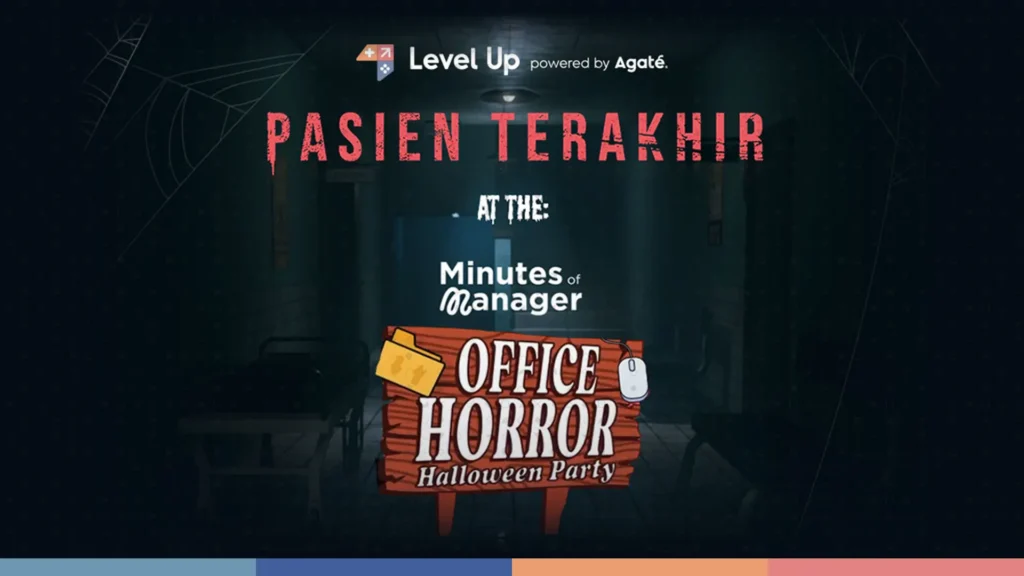
Home Services Our Works Gamification 101 Case Studies Turnkey Event Contact Languages Home Services Our Works Gamification 101 Case Studies Turnkey Event Contact Languages Home Services Our Works Gamification 101 Case Studies Turnkey Event Contact Languages Home Services Our Works Gamification 101 Case Studies Turnkey Event Contact Languages Edit Template Level Up Brings the Fright to Minutes of Manager’s Office Horror Halloween Party with Pasien Terakhir VR Experience On November 8, 2024, Level Up powered by Agate, joined the Minutes of Manager Office Horror Halloween Party to add a thrilling twist to the spooky season. Held at I’M YOU in South Jakarta, this Halloween gathering of corporate professionals was brought to life with our immersive VR horror game, Pasien Terakhir. We were excited to bring an extra dose of fear and excitement to the event with our spine-chilling experience designed to make the night unforgettable. Bringing Pasien Terakhir at the Party Our team set up an exclusive Pasien Terakhir VR station, where attendees could step into a haunted world and face their fears. As they donned the VR headset, players were fully immersed in the suspense and tension of our horror game, experiencing the thrill of navigating eerie environments and encountering terrifying surprises. The game became the highlight of the night, drawing curious and brave attendees to test their limits and see if they could withstand the spine-tingling scares. Pasien Terakhir VR setup Attendees experiencing Pasien Terakhir A Daring Challenge To add even more excitement, we offered a special challenge: any attendee who dared to play Pasien Terakhir had the chance to win our horror title, DreadHaunt, available on Xbox and Steam. This exclusive giveaway attracted a crowd of thrill-seekers lined up to take their shot at the game and hopefully claim a free copy of DreadHaunt. https://s3.ap-southeast-1.amazonaws.com/assets-website.agate.id/Agate-Levelup/Website-Asset/article/lvup-mom-helloween.mp4 Creating an Unforgettable Experience Our VR horror game brought immersive entertainment to the evening’s festivities, with screams and laughter echoing throughout the venue; Pasien Terakhir left a lasting impression on everyone who dared to enter its terrifying world. This event underscored our commitment at Level Up to bring memorable experiences through gamification and VR. As we continue, Level Up powered by Agate looks forward to more collaborations where we can share our unique VR creations with audiences eager for cutting-edge entertainment. https://s3.ap-southeast-1.amazonaws.com/assets-website.agate.id/Agate-Levelup/Website-Asset/Level+up+at+Minutes+of+Manager+Office+Horor.mp4 If you are interested in learning more about gamification and how it can benefit you or your organization Check out our gamification services page and contact us today. We are ready to help you create a gamification experience that aligns with your needs and preferences. The Authors Related Articles All Posts All-EN Education-EN News-EN Service Highlight-EN Level Up Agate’s Journey | Celebrating the Present, and Shaping the Future December 27, 2024/ How Do We Know If Our Training Works? December 26, 2024/ Do You Agree That TV Shows Aren’t What They Used to Be? December 19, 2024/ Debunking the Learning Pyramid December 19, 2024/ Understanding the Dynamics of Sales Promotions December 12, 2024/ Balancing Between Work, Study, and Leisure December 11, 2024/ How Video Games and Pop Culture Push Educational Success December 6, 2024/ The Shocking Truth About Screen Time and Your Child’s Brain December 5, 2024/ Level Up powered by Agate at Money Fest 2024 x UMN Career Day 2024: Raise You Up! December 3, 2024/ Load More End of Content. All company names, brand names, trademarks, logos, illustrations, videos and any other intellectual property (Intellectual Property) published on this website are the property of their respective owners. Any non-authorized usage of Intellectual Property is strictly prohibited and any violation will be prosecuted under the law. © 2023 Agate. All rights reserved. Home Services Our Works Contact Gamification 101 Case Studies Gamification for Marketing Gamification for Learning Instagram Linkedin Twitter Facebook Youtube Edit Template
Level Up powered by Agate at EDUtech Asia 2024

Home Services Our Works Gamification 101 Case Studies Turnkey Event Contact Languages Home Services Our Works Gamification 101 Case Studies Turnkey Event Contact Languages Home Services Our Works Gamification 101 Case Studies Turnkey Event Contact Languages Home Services Our Works Gamification 101 Case Studies Turnkey Event Contact Languages Edit Template Level Up powered by Agate at EDUtech Asia 2024 Level Up powered by Agate, recently attended EDUtech Asia 2024, held from November 5 to 7 at the Sands Expo & Convention Centre in Singapore. As one of the largest gamification companies in Southeast Asia, we were thrilled to participate in Asia’s premier education technology event, which celebrated its 10th anniversary this year. EDUtech Asia 2024 brought together educators, tech innovators, and EdTech providers to accelerate transformative change in education, fostering a space for collaboration, dialogue, and impactful partnerships. Our presence at EDUtech Asia 2024 centered on showcasing our expertise in gamification for learning, assessment, training, and simulation. Through our interactive booth, we connected with educators, tech companies, and professionals, highlighting how Level Up powered by Agate, stands as a valuable partner for advancing educational experiences through gamification. By engaging visitors with our products, we demonstrated the effectiveness of gamified tools in enha Attending EDUtech Asia 2024 Our mission for attending EDUtech Asia 2024 was clear: we believe that gamification is a game-changer in the field of education, and we want to showcase that through our gamification tailored for learning, assessment, training, and simulation. We bring unique solutions that make learning more engaging, measurable, and adaptable to diverse needs. EDUtech Asia offered us the perfect platform to engage with like-minded industry leaders and innovators committed to shaping the future of education. Our goal was to connect with EdTech professionals and educators who seek innovative solutions to address today’s educational challenges and make learning more accessible and impactful for students and learners of all ages. Our Experience at EDUtech Asia 2024 Our booth became a hub of activity, offering attendees the opportunity to explore our latest gamification solutions and see firsthand how our products can transform the educational landscape. As a highlight of our presence at the event, we brought an Apple Vision Pro loaded with Level Up’s gamified experiences. This hands-on opportunity allowed attendees to try our immersive games, giving them a firsthand experience of how technology-driven engagement can redefine training and learning outcomes. Showcasing Our Gamification We showcased a variety of gamification solutions at our booth, each representing a core service we offer. With the Apple Vision Pro, visitors could dive into interactive experiences that highlight our approach to gamified learning, assessment, training, and simulation. Game-Based Learning: Jago Money Quest https://s3.ap-southeast-1.amazonaws.com/assets-website.agate.id/Agate-Levelup/Website-Asset/portfolio/Learning+Solution+-+Gamified+Learning+App+-++Bank+Jago.mp4 Jago Money Quest is a financial literacy game that guides players through the basics of money management. Through interactive gameplay, users learn essential financial skills such as budgeting, saving, and investment. Jago Money Quest is currently collaborating with five major universities in Indonesia, and they plan to integrate the game into their financial literacy curriculums. Aside from that, around 500 users have tested the game, attracting 3,800 registered participants and demonstrating its appeal in enhancing financial literacy. Game-Based Assessment: Batique https://s3.ap-southeast-1.amazonaws.com/assets-website.agate.id/Agate-Levelup/Website-Asset/portfolio/People+Growth+-+Game+Based+Asessment+-+Batique.mp4 Batique is a game designed to evaluate user skills in a gamified environment, focusing on cognitive and analytical capabilities. The game-based assessment Batique offers multidimensional assessments aligned with CHC theory, providing nuanced insights into children’s cognitive abilities. With over 2000 participants, Batique has demonstrated high validity and reliability, proving to be a valuable tool for cognitive assessment. Game-Based Assessment: Working Culture Assessment Working Culture Assessment offers a gamified assessment for employees, aligning them with values and culture in a fun, interactive way. It has been highly effective, with over 7,000 users and a 95% satisfaction rating from more than 3,000 candidates, achieving high engagement while accurately measuring alignment with corporate culture. VR Simulation: Wiper Simulator https://s3.ap-southeast-1.amazonaws.com/assets-website.agate.id/Agate-Levelup/Website-Asset/portfolio/DensoVR+Trailer.mp4 The Wiper Simulator is an engaging VR experience designed to train employees on the importance of producing high-quality car wipers, ensuring visibility and safety under different weather conditions. This simulation has been beneficial for internal training, effectively enhancing product quality awareness among staff. VR Simulation: Crane Training Simulator https://s3.ap-southeast-1.amazonaws.com/assets-website.agate.id/Agate-Levelup/Website-Asset/portfolio/People+Growth+-+Crane+VR.mp4 The Crane Training Simulator provides an immersive, risk-free environment for crane operators to practice in diverse scenarios. It enhances safety and efficiency by simulating real-world conditions such as varying weather and load types, allowing operators to refine their skills safely and effectively. VR Simulation: Fire Drill Training https://s3.ap-southeast-1.amazonaws.com/assets-website.agate.id/Agate-Levelup/Website-Asset/portfolio/Learning+Solution+-+VR+Training+and+Simulators+-+Fire+Escape.mp4 The Fire Drill Training Simulation uses VR technology to simulate an on-fire building, helping participants practice emergency response skills. This simulation raises awareness of fire safety and equips users with critical knowledge to navigate fire emergencies confidently and safely. VR Simulation: Lighthouse Eating Behaviour Training Simulator https://s3.ap-southeast-1.amazonaws.com/assets-website.agate.id/Agate-Levelup/Website-Asset/portfolio/People+Growth+-+VR+Training+and+Simulators+-+Lighthouse+Eating+Behaviour.mp4 Lighthouse Eating Behaviour Training Simulator combines VR with brainwave monitoring to support patients with overeating disorders. In a realistic virtual environment, patients practice self-control and develop healthier eating habits. This therapeutic approach has shown promise in helping patients achieve long-term improvements in managing their eating behaviors. Virtual Event & Metaverse: Astra Virtueverse Astra Virtueverse is a virtual recruitment platform primarily used by Astra Group for events like the Astra Group Job Fair. It offers features such as real-time communication with recruiters, a 360-degree virtual experience, and the capacity to host multiple recruitment events. This interactive platform enhances Astra’s employer branding while making recruitment events engaging and accessible to a broad audience. Apple Vision Pro We brought the Apple Vision Pro to EDUtech Asia 2024 as a demonstration of our expanding capabilities in gamification with this advanced technology. While we haven’t previously announced our work with Vision Pro, this event provided the perfect opportunity to subtly showcase our readiness to incorporate new tech like Vision Pro into our offerings. Attendees had an exclusive chance to see firsthand how we can support and realize gamification projects using the latest tools for immersive learning and training experiences. Meeting Attendees Throughout the event, we had numerous enriching interactions with educators, tech specialists, and industry professionals interested in our gamification.
The Game of Werewolf | More Than Just Deception and Strategy

Home Services Our Works Gamification 101 Case Studies Turnkey Event Contact Languages Home Services Our Works Gamification 101 Case Studies Turnkey Event Contact Languages Home Services Our Works Gamification 101 Case Studies Turnkey Event Contact Languages Home Services Our Works Gamification 101 Case Studies Turnkey Event Contact Languages Edit Template The Game of Werewolf | More Than Just Deception and Strategy If you’ve ever played Werewolf, you know it’s one of those games that gets people talking, debating, and (sometimes) yelling accusations across the room. But there’s a lot more going on than just calling your friends liars. Let’s break down what makes this game so interesting. Where It All Began Believe it or not, Werewolf (or Mafia, as it was originally called) was created back in 1986 by a psychology student named Dmitry Davidoff in Moscow. The idea? To study how people behave in groups, especially when there’s a lot of mistrust and deception involved. Yep, it’s not just about trying to get your best friend voted out—it was designed as a way to understand human behavior. The Basics of Werewolf: How It Works So here’s the gist: Werewolf is a social deduction game played with 8 to 20 players. Everyone gets a secret role: either a Villager trying to survive or a Werewolf trying to eat the Villagers (figuratively, of course). The game is led by a Moderator who makes sure everything runs smoothly. Main Roles You Need to Know Villager The everyday player with no special abilities. The Villager’s job is to figure out who the Werewolves are before it’s too late. Werewolf The secret baddies working together to eliminate Villagers without getting caught. Bluffing skills are a must. Seer A Villager with the power to find out if someone is good or bad each night. The trick? Staying alive long enough to help the team. Doctor Another Villager, but this one can protect a player each night. It’s all about making the right choice at the right time. And there are plenty of other roles, like the Hunter who gets a final shot at someone if they’re eliminated or Cupid, who starts the game by making two people Lovers. It gets complicated (in a good way) fast. How the Game Flows Night Phase Everyone closes their eyes while the Werewolves, Seer, and Doctor secretly take their actions. The Moderator whispers through the chaos. Day Phase The drama starts. Players open their eyes and discover who got taken out. The Villagers then discuss and try to vote out who they think is a Werewolf. This is where the real mind games begin. The cycle continues until either all the Werewolves are gone, or the Werewolves have the numbers to win. It’s all about reading the room, bluffing, and sometimes just hoping for the best. https://www.youtube.com/watch?v=Sr7mhagjL-Y&ab_channel=SmoshGames Strategies for Different Roles The fun of Werewolf is that there’s no one right way to play. But here are some solid starting points: Villagers Listen, watch, and don’t jump to conclusions. If someone’s acting shady, maybe it’s a clue—or maybe they’re just bad at lying. Werewolves Stay cool and work as a team. Sometimes, you have to throw a fellow Werewolf under the bus to survive. Seer & Doctor Play your cards carefully. If you reveal yourself too early, you’re toast. But if you wait too long, it might be game over. Why Werewolf Is More Than Just a Game What makes Werewolf special is how it gets you thinking about strategy and human behavior. It’s not just about fun; it’s about figuring out who you can trust, when to make your move, and how to read the room. Even though it’s all pretend, it can teach you a lot about communication, teamwork, and how we make decisions under pressure. And for those who like a change of pace, there are plenty of variations like Ultimate Werewolf (for those who want more roles) or One Night Ultimate Werewolf (for people who want a quicker game). There are even digital versions on platforms like BoardGameArena if you can’t get everyone in the same room. So, What’s the Big Deal? Werewolf shows us how a simple game can dig into human psychology and make complex ideas fun and engaging. This concept is something we’re really passionate about at Level Up powered by Agate. Our projects, like Jago Money Quest and Jejak Penjelajah WSKT, work on the same principle. We turn challenges and goals into game-like experiences that are not only engaging but also effective. We believe gamification shouldn’t be complicated—it should feel as natural and fun as Werewolf. And honestly, we’re pretty good at it. If you’re curious about how we use gamification to get results (without the werewolves), check out some of our work. In the end,it’s all about keeping people excited and invested. If you are interested in learning more about gamification and how it can benefit you or your organization Check out our gamification services page and contact us today. We are ready to help you create a gamification experience that aligns with your needs and preferences. The Authors Related Articles All Posts All-EN Education-EN News-EN Service Highlight-EN Level Up Agate’s Journey | Celebrating the Present, and Shaping the Future December 27, 2024/ How Do We Know If Our Training Works? December 26, 2024/ Do You Agree That TV Shows Aren’t What They Used to Be? December 19, 2024/ Debunking the Learning Pyramid December 19, 2024/ Understanding the Dynamics of Sales Promotions December 12, 2024/ Balancing Between Work, Study, and Leisure December 11, 2024/ How Video Games and Pop Culture Push Educational Success December 6, 2024/ The Shocking Truth About Screen Time and Your Child’s Brain December 5, 2024/ Level Up powered by Agate at Money Fest 2024 x UMN Career Day 2024: Raise You Up! December 3, 2024/ Load More End of Content. All company names, brand names, trademarks, logos, illustrations, videos and any other intellectual property (Intellectual Property) published on this website are the property of their