
Everything You Need to Know About VR Companies
Home Services Our Works Gamification 101 Case Studies Turnkey Event Contact Languages Home Services Our Works Gamification 101 Case Studies Turnkey Event Contact Languages Home Services Our Works Gamification 101 Case Studies Turnkey Event Contact Languages Home Services Our Works Gamification 101 Case Studies Turnkey Event Contact Languages Edit Template Everything You Need to Know About VR Companies The realm of virtual and augmented reality (VR and AR) is rapidly expanding, propelled by a confluence of technological advancements and market forces that promise to revolutionize how we interact with the digital world. At the forefront of this evolution are VR companies, which are harnessing the power of immersive technologies to create experiences that blur the lines between reality and the virtual. With the AR and VR market size projected to soar to an astonishing USD 454.73 billion by 2030, it’s clear that we are on the cusp of a new era. This growth is fueled by the booming gaming industry, the widespread adoption of internet connectivity, and the increasing application of AR and VR across diverse sectors such as healthcare, education, and retail. Trends such as enhanced user engagement, the rise of digital interactions post-COVID-19, and the integration of AR and VR in manufacturing and maintenance are shaping the future of this dynamic market. As we delve into the world of VR companies, we’ll explore the driving forces behind their rise, the visionary technologies they are developing, and the transformative impact they are poised to have on our everyday lives. What Do VR Companies Do? 1. Development of VR Content and Applications VR companies specialize in creating immersive content that transports users to virtual environments. This can range from interactive games and educational simulations to virtual tours and training modules. The core of their work involves programming, graphic design, audio engineering, and user experience design to create realistic and engaging virtual worlds. 2. Custom VR Solutions for Industries VR companies develop tailored solutions for various industries. For example, in healthcare, VR is used for surgical training and patient therapy for conditions like PTSD. In real estate, virtual tours allow clients to explore properties without physical visits, enhancing convenience and engagement. 3. VR Hardware and Software Development Some VR companies also focus on developing the hardware and software that power VR experiences. This includes VR headsets, controllers, motion trackers, and the platforms needed to operate and manage VR applications. These companies push the boundaries of what’s possible with VR technology, striving for more immersive, comfortable, and accessible experiences. Technologies Used by VR Companies VR companies utilize a range of technologies to build and improve their offerings: Engines and Development Platforms Most VR content is created using engines like Unity or Unreal Engine, which provide the tools necessary for developing high-quality virtual environments. Hardware Platforms Companies often develop popular VR platforms such as Meta Quest, HTC Vive, and PlayStation VR, each offering different capabilities and targeting different user demographics. Advanced Programming VR development requires advanced knowledge of programming languages such as C# and C++, which is crucial for creating detailed and interactive virtual worlds. Immersive Design Technologies Techniques like 3D modeling, animation, and spatial audio are used to enhance the realism and engagement of VR experiences. Benefits of Partnering with a VR Company 1. Enhanced Training and Education VR companies create simulations that offer hands-on training without the real-world risks. These applications are revolutionizing the way organizations train employees, providing them with the skills needed in a controlled, immersive environment that can closely mimic real-life situations. 2. Innovative Marketing Strategies VR offers unique marketing opportunities by creating memorable, engaging user experiences that are more likely to generate buzz and attract customer interest. For instance, VR experiences at events or in-store VR demos can significantly enhance customer engagement and increase brand loyalty. 3. Streamlined Operations and Prototyping VR can be used to visualize complex data, design prototypes, and simulate business operations, which helps companies in planning and decision-making processes. This ability to preview designs and changes in a virtual space can save time and resources. Choosing the Right VR Company When selecting a VR company to partner with, consider the following: Expertise and Portfolio: Evaluate their previous projects and the diversity of their portfolio to ensure they have the experience that aligns with your specific needs. Technology and Tools: Check what technologies and platforms the company uses, and ensure they are up-to-date with the latest in VR development. Client Testimonials and Reviews: Look for feedback from previous clients to gauge the company’s reliability and the quality of their service and support. Level Up powered by Agate offers expertise in integrating VR solutions across various sectors, providing services that range from immersive marketing campaigns to effective training modules. Our experience and innovative approach help businesses harness VR’s potential to achieve tangible benefits. Frequently Asked Questions Q: How much does it cost to develop a VR application? A: The cost varies based on the complexity of the application, the quality of graphics, and the length of development. Simple projects might start from a few thousand dollars, while more complex applications can run into the hundreds of thousands. Q: What is the time frame for developing a VR application? A: Development time can range from a few weeks for basic applications to several months or more for high-end projects. Q: How can VR be used to improve customer service? A: VR can enhance customer service by providing staff training through realistic customer interaction simulations, and by offering customers unique, informative product demonstrations. VR companies are paving the way for future technologies, and their potential to transform business operations is immense. By understanding and utilizing the capabilities of VR, businesses can offer groundbreaking products and services that set them apart from the competition. If you are interested in learning more about gamification and how it can benefit you or your organization Check out our gamification services page and contact us today. We are ready to help you create a gamification experience that aligns with your needs
Why You Need a VR/AR Developer on Your Team

Home Services Our Works Gamification 101 Case Studies Turnkey Event Contact Languages Home Services Our Works Gamification 101 Case Studies Turnkey Event Contact Languages Home Services Our Works Gamification 101 Case Studies Turnkey Event Contact Languages Home Services Our Works Gamification 101 Case Studies Turnkey Event Contact Languages Edit Template Why You Need a VR/AR Developer on Your Team In today’s digital world, it is crucial to have a team member who specializes in developing VR (Virtual Reality) and AR (Augmented Reality) experiences. These specialists are more than just developers; they are skilled in designing interactive experiences that can give your business an edge over the competition. Here’s a deeper look into what VR/AR developers create, how they differ from regular software developers, and why their unique skills are crucial for modern businesses, including insights on how Level Up powered by Agate can help integrate these technologies. The Specialized Craft of VR/AR Developers 1. Creation of Immersive Experiences VR/AR developers specialize in crafting experiences that are not possible through traditional media. They build interactive 3D environments for VR that allow users to immerse themselves completely in a virtual world. For AR, they create applications that overlay digital information on the real world, enhancing the user’s perception and interaction with their environment. These experiences are used in everything from virtual tours and interactive training modules to augmented shopping experiences and remote collaboration tools. 2. Technical Expertise and Tools VR and AR developers are well-versed in specific development environments and tools, such as Unity3D and Unreal Engine. These tools are the backbone of creating high-quality interactive experiences. They also have a deep understanding of SDKs (Software Development Kits) specific to platforms like Meta Quest (formerly Oculus Quest), PlayStation VR, and Microsoft HoloLens. This expertise allows them to harness the hardware capabilities of these platforms, such as motion tracking and spatial awareness, to develop applications that are both engaging and effective. 3. Integration of Advanced Features These developers integrate advanced features like hand tracking, gaze tracking, and spatial audio into applications, which are crucial for creating realistic and responsive VR and AR environments. This capability is especially important in applications like simulated training where realistic interactions with the virtual environment are necessary for effective learning and assessment. VR/AR Developers vs. Regular Software Developers: A Comparative Insight Imagine a regular software developer as a builder of houses, laying down the code, framework, and interfaces that make up your standard software applications—functional and necessary. In contrast, VR/AR developers are more like architects and engineers of futuristic, smart homes. They do more than just build; they innovate spaces that users can step into and interact with in dynamic ways that regular apps can’t offer. Regular software developers typically work with traditional computing platforms (web, mobile, and desktop), focusing on business logic, databases, and server-side technologies. Their creations, while vital, do not typically engage the sensory experiences of sight and motion directly. VR/AR developers, on the other hand, create multidimensional environments that require understanding both the technological and human aspects of software development. They work with cutting-edge technologies specifically designed for VR/AR content creation, such as Meta Quest’s development tools or Sony’s PlayStation VR development kits. This specialized skill set allows them to leverage the latest advancements in graphics, physics engines, and user interaction to create truly immersive experiences that are transforming industries. Why VR/AR Development is Indispensable Having VR/AR developers on your team enables your business to offer innovative products and services that align with the future of digital interaction, providing a competitive edge in a fast-evolving market. Their expertise not only enhances product offerings but also improves internal processes such as prototype development, employee training, and operational efficiency. Level Up powered by Agate supports businesses and institutions in harnessing the potential of VR and AR technologies. By providing expert VR/AR development services, we help clients market, increase ROI, hire the right candidates, and create effective assessments—all tailored to meet each organization’s unique needs. Conclusion and FAQs VR and AR developers are integral to teams that aim to lead in innovation and efficiency. As we continue to explore the boundaries of what is possible with digital technology, their role becomes not just beneficial but essential. FAQs about VR/AR Development Q: How does VR/AR development differ from general software development in terms of cost? A: VR/AR development can be more costly due to the specialized hardware and software required, as well as the expertise needed to create immersive experiences. However, the investment often pays off in terms of unique product offerings and enhanced customer engagement. Q: Can my existing software team develop VR/AR applications? A: While some software developers may have the skills to transition into VR/AR development, specialized training in immersive environment design and specific tools like Unity or Unreal Engine is typically required to achieve professional results. Q: What industries benefit most from VR/AR developers? A: Many sectors can benefit, including education, real estate, healthcare, retail, and entertainment. Any industry that relies on experiential training, enhanced customer interaction, or detailed visualization of products can significantly benefit from VR and AR technologies. By integrating VR/AR developers into your team, you not only embrace the future of technology but also open new avenues for growth, innovation, and engagement that can redefine your organizational success. If you are interested in learning more about gamification and how it can benefit you or your organization Check out our gamification services page and contact us today. We are ready to help you create a gamification experience that aligns with your needs and preferences. All Posts All Literasi Keuangan Lebih Baik dengan Gamifikasi: Kolaborasi dengan Bank Jago October 30, 2024/ Level Up powered by Agate Berpartisipasi sebagai Pembicara di Studium Generale BINUS University October 24, 2024/ Aplikasi Gamifikasi Terbaik untuk Pendidikan October 4, 2024/ Menciptakan Game yang Menyenangkan untuk Upaya Pemasaran October 3, 2024/ Bagaimana Membangun Game Dapat Memberdayakan Bisnis Anda October 2, 2024/ Contoh Gamifikasi Terbaik yang Perlu Kamu Ketahui October 1, 2024/ Memilih Partner Gamification dengan Perusahaan Pengembang Game
10 Ideas for Enhancing App Gamification
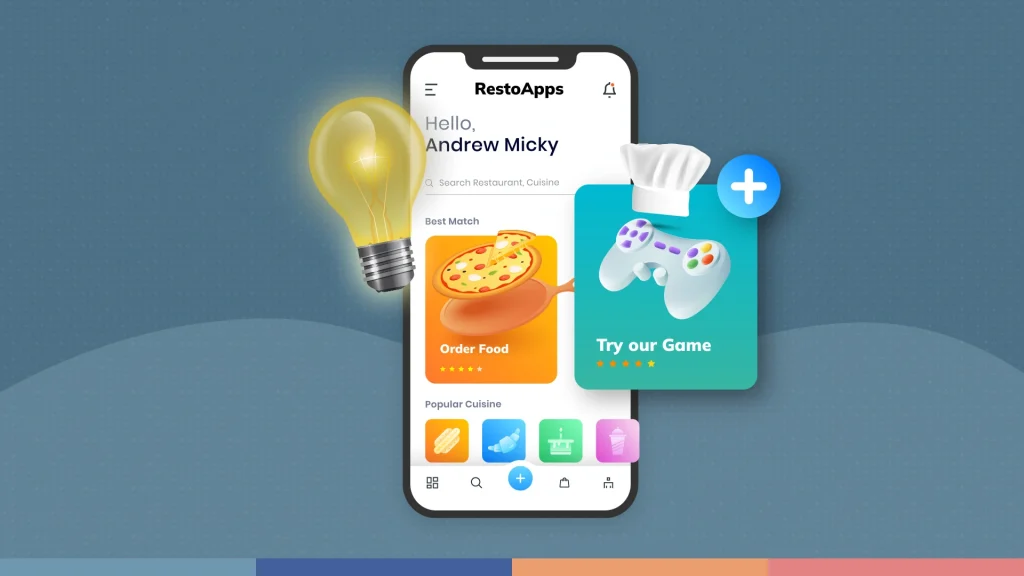
Home Services Our Works Gamification 101 Case Studies Turnkey Event Contact Languages Home Services Our Works Gamification 101 Case Studies Turnkey Event Contact Languages Home Services Our Works Gamification 101 Case Studies Turnkey Event Contact Languages Home Services Our Works Gamification 101 Case Studies Turnkey Event Contact Languages Edit Template 10 Ideas for Enhancing App Gamification Gamification has the power to transform an app, making it more engaging and effective for users. Whether you’re building a new app or looking to refine an existing one, enhancing its gamification elements can greatly improve user engagement and retention. Here are ten ideas to help you elevate your app’s gamification strategy: 1. Incorporate Personalized Progress Tracking Provide users with dashboards or progress bars that reflect their individual achievements. Personalized progress tracking helps users visualize their journey, setting clear milestones that keep them motivated and coming back for more. 2. Add Daily Challenges and Rewards Daily challenges, quests, or tasks encourage users to return regularly and develop consistent habits. Rewards such as badges, virtual currency, or bonus points for completing challenges can build a strong sense of accomplishment. 3. Create Adaptive Difficulty Levels Adjust the difficulty of challenges or tasks based on user skill levels to maintain a balance between challenge and attainability. This keeps advanced users engaged without overwhelming beginners. 4. Introduce Leaderboards and Social Features Incorporate leaderboards and team-based challenges that foster friendly competition among users. This can be further enhanced with social sharing options, allowing users to celebrate their achievements with friends. 5. Implement Storytelling and Quests A compelling narrative and well-structured quests can immerse users in the experience. Craft storylines that align with the app’s theme, providing missions that progress the user through different levels. 6. Offer Exclusive Content Unlockable exclusive content like new levels, avatar upgrades, or special features can serve as valuable rewards. This keeps users motivated to complete tasks and earn the next big upgrade. 7. Integrate Analytics for Customization Analyze user behavior to deliver personalized challenges and rewards. For example, if users prefer quick challenges, offer bite-sized tasks that align with their preferences. 8. Utilize Virtual Currencies and Shops In-app shops and virtual currency systems allow users to purchase upgrades, power-ups, or customization options. By offering a variety of rewards, users can choose the incentives they find most appealing. 9. Provide Feedback and Coaching Detailed feedback helps users understand their progress and areas for improvement. Implement personalized coaching tips or advice based on user performance to guide them toward better results. 10. Collaborate with Third-Party Platforms Integrate with popular third-party platforms to enhance the gamification experience. For instance, connecting fitness apps with wearable devices or linking productivity apps with social media can expand the user experience and provide richer rewards. By thoughtfully integrating these ideas, you can create a gamified app that resonates with users, boosting their motivation, engagement, and loyalty. Ultimately, a well-crafted gamification strategy can distinguish your app from the competition and provide users with a memorable, value-driven experience. Frequently Asked Questions Q: How can personalized progress tracking improve user engagement? A: Personalized progress tracking gives users a clear view of their achievements and encourages them to complete milestones. This visual representation of progress is highly motivating and helps users stay focused on their goals. Q: Why are daily challenges and rewards important in gamification? A: Daily challenges build habits and promote consistent app usage. Rewards like badges or virtual currency make users feel accomplished and reinforce the behavior of returning regularly to complete tasks. Q: How does adaptive difficulty keep users engaged? A: Adaptive difficulty adjusts challenges based on the user’s skill level. This ensures that beginners aren’t overwhelmed and advanced users remain challenged, creating a balanced experience for everyone. Q: What role do leaderboards and social features play in gamification? A: Leaderboards and social features foster friendly competition, giving users a sense of community. Users are motivated to climb rankings and share their achievements, which can lead to increased engagement. Q: How do virtual currencies enhance app gamification? A: Virtual currencies provide a versatile reward system that lets users purchase upgrades, customization options, and other items. This flexibility ensures that users can select rewards that best suit their interests. Q: How can analytics help with app gamification? A: Analytics can reveal user preferences and behaviors, allowing for more personalized challenges and rewards. This data-driven approach ensures that the gamified elements align with what users find most engaging. If you are interested in learning more about gamification and how it can benefit you or your organization Check out our gamification services page and contact us today. We are ready to help you create a gamification experience that aligns with your needs and preferences. All Posts All Literasi Keuangan Lebih Baik dengan Gamifikasi: Kolaborasi dengan Bank Jago October 30, 2024/ Level Up powered by Agate Berpartisipasi sebagai Pembicara di Studium Generale BINUS University October 24, 2024/ Aplikasi Gamifikasi Terbaik untuk Pendidikan October 4, 2024/ Menciptakan Game yang Menyenangkan untuk Upaya Pemasaran October 3, 2024/ Bagaimana Membangun Game Dapat Memberdayakan Bisnis Anda October 2, 2024/ Contoh Gamifikasi Terbaik yang Perlu Kamu Ketahui October 1, 2024/ Memilih Partner Gamification dengan Perusahaan Pengembang Game September 30, 2024/ Memanfaatkan Mini Game dalam Aplikasi Loyalitas untuk Meningkatkan Keterikatan Pelanggan September 27, 2024/ Apakah VR dalam Pendidikan Menjanjikan? September 26, 2024/ Load More End of Content. All company names, brand names, trademarks, logos, illustrations, videos and any other intellectual property (Intellectual Property) published on this website are the property of their respective owners. Any non-authorized usage of Intellectual Property is strictly prohibited and any violation will be prosecuted under the law. © 2023 Agate. All rights reserved. Home Services Our Works Contact Gamification 101 Case Studies Gamification for Marketing Gamification for Learning Instagram Linkedin Twitter Facebook Youtube Edit Template
What Is Immersive Learning?

Home Services Our Works Gamification 101 Case Studies Turnkey Event Contact Languages Home Services Our Works Gamification 101 Case Studies Turnkey Event Contact Languages Home Services Our Works Gamification 101 Case Studies Turnkey Event Contact Languages Home Services Our Works Gamification 101 Case Studies Turnkey Event Contact Languages Edit Template What Is Immersive Learning? In recent years, immersive technologies such as augmented reality and virtual reality have attracted a great deal of interest in educational research, such as immersive learning. By creating interactive, multisensory environments that engage students deeply, immersive learning enables learners to understand and retain complex concepts more effectively than traditional teaching methods. It leverages technologies like virtual reality (VR), augmented reality (AR), and simulation to transform the learning process into an engaging and impactful experience. Understanding Immersive Learning Immersive learning refers to a set of teaching strategies that immerse learners in highly interactive environments to promote deeper understanding and skill acquisition. Immersive learning is a pedagogical approach that leverages immersive technologies to engage learners in highly interactive virtual environments. This approach transcends the limitations of traditional classroom-based instruction, which often relies on textbooks and lectures. Instead, immersive learning places students in dynamic, life-like scenarios that stimulate active participation and problem-solving. These virtual environments can be tailored to each learner’s pace and style, providing immediate feedback and allowing repeated practice in a safe, controlled setting. This adaptability fosters personalized learning paths, accommodating special education needs, and helping struggling students build confidence through positive reinforcement. Immersive learning not only promotes a deeper understanding and skill acquisition but also enhances knowledge retention and application in real-world scenarios. Key Technologies Enabling Immersive Learning Virtual Reality (VR): Learners use VR headsets to explore computer-generated environments that simulate real-world or imaginary settings, allowing them to interact with objects and scenarios they wouldn’t typically encounter. Augmented Reality (AR): AR overlays digital information onto the real world through devices like smartphones or AR glasses, enriching the immediate environment with additional layers of data or interactive elements. Simulations and Game-Based Learning: Virtual simulations replicate real-world processes or scenarios, providing a safe environment for learners to practice skills. Game-based learning incorporates challenges, rewards, and competition to make education fun and motivating. Benefits of Immersive Learning 1. Enhanced Engagement Immersive learning environments captivate students’ attention, encouraging them to fully participate and explore. This high level of engagement leads to better focus and a greater willingness to overcome challenges. 2. Deeper Understanding and Retention Research shows that students in immersive environments retain information better due to their direct involvement in the learning process. Realistic simulations help clarify abstract concepts and reinforce skills through repeated practice. 3. Personalized Learning Paths Immersive learning enables educators to tailor experiences to each student’s pace, preferences, and progress. Learners can move at their own speed, retrying challenges or advancing to more difficult levels as they improve. 4. Safe Space for Practice Simulations offer a risk-free environment where students can make mistakes and learn without consequences. This approach is particularly beneficial in high-stakes fields like medicine and aviation, where hands-on practice is essential. 5. Development of Soft Skills Immersive scenarios often involve problem-solving, communication, and teamwork, promoting essential soft skills that are valuable in the workplace. Applications of Immersive Learning Education Students can take virtual field trips to historical sites, explore scientific concepts in virtual labs, or engage in gamified assessments that make learning enjoyable and memorable. Corporate Training Employees can practice customer interactions, troubleshoot technical problems, or learn new equipment through realistic simulations. Medical Training Medical professionals can practice surgeries or diagnose patients in virtual environments that replicate real-life situations. Aviation and Military Pilots and soldiers can train in simulated environments that mirror real-life missions, allowing them to refine their skills without risk. Challenges and Considerations While immersive learning offers immense potential, it is not without challenges. Key considerations include: 1. Cost and Accessibility The initial investment for VR or AR equipment can be significant, potentially limiting access for some schools and organizations. Affordable alternatives and government funding can help address this gap. 2. Content Quality and Relevance High-quality content aligned with curriculum goals or training needs is essential for effective immersive learning. Institutions should carefully curate or create material to match their objectives. 3. Training for Educators Teachers and trainers need proper training to use immersive learning tools effectively and understand how to integrate them with existing teaching methods. Conclusion Immersive learning represents a significant shift in how we approach education and training. By placing learners in engaging, interactive environments, it not only enhances understanding and retention but also promotes essential skills like communication and problem-solving. Despite challenges like cost and accessibility, the benefits of immersive learning make it a promising avenue for institutions and businesses seeking to empower their students or workforce with effective, personalized, and hands-on experiences. Frequently Asked Questions Q: What is the difference between immersive learning and traditional learning? A: Immersive learning involves interactive, engaging environments created with technologies such as VR, AR, and simulations, allowing students to participate actively and practice skills in lifelike scenarios. Traditional learning often relies on passive learning techniques like lectures and textbooks, which may not engage students as deeply. Q: How effective is immersive learning compared to conventional methods? A: Immersive learning has been shown to enhance engagement, improve retention, and develop practical skills more effectively than many conventional methods. Students can learn through experience, which helps them understand and remember information better and apply it in real-world situations. Q: Can immersive learning be applied in any educational field? A: Yes, immersive learning can be applied across various educational fields—from sciences and arts to vocational training and corporate education. Its adaptability allows it to be customized to the learning goals of any discipline. Q: What are the initial steps an institution should take to implement immersive learning A: Institutions should start by identifying specific learning goals that can be enhanced by immersive technologies, then invest in the appropriate hardware and software. Training educators to use these technologies effectively and integrating immersive content
How to Use Virtual Reality to Enhance Education

Home Services Our Works Gamification 101 Case Studies Turnkey Event Contact Languages Home Services Our Works Gamification 101 Case Studies Turnkey Event Contact Languages Home Services Our Works Gamification 101 Case Studies Turnkey Event Contact Languages Home Services Our Works Gamification 101 Case Studies Turnkey Event Contact Languages Edit Template How to Use Virtual Reality to Enhance Education As discussed in our previous article, VR in education is revolutionizing how students learn by providing immersive and interactive environments that are proven to improve engagement and retention. This technology offers limitless potential to create a captivating learning experience that makes complex concepts tangible and encourages deeper understanding. In this follow-up, we will delve into practical strategies for using virtual reality to enhance education effectively. Practical Strategies for Implementing VR in Education 1. Start with Curriculum Alignment The first step in successfully integrating VR into education is aligning the VR content with curriculum goals. Identify specific subjects or units where immersive simulations would clarify challenging concepts or provide unique experiential learning opportunities. For instance, virtual labs in science classes can simulate intricate experiments that would be too expensive or dangerous to conduct physically. 2. Begin with Accessible Devices While high-end VR headsets offer advanced features, starting with accessible and budget-friendly devices like Google Cardboard or standalone headsets can be effective. These provide a smooth entry into virtual learning and can be used with existing mobile devices, allowing students to explore virtual environments without overwhelming costs. 3. Create Collaborative VR Projects Encourage collaboration by designing group projects or activities that require students to interact in virtual spaces. VR environments can replicate real-world teamwork, enabling students to tackle challenges together, fostering communication, and building camaraderie even in remote or hybrid learning setups. 4. Gamify the Experience Incorporate game elements like points, rewards, and challenges into VR lessons to keep students motivated and focused. Gamified VR assessments can make quizzes and reviews more engaging while providing real-time feedback that helps educators identify learning gaps. 5. Leverage Virtual Field Trips A study from the International Journal of Educational Technology in Higher Education highlighted how collaborative VR projects can promote teamwork and communication among students. Group challenges and virtual field trips enable them to work together seamlessly, irrespective of location, encouraging cooperation and building vital social skills. 5. Hands-On Training and Skill Development Virtual field trips allow students to visit places that would otherwise be inaccessible, from famous historical landmarks to the depths of the ocean. By integrating VR field trips into history, geography, or environmental science lessons, teachers can offer an unforgettable, immersive experience that enriches classroom learning. 6. Assess Progress and Refine Content Monitor how students engage with VR lessons by analyzing completion rates, quiz results, and other participation metrics. Use this data to refine content, adapt learning paths, and ensure the VR curriculum aligns with the students’ evolving needs. 7. Provide Educator Training and Support It’s essential to offer teachers training and resources to help them master the VR equipment and incorporate it effectively into their lessons. Provide ongoing support to ensure they feel confident in using the technology and can adapt to emerging trends. Conclusion Virtual reality has the power to transform education by providing immersive environments that make learning captivating and accessible. Educators can enhance engagement and improve knowledge retention by carefully aligning VR content with curriculum goals and offering gamified, collaborative projects. Institutions willing to invest in training and data-driven refinement will unlock the full potential of virtual reality in education, creating a learning environment that equips students for the challenges of tomorrow. Frequently Asked Questions Q: How can schools and institutions implement VR affordably? A: Schools can begin with more affordable VR devices like Google Cardboard or standalone headsets, which work with existing smartphones. This allows them to test VR in the classroom without a significant investment. As VR becomes more integrated into the curriculum, schools can gradually upgrade to higher-end devices. Q: Can virtual reality in education replace traditional teaching methods? A: Virtual reality is best used as a supplementary tool rather than a replacement for traditional teaching methods. It enhances conventional approaches by offering immersive, experiential learning, making it particularly valuable for subjects where visualization and practical experience are key. Q: How can virtual reality be used to assess student progress? A: VR assessments can include quizzes, challenges, and interactive tasks that provide immediate feedback. Educators can also monitor student engagement and behavior in virtual environments to identify strengths and learning gaps, enabling them to adapt their instruction accordingly. Q: Is virtual reality suitable for primary education? A: Yes, VR can be effective for primary education by offering safe, fun, and interactive environments where younger students can explore basic concepts. For example, virtual field trips allow primary students to learn about history, geography, and science in an engaging way. Q: How does VR help students with different learning styles? A: VR accommodates visual, auditory, and kinesthetic learners by providing dynamic visuals, realistic sounds, and interactive scenarios. The ability to retry tasks and learn at one’s own pace also makes VR a flexible tool that can be adapted to suit various learning styles. Q: What support do teachers need to incorporate VR into their lessons effectively? A: Teachers should receive training on how to operate VR equipment and understand its educational potential. They also benefit from resources like lesson plans, best practices, and ongoing support to help them adapt VR to their unique classroom environments and teaching methods. If you are interested in learning more about gamification and how it can benefit you or your organization Check out our gamification services page and contact us today. We are ready to help you create a gamification experience that aligns with your needs and preferences. All Posts All Literasi Keuangan Lebih Baik dengan Gamifikasi: Kolaborasi dengan Bank Jago October 30, 2024/ Level Up powered by Agate Berpartisipasi sebagai Pembicara di Studium Generale BINUS University October 24, 2024/ Aplikasi Gamifikasi Terbaik untuk Pendidikan October 4, 2024/ Menciptakan Game yang Menyenangkan untuk
Is VR in Education Promising?

Home Services Our Works Gamification 101 Case Studies Turnkey Event Contact Languages Home Services Our Works Gamification 101 Case Studies Turnkey Event Contact Languages Home Services Our Works Gamification 101 Case Studies Turnkey Event Contact Languages Home Services Our Works Gamification 101 Case Studies Turnkey Event Contact Languages Edit Template Is VR in Education Promising? In the rapidly evolving landscape of technology, Virtual Reality (VR) has emerged as a game-changer, offering immersive experiences that transport users to places they may never have the chance to visit otherwise1. This article delves into the transformative potential of VR in education, a potential that is backed by research journal findings. It’s a potential that could revolutionize the way we teach and learn, inspiring a new era of interactive and engaging education. The Promise of VR in Education VR technology has made significant advancements and is now being explored for its potential applications in various fields, including education. By simulating real-world scenarios, VR can provide students with hands-on experiences and facilitate active learning. truly endless, sparking excitement and intrigue about the diverse applications of this technology in education. A systematic review of empirical studies on educational virtual reality games (EVRGs) revealed that these technologies are mediating a rapid transformation in the educational world. The study found that Oculus Rift headsets and HTC Vive are the main technology used in EVRGs. The pedagogical application of the majority of EVRGs was developed for all levels of education (e.g., tertiary, K-12, lifelong learning), with the specific target audience of each game based on the desired learning outcome. Research Findings on VR in Education 1. Improved Engagement and Motivation A study published in the Journal of Educational Computing Research demonstrated that students using VR showed a 45% increase in motivation and engagement compared to those in traditional classroom settings. By allowing learners to explore historical landmarks or conduct virtual science experiments virtually, VR makes abstract concepts tangible and fosters a deep curiosity that keeps students eager to learn. 2. Enhanced Knowledge Retention and Application Research in the Journal of Interactive Learning Research found that medical students using VR simulations retained up to 30% more information than those relying on conventional study methods. Moreover, these students exhibited a higher ability to apply their knowledge practically in real-world scenarios, showcasing the power of immersive learning for translating theory into practice. 3. Customized and Adaptive Learning Paths According to a paper in the British Journal of Educational Technology, VR technology can be adapted to suit each student’s learning pace and style. It provides immediate feedback through challenges and allows repeated practice in a safe, controlled environment. This adaptability enables personalized learning paths that accommodate special education needs and help struggling students build confidence through positive reinforcement. 4. Collaboration and Social Interaction A study from the International Journal of Educational Technology in Higher Education highlighted how collaborative VR projects can promote teamwork and communication among students. Group challenges and virtual field trips enable them to work together seamlessly, irrespective of location, encouraging cooperation and building vital social skills. 5. Hands-On Training and Skill Development In the field of technical education, VR allows students to practice practical skills safely. A study from the Journal of Computer Assisted Learning demonstrated how engineering students improved their assembly skills by 40% through VR training that simulated complex machinery without the associated risks of injury or damage. Research indicates that the majority of students consider the use of VR to have useful pedagogical implications. VR has the potential to captivate learners by making education more interactive and enjoyable. The findings reveal that VR technologies have the potential to enhance student engagement, facilitate immersive learning experiences, and improve knowledge retention. However, challenges such as cost, accessibility, and technological limitations must be addressed to ensure widespread adoption and integration of VR in educational settings1. Despite these challenges, the benefits of VR in education are undeniable, fostering curiosity, critical thinking, and problem-solving skills. Level Up Powered by Agate: Making VR Education Possible At Level Up powered by Agate, we understand the transformative potential of VR in education. As a leading gamification service company, we have a proven track record of successful learning and training gamification projects such as Batique and Jago Money Quest. With a deep understanding of how to blend gamification principles with immersive technologies, they can help institutions, lecturers, and teachers design and implement engaging VR education experiences. By offering tailored solutions that cater to diverse learning needs, Level Up can empower educators to unlock the full potential of VR in their curricula. In conclusion, VR holds immense potential for revolutionizing education. With companies like Level Up powered by Agate at the forefront, the future of VR in education looks promising. Frequently Asked Questions Q: What subjects can benefit most from VR education? A: VR can enhance learning in almost any subject. It is particularly beneficial for subjects that require hands-on practice, visualization, or immersive experiences, such as science (virtual labs), history (virtual reenactments), engineering (simulation of complex machinery), and medical training (virtual anatomy and surgical practice). Q: How cost-effective is it for institutions to implement VR in their curriculum? A: The cost varies depending on the required hardware and software. While the initial investment can be significant, VR devices are becoming more affordable. Additionally, the long-term benefits of improved learning outcomes and student engagement often justify the initial expense. Q: What training do teachers and lecturers need to effectively use VR in their teaching? A: Teachers and lecturers need training to familiarize themselves with the VR equipment and best practices for incorporating it into lesson plans. Level Up powered by Agate can provide support and resources to help educators seamlessly integrate VR into their teaching strategies. Q: How can VR address different learning styles? A: VR creates immersive experiences that cater to visual, auditory, and kinesthetic learners by offering a mix of dynamic visuals, interactive scenarios, and auditory feedback. It also allows students to proceed at their own pace and retry challenges as needed, ensuring no
What Are the Benefits of Using Gamification Apps in Education?

Home Services Our Works Gamification 101 Case Studies Turnkey Event Contact Languages Home Services Our Works Gamification 101 Case Studies Turnkey Event Contact Languages Home Services Our Works Gamification 101 Case Studies Turnkey Event Contact Languages Home Services Our Works Gamification 101 Case Studies Turnkey Event Contact Languages Edit Template What Are the Benefits of Using Gamification Apps in Education? The integration of gamification into education apps has revolutionized learning strategies, transforming traditionally dry subjects into engaging experiences that captivate and motivate students. Gamified educational apps effectively boost user engagement, improve learning outcomes, and provide actionable data insights that enhance teaching strategies. Gamification in Education Apps: New Approaches to Learning Many educational apps incorporate points, badges, and leaderboards, but the real value of gamification lies in its deeper impact on how students learn and retain information. 1. Increased Retention and Engagement Gamified educational apps have been shown to increase student engagement by up to 50% compared to traditional learning methods, with completion rates soaring as high as 90%. These apps transform learning into an enjoyable activity, reducing dropout rates and improving knowledge retention. 2. Adaptive Learning Paths By analyzing user performance and preferences, gamified apps offer personalized learning paths, ensuring students receive content tailored to their level. This personalized approach leads to a more efficient and effective learning experience, keeping students challenged and motivated. 3. Collaboration and Competition Gamified educational apps foster collaboration through team challenges and group quizzes, encouraging students to work together to achieve shared goals. This collaborative spirit is paired with healthy competition, as leaderboards and rewards motivate students to put forth their best efforts. 4. Immediate Feedback and Rewards Students receive immediate feedback on their performance through real-time scoring, badges, and progress indicators. This instant gratification reinforces positive behavior and offers opportunities to correct mistakes quickly, making the learning process dynamic and responsive. 5. Data-Driven Insights for Educators Gamification apps collect data on student progress, providing teachers with valuable insights into each student’s strengths and weaknesses. This data helps educators tailor their instruction methods and offer additional support where necessary. Best Practices for Implementing Gamification Apps in Education Set Clear Goals and Objectives: Establish clear goals and objectives for the gamification app, ensuring that it aligns with the educational goals and objectives. Identify Your Target Audience: Determine your target audience and their needs, ensuring that the gamification app is designed to meet their specific requirements. Assess the App’s Features and Functionality: Evaluate the app’s features and functionality, ensuring that it includes the elements you need to achieve your goals. Consider the App’s User Interface and Experience: Assess the app’s user interface and experience, ensuring that it is user-friendly and easy to navigate. Evaluate the App’s Integration Capabilities: Determine the app’s integration capabilities, ensuring that it can seamlessly integrate with your existing systems and platforms. Level Up powered by Agate: Supporting Gamified Education Level Up powered by Agate specializes in developing sophisticated gamified solutions for educational apps. Their platform helps educators and institutions create impactful learning experiences by incorporating gamified assessments, personalized learning paths, and real-time data analytics. By merging game mechanics with educational best practices, Level Up offers solutions that foster student engagement and ultimately improve learning outcomes. Frequently Asked Questions Q: How does gamification address different learning styles? A: Gamified apps cater to diverse learning styles by offering challenges that incorporate visual, auditory, and kinesthetic elements. They also adapt to individual performance, providing different paths based on each student’s progress and preferred method of learning. Q: Can gamification help in higher education and corporate training? A: Yes, gamification is widely used in higher education and corporate training. For example, Level Up powered by Agate helps design challenges that encourage critical thinking and mastery, providing practical assessments that prepare students and employees for real-world tasks. Q: How does gamification in education apps improve learning outcomes? A: By offering personalized challenges and immediate feedback, gamified apps encourage consistent practice and skill improvement. This continuous, positive reinforcement leads to greater retention and mastery over time. If you are interested in learning more about gamification and how it can benefit you or your organization Check out our gamification services page and contact us today. We are ready to help you create a gamification experience that aligns with your needs and preferences. All Posts All Literasi Keuangan Lebih Baik dengan Gamifikasi: Kolaborasi dengan Bank Jago October 30, 2024/ Level Up powered by Agate Berpartisipasi sebagai Pembicara di Studium Generale BINUS University October 24, 2024/ Aplikasi Gamifikasi Terbaik untuk Pendidikan October 4, 2024/ Menciptakan Game yang Menyenangkan untuk Upaya Pemasaran October 3, 2024/ Bagaimana Membangun Game Dapat Memberdayakan Bisnis Anda October 2, 2024/ Contoh Gamifikasi Terbaik yang Perlu Kamu Ketahui October 1, 2024/ Memilih Partner Gamification dengan Perusahaan Pengembang Game September 30, 2024/ Memanfaatkan Mini Game dalam Aplikasi Loyalitas untuk Meningkatkan Keterikatan Pelanggan September 27, 2024/ Apakah VR dalam Pendidikan Menjanjikan? September 26, 2024/ Load More End of Content. All company names, brand names, trademarks, logos, illustrations, videos and any other intellectual property (Intellectual Property) published on this website are the property of their respective owners. Any non-authorized usage of Intellectual Property is strictly prohibited and any violation will be prosecuted under the law. © 2023 Agate. All rights reserved. Home Services Our Works Contact Gamification 101 Case Studies Gamification for Marketing Gamification for Learning Instagram Linkedin Twitter Facebook Youtube Edit Template
The Impact of Gamification on Mobile App Development
Home Services Our Works Gamification 101 Case Studies Turnkey Event Contact Languages Home Services Our Works Gamification 101 Case Studies Turnkey Event Contact Languages Home Services Our Works Gamification 101 Case Studies Turnkey Event Contact Languages Home Services Our Works Gamification 101 Case Studies Turnkey Event Contact Languages Edit Template The Impact of Gamification on Mobile App Development In recent years, gamification has revolutionized mobile app development by infusing game mechanics into everyday applications. This unique approach, originally confined to the gaming industry, has now emerged as a potent tool to amplify user engagement, bolster retention, and drive return on investment (ROI) in mobile apps across diverse sectors. Gamification in Mobile App Development: Beyond Conventional Wisdom While many discussions focus on basic gamification elements like points, leaderboards, and badges, there’s much more to explore about how it’s reshaping mobile app development: 1. Enhanced Learning and Training Capabilities Educational apps that integrate gamification can achieve 34% higher retention rates than those employing traditional learning methods. By transforming complex concepts into interactive challenges, they facilitate effective learning while making the process enjoyable. 2. Improved User Personalization Gamified apps analyze user behavior to deliver personalized recommendations and challenges. For instance, fitness apps create tailored workout plans based on user progress, while financial apps encourage responsible spending through custom challenges. Personalized experiences often lead to higher customer satisfaction and retention. 3. Behavioral Economics in Action Gamification leverages behavioral economics to influence decision-making. Concepts like loss aversion and variable rewards make users more likely to return to the app regularly. A famous example is Duolingo’s streak feature, which taps into users’ fear of missing out (FOMO) to maintain daily learning habits. 4. Data-Driven Insights Gamified features can provide crucial data points for businesses and institutions. For example, recruitment apps may use gaming elements like situational tests to gauge candidate behavior and predict job performance, leading to a more accurate hiring process. 5. Increased Brand Loyalty and ROI Gamification increases brand loyalty, with 89% of consumers indicating they are more likely to remain loyal to gamified apps. Businesses can significantly improve their ROI over time by fostering a deeper connection through interactive rewards and community engagement. Level Up powered by Agate: Leading the Way Level Up powered by Agate specializes in leveraging gamification to empower businesses and institutions. Their platform can help organizations bolster their marketing efforts, enhance hiring strategies, and design impactful assessment tools. By incorporating advanced gamification elements into mobile app development, they offer a sophisticated approach that elevates user engagement and ultimately drives business growth. 1. Enhanced User Engagement Gamification significantly improves user engagement by making apps more interactive and rewarding. Features like progress tracking, challenges, and leaderboards incentivize users to return and actively participate. For instance, fitness apps like Nike Run Club use challenges and badges to keep runners motivated, while productivity apps like Todoist leverage Karma points to encourage task completion. 2. Boosted Retention Rates Retention is a critical metric for mobile app developers. Gamification strategies like daily rewards, streaks, and adaptive challenges help maintain user interest over time. Duolingo, a popular language learning app, effectively employs daily streaks and rewards, encouraging learners to practice regularly and return to the app day after day. 3. Improved Onboarding Experience Onboarding is often the make-or-break moment for user retention. Gamified onboarding processes that include tutorials, badges, and immediate rewards can ease users into an app’s features and functionality. This creates a positive first impression, reducing drop-off rates and encouraging continued use. 4. In-Depth User Insights Gamification features such as quizzes, personalized challenges, and reward systems offer developers deep insights into user behavior and preferences. This data can be leveraged to refine app features, optimize user experience, and tailor future updates to better meet user needs. 5. Increased Social Interaction Social elements like leaderboards, team challenges, and referral programs foster community within the app. By connecting users through friendly competition or collaborative tasks, developers can increase brand loyalty and create a strong sense of community. 6. New Revenue Streams In-app purchases tied to gamification features, like unlocking levels or purchasing virtual goods, provide developers with additional revenue opportunities. Subscription models that offer exclusive content or rewards are also made more appealing through gamification. 7. Behavioral Change and Positive Habits Gamification can influence user behavior, helping them develop positive habits. By rewarding users for hitting milestones and completing challenges, apps can guide them toward healthier lifestyles, better financial habits, or improved learning outcomes. 8. Cross-Industry Applicability While gaming and entertainment are natural fits for gamification, its impact stretches across various industries. In education, apps like Khan Academy use missions and mastery challenges to increase student engagement. In the corporate sector, Salesforce Trailhead provides skill-based challenges and certifications to motivate employees in their professional development. Frequently Asked Questions Q: How does gamification improve onboarding in mobile apps? A: Gamification makes onboarding more engaging by rewarding users for completing tutorials or exploring app features. This leads to a smoother transition into the app, reducing drop-off rates. Q: Why are daily rewards effective in retaining users? A: Daily rewards encourage users to build streaks and maintain habits. This makes them more likely to return regularly, reinforcing long-term app usage. Q: How does gamification provide better insights into user behavior? A: Quizzes, challenges, and reward systems collect data on user preferences, helping developers understand which features resonate most with their audience and refine their approach accordingly. Q: How does gamification improve social interaction in apps? A: Social features like leaderboards, team challenges, and referral programs create community by fostering friendly competition and collaboration, leading to stronger user loyalty. Q: Can gamification be used outside of entertainment apps? A: Absolutely. Gamification enhances learning apps, corporate training platforms, fitness apps, and even financial planning tools. It can be applied in any context where user engagement and motivation are essential. If you are interested in learning more about gamification and how it can benefit you or your organization Check out our gamification services page and contact us today. We are ready
Gamification Ideas for Customer Engagement

Home Services Our Works Gamification 101 Case Studies Turnkey Event Contact Languages Home Services Our Works Gamification 101 Case Studies Turnkey Event Contact Languages Home Services Our Works Gamification 101 Case Studies Turnkey Event Contact Languages Home Services Our Works Gamification 101 Case Studies Turnkey Event Contact Languages Edit Template Gamification Ideas for Customer Engagement In today’s competitive market, customer engagement is crucial for businesses to thrive. Gamification, or the application of game-like elements in non-game contexts, can help brands captivate their audience and encourage participation. Here are several gamification ideas to help you boost customer engagement effectively: 1. Loyalty Points System Implement a points-based loyalty system where customers earn rewards for repeat purchases, social media sharing, or writing reviews. This system encourages customers to interact more frequently with your brand to accumulate points for future discounts or exclusive perks. 2. Progress Tracking with Tiers Introduce tiered membership levels that allow customers to progress as they complete actions like purchases or referrals. Each tier unlocks new benefits, offering customers an incentive to reach the next level while also building loyalty. 3. Challenges and Missions Create brand-related challenges or missions that customers can complete to earn badges or virtual currency. For instance, a fitness brand could design a “30-Day Workout Challenge” or a fashion retailer could encourage users to “Style a Look.” 4. Interactive Quizzes and Polls Develop engaging quizzes and polls that provide personalized results or recommendations. This keeps customers entertained while collecting valuable insights into their preferences, enabling you to refine your offerings. 5. Leaderboards and Competitions Organize friendly competitions with leaderboards that rank customers based on their participation or achievements. Whether it’s a referral contest or a trivia challenge, leaderboards motivate customers to engage more by appealing to their competitive nature. 6. Badges and Achievements Reward customers with badges or achievements for reaching specific milestones like referring a friend, completing a challenge, or making their first purchase. These visible rewards promote a sense of accomplishment and encourage continued engagement. 7. Virtual Currency and Rewards Store Introduce a virtual currency that customers earn for various actions, which can then be spent in a rewards store. This shop could offer exclusive merchandise, discounts, or even experiential prizes, providing customers with valuable incentives to participate. 8. Referral Program Create a gamified referral program that rewards customers for bringing new clients to your brand. Use progress tracking and leaderboards to recognize top referrers, offering unique bonuses or access to special content. 9. Story-Based Engagement Craft a brand storyline that invites customers to embark on a journey with you. This can be structured as an episodic series or involve unlocking stages of a story with each purchase. The narrative aspect keeps customers intrigued and excited for the next step. 10. Surprise and Delight Mechanism Incorporate occasional “surprise and delight” rewards like random discounts, exclusive access to new products, or early access to sales. These unexpected bonuses can create positive emotional connections, encouraging customers to engage regularly. Frequently Asked Questions Q: How does a loyalty points system increase customer engagement? A: By offering points for various actions, customers are motivated to interact more frequently to earn rewards. This consistent engagement can lead to higher purchase frequency and customer retention. Q: Why are tiered membership levels effective for customer loyalty? A: Tiers create a progression system where customers feel motivated to reach the next level and unlock new benefits. This journey strengthens loyalty as they become more invested in your brand. Q: How do leaderboards and competitions improve engagement? A: Leaderboards appeal to customers’ competitive spirit, encouraging them to participate more to achieve a higher ranking and gain recognition. Q: What are the advantages of a referral program for customer engagement? A: Referral programs leverage existing customer networks to bring new clients on board. Gamifying it with rewards and progress tracking makes it more attractive, leading to higher participation rates. Q: How can storytelling enhance customer engagement? A: A compelling narrative gives customers a reason to return, as they become invested in discovering the next part of the story. This keeps them intrigued and loyal. Gamification has proven to be an effective way to captivate customers and nurture lasting relationships. By implementing these ideas, you can create meaningful interactions that resonate with your audience and differentiate your brand in the marketplace. If you are interested in learning more about gamification and how it can benefit you or your organization Check out our gamification services page and contact us today. We are ready to help you create a gamification experience that aligns with your needs and preferences. All Posts All Literasi Keuangan Lebih Baik dengan Gamifikasi: Kolaborasi dengan Bank Jago October 30, 2024/ Level Up powered by Agate Berpartisipasi sebagai Pembicara di Studium Generale BINUS University October 24, 2024/ Aplikasi Gamifikasi Terbaik untuk Pendidikan October 4, 2024/ Menciptakan Game yang Menyenangkan untuk Upaya Pemasaran October 3, 2024/ Bagaimana Membangun Game Dapat Memberdayakan Bisnis Anda October 2, 2024/ Contoh Gamifikasi Terbaik yang Perlu Kamu Ketahui October 1, 2024/ Memilih Partner Gamification dengan Perusahaan Pengembang Game September 30, 2024/ Memanfaatkan Mini Game dalam Aplikasi Loyalitas untuk Meningkatkan Keterikatan Pelanggan September 27, 2024/ Apakah VR dalam Pendidikan Menjanjikan? September 26, 2024/ Load More End of Content. All company names, brand names, trademarks, logos, illustrations, videos and any other intellectual property (Intellectual Property) published on this website are the property of their respective owners. Any non-authorized usage of Intellectual Property is strictly prohibited and any violation will be prosecuted under the law. © 2023 Agate. All rights reserved. Home Services Our Works Contact Gamification 101 Case Studies Gamification for Marketing Gamification for Learning Instagram Linkedin Twitter Facebook Youtube Edit Template
Exploring the Benefits of the Best Gamification Examples

Home Services Our Works Gamification 101 Case Studies Turnkey Event Contact Languages Home Services Our Works Gamification 101 Case Studies Turnkey Event Contact Languages Home Services Our Works Gamification 101 Case Studies Turnkey Event Contact Languages Home Services Our Works Gamification 101 Case Studies Turnkey Event Contact Languages Edit Template Exploring the Benefits of the Best Gamification Examples Gamification is redefining how businesses, educational institutions, and other organizations engage with their audiences. By incorporating game mechanics like rewards, progress tracking, and challenges, organizations can motivate users to reach goals and improve productivity. Let’s explore the benefits of some of the best gamification examples and how they deliver value across various sectors. Understanding the Benefits of Gamification Before diving into specific examples, it’s essential to understand the primary benefits of gamification: Enhanced Engagement: Game mechanics make everyday tasks more exciting, encouraging active participation. Increased Learning Retention: Challenges and rewards incentivize consistent practice, leading to better knowledge retention. Improved Performance and Productivity: Leaderboards and progress tracking help users stay focused on their goals and improve their productivity. Behavioral Insights: Data analytics provide valuable insights into user behavior, enabling organizations to tailor their strategies. Examples of Gamification Across Sectors 1. Coursera (Education) Coursera leverages quizzes, peer assessments, and certification badges to make online learning engaging. By using progress tracking, leaderboards, and rewards, the platform ensures students remain motivated to complete their courses. The competitive nature of peer grading fosters collaboration and encourages high-quality work. 2. Fitbit (Health and Fitness) Fitbit integrates step challenges, badges, and social leaderboards to help users achieve fitness goals. Users can compete with friends, earn rewards for daily activity, and set personal milestones. This makes exercise more enjoyable, translating into higher engagement and better health outcomes. 3. Level Up by Agate (Marketing and Recruitment) Level Up powered by Agate, supports businesses in enhancing marketing campaigns and assessing job candidates through gamified quizzes and challenges. Organizations can evaluate candidates in real-world scenarios, improving hiring accuracy. In marketing, Level Up’s quizzes and rewards system attract and retain customers while offering valuable behavioral insights. Key Benefits of Gamification Examples 1. Boosting Engagement and Participation Gamified environments encourage user participation through quests, challenges, and leaderboards. This keeps users coming back, be it for educational purposes or achieving fitness goals. 2. Enhancing Learning and Retention Consistent practice through quizzes and adaptive challenges improves knowledge retention. This is particularly beneficial in training and education. 3. Fostering Healthy Competition Leaderboards and social features help build a supportive community while fostering healthy competition. This results in improved productivity and morale, whether in the workplace or personal fitness. 4. Driving Behavioral Change Tracking user progress and offering rewards reinforce positive behaviors. This can help employees develop new skills or motivate customers to stay loyal. Frequently Asked Questions Q: What makes gamified platforms more effective than traditional approaches? A: The interactive, reward-based nature of gamification sustains user interest, leading to higher engagement and improved goal achievement compared to traditional approaches. Q: How do leaderboards and challenges improve productivity? A: They introduce friendly competition that motivates users to reach new milestones. Clear progress tracking and rewards keep them focused on their goals. Q: Can gamification be tailored to different business needs? A: Yes, customizable platforms like Level Up by Agate can be configured to suit various objectives, such as marketing campaigns, recruitment, or training programs. Q: How can gamification improve customer loyalty? A: Gamification can reward customers for engaging with products or services through points, badges, and personalized offers, fostering long-term loyalty. In conclusion, the best gamification examples demonstrate how game mechanics can effectively motivate, engage, and enhance performance across different industries. Understanding their benefits can help you identify the best approach to leveraging gamification for your organization’s success. If you are interested in learning more about gamification and how it can benefit you or your organization Check out our gamification services page and contact us today. We are ready to help you create a gamification experience that aligns with your needs and preferences. All Posts All Literasi Keuangan Lebih Baik dengan Gamifikasi: Kolaborasi dengan Bank Jago October 30, 2024/ Level Up powered by Agate Berpartisipasi sebagai Pembicara di Studium Generale BINUS University October 24, 2024/ Aplikasi Gamifikasi Terbaik untuk Pendidikan October 4, 2024/ Menciptakan Game yang Menyenangkan untuk Upaya Pemasaran October 3, 2024/ Bagaimana Membangun Game Dapat Memberdayakan Bisnis Anda October 2, 2024/ Contoh Gamifikasi Terbaik yang Perlu Kamu Ketahui October 1, 2024/ Memilih Partner Gamification dengan Perusahaan Pengembang Game September 30, 2024/ Memanfaatkan Mini Game dalam Aplikasi Loyalitas untuk Meningkatkan Keterikatan Pelanggan September 27, 2024/ Apakah VR dalam Pendidikan Menjanjikan? September 26, 2024/ Load More End of Content. All company names, brand names, trademarks, logos, illustrations, videos and any other intellectual property (Intellectual Property) published on this website are the property of their respective owners. Any non-authorized usage of Intellectual Property is strictly prohibited and any violation will be prosecuted under the law. © 2023 Agate. All rights reserved. Home Services Our Works Contact Gamification 101 Case Studies Gamification for Marketing Gamification for Learning Instagram Linkedin Twitter Facebook Youtube Edit Template