
Traditional Assessment vs Game-Based Assessment: Which One Truly Reveals Employee Potential?
Home Services Our Works Gamification 101 Gamifcation Case Studies Turnkey Product Potentia Level Up RCD Contact English Bahasa Indonesia English Home Services Our Works Gamification 101 Gamifcation Case Studies Turnkey Product Potentia Level Up RCD Contact English Bahasa Indonesia English Home Services Our Works Gamification 101 Gamifcation Case Studies Turnkey Product Potentia Level Up RCD Contact English Bahasa Indonesia English Home Services Our Works Gamification 101 Gamifcation Case Studies Turnkey Product Potentia Level Up RCD Contact English Bahasa Indonesia English Edit Template Traditional Assessment vs Game-Based Assessment: Which One Truly Reveals Employee Potential? For decades, organizations have relied on traditional assessments to evaluate employee capabilities. Multiple-choice tests, static evaluations, and standardized questionnaires have long been the default approach. However, as workplaces become more dynamic and complex, companies are realizing that knowledge-based testing alone is no longer enough. Today’s organizations need deeper insight into how employees think, make decisions, and perform in real-world situations. This is why many companies are exploring game-based assessment, an interactive approach that evaluates talent through simulations and behavioral data. What Is Traditional Assessment? Traditional assessment refers to structured evaluation methods designed to measure knowledge or cognitive ability through standardized formats. Common Formats of Traditional Assessment Most organizations use traditional testing methods such as: Multiple-choice tests Written examinations Standardized aptitude tests Static evaluation forms These assessments typically provide a snapshot of an employee’s knowledge at a specific moment in time. The Main Strength of Traditional Testing Traditional assessments are useful for measuring: Knowledge retention Theoretical understanding Basic cognitive ability However, they often struggle to capture how employees behave in real work situations. The Challenge With Traditional Testing While traditional tests are widely used, they have several limitations in modern workplaces. 1. Low Engagement Many employees perceive standardized tests as stressful or monotonous, which can reduce motivation and engagement during the evaluation process. 2. Limited Behavioral Insight Traditional tests focus primarily on what employees know, rather than how they apply knowledge in real scenarios. This means organizations miss valuable information about: Decision-making processes Problem-solving strategies Adaptability under pressure 3. Difficulty Simulating Real Situations Real workplace challenges often involve complex scenarios with multiple variables. Static questions cannot fully replicate these conditions. As a result, knowing the correct answer on a test does not always translate into strong performance at work. What Is Game-Based Assessment? Game-based assessment is a modern evaluation method that uses interactive simulations and gamified challenges to measure employee performance. Instead of answering static questions, participants engage with scenarios that require active decision-making and problem-solving. Key Elements of Game-Based Assessment Game-based assessments typically include: Interactive simulations Scenario-based decision challenges Timed missions and tasks Progress tracking and feedback systems These elements create an environment where organizations can observe how employees behave in realistic situations. Why Companies Are Adopting Game-Based Assessment More organizations are integrating gamification into talent evaluation because it provides deeper insights into employee capabilities. 1. Observing Real Problem-Solving Behavior Gamified simulations allow companies to observe how employees: Analyze problems Prioritize actions Respond to challenges This provides a more accurate picture of real workplace performance. 2. Capturing Rich Behavioral Data Game-based systems can track multiple behavioral metrics, including: Reaction time Decision pathways Learning patterns Adaptability to changing conditions This data helps HR teams understand how employees think and perform, not just what they know. 3. Increasing Engagement and Motivation Gamification transforms assessments into interactive experiences rather than stressful tests. Employees are often more engaged because the format feels closer to problem-solving and gameplay rather than formal evaluation. Traditional Assessment vs Game-Based Assessment Game-based assessments help organizations understand how employees perform in action, making them especially valuable for modern workforce evaluation. The Future of Employee Assessment The workplace continues to evolve rapidly. Organizations are no longer looking only for employees who know the right answers. They need people who can: Think critically Adapt to changing situations Solve complex problems Make effective decisions under pressure Game-based assessment provides a powerful way to evaluate these capabilities. Instead of simply testing knowledge, companies can now observe performance in action. How Gamification Is Transforming Talent Evaluation Gamification is becoming a key tool for HR and learning teams to improve: Talent assessment Employee development Learning engagement Performance analytics By combining behavioral science, game design, and data analytics, organizations gain a much deeper understanding of their workforce. FAQ (AEO Optimization) What is game-based assessment? Game-based assessment is a method of evaluating employees using interactive simulations and gamified challenges that measure decision-making, problem-solving, and behavioral patterns. Why are companies using gamified assessments? Companies use gamified assessments because they provide deeper behavioral insights, higher engagement, and better simulation of real workplace situations. Is game-based assessment better than traditional testing? Game-based assessment complements traditional testing by measuring how employees perform in action, rather than just testing knowledge. What skills can game-based assessment measure? Game-based assessments can measure skills such as: critical thinking decision-making adaptability problem-solving learning patterns More than 2 results are available in the PRO version (This notice is only visible to admin users) The Authors Related Articles Result: Faster creation, broader access, and more efficient workflows. Source: Canva Newsroom All Posts All-EN Education-EN News-EN Service Highlight-EN Traditional Assessment vs Game-Based Assessment: Which One Truly Reveals Employee Potential? March 16, 2026/ Traditional Assessment vs Game-Based Assessment: Which One Truly Reveals Employee Potential? March 6, 2026/ Potentia Officially Launched: A Joint Initiative by DEUS and Level Up powered by Agate, Rebranding Indonesia’s First Game-Based Cognitive Assessment… December 9, 2025/ TikTok Gamification: How It Drives Growth and User Engagement in 2025 November 5, 2025/ Smart Business Technologies Through Gamification: Key Insights from Innovibes Day 2025 November 3, 2025/ Level Up Powered by Agate Showcases Gamification Solutions at HRSE Dubai 2025: Paving the Way for MENA Expansion October 29, 2025/ Gamify the Future of HR: Turning Work into Play October 16, 2025/ The HR Revolution Is Here: Engage Through Experience October 16, 2025/ XR Strategies to Boost Customer Engagement: Trends, Case Studies, and Results October 8, 2025/ Load More End of Content. It leverages your brain’s reward system, giving you quick wins and visual progress that boost your motivation to keep going. All company names, brand names, trademarks, logos, illustrations, videos and any other intellectual property (Intellectual Property) published on this website are the property of their
Potentia Officially Launched: A Joint Initiative by DEUS and Level Up powered by Agate, Rebranding Indonesia’s First Game-Based Cognitive Assessment Developed with UGM, MCI, and Agate

Home Services Our Works Gamification 101 Gamifcation Case Studies Turnkey Product Potentia Level Up RCD HRSE Dubai 2025 Contact English Bahasa Indonesia English Home Services Our Works Gamification 101 Gamifcation Case Studies Turnkey Product Potentia Level Up RCD HRSE Dubai 2025 Contact English Bahasa Indonesia English Home Services Our Works Gamification 101 Gamifcation Case Studies Turnkey Product Potentia Level Up RCD HRSE Dubai 2025 Contact English Bahasa Indonesia English Home Services Our Works Gamification 101 Gamifcation Case Studies Turnkey Product Potentia Level Up RCD HRSE Dubai 2025 Contact English Bahasa Indonesia English Edit Template Potentia Officially Launched: A Joint Initiative by DEUS and Level Up powered by Agate, Rebranding Indonesia’s First Game-Based Cognitive Assessment Developed with UGM, MCI, and Agate Jakarta, November 20, 2025. Indonesia’s digital learning landscape has reached a new milestone with the official launch of Potentia, a game based cognitive assessment platform jointly released by DEUS Human Capital Services and Level Up powered by Agate. Potentia is the enhanced and modernized evolution of Batique, Indonesia’s first game based cognitive assessment originally developed with PT Melintas Cakrawala Indonesia (MCI), Universitas Gadjah Mada (UGM) as scientific advisors, and Agate as the game developer. The Grand Launch event at Komdigi Headquarters in Midpoint Place Jakarta brought together educators, parenting communities, and technology leaders to introduce the new Potentia platform and its expanded capabilities. Rebranding Batique into Potentia: A Strategic Leap for Child Assessment in Indonesia This rebranding represents a full scale transformation involving methodology improvements, expanded reporting, upgraded user experience, and a more data driven approach. Through the collaboration between DEUS and Level Up powered by Agate, Potentia emerges as a platform that is: scientifically accurate child friendly classroom ready rich with insights for parents and teachers relevant for modern education needs Measuring 8 Core Cognitive Abilities Through Engaging Gameplay Potentia measures eight foundational cognitive domains: Fluid Reasoning (Gf) Comprehension Knowledge (Gc) Visual Processing (Gv) Auditory Processing (Ga) Processing Speed (Gs) Working Memory (Gwm) Learning Efficiency (Gl) Retrieval Fluency (Gr) These abilities are assessed through eight interactive mini games designed for learners aged 9 to 15. A Multi Layered Insight Ecosystem for Students, Parents, and Schools 1. Instant Report for Students Easy to understand and confidence building. 2. Advanced Report for Parents A deep analysis including learning styles, academic inclinations, strengths, enrichment recommendations, and early guidance for future pathways. 3. Classroom Dashboard for Schools A powerful tool enabling teachers to tailor instruction using real cognitive data. Leadership Quotes Junialdi Dwijaputra, Head of Level Up powered by Agate “Potentia was developed through extensive research, expert validation, and large-scale testing with thousands of children across Indonesia to ensure results that are truly accurate and reliable. We designed it as a scientifically grounded cognitive assessment that remains enjoyable and easy for children to play. This allows children to express their potential naturally. The insights captured are then summarized into a clear, simple report, enabling parents and schools to understand each child’s strengths and unique potential more quickly and with precise data.” Gregory Amadeus Kurnia, CEO of DEUS HCS “Potentia was born from the belief that every child has a unique way of thinking and learning, and our task is to help them discover it early. In Indonesia, a child’s potential is often still viewed only through academic scores, when in fact intelligence and learning abilities are far broader than that. Through the combination of cognitive psychology and educational gaming, Potentia is designed to be an assessment that not only measures, but also helps children feel confident in how they understand the world in their own way. With an objective, scientifically validated, and enjoyable game experience, Potentia helps schools and parents provide learning support that is more personal, accurate, and meaningful for every child.” Damayanti Putri, Head of Game Ecosystem Development – Ministry of Communications and Digital Affairs “The future of children’s education in Indonesia is not found only in classrooms, but also in digital spaces. Educational games like Potentia show that children can learn in ways they enjoy without losing the essence of learning itself. Parents and educators can better recognize and guide children’s interests and talents. With supportive innovation policies, cross-sector collaboration, and strong digital literacy, Indonesia can nurture a generation that is not only technologically capable, but also characterized by creativity, empathy, and strong values.” Built Through Rigorous Research and Validated for Indonesian Learners Potentia is backed by multi year psychometric research, validation by UGM experts, norming for Indonesian children, field testing with diverse student groups. Real-World Impact and Early Adoption More than 200 elementary students at Calvin Christian School have used Potentia, with plans to extend the implementation to junior and senior high school levels. Early results show that Potentia enhances the school’s ability to design differentiated learning strategies using real cognitive insights. Testimonials from Potentia Users Chrissie Martinez, Principal of Calvin Christian School “Potentia’s gamified approach is engaging and tests multiple aspects of a child’s intelligence. The results are comprehensive, clearly presented, and easy to access. We experienced a minor login issue at the start, but the Potentia team provided excellent on-the-spot support and resolved it quickly.” Oh Yen Nie, Dean of Teachers College from Pelita Harapan University “Potentia’s dashboard helps teachers understand the cognitive profiles of each student. It enables more accurate and impactful differentiated learning through modification and flexible instructional planning.” Why Potentia Matters A blend of science and gamification Comprehensive insights for parents Supports differentiated instruction Scalable for institutions Designed for digital native learners Builds confidence in children FAQ Who launched Potentia? DEUS and Level Up powered by Agate. How is it different from Batique? Enhanced reporting, modern UX, and classroom dashboards. Is it scientifically validated? Yes, validated by UGM and psychometric research. What ages is it for? 9 to 15 years old. Is it scalable? Yes, Potentia is designed for large scale implementation. More than 2 results are available in the PRO version (This notice is only visible to admin users) The Authors Related Articles Result: Faster creation, broader access, and more efficient workflows. Source: Canva Newsroom All Posts All-EN Education-EN News-EN Service Highlight-EN Potentia Officially Launched: A Joint Initiative by DEUS and Level Up powered by Agate, Rebranding Indonesia’s First Game-Based Cognitive Assessment… December 9, 2025/ TikTok Gamification: How It Drives Growth and User Engagement in 2025 November 5, 2025/ Smart Business Technologies Through Gamification: Key Insights from Innovibes Day 2025 November 3, 2025/ Level
TikTok Gamification: How It Drives Growth and User Engagement in 2025

Home Services Our Works Gamification 101 Gamifcation Case Studies Turnkey Product Potentia Level Up RCD HRSE Dubai 2025 Contact English Bahasa Indonesia English Home Services Our Works Gamification 101 Gamifcation Case Studies Turnkey Product Potentia Level Up RCD HRSE Dubai 2025 Contact English Bahasa Indonesia English Home Services Our Works Gamification 101 Gamifcation Case Studies Turnkey Product Potentia Level Up RCD HRSE Dubai 2025 Contact English Bahasa Indonesia English Home Services Our Works Gamification 101 Gamifcation Case Studies Turnkey Product Potentia Level Up RCD HRSE Dubai 2025 Contact English Bahasa Indonesia English Edit Template TikTok Gamification: How It Drives Growth and User Engagement in 2025 TikTok has become one of the most powerful social media platforms in the world, boasting 1.6 billion monthly active users (2025) and 95 minutes per day spent on average by users. But what’s driving this massive success? Gamification. In this article, we’ll explore how TikTok leverages gamification to keep users engaged, coming back for more, and how businesses can use TikTok’s features for marketing success. Why TikTok is Dominating the Social Media Landscape in 2025 TikTok’s explosive growth and high user engagement are unparalleled. In fact, TikTok leads in user engagement, with users spending an average of 95 minutes per day on the app, higher than any other social media platform. TikTok’s gamified experience is a significant contributor to this growth. By incorporating game-like features into the platform, TikTok has transformed the way users interact with content. It’s not just about watching videos; it’s about engaging in challenges, participating in streaks, and unlocking rewards. Key TikTok Gamification Features That Drive User Engagement Here are the primary gamification elements that keep TikTok users highly engaged: 1. Hashtag Challenges TikTok’s hashtag challenges are one of the most successful gamified features. These viral trends encourage users to participate by creating content based on specific prompts, such as dance moves or memes. Users are motivated to compete, earn recognition, and often get featured on the leaderboards, driving engagement and creating a social reward system. 2. Daily Streaks & Progress Rewards TikTok’s daily streaks reward users for maintaining consistent engagement. Users who post daily or engage with content regularly earn flame badges, showing off their dedication. This feature encourages users to return to the platform, creating a sense of progression akin to leveling up in a game. 3. AR Filters & Effects TikTok’s AR filters and effects bring a playful, interactive dimension to content creation. Users can unlock exclusive filters by participating in challenges or reaching certain engagement milestones. These gamified filters enhance the content creation process and drive users to engage in a fun, game-like environment. 4. Personalized Feed (FYP) TikTok’s For You Page (FYP) acts as a personalized, algorithm-driven experience, serving content that is tailored to each user’s interests. This game-like feed adapts based on engagement, keeping users hooked by showing content they’re most likely to enjoy, much like a game’s level progression. How TikTok’s Gamification Sets It Apart from Other Platforms Instagram While Instagram also offers some gamified elements like Instagram Stories and AR filters, it doesn’t have the same rewarding feedback loop that TikTok’s algorithm provides. Instagram’s engagement is more static, relying on likes and comments, whereas TikTok thrives on dynamic content discovery and gamified user progression. Facebook Facebook, with its enormous user base, is still primarily based on posts and comments, with few gamified features. It lacks a game-like algorithm and daily engagement rewards that TikTok has successfully integrated. The focus on connections and interests doesn’t provide the same interactive experience as TikTok’s challenge-based engagement. Snapchat Snapchat offers AR lenses and streaks, but it is more focused on personal connections and messaging. While Snapchat has strong AR engagement, it doesn’t offer the same widespread viral challenges and leaderboards that TikTok does. Its streaks are also limited compared to TikTok’s broader user-based rewards system. The Business Opportunity: Using TikTok Gamification for Marketing TikTok’s gamification features provide brands with unique opportunities to create engaging marketing campaigns. By tapping into TikTok’s viral challenges and reward systems, businesses can: Increase brand awareness through hashtag challenges. Drive traffic by encouraging users to participate in branded AR filters. Enhance customer loyalty by rewarding consistent engagement through gamified rewards. TikTok’s gamified elements make it a platform where brand engagement feels less like traditional advertising and more like a fun, interactive game. This provides a significant opportunity for marketers to capture the attention of an active and engaged audience. Conclusion: TikTok’s Gamification is Key to Its Success TikTok’s unique gamification features are integral to its explosive growth. The combination of challenges, streaks, AR filters, and a personalized feed has created an engaging, dynamic user experience that encourages repeat interactions. While other platforms like Instagram, Facebook, and Snapchat offer some gamified elements, TikTok’s approach is a game-changer. Its gamified mechanics create higher engagement and keep users coming back, making TikTok the perfect platform for marketers looking to connect with a vibrant, highly engaged audience. FAQ What makes TikTok’s gamification so effective? TikTok’s gamification keeps users engaged through viral challenges, daily streaks, AR filters, and a personalized feed, creating an interactive and dynamic user experience that feels like a game. How can businesses use TikTok’s gamification for marketing? Businesses can leverage TikTok’s gamified features, such as creating branded challenges, using AR filters for engagement, and rewarding users for consistent participation to boost brand awareness and loyalty. Does TikTok have more gamification features than other platforms? Yes, TikTok’s combination of leaderboards, reward systems, and algorithm-driven engagement loops makes it stand out. Other platforms like Instagram and Snapchat have some gamified features, but TikTok’s gamification is more integrated and dynamic. Can TikTok gamification improve user retention? Absolutely! The continuous feedback loop of streaks, rewards, and personalized content encourages users to return daily, creating higher retention rates compared to other platforms. Ready to Boost Your Engagement with TikTok Gamification? If you’re looking to drive engagement and connect with your audience in a fun, interactive way, Level Up can help you design gamified campaigns that capture attention and
Smart Business Technologies Through Gamification: Key Insights from Innovibes Day 2025
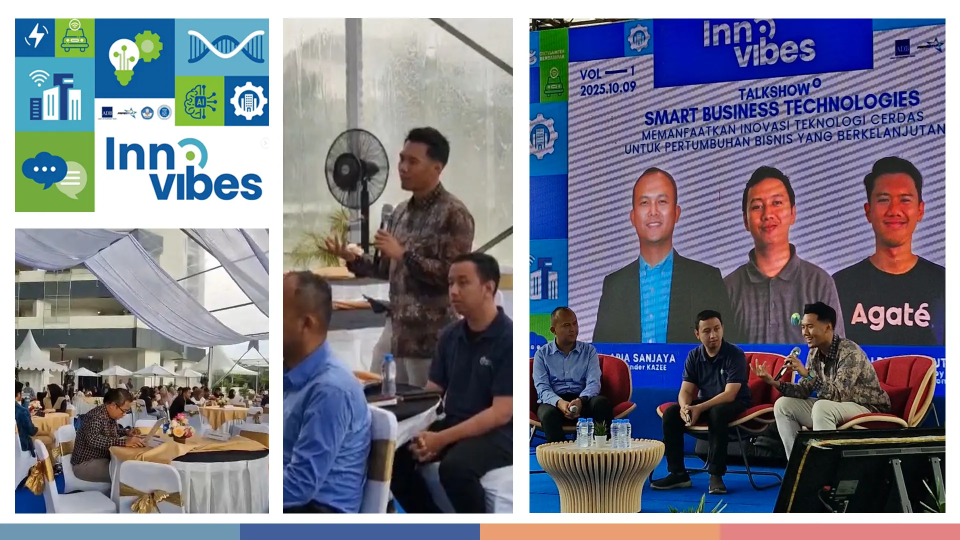
Home Services Our Works Gamification 101 Gamifcation Case Studies Turnkey Product Potentia Level Up RCD HRSE Dubai 2025 Contact English Bahasa Indonesia English Home Services Our Works Gamification 101 Gamifcation Case Studies Turnkey Product Potentia Level Up RCD HRSE Dubai 2025 Contact English Bahasa Indonesia English Home Services Our Works Gamification 101 Gamifcation Case Studies Turnkey Product Potentia Level Up RCD HRSE Dubai 2025 Contact English Bahasa Indonesia English Home Services Our Works Gamification 101 Gamifcation Case Studies Turnkey Product Potentia Level Up RCD HRSE Dubai 2025 Contact English Bahasa Indonesia English Edit Template Smart Business Technologies in 2025: Why Gamification Is Becoming a Strategic Advantage Level Up powered by Agate at Innovibes Day 2025 The Innovibes Day 2025 Vol.1 event, hosted by ITB through the PRIME STeP Program, carried the theme Teknologi Cerdas & Konektivitas Digital. Level Up powered by Agate was invited as a panel speaker, represented by Junialdi Dwijaputra, sharing industry insights on how smart business technologies are transforming engagement and conversion. Level Up’s game-based learning is designed to create immersive and engaging educational experiences. These tools allow companies to enhance their employees skills through interactive scenarios that combine fun and learning. The game-based assessments, on the other hand, offer a dynamic way to evaluate skills, provide real-time feedback, and foster a more engaging and effective evaluation process. In addition to the event, the team also introduced their VR training simulation solutions, which offer realistic, hands-on experiences in a virtual environment. These simulations provide employees with the opportunity to practice complex tasks in a risk-free, controlled setting, making them ideal for high-stakes training scenarios in various industries. From “Entertainment” to “Business Engine”: The Shift of Gamification For years, games have been seen as pure entertainment. But the market trend is changing. Today, gaming and gamification are utilized by global brands as strategic tools to: simplify complex ideas make learning faster deepen customer interaction trigger actual action and conversion And here’s the key: Indonesia is still early in gamification adoption. This means the market potential for growth is massive. Why Gamification Works Better Than Traditional Digital Touchpoints Gamification leverages human psychology — play, reward, progression, and curiosity. Gamification Drives Better Results Gamified experiences help brands: Educate Faster — complex topics become easy to digest Engage Deeper — users voluntarily spend more time on tasks Convert Better — incentives and feedback loops push decision-making Innovation doesn’t have to be complicated or heavy. Sometimes, the smartest technology is simply: Play. What This Means for Business Leaders in 2025 Marketers and decision-makers are now focusing on: cost-efficient customer acquisition retention with higher lifetime value meaningful product education Gamification directly addresses all three. Smart business technologies are not only about AI, data, and infrastructure — they’re about designing human-centric digital experiences that create behavior change. FAQ Is gamification only relevant to gaming industries? No. Gamification is relevant across banking, education, e-commerce, FMCG, telecom, healthcare, and more. Isn’t gamification expensive? Not necessarily. Many gamified experiences can be implemented within existing digital product flows. Does gamification actually affect conversion? Yes. Behavior-driven incentives and feedback loops increase completion, adoption, and transaction rates. What’s the biggest opportunity in Indonesia? Indonesia has high mobile penetration and a young digital-first audience — this makes gamified experiences highly scalable. If your brand needs stronger engagement, better education, and higher conversion — gamification is the most human and effective technology to start with. Let’s build a smarter customer experience together. https://agatelevelup.com/contact More than 2 results are available in the PRO version (This notice is only visible to admin users) The Authors Related Articles Result: Faster creation, broader access, and more efficient workflows. Source: Canva Newsroom All Posts All-EN Education-EN News-EN Service Highlight-EN Smart Business Technologies Through Gamification: Key Insights from Innovibes Day 2025 November 3, 2025/ Level Up Powered by Agate Showcases Gamification Solutions at HRSE Dubai 2025: Paving the Way for MENA Expansion October 29, 2025/ Gamify the Future of HR: Turning Work into Play October 16, 2025/ The HR Revolution Is Here: Engage Through Experience October 16, 2025/ XR Strategies to Boost Customer Engagement: Trends, Case Studies, and Results October 8, 2025/ What Is a Digital Twin? Benefits, Real-World Examples, and Applications October 8, 2025/ XR in Action Across Industries September 18, 2025/ XR Is Reshaping Industries September 18, 2025/ Gamification in On-Ground Activations: Boosting Engagement in 2025 September 9, 2025/ Load More End of Content. It leverages your brain’s reward system, giving you quick wins and visual progress that boost your motivation to keep going. All company names, brand names, trademarks, logos, illustrations, videos and any other intellectual property (Intellectual Property) published on this website are the property of their respective owners. Any non-authorized usage of Intellectual Property is strictly prohibited and any violation will be prosecuted under the law. © 2023 Agate. All rights reserved. Home Services Our Works Contact Gamification 101 Case Studies Gamification for Marketing Gamification for Learning Instagram Linkedin Twitter Facebook Youtube Edit Template
Gamify the Future of HR: Turning Work into Play
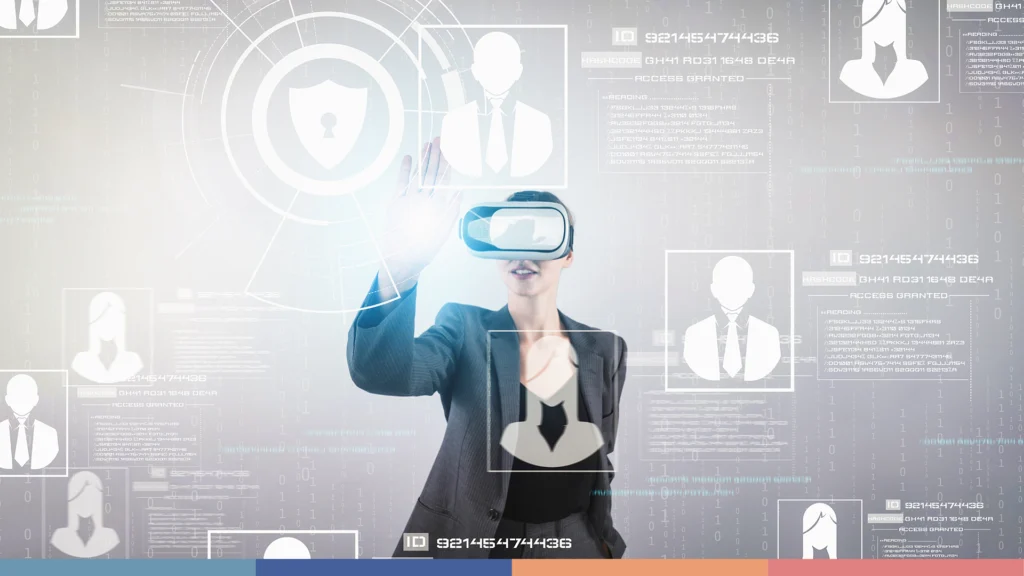
Home Services Our Works Gamification 101 Gamifcation Case Studies Turnkey Product Potentia Level Up RCD HRSE Dubai 2025 Contact English Bahasa Indonesia English Home Services Our Works Gamification 101 Gamifcation Case Studies Turnkey Product Potentia Level Up RCD HRSE Dubai 2025 Contact English Bahasa Indonesia English Home Services Our Works Gamification 101 Gamifcation Case Studies Turnkey Product Potentia Level Up RCD HRSE Dubai 2025 Contact English Bahasa Indonesia English Home Services Our Works Gamification 101 Gamifcation Case Studies Turnkey Product Potentia Level Up RCD HRSE Dubai 2025 Contact English Bahasa Indonesia English Edit Template Gamify the Future of HR: Turning Work into Play The New HR Landscape The world of work has entered a new era — where experience matters more than policy. Hybrid work models, digital-native employees, and rapid skill evolution are redefining how companies engage and grow their people. To stay ahead, organizations must design HR systems that inspire, not just instruct. The Rise of Gamified HR Solutions Gamification turns routine HR processes into dynamic, measurable, and memorable experiences. At Level Up powered by Agate, we apply game design principles to enhance: Learning & Development – through interactive simulations Assessment & Culture Fit – via data-driven challenges Training Safety – using VR to practice complex tasks Engagement & Collaboration – through metaverse-based environments Each experience is built to make employees feel empowered, connected, and motivated. Real-World Success Projects Learning Through Play Projects like Oriflame Business Simulation and Jago Money Quest make corporate learning engaging and practical. Smarter Assessments With Telkomsel and Batique, we redefined how organizations identify skill potential and align values with culture. Safer, Smarter Training Through Crane and Denso VR Simulation, employees can train in risk-free, realistic virtual environments. Building Culture in the Metaverse Virtue Verse enables organizations to host virtual events, connect teams, and reinforce culture — all in an interactive digital world. Why Gamification Matters for HR Leaders Gamification empowers HR leaders to: Drive measurable engagement outcomes Improve training efficiency and safety Attract and retain top talent Strengthen company culture When HR feels like play, people show up differently — with curiosity, motivation, and ownership. See It Live at HRSE Dubai 2025 We’re bringing our Success Project Portfolio to HRSE Dubai 2025 — a showcase of how gamification, VR, and metaverse engagement are reshaping the future of HR. Booth C30 | 22–23 October 2025 | Dubai World Trade Centre Book your demo: agatelevelup.com/levelup-at-hrse-dubai-2025 Frequently Asked Questions Why is gamification a growing HR trend? Because it addresses modern workforce needs — engagement, personalization, and learning retention. What makes Level Up’s approach unique? We blend storytelling, behavioral psychology, and game mechanics to align HR goals with real business outcomes. Can gamification help in corporate culture transformation? Yes. It motivates employees to adopt new values and behaviors through reward-driven participation. How fast can organizations implement these solutions? With Level Up’s proven framework, pilot programs can be deployed in as little as 4–6 weeks. Experience the Future of HR Join the movement where learning meets play and performance meets purpose. Meet our team at HRSE Dubai 2025, Booth C30 and see how gamification can empower your people. If you are interested in learning more about gamification and how it can benefit you or your organization Check out our gamification services page and contact us today. We are ready to help you create a gamification experience that aligns with your needs and preferences. More than 2 results are available in the PRO version (This notice is only visible to admin users) The Authors Related Articles Result: Faster creation, broader access, and more efficient workflows. Source: Canva Newsroom All Posts All-EN Education-EN News-EN Service Highlight-EN Gamify the Future of HR: Turning Work into Play October 16, 2025/ The HR Revolution Is Here: Engage Through Experience October 16, 2025/ XR Strategies to Boost Customer Engagement: Trends, Case Studies, and Results October 8, 2025/ What Is a Digital Twin? Benefits, Real-World Examples, and Applications October 8, 2025/ XR in Action Across Industries September 18, 2025/ XR Is Reshaping Industries September 18, 2025/ Gamification in On-Ground Activations: Boosting Engagement in 2025 September 9, 2025/ How Gamification Transforms Product Launches September 4, 2025/ Gamification in Recruitment: Unlocking Talent Potential & Candidate Experience September 3, 2025/ Load More End of Content. It leverages your brain’s reward system, giving you quick wins and visual progress that boost your motivation to keep going. All company names, brand names, trademarks, logos, illustrations, videos and any other intellectual property (Intellectual Property) published on this website are the property of their respective owners. Any non-authorized usage of Intellectual Property is strictly prohibited and any violation will be prosecuted under the law. © 2023 Agate. All rights reserved. Home Services Our Works Contact Gamification 101 Case Studies Gamification for Marketing Gamification for Learning Instagram Linkedin Twitter Facebook Youtube Edit Template
The HR Revolution Is Here: Engage Through Experience

Home Services Our Works Gamification 101 Gamifcation Case Studies Turnkey Product Potentia Level Up RCD HRSE Dubai 2025 Contact English Bahasa Indonesia English Home Services Our Works Gamification 101 Gamifcation Case Studies Turnkey Product Potentia Level Up RCD HRSE Dubai 2025 Contact English Bahasa Indonesia English Home Services Our Works Gamification 101 Gamifcation Case Studies Turnkey Product Potentia Level Up RCD HRSE Dubai 2025 Contact English Bahasa Indonesia English Home Services Our Works Gamification 101 Gamifcation Case Studies Turnkey Product Potentia Level Up RCD HRSE Dubai 2025 Contact English Bahasa Indonesia English Edit Template The HR Revolution Is Here: Engage Through Experience Why Traditional HR Is No Longer Enough The modern workforce has changed — and so must HR. Employees today crave purpose, recognition, and engagement, yet many organizations still rely on outdated training, manual assessments, and uninspiring development programs. Engagement rates continue to drop in hybrid settings Traditional learning fails to deliver long-term retention Managers struggle to measure culture fit and motivation The result? Burnout, turnover, and declining productivity. The Global HR Trend — From Policy to Experience In 2025, HR is no longer about administration — it’s about experience design. Top organizations are turning to digital transformation to make learning and engagement more meaningful. The Shift to Human-Centered HR 70% of HR leaders plan to invest in engagement tech this year. Companies using gamified learning report up to 60% higher knowledge retention. Immersive learning (AR/VR) is forecasted to become a $12B industry by 2027. This evolution marks the rise of the “Experience Era” in HR, where play and performance go hand in hand. How Gamification Brings Engagement to Life At Level Up powered by Agate, we merge game design with HR strategy — helping organizations build systems that are fun, data-driven, and effective. Game-Based Learning Simulations like Oriflame Business Simulation and Jago Money Quest prove that learning by doing is far more impactful than passive reading. Game-Based Assessment Projects like Telkomsel Working Culture Assessment and Batique Cognitive Assessment allow companies to measure skills and cultural alignment with precision. VR Training & Simulation Through projects such as Crane Simulator and Denso VR Simulation, employees can practice critical tasks safely, saving time and reducing risk. Metaverse Engagement Virtual environments like Virtue Verse foster collaboration, creativity, and a sense of belonging — no matter where teams work. The Real Impact of Play Gamification isn’t about adding points or badges — it’s about behavioral design that motivates people to learn, improve, and connect. Organizations that apply game mechanics see measurable results: 2x increase in learning engagement 50% faster skill development Higher retention and satisfaction scores Visit Level Up at HRSE Dubai 2025 Join us as we bring The Success Project live to HRSE Dubai 2025. Discover how play can redefine HR for your organization. Booth C30 – Dubai World Trade Centre 22–23 October 2025 Book your slot: agatelevelup.com/levelup-at-hrse-dubai-2025 Frequently Asked Questions What is HR gamification? Gamification in HR uses game elements — like challenges, rewards, and progress tracking — to make work activities more engaging and motivating. How does gamification improve training and learning? It increases retention by allowing employees to learn by doing, experiment safely, and receive instant feedback. Can gamification apply to assessments and recruitment? Yes. Game-based assessments measure soft skills, decision-making, and cultural fit more effectively than traditional tests. What industries benefit most? From manufacturing to finance, education, and healthcare — any organization aiming to boost engagement and learning outcomes can apply gamification. Ready to Redefine HR Engagement? Meet our team at HRSE Dubai 2025, Booth C30, or book your personalized demo session today. Let’s transform your HR challenges into experiences that empower people to grow. If you are interested in learning more about gamification and how it can benefit you or your organization Check out our gamification services page and contact us today. We are ready to help you create a gamification experience that aligns with your needs and preferences. More than 2 results are available in the PRO version (This notice is only visible to admin users) The Authors Related Articles Result: Faster creation, broader access, and more efficient workflows. Source: Canva Newsroom All Posts All-EN Education-EN News-EN Service Highlight-EN Gamify the Future of HR: Turning Work into Play October 16, 2025/ The HR Revolution Is Here: Engage Through Experience October 16, 2025/ XR Strategies to Boost Customer Engagement: Trends, Case Studies, and Results October 8, 2025/ What Is a Digital Twin? Benefits, Real-World Examples, and Applications October 8, 2025/ XR in Action Across Industries September 18, 2025/ XR Is Reshaping Industries September 18, 2025/ Gamification in On-Ground Activations: Boosting Engagement in 2025 September 9, 2025/ How Gamification Transforms Product Launches September 4, 2025/ Gamification in Recruitment: Unlocking Talent Potential & Candidate Experience September 3, 2025/ Load More End of Content. It leverages your brain’s reward system, giving you quick wins and visual progress that boost your motivation to keep going. All company names, brand names, trademarks, logos, illustrations, videos and any other intellectual property (Intellectual Property) published on this website are the property of their respective owners. Any non-authorized usage of Intellectual Property is strictly prohibited and any violation will be prosecuted under the law. © 2023 Agate. All rights reserved. Home Services Our Works Contact Gamification 101 Case Studies Gamification for Marketing Gamification for Learning Instagram Linkedin Twitter Facebook Youtube Edit Template
XR Strategies to Boost Customer Engagement: Trends, Case Studies, and Results
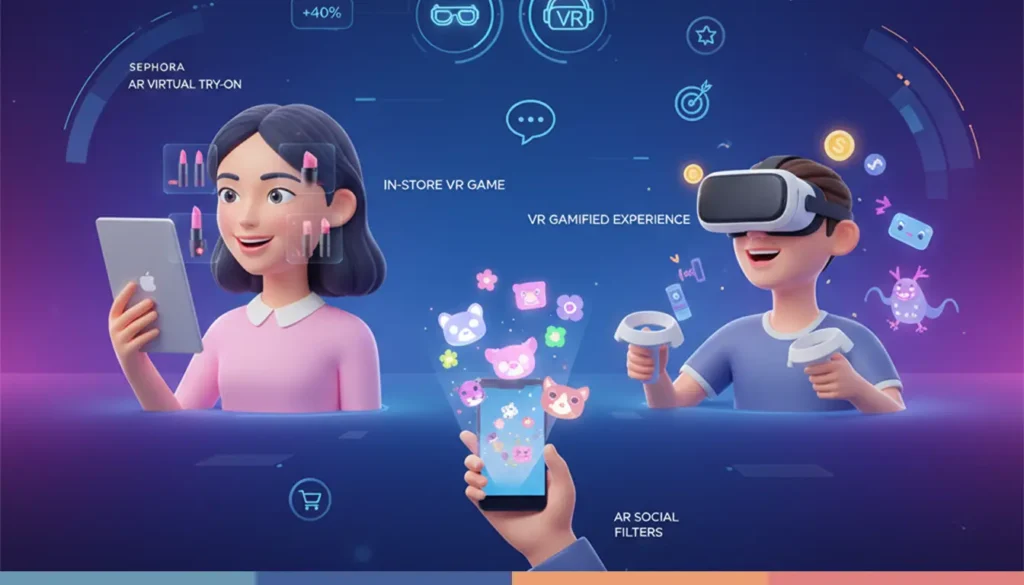
Home Services Our Works Gamification 101 Gamifcation Case Studies Turnkey Product Potentia Level Up RCD HRSE Dubai 2025 Contact English Bahasa Indonesia English Home Services Our Works Gamification 101 Gamifcation Case Studies Turnkey Product Potentia Level Up RCD HRSE Dubai 2025 Contact English Bahasa Indonesia English Home Services Our Works Gamification 101 Gamifcation Case Studies Turnkey Product Potentia Level Up RCD HRSE Dubai 2025 Contact English Bahasa Indonesia English Home Services Our Works Gamification 101 Gamifcation Case Studies Turnkey Product Potentia Level Up RCD HRSE Dubai 2025 Contact English Bahasa Indonesia English Edit Template XR Strategies to Boost Customer Engagement: Trends, Case Studies, and Results Extended Reality (XR)—which includes Augmented Reality (AR) and Virtual Reality (VR)—is changing how brands connect with customers. Unlike traditional ads that last only 2–3 seconds, AR keeps users engaged for up to 75 seconds. Studies also show shoppers are 94% more likely to buy after interacting with 3D/AR content. Case Study 1 – Sephora’s AR Try-On Beauty brand Sephora introduced a Virtual Artist that lets customers “try makeup” digitally before buying. The results were powerful: more store visits, higher conversions (+35%), and fewer product returns (–25%). This case proves AR doesn’t just create fun—it reduces buyer hesitation and builds confidence. Case Study 2 – In-Store AR Gamification Retailers are using in-store AR games to make shopping more engaging. Customers stay for 4+ minutes, while Snapchat Lenses keep 80% of users engaged instead of skipping. This turns shopping into play, which not only entertains but also encourages repeat visits. How Your Brand Can Use AR If your goal is to increase engagement and conversions, here’s the AR playbook: Use WebAR for easy access (no app needed). Add social AR filters on Snapchat & Instagram. Gamify stores and products with interactive quests. Track ROI: dwell time, add-to-cart, and return rates. At Level Up powered by Agate we build AR solutions that make customers look longer, play more, and buy with confidence. FAQs About AR for Customer Engagement How long do AR ads hold attention compared to normal ads? On average, AR ads hold attention for 75 seconds, compared to just 2–3 seconds for traditional banners. Does AR really increase sales? Yes. Sephora’s AR try-on boosted sales by +35% and reduced returns by 25% Do customers enjoy AR in stores? Absolutely. AR games in retail environments keep people engaged for 4+ minutes on average. Is AR expensive to implement? Costs vary, but WebAR lowers the barrier by avoiding app installs. Many brands start small with social filters or product demos. Level Up Your XR Strategy with Agate XR isn’t just a trend—it’s one of the most effective strategies for customer engagement today. From Sephora’s virtual makeup try-on to gamified in-store experiences, AR has proven to increase attention, boost sales, and reduce returns. At Level Up powered by Agate, we specialize in building AR experiences that turn attention into action. Ready to boost your next campaign? Let’s build your AR experience today. Contact Us | Get in Touch With Our Team – Level up powered by Agate If you are interested in learning more about gamification and how it can benefit you or your organization Check out our gamification services page and contact us today. We are ready to help you create a gamification experience that aligns with your needs and preferences. More than 2 results are available in the PRO version (This notice is only visible to admin users) The Authors Related Articles Result: Faster creation, broader access, and more efficient workflows. Source: Canva Newsroom All Posts All-EN Education-EN News-EN Service Highlight-EN Gamify the Future of HR: Turning Work into Play October 16, 2025/ The HR Revolution Is Here: Engage Through Experience October 16, 2025/ XR Strategies to Boost Customer Engagement: Trends, Case Studies, and Results October 8, 2025/ What Is a Digital Twin? Benefits, Real-World Examples, and Applications October 8, 2025/ XR in Action Across Industries September 18, 2025/ XR Is Reshaping Industries September 18, 2025/ Gamification in On-Ground Activations: Boosting Engagement in 2025 September 9, 2025/ How Gamification Transforms Product Launches September 4, 2025/ Gamification in Recruitment: Unlocking Talent Potential & Candidate Experience September 3, 2025/ Load More End of Content. It leverages your brain’s reward system, giving you quick wins and visual progress that boost your motivation to keep going. All company names, brand names, trademarks, logos, illustrations, videos and any other intellectual property (Intellectual Property) published on this website are the property of their respective owners. Any non-authorized usage of Intellectual Property is strictly prohibited and any violation will be prosecuted under the law. © 2023 Agate. All rights reserved. Home Services Our Works Contact Gamification 101 Case Studies Gamification for Marketing Gamification for Learning Instagram Linkedin Twitter Facebook Youtube Edit Template
What Is a Digital Twin? Benefits, Real-World Examples, and Applications
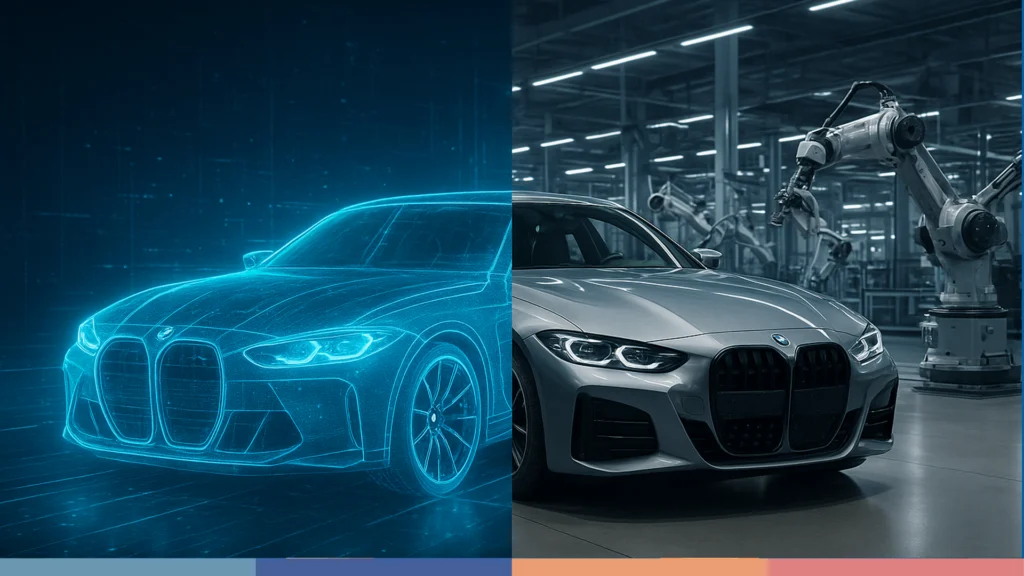
Home Services Our Works Gamification 101 Gamifcation Case Studies Turnkey Product Potentia Level Up RCD HRSE Dubai 2025 Contact English Bahasa Indonesia English Home Services Our Works Gamification 101 Gamifcation Case Studies Turnkey Product Potentia Level Up RCD HRSE Dubai 2025 Contact English Bahasa Indonesia English Home Services Our Works Gamification 101 Gamifcation Case Studies Turnkey Product Potentia Level Up RCD HRSE Dubai 2025 Contact English Bahasa Indonesia English Home Services Our Works Gamification 101 Gamifcation Case Studies Turnkey Product Potentia Level Up RCD HRSE Dubai 2025 Contact English Bahasa Indonesia English Edit Template What Is a Digital Twin? Benefits, Real-World Examples, and Applications Introduction to Digital Twin Technology A digital twin is a virtual replica of a real-world object, process, or system. Unlike a static simulation, a digital twin is connected to live data—thanks to IoT sensors, AI, and analytics—making it a real-time 3D model that reflects the state of its physical counterpart. Digital twins are central to Industry 4.0 because they allow companies to predict problems, optimize operations, and innovate faster. How Does a Digital Twin Work? Core Components of Digital Twin Technology Physical Object or System → Machine, building, factory, or city. IoT Sensors & Devices → Collect real-time data (temperature, usage, speed, energy). Digital Model → A dynamic 3D simulation connected to live data. Analytics & AI → Predict outcomes, simulate scenarios, and suggest improvements. This combination makes digital twins powerful tools for predictive maintenance, performance monitoring, and digital transformation. Key Benefits of Digital Twin Technology Cost Savings: Identify issues early and reduce downtime. Innovation Speed: Test “what if” scenarios virtually before real-world rollout. Better Decisions: Use real-time insights for smarter planning. Sustainability: Reduce waste, cut carbon emissions, and save energy. Real-World Digital Twin Case Studies Smart Cities – Singapore Singapore created Virtual Singapore, a digital twin of the entire nation. Use: Test traffic flow, energy efficiency, and crowd management. Result: Safer cities, optimized energy use, smarter planning. Automotive – BMW BMW uses digital twins of production plants to simulate car assembly. Use: Test and optimize factory workflows virtually. Result: Saved millions in setup costs and accelerated production. Consumer Goods – Unilever Unilever applied digital twin technology to its global factories. Use: Simulate operations, cut waste, optimize energy. Result: Millions saved in energy costs, reduced emissions. Airports – Heathrow Heathrow Airport created a digital twin of infrastructure and systems. Use: Predict maintenance and improve passenger flow. Result: Less downtime, smoother travel experience. Cities – Orlando, Florida Orlando partnered with Unity to build a city-scale digital twin. Use: Support urban growth, planning, and sustainability projects. Result: Improved collaboration between government and stakeholders. Industries Using Digital Twins Manufacturing → factory twins, predictive maintenance, production optimization. Smart Cities → traffic, utilities, energy management. Healthcare → patient monitoring, medical device testing. Energy → wind farms, oil rigs, utilities. Retail → store layouts, logistics, consumer experience. Challenges of Adopting Digital Twin Technology High setup cost and integration complexity. Need for IoT infrastructure and reliable sensors. Cybersecurity and data privacy concerns. Skills gap for managing AI and data analytics. The Future of Digital Twins With advances in AI, IoT, and cloud computing, digital twins will become even more scalable and affordable. Expect wider adoption in smart homes, urban planning, and global supply chains, making digital twins a cornerstone of digital transformation. FAQs About Digital Twins What is a digital twin example in real life? BMW factory simulations, Singapore’s Virtual Singapore, and Heathrow Airport operations are real-world digital twin examples. Is a digital twin the same as a simulation? No. A simulation is static, while a digital twin updates continuously with live data. How expensive is a digital twin? Costs vary, but ROI is high due to downtime reduction, energy savings, and faster innovation. Which industries use digital twins the most? Manufacturing, smart cities, healthcare, and energy are the top industries. What software is best for digital twins? Unity, Siemens, PTC, and NVIDIA Omniverse are leading platforms. Digital twins are not just futuristic—they’re practical tools driving Industry 4.0 today. From reducing costs to improving sustainability, they’re changing how businesses and cities operate. At Level Up powered by Agate we build tailored digital twin solutions that help you see, predict, and act smarter. Ready to create your first digital twin? Contact us today. Contact Us | Get in Touch With Our Team – Level up powered by Agate If you are interested in learning more about gamification and how it can benefit you or your organization Check out our gamification services page and contact us today. We are ready to help you create a gamification experience that aligns with your needs and preferences. More than 2 results are available in the PRO version (This notice is only visible to admin users) The Authors Related Articles Result: Faster creation, broader access, and more efficient workflows. Source: Canva Newsroom All Posts All-EN Education-EN News-EN Service Highlight-EN Gamify the Future of HR: Turning Work into Play October 16, 2025/ The HR Revolution Is Here: Engage Through Experience October 16, 2025/ XR Strategies to Boost Customer Engagement: Trends, Case Studies, and Results October 8, 2025/ What Is a Digital Twin? Benefits, Real-World Examples, and Applications October 8, 2025/ XR in Action Across Industries September 18, 2025/ XR Is Reshaping Industries September 18, 2025/ Gamification in On-Ground Activations: Boosting Engagement in 2025 September 9, 2025/ How Gamification Transforms Product Launches September 4, 2025/ Gamification in Recruitment: Unlocking Talent Potential & Candidate Experience September 3, 2025/ Load More End of Content. It leverages your brain’s reward system, giving you quick wins and visual progress that boost your motivation to keep going. All company names, brand names, trademarks, logos, illustrations, videos and any other intellectual property (Intellectual Property) published on this website are the property of their respective owners. Any non-authorized usage of Intellectual Property is strictly prohibited and any violation will be prosecuted under the law. © 2023 Agate. All rights reserved. Home Services Our Works Contact Gamification 101 Case Studies Gamification for Marketing Gamification for Learning Instagram Linkedin Twitter
XR in Action Across Industries

Home Services Our Works Gamification 101 Gamifcation Case Studies Turnkey Product Potentia Level Up RCD Contact English Bahasa Indonesia English Home Services Our Works Gamification 101 Gamifcation Case Studies Turnkey Product Potentia Level Up RCD Contact English Bahasa Indonesia English Home Services Our Works Gamification 101 Gamifcation Case Studies Turnkey Product Potentia Level Up RCD Contact English Bahasa Indonesia English Home Services Our Works Gamification 101 Gamifcation Case Studies Turnkey Product Potentia Level Up RCD Contact English Bahasa Indonesia English Edit Template XR in Action Across Industries Extended Reality (XR) is being adopted worldwide as businesses seek smarter ways to innovate, reduce costs, and deliver extraordinary user experiences. Unity’s report, Extended Reality: XR Is Transforming Industries, shares powerful customer stories that show XR’s versatility and ROI. Safer and Smarter Workforce Training Training and safety are areas where XR delivers immediate benefits. Healthcare: Cincinnati Children’s Hospital uses VR to train surgeons while also helping families better understand complex medical conditions. Transportation: KLM developed a VR cockpit environment for pilot training, providing realistic and safe practice for ground and inflight procedures. Manufacturing: Virtual Forklift created an immersive program for heavy machinery operators, reducing accident-related costs significantly. Transforming Customer Experiences XR isn’t just for training — it’s redefining how customers interact with brands. Automotive: BMW introduced AR glasses that enhance driver safety with parking overlays and navigation guidance. Retail: Globe-Trotter built a 3D immersive shopping platform where customers confidently purchase $2,700 luxury luggage online. Food Industry: Carl’s Jr. cut franchise training costs by 73% and boosted customer satisfaction by 43% through XR programs. Boosting Efficiency and Cutting Costs Operational efficiency is another strong advantage. Construction: Mortenson leverages VR design reviews to let clients explore building models, saving over $500K by spotting design flaws early. Engineering: HR Wallingford applies XR simulations to improve vessel pilot training, reducing program delivery times. What These Stories Prove These case studies confirm XR’s value across diverse industries. Whether in healthcare, transportation, retail, or construction, XR enables safer training, faster decision-making, improved customer engagement, and measurable ROI. FAQs About Gamification in Offline Events Which industries benefit most from XR? Healthcare, transportation, retail, food service, construction, and engineering are leading adopters. How is ROI measured in XR projects? Through metrics like reduced accidents, cost savings, faster design cycles, and higher customer satisfaction scores. Can XR scale across organizations? Yes — platforms like Unity allow XR content to run on VR headsets, AR glasses, mobile, and desktop. Level Up Your XR Strategy with Agate At Level Up powered by Agate, we help organizations translate XR potential into real business impact. Whether you need immersive training, enhanced customer experiences, or cost efficiency, our gamified XR solutions deliver results. Let’s design your XR journey today. Contact Us | Get in Touch With Our Team – Level up powered by Agate If you are interested in learning more about gamification and how it can benefit you or your organization Check out our gamification services page and contact us today. We are ready to help you create a gamification experience that aligns with your needs and preferences. More than 2 results are available in the PRO version (This notice is only visible to admin users) The Authors Related Articles Result: Faster creation, broader access, and more efficient workflows. Source: Canva Newsroom All Posts All-EN Education-EN News-EN Service Highlight-EN XR in Action Across Industries September 18, 2025/ XR Is Reshaping Industries September 18, 2025/ Gamification in On-Ground Activations: Boosting Engagement in 2025 September 9, 2025/ How Gamification Transforms Product Launches September 4, 2025/ Gamification in Recruitment: Unlocking Talent Potential & Candidate Experience September 3, 2025/ Gamification in Recruitment: Unlocking the Future of HR August 29, 2025/ Slaying Engagement: What Demon Slayer Teaches Us About Gamification August 22, 2025/ How Indonesia’s Independence Day Games Reflect Gamification Principles August 14, 2025/ How Football and Gamification Are More Similar Than You Think August 13, 2025/ Load More End of Content. It leverages your brain’s reward system, giving you quick wins and visual progress that boost your motivation to keep going. All company names, brand names, trademarks, logos, illustrations, videos and any other intellectual property (Intellectual Property) published on this website are the property of their respective owners. Any non-authorized usage of Intellectual Property is strictly prohibited and any violation will be prosecuted under the law. © 2023 Agate. All rights reserved. Home Services Our Works Contact Gamification 101 Case Studies Gamification for Marketing Gamification for Learning Instagram Linkedin Twitter Facebook Youtube Edit Template
XR Is Reshaping Industries

Home Services Our Works Gamification 101 Gamifcation Case Studies Turnkey Product Potentia Level Up RCD Contact English Bahasa Indonesia English Home Services Our Works Gamification 101 Gamifcation Case Studies Turnkey Product Potentia Level Up RCD Contact English Bahasa Indonesia English Home Services Our Works Gamification 101 Gamifcation Case Studies Turnkey Product Potentia Level Up RCD Contact English Bahasa Indonesia English Home Services Our Works Gamification 101 Gamifcation Case Studies Turnkey Product Potentia Level Up RCD Contact English Bahasa Indonesia English Edit Template XR Is Reshaping Industries Extended Reality (XR) is no longer just a buzzword. Today, XR is reshaping industries by merging the digital and physical worlds, enabling businesses to solve pressing challenges and unlock new opportunities. From immersive workforce training to the use of digital twins and AI-powered content creation, XR has become a strategic tool for innovation. According to Unity’s research, Extended Reality: XR Is Transforming Industries, companies are already seeing tangible results. Let’s explore why industries are adopting XR, how it creates real impact, and where it’s being applied today. Why Industries Face Pressure to Change worldwide face multiple challenges: rising operational costs, safety risks in high-stakes environments, and growing demand for rapid innovation. Traditional training and prototyping methods are costly and limited. XR addresses these gaps by enabling safer, faster, and more cost-effective solutions. How XR Creates Real Impact XR is already making measurable impact through: Immersive Training: Workers can practice in simulated environments without risk. Digital Twins: Companies simulate processes and products virtually, reducing errors and costs. AI + XR: Generative AI accelerates XR content creation and personalization. XR in Action Across Industries Healthcare: XR simulations for surgery planning and patient education. Automotive: Virtual showrooms and design reviews for faster product innovation. Education: Scalable XR learning modules across devices. Manufacturing: Factory floor XR for safety protocols and efficiency. These examples prove XR’s versatility in driving innovation across multiple sectors. FAQs About Gamification in Offline Events What is XR? Extended Reality (XR) includes Virtual Reality (VR), Augmented Reality (AR), and Mixed Reality (MR). How does XR reduce costs? By enabling training, prototyping, and customer engagement digitally, companies minimize risks and resource waste. Which industries benefit most? Healthcare, automotive, education, and manufacturing are among the top adopters. Bring XR to Your Business with Level Up powered by Agate We design gamified and immersive XR solutions that: Engage customers Upskill teams Deliver measurable results Let’s create your XR journey together. Contact Us | Get in Touch With Our Team – Level up powered by Agate If you are interested in learning more about gamification and how it can benefit you or your organization Check out our gamification services page and contact us today. We are ready to help you create a gamification experience that aligns with your needs and preferences. More than 2 results are available in the PRO version (This notice is only visible to admin users) The Authors Related Articles Result: Faster creation, broader access, and more efficient workflows. Source: Canva Newsroom All Posts All-EN Education-EN News-EN Service Highlight-EN XR in Action Across Industries September 18, 2025/ XR Is Reshaping Industries September 18, 2025/ Gamification in On-Ground Activations: Boosting Engagement in 2025 September 9, 2025/ How Gamification Transforms Product Launches September 4, 2025/ Gamification in Recruitment: Unlocking Talent Potential & Candidate Experience September 3, 2025/ Gamification in Recruitment: Unlocking the Future of HR August 29, 2025/ Slaying Engagement: What Demon Slayer Teaches Us About Gamification August 22, 2025/ How Indonesia’s Independence Day Games Reflect Gamification Principles August 14, 2025/ How Football and Gamification Are More Similar Than You Think August 13, 2025/ Load More End of Content. It leverages your brain’s reward system, giving you quick wins and visual progress that boost your motivation to keep going. All company names, brand names, trademarks, logos, illustrations, videos and any other intellectual property (Intellectual Property) published on this website are the property of their respective owners. Any non-authorized usage of Intellectual Property is strictly prohibited and any violation will be prosecuted under the law. © 2023 Agate. All rights reserved. Home Services Our Works Contact Gamification 101 Case Studies Gamification for Marketing Gamification for Learning Instagram Linkedin Twitter Facebook Youtube Edit Template