
Gamifikasi Bukan Sekadar Poin dan Badge
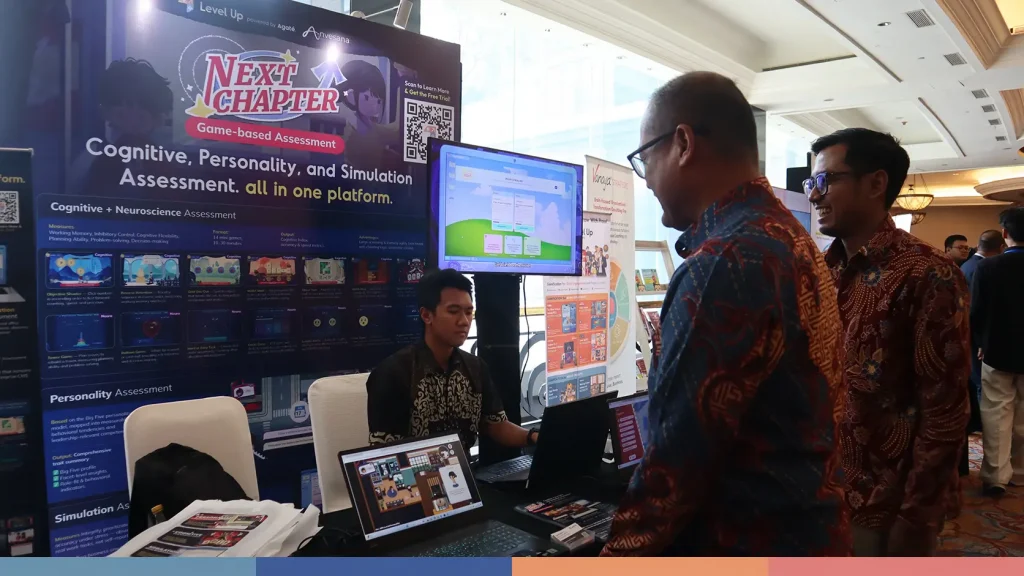
Home Services Our Works Gamification 101 Gamification Case Studies Turnkey Product Game Based Assessment Potentia Level Up RCD Contact English Bahasa Indonesia English Home Services Our Works Gamification 101 Gamification Case Studies Turnkey Product Game Based Assessment Potentia Level Up RCD Contact English Bahasa Indonesia English Home Services Our Works Gamification 101 Gamification Case Studies Turnkey Product Game Based Assessment Potentia Level Up RCD Contact English Bahasa Indonesia English Home Services Our Works Gamification 101 Gamification Case Studies Turnkey Product Game Based Assessment Potentia Level Up RCD Contact English Bahasa Indonesia English Home Services Our Works Gamification 101 Gamification Case Studies Turnkey Product Game Based Assessment Potentia Level Up RCD Contact English Bahasa Indonesia English Home Services Our Works Gamification 101 Gamification Case Studies Turnkey Product Game Based Assessment Potentia Level Up RCD Contact English Bahasa Indonesia English Edit Template Gamifikasi Bukan Sekadar Poin dan Badge Ketika mendengar istilah gamifikasi, banyak orang langsung membayangkan poin, badge, leaderboard, atau hadiah. Padahal, elemen-elemen tersebut hanyalah sebagian kecil dari konsep gamifikasi. Esensi gamifikasi bukanlah membuat sebuah aktivitas terasa seperti permainan, melainkan menerapkan prinsip desain game untuk menciptakan pengalaman yang lebih menarik, memotivasi, dan mendorong partisipasi. Inilah alasan mengapa gamifikasi kini mulai diterapkan di berbagai bidang, mulai dari pembelajaran, pengembangan karyawan, hingga program engagement di perusahaan. Mengapa Gamifikasi Efektif? Game memiliki kemampuan untuk membuat pemain tetap terlibat dalam waktu yang lama. Hal tersebut bukan semata karena hadiahnya, melainkan karena game dirancang dengan tujuan yang jelas, tantangan yang bertahap, umpan balik yang cepat, dan rasa pencapaian yang terus berkembang. Prinsip yang sama dapat diterapkan dalam berbagai aktivitas non-game. Alih-alih hanya memberikan materi atau tugas, organisasi dapat merancang pengalaman yang membuat peserta terdorong untuk terus berpartisipasi. Gamifikasi Berawal dari Memahami Perilaku Salah satu kesalahan yang sering terjadi adalah menganggap gamifikasi selesai setelah menambahkan sistem poin atau leaderboard. Padahal, desain gamifikasi yang efektif dimulai dengan memahami perilaku yang ingin dibentuk. Misalnya: Apakah organisasi ingin meningkatkan partisipasi? Apakah ingin mendorong kolaborasi antar tim? Apakah ingin meningkatkan penyelesaian pelatihan? Atau ingin membangun kebiasaan belajar secara konsisten? Setelah tujuan tersebut jelas, barulah elemen permainan dipilih untuk mendukung perilaku yang diharapkan. Elemen Game yang Memiliki Fungsi Nyata Berbagai elemen permainan memiliki fungsi yang berbeda-beda. Progress bar membantu peserta melihat perkembangan mereka. Quest membagi target besar menjadi tantangan yang lebih mudah dicapai. Badge memberikan pengakuan atas pencapaian tertentu. Leaderboard dapat mendorong kompetisi yang sehat apabila digunakan pada konteks yang tepat. Ketika dikombinasikan secara seimbang, elemen-elemen tersebut mampu menciptakan pengalaman yang lebih menarik dibandingkan aktivitas konvensional. Ilustrasi elemen-elemen gamifikasi seperti progress bar, quest, badge, dan leaderboard yang digunakan dalam platform pembelajaran atau assessment. Penerapan Gamifikasi di Dunia Kerja Saat ini, gamifikasi telah digunakan dalam berbagai kebutuhan organisasi, seperti: Onboarding karyawan baru. Learning & Development. Employee engagement. Sales incentive. Internal campaign. Program inovasi. Kegiatan assessment. Setiap implementasi memiliki pendekatan yang berbeda karena tujuan bisnis setiap organisasi juga berbeda. https://www.youtube.com/watch?v=4IoNRk2vgMY%20 Ilustrasi proses rekrutmen berbasis gamifikasi oleh Level Up powered by Agate Pengalaman Menjadi Faktor yang Tidak Kalah Penting Di era digital, pengalaman pengguna menjadi salah satu faktor yang menentukan keberhasilan sebuah program. Sebuah pelatihan dengan materi yang baik belum tentu efektif apabila pesertanya tidak termotivasi untuk menyelesaikannya. Sebaliknya, pengalaman yang dirancang dengan pendekatan gamifikasi dapat membantu meningkatkan partisipasi, menjaga motivasi, dan membuat proses belajar terasa lebih menyenangkan tanpa menghilangkan tujuan utamanya. Peserta mengikuti gamified assessment melalui tantangan interaktif yang dirancang untuk mengevaluasi kemampuan Frequently Asked Questions Apa perbedaan gamifikasi dengan game? Gamifikasi adalah penerapan elemen dan prinsip desain game pada aktivitas non-game, seperti pelatihan, onboarding, atau program employee engagement. Sementara itu, game dibuat dengan tujuan utama untuk dimainkan sebagai sebuah permainan. Apakah gamifikasi hanya menggunakan poin dan leaderboard? Tidak. Poin dan leaderboard hanyalah sebagian dari elemen gamifikasi. Desain gamifikasi juga dapat mencakup progress bar, quest, badge, feedback instan, level, hingga storytelling, tergantung pada tujuan yang ingin dicapai. Apakah gamifikasi hanya cocok untuk perusahaan teknologi? Tidak. Gamifikasi dapat diterapkan di berbagai industri, mulai dari manufaktur, perbankan, kesehatan, pendidikan, hingga sektor pemerintahan. Kuncinya adalah menyesuaikan desain gamifikasi dengan kebutuhan organisasi dan karakteristik pesertanya. Bagaimana cara mengetahui apakah gamifikasi berhasil? Keberhasilan gamifikasi dapat diukur melalui indikator yang sesuai dengan tujuan program, seperti tingkat partisipasi, penyelesaian pelatihan, engagement peserta, perubahan perilaku, atau peningkatan performa. Siap menghadirkan pengalaman yang lebih engaging melalui gamifikasi? Melalui Level Up powered by Agate, kami membantu perusahaan mengembangkan solusi gamifikasi yang disesuaikan untuk berbagai kebutuhan, mulai dari onboarding, learning & development, employee engagement, hingga program internal lainnya. Kunjungi halaman Contact Us untuk berdiskusi dengan tim kami dan temukan solusi yang paling sesuai bagi organisasi Anda. Author Artikel Terkait All Posts Service Highlight News Education All Gamifikasi Bukan Sekadar Poin dan Badge July 23, 2026/ Level Up powered by Agate Hadirkan Booth Interaktif di Minutes Meetup Bandung #7 July 21, 2026/ Game-Based Assessment vs Psikotes Tradisional July 20, 2026/ Progress Bar, Leaderboard, Badge, dan Quest dalam Gamifikasi: Mana yang Paling Efektif? July 17, 2026/ Level Up powered by Agate Tunjukkan Potensi Game untuk Dunia Bisnis di Clogs, Tulips and Video Games Erasmus Huis July 16, 2026/ Tren Gamification dalam Promosi Dunia Perfilman July 15, 2026/ Piala Dunia dan Gamification: Kenapa Miliaran Orang Selalu Kembali Menonton? July 15, 2026/ HYROX dan Gamification: Ketika Kompetisi Fitness Dibangun Seperti Video Game July 15, 2026/ Beyond the Leaderboard V4: Tren Gamifikasi Modern Berbasis Data pada Marketing, Brand, dan HR June 30, 2026/ Load More End of Content. All company names, brand names, trademarks, logos, illustrations, videos and any other intellectual property (Intellectual Property) published on this website are the property of their respective owners. Any non-authorized usage of Intellectual Property is strictly prohibited and any violation will be prosecuted under the law. © 2023 Agate. All rights reserved. Home Services Our Works Contact Gamification 101 Case Studies Instagram Linkedin Youtube Edit Template
Gamification is More Than Just Points and Badges
Home Services Our Works Gamification 101 Gamification Case Studies Turnkey Product Game Based Assessment Potentia Level Up RCD Contact English Bahasa Indonesia English Home Services Our Works Gamification 101 Gamification Case Studies Turnkey Product Game Based Assessment Potentia Level Up RCD Contact English Bahasa Indonesia English Home Services Our Works Gamification 101 Gamification Case Studies Turnkey Product Game Based Assessment Potentia Level Up RCD Contact English Bahasa Indonesia English Home Services Our Works Gamification 101 Gamification Case Studies Turnkey Product Game Based Assessment Potentia Level Up RCD Contact English Bahasa Indonesia English Home Services Our Works Gamification 101 Gamification Case Studies Turnkey Product Game Based Assessment Potentia Level Up RCD Contact English Bahasa Indonesia English Home Services Our Works Gamification 101 Gamification Case Studies Turnkey Product Game Based Assessment Potentia Level Up RCD Contact English Bahasa Indonesia English Edit Template Gamification is More Than Just Points and Badges When hearing the term gamification, many people immediately imagine points, badges, leaderboards, or prizes. In fact, these elements are only a small part of the concept of gamification. The essence of gamification is not making an activity feel like a game, but rather applying game design principles to create an experience that is more interesting, motivating, and encourages participation. This is the reason why gamification is now starting to be applied in various fields, starting from learning, employee development, to engagement programs in companies. Why is Gamification Effective? Games have the ability to keep players involved for a long time. This is not solely because of the prizes, but because games are designed with clear goals, gradual challenges, fast feedback, and a sense of achievement that continues to grow. The same principles can be applied in various non-game activities. Instead of just providing materials or tasks, organizations can design experiences that encourage participants to continue participating. Gamification Starts from Understanding Behavior One of the mistakes that often occurs is assuming gamification is finished after adding a points system or leaderboard. In fact, effective gamification design starts with understanding the behavior you want to shape. For example: Does the organization want to increase participation? Does it want to encourage collaboration between teams? Does it want to increase training completion? Or does it want to build consistent learning habits? Once these goals are clear, then game elements are selected to support the expected behavior. Game Elements That Have a Real Function Various game elements have different functions. Progress bars help participants see their progress. Quests divide large targets into challenges that are easier to achieve. Badges provide recognition for certain achievements. Leaderboards can encourage healthy competition when used in the right context. When combined in a balanced way, these elements are able to create a more engaging experience compared to conventional activities. Illustration of gamification elements such as progress bars, quests, badges, and leaderboards used in learning or assessment platforms. Implementation of Gamification in the Workplace Currently, gamification has been used for various organizational needs, such as: New employee onboarding. Learning & Development. Employee engagement. Sales incentive. Internal campaigns. Innovation programs. Assessment activities. Every implementation has a different approach because the business goals of each organization are also different. https://www.youtube.com/watch?v=4IoNRk2vgMY%20 Illustration of the gamification-based recruitment process by Level Up powered by Agate Experience is a No Less Important Factor In the digital era, user experience has become one of the factors that determines the success of a program. A training session with good material is not necessarily effective if the participants are not motivated to complete it. Conversely, an experience designed with a gamification approach can help increase participation, maintain motivation, and make the learning process feel more enjoyable without losing its main goal. Participants take part in a gamified assessment through interactive challenges designed to evaluate abilities Frequently Asked Questions What is the difference between gamification and games? Gamification is the application of game elements and design principles to non-game activities, such as training, onboarding, or employee engagement programs. Meanwhile, a game is created with the main goal of being played as a game. Does gamification only use points and leaderboards? No. Points and leaderboards are only a part of gamification elements. Gamification design can also include progress bars, quests, badges, instant feedback, levels, and even storytelling, depending on the goal to be achieved. Is gamification only suitable for technology companies? No. Gamification can be applied in various industries, ranging from manufacturing, banking, health, education, to the government sector. The key is to adapt the gamification design to the needs of the organization and the characteristics of its participants. How do you know if gamification is successful? The success of gamification can be measured through indicators that match the program’s goals, such as participation rates, training completion, participant engagement, behavioral changes, or performance improvements. Ready to bring a more engaging experience through gamification? Through Level Up powered by Agate, we help companies develop customized gamification solutions for various needs, starting from onboarding, learning & development, employee engagement, to other internal programs. Visit the Contact Us page to discuss with our team and find the most suitable solution for your organization. Author Related Article All Posts Service Highlight-EN News-EN Education-EN All-EN Gamification is More Than Just Points and Badges July 23, 2026/ Level Up powered by Agate Presents Interactive Booths at Minutes Meetup Bandung #7 July 21, 2026/ Game-Based Assessment vs Traditional Psychometric Tests July 20, 2026/ Progress Bar, Leaderboard, Badge, and Quest in Gamification: Which One Is Most Effective? July 17, 2026/ Level Up powered by Agate Shows the Potential of Games for the Business World at Clogs, Tulips and Video Games… July 15, 2026/ Gamification Trends in Movies Promotion July 10, 2026/ The World Cup and Gamification: Why Do Billions of People Always Come Back to Watch July 10, 2026/ HYROX and Gamification: When Fitness Competition is Built Like a Video Game July 8, 2026/ Beyond the Leaderboard: Modern Data-Driven Gamification Trends in Marketing, Brand, and HR July 1, 2026/ Load More End of Content. All company names, brand names, trademarks,