When hearing the term gamification, many people immediately imagine points, badges, leaderboards, or prizes. In fact, these elements are only a small part of the concept of gamification.
The essence of gamification is not making an activity feel like a game, but rather applying game design principles to create an experience that is more interesting, motivating, and encourages participation.
This is the reason why gamification is now starting to be applied in various fields, starting from learning, employee development, to engagement programs in companies.
Why is Gamification Effective?
Games have the ability to keep players involved for a long time. This is not solely because of the prizes, but because games are designed with clear goals, gradual challenges, fast feedback, and a sense of achievement that continues to grow.
The same principles can be applied in various non-game activities.
Instead of just providing materials or tasks, organizations can design experiences that encourage participants to continue participating.
Gamification Starts from Understanding Behavior
One of the mistakes that often occurs is assuming gamification is finished after adding a points system or leaderboard.
In fact, effective gamification design starts with understanding the behavior you want to shape.
For example:
Does the organization want to increase participation?
Does it want to encourage collaboration between teams?
Does it want to increase training completion?
Or does it want to build consistent learning habits?
Once these goals are clear, then game elements are selected to support the expected behavior.
Game Elements That Have a Real Function
Various game elements have different functions.
Progress bars help participants see their progress.
Quests divide large targets into challenges that are easier to achieve.
Badges provide recognition for certain achievements.
Leaderboards can encourage healthy competition when used in the right context.
When combined in a balanced way, these elements are able to create a more engaging experience compared to conventional activities.
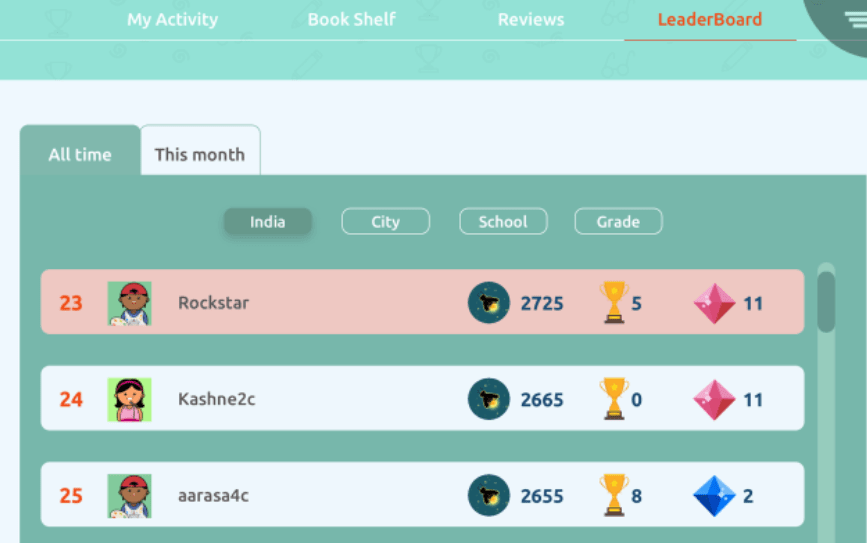
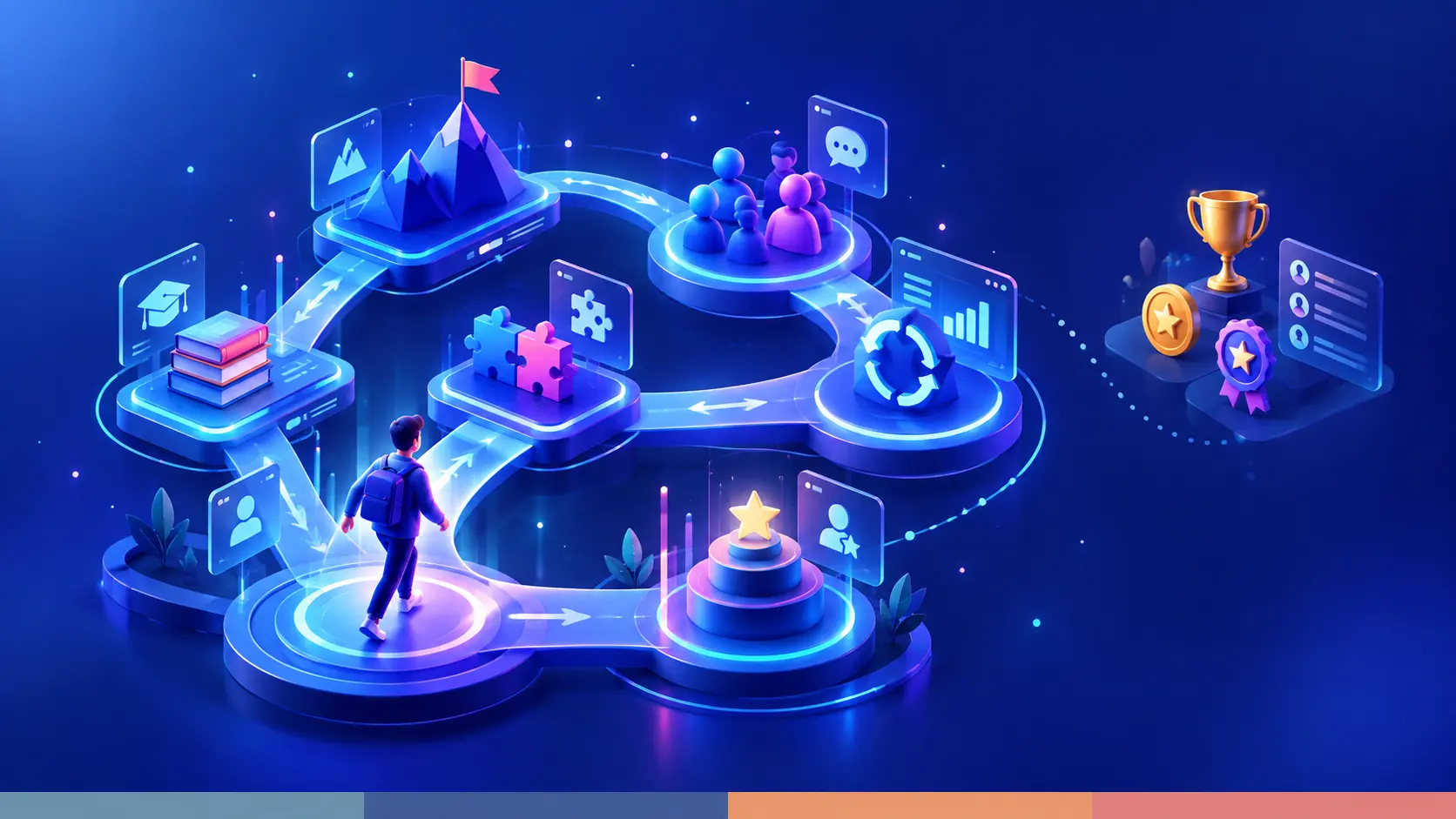
Illustration of gamification elements such as progress bars, quests, badges, and leaderboards used in learning or assessment platforms.
Implementation of Gamification in the Workplace
Currently, gamification has been used for various organizational needs, such as:
New employee onboarding.
Learning & Development.
Employee engagement.
Sales incentive.
Internal campaigns.
Innovation programs.
Assessment activities.
Every implementation has a different approach because the business goals of each organization are also different.
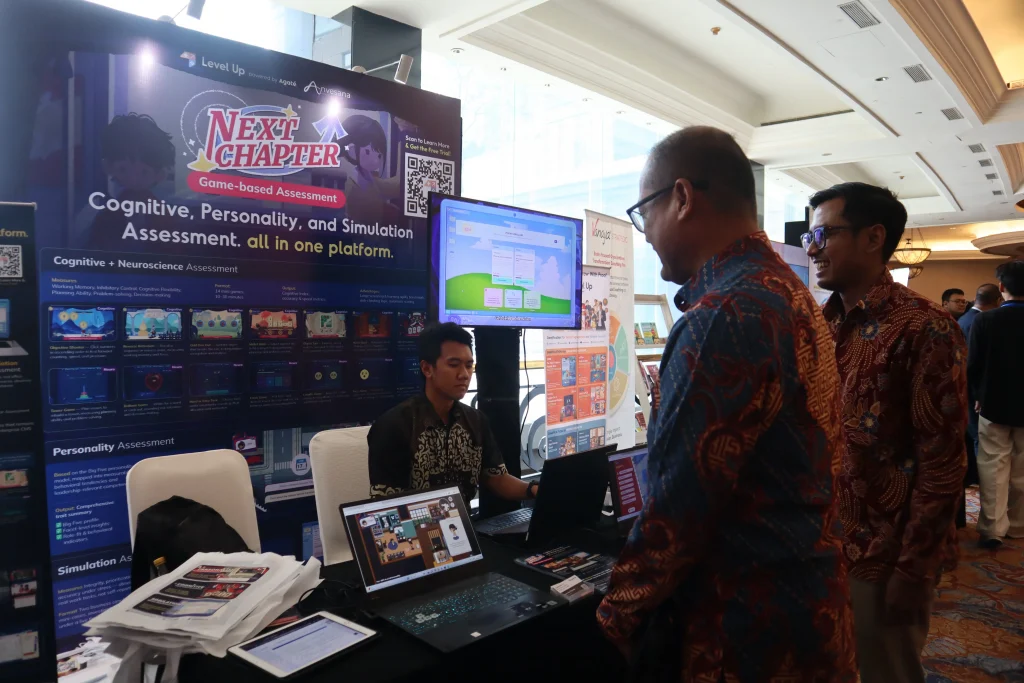
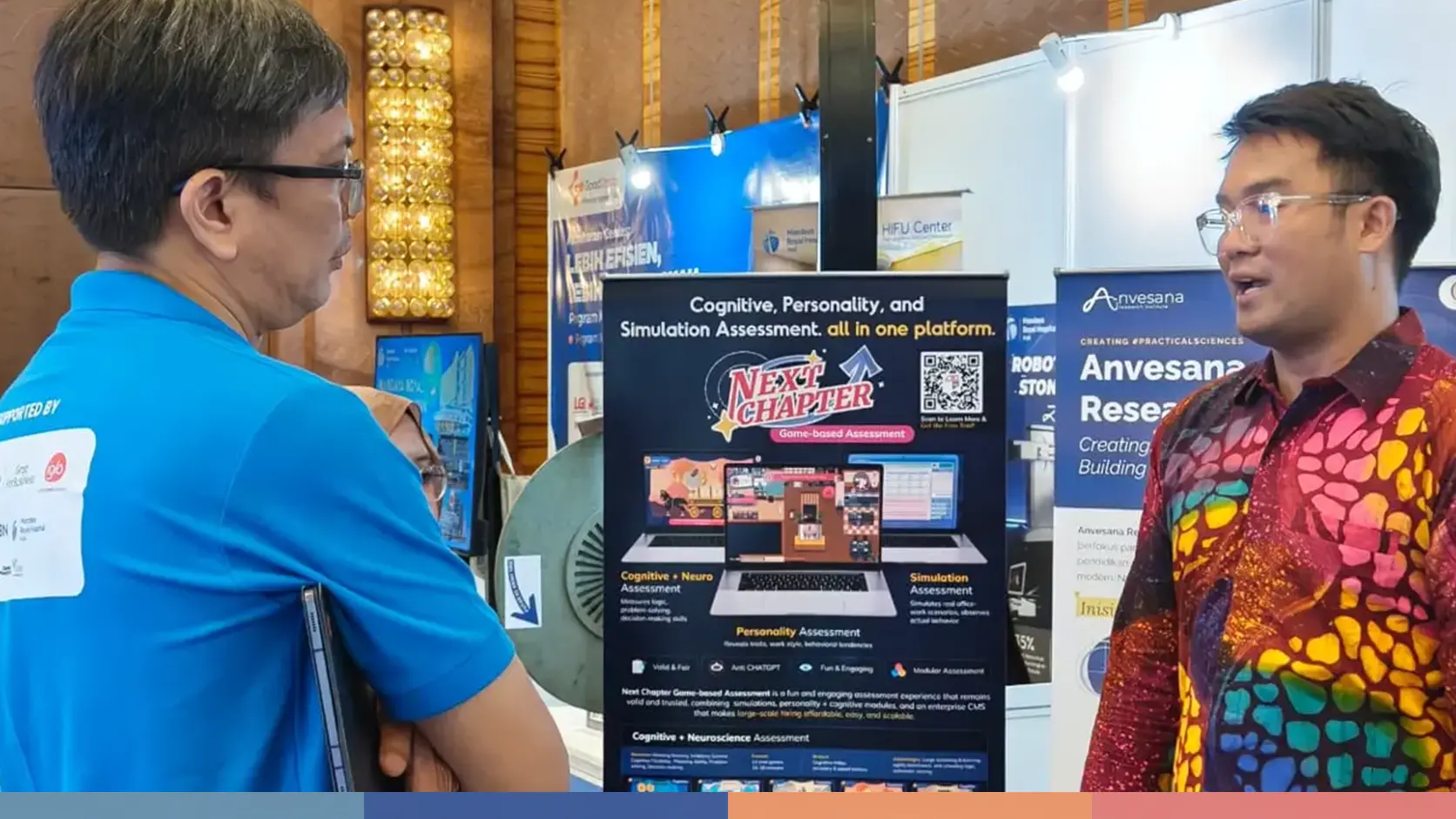
Illustration of the gamification-based recruitment process by Level Up powered by Agate
Experience is a No Less Important Factor
In the digital era, user experience has become one of the factors that determines the success of a program.
A training session with good material is not necessarily effective if the participants are not motivated to complete it.
Conversely, an experience designed with a gamification approach can help increase participation, maintain motivation, and make the learning process feel more enjoyable without losing its main goal.
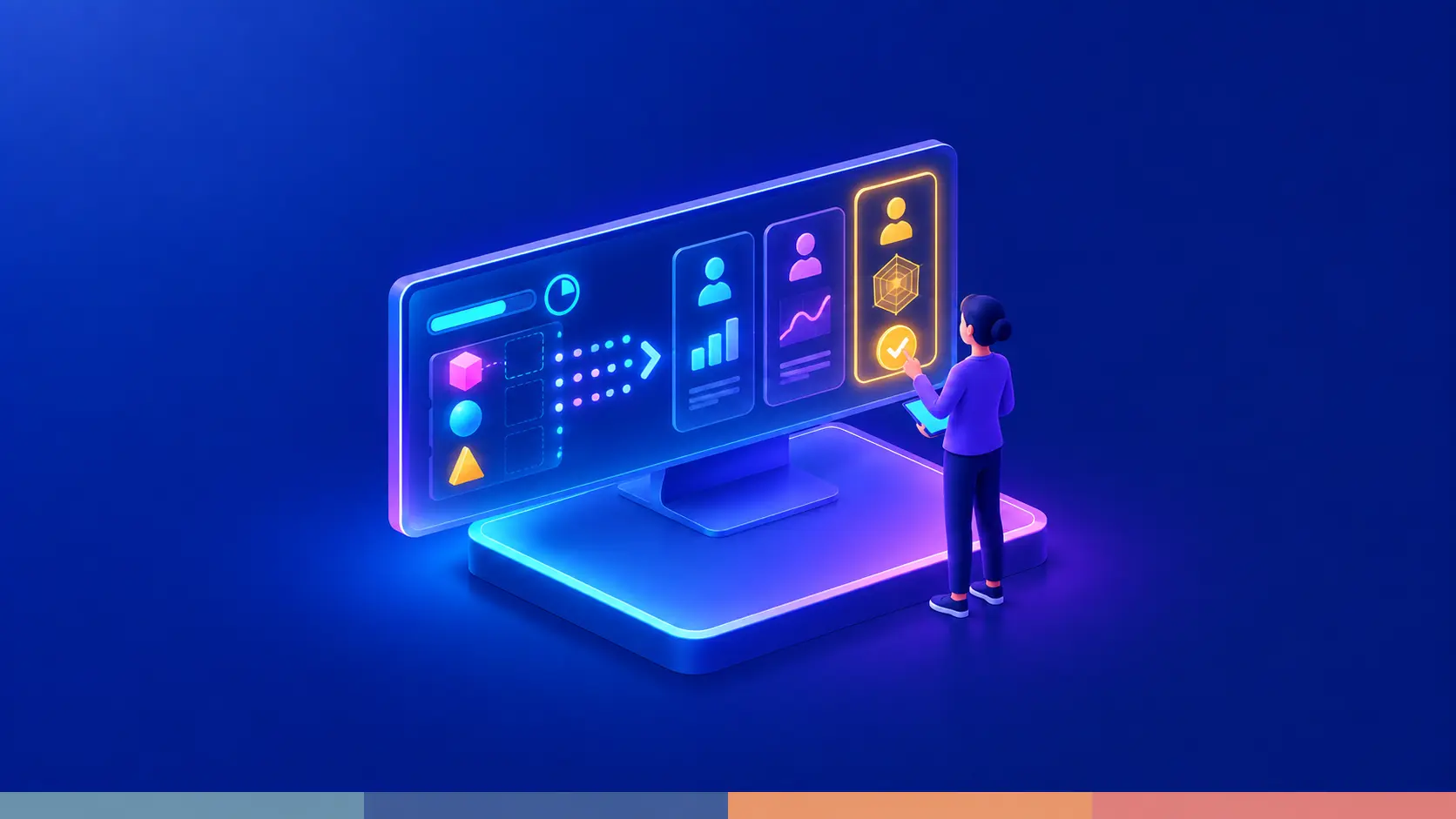
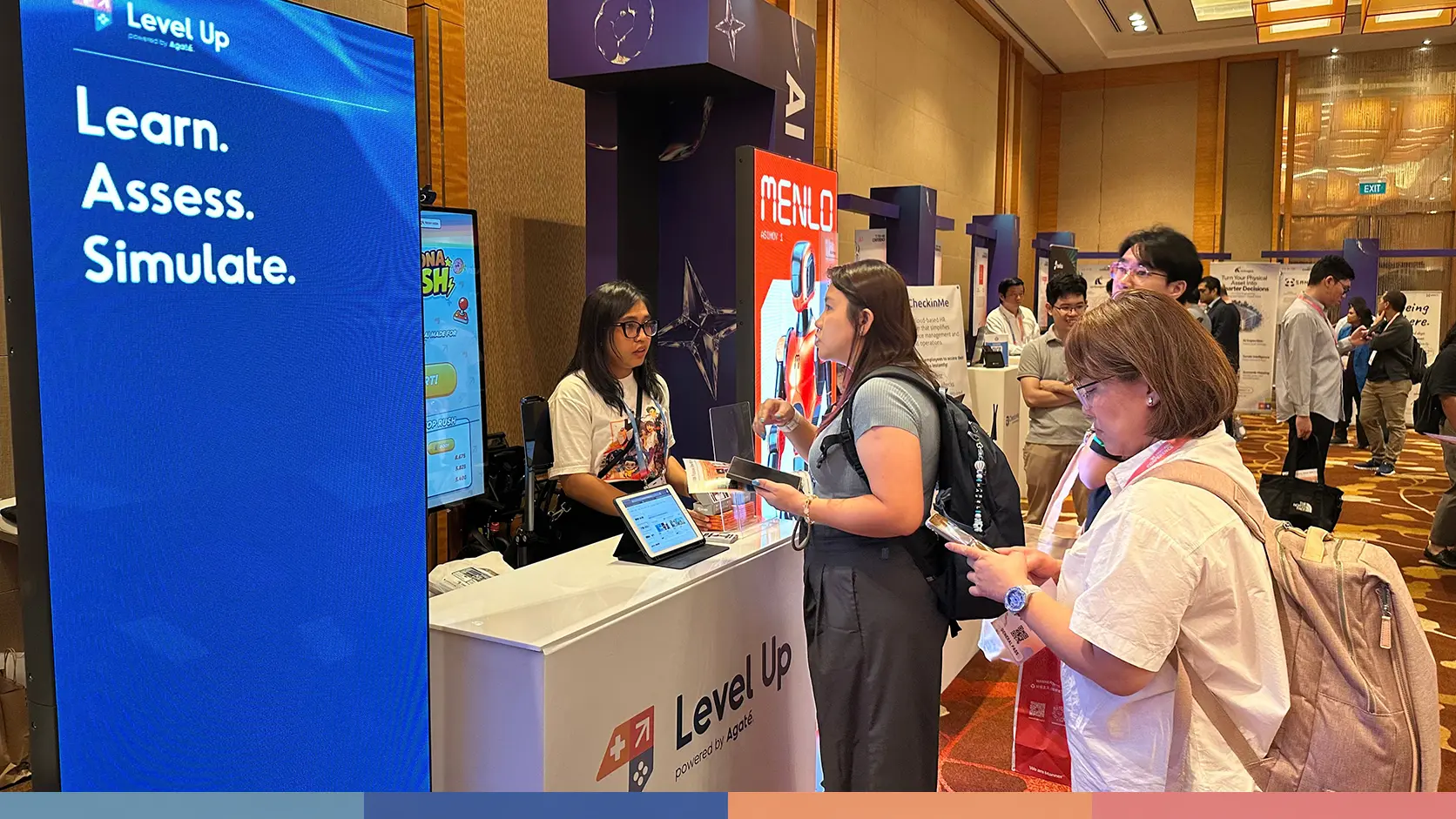
Participants take part in a gamified assessment through interactive challenges designed to evaluate abilities
Frequently Asked Questions
What is the difference between gamification and games?
Gamification is the application of game elements and design principles to non-game activities, such as training, onboarding, or employee engagement programs. Meanwhile, a game is created with the main goal of being played as a game.
Does gamification only use points and leaderboards?
No. Points and leaderboards are only a part of gamification elements. Gamification design can also include progress bars, quests, badges, instant feedback, levels, and even storytelling, depending on the goal to be achieved.
Is gamification only suitable for technology companies?
No. Gamification can be applied in various industries, ranging from manufacturing, banking, health, education, to the government sector. The key is to adapt the gamification design to the needs of the organization and the characteristics of its participants.
How do you know if gamification is successful?
The success of gamification can be measured through indicators that match the program’s goals, such as participation rates, training completion, participant engagement, behavioral changes, or performance improvements.
Ready to bring a more engaging experience through gamification?
Through Level Up powered by Agate, we help companies develop customized gamification solutions for various needs, starting from onboarding, learning & development, employee engagement, to other internal programs. Visit the Contact Us page to discuss with our team and find the most suitable solution for your organization.
All company names, brand names, trademarks, logos, illustrations, videos and any other intellectual property (Intellectual Property) published on this website are the property of their respective owners. Any non-authorized usage of Intellectual Property is strictly prohibited and any violation will be prosecuted under the law.