
Apple Day 2026: Ketika AI Membentuk Pengalaman Digital yang Lebih Personal
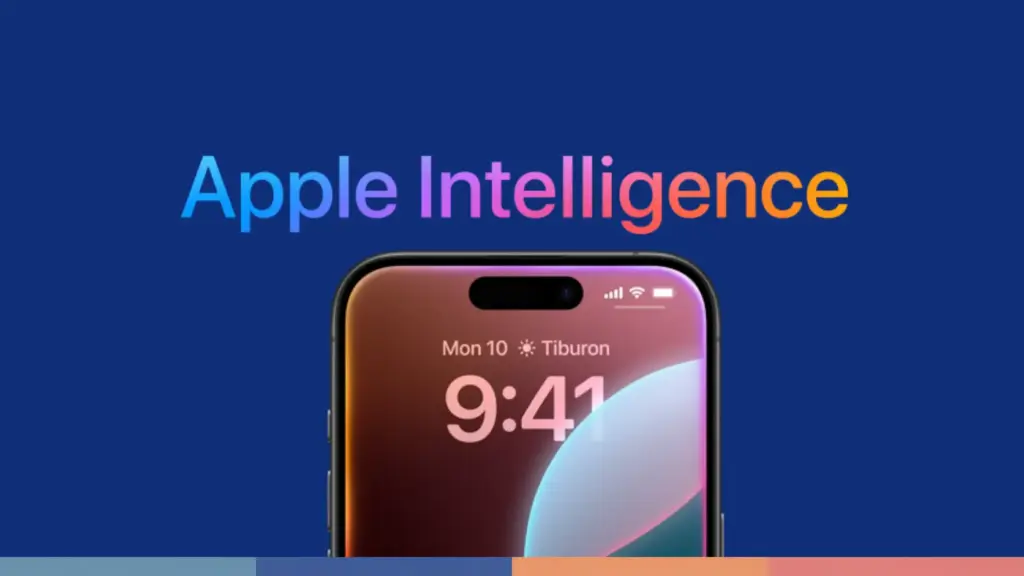
Home Services Our Works Gamification 101 Gamification Case Studies Turnkey Product Game Based Assessment Potentia Level Up RCD Contact English Bahasa Indonesia English Home Services Our Works Gamification 101 Gamification Case Studies Turnkey Product Game Based Assessment Potentia Level Up RCD Contact English Bahasa Indonesia English Home Services Our Works Gamification 101 Gamification Case Studies Turnkey Product Game Based Assessment Potentia Level Up RCD Contact English Bahasa Indonesia English Home Services Our Works Gamification 101 Gamification Case Studies Turnkey Product Game Based Assessment Potentia Level Up RCD Contact English Bahasa Indonesia English Edit Template Apple Day 2026: Ketika AI Membentuk Pengalaman Digital yang Lebih Personal Apple kembali menjadi perhatian setelah Apple Event September 2026 memperkenalkan berbagai pembaruan di ekosistemnya. Selain perangkat dan sistem operasi terbaru, salah satu hal yang menarik untuk diperhatikan adalah semakin luasnya peran Artificial Intelligence (AI) melalui Apple Intelligence dan Siri AI. Perkembangan ini menunjukkan bagaimana AI mulai bergerak dari sekadar fitur tambahan menjadi bagian dari pengalaman pengguna sehari-hari. AI Mulai Menjadi Bagian dari User Experience Siri AI menjadi salah satu contoh bagaimana AI semakin terintegrasi ke dalam ekosistem Apple. Dengan kemampuan memahami konteks pengguna, informasi yang sedang tampil di layar, hingga aktivitas di berbagai aplikasi, AI tidak lagi hanya berfungsi sebagai alat untuk menjawab pertanyaan. Apple juga terus memperluas penggunaan AI pada berbagai pengalaman seperti Photos, Safari, Shortcuts, Mail, Messages, dan layanan lainnya. Apple Intelligence pada ekosistem perangkat Apple. Pendekatan ini menunjukkan perubahan penting dalam pengembangan produk digital: teknologi tidak hanya dituntut untuk memiliki banyak fitur, tetapi juga mampu memberikan pengalaman yang semakin relevan dengan kebutuhan masing-masing pengguna. Perubahan tersebut menarik jika dilihat dari perspektif gamifikasi. Selama ini, gamifikasi sering kali diasosiasikan dengan poin, badge, leaderboard, atau reward. Padahal, inti dari gamifikasi adalah bagaimana elemen-elemen dari game digunakan untuk menciptakan pengalaman yang mendorong engagement, partisipasi, dan perilaku tertentu. Ketika AI mulai mampu memahami konteks dan pola interaksi pengguna, peluang untuk membuat pengalaman gamifikasi yang lebih personal pun semakin besar. Ketika AI Bertemu dengan Gamifikasi Bayangkan sebuah platform learning yang tidak memberikan pengalaman yang sama kepada seluruh penggunanya. Pengguna yang baru mulai dapat memperoleh challenge sederhana untuk membangun kebiasaan, sementara pengguna yang sudah memiliki progres tinggi mendapatkan tantangan yang lebih kompleks. Sistem juga dapat memberikan feedback berdasarkan performa masing-masing pengguna, bukan sekadar menampilkan skor yang sama untuk semua orang. Penerapan teknologi interaktif dan kecerdasan buatan dalam pengalaman belajar. AI dapat membantu mewujudkan pendekatan tersebut dengan menganalisis pola interaksi pengguna dan menyesuaikan experience berdasarkan data yang tersedia. Dalam konteks gamifikasi, penyesuaian tersebut dapat diterapkan pada challenge, progression, feedback, reward, hingga rekomendasi aktivitas berikutnya. Dengan demikian, gamifikasi dapat berkembang dari pengalaman yang bersifat one-size-fits-all menjadi pengalaman yang lebih adaptive dan personal. Dari Personalization ke Adaptive Experience Personalization sebenarnya bukan konsep baru dalam dunia digital. Banyak platform sudah menggunakan data pengguna untuk memberikan rekomendasi produk, konten, maupun layanan. Antarmuka pemilihan preferensi pengguna pada antarmuka Retro Arcade Arena. Namun, AI membuka peluang untuk membuat proses tersebut menjadi lebih dinamis. Sistem tidak hanya memberikan rekomendasi berdasarkan data historis, tetapi dapat menggunakan konteks dan interaksi terbaru untuk menentukan pengalaman berikutnya. Tampilan proses pemindaian dan pembuatan karakter/avatar kustom berbasis AI. Dalam gamifikasi, pendekatan ini dapat menciptakan perjalanan pengguna yang berbeda-beda. Seorang pengguna yang kesulitan menyelesaikan challenge tertentu mungkin membutuhkan bantuan atau tingkat kesulitan yang berbeda. Simulasi elemen gamifikasi yang adaptif sesuai progres pengguna. Sebaliknya, pengguna yang sudah menunjukkan performa tinggi dapat diberikan tantangan baru agar tetap engaged. Experience kemudian tidak berhenti pada satu mekanisme reward, tetapi terus berkembang mengikuti perjalanan pengguna. Apakah Semua Gamifikasi Membutuhkan AI? Meskipun memiliki banyak potensi, AI bukan berarti harus selalu digunakan dalam setiap implementasi gamifikasi. Hal yang lebih fundamental tetap dimulai dari tujuan bisnis dan perilaku yang ingin dibangun. Perusahaan perlu memahami siapa penggunanya, apa yang ingin mereka capai, serta faktor apa yang dapat mendorong mereka untuk terus berpartisipasi. Setelah itu, game mechanics seperti challenge, progression, feedback, reward, dan competition dapat dipilih sesuai kebutuhan. AI kemudian dapat berperan sebagai teknologi pendukung untuk membuat experience tersebut lebih adaptif. Jika sebuah program hanya membutuhkan sistem reward sederhana, penggunaan AI mungkin tidak memberikan nilai tambah yang signifikan. Sebaliknya, untuk experience dengan jumlah pengguna besar, kebutuhan personalization tinggi, atau pola perilaku yang kompleks, AI dapat membantu perusahaan mengelola dan menyesuaikan experience secara lebih scalable. Apa Artinya bagi Bisnis? Perkembangan AI di ekosistem Apple memberikan gambaran mengenai bagaimana ekspektasi terhadap pengalaman digital terus berkembang. Pengguna semakin terbiasa dengan teknologi yang dapat memahami konteks, memberikan rekomendasi yang relevan, dan merespons kebutuhan secara lebih personal. Bagi perusahaan, perubahan ini dapat menjadi momentum untuk mengevaluasi kembali bagaimana mereka membangun customer experience, employee experience, maupun learning experience. Dalam customer engagement, misalnya, perusahaan dapat menggunakan gamifikasi untuk menciptakan challenge dan reward yang mendorong pelanggan melakukan aktivitas tertentu. Dalam learning and development, game-based experience dapat membantu membuat proses pembelajaran lebih engaging, sementara AI dapat membantu menyesuaikan learning journey berdasarkan progres peserta. Pendekatan serupa juga dapat diterapkan pada employee engagement, loyalty program, hingga assessment berbasis game dan simulasi. Masa Depan Gamifikasi Bukan Sekadar Lebih Banyak Game Perkembangan AI juga menunjukkan bahwa masa depan gamifikasi tidak selalu berarti memasukkan lebih banyak elemen game ke dalam sebuah produk. Gamifikasi dapat hadir secara lebih natural melalui progression, challenge, feedback, reward, dan mekanisme motivasi yang terintegrasi dengan keseluruhan user experience. Pengguna mungkin bahkan tidak merasa sedang “digamifikasi”, tetapi tetap merasakan adanya progres, tantangan, feedback, dan alasan untuk kembali berinteraksi. Dengan dukungan AI, pengalaman tersebut dapat menjadi semakin adaptif dan personal. Tantangan dapat menyesuaikan kemampuan, feedback dapat menjadi lebih relevan, dan journey pengguna dapat berkembang berdasarkan interaksi yang terjadi sebelumnya. Inilah salah satu peluang terbesar dari pertemuan antara AI dan gamifikasi: bukan sekadar membuat pengguna bermain lebih lama, tetapi menciptakan pengalaman yang membuat mereka memiliki alasan untuk terus terlibat. Frequently Asked Questions Apa hubungan AI dengan gamifikasi? AI dapat membantu membuat pengalaman gamifikasi menjadi lebih personal dan adaptif. Teknologi ini dapat digunakan untuk menyesuaikan challenge, feedback, progression, maupun rekomendasi berdasarkan perilaku dan interaksi pengguna. Apakah gamifikasi harus menggunakan AI? Tidak. Gamifikasi dapat diterapkan tanpa AI. AI lebih tepat digunakan sebagai teknologi pendukung ketika perusahaan membutuhkan
Apple Day 2026: When AI Shapes More Personalized Digital Experiences
Home Services Our Works Gamification 101 Gamification Case Studies Turnkey Product Game Based Assessment Potentia Level Up RCD Contact English Bahasa Indonesia English Home Services Our Works Gamification 101 Gamification Case Studies Turnkey Product Game Based Assessment Potentia Level Up RCD Contact English Bahasa Indonesia English Home Services Our Works Gamification 101 Gamification Case Studies Turnkey Product Game Based Assessment Potentia Level Up RCD Contact English Bahasa Indonesia English Home Services Our Works Gamification 101 Gamification Case Studies Turnkey Product Game Based Assessment Potentia Level Up RCD Contact English Bahasa Indonesia English Edit Template Apple Day 2026: When AI Shapes More Personalized Digital Experiences Apple has once again captured attention following the September 2026 Apple Event, which introduced various updates across its ecosystem. Beyond the latest devices and operating systems, one particularly interesting development to observe is the expanding role of Artificial Intelligence (AI) through Apple Intelligence and Siri AI. This evolution shows how AI is shifting from a mere addon feature to an integral part of the everyday user experience. AI Starts Becoming Part of User Experience Siri AI serves as a prime example of how AI is becoming increasingly integrated into the Apple ecosystem. With its ability to understand user context, the information currently displayed on screen, and activities across various apps, AI is no longer functioning just as a tool for answering questions. Apple also continues to expand the use of AI across various experiences such as Photos, Safari, Shortcuts, Mail, Messages, and other services. Apple Intelligence across Apple device ecosystem. This approach reflects an important shift in digital product development: technology is not only required to offer numerous features, but also to deliver experiences that are increasingly relevant to each user’s individual needs. This change is compelling when viewed from a gamification perspective. For a long time, gamification has often been associated merely with points, badges, leaderboards, or rewards. However, the core of gamification lies in how game elements are utilized to build experiences that drive engagement, participation, and specific behaviors. When AI begins to comprehend user context and interaction patterns, the opportunity to create more personalized gamification experiences expands significantly. When AI Meets Gamification Imagine a learning platform that does not offer the exact same experience to all of its users. Beginners can receive simple challenges to build a habit, while users with high progress get more complex challenges. The system can also deliver feedback based on each user’s individual performance, rather than merely displaying identical scores for everyone. Implementation of interactive technology and artificial intelligence in learning experiences. AI can help realize this approach by analyzing user interaction patterns and tailoring the experience based on available data. In the context of gamification, such adjustments can be applied to challenges, progression, feedback, rewards, and recommendations for upcoming activities. Consequently, gamification can evolve from a one-size-fits-all approach into an adaptive, highly personal experience. From Personalization to Adaptive Experience Personalization is certainly not a new concept in the digital space. Many platforms already utilize user data to recommend products, content, or services. User preference selection interface on the Retro Arcade Arena interface. However, AI opens up opportunities to make this process more dynamic. The system does not merely offer recommendations based on historical data, but can leverage real-time context and recent interactions to determine the user’s next experience. Scanning and AI-based custom avatar/character creation process display. In gamification, this approach can craft distinct user journeys. A user struggling to complete a specific challenge might require extra assistance or adjusted difficulty levels. Simulation of adaptive gamification elements according to user progress. Conversely, high-performing users can be presented with fresh challenges to keep them continuously engaged. The experience then does not stall at a single reward mechanism, but continually grows alongside the user’s journey. Does All Gamification Require AI? Despite its immense potential, AI does not always need to be deployed in every gamification implementation. What remains fundamental is starting with clear business goals and the targeted behaviors to be fostered. Companies need to understand who their users are, what they aim to achieve, and what factors motivate them to continue participating. Only then can game mechanics—such as challenges, progression, feedback, rewards, and competition—be chosen to suit those needs. AI can subsequently serve as a supporting technology to make those experiences more adaptive. If a initiative only requires a basic reward system, applying AI might not yield significant added value. On the other hand, for experiences serving a large user base, demanding high personalization, or involving complex behavioral patterns, AI can assist companies in managing and refining experiences at scale. What Does This Mean for Business? The evolution of AI within Apple’s ecosystem offers a glimpse into how expectations surrounding digital experiences continue to evolve. Users are growing accustomed to technology that understands context, delivers relevant recommendations, and responds to needs in a more personal manner. For companies, this shift presents a momentum to re-evaluate how they build customer experience, employee experience, and learning experience. In customer engagement, for instance, businesses can utilize gamification to design challenges and rewards that prompt customers to perform specific actions. In learning and development, game-based experiences can make the learning process significantly more engaging, while AI helps tailor the learning journey based on participant progress. Similar approaches can also be applied to employee engagement, loyalty programs, as well as game- and simulation-based assessments. The Future of Gamification Is Not Simply More Games The advancements in AI also demonstrate that the future of gamification doesn’t necessarily mean shoehorning more game elements into a product. Gamification can manifest more naturally through progression, challenge, feedback, reward, and motivational mechanics seamlessly integrated into the overall user experience. Users might not even feel like they are being “gamified,” yet they still feel a sense of progress, challenge, feedback, and a reason to return and interact. Powered by AI, these experiences become increasingly adaptive and personalized. Challenges can adjust to individual ability, feedback becomes more relevant, and the user journey evolves based on prior interactions. This represents one
BINUS HR Tech Summit 2026: Exploring the Future of Game-Based Assessment with Level Up Powered by Agate
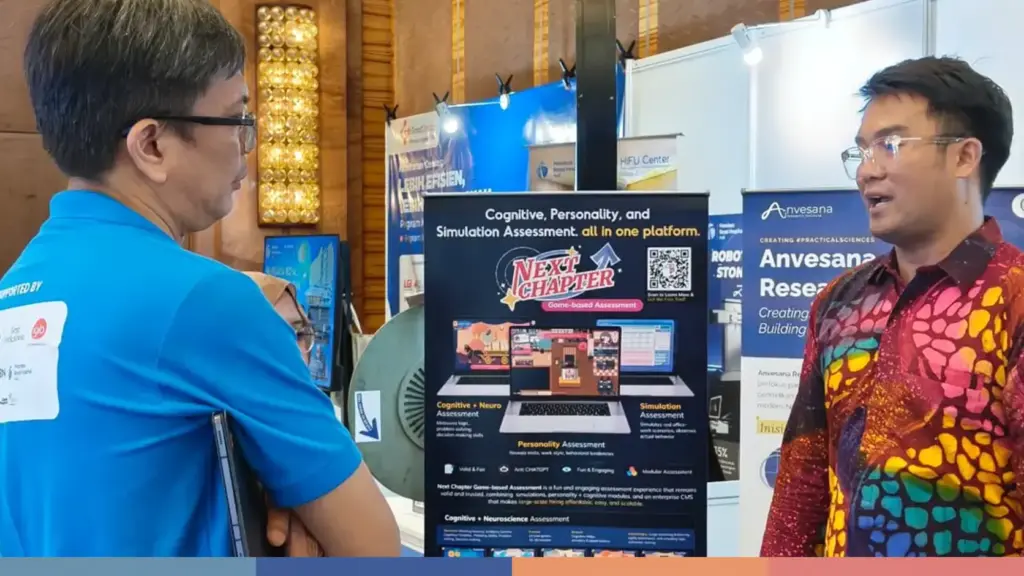
Home Services Our Works Gamification 101 Gamification Case Studies Turnkey Product Game Based Assessment Potentia Level Up RCD Contact English Bahasa Indonesia English Home Services Our Works Gamification 101 Gamification Case Studies Turnkey Product Game Based Assessment Potentia Level Up RCD Contact English Bahasa Indonesia English Home Services Our Works Gamification 101 Gamification Case Studies Turnkey Product Game Based Assessment Potentia Level Up RCD Contact English Bahasa Indonesia English Home Services Our Works Gamification 101 Gamification Case Studies Turnkey Product Game Based Assessment Potentia Level Up RCD Contact English Bahasa Indonesia English Edit Template BINUS HR Tech Summit 2026: Exploring the Future of Game-Based Assessment with Level Up Powered by Agate Opening ceremony and inauguration of the BINUS HR Tech Summit 2026. Perkembangan teknologi terus membawa perubahan dalam cara perusahaan mengelola dan mengembangkan talent. Mulai dari proses recruitment, assessment, hingga talent development, berbagai solusi berbasis teknologi kini hadir untuk membantu perusahaan mendapatkan insight yang lebih relevan mengenai potensi dan kompetensi karyawan. Melihat perkembangan tersebut, Level Up powered by Agate turut hadir dalam BINUS HR Tech Summit 2026 pada 23–24 September 2026. Dalam event ini, Level Up powered by Agate memperkenalkan berbagai solusi berbasis game dan gamifikasi untuk mendukung kebutuhan Human Resources, khususnya dalam proses assessment dan talent development. Mengenal Game-Based Assessment Secara Langsung Salah satu hal yang menjadi perhatian utama di booth Level Up adalah game-based assessment, sebuah pendekatan assessment yang mengintegrasikan mekanisme permainan dengan proses pengukuran kompetensi dan karakteristik tertentu. Berbeda dengan assessment konvensional yang umumnya menggunakan format soal atau simulasi yang lebih formal, game-based assessment menghadirkan pengalaman yang lebih interaktif. Peserta dapat menyelesaikan berbagai tantangan dalam game, sementara sistem mengumpulkan data yang dapat digunakan untuk memberikan insight terkait aspek tertentu dari individu. Di BINUS HR Tech Summit 2026, pengunjung tidak hanya mendapatkan penjelasan mengenai konsep tersebut, tetapi juga dapat mencoba langsung pengalaman game-based assessment melalui free trial Next Chapter Game Based Assessment. Next Chapter Hadir Bersama Anvesana Research Institute Salah satu highlight dari kehadiran Level Up di BINUS HR Tech Summit 2026 adalah booth Next Chapter yang dihadirkan bersama Anvesana Research Institute. Kolaborasi ini mempertemukan pendekatan game design dan technology dari Level Up powered by Agate dengan perspektif psychology dan research dari Anvesana Research Institute dalam pengembangan game-based assessment. Booth Next Chapter bersama Anvesana Research Institute di BINUS HR Tech Summit 2026. Melalui booth bersama ini, pengunjung dapat mengenal lebih jauh bagaimana game dapat digunakan sebagai medium dalam proses assessment, sekaligus mendapatkan kesempatan untuk mencoba free trial Next Chapter Game Based Assessment secara langsung. Next Chapter sendiri dirancang untuk memberikan insight mengenai karakteristik dan potensi talent melalui pengalaman berbasis game. Game yang digunakan dalam assessment dikembangkan dengan mempertimbangkan aspek psikometri sehingga pengalaman bermain tidak hanya berfokus pada engagement, tetapi juga memiliki tujuan pengukuran yang jelas. Tampilan modul Game-Based Assessment Next Chapter: Personality, Cognitive & Neuro, serta Simulation Assessment. Kehadiran bersama Anvesana Research Institute juga menjadi kesempatan untuk membahas bagaimana technology, game design, psychology, dan research dapat dikombinasikan dalam mengembangkan pendekatan assessment yang relevan dengan kebutuhan organisasi. Membuka Diskusi tentang Masa Depan HR Technology Kehadiran Level Up dan Anvesana Research Institute di BINUS HR Tech Summit 2026 bukan hanya tentang memperkenalkan produk, tetapi juga menjadi kesempatan untuk bertemu dengan para praktisi dan profesional HR yang memiliki kebutuhan serta tantangan berbeda dalam mengelola talent. Salah satu pembahasan yang menarik adalah bagaimana assessment dapat dibuat lebih engaging tanpa menghilangkan aspek pengukuran yang dibutuhkan perusahaan. Diskusi interaktif mengenai game-based assessment dengan para pengunjung booth. Game-based assessment menjadi salah satu pendekatan yang dapat dieksplorasi untuk menjembatani kebutuhan tersebut. Dengan memanfaatkan game sebagai medium, proses assessment dapat dirancang agar terasa lebih natural bagi peserta, sementara data yang diperoleh dapat digunakan sebagai salah satu pertimbangan dalam proses talent management. Dari Event ke Implementasi Diskusi selama BINUS HR Tech Summit 2026 juga menunjukkan bahwa penerapan teknologi dalam HR bukan hanya mengenai penggunaan tools baru, tetapi bagaimana teknologi tersebut dapat menjawab kebutuhan bisnis dan talent secara nyata. Bagi perusahaan, assessment perlu memberikan insight yang relevan. Di sisi lain, kandidat dan karyawan juga semakin terbiasa dengan pengalaman digital yang interaktif dan engaging. Sesi diskusi panel yang membahas tren dan masa depan teknologi Human Resources. Di sinilah solusi seperti game-based assessment dapat menjadi salah satu pendekatan yang menarik untuk dieksplorasi lebih lanjut. Melalui Next Chapter, Level Up powered by Agate bersama Anvesana Research Institute terus mengeksplorasi bagaimana pendekatan berbasis game dapat digunakan dalam proses assessment, dengan memadukan teknologi, game design, dan perspektif psikometri. Frequently Asked Questions Apa itu game-based assessment? Game-based assessment adalah pendekatan assessment yang menggunakan elemen dan mekanisme game sebagai bagian dari proses pengukuran. Melalui aktivitas dalam game, peserta dapat menghasilkan data yang kemudian dianalisis untuk memberikan insight mengenai aspek tertentu, seperti kemampuan kognitif atau karakteristik individu. Apa itu Next Chapter? Next Chapter adalah solusi game-based assessment yang dikembangkan oleh Level Up powered by Agate bersama Anvesana Research Institute untuk membantu perusahaan mendapatkan insight mengenai talent melalui pengalaman assessment berbasis game. Apa peran Anvesana Research Institute dalam Next Chapter? Anvesana Research Institute berkontribusi melalui perspektif research dan psikometri dalam pengembangan assessment. Kolaborasi ini melengkapi kemampuan Level Up dalam game design dan technology untuk menghadirkan pendekatan game-based assessment yang memiliki dasar pengukuran yang terstruktur. Apa saja yang dapat diukur melalui game-based assessment? Jenis aspek yang dapat diukur bergantung pada game dan assessment yang digunakan. Next Chapter dapat digunakan untuk mengukur aspek kognitif dan karakteristik tertentu melalui game yang dirancang untuk kebutuhan assessment. Apakah game-based assessment hanya dapat digunakan untuk recruitment? Tidak. Game-based assessment dapat dieksplorasi untuk berbagai kebutuhan talent management, termasuk recruitment, talent identification, employee development, dan assessment. Apakah game-based assessment dapat menggantikan assessment konvensional? Game-based assessment dapat menjadi salah satu pendekatan dalam proses assessment, tetapi penggunaannya dapat disesuaikan dengan kebutuhan dan tujuan perusahaan. Dalam praktiknya, perusahaan dapat mengombinasikannya dengan metode assessment lainnya. Bagaimana cara mencoba Next Chapter? Perusahaan yang ingin mengetahui lebih jauh mengenai Next Chapter dapat menghubungi tim Level Up powered by Agate untuk mendapatkan informasi mengenai demo, free trial, dan opsi implementasinya. Explore Game-Based Assessment untuk Kebutuhan Talent Anda Teknologi memberikan semakin banyak cara
BINUS HR Tech Summit 2026: Exploring the Future of Game-Based Assessment with Level Up
Home Services Our Works Gamification 101 Gamification Case Studies Turnkey Product Game Based Assessment Potentia Level Up RCD Contact English Bahasa Indonesia English Home Services Our Works Gamification 101 Gamification Case Studies Turnkey Product Game Based Assessment Potentia Level Up RCD Contact English Bahasa Indonesia English Home Services Our Works Gamification 101 Gamification Case Studies Turnkey Product Game Based Assessment Potentia Level Up RCD Contact English Bahasa Indonesia English Home Services Our Works Gamification 101 Gamification Case Studies Turnkey Product Game Based Assessment Potentia Level Up RCD Contact English Bahasa Indonesia English Edit Template BINUS HR Tech Summit 2026: Exploring the Future of Game-Based Assessment with Level Up Opening ceremony and inauguration of the BINUS HR Tech Summit 2026. Technological developments continue to bring changes in how companies manage and develop talent. From recruitment and assessment to talent development, various tech-based solutions are now available to help companies gain more relevant insights regarding employee potential and competencies. Seeing these developments, Level Up powered by Agate participated in the BINUS HR Tech Summit 2026 on September 23–24, 2026. At this event, Level Up powered by Agate introduced various game- and gamification-based solutions to support Human Resources needs, particularly in assessment and talent development processes. Getting to Know Game-Based Assessment Firsthand One of the main highlights at the Level Up booth was game-based assessment, an assessment approach that integrates game mechanics with the measurement of specific competencies and traits. Unlike conventional assessments that generally use more formal question formats or simulations, game-based assessment delivers a more interactive experience. Participants complete various in-game challenges while the system gathers data to provide insights into specific aspects of the individual. At the BINUS HR Tech Summit 2026, visitors not only received explanations about the concept, but could also directly try the game-based assessment experience through a free trial of Next Chapter Game Based Assessment. Next Chapter Present Alongside Anvesana Research Institute One of the key highlights of Level Up’s presence at the BINUS HR Tech Summit 2026 was the Next Chapter booth, presented jointly with Anvesana Research Institute. This collaboration brought together the game design and technology approach from Level Up powered by Agate with the psychology and research perspective from Anvesana Research Institute in developing game-based assessments. The Next Chapter booth together with Anvesana Research Institute at BINUS HR Tech Summit 2026. Through this joint booth, visitors could learn more about how games can be used as a medium in the assessment process, while also getting the opportunity to try a free trial of Next Chapter Game Based Assessment directly. Next Chapter itself is designed to provide insights into talent characteristics and potential through a game-based experience. The games used in the assessment are developed with psychometric aspects in mind so that the gameplay experience focuses not only on engagement, but also has clear measurement objectives. Overview of Next Chapter Game-Based Assessment modules: Personality, Cognitive & Neuro, and Simulation Assessment. The joint presence with Anvesana Research Institute also served as an opportunity to discuss how technology, game design, psychology, and research can be combined to develop assessment approaches relevant to organizational needs. Opening Discussions on the Future of HR Technology The presence of Level Up and Anvesana Research Institute at the BINUS HR Tech Summit 2026 was not just about introducing products, but also an opportunity to connect with HR practitioners and professionals who have diverse needs and challenges in talent management. One of the engaging topics discussed was how assessments can be made more engaging without sacrificing the measurement aspects needed by companies. Interactive discussion on game-based assessment with booth visitors. Game-based assessment is one approach that can be explored to bridge this need. By utilizing games as a medium, the assessment process can be designed to feel more natural for participants, while the data obtained can serve as a key consideration in talent management processes. From Event to Implementation Discussions during the BINUS HR Tech Summit 2026 also demonstrated that applying technology in HR is not merely about using new tools, but about how that technology can practically address real business and talent needs. For companies, assessments need to deliver relevant insights. On the other hand, candidates and employees are increasingly accustomed to interactive and engaging digital experiences. Panel discussion session covering trends and the future of Human Resources technology. This is where solutions like game-based assessment become an attractive approach worth further exploration. Through Next Chapter, Level Up powered by Agate together with Anvesana Research Institute continues to explore how game-based approaches can be utilized in the assessment process, combining technology, game design, and psychometric perspectives. Frequently Asked Questions What is game-based assessment? Game-based assessment is an assessment approach that utilizes game elements and mechanics as part of the measurement process. Through in-game activities, participants generate data that is then analyzed to provide insights into specific aspects, such as cognitive abilities or individual traits. What is Next Chapter? Next Chapter is a game-based assessment solution developed by Level Up powered by Agate alongside Anvesana Research Institute to help companies gain talent insights through a game-based assessment experience. What is Anvesana Research Institute’s role in Next Chapter? Anvesana Research Institute contributes through its research and psychometric expertise in assessment development. This collaboration complements Level Up’s capabilities in game design and technology to deliver a structured, measurement-backed game-based assessment approach. What can be measured through game-based assessment? The types of aspects measured depend on the game and assessment used. Next Chapter can be used to measure cognitive aspects and specific traits through games designed specifically for assessment needs. Is game-based assessment only usable for recruitment? No. Game-based assessment can be explored for various talent management needs, including recruitment, talent identification, employee development, and general assessment. Can game-based assessment replace conventional assessment? Game-based assessment can serve as one approach within the assessment process, but its usage can be tailored to the company’s goals and needs. In practice, companies can combine it with other assessment methods. How can we try Next Chapter? Companies interested
Level Up powered by Agate Hadir di Tech in Asia Conference 2026: Menghadirkan Gamifikasi Interaktif di Pusat AI Enterprise
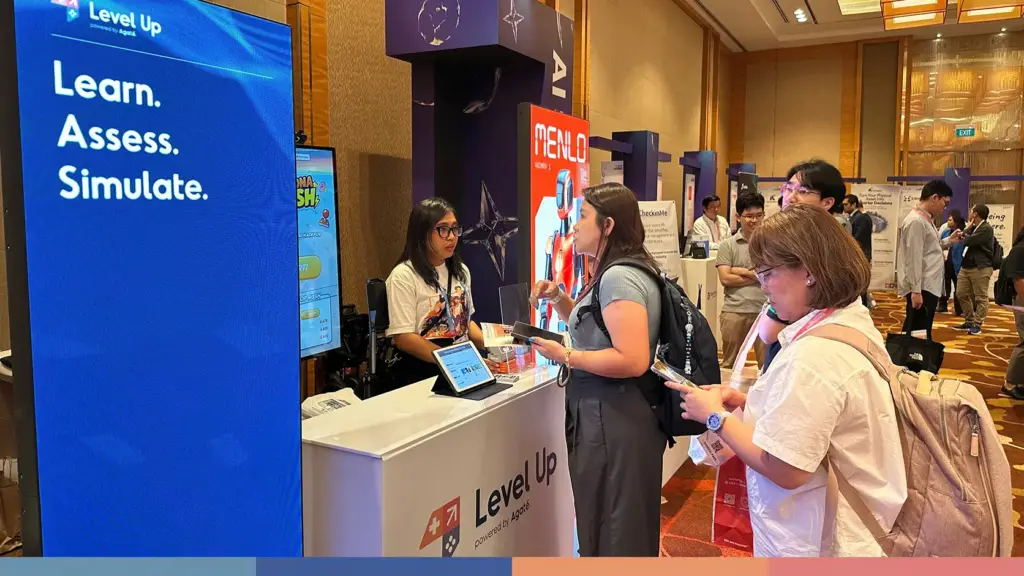
Home Services Our Works Gamification 101 Gamification Case Studies Turnkey Product Game Based Assessment Potentia Level Up RCD Contact English Bahasa Indonesia English Home Services Our Works Gamification 101 Gamification Case Studies Turnkey Product Game Based Assessment Potentia Level Up RCD Contact English Bahasa Indonesia English Home Services Our Works Gamification 101 Gamification Case Studies Turnkey Product Game Based Assessment Potentia Level Up RCD Contact English Bahasa Indonesia English Home Services Our Works Gamification 101 Gamification Case Studies Turnkey Product Game Based Assessment Potentia Level Up RCD Contact English Bahasa Indonesia English Edit Template Level Up powered by Agate Hadir di Tech in Asia Conference 2026: Menghadirkan Gamifikasi Interaktif di Pusat AI Enterprise Tech in Asia Conference 2026 kembali mempertemukan para pemimpin bisnis, pengembang teknologi, pendiri, dan pengambil keputusan dari berbagai industri di Asia Tenggara. Mengusung tema “Lead the Enterprise AI Era”, konferensi yang berlangsung pada 15–16 September 2026 di Sands Expo and Convention Centre, Singapura ini berfokus pada bagaimana teknologi dapat diterapkan untuk menciptakan dampak nyata bagi bisnis. Di tengah diskusi mengenai AI, otomatisasi, dan transformasi digital, Level Up powered by Agate hadir untuk menawarkan sudut pandang lain tentang bagaimana teknologi dapat menciptakan keterlibatan yang lebih interaktif melalui gamifikasi. Tidak hanya berpartisipasi sebagai eksibitor, Level Up menghadirkan pengalaman yang dapat dicoba langsung oleh pengunjung melalui Persona Rush, sebuah gim interaktif yang menggabungkan gameplay, gerakan, dan personalisasi ke dalam satu pengalaman utuh. Bukan Sekadar Booth, melainkan Pengalaman Interaktif Dalam sebuah acara bisnis, booth sering kali menjadi titik kontak pertama bagi sebuah merek untuk berinteraksi dengan calon pelanggan. Namun, sekadar menampilkan informasi tentang produk atau layanan tidak selalu cukup untuk membuat pengunjung berhenti, mencoba, dan mengingat sebuah merek. Oleh karena itu, Level Up membawa pendekatan berbeda melalui Persona Rush. Suasana booth Level Up powered by Agate di Tech in Asia Conference 2026, memperlihatkan layar interaktif Persona Rush. Daripada sekadar menjelaskan bagaimana gamifikasi dapat meningkatkan keterlibatan, pengunjung dapat merasakan langsung gamifikasi melalui sebuah gim. Persona Rush mengajak pengunjung untuk bergerak, bermain, dan mengikuti pengalaman interaktif guna menemukan persona gamer mereka. Setelah menyelesaikan pengalaman tersebut, pengunjung dapat membawa pulang hasil yang dipersonalisasi dalam bentuk Personality Card, GIF karakter, dan Kartu Nama. Pendekatan ini mengubah booth menjadi lebih dari sekadar tempat untuk melihat informasi; ini menjadi lokasi untuk merancang dan merasakan pengalaman interaktif secara langsung. Mengenal Lebih Dekat Persona Rush Persona Rush adalah contoh bagaimana gim dapat digunakan sebagai media untuk menciptakan keterlibatan yang lebih personal. Dalam pengalaman ini, pengunjung tidak sekadar menjadi penonton. Mereka menjadi bagian dari pengalaman itu sendiri. Mulai dari gerakan dan gameplay hingga hasil yang diperoleh setelah bermain, setiap elemen dirancang agar pengunjung memiliki sesuatu yang personal untuk dibawa pulang. Antarmuka dan gameplay Persona Rush Hasil ini kemudian dapat berfungsi sebagai pembuka percakapan. Seseorang mungkin mampir karena tertarik mencoba gim ini, tetapi setelah melihat hasil personal yang mereka terima, percakapan dapat berkembang menjadi diskusi yang lebih luas tentang bagaimana teknologi serupa dapat diterapkan dalam konteks bisnis. Di sinilah gamifikasi dapat memainkan peran yang lebih luas. Dari Gim ke Pengalaman Bisnis Gamifikasi tidak selalu berarti mengubah aplikasi atau kampanye menjadi gim video. Lebih dari itu, gamifikasi dapat memanfaatkan berbagai elemen gim—seperti interaksi, tantangan, progres, personalisasi, dan imbalan—untuk merancang pengalaman yang membuat individu merasa lebih terdorong untuk berpartisipasi. Pengunjung berinteraksi secara antusias dan mencoba pengalaman gamifikasi interaktif di booth Level Up. Persona Rush menunjukkan bagaimana prinsip-prinsip ini dapat diterapkan dalam sebuah acara. Pengunjung memiliki alasan untuk mampir karena ada sesuatu yang dapat dicoba. Mereka kemudian memiliki alasan untuk berinteraksi karena pengalaman tersebut membutuhkan partisipasi aktif. Setelah itu, mereka menerima hasil personal yang membuat pengalaman tersebut terasa jauh lebih relevan bagi mereka. Mekanisme seperti ini membuka berbagai kemungkinan untuk aplikasi bisnis, mulai dari aktivasi merek, pemasaran berbasis pengalaman, keterlibatan pelanggan, hingga aktivasi acara. Mengapa Booth Interaktif Menjadi Penting? Seiring makin banyaknya perusahaan yang mengadopsi teknologi untuk menciptakan pengalaman digital, tantangannya bukan lagi sekadar menghadirkan teknologi, melainkan bagaimana memastikan teknologi tersebut benar-benar digunakan dan dirasakan oleh audiens. Pengalaman interaktif dapat menjadi pendekatan yang efektif untuk menjawab tantangan tersebut. Alih-alih sekadar menyatakan bahwa sebuah teknologi dapat meningkatkan keterlibatan, merek dapat menawarkan kesempatan kepada audiens untuk merasakannya secara langsung. Mencerminkan fokus ini, Nur Auliya Hidayat, VP BD, menyampaikan: “Tech in Asia Conference 2026 merupakan kesempatan luar biasa bagi kami untuk menunjukkan bagaimana gamifikasi dapat digabungkan dengan AI untuk menciptakan pengalaman yang lebih personal. Dengan AI yang menjadi salah satu tema utama konferensi tahun ini, sangat menyenangkan bagi kami untuk memperagakan bagaimana AI juga dapat digunakan untuk membuat gim dan pengalaman interaktif menjadi lebih personal dan menarik.” Hal inilah yang ingin ditunjukkan oleh Level Up melalui keikutsertaannya di Tech in Asia Conference 2026. https://youtube.com/shorts/qc5pwr2EEGI?feature=share Gameplay berbasis gerakan dari Persona Rush di TIA 2026 Persona Rush adalah contoh sederhana bahwa gim dapat menjadi lebih dari sekadar hiburan. Dengan konsep dan mekanisme yang tepat, gim dapat berfungsi sebagai media untuk menarik perhatian, menciptakan interaksi, dan membangun pengalaman yang berkesan. Bertemu dan Berdiskusi di Booth A4 Tech in Asia Conference 2026 memberikan kesempatan bagi Level Up powered by Agate untuk memperkenalkan pendekatan gamifikasinya kepada audiens bisnis yang lebih luas di Asia Tenggara. Bagi pengunjung yang ingin merasakan langsung Persona Rush, Level Up hadir di Booth A4, Sands Expo and Convention Centre, Lantai 3, Singapura pada 15–16 September 2026. https://youtube.com/shorts/zNY7mbCkBgM?feature=share Gameplay layar sentuh Persona Rush di TIA 2026 Datang dan cobalah gimnya, temukan persona gamer Anda, dan lihat bagaimana pengalaman gim interaktif dapat menjadi bagian dari strategi keterlibatan merek Anda. Karena terkadang, cara terbaik untuk memahami sebuah pengalaman bukanlah dengan mendengarkan penjelasan, melainkan dengan mencobanya secara langsung. Menyoroti visi ini, Bima Aryuna, BD Manager, menyampaikan: “Kami sangat antusias untuk menunjukkan bagaimana alur kerja gim berbasis AI dapat merevolusi penyampaian solusi enterprise. Dengan menampilkan gim yang dapat dimainkan dan siap diproduksi di konferensi ini, kami bertujuan membantu bisnis beranjak dari AI teoritis menuju pengalaman gamifikasi yang praktis dan terukur secara langsung.” Frequently Asked Questions Apa itu Tech in Asia Conference 2026? Tech in Asia Conference 2026 adalah konferensi teknologi dan bisnis yang menyatukan para pemimipin bisnis, pendiri, pengembang teknologi, dan pengambil
Level Up powered by Agate Attends Tech in Asia Conference 2026: Bringing Interactive Gamification to the Heart of Enterprise AI
Home Services Our Works Gamification 101 Gamification Case Studies Turnkey Product Game Based Assessment Potentia Level Up RCD Contact English Bahasa Indonesia English Home Services Our Works Gamification 101 Gamification Case Studies Turnkey Product Game Based Assessment Potentia Level Up RCD Contact English Bahasa Indonesia English Home Services Our Works Gamification 101 Gamification Case Studies Turnkey Product Game Based Assessment Potentia Level Up RCD Contact English Bahasa Indonesia English Home Services Our Works Gamification 101 Gamification Case Studies Turnkey Product Game Based Assessment Potentia Level Up RCD Contact English Bahasa Indonesia English Edit Template Level Up powered by Agate Attends Tech in Asia Conference 2026: Bringing Interactive Gamification to the Heart of Enterprise AI Tech in Asia Conference 2026 once again brings together business leaders, technology builders, founders, and decision-makers from various industries across Southeast Asia. Carrying the theme “Lead the Enterprise AI Era”, the conference, which takes place on September 15–16, 2026 at Sands Expo and Convention Centre, Singapore, focuses on how technology can be applied to create real impact for business. Amid discussions on AI, automation, and digital transformation, Level Up powered by Agate is present to offer another perspective on how technology can create more interactive engagement through gamification. Not just participating as an exhibitor, Level Up brings an experience that visitors can directly try out through Persona Rush, an interactive game that combines gameplay, movement, and personalization into a single experience. Not Just a Booth, but an Interactive Experience In a business event, a booth is often the first touchpoint for a brand to interact with potential customers. However, simply displaying information about products or services is not always enough to get visitors to stop, try, and remember a brand. Therefore, Level Up brings a different approach through Persona Rush. Atmosphere of the Level Up powered by Agate booth at Tech in Asia Conference 2026, showcasing the interactive Persona Rush screen. Rather than just explaining how gamification can boost engagement, visitors can directly experience gamification through a game. Persona Rush invites visitors to move, play, and follow an interactive experience to discover their gamer persona. After completing the experience, visitors can take home personalized results in the form of a Personality Card, character GIF, and Business Card. This approach turns the booth into more than just a place to view information; it becomes a location to directly experience how an interactive experience can be designed. Getting to Know Persona Rush Persona Rush is an example of how games can be used as a medium to create more personal engagement. In this experience, visitors are not just spectators. They become part of the experience itself. From movement and gameplay to the outcome obtained after playing, every element is designed so that visitors have something personal to take home. Persona Rush interface and gameplay These results can then serve as a conversation starter. Someone might stop by out of interest in trying the game, but after seeing the personalized results they receive, the conversation can grow into a broader discussion about how similar technology can be applied in a business context. This is where gamification can play a broader role. From Game to Business Experience Gamification does not always mean turning an app or campaign into a video game. More than that, gamification can leverage various game elements—such as interaction, challenge, progression, personalization, and rewards—to craft an experience that makes individuals feel more driven to participate. Visitors enthusiastically interacting and testing out the interactive gamification experience at the Level Up booth. Persona Rush shows how these principles can be applied in an event setting. Visitors have a reason to stop by because there is something to try out. They then have a reason to interact because the experience requires active participation. Afterwards, they receive a personalized result that makes the experience feel much more relevant to them. Mechanisms like this unlock various possibilities for business applications, ranging from brand activation, experiential marketing, customer engagement, to event activation. Why Are Interactive Booths Becoming Important? As more companies adopt technology to create digital experiences, the challenge is no longer just about bringing in technology, but how to ensure that technology is actually used and felt by the audience. Interactive experiences can serve as an effective approach to address that challenge. Instead of merely stating that a technology can boost engagement, brands can offer audiences the opportunity to experience it firsthand. Reflecting on this focus, Nur Auliya Hidayat, VP of BD, shared: “Tech in Asia Conference 2026 was a great opportunity for us to showcase how gamification can be combined with AI to create more personalized experiences. With AI being one of the key themes of this year’s conference, it was especially exciting for us to demonstrate how AI can also be used to make games and interactive experiences more personal and engaging.” This is precisely what Level Up aims to demonstrate through its presence at Tech in Asia Conference 2026. How Game-Based Assessment Makes HR Work Easier One of the biggest benefits of technology in recruitment isn’t just automating manual tasks, but reducing administrative burden so HR can focus more on work requiring human judgment. With structured assessments, candidate data collection can be carried out more consistently. HR can then use assessment results as input for further evaluation processes. This enables HR to allocate more time to uniquely human activities, such as discussing with hiring managers, understanding team needs, conducting in-depth interviews, and building candidate experience. Technology handles part of the structured workload. HR maintains control over context and decisions. https://youtube.com/shorts/qc5pwr2EEGI?feature=share Motion gameplay of Persona Rush at TIA 2026 Persona Rush is a simple example that a game can be more than just entertainment. With the right concepts and mechanisms, games can serve as a medium to capture attention, create interaction, and build memorable experiences. Meet and Discuss at Booth A4 Tech in Asia Conference 2026 provides an opportunity for Level Up powered by Agate to introduce its gamification approach to a broader business audience in Southeast Asia. For
Will Game-Based Assessment Make HR Obsolete?
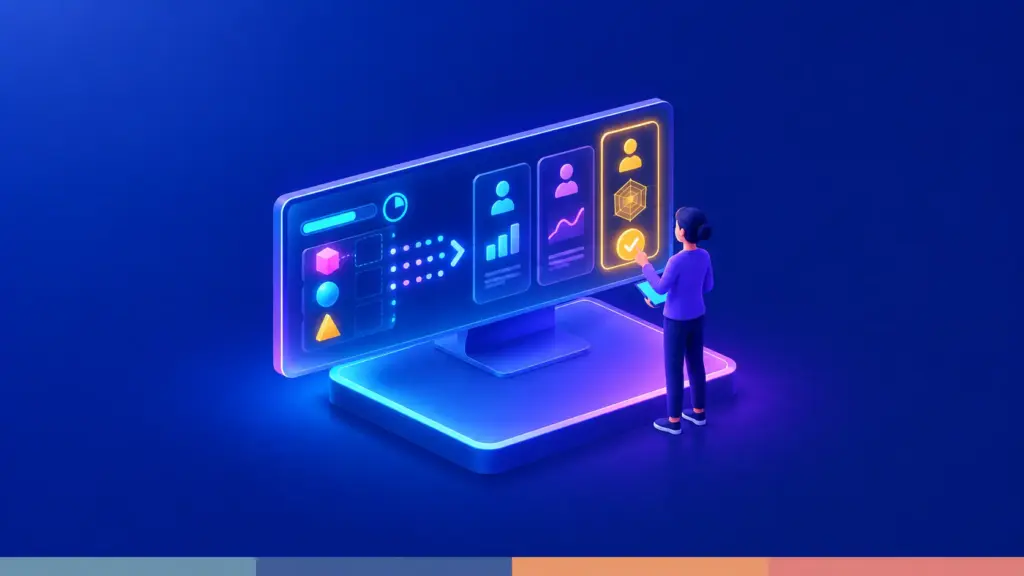
Home Services Our Works Gamification 101 Gamification Case Studies Turnkey Product Game Based Assessment Potentia Level Up RCD Contact English Bahasa Indonesia English Home Services Our Works Gamification 101 Gamification Case Studies Turnkey Product Game Based Assessment Potentia Level Up RCD Contact English Bahasa Indonesia English Home Services Our Works Gamification 101 Gamification Case Studies Turnkey Product Game Based Assessment Potentia Level Up RCD Contact English Bahasa Indonesia English Home Services Our Works Gamification 101 Gamification Case Studies Turnkey Product Game Based Assessment Potentia Level Up RCD Contact English Bahasa Indonesia English Edit Template Will Game-Based Assessment Make HR Obsolete? Imagine the recruitment process of the future. Candidates log into a platform, play several games, complete various challenges, and then the system analyzes how they make decisions, solve problems, and respond to specific situations. No lengthy initial interviews. No stacks of CVs to read through one by one. Then the question arises: If technology can already evaluate candidates, is HR still needed? The answer: even more needed than before. Game-Based Assessment was not created to replace HR. Instead, this approach exists to help HR obtain richer, more relevant, and structured data to serve as consideration material in decision-making processes. When Recruitment Requires More Than Just Looking at a CV A CV can provide an overview of a candidate’s experience, education, and achievements. However, a CV cannot always show how someone copes with problems when placed in specific situations. The same goes for interviews. Interviews can provide valuable insights, but the results still depend on the questions asked, the context of the conversation, and how candidates present themselves. Yet skills such as problem solving, decision making, attention, and cognitive flexibility are often only truly visible when someone is faced with a challenge. This is where Game-Based Assessment offers a different approach. Conventional interview process focusing on face-to-face discussion. Game-Based Assessment Is Not Just “Playing Games” Hearing the term game-based assessment, people might imagine candidates simply being asked to play a game and get a score. In reality, a properly designed game-based assessment involves a much more complex process. Games can be used as a medium to present specific situations and challenges. From these interactions, data regarding candidate responses and performance can be collected and analyzed to provide insights related to the measured abilities. Thus, the game itself is not the end goal. The game is a medium to obtain data. So, Is HR Replaced by Game-Based Assessment? No. This is precisely why understanding technology’s role in the recruitment process is crucial. Game-Based Assessment helps collect and process data, but data is not a decision. HR still plays a essential role in understanding organizational needs, determining relevant competencies, reading candidate context, considering company culture, and ultimately making the final decision. Think of Game-Based Assessment as an additional “data layer” in the recruitment process. Where HR previously relied on CVs and interview results, Game-Based Assessment provides an added perspective on how candidates demonstrate specific abilities when facing structured challenges. HR can then review this information more holistically. It’s not HR vs. Game-Based Assessment. It’s HR equipped with richer data. From “Gut Feeling” to “Data-Informed Decision” HR experience and intuition remain important. However, as recruitment processes become more complex, the need for data that reinforces those considerations grows as well. Game-Based Assessment helps provide additional data that might previously have been difficult to obtain solely through CVs or interviews. For instance, when two candidates have relatively similar backgrounds, HR might need an extra perspective to understand how both demonstrate specific capabilities in action. With this extra data, HR has more information to consider before making a decision. This does not mean decision-making becomes fully automated. On the contrary, HR receives more material to make better-informed decisions. How Game-Based Assessment Makes HR Work Easier One of the biggest benefits of technology in recruitment isn’t just automating manual tasks, but reducing administrative burden so HR can focus more on work requiring human judgment. With structured assessments, candidate data collection can be carried out more consistently. HR can then use assessment results as input for further evaluation processes. This enables HR to allocate more time to uniquely human activities, such as discussing with hiring managers, understanding team needs, conducting in-depth interviews, and building candidate experience. Technology handles part of the structured workload. HR maintains control over context and decisions. Next Chapter: Making Assessment More Engaging This is one of the approaches brought by Next Chapter, a Game-Based Assessment solution from Level Up powered by Agate. Next Chapter is designed by combining game mechanics with assessment to create a more engaging experience for candidates while generating insights to assist HR during evaluation. Behind that experience lies a process that goes far beyond simply building a game. Each instrument is developed across four phases: Theory, Items, Validation, and Norming, involving psychometricians and the Anvesana Research Institute to ensure the assessment is grounded in relevant scientific measurement. Through this approach, games do not merely make the assessment process feel more fun. Games become a medium to deliver more engaging assessments, while assessment data provides added perspective for HR. Examples of various types of Game-Based Assessments in Next Chapter GBA to measure candidate competencies. More Engaging Assessment, Richer Data For candidates, the assessment process feels more interactive compared to conventional approaches. For HR, the results offer additional information to view candidates from a broader perspective. And for companies, this approach opens opportunities to build recruitment processes that focus not just on who the candidates are, but also on how they demonstrate capabilities when facing various challenges. Ultimately, technology isn’t about removing human involvement. Good technology empowers humans with better information to make better decisions. Benefits of Game-Based Assessment in enhancing recruitment process effectiveness. So, Does Game-Based Assessment Make HR Obsolete? No. When used properly, Game-Based Assessment achieves quite the opposite. Game-Based Assessment helps HR reduce tasks that can be structured, provides supplementary candidate data, and enriches perspectives prior to decision-making. Because effective recruitment shouldn’t just ask: “Which candidate seems like
Apakah Game-Based Assessment Akan Membuat HR Tidak Dibutuhkan?
Home Services Our Works Gamification 101 Gamification Case Studies Turnkey Product Game Based Assessment Potentia Level Up RCD Contact English Bahasa Indonesia English Home Services Our Works Gamification 101 Gamification Case Studies Turnkey Product Game Based Assessment Potentia Level Up RCD Contact English Bahasa Indonesia English Home Services Our Works Gamification 101 Gamification Case Studies Turnkey Product Game Based Assessment Potentia Level Up RCD Contact English Bahasa Indonesia English Home Services Our Works Gamification 101 Gamification Case Studies Turnkey Product Game Based Assessment Potentia Level Up RCD Contact English Bahasa Indonesia English Edit Template Apakah Game-Based Assessment Akan Membuat HR Tidak Dibutuhkan? Bayangkan proses rekrutmen di masa depan. Kandidat masuk ke sebuah platform, memainkan beberapa game, menyelesaikan berbagai tantangan, lalu sistem menganalisis cara mereka mengambil keputusan, memecahkan masalah, dan merespons situasi tertentu. Tidak ada wawancara panjang di tahap awal. Tidak ada tumpukan CV yang harus dibaca satu per satu. Lalu muncul pertanyaan: Kalau teknologi sudah bisa menilai kandidat, apakah HR masih dibutuhkan? Jawabannya: justru semakin dibutuhkan. Game-Based Assessment atau Game Based Assessment bukan diciptakan untuk menggantikan HR. Sebaliknya, pendekatan ini hadir untuk membantu HR mendapatkan data yang lebih kaya, relevan, dan terstruktur sebagai bahan pertimbangan dalam proses pengambilan keputusan. Ketika Rekrutmen Tidak Cukup Hanya Melihat CV CV dapat memberikan gambaran mengenai pengalaman, pendidikan, dan pencapaian kandidat. Namun, CV tidak selalu dapat menunjukkan bagaimana seseorang menghadapi masalah ketika berada dalam situasi tertentu. Begitu pula dengan wawancara. Wawancara dapat memberikan banyak insight, tetapi hasilnya tetap bergantung pada pertanyaan yang diberikan, konteks percakapan, dan bagaimana kandidat menyampaikan dirinya. Padahal, kemampuan seperti problem solving, decision making, attention, dan cognitive flexibility sering kali baru terlihat ketika seseorang benar-benar dihadapkan pada sebuah tantangan. Di sinilah Game-Based Assessment menawarkan pendekatan yang berbeda. Proses wawancara konvensional yang berfokus pada diskusi tatap muka. Game-Based Assessment Bukan Sekadar “Main Game” Mendengar istilah game-based assessment, orang mungkin membayangkan kandidat hanya diminta bermain game lalu mendapatkan skor. Padahal, assessment berbasis game yang dirancang dengan tepat memiliki proses yang jauh lebih kompleks. Game dapat digunakan sebagai medium untuk menghadirkan situasi dan tantangan tertentu. Dari interaksi tersebut, data mengenai respons dan performa kandidat dapat dikumpulkan dan dianalisis untuk memberikan insight terkait kemampuan yang ingin diukur. Dengan demikian, game bukanlah tujuan akhirnya. Game adalah medium untuk mendapatkan data. Lalu, Apakah HR Digantikan oleh Game Based Assessment? Tidak. Justru di sinilah pentingnya memahami posisi teknologi dalam proses rekrutmen. Game Based Assessment dapat membantu mengumpulkan dan mengolah data, tetapi data bukanlah keputusan. HR tetap memiliki peran penting dalam memahami kebutuhan organisasi, menentukan kompetensi yang relevan, membaca konteks kandidat, mempertimbangkan budaya perusahaan, hingga akhirnya mengambil keputusan. Bayangkan Game Based Assessment sebagai sebuah tambahan “lapisan data” dalam proses recruitment. Jika sebelumnya HR memiliki CV dan hasil interview, Game Based Assessment dapat memberikan perspektif tambahan mengenai bagaimana kandidat menunjukkan kemampuan tertentu ketika menghadapi tantangan yang dirancang secara terstruktur. HR kemudian dapat melihat informasi tersebut secara lebih menyeluruh. Bukan HR atau Game Based Assessment. HR dengan data yang lebih kaya. Dari “Feeling” Menuju “Data-Informed Decision” Pengalaman dan intuisi HR tetap penting. Namun, semakin kompleks proses recruitment, semakin besar pula kebutuhan untuk memiliki data yang dapat membantu memperkuat pertimbangan tersebut. Game Based Assessment dapat membantu memberikan data tambahan yang sebelumnya mungkin sulit diperoleh hanya melalui CV atau interview. Misalnya, ketika dua kandidat memiliki pengalaman yang relatif serupa, HR dapat membutuhkan perspektif tambahan untuk memahami bagaimana keduanya menunjukkan kemampuan tertentu ketika menghadapi sebuah situasi. Dengan data tambahan tersebut, HR memiliki lebih banyak informasi untuk dipertimbangkan sebelum mengambil keputusan. Bukan berarti keputusan menjadi sepenuhnya otomatis. Justru sebaliknya, HR mendapatkan lebih banyak bahan untuk membuat keputusan yang lebih informed. Bagaimana Game Based Assessment Bisa Mempermudah Pekerjaan HR? Salah satu manfaat terbesar teknologi dalam recruitment bukan hanya menggantikan pekerjaan manual, tetapi mengurangi beban administratif sehingga HR dapat lebih fokus pada pekerjaan yang membutuhkan human judgment. Dengan assessment yang terstruktur, proses pengumpulan data kandidat dapat dilakukan dengan lebih konsisten. HR kemudian dapat menggunakan hasil assessment sebagai salah satu input untuk proses evaluasi lebih lanjut. Hal ini memungkinkan HR mengalokasikan lebih banyak waktu untuk aktivitas yang membutuhkan kemampuan manusia, seperti berdiskusi dengan hiring manager, memahami kebutuhan tim, melakukan interview mendalam, dan membangun candidate experience. Teknologi mengambil sebagian pekerjaan yang bersifat terstruktur. HR tetap memegang kendali atas konteks dan keputusan. Next Chapter: Ketika Assessment Menjadi Lebih Engaging Inilah salah satu pendekatan yang dibawa oleh Next Chapter, solusi Game-Based Assessment dari Level Up powered by Agate. Next Chapter dirancang dengan menggabungkan pendekatan game dengan assessment untuk menciptakan pengalaman yang lebih engaging bagi kandidat sekaligus menghasilkan insight yang dapat membantu HR dalam proses evaluasi. Di balik pengalaman tersebut terdapat proses yang tidak sekadar membuat sebuah game. Setiap instrumen dikembangkan melalui empat fase, yaitu Theory, Items, Validation, dan Norming, dengan melibatkan psychometricians dan Anvesana Research Institute untuk memastikan assessment memiliki dasar pengukuran yang relevan. Dengan pendekatan tersebut, game bukan sekadar membuat proses assessment terasa lebih menyenangkan. Game menjadi medium untuk menghadirkan assessment yang lebih engaging, sementara data hasil assessment dapat menjadi tambahan perspektif bagi HR. Contoh berbagai jenis Game-Based Assessment dalam Next Chapter GBA untuk mengukur kompetensi kandidat. Assessment yang Lebih Engaging, Data yang Lebih Kaya Bagi kandidat, proses assessment dapat terasa lebih interaktif dibandingkan pendekatan konvensional. Bagi HR, hasilnya dapat menjadi tambahan informasi dalam melihat kandidat dari perspektif yang lebih luas. Dan bagi perusahaan, pendekatan ini membuka peluang untuk membangun proses recruitment yang tidak hanya berfokus pada siapa kandidatnya, tetapi juga bagaimana mereka menunjukkan kemampuan ketika menghadapi berbagai tantangan. Pada akhirnya, teknologi bukan tentang menghilangkan peran manusia. Teknologi yang baik justru memberikan manusia informasi yang lebih baik untuk membuat keputusan yang lebih baik. Manfaat Game-Based Assessment dalam meningkatkan efektivitas proses rekrutmen. Jadi, Apakah Game Based Assessment Membuat HR Tidak Dibutuhkan? Tidak. Kalau Game Based Assessment digunakan dengan tepat, justru sebaliknya. Game Based Assessment membantu HR mengurangi pekerjaan yang dapat dibuat lebih terstruktur, mendapatkan data tambahan mengenai kandidat, dan memperkaya perspektif sebelum mengambil keputusan. Karena recruitment yang baik tidak seharusnya hanya bertanya: “Siapa kandidat yang terlihat paling cocok?” Tetapi juga: “Data apa yang kita butuhkan untuk benar-benar memahami kandidat tersebut?” Game-Based
Automation vs Human: Bagaimana Agar Kita Tidak Tergantikan di Era Otomasi?
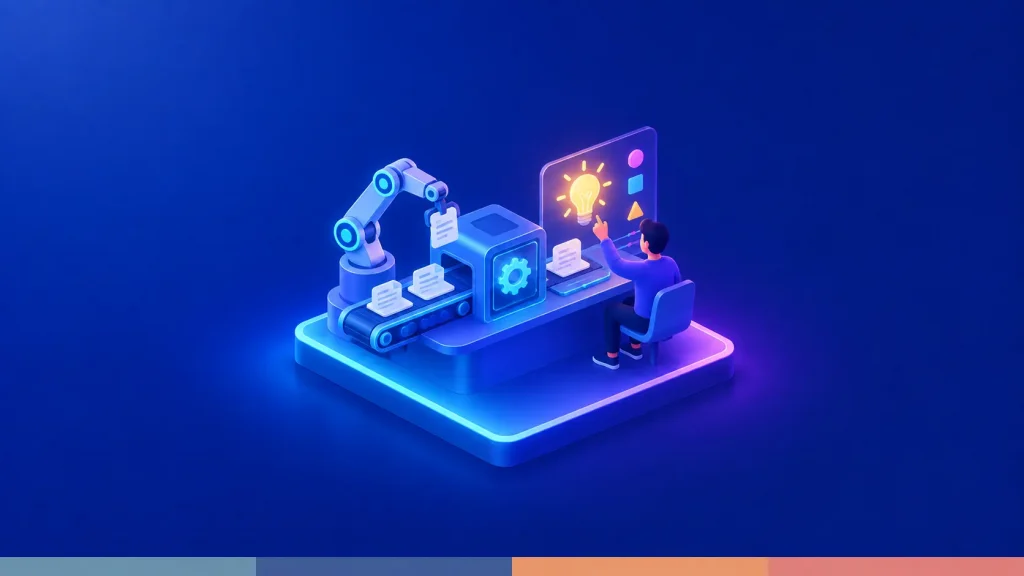
Home Services Our Works Gamification 101 Gamification Case Studies Turnkey Product Game Based Assessment Potentia Level Up RCD Contact English Bahasa Indonesia English Home Services Our Works Gamification 101 Gamification Case Studies Turnkey Product Game Based Assessment Potentia Level Up RCD Contact English Bahasa Indonesia English Home Services Our Works Gamification 101 Gamification Case Studies Turnkey Product Game Based Assessment Potentia Level Up RCD Contact English Bahasa Indonesia English Home Services Our Works Gamification 101 Gamification Case Studies Turnkey Product Game Based Assessment Potentia Level Up RCD Contact English Bahasa Indonesia English Edit Template Automation vs Human: Bagaimana Agar Kita Tidak Tergantikan di Era Otomasi? Automation semakin menjadi bagian dari dunia kerja. Mulai dari artificial intelligence yang membantu membuat konten, chatbot yang menangani pertanyaan pelanggan, hingga software yang mampu mengolah data dan membuat laporan secara otomatis. Perkembangan ini membuat satu pertanyaan semakin relevan: Apakah automation akan menggantikan manusia? Jawabannya mungkin bukan tentang siapa yang menggantikan siapa, tetapi tentang bagaimana manusia beradaptasi dengan perubahan teknologi. Automation Mengubah Cara Kita Bekerja Automation dirancang untuk membuat pekerjaan menjadi lebih cepat dan efisien. Pekerjaan yang bersifat repetitif, terstruktur, dan memiliki pola yang jelas semakin mudah dilakukan oleh teknologi. Namun, sebuah pekerjaan tidak selalu hanya terdiri dari tugas-tugas repetitif. Seorang marketer, misalnya, dapat menggunakan automation untuk mengirim campaign dan mengolah data. Tetapi menentukan strategi, memahami audiens, menemukan ide kreatif, dan mengambil keputusan berdasarkan konteks tetap membutuhkan kemampuan manusia. Karena itu, automation tidak selalu berarti pekerjaan manusia hilang. Dalam banyak kasus, automation justru mengubah jenis kemampuan yang dibutuhkan. Lingkungan kerja modern yang kini terintegrasi dengan berbagai teknologi otomasi. Skill Menjadi Investasi yang Semakin Penting Ketika teknologi mengambil alih sebagian pekerjaan teknis dan repetitif, manusia perlu meningkatkan kemampuan yang memberikan value lebih besar. Problem solving, critical thinking, creativity, communication, collaboration, dan adaptability menjadi semakin penting. Namun, membangun kemampuan tersebut tidak cukup hanya dengan mengikuti training satu kali. Perusahaan juga perlu menciptakan lingkungan belajar yang membuat karyawan mau terus belajar dan terlibat dalam proses pengembangan skill. Di sinilah pendekatan pembelajaran yang lebih engaging dapat menjadi relevan. Bagaimana Gamification Membantu Proses Upskilling? Belajar tidak harus selalu identik dengan presentasi, modul panjang, atau sesi training berjam-jam. Gamification dapat membawa elemen seperti challenges, points, missions, rewards, dan leaderboard ke dalam proses pembelajaran. Pendekatan ini dapat membuat proses belajar terasa lebih interaktif sekaligus memberikan pengalaman yang lebih engaging bagi karyawan. Misalnya, perusahaan dapat membuat simulasi berbasis game untuk melatih kemampuan problem solving atau decision making. Karyawan tidak hanya mempelajari teori, tetapi juga dihadapkan pada situasi yang mengharuskan mereka mengambil keputusan. Pendekatan seperti ini dapat membantu perusahaan menciptakan pengalaman belajar yang lebih dekat dengan cara generasi pekerja saat ini berinteraksi dengan teknologi. Simulasi berbasis game menjadi salah satu metode gamification untuk melatih kemampuan problem solving karyawan. Bukan Melawan Automation, tetapi Belajar Menggunakannya Daripada melihat automation sebagai ancaman, perusahaan dapat menggunakannya sebagai momentum untuk meningkatkan kemampuan tim. Automation dapat mengambil alih pekerjaan yang repetitif, sementara karyawan dapat diarahkan untuk mengembangkan kemampuan yang lebih strategis. Misalnya: Automation → mengurangi pekerjaan repetitifGamification → meningkatkan engagement dalam proses belajarUpskilling → meningkatkan kemampuan karyawanHuman expertise → menghasilkan keputusan dan solusi yang lebih bernilai Kombinasi tersebut membuat transformasi teknologi tidak berhenti pada penggunaan tools baru, tetapi juga diikuti dengan pengembangan manusia yang menggunakannya. Membangun Workforce yang Siap Menghadapi Perubahan Pada akhirnya, perusahaan tidak hanya membutuhkan karyawan yang mampu menggunakan teknologi hari ini. Mereka membutuhkan orang-orang yang mampu belajar, beradaptasi, dan berkembang ketika teknologi berikutnya datang. Karena itu, investasi terhadap learning experience menjadi semakin penting. Melalui solusi gamification dan game-based learning, Level Up powered by Agate membantu perusahaan menciptakan pengalaman belajar dan engagement yang lebih interaktif, sehingga pengembangan kemampuan tidak hanya menjadi kewajiban, tetapi dapat menjadi pengalaman yang lebih menarik bagi karyawan. Sebab, di era automation, keunggulan manusia bukan terletak pada kemampuannya melakukan pekerjaan yang sama berulang kali. Keunggulan manusia terletak pada kemampuannya untuk terus belajar dan menjadi lebih baik. Frequently Asked Questions Apakah automation akan menggantikan pekerjaan manusia? Automation dapat menggantikan sebagian tugas yang repetitif dan terstruktur, tetapi tidak berarti seluruh pekerjaan manusia akan hilang. Peran manusia justru dapat bergeser ke pekerjaan yang membutuhkan kreativitas, problem solving, komunikasi, dan pengambilan keputusan. Skill apa yang penting untuk menghadapi era automation? Selain kemampuan menggunakan teknologi, skill seperti critical thinking, creativity, communication, collaboration, problem solving, dan adaptability semakin penting untuk membantu seseorang tetap relevan di dunia kerja. Apa hubungan gamification dengan upskilling? Gamification dapat memasukkan elemen seperti challenges, missions, points, rewards, dan leaderboard ke dalam proses pembelajaran. Pendekatan ini dapat membuat pengalaman belajar lebih interaktif dan mendorong karyawan untuk lebih aktif terlibat. Bagaimana Level Up membantu perusahaan menghadapi perubahan teknologi? Level Up powered by Agate membantu perusahaan menciptakan pengalaman berbasis gamification dan game-based learning untuk meningkatkan engagement, mendukung proses pembelajaran, serta membantu pengembangan kemampuan karyawan. Siap mempersiapkan tim untuk menghadapi perubahan dunia kerja? Jangan hanya beradaptasi dengan teknologi. Bangun workforce yang mampu berkembang bersamanya. Level Up powered by Agate dapat membantu perusahaan menghadirkan pengalaman learning dan development yang lebih engaging melalui gamification dan game-based learning. Mari mulai membangun pengalaman belajar yang membuat karyawan lebih siap menghadapi masa depan. Author Related Article All Posts Service Highlight-EN News-EN Education-EN All-EN Automation vs Human: How to Remain Irreplaceable in the Automation Era? September 17, 2026/ Gamification is More Than Just Points and Badges September 17, 2026/ Phygital Activation: How Software Houses Bridge the Physical and Digital Worlds September 7, 2026/ Software House + Gamification: A New Strategy for Building User Engagement September 3, 2026/ UTMB: How Gamification Transforms Trail Running Into a Global Journey August 31, 2026/ Gamification On Ground Activation: Delivering Interactive Experiences with Motion Gesture, Touchscreen, and VR August 28, 2026/ Level Up powered by Agate x Provaliants Studio: Bringing Local IP to Life Through Game Experiences at hIPlay August 27, 2026/ Level Up 17-an: Turning Independence Spirit into a More Interactive Experience August 26, 2026/ Event Recap: How Level Up powered by Agate Showcased Gamification Across Indonesia’s Business and Technology Events August 13, 2026/ Load More End of Content. All company names, brand names, trademarks, logos, illustrations, videos and any other
Automation vs Human: How to Remain Irreplaceable in the Automation Era?
Home Services Our Works Gamification 101 Gamification Case Studies Turnkey Product Game Based Assessment Potentia Level Up RCD Contact English Bahasa Indonesia English Home Services Our Works Gamification 101 Gamification Case Studies Turnkey Product Game Based Assessment Potentia Level Up RCD Contact English Bahasa Indonesia English Home Services Our Works Gamification 101 Gamification Case Studies Turnkey Product Game Based Assessment Potentia Level Up RCD Contact English Bahasa Indonesia English Home Services Our Works Gamification 101 Gamification Case Studies Turnkey Product Game Based Assessment Potentia Level Up RCD Contact English Bahasa Indonesia English Edit Template Automation vs Human: How to Remain Irreplaceable in the Automation Era? Automation is increasingly becoming an integral part of the working world. From artificial intelligence assisting in content creation, chatbots handling customer inquiries, to software capable of processing data and generating reports automatically. This development makes one question increasingly relevant: Will automation replace humans? The answer may not be about who replaces whom, but rather how humans adapt to technological changes. Automation Changes How We Work Automation is designed to make work faster and more efficient. Tasks that are repetitive, structured, and follow clear patterns are becoming easier for technology to handle. However, a job is not always composed solely of repetitive tasks. A marketer, for instance, can use automation to send campaigns and process data. But determining strategy, understanding audiences, generating creative ideas, and making context-based decisions still require human capabilities. Because of this, automation does not always mean human jobs disappear. In many cases, automation actually transforms the types of skills needed. Modern work environment now integrated with various automation technologies. Skills as an Increasingly Important Investment When technology takes over part of the technical and repetitive work, humans need to enhance skills that provide higher value. Problem solving, critical thinking, creativity, communication, collaboration, and adaptability are becoming increasingly essential. However, building these capabilities takes more than just attending a single training session. Companies also need to create a learning environment that encourages employees to continuously learn and stay involved in the skill development process. This is where a more engaging learning approach becomes relevant. How Does Gamification Help the Upskilling Process? Learning does not always have to be identical with presentations, long modules, or hours of training sessions. Gamification brings elements such as challenges, points, missions, rewards, and leaderboards into the learning process. This approach can make learning feel more interactive while providing a more engaging experience for employees. For example, companies can create game-based simulations to train problem-solving or decision-making skills. Employees learn not only theory, but are also presented with scenarios that require them to make decisions. Such approaches help companies create learning experiences closely aligned with how today’s generation of workers interacts with technology. Game-based simulation becomes one of the gamification methods to train employees’ problem-solving skills. Not Fighting Automation, but Learning to Leverage It Rather than viewing automation as a threat, companies can use it as momentum to elevate team capabilities. Automation can take over repetitive work, while employees can be directed toward developing more strategic capabilities. For example: Automation → reduces repetitive workGamification → increases engagement in the learning processUpskilling → enhances employee capabilitiesHuman expertise → yields higher-value decisions and solutions This combination ensures technological transformation doesn’t stop at implementing new tools, but is followed by the development of the people using them. Building a Workforce Ready for Change Ultimately, companies do not just need employees capable of using today’s technology. They need people who are capable of learning, adapting, and thriving when the next wave of technology arrives. Therefore, investing in learning experience is becoming increasingly critical. Through gamification and game-based learning solutions, Level Up powered by Agate helps companies create more interactive learning and engagement experiences, so capability development is not merely a duty, but a more engaging experience for employees. Because in the automation era, human advantage does not lie in the ability to perform the exact same job repeatedly. Human advantage lies in the ability to continuously learn and become better. Frequently Asked Questions Will automation replace human jobs? Automation can replace parts of repetitive and structured tasks, but it does not mean all human jobs will disappear. Human roles can shift toward jobs requiring creativity, problem-solving, communication, and decision-making. What skills are essential to face the automation era? Besides technical proficiency, skills like critical thinking, creativity, communication, collaboration, problem-solving, and adaptability are increasingly essential to help individuals remain relevant in the workplace. What is the relationship between gamification and upskilling? Gamification incorporates elements like challenges, missions, points, rewards, and leaderboards into the learning process. This approach makes the learning experience more interactive and encourages active employee participation. How does Level Up help companies adapt to technological shifts? Level Up powered by Agate helps companies create experiences based on gamification and game-based learning to boost engagement, support learning processes, and aid in employee skill development. Ready to prepare your team for the changing workplace? Don’t just adapt to technology. Build a workforce capable of growing alongside it. Level Up powered by Agate helps companies deliver more engaging learning and development experiences through gamification and game-based learning. Let’s start building learning experiences that prepare employees for the future. Author Related Article All Posts Service Highlight-EN News-EN Education-EN All-EN Automation vs Human: How to Remain Irreplaceable in the Automation Era? September 17, 2026/ Gamification is More Than Just Points and Badges September 17, 2026/ Phygital Activation: How Software Houses Bridge the Physical and Digital Worlds September 7, 2026/ Software House + Gamification: A New Strategy for Building User Engagement September 3, 2026/ UTMB: How Gamification Transforms Trail Running Into a Global Journey August 31, 2026/ Gamification On Ground Activation: Delivering Interactive Experiences with Motion Gesture, Touchscreen, and VR August 28, 2026/ Level Up powered by Agate x Provaliants Studio: Bringing Local IP to Life Through Game Experiences at hIPlay August 27, 2026/ Level Up 17-an: Turning Independence Spirit into a More Interactive Experience August 26, 2026/ Event Recap: How Level Up powered by Agate Showcased