The FIFA World Cup is one of the biggest engagement events in the world. Every four years, billions of people watch, support their favorite teams, follow predictions, and engage in various digital activities. Behind the massive enthusiasm, there is a very strong gamification structure. The World Cup is not just a football match, but also a competition system that keeps people coming back.
FIFA World Cup poster featuring the trophy at the center with colorful background graphics symbolizing global excitement.
Gamification Elements in the World Cup
Tournament Progression
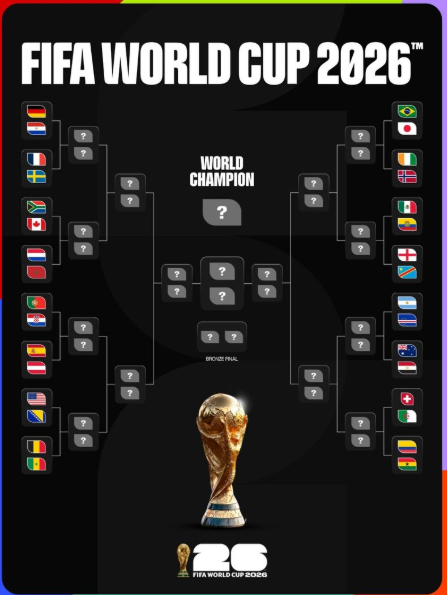
The World Cup has a very clear progression system, starting from the group stage, then continuing to the round of 16, quarter-finals, semi-finals, and the final. Each victory is a kind of level up that brings the team closer to the trophy. A progression system like this creates higher emotional investment at every stage.
FIFA World Cup 2026 tournament bracket showing the path of matches toward the championship.
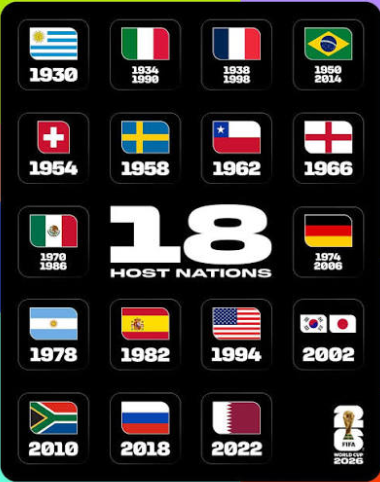
One of the biggest factors that makes the World Cup so special is scarcity. This tournament only happens once every four years. This rarity creates a high sense of urgency and exclusivity. In gamification, scarcity is one of the most effective elements for increasing engagement.
Poster displaying the 18 FIFA World Cup host nations from 1930 to 2026.
Reward Hierarchy
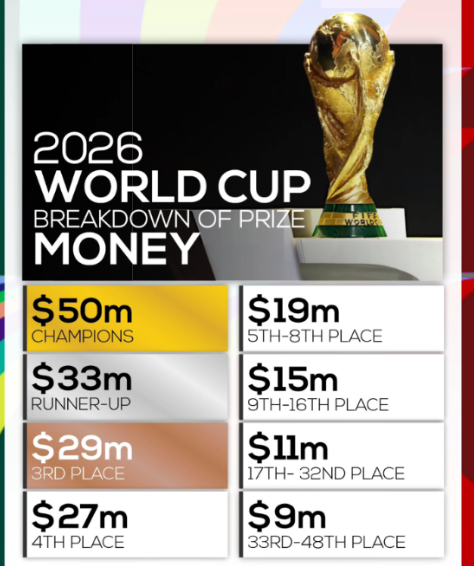
The World Cup has a very strong tiered reward system. It’s not just about becoming a world champion, but also small rewards along the way, such as qualifying from the group stage, reaching the semi-finals, winning the golden boot, or the golden glove. Layered rewards like this keep the motivation alive for both players and spectators.
Infographic showing FIFA World Cup 2026 prize money distribution based on final team rankings.
Prediction Mechanics
Fantasy football, bracket prediction, and score guessing are additional forms of gamification that allow the audience to participate. Spectators are no longer just watching the match, but are actively involved through predictions and small competitions with their communities.
Social Competition
The World Cup also triggers huge social competition. Fans compare predictions, discuss statistics, and show their loyalty to certain teams. This social validation makes engagement stronger because the viewing experience changes into a social activity.
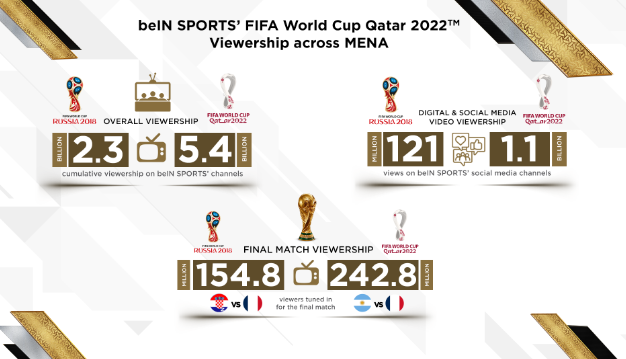
Infographic of FIFA World Cup Qatar 2022 viewership and social media engagement statistics in the MENA region.
How Brands Utilize Gamification in the World Cup?
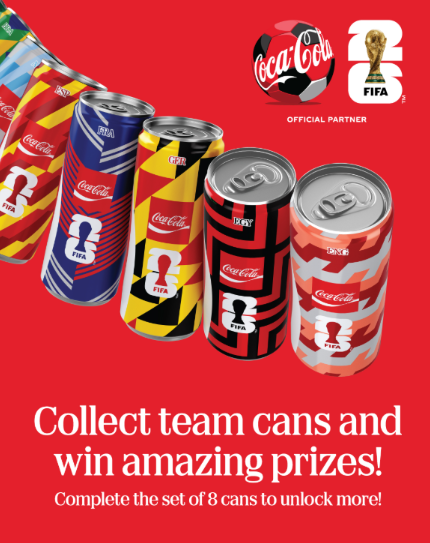
Many brands take advantage of the World Cup momentum to run gamified campaigns. Coca-Cola often uses collectible campaigns that encourage repeat purchases. Adidas uses challenge activation to increase consumer interaction. Meanwhile, McDonald’s often runs campaigns based on match predictions with specific prizes. Brands don’t need to build excitement from scratch; they just need to enter the existing excitement.
Coca-Cola campaign poster featuring collectible national team cans and prize rewards.
Lessons for Marketers
The World Cup shows that the most effective gamification has five main elements: progression, emotional stakes, scarcity, social interaction, and reward hierarchy. Brands can emulate this system through event-based campaigns, limited-time challenges, prediction mechanics, leaderboards, and reward unlockables. When the audience feels like they are playing along, engagement will be much higher than just being a passive viewer.
Frequently Asked Questions
Why can the FIFA World Cup be considered a form of gamification?
The World Cup has all the core elements of gamification: goals, rules, progression, rewards, and uncertainty. From the group stage to the final, every match has clear consequences and raises the emotional stakes. This structure creates very high engagement because the audience feels like they are continuously following the progression, just like a game.
Why does the World Cup always have such massive engagement?
One of the biggest factors is the combination of scarcity and emotional investment. Because it only takes place once every four years, the World Cup has very high urgency. Coupled with loyalty to the national team, rivalry between countries, and unpredictable outcomes, the resulting engagement is far more intense than ordinary sports events.
What is the role of prediction mechanics in World Cup gamification?
Prediction mechanics such as bracket prediction, fantasy football, and score guessing transform the audience from passive viewers into active participants. They are not just watching the match, but are playing along through predictions and small competitions with their communities. This extends the duration of engagement throughout the tournament.
How do brands utilize the gamification momentum in the World Cup?
Many brands utilize the World Cup with gamification-based campaigns such as collectible rewards, prediction challenges, leaderboard competitions, and limited-time promotions. Since excitement is already organically formed, brands only need to enter that ecosystem to increase interaction and conversion.
Can the World Cup gamification principles be applied in business?
Absolutely. Structures such as progression stages, limited-time urgency, reward hierarchy, and social competition are highly relevant for customer loyalty, employee engagement, and digital marketing campaigns. The same principles can be adapted to create more interactive experiences and increase user participation.
For companies that want to build campaigns with engagement as high as the World Cup, gamification can be a strategic approach. Together with Agate through Level Up powered by Agate, brands can develop gamified experiences such as prediction systems, reward mechanics, leaderboard competitions, and immersive digital activations designed to increase engagement and achieve business goals more effectively.
All company names, brand names, trademarks, logos, illustrations, videos and any other intellectual property (Intellectual Property) published on this website are the property of their respective owners. Any non-authorized usage of Intellectual Property is strictly prohibited and any violation will be prosecuted under the law.