Beyond the Leaderboard: Modern Data-Driven Gamification Trends in Marketing, Brand, and HR
Marketing: Ethical Data and Sustainable Retention Systems
Key Trends: AI-Generated Gamification, Digital Twin of a Customer (DToC) & Zero-Party Data Capture
Modern gamification acts as the best zero-party data collection engine. Through personalized mini-games powered by AI, brands offer explicit value exchange in return for consumer behavioral data. AI plays a critical role in adjusting game difficulty levels in real-time based on the player’s profile (Dynamic Difficulty Adjustment). According to industry analysis, the implementation of gamification in marketing strategy has been proven to increase customer loyalty and raise brand interaction metrics by up to 30% (Gartner IT Glossary).
Real Case Study: Starbucks ("Deep Brew" AI Ecosystem)
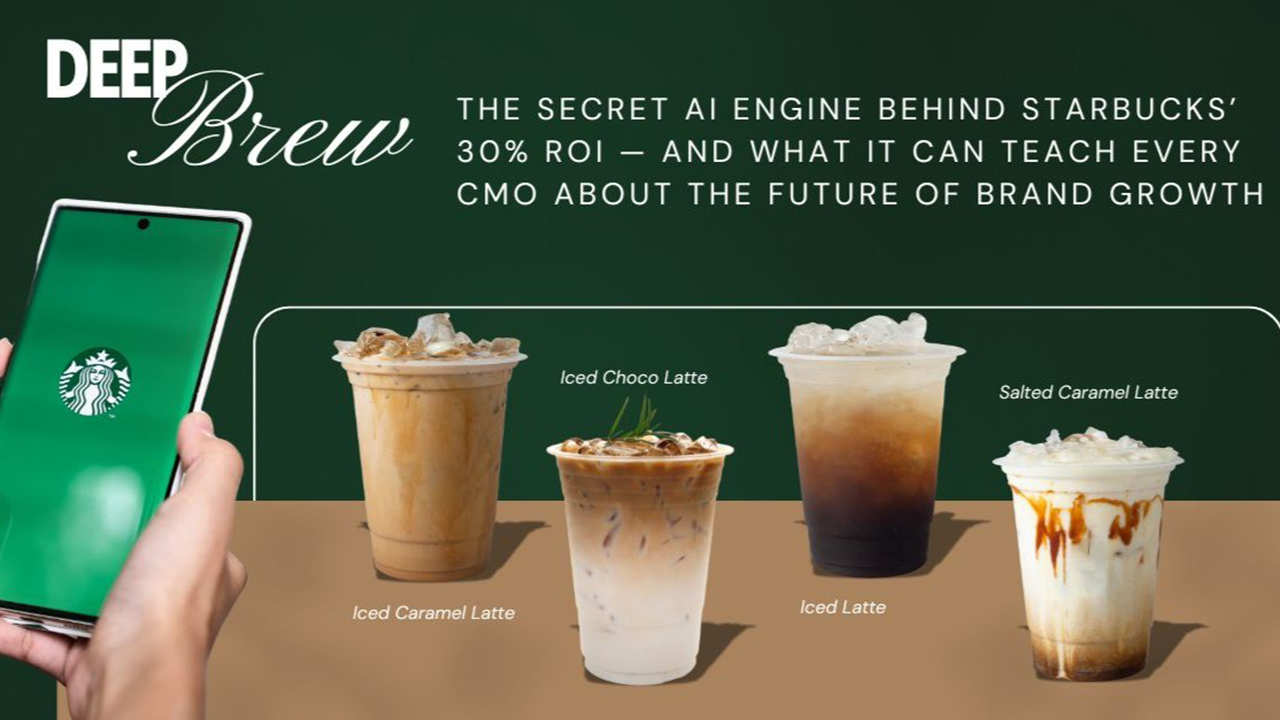
Starbucks uses the Deep Brew AI engine to map transaction history data, commute times, local store inventory, and even weather. The app then triggers highly personalized Bonus Star Challenges. If the system detects a customer frequently buys coffee in the morning and the weather is currently rainy, the app automatically triggers an instant mission rewarding double points for a pastry purchase within the next 30 minutes.
Additional Efficiency Case Study: Autodesk
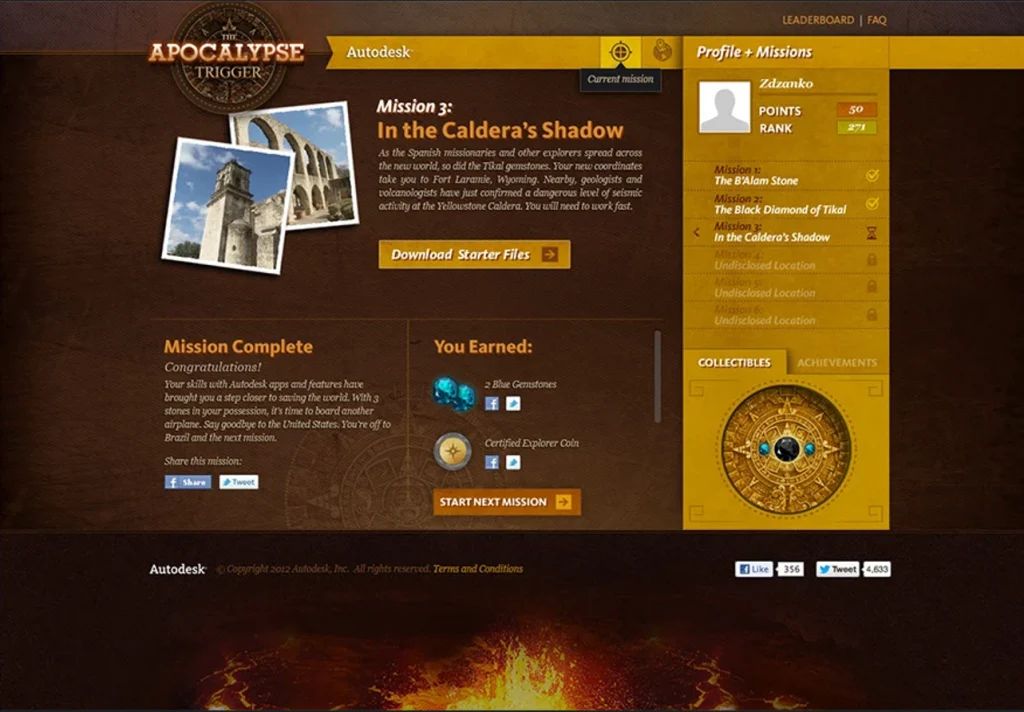
The software giant Autodesk integrates gamification elements into their product free trial period. This interactive approach successfully increased user engagement metrics by 40% and boosted purchase conversions by up to 15% (Autodesk Business Review).
Brand: Emotional Loyalty Ecosystem Based on Digital Twin and Immersive Experience
Conventional physical card-based loyalty programs are now considered dead. Consumers no longer desire bland transactions; they crave exclusive membership status (insider status) and a sense of ownership within a community. Globally, the gamification market capitalization value is projected to grow rapidly from $9.1 billion in 2020 to $30.7 billion in 2025 with a CAGR of 27.8% (MarketsandMarkets Report).
Key Trends: Loyalty Metaverse, Immersive Brand Twin & Phygital AR
Global brands are now creating Digital Twins of their physical products or building immersive spaces (AR/VR) where consumers can interact. Consumers are not just buying goods, but completing narrative-driven challenges, unlocking virtual achievements, and attending digital seasonal events. The integration between Immersive Experience and the real world creates a strong loyalty loop.
Real Case Study: Nike (Nike Run Club & Nikeland on Roblox)
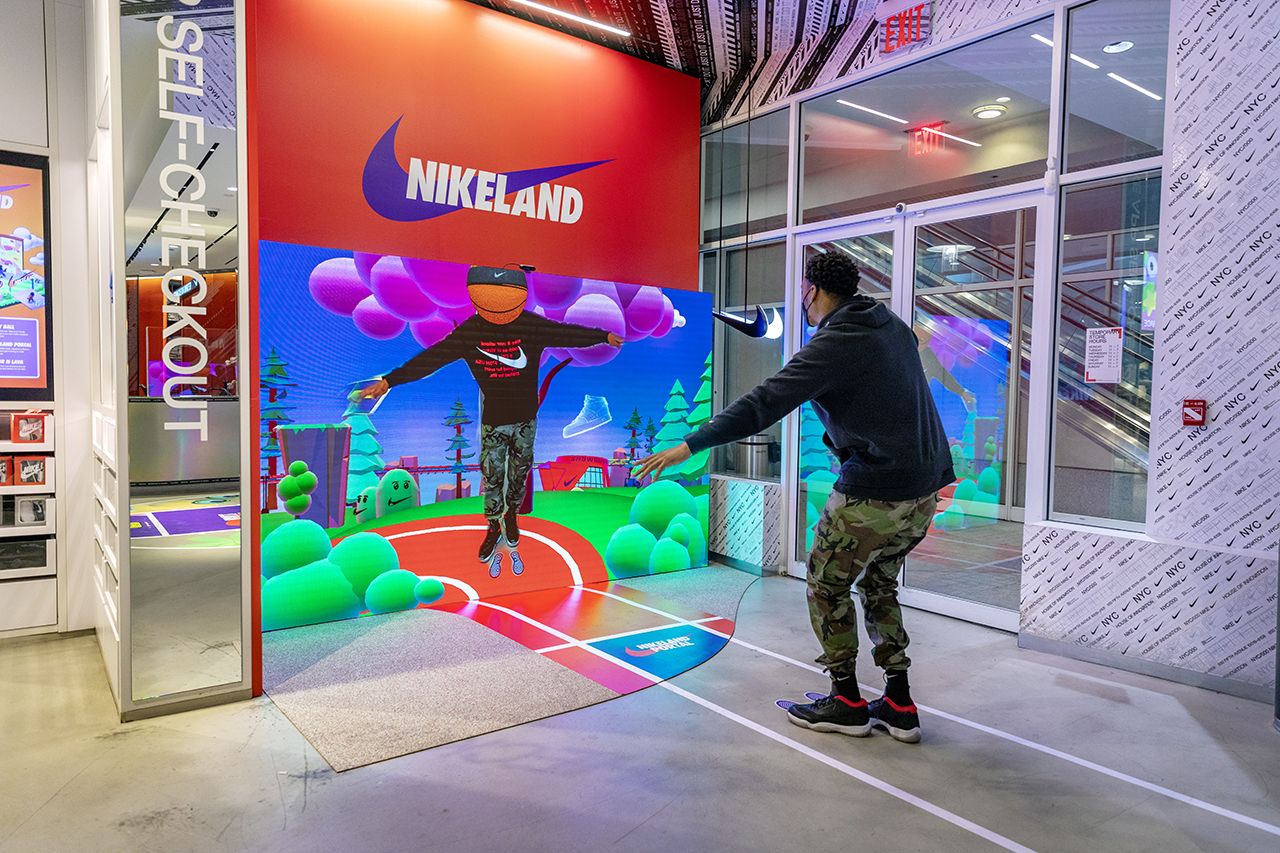
Nike bridges users’ physical activity through the Nike Run Club (NRC) application. Every kilometer completed by the user running in the real world is recorded as a performance metric. The success of completing these physical targets is then converted into rewards in their virtual world on the Roblox platform (Nikeland), where users can unlock exclusive digital wearables for their avatars or gain early access to purchase limited edition physical shoes.
Real Case Study: Coca-Cola ("Create Real Magic" Campaign)
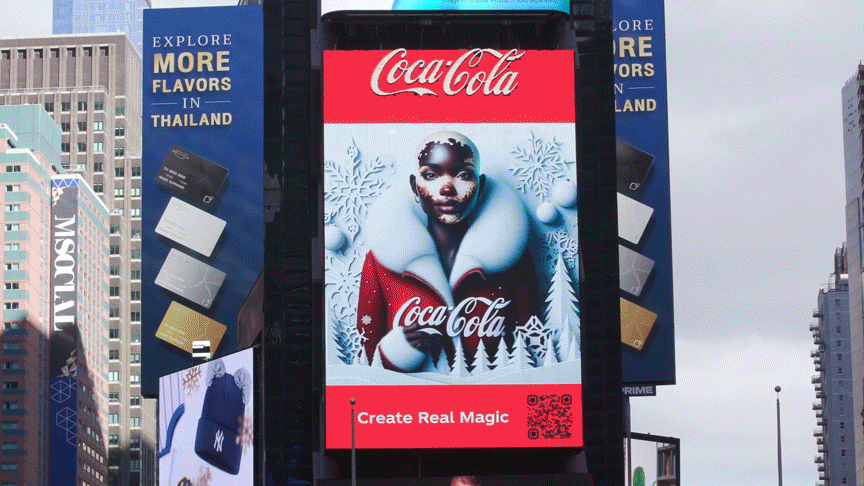
Coca-Cola launched a platform based on GPT-4 and DALL-E, challenging consumers to perform visual experiments using the brand’s iconic assets (such as the contour bottle or the polar bear). The gamification element lies in a global creative competition, where the best consumer-created artwork is projected in real-time on giant billboards in New York’s Times Square and London’s Piccadilly Circus.
Human Resources: Recruitment Transformation through Game-Based Assessment
The most scientifically mature gamification revolution is actually occurring in the human resources (HR) management sector. Traditional recruitment formats are considered obsolete: static Likert scale questionnaires on desktop browsers trigger applicant abandonment rates of up to 60%, coupled with a high bias for manipulating answers (social desirability bias).
Key Trends: Psychometric Game-Based Assessment (GBA) & Enterprise Metaverse
Modern HR utilizes Game-Based Assessment to measure candidates’ cognitive abilities and personality traits (Big Five personality traits). Instead of answering theoretical questions, candidates complete interactive challenges lasting 5-10 minutes. Through GBA, machine learning algorithms record underlying behavioral data of candidates while playing, such as decision-making speed, post-failure resilience, and problem-solving strategies. The recruitment sector that adopts game elements records an increase in employee productivity by up to 48% and an increase in internal engagement by 60%, based on empirical industry studies (Aberdeen Group Research). In the Learning & Development pillar, competition-based challenges can increase employee knowledge retention thanks to the stimulation of active recall.
Real Case Study: Unilever (Global Future Leaders Programme via Pymetrics)
Unilever eliminated the traditional document selection stage and replaced it with 12 neuro-science based micro-psychometric games. Candidates play digital puzzle games that measure personality and cognitive aspects without their awareness. The AI algorithm tracks candidates’ adaptation speed after making mistakes, their risk appetite, and their focus of attention to be aligned with the company’s internal success profile.
Real Case Study: Accenture ("The Nth Floor" Onboarding Platform)
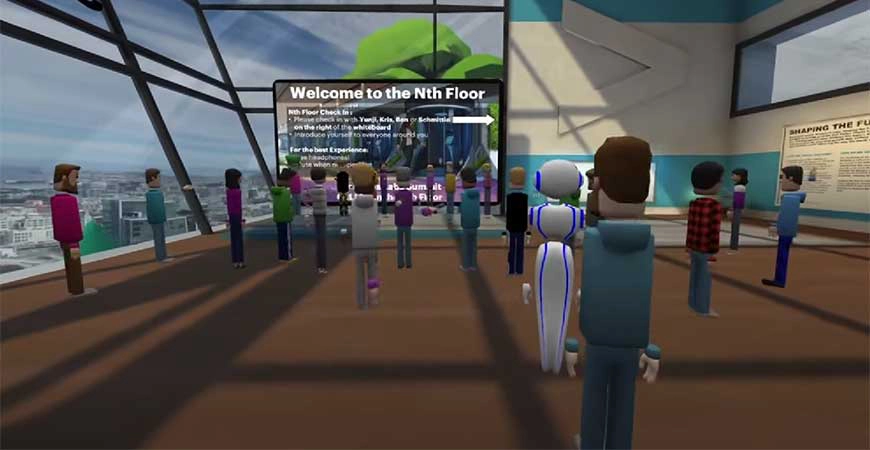
Accenture built a replica of the virtual work environment using Microsoft Mesh technology. Every new employee worldwide is equipped with a Virtual Reality (VR) headset to enter this virtual space as an avatar. The orientation process is run like a cooperative adventure game (multiplayer quest), where they must work together in cross-country teams to solve puzzles about company history, cultural values, and business project completion simulations.
Summary of Interdisciplinary Gamification Trends
|
Analysis Aspect
|
Marketing
|
Brand
|
Human Resources (HR)
|
|---|---|---|---|
|
Main Focus
|
Customer acquisition, conversion, & zero-party data collection.
|
||
|
Tech Trends
|
AI-Generated Content (AIGC), dynamic mini-games, Digital Twin of a Customer (DToC).
|
Digital Twin, AR/VR Immersive Space, Phygital AR, Generative AI Dynamic Narratives.
|
Game-Based Assessment (GBA), psychometric simulation, Enterprise Metaverse Onboarding.
|
|
Success Metrics
|
Increase in conversion rate, volume of GDPR-authorized data.
|
Increase in customer lifetime value (CLV) & program retention.
|
Application completion rate, performance prediction accuracy.
|
|
Real Case Studies
|
Starbucks (Deep Brew), Autodesk
|
Nike (Nikeland), Coca-Cola (Create Real Magic)
|
Unilever (Pymetrics), Accenture (The Nth Floor)
|
FAQ
How can my company start implementing an effective and measurable modern gamification architecture?
The key to successful data gamification lies in designing precise game mechanics and customizing them according to your business objectives.
What is the fundamental difference between traditional gamification and modern data-driven gamification?
Traditional gamification tends to focus on superficial mechanics like Points, Badges, and Leaderboards (PBL) which only trigger short-term extrinsic motivation. In contrast, modern data-driven gamification utilizes real-time behavioral analytics to personalize the user experience, balance intrinsic and extrinsic motivations, and measure the concrete impact on business ROI (Werbach & Hunter, 2012).
How does the Octalysis framework help in designing gamification in the HR field?
In the HR context, the Octalysis framework shifts the focus from merely task completion to knowledge retention. By emphasizing Core Drive 2 (Development & Accomplishment) through work progress visualization and Core Drive 3 (Creativity Empowerment) through independent problem-solving, employees feel they have full control over their career growth (Chou, 2015).
Why does gamification implementation in marketing strategy sometimes fail to retain consumers in the long run?
This failure is generally caused by the overjustification effect phenomenon in behavioral economics. When a system relies too heavily on extrinsic rewards (such as discounts or vouchers), the consumer’s intrinsic motivation to interact with the original product can erode. As soon as the incentives are stopped, user engagement will drop drastically (Ryan & Deci, 2000; Thaler, 2016).
Author

Junialdi Dwijaputra

Hisyam Hesbi Wijonarko
Related Article
- All Posts
- Service Highlight-EN
- News-EN
- Education-EN
- All-EN