Edit Template

Gamification vs Game: What is the Difference?

Many people still consider gamification and games to be the same thing. In fact, both have different goals and ways of working. Understanding the difference is important so that organizations can choose the right approach to increase user and employee engagement.

What Is a Game?

A game is a product designed to provide a playing experience and entertainment. Players have specific goals, face challenges, follow rules, and gain satisfaction from the playing process.

Examples include Mobile Legends, Minecraft, or FIFA. The main goal of a game is to create an enjoyable experience and make players want to keep playing.

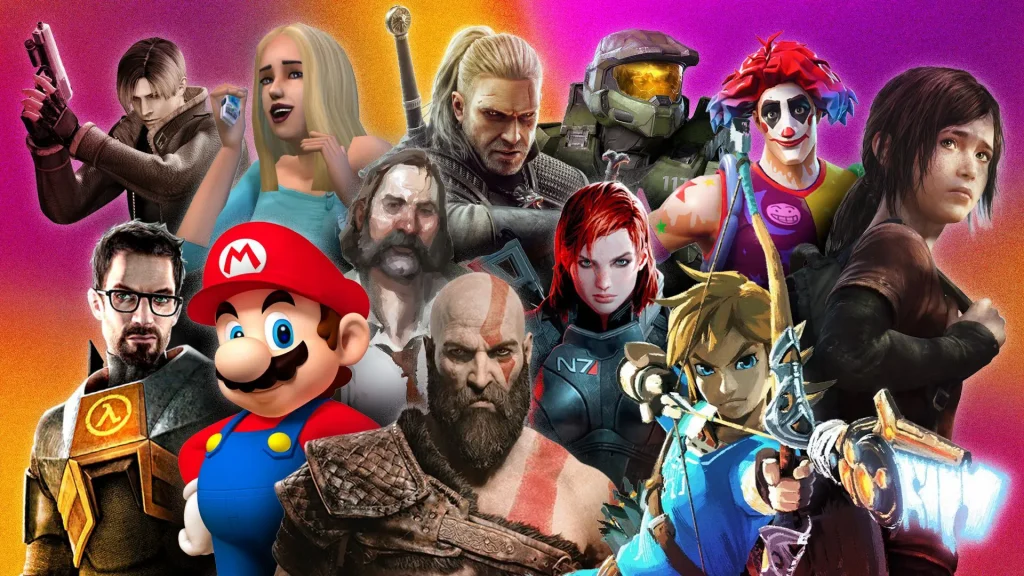
Mainstream video game characters that we often encounter

What Is Gamification?

Gamification is the application of elements commonly found in games into non-game activities. The goal is not to entertain, but to encourage certain behaviors so that someone is more motivated, consistent, and involved in a process.

Some commonly used gamification elements include:

  • Points
  • Badges
  • Leaderboard
  • Progress bar
  • Levels
  • Missions or challenges
  • Rewards

By utilizing these elements, gamification helps improve the user experience without turning the main activity into a game.

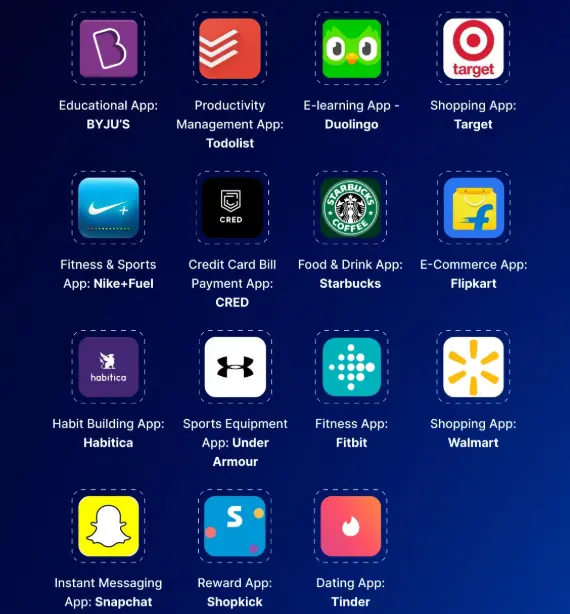
Examples of gamification that we encounter in daily life

Differences Between Gamification and Game

Aspect
Game
Gamification
Goal
Entertainment
Focus
Playing experience
Engagement and goal achievement
Form
Product or game application
Features applied to real activities
Users
Play for fun
Completing activities with additional motivation
Examples
Minecraft, FIFA, Mobile Legends
Loyalty programs, learning apps, employee training

Examples in Daily Life

Suppose a company wants to increase the completion rate of employee training.

If using a game, the company creates an educational game that must be played by all participants.

If using gamification, the training material remains the same, but points, progress bars, badges, weekly challenges, and rewards are added as participants complete each module.

In other words, gamification does not turn an activity into a game. It only makes that activity more interesting and motivating.

Why Do Companies Use Gamification More?

Developing a game requires a large investment of time, cost, and resources. In contrast, gamification can be applied to existing systems, making it easier to implement.

Some examples of its application include:

  • Employee onboarding
  • Learning & Development
  • Employee wellness
  • Sales incentive
  • Customer loyalty
  • Employee engagement

Because it is flexible, gamification can be applied in various industries, from education, healthcare, technology, to corporate firms.

Gamification Is Not Just Points and Badges

One of the biggest misconceptions is thinking that gamification is only about giving points or prizes. In fact, effective gamification is designed based on principles of behavioral design.

Elements such as clear goals, fast feedback, a sense of achievement, visible progress, and appropriate challenges often have a much larger impact than the rewards themselves.

When well-designed, gamification can help build positive habits and increase user engagement in the long term.

Frequently Asked Questions

What is the main difference between a game and gamification?

Games are made to provide a playing experience and entertainment, while gamification applies game elements into real activities to increase motivation, engagement, and behavioral change.

Does gamification only use points and badges?

No. Gamification also utilizes various other elements such as progress bars, levels, challenges, feedback, leaderboards, and reward systems designed to create a more engaging experience.

Where can gamification be applied?

Gamification can be applied in various fields, such as employee onboarding, employee training, employee wellness programs, sales incentives, customer loyalty, education, to health applications.

Why is gamification important for companies?

Gamification helps increase engagement, encourage participation, build positive habits, and motivate users or employees to achieve business goals more effectively.

Design Gamification Solutions for Your Organization

Effective gamification not only makes activities more interesting, but also produces a real impact on engagement, productivity, and behavioral change. Level Up powered by Agate helps organizations design gamification solutions tailored to business goals and user needs. Consult your needs with the Level Up team and start building experiences capable of creating sustainable results.

All company names, brand names, trademarks, logos, illustrations, videos and any other intellectual property (Intellectual Property) published on this website are the property of their respective owners. Any non-authorized usage of Intellectual Property is strictly prohibited and any violation will be prosecuted under the law.

© 2023 Agate. All rights reserved.
Edit Template