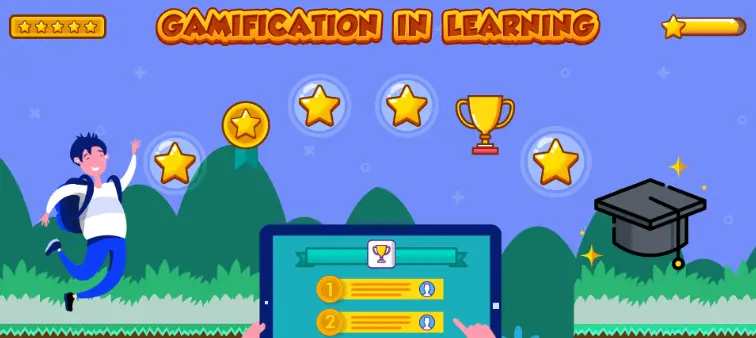
Gamification is increasingly popular as a strategy to boost employee engagement, training effectiveness, and work productivity. Various companies are starting to implement point systems, badges, leaderboards, and interactive missions because they are proven to make the learning and working experience more engaging.
However, one mistake still often occurs.
Many companies implement gamification simply because it is trending. They see competitors using leaderboards, and then they follow suit. They add badges to their learning platforms because they are considered attractive, without truly understanding whether these elements align with the organization’s needs.
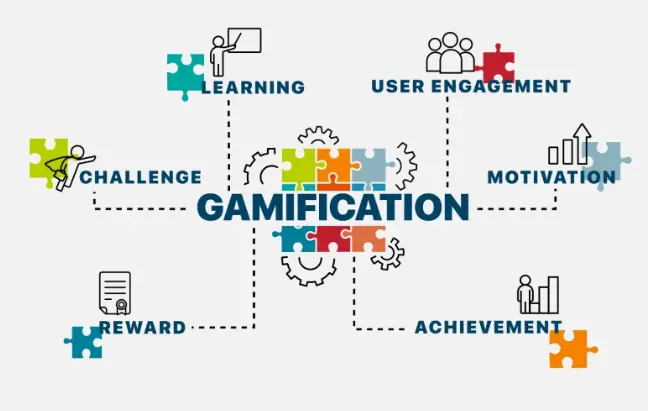
In reality, gamification is not about adding game features, but about designing experiences that can encourage behavior aligned with business goals.
Why Is Following the Gamification Trend Alone Not Enough?
Every organization has different business objectives, work culture, and employee characteristics. Therefore, a gamification approach that succeeds in one company may not yield the same results in another.
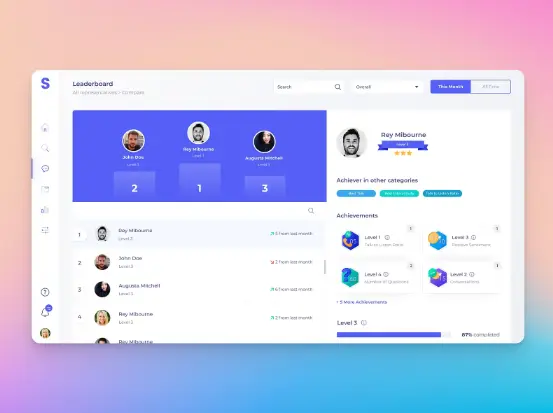
For example, a sales team might be more motivated by a competition system through a leaderboard because their targets are individual. Conversely, a customer service team or operational division might need an approach that encourages collaboration more than competition.
The same applies to the onboarding process. New employees generally need a gradual learning experience through progress bars or quests, rather than being immediately compared to their colleagues.
The most important thing to understand is that gamification should be designed based on the behavior you want to instill. If the main goal is to increase training completion, then progress tracking will be more effective than a leaderboard. If the target is to boost sales performance, healthy competition might be a better choice.
How to Choose Gamification That Suits Your Company
Before deciding on the gamification elements to use, companies should answer the following questions.
Determine business objectives first
Gamification must support company objectives, not be merely an added feature.
Some common objectives include:
increasing employee engagement;
accelerating the onboarding process;
increasing training completion;
boosting sales performance; or
forming specific work habits.
By understanding these objectives, companies can choose a truly relevant gamification approach.
By understanding these objectives, companies can choose a truly relevant gamification approach.
Identify the desired behavior to be built
Good gamification focuses on behavior change.
For example, a company wants to encourage employees to be more active in completing learning modules, collaborating across divisions, providing innovative ideas, or being more disciplined in following work procedures.
This behavior is the basis for determining the gamification design.
Adjust to company culture
Organizational culture also has a major influence on the success of gamification implementation.
Companies with a competitive culture are usually suitable for using a ranking system or leaderboard.
Conversely, organizations that prioritize cooperation will achieve better results through group challenges or collaborative missions.
Common Types of Gamification Used
Not all gamification serves the same function. Here are some types of gamification most frequently implemented in the workplace.
Achievement-Based Gamification
Achievement-Based Gamification focuses on individual accomplishments through the granting of rewards.
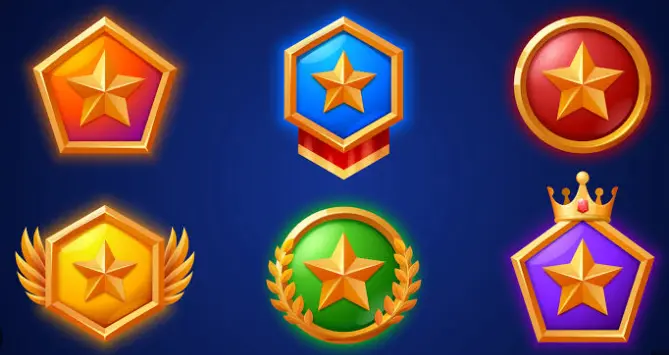
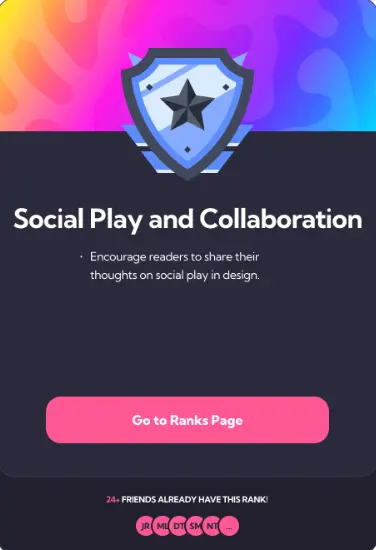
Common elements used include badges, points, levels, achievements, and certificates.
This approach is suitable for onboarding programs, Learning & Development, internal certifications, and competency development because it provides a sense of accomplishment every time participants successfully complete a certain target.
Competition-Based Gamification
This type of gamification utilizes competition as a source of motivation.
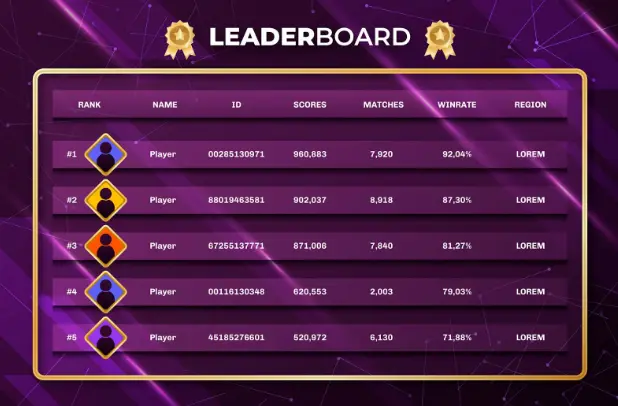
Elements frequently used include leaderboards, rankings, individual competitions, and inter-team competitions.
Competition-Based Gamification is widely applied in sales incentive programs, internal campaigns, or productivity improvement challenges.
Although effective, competition still needs to be designed in a healthy way so as not to reduce the spirit of collaboration within the organization.
Collaboration-Based Gamification
In contrast to the competitive approach, Collaboration-Based Gamification encourages participants to work together to achieve a shared goal.
Examples include team quests, group missions, collaborative challenges, and shared progress.
This type is suitable for team building programs, employee engagement, and cross-divisional projects that require cooperation among employees.
Narrative-Based Gamification
Narrative-Based Gamification utilizes storytelling as part of the learning experience.
Participants not only complete learning modules but also follow a storyline with various interconnected challenges.
This approach is often used in leadership training, customer service training, compliance training, and soft skill development because it can make the material feel more contextual and easy to remember.
Progress-Based Gamification
Progress-Based Gamification helps participants visualize their development.
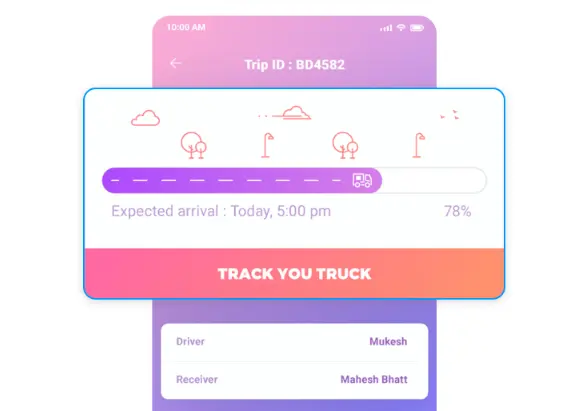
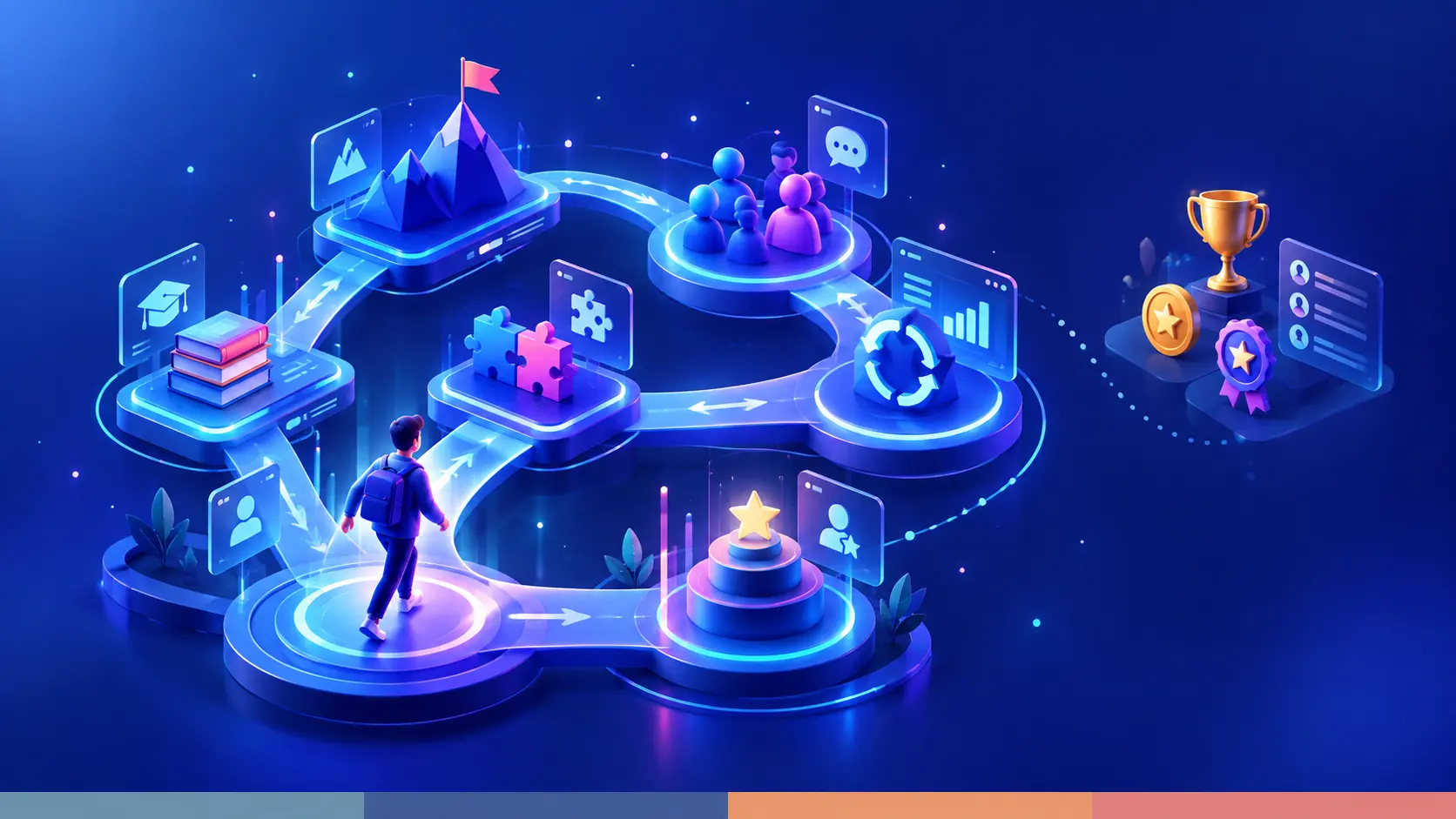
Common elements used include progress bars, checklists, milestones, level progression, and quests.
This approach is highly effective for long-term activities because participants can know how far the progress they have achieved is, while also understanding the next steps that need to be completed.
Effective Gamification Usually Combines Several Approaches
In practice, companies rarely use only one type of gamification.
An onboarding program can combine a progress bar to show development, badges as a form of appreciation, storytelling to make the learning experience more engaging, and team challenges to build collaboration among employees.
The right approach is not choosing the most popular element, but combining various mechanisms according to the organization’s needs.
Focus on the Goal, Not Just Following the Trend
Gamification is not about making activities feel like playing a game.
Its core value lies in the ability to create an experience that encourages behavioral change aligned with organizational goals.
When designed based on company needs, gamification can sustainably increase motivation, engagement, learning effectiveness, and productivity.
Conversely, if implemented just to follow a trend, gamification risks becoming merely an interesting feature that loses its impact after the participants’ initial curiosity disappears.
Therefore, the first step is not choosing a leaderboard, badge, or point system. The first step is understanding what the company truly wants to achieve.
Frequently Asked Questions
What is gamification in a company?
Gamification is the application of game elements into non-game activities to increase motivation, engagement, learning, and behavioral change in employees.
Does every company need to use a leaderboard?
No. A leaderboard is more suitable for a competitive environment. Organizations that prioritize collaboration might achieve better results using team challenges or shared progress.
What is the difference between competitive and collaborative gamification?
Competitive gamification encourages participants to compete through rankings or scores, while collaborative gamification invites participants to work together to complete challenges jointly.
How to choose the right type of gamification?
Start by determining the business objective, the behavior you want to instill, the characteristics of the participants, and the company culture. After that, select the most relevant combination of gamification elements.
Is gamification only used for training?
No. Besides training, gamification is also widely applied in onboarding, employee engagement, assessment, sales enablement, loyalty programs, and organizational culture change programs.
Build a Gamification Strategy That Aligns with Business Goals
Every company has different challenges and work culture. Therefore, effective gamification solutions need to be specifically designed, not just following trends.
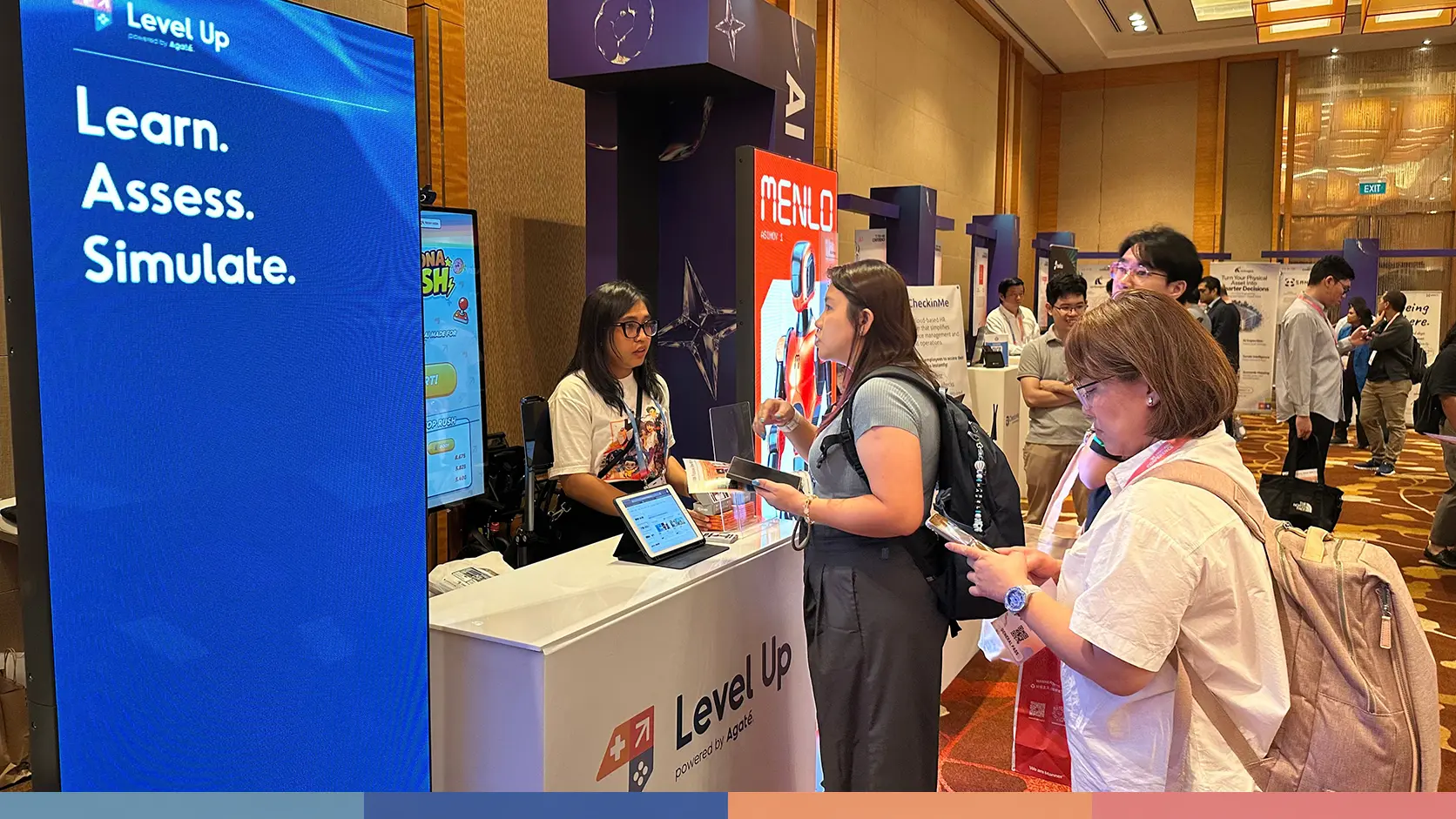
Level Up Powered by Agate helps companies design gamification solutions tailored to organizational needs, from onboarding, Learning & Development, and employee engagement, to assessment.
All company names, brand names, trademarks, logos, illustrations, videos and any other intellectual property (Intellectual Property) published on this website are the property of their respective owners. Any non-authorized usage of Intellectual Property is strictly prohibited and any violation will be prosecuted under the law.