
Gamifikasi Bukan Sekadar Poin dan Badge
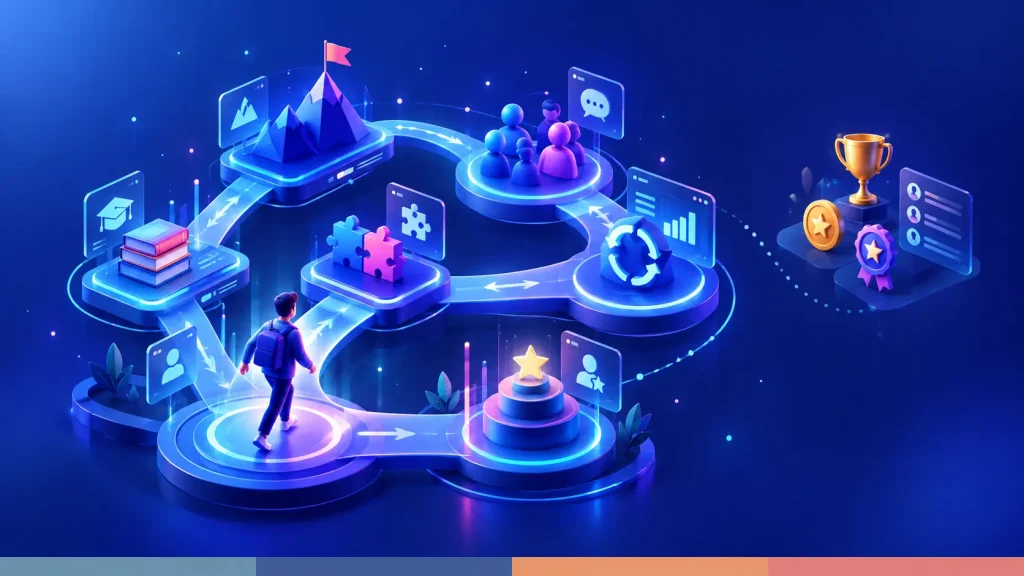
Home Services Our Works Gamification 101 Gamification Case Studies Turnkey Product Game Based Assessment Potentia Level Up RCD Contact English Bahasa Indonesia English Home Services Our Works Gamification 101 Gamification Case Studies Turnkey Product Game Based Assessment Potentia Level Up RCD Contact English Bahasa Indonesia English Home Services Our Works Gamification 101 Gamification Case Studies Turnkey Product Game Based Assessment Potentia Level Up RCD Contact English Bahasa Indonesia English Home Services Our Works Gamification 101 Gamification Case Studies Turnkey Product Game Based Assessment Potentia Level Up RCD Contact English Bahasa Indonesia English Edit Template Gamifikasi Bukan Sekadar Poin dan Badge Ketika mendengar istilah gamifikasi, banyak orang langsung membayangkan poin, badge, leaderboard, atau hadiah. Padahal, elemen-elemen tersebut hanyalah sebagian kecil dari konsep gamifikasi. Esensi gamifikasi bukanlah membuat sebuah aktivitas terasa seperti permainan, melainkan menerapkan prinsip desain game untuk menciptakan pengalaman yang lebih menarik, memotivasi, dan mendorong partisipasi. Inilah alasan mengapa gamifikasi kini mulai diterapkan di berbagai bidang, mulai dari pembelajaran, pengembangan karyawan, hingga program engagement di perusahaan. Mengapa Gamifikasi Efektif? Game memiliki kemampuan untuk membuat pemain tetap terlibat dalam waktu yang lama. Hal tersebut bukan semata karena hadiahnya, melainkan karena game dirancang dengan tujuan yang jelas, tantangan yang bertahap, umpan balik yang cepat, dan rasa pencapaian yang terus berkembang. Prinsip yang sama dapat diterapkan dalam berbagai aktivitas non-game. Alih-alih hanya memberikan materi atau tugas, organisasi dapat merancang pengalaman yang membuat peserta terdorong untuk terus berpartisipasi. Gamifikasi Berawal dari Memahami Perilaku Salah satu kesalahan yang sering terjadi adalah menganggap gamifikasi selesai setelah menambahkan sistem poin atau leaderboard. Padahal, desain gamifikasi yang efektif dimulai dengan memahami perilaku yang ingin dibentuk. Misalnya: Apakah organisasi ingin meningkatkan partisipasi? Apakah ingin mendorong kolaborasi antar tim? Apakah ingin meningkatkan penyelesaian pelatihan? Atau ingin membangun kebiasaan belajar secara konsisten? Setelah tujuan tersebut jelas, barulah elemen permainan dipilih untuk mendukung perilaku yang diharapkan. Elemen Game yang Memiliki Fungsi Nyata Berbagai elemen permainan memiliki fungsi yang berbeda-beda. Progress bar membantu peserta melihat perkembangan mereka. Quest membagi target besar menjadi tantangan yang lebih mudah dicapai. Badge memberikan pengakuan atas pencapaian tertentu. Leaderboard dapat mendorong kompetisi yang sehat apabila digunakan pada konteks yang tepat. Ketika dikombinasikan secara seimbang, elemen-elemen tersebut mampu menciptakan pengalaman yang lebih menarik dibandingkan aktivitas konvensional. Ilustrasi elemen-elemen gamifikasi seperti progress bar, quest, badge, dan leaderboard yang digunakan dalam platform pembelajaran atau assessment. Penerapan Gamifikasi di Dunia Kerja Saat ini, gamifikasi telah digunakan dalam berbagai kebutuhan organisasi, seperti: Onboarding karyawan baru. Learning & Development. Employee engagement. Sales incentive. Internal campaign. Program inovasi. Kegiatan assessment. Setiap implementasi memiliki pendekatan yang berbeda karena tujuan bisnis setiap organisasi juga berbeda. https://www.youtube.com/watch?v=4IoNRk2vgMY Ilustrasi proses rekrutmen berbasis gamifikasi oleh Level Up powered by Agate Pengalaman Menjadi Faktor yang Tidak Kalah Penting Di era digital, pengalaman pengguna menjadi salah satu faktor yang menentukan keberhasilan sebuah program. Sebuah pelatihan dengan materi yang baik belum tentu efektif apabila pesertanya tidak termotivasi untuk menyelesaikannya. Sebaliknya, pengalaman yang dirancang dengan pendekatan gamifikasi dapat membantu meningkatkan partisipasi, menjaga motivasi, dan membuat proses belajar terasa lebih menyenangkan tanpa menghilangkan tujuan utamanya. Peserta mengikuti gamified assessment melalui tantangan interaktif yang dirancang untuk mengevaluasi kemampuan Frequently Asked Questions Apa perbedaan gamifikasi dengan game? Gamifikasi adalah penerapan elemen dan prinsip desain game pada aktivitas non-game, seperti pelatihan, onboarding, atau program employee engagement. Sementara itu, game dibuat dengan tujuan utama untuk dimainkan sebagai sebuah permainan. Apakah gamifikasi hanya menggunakan poin dan leaderboard? Tidak. Poin dan leaderboard hanyalah sebagian dari elemen gamifikasi. Desain gamifikasi juga dapat mencakup progress bar, quest, badge, feedback instan, level, hingga storytelling, tergantung pada tujuan yang ingin dicapai. Apakah gamifikasi hanya cocok untuk perusahaan teknologi? Tidak. Gamifikasi dapat diterapkan di berbagai industri, mulai dari manufaktur, perbankan, kesehatan, pendidikan, hingga sektor pemerintahan. Kuncinya adalah menyesuaikan desain gamifikasi dengan kebutuhan organisasi dan karakteristik pesertanya. Bagaimana cara mengetahui apakah gamifikasi berhasil? Keberhasilan gamifikasi dapat diukur melalui indikator yang sesuai dengan tujuan program, seperti tingkat partisipasi, penyelesaian pelatihan, engagement peserta, perubahan perilaku, atau peningkatan performa. Siap menghadirkan pengalaman yang lebih engaging melalui gamifikasi? Melalui Level Up powered by Agate, kami membantu perusahaan mengembangkan solusi gamifikasi yang disesuaikan untuk berbagai kebutuhan, mulai dari onboarding, learning & development, employee engagement, hingga program internal lainnya. Kunjungi halaman Contact Us untuk berdiskusi dengan tim kami dan temukan solusi yang paling sesuai bagi organisasi Anda. Author Related Article All Posts Service Highlight-EN News-EN Education-EN All-EN Gamification is More Than Just Points and Badges September 17, 2026/ Phygital Activation: How Software Houses Bridge the Physical and Digital Worlds September 7, 2026/ Software House + Gamification: A New Strategy for Building User Engagement September 3, 2026/ UTMB: How Gamification Transforms Trail Running Into a Global Journey August 31, 2026/ Gamification On Ground Activation: Delivering Interactive Experiences with Motion Gesture, Touchscreen, and VR August 28, 2026/ Level Up powered by Agate x Provaliants Studio: Bringing Local IP to Life Through Game Experiences at hIPlay August 27, 2026/ Level Up 17-an: Turning Independence Spirit into a More Interactive Experience August 26, 2026/ Event Recap: How Level Up powered by Agate Showcased Gamification Across Indonesia’s Business and Technology Events August 13, 2026/ Gamification vs Game: What is the Difference? July 31, 2026/ Load More End of Content. All company names, brand names, trademarks, logos, illustrations, videos and any other intellectual property (Intellectual Property) published on this website are the property of their respective owners. Any non-authorized usage of Intellectual Property is strictly prohibited and any violation will be prosecuted under the law. © 2023 Agate. All rights reserved. Home Services Our Works Contact Gamification 101 Case Studies Instagram Linkedin Youtube Edit Template
Gamification is More Than Just Points and Badges
Home Services Our Works Gamification 101 Gamification Case Studies Turnkey Product Game Based Assessment Potentia Level Up RCD Contact English Bahasa Indonesia English Home Services Our Works Gamification 101 Gamification Case Studies Turnkey Product Game Based Assessment Potentia Level Up RCD Contact English Bahasa Indonesia English Home Services Our Works Gamification 101 Gamification Case Studies Turnkey Product Game Based Assessment Potentia Level Up RCD Contact English Bahasa Indonesia English Home Services Our Works Gamification 101 Gamification Case Studies Turnkey Product Game Based Assessment Potentia Level Up RCD Contact English Bahasa Indonesia English Edit Template Gamification is More Than Just Points and Badges When hearing the term gamification, many people immediately imagine points, badges, leaderboards, or prizes. In fact, these elements are only a small part of the concept of gamification. The essence of gamification is not making an activity feel like a game, but rather applying game design principles to create an experience that is more interesting, motivating, and encourages participation. This is the reason why gamification is now starting to be applied in various fields, starting from learning, employee development, to engagement programs in companies. Why is Gamification Effective? Games have the ability to keep players involved for a long time. This is not solely because of the prizes, but because games are designed with clear goals, gradual challenges, fast feedback, and a sense of achievement that continues to grow. The same principles can be applied in various non-game activities. Instead of just providing materials or tasks, organizations can design experiences that encourage participants to continue participating. Gamification Starts from Understanding Behavior One of the mistakes that often occurs is assuming gamification is finished after adding a points system or leaderboard. In fact, effective gamification design starts with understanding the behavior you want to shape. For example: Does the organization want to increase participation? Does it want to encourage collaboration between teams? Does it want to increase training completion? Or does it want to build consistent learning habits? Once these goals are clear, then game elements are selected to support the expected behavior. Game Elements That Have a Real Function Various game elements have different functions. Progress bars help participants see their progress. Quests divide large targets into challenges that are easier to achieve. Badges provide recognition for certain achievements. Leaderboards can encourage healthy competition when used in the right context. When combined in a balanced way, these elements are able to create a more engaging experience compared to conventional activities. Illustration of gamification elements such as progress bars, quests, badges, and leaderboards used in learning or assessment platforms. Implementation of Gamification in the Workplace Currently, gamification has been used for various organizational needs, such as: New employee onboarding. Learning & Development. Employee engagement. Sales incentive. Internal campaigns. Innovation programs. Assessment activities. Every implementation has a different approach because the business goals of each organization are also different. https://www.youtube.com/watch?v=4IoNRk2vgMY Illustration of the gamification-based recruitment process by Level Up powered by Agate Experience is a No Less Important Factor In the digital era, user experience has become one of the factors that determines the success of a program. A training session with good material is not necessarily effective if the participants are not motivated to complete it. Conversely, an experience designed with a gamification approach can help increase participation, maintain motivation, and make the learning process feel more enjoyable without losing its main goal. Participants take part in a gamified assessment through interactive challenges designed to evaluate abilities Frequently Asked Questions What is the difference between gamification and games? Gamification is the application of game elements and design principles to non-game activities, such as training, onboarding, or employee engagement programs. Meanwhile, a game is created with the main goal of being played as a game. Does gamification only use points and leaderboards? No. Points and leaderboards are only a part of gamification elements. Gamification design can also include progress bars, quests, badges, instant feedback, levels, and even storytelling, depending on the goal to be achieved. Is gamification only suitable for technology companies? No. Gamification can be applied in various industries, ranging from manufacturing, banking, health, education, to the government sector. The key is to adapt the gamification design to the needs of the organization and the characteristics of its participants. How do you know if gamification is successful? The success of gamification can be measured through indicators that match the program’s goals, such as participation rates, training completion, participant engagement, behavioral changes, or performance improvements. Ready to bring a more engaging experience through gamification? Through Level Up powered by Agate, we help companies develop customized gamification solutions for various needs, starting from onboarding, learning & development, employee engagement, to other internal programs. Visit the Contact Us page to discuss with our team and find the most suitable solution for your organization. Author Related Article All Posts Service Highlight-EN News-EN Education-EN All-EN Gamification is More Than Just Points and Badges September 17, 2026/ Phygital Activation: How Software Houses Bridge the Physical and Digital Worlds September 7, 2026/ Software House + Gamification: A New Strategy for Building User Engagement September 3, 2026/ UTMB: How Gamification Transforms Trail Running Into a Global Journey August 31, 2026/ Gamification On Ground Activation: Delivering Interactive Experiences with Motion Gesture, Touchscreen, and VR August 28, 2026/ Level Up powered by Agate x Provaliants Studio: Bringing Local IP to Life Through Game Experiences at hIPlay August 27, 2026/ Level Up 17-an: Turning Independence Spirit into a More Interactive Experience August 26, 2026/ Event Recap: How Level Up powered by Agate Showcased Gamification Across Indonesia’s Business and Technology Events August 13, 2026/ Gamification vs Game: What is the Difference? July 31, 2026/ Load More End of Content. All company names, brand names, trademarks, logos, illustrations, videos and any other intellectual property (Intellectual Property) published on this website are the property of their respective owners. Any non-authorized usage of Intellectual Property is strictly prohibited and any violation will be prosecuted under the law. © 2023 Agate. All rights reserved.
Phygital Activation: Bagaimana Software House Menggabungkan Dunia Fisik dan Digital
Home Services Our Works Gamification 101 Gamification Case Studies Turnkey Product Game Based Assessment Potentia Level Up RCD Contact English Bahasa Indonesia English Home Services Our Works Gamification 101 Gamification Case Studies Turnkey Product Game Based Assessment Potentia Level Up RCD Contact English Bahasa Indonesia English Home Services Our Works Gamification 101 Gamification Case Studies Turnkey Product Game Based Assessment Potentia Level Up RCD Contact English Bahasa Indonesia English Home Services Our Works Gamification 101 Gamification Case Studies Turnkey Product Game Based Assessment Potentia Level Up RCD Contact English Bahasa Indonesia English Edit Template Phygital Activation: Bagaimana Software House Menggabungkan Dunia Fisik dan Digital Di tengah persaingan brand activation yang semakin ramai, menghadirkan booth dengan desain menarik saja tidak lagi cukup. Audiens kini mengharapkan pengalaman yang lebih interaktif, personal, dan relevan dengan kebiasaan digital mereka. Salah satu pendekatan yang semakin menarik perhatian adalah phygital activation, yaitu strategi yang menggabungkan pengalaman fisik (physical) dengan teknologi digital (digital) dalam satu customer journey. Konsep ini memungkinkan sebuah aktivitas yang berlangsung secara offline tetap terhubung dengan dunia digital. Pengunjung tidak hanya datang, melihat, lalu pergi, tetapi dapat berinteraksi, bermain, mendapatkan reward, membagikan pengalaman, hingga meninggalkan data yang dapat digunakan brand untuk membangun hubungan lanjutan. Dalam penerapannya, software house memiliki peran penting karena pengalaman phygital membutuhkan lebih dari sekadar perangkat keras. Di balik sebuah interactive booth, gamified experience, atau digital activation, terdapat sistem yang mengatur interaksi pengguna, data, konten, hingga integrasi dengan platform digital. Apa Itu Phygital Activation? Phygital activation adalah pendekatan brand activation yang menggabungkan elemen fisik dengan teknologi digital untuk menciptakan pengalaman yang lebih interaktif dan seamless. Contohnya dapat ditemukan dalam berbagai bentuk, seperti: Interactive touchscreen di dalam booth QR code yang menghubungkan aktivitas offline dengan platform digital Gamification dan mini games Motion gesture atau interactive sensors Augmented Reality (AR) Digital leaderboard Digital rewards dan voucher Photo booth yang menghasilkan konten untuk dibagikan di media sosial Experience yang terhubung dengan website, aplikasi, atau sistem CRM Sederhananya, aktivitas fisik menjadi entry point, sedangkan teknologi digital memperpanjang pengalaman tersebut. Misalnya, seorang pengunjung mengikuti mini game di sebuah event. Setelah menyelesaikan permainan, sistem menampilkan skor dan memberikan reward digital. Pengunjung kemudian dapat membagikan hasilnya ke media sosial atau menukarkan reward tersebut secara online. Seorang pengunjung sedang mencoba pengalaman Virtual Reality (VR) Dengan pendekatan seperti ini, sebuah booth tidak hanya menjadi tempat untuk berinteraksi, tetapi menjadi bagian dari ekosistem digital brand. Mengapa Phygital Activation Semakin Relevan? Perubahan perilaku konsumen menjadi salah satu alasan mengapa konsep phygital semakin menarik bagi brand. Audiens terbiasa melakukan berbagai aktivitas secara digital, mulai dari mencari informasi, bermain game, mendapatkan promo, hingga membagikan pengalaman mereka ke media sosial. Namun, pengalaman offline tetap memiliki kekuatan tersendiri karena memungkinkan konsumen berinteraksi secara langsung dengan brand. Phygital activation mencoba menggabungkan keunggulan keduanya. Pengalaman fisik memberikan sensory experience dan emotional engagement, sementara teknologi digital memberikan interactivity, personalization, connectivity, dan data. Hasilnya, brand dapat menciptakan pengalaman yang tidak berhenti ketika event selesai. Contoh Konsep Phygital Activation Loreng Run menjadi salah satu contoh penerapan phygital activation yang menggabungkan aktivitas offline dengan interactive experience dan gamification. Peserta tidak hanya mengikuti aktivitas lari, tetapi juga dapat berinteraksi dengan brand melalui berbagai game dan aktivitas digital di booth. Seorang pengunjung sedang berinteraksi langsung dengan game bertema “Legenda Panji” Pendekatan ini membuat pengalaman event menjadi lebih engaging karena audiens tidak hanya menjadi penonton, tetapi ikut berpartisipasi secara langsung. Integrasi elemen digital juga dapat memberikan additional touchpoint yang memperkuat interaksi peserta dengan brand dan IP yang dihadirkan. Physical Event → Interactive Experience → Game/Challenge → Digital Engagement Dua anak sedang berfoto bersama karakter maskot Legenda Panji. Masa Depan Brand Activation Semakin Phygital Batas antara pengalaman online dan offline semakin tipis. Konsumen dapat menemukan sebuah campaign melalui media sosial, berinteraksi langsung dengan brand di event, kemudian kembali ke platform digital untuk mendapatkan reward atau informasi lebih lanjut. Karena itu, brand activation ke depan tidak harus memilih antara physical atau digital. Keduanya dapat dirancang sebagai satu pengalaman yang saling terhubung. Bagi brand, pendekatan ini membuka peluang untuk menciptakan activation yang lebih engaging sekaligus measurable. Bagi audiens, pengalaman menjadi lebih interaktif, rewarding, dan memorable. Dan bagi software house, phygital activation membuka ruang untuk menggabungkan berbagai kemampuan, mulai dari gamification, game development, interactive technology, data integration, hingga digital experience dalam satu solusi. Frequently Asked Questions Apa itu phygital activation? Phygital activation adalah strategi brand activation yang menggabungkan pengalaman fisik dengan teknologi digital dalam satu customer journey. Contohnya seperti interactive booth, QR code, touchscreen, AR, VR, gamification, dan digital rewards. Konsep ini membuat audiens dapat berpindah antara pengalaman offline dan digital secara lebih seamless. Apa contoh phygital activation? Contoh phygital activation antara lain interactive game booth, QR-based activation, augmented reality experience, virtual reality, digital leaderboard, interactive touchscreen, dan digital reward system. Misalnya, pengunjung memainkan game di sebuah booth, mendapatkan skor, lalu menerima voucher digital melalui smartphone. Apa peran software house dalam phygital activation? Software house dapat membantu mengembangkan sistem yang menghubungkan aktivitas fisik dengan teknologi digital. Perannya dapat mencakup game development, interactive application, touchscreen interface, QR integration, database, leaderboard, reward system, hingga data analytics. Apa bedanya phygital activation dengan digital activation? Digital activation berfokus pada pengalaman melalui platform digital, sedangkan phygital activation menggabungkan physical dan digital touchpoints dalam satu pengalaman. Jadi, audiens dapat berinteraksi secara langsung di lokasi sekaligus terhubung dengan sistem atau platform digital. Mengapa gamification cocok untuk phygital activation? Gamification dapat membuat aktivitas offline lebih interaktif dengan menambahkan elemen seperti challenge, score, leaderboard, reward, dan competition. Ketika sistem tersebut terhubung dengan teknologi digital, brand dapat menciptakan pengalaman yang lebih engaging sekaligus mengukur interaksi audiens. Ready to Build Your Next Phygital Activation? Phygital activation bukan sekadar membawa teknologi ke dalam event. Yang lebih penting adalah bagaimana teknologi tersebut membuat pengalaman fisik menjadi lebih interaktif, terukur, dan terhubung dengan perjalanan digital audiens. Dengan memadukan gamification, interactive technology, motion gesture, touchscreen, AR, VR, dan custom digital solutions, software house dapat membantu brand menciptakan activation yang tidak berhenti ketika pengunjung meninggalkan booth. Bersama Level Up powered by Agate brand dan event organizer dapat mengembangkan game-based activation solutions yang dirancang sesuai
Phygital Activation: How Software Houses Bridge the Physical and Digital Worlds
Home Services Our Works Gamification 101 Gamification Case Studies Turnkey Product Game Based Assessment Potentia Level Up RCD Contact English Bahasa Indonesia English Home Services Our Works Gamification 101 Gamification Case Studies Turnkey Product Game Based Assessment Potentia Level Up RCD Contact English Bahasa Indonesia English Home Services Our Works Gamification 101 Gamification Case Studies Turnkey Product Game Based Assessment Potentia Level Up RCD Contact English Bahasa Indonesia English Home Services Our Works Gamification 101 Gamification Case Studies Turnkey Product Game Based Assessment Potentia Level Up RCD Contact English Bahasa Indonesia English Edit Template Phygital Activation: How Software Houses Bridge the Physical and Digital Worlds Amid increasingly crowded brand activation spaces, setting up an attractive booth alone is no longer enough. Audiences today expect more interactive, personalized, and relevant experiences aligned with their digital habits. One approach gaining significant traction is phygital activation—a strategy that blends physical experiences (physical) with digital technology (digital) into a seamless customer journey. This concept allows offline activities to stay connected to the digital realm. Visitors don’t just stop by, look around, and leave; they can interact, play games, earn rewards, share their experience, and leave data that brands can leverage to build ongoing relationships. In its execution, a software house plays a vital role because phygital experiences require much more than hardware. Behind every interactive booth, gamified experience, or digital activation lies a system managing user interactions, data, content, and integration with digital platforms. What Is Phygital Activation? Phygital activation is a brand activation approach that merges physical elements with digital technology to craft highly interactive and seamless experiences. Examples can take various forms, such as: Interactive touchscreens inside booths QR codes connecting offline activities with digital platforms Gamification and mini-games Motion gesture or interactive sensors Augmented Reality (AR) Digital leaderboards Digital rewards and vouchers Photo booths generating social media-shareable content Experiences linked to websites, applications, or CRM systems Simply put, physical activity serves as the entry point, while digital technology extends and enhances that experience. For instance, a visitor plays a mini-game at an event booth. Upon completion, the system displays their score and awards a digital prize. The visitor can then share their results on social media or redeem their reward online. A visitor testing out a Virtual Reality (VR) experience Through this strategy, a booth transitions from a simple interaction point into an integral component of the brand’s digital ecosystem. Why Is Phygital Activation Becoming increasingly Relevant? Shifting consumer behaviors are a major driver behind the rising popularity of phygital strategies for brands. Audiences are used to performing various tasks digitally—from searching for information and playing games to acquiring promotions and sharing experiences on social media. However, offline touchpoints retain unique power by allowing consumers to engage directly with brands in real life. Phygital activation aims to combine the strengths of both worlds. Physical experiences deliver sensory experience and emotional engagement, whereas digital technology offers interactivity, personalization, connectivity, and data. As a result, brands can create experiences that endure long after an event ends. Examples of Phygital Activation Concepts Loreng Run serves as an example of phygital activation blending offline activities with interactive experiences and gamification. Participants don’t just join a running event; they can also engage with the brand through various games and digital booth activities. A visitor interacting directly with a game themed “Legenda Panji” This approach renders event experiences far more engaging, turning passive spectators into active participants. Integrating digital elements also adds valuable touchpoints that strengthen attendee engagement with the featured brand and IP. Physical Event → Interactive Experience → Game/Challenge → Digital Engagement Two children posing for a photo with the Legenda Panji mascot characters. The Future of Brand Activation Is Increasingly Phygital The boundary between online and offline experiences is continually blurring. Consumers might discover a campaign on social media, interact directly with the brand at an event, and then return to digital platforms for rewards or extra details. Therefore, future brand activations won’t require choosing between physical or digital. Both can be designed as an interconnected experience. For brands, this strategy unlocks opportunities to craft more engaging yet measurable activations. For audiences, it delivers more interactive, rewarding, and memorable experiences. And for software houses, phygital activation provides space to combine diverse capabilities—spanning gamification, game development, interactive technology, data integration, and digital experiences—into unified solutions. Frequently Asked Questions What is phygital activation? Phygital activation is a brand activation strategy combining physical experiences with digital tech across a single customer journey. Examples include interactive booths, QR codes, touchscreens, AR, VR, gamification, and digital rewards. This concept enables smooth transitions for audiences between offline and digital touchpoints. What are examples of phygital activation? Examples of phygital activation include interactive game booths, QR-based activation, augmented reality experiences, virtual reality, digital leaderboards, interactive touchscreens, and digital reward systems. For example, visitors play a game at a booth, score points, and receive a digital voucher on their smartphones. What is the role of a software house in phygital activation? A software house helps build systems connecting physical activities with digital technology. Their responsibilities can encompass game development, interactive applications, touchscreen interfaces, QR integrations, databases, leaderboards, reward systems, and data analytics. How does phygital activation differ from digital activation? Digital activation focuses exclusively on experiences through digital platforms, whereas phygital activation combines physical and digital touchpoints into one cohesive experience. Audiences can interact in person while staying connected to digital systems or platforms. Why is gamification suitable for phygital activation? Gamification enhances offline engagement by adding elements like challenges, scores, leaderboards, rewards, and competition. When connected to digital technology, brands can build more interactive experiences while accurately measuring audience engagement. Ready to Build Your Next Phygital Activation? Phygital activation isn’t just about introducing tech into events. Crucially, it’s about how technology transforms physical interactions into measurable, interactive, and connected journeys. By combining gamification, interactive technology, motion gestures, touchscreens, AR, VR, and custom digital solutions, a software house helps brands deliver activations that continue long after visitors leave the booth.
Software House + Gamification: Strategi Baru Membangun User Engagement
Home Services Our Works Gamification 101 Gamification Case Studies Turnkey Product Game Based Assessment Potentia Level Up RCD Contact English Bahasa Indonesia English Home Services Our Works Gamification 101 Gamification Case Studies Turnkey Product Game Based Assessment Potentia Level Up RCD Contact English Bahasa Indonesia English Home Services Our Works Gamification 101 Gamification Case Studies Turnkey Product Game Based Assessment Potentia Level Up RCD Contact English Bahasa Indonesia English Home Services Our Works Gamification 101 Gamification Case Studies Turnkey Product Game Based Assessment Potentia Level Up RCD Contact English Bahasa Indonesia English Edit Template Software House + Gamification: Strategi Baru Membangun User Engagement Di tengah persaingan digital yang semakin ketat, memiliki aplikasi atau platform digital saja tidak lagi cukup. Perusahaan perlu memastikan bahwa pengguna tidak hanya datang dan menggunakan produk, tetapi juga tertarik untuk terus berinteraksi di dalamnya. Salah satu pendekatan yang semakin banyak digunakan untuk mencapai tujuan tersebut adalah gamification. Hal ini juga membuat peran software house berkembang. Jika sebelumnya software house lebih banyak dikenal sebagai partner untuk membangun website, aplikasi, atau sistem digital, kini kebutuhan perusahaan semakin mengarah pada solusi yang mampu menggabungkan teknologi dengan pengalaman pengguna. Kombinasi software development dan gamification dapat menjadi strategi untuk menciptakan produk digital yang lebih engaging. Apa Itu Software House? Software house adalah perusahaan yang menyediakan layanan pengembangan perangkat lunak sesuai kebutuhan klien. Layanannya dapat mencakup pembuatan website, mobile application, web application, enterprise system, hingga berbagai solusi digital custom. Dalam prosesnya, software house tidak hanya bertanggung jawab pada tahap coding. Pengembangan produk digital biasanya melibatkan berbagai tahapan, mulai dari memahami kebutuhan bisnis, merancang user experience, membuat desain, melakukan development dan testing, hingga maintenance setelah produk diluncurkan. Dengan semakin kompleksnya kebutuhan digital, perusahaan juga mulai mencari software house yang tidak hanya memiliki kemampuan teknis, tetapi mampu memahami bagaimana sebuah produk dapat digunakan untuk mencapai tujuan bisnis. Mengapa User Engagement Menjadi Penting? User engagement menggambarkan seberapa jauh pengguna tertarik dan terlibat dalam interaksi dengan sebuah produk, layanan, atau brand. Engagement yang tinggi dapat memberikan berbagai manfaat bagi perusahaan. Pengguna yang merasa tertarik dengan sebuah platform cenderung lebih aktif mengeksplorasi fitur, menyelesaikan aktivitas, kembali menggunakan produk, hingga membangun hubungan yang lebih panjang dengan brand. Penggunaan teknologi Virtual Reality (VR) untuk menciptakan pengalaman interaktif yang mendalam. Sebaliknya, produk yang hanya mengandalkan fungsi tanpa mempertimbangkan pengalaman pengguna berisiko membuat pengguna cepat kehilangan minat. Karena itu, pengembangan software saat ini perlu mempertimbangkan bukan hanya pertanyaan “apakah produk ini bisa digunakan?”, tetapi juga “apakah pengguna memiliki alasan untuk terus menggunakannya?” Bagaimana Gamification Meningkatkan Engagement? Gamification merupakan pendekatan yang menggunakan elemen dan mekanisme dari game ke dalam konteks non-game. Beberapa elemen yang umum digunakan antara lain points, badges, leaderboard, challenges, missions, progress system, rewards, dan achievement. Tujuan gamification bukan sekadar membuat sebuah aplikasi terlihat seperti game. Yang lebih penting adalah menggunakan prinsip game design untuk menciptakan motivasi dan mendorong perilaku tertentu dari pengguna. Misalnya, sebuah platform pembelajaran online memiliki masalah dengan rendahnya tingkat penyelesaian modul. Gamification dapat digunakan dengan memberikan progress bar, achievement setelah menyelesaikan materi, atau challenge untuk mendorong pengguna menyelesaikan beberapa modul secara berturut-turut. Dalam konteks customer engagement, perusahaan juga dapat membuat campaign berbasis challenge. Pengguna dapat menyelesaikan aktivitas tertentu, mengumpulkan points, membuka achievement, atau mendapatkan rewards. Dengan demikian, interaksi yang sebelumnya pasif dapat berubah menjadi pengalaman yang lebih aktif dan partisipatif. Aktivasi brand melalui permainan interaktif berbasis layar sentuh. Contoh Penerapan Software House dan Gamification Penerapan kombinasi software development dan gamification dapat digunakan di berbagai sektor. 1. Game-Based Assessment Gamification dapat digunakan dalam proses assessment untuk mengukur kompetensi kandidat melalui pengalaman bermain yang interaktif. Pendekatan ini membantu perusahaan menilai kemampuan seperti problem solving, decision making, dan adaptability secara lebih engaging. https://www.youtube.com/watch?v=4IoNRk2vgMY Video mengenai penerapan Game-Based Assessment untuk mengukur kompetensi kandidat melalui game. 2. On-Ground Activation Gamification juga dapat diterapkan dalam On Ground Activation. Brand dapat membuat interactive quiz, digital challenge, spin mechanic, collection system, atau berbagai aktivitas berbasis game yang memungkinkan audiens berinteraksi secara langsung dengan campaign. Hal ini dapat menciptakan touchpoint tambahan antara brand dan audiens sekaligus memberikan pengalaman yang lebih memorable. 3. Digital Activation Gamification dapat diterapkan dalam digital activation melalui interactive games, quizzes, challenges, leaderboard, dan rewards untuk meningkatkan engagement audiens dan menciptakan interaksi yang lebih memorable dengan brand. https://www.youtube.com/watch?v=B717MabW-uo Video showcasing the use of gamification in digital activation to increase audience engagement. 4. Employee Engagement Perusahaan dapat menggunakan gamification untuk meningkatkan partisipasi karyawan dalam aktivitas internal. Misalnya melalui challenge, achievement, leaderboard, atau reward system. Pendekatan ini dapat digunakan untuk berbagai kebutuhan seperti employee onboarding, internal campaign, hingga program engagement. https://www.youtube.com/watch?v=7RnktQpWnvc Video penerapan gamification untuk meningkatkan keterlibatan karyawan. 5. Learning and Development Dalam platform learning, gamification dapat membantu membuat proses belajar lebih interaktif. Pengguna dapat memperoleh points setelah menyelesaikan materi, membuka badge tertentu, atau mengikuti challenge pembelajaran. Tujuannya bukan membuat pembelajaran menjadi sekadar permainan, tetapi memberikan struktur dan feedback yang membuat pengguna lebih terdorong untuk menyelesaikan proses belajar. https://www.youtube.com/watch?v=6jpnCFRzA5Q Video contoh gamification dalam platform pembelajaran. 6. Customer Loyalty Program loyalty juga menjadi salah satu area yang cocok untuk gamification. Selain memberikan points berdasarkan transaksi, brand dapat membuat missions atau challenges untuk mendorong customer melakukan aktivitas tertentu. Dengan pendekatan tersebut, loyalty program dapat berkembang dari sekadar sistem pemberian diskon menjadi sebuah pengalaman yang lebih interaktif. https://www.youtube.com/watch?v=qbOAq31pXlE Video mengenai sistem loyalitas pelanggan berbasis gamification. Jangan Sekadar Menambahkan Points dan Leaderboard Salah satu kesalahan dalam menerapkan gamification adalah menganggap bahwa gamification hanya berarti menambahkan points, badges, atau leaderboard ke sebuah aplikasi. Padahal, elemen tersebut hanyalah tools. Yang lebih penting adalah alasan di balik penggunaannya. Sebelum menentukan mechanics, perusahaan perlu memahami terlebih dahulu perilaku apa yang ingin didorong. Apakah ingin meningkatkan completion rate? Meningkatkan frekuensi penggunaan? Mendorong kolaborasi? Meningkatkan customer loyalty? Atau membuat campaign lebih interaktif? Setelah objective ditentukan, barulah mekanisme gamification dapat dirancang agar sesuai dengan kebutuhan pengguna dan business goals. Peran Level Up powered by Agate Menggabungkan teknologi dengan game thinking membutuhkan pemahaman terhadap dua sisi sekaligus: kebutuhan bisnis dan pengalaman pengguna. Level Up powered by Agate hadir untuk membantu perusahaan mengeksplorasi penerapan gamification dan game-based solutions dalam berbagai kebutuhan bisnis. Pendekatan ini dapat digunakan
Software House + Gamification: A New Strategy for Building User Engagement
Home Services Our Works Gamification 101 Gamification Case Studies Turnkey Product Game Based Assessment Potentia Level Up RCD Contact English Bahasa Indonesia English Home Services Our Works Gamification 101 Gamification Case Studies Turnkey Product Game Based Assessment Potentia Level Up RCD Contact English Bahasa Indonesia English Home Services Our Works Gamification 101 Gamification Case Studies Turnkey Product Game Based Assessment Potentia Level Up RCD Contact English Bahasa Indonesia English Home Services Our Works Gamification 101 Gamification Case Studies Turnkey Product Game Based Assessment Potentia Level Up RCD Contact English Bahasa Indonesia English Edit Template Software House + Gamification: A New Strategy for Building User Engagement In the midst of increasingly fierce digital competition, simply having an application or digital platform is no longer enough. Companies need to ensure that users do not just come and use the product, but are also interested in continuing to interact within it. One approach that is increasingly being used to achieve this goal is gamification. This also causes the role of a software house to evolve. If previously software houses were mostly known as partners for building websites, applications, or digital systems, now company needs are increasingly shifting toward solutions that can combine technology with user experience. The combination of software development and gamification can be a strategy to create more engaging digital products. What Is a Software House? A software house is a company that provides software development services according to client needs. Its services can include creating websites, mobile applications, web applications, enterprise systems, to various custom digital solutions. In the process, a software house is not only responsible for the coding stage. Digital product development usually involves various stages, starting from understanding business needs, designing user experience, creating designs, performing development and testing, to maintenance after the product is launched. With increasingly complex digital needs, companies are also starting to look for software houses that not only have technical capabilities but are able to understand how a product can be used to achieve business goals. Why Is User Engagement Important? User engagement describes the extent to which users are interested and involved in interacting with a product, service, or brand. High engagement can provide various benefits for companies. Users who feel interested in a platform tend to be more active in exploring features, completing activities, returning to use the product, and building a longer relationship with the brand. The use of Virtual Reality (VR) technology to create deep interactive experiences. Conversely, products that only rely on function without considering user experience risk making users quickly lose interest. Because of this, software development today needs to consider not only the question “can this product be used?” but also “does the user have a reason to keep using it?” How Does Gamification Increase Engagement? Gamification is an approach that uses elements and mechanisms from games in a non-game context. Some commonly used elements include points, badges, leaderboards, challenges, missions, progress systems, rewards, and achievements. The goal of gamification is not just to make an application look like a game. What is more important is using game design principles to create motivation and encourage certain behaviors from users. For example, an online learning platform has a problem with low module completion rates. Gamification can be used by providing progress bars, achievements after completing material, or challenges to encourage users to complete several modules in a row. In the context of customer engagement, companies can also create challenge-based campaigns. Users can complete certain activities, collect points, unlock achievements, or get rewards. Thus, previously passive interactions can turn into a more active and participatory experience. Brand activation through touchscreen-based interactive games. Examples of Software House and Gamification Implementation The application of a combination of software development and gamification can be used in various sectors. 1. Game-Based Assessment Gamification can be used in the assessment process to evaluate candidates’ competencies through an interactive gaming experience. This approach helps companies assess skills such as problem solving, decision making, and adaptability in a more engaging way. https://www.youtube.com/watch?v=4IoNRk2vgMY Video showcasing the implementation of Game-Based Assessment to evaluate candidate competencies through games. 2. On-Ground Activation Gamification can also be applied to On-Ground Activation. Brands can create interactive quizzes, digital challenges, spin mechanics, collection systems, and other game-based activities that allow audiences to directly interact with a campaign. This approach creates additional touchpoints between brands and audiences while delivering a more memorable experience. 3. Digital Activation Gamification can be applied to digital activation through interactive games, quizzes, challenges, leaderboards, and rewards to increase audience engagement and create more memorable interactions with a brand. https://www.youtube.com/watch?v=B717MabW-uo Video showcasing the use of gamification in digital activation to increase audience engagement. 4. Employee Engagement Companies can use gamification to increase employee participation in internal activities through challenges, achievements, leaderboards, and reward systems. This approach can support various initiatives such as employee onboarding, internal campaigns, and engagement programs. https://www.youtube.com/watch?v=7RnktQpWnvc Video showcasing the use of gamification to increase employee engagement. 5. Learning and Development In learning platforms, gamification can make the learning process more interactive. Users can earn points after completing materials, unlock badges, or participate in learning challenges. The goal is not to turn learning into a game, but to provide structure and feedback that encourages users to complete the learning process. https://www.youtube.com/watch?v=6jpnCFRzA5Q Video showcasing gamification in a learning platform. 6. Customer Loyalty Loyalty programs are another area where gamification can be effectively applied. Beyond awarding points for transactions, brands can introduce missions or challenges that encourage customers to complete specific activities. This approach transforms loyalty programs from simple discount-based systems into more interactive and engaging experiences. https://www.youtube.com/watch?v=qbOAq31pXlE Video showcasing a gamification-based customer loyalty system. Don’t Just Add Points and Leaderboards One of the mistakes in implementing gamification is assuming that gamification only means adding points, badges, or leaderboards to an application. In fact, these elements are just tools. What is more important is the reason behind their use. Before determining mechanics, companies need to understand first what behavior they want to encourage. Is it to
UTMB: Bagaimana Gamification Mengubah Trail Running Menjadi Global Journey
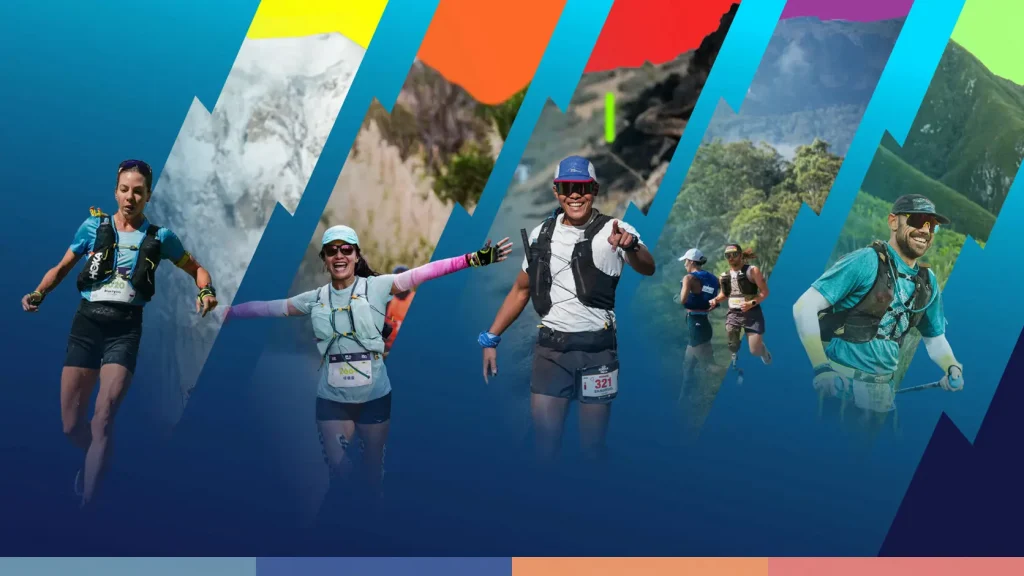
Home Services Our Works Gamification 101 Gamification Case Studies Turnkey Product Game Based Assessment Potentia Level Up RCD Contact English Bahasa Indonesia English Home Services Our Works Gamification 101 Gamification Case Studies Turnkey Product Game Based Assessment Potentia Level Up RCD Contact English Bahasa Indonesia English Home Services Our Works Gamification 101 Gamification Case Studies Turnkey Product Game Based Assessment Potentia Level Up RCD Contact English Bahasa Indonesia English Home Services Our Works Gamification 101 Gamification Case Studies Turnkey Product Game Based Assessment Potentia Level Up RCD Contact English Bahasa Indonesia English Edit Template UTMB: Bagaimana Gamification Mengubah Trail Running Menjadi Global Journey Trail running identik dengan medan ekstrem, jarak panjang, dan ketahanan fisik. Namun, jika dilihat lebih dekat, UTMB World Series memiliki sistem yang menarik dari perspektif gamification. UTMB tidak hanya menyelenggarakan satu lomba, tetapi membangun sebuah ekosistem global yang membuat pelari dapat mengikuti berbagai event, mengumpulkan Running Stones, meningkatkan performa melalui UTMB Index, dan mengejar kesempatan untuk berlomba di panggung terbesar, yaitu UTMB World Series Finals di Chamonix, Prancis. Jika diterjemahkan ke dalam bahasa gamification, perjalanan tersebut memiliki struktur yang mirip dengan sebuah game: Explore → Participate → Earn → Progress → Qualify → Compete. Setiap tahap memberikan tujuan dan motivasi baru bagi peserta. Inilah yang membuat UTMB menarik bukan hanya sebagai event olahraga, tetapi juga sebagai contoh bagaimana gamification dapat digunakan untuk membangun long-term engagement. Mengenal UTMB World Series Untuk memahami sisi gamification-nya, kita perlu melihat UTMB sebagai sebuah series, bukan hanya satu race. UTMB World Series terdiri dari berbagai event trail running di berbagai wilayah dunia, dengan struktur yang mencakup UTMB World Series Events, UTMB World Series Majors, dan UTMB World Series Finals. Struktur ini menciptakan sebuah journey bagi pelari. Mereka dapat memulai dari event yang lebih dekat dengan lokasi mereka, mendapatkan pengalaman, mengumpulkan Running Stones, meningkatkan performa, dan mengejar kesempatan untuk mencapai Finals. Sementara itu, puncak perjalanan berada di HOKA UTMB Mont-Blanc di Chamonix, yang menjadi lokasi UTMB World Series Finals dengan tiga flagship races: OCC, CCC, dan UTMB. Jika menggunakan analogi game, Chamonix dapat dilihat sebagai final level. Peserta tidak hanya mengikuti satu pertandingan, tetapi menjalani perjalanan panjang untuk membuka kesempatan mencapai level tersebut. Seorang pelari berhasil mencapai garis finis di ajang Ultra-Trail du Mont-Blanc di Chamonix UTMB Gamification Framework Jika sistem UTMB diterjemahkan ke dalam gamification framework, strukturnya dapat dilihat seperti berikut: Gamification Element UTMB Implementation Progression UTMB World Series Challenge Races from 20K, 50K, 100K, up to 100M Gamification Currency Running Stones Performance Score UTMB Score & UTMB Index Competition Ranking & performance qualification Ranking & performance qualification Achievement Finishing races & qualifying Unlockable Goal Entry opportunity to Finals Final Level UTMB World Series Finals in Chamonix Community Global trail running community Status & Recognition Qualification & race achievements Framework ini menunjukkan bahwa setiap elemen memiliki fungsi dalam membentuk motivasi peserta. Jadi, gamification UTMB bukan hanya tentang satu mekanisme, tetapi tentang bagaimana seluruh sistem tersebut bekerja sebagai satu experience journey. World Series sebagai Progression System Salah satu prinsip utama dalam gamification adalah progression. Dalam game, pemain biasanya tidak langsung diberikan akses ke level terakhir. Mereka perlu menyelesaikan berbagai tantangan terlebih dahulu sebelum dapat membuka level berikutnya. Konsep serupa dapat ditemukan dalam UTMB. Alih-alih hanya memiliki satu event utama, UTMB membangun global series yang memungkinkan pelari mengikuti berbagai event dan secara bertahap mengejar level berikutnya. Struktur World Series Event → World Series Major → World Series Finals menciptakan sebuah progression path yang jelas. Bagi peserta, race berikutnya bukan lagi sekadar lomba baru. Race tersebut menjadi bagian dari perjalanan yang lebih besar. Pertanyaannya berubah dari “Race apa yang ingin saya ikuti?” menjadi “Seberapa jauh saya bisa melangkah dalam UTMB World Series?” Sekelompok pelari melintasi jalur teknis berbatu di pegunungan Race Distance sebagai Challenge Level Gamification membutuhkan challenge yang memberikan rasa perkembangan. UTMB menerapkannya melalui empat kategori utama, yaitu 20K, 50K, 100K, dan 100M. Perbedaan kategori tersebut menciptakan semacam difficulty level. Semakin tinggi kategorinya, semakin besar tantangan yang harus dihadapi peserta. Jarak, elevasi, medan, cuaca, stamina, dan cut-off time menjadi bagian dari challenge yang harus diselesaikan. Menariknya, peserta dapat menentukan sendiri level yang ingin mereka kejar. Bagi seorang pemula, menyelesaikan 20K dapat menjadi achievement besar. Bagi pelari berpengalaman, tantangannya mungkin 100K atau bahkan 100M. Dengan begitu, challenge dapat disesuaikan dengan kemampuan dan motivasi masing-masing peserta. Peta rute yang menampilkan berbagai kategori lomba (UTMB, CCC, OCC, dll.) di sekitar wilayah Mont-Blanc Running Stones sebagai Gamification Currency Salah satu elemen paling menarik dari sistem UTMB adalah Running Stones. Running Stones dapat dianalogikan sebagai semacam gamification currency dalam ekosistem UTMB. Namun, Running Stones bukan poin yang dapat ditukarkan dengan hadiah. Running Stones memberikan kesempatan bagi peserta untuk mengikuti lottery menuju UTMB World Series Finals. Setiap Running Stone memberikan satu kesempatan tambahan dalam lottery, sehingga semakin banyak Stones yang dikumpulkan, semakin banyak pula kesempatan yang dimiliki. Jumlah Running Stones yang diperoleh bergantung pada kategori race: Race Category World Series Event World Series Major 20K 1 2 50K 2 4 100K 3 6 100M 4 8 Hal ini menciptakan reward loop yang jelas: Participate → Finish → Earn Running Stones → Increase Chances → Potentially Reach Finals Dari perspektif gamification, mekanisme ini menarik karena reward tidak mengakhiri engagement. Justru reward tersebut menjadi alasan untuk melakukan aktivitas berikutnya. Infografis yang merinci sistem perolehan “Running Stones” berdasarkan kategori jarak lomba dan jenis event Lottery sebagai Chance-Based Reward Running Stones juga menciptakan elemen chance-based reward. Peserta mengetahui bahwa mereka memiliki kesempatan untuk masuk ke Finals, tetapi hasil akhirnya tidak sepenuhnya pasti karena terdapat sistem lottery. Semakin banyak Running Stones yang dimiliki, semakin banyak kesempatan yang diperoleh. Mekanisme ini menciptakan anticipation dan excitement yang berbeda dari sistem qualification biasa. Menariknya, UTMB juga memiliki jalur performance qualification. Artinya, peserta tidak hanya mengandalkan lottery. Pelari dengan performa tertentu dapat memperoleh akses melalui jalur qualification berdasarkan hasil dan performa mereka. Dari perspektif gamification, UTMB menggabungkan dua bentuk motivasi: chance-based progression melalui lottery dan skill-based progression melalui performa. Chamonix sebagai “Final Level” Seluruh progression tersebut pada akhirnya mengarah pada satu tujuan utama: UTMB World Series Finals di
UTMB: How Gamification Transforms Trail Running Into a Global Journey
Home Services Our Works Gamification 101 Gamification Case Studies Turnkey Product Game Based Assessment Potentia Level Up RCD Contact English Bahasa Indonesia English Home Services Our Works Gamification 101 Gamification Case Studies Turnkey Product Game Based Assessment Potentia Level Up RCD Contact English Bahasa Indonesia English Home Services Our Works Gamification 101 Gamification Case Studies Turnkey Product Game Based Assessment Potentia Level Up RCD Contact English Bahasa Indonesia English Home Services Our Works Gamification 101 Gamification Case Studies Turnkey Product Game Based Assessment Potentia Level Up RCD Contact English Bahasa Indonesia English Edit Template UTMB: How Gamification Transforms Trail Running Into a Global Journey Trail running is synonymous with extreme terrain, long distances, and physical endurance. However, if viewed more closely, the UTMB World Series has an interesting system from a gamification perspective. UTMB does not just organize a single race, but builds a global ecosystem that allows runners to participate in various events, collect Running Stones, improve performance through the UTMB Index, and pursue the opportunity to race on the biggest stage: the UTMB World Series Finals in Chamonix, France. Translated into gamification language, this journey has a structure similar to a game: Explore → Participate → Earn → Progress → Qualify → Compete. Each stage provides new goals and motivation for participants. This is what makes UTMB interesting not just as an sporting event, but also as an example of how gamification can be used to build long-term engagement. Getting to Know the UTMB World Series To understand its gamification side, we need to view UTMB as a series, not just one race. The UTMB World Series consists of various trail running events in different regions of the world, with a structure that includes UTMB World Series Events, UTMB World Series Majors, and UTMB World Series Finals. This structure creates a journey for runners. They can start from events closer to their location, gain experience, collect Running Stones, improve performance, and pursue the opportunity to reach the Finals. Meanwhile, the peak of the journey is at the HOKA UTMB Mont-Blanc in Chamonix, which serves as the location for the UTMB World Series Finals with three flagship races: OCC, CCC, and UTMB. Using a game analogy, Chamonix can be seen as the final level. Participants do not just enter one match, but undergo a long journey to unlock the opportunity to reach that level. A runner successfully reaches the finish line at the Ultra-Trail du Mont-Blanc in Chamonix UTMB Gamification Framework If the UTMB system is translated into a gamification framework, the structure can be seen as follows: Gamification Element UTMB Implementation Progression UTMB World Series Challenge Races from 20K, 50K, 100K, up to 100M Gamification Currency Running Stones Performance Score UTMB Score & UTMB Index Competition Ranking & performance qualification Ranking & performance qualification Achievement Finishing races & qualifying Unlockable Goal Entry opportunity to Finals Final Level UTMB World Series Finals in Chamonix Community Global trail running community Status & Recognition Qualification & race achievements This framework shows that each element has a function in shaping participant motivation. Thus, UTMB gamification is not just about one mechanism, but about how the entire system works as a single experience journey. World Series as a Progression System One of the main principles in gamification is progression. In a game, players usually are not immediately given access to the final level. They need to complete various challenges first before they can unlock the next level. A similar concept can be found in UTMB. Instead of just having one main event, UTMB builds a global series that allows runners to participate in various events and gradually pursue the next level. The structure World Series Event → World Series Major → World Series Finals creates a clear progression path. For participants, the next race is no longer just a new competition. That race becomes part of a larger journey. The question changes from “What race do I want to join?” to “How far can I go in the UTMB World Series?” A group of runners traverses a technical rocky path in the mountains Race Distance as Challenge Level Gamification requires challenges that provide a sense of development. UTMB applies this through four main categories, namely 20K, 50K, 100K, and 100M. The differences in these categories create a sort of difficulty level. The higher the category, the greater the challenge participants must face. Distance, elevation, terrain, weather, stamina, and cut-off times become part of the challenge to be solved. Interestingly, participants can determine for themselves the level they want to pursue. For a beginner, finishing a 20K can be a major achievement. For an experienced runner, the challenge might be 100K or even 100M. Thus, the challenge can be adjusted to the abilities and motivation of each participant. A route map displaying various race categories (UTMB, CCC, OCC, etc.) around the Mont-Blanc region Running Stones as Gamification Currency One of the most interesting elements of the UTMB system is the Running Stones. Running Stones can be analogized as a kind of gamification currency within the UTMB ecosystem. However, Running Stones are not points that can be exchanged for prizes. Running Stones provide participants the chance to enter the lottery for the UTMB World Series Finals. Each Running Stone provides one additional chance in the lottery, so the more Stones collected, the more chances one has. The number of Running Stones obtained depends on the race category: Race Category World Series Event World Series Major 20K 1 2 50K 2 4 100K 3 6 100M 4 8 This creates a clear reward loop: Participate → Finish → Earn Running Stones → Increase Chances → Potentially Reach Finals From a gamification perspective, this mechanism is interesting because the reward does not end the engagement. Instead, that reward becomes the reason for the next activity. An infographic detailing the “Running Stones” earning system based on race distance categories and event types Lottery as a Chance-Based Reward Running Stones also create a chance-based reward element. Participants know
Gamification On Ground Activation: Menghadirkan Pengalaman Interaktif dengan Motion Gesture, Touchscreen, dan VR
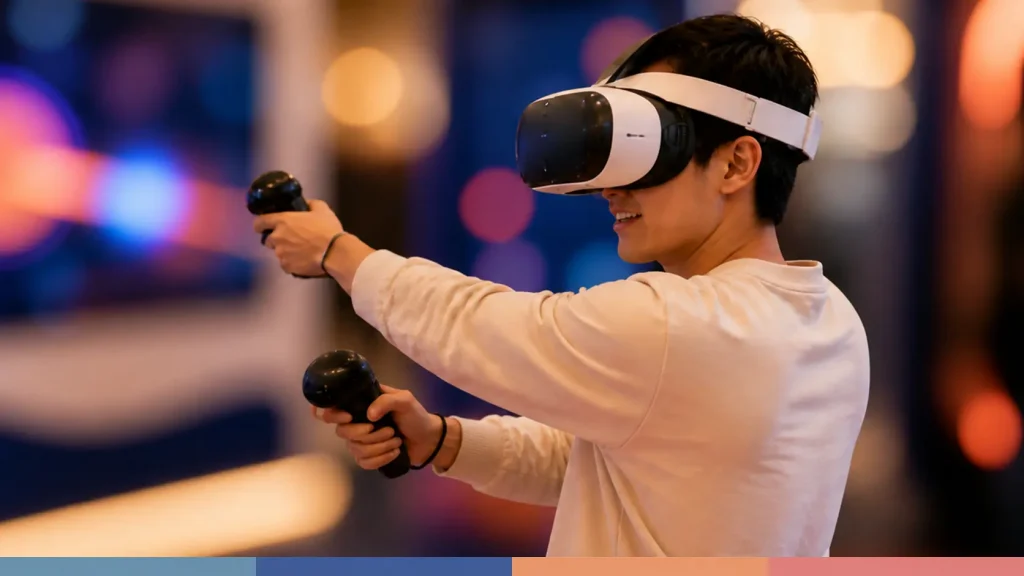
Home Services Our Works Gamification 101 Gamification Case Studies Turnkey Product Game Based Assessment Potentia Level Up RCD Contact English Bahasa Indonesia English Home Services Our Works Gamification 101 Gamification Case Studies Turnkey Product Game Based Assessment Potentia Level Up RCD Contact English Bahasa Indonesia English Home Services Our Works Gamification 101 Gamification Case Studies Turnkey Product Game Based Assessment Potentia Level Up RCD Contact English Bahasa Indonesia English Home Services Our Works Gamification 101 Gamification Case Studies Turnkey Product Game Based Assessment Potentia Level Up RCD Contact English Bahasa Indonesia English Edit Template Gamification On Ground Activation: Menghadirkan Pengalaman Interaktif dengan Motion Gesture, Touchscreen, dan VR Gamification on ground activation menjadi salah satu cara bagi brand untuk menciptakan pengalaman yang lebih interaktif dan memorable bagi audiens. Dengan menggabungkan elemen permainan dan teknologi, sebuah brand activation dapat mendorong audiens untuk tidak hanya melihat, tetapi juga berpartisipasi secara langsung. Teknologi seperti motion gesture, touchscreen, dan Virtual Reality (VR) memungkinkan brand menciptakan berbagai bentuk interactive experience, mulai dari mini-games hingga immersive brand experience. Namun, setiap teknologi memiliki karakteristik dan use case yang berbeda. Memahami perbedaannya menjadi penting agar brand dapat memilih bentuk on ground activation yang sesuai dengan campaign objective dan target audiens. Apa Itu Gamification On Ground Activation? Gamification on ground activation adalah penerapan game mechanics dalam aktivitas pemasaran secara langsung atau offline. Elemen seperti challenges, points, rewards, competition, dan leaderboard digunakan untuk mendorong audiens berinteraksi dengan brand. Berbeda dari activation konvensional yang lebih banyak mengandalkan visual booth atau product display, gamification membuat audiens menjadi bagian aktif dari experience. Teknologi kemudian dapat digunakan untuk memperkuat interaksi tersebut. Tiga teknologi yang umum digunakan dalam interactive activation adalah motion gesture, touchscreen, dan VR. 1. Motion Gesture: Berinteraksi dengan Gerakan Motion gesture memungkinkan audiens mengontrol sebuah game atau digital experience menggunakan gerakan tubuh atau tangan. Teknologi ini dapat dibagi menjadi dua kategori utama, yaitu full-body motion gesture dan hand-only motion gesture. Full-Body Motion Gesture Full-body motion gesture menggunakan pergerakan tubuh sebagai input. Audiens dapat bergerak, melompat, menghindar, atau melakukan gerakan tertentu untuk berinteraksi dengan konten digital. Format ini sangat cocok untuk activation yang ingin menciptakan pengalaman dengan energi tinggi. Misalnya, brand dapat membuat game di mana peserta harus menghindari obstacle, mengikuti gerakan karakter, atau menyelesaikan physical challenge. Karena gerakan peserta dapat terlihat oleh orang di sekitar booth, full-body activation juga memiliki potensi untuk menjadi crowd attraction. Best use cases: Sports activation Physical challenges Dance games Competitive games Brand challenges Hand-Only Motion Gesture Hand-only motion gesture menggunakan gerakan tangan sebagai input tanpa mengharuskan audiens menggerakkan seluruh tubuh. Peserta dapat menggunakan tangan untuk memilih objek, menangkap item, mengarahkan visual, atau menyelesaikan mini-game dalam waktu tertentu. Dibandingkan full-body interaction, format ini dapat menjadi pilihan yang lebih praktis untuk activation dengan high visitor traffic karena peserta dapat memahami dan menyelesaikan experience dalam waktu relatif singkat. Participants playing an interactive game using full-body motion gesture at an on ground activation Best use cases: Interactive product showcase Quick mini-games Product interaction Digital challenges Content activation 2. Touchscreen Activation: Interaksi yang Familiar dan Intuitif Touchscreen activation merupakan salah satu bentuk interactive experience yang mudah dipahami karena audiens sudah familiar dengan teknologi layar sentuh. Dalam gamification on ground activation, touchscreen dapat digunakan lebih dari sekadar media informasi. Brand dapat mengubahnya menjadi interactive game station dengan berbagai mekanisme permainan. Beberapa contohnya adalah quiz, reaction games, memory games, digital wheel, product matching, dan leaderboard challenges. Touchscreen juga memberikan fleksibilitas karena satu perangkat dapat digunakan untuk berbagai jenis gameplay. Selain meningkatkan engagement, touchscreen dapat dikombinasikan dengan aktivitas lain dalam customer journey. Setelah menyelesaikan game, misalnya, peserta dapat diarahkan untuk mengikuti media sosial brand, mengisi form, atau mendapatkan reward. https://www.youtube.com/watch?v=YD7iwo-W500 Peserta mencoba immersive VR experience pada on ground brand activation Best use cases: Quiz and trivia Product discovery Lead generation Interactive storytelling Digital competition Reward-based games 3. VR Activation: Menciptakan Immersive Brand Experience Virtual Reality atau VR activation memberikan pengalaman yang lebih immersive dengan membawa audiens ke dalam lingkungan virtual. Dengan menggunakan VR headset, brand dapat menciptakan simulasi, virtual tour, games, maupun digital environments yang sulit diwujudkan melalui activation konvensional. Contohnya, automotive brand dapat membuat virtual driving experience. Brand property dapat menghadirkan virtual tour, sementara consumer brand dapat membuat mini-game yang membawa peserta masuk ke dalam dunia yang sesuai dengan campaign. Peserta mencoba immersive VR experience pada on ground brand activation Keunggulan utama VR adalah kemampuannya menciptakan immersive experience. Audiens tidak hanya melihat konten brand, tetapi dapat merasa menjadi bagian dari experience tersebut. Namun, VR activation juga perlu memperhatikan durasi experience. Gameplay harus mudah dipahami dan tidak terlalu panjang agar activation tetap dapat melayani banyak pengunjung. https://www.youtube.com/watch?v=lgXaKAlZYX0 Participants trying an immersive VR experience at an on ground brand activation Best use cases: Virtual simulation Virtual tour Immersive storytelling Adventure games Product experience Brand world exploration Best Practices Gamification On Ground Activation Menggunakan teknologi canggih tidak otomatis membuat sebuah activation menjadi engaging. Experience tetap perlu dirancang berdasarkan kebutuhan audiens dan objective brand. 1. Buat Gameplay yang Mudah Dipahami Audiens on ground biasanya memiliki waktu interaksi yang terbatas. Karena itu, peserta harus dapat memahami cara bermain hanya dalam beberapa detik. Gunakan instruksi sederhana dan berikan feedback secara langsung ketika peserta melakukan aksi. 2. Hubungkan Gameplay dengan Brand Gamification sebaiknya tidak berdiri sendiri. Mekanisme permainan harus memiliki hubungan dengan brand message, product, atau campaign objective. Dengan begitu, audiens tidak hanya mengingat permainan yang mereka lakukan, tetapi juga brand di balik experience tersebut. 3. Berikan Reward yang Relevan Rewards dapat menjadi motivator untuk menyelesaikan challenge. Bentuknya tidak harus selalu berupa hadiah besar. Digital rewards, merchandise, exclusive items, discount, atau kesempatan masuk leaderboard dapat digunakan sesuai dengan campaign. Frequently Asked Questions Apa itu gamification on ground activation? Gamification on ground activation adalah penggunaan elemen permainan seperti challenges, points, rewards, dan competition dalam aktivitas pemasaran offline untuk meningkatkan engagement audiens. Apa saja teknologi yang dapat digunakan dalam gamification activation? Beberapa teknologi yang dapat digunakan antara lain motion gesture, touchscreen, dan Virtual Reality (VR). Setiap teknologi memiliki bentuk interaksi dan use case yang berbeda. Apa perbedaan full-body dan hand-only motion gesture? Full-body
Gamification On Ground Activation: Delivering Interactive Experiences with Motion Gesture, Touchscreen, and VR
Home Services Our Works Gamification 101 Gamification Case Studies Turnkey Product Game Based Assessment Potentia Level Up RCD Contact English Bahasa Indonesia English Home Services Our Works Gamification 101 Gamification Case Studies Turnkey Product Game Based Assessment Potentia Level Up RCD Contact English Bahasa Indonesia English Home Services Our Works Gamification 101 Gamification Case Studies Turnkey Product Game Based Assessment Potentia Level Up RCD Contact English Bahasa Indonesia English Home Services Our Works Gamification 101 Gamification Case Studies Turnkey Product Game Based Assessment Potentia Level Up RCD Contact English Bahasa Indonesia English Edit Template Gamification On Ground Activation: Delivering Interactive Experiences with Motion Gesture, Touchscreen, and VR Gamification on ground activation has become a way for brands to create more interactive and memorable experiences for their audience. By combining game elements with technology, a brand activation can encourage the audience not just to watch, but to participate directly. Technologies like motion gesture, touchscreen, and Virtual Reality (VR) allow brands to create various forms of interactive experiences, from mini-games to immersive brand experiences. However, every technology has different characteristics and use cases. Understanding these differences is important so brands can choose the form of on ground activation that suits their campaign objectives and target audience. What Is Gamification On Ground Activation? Gamification on ground activation is the application of game mechanics in direct or offline marketing activities. Elements such as challenges, points, rewards, competition, and leaderboards are used to encourage the audience to interact with the brand. Unlike conventional activation that relies more on visual booths or product displays, gamification makes the audience an active part of the experience. Technology can then be used to strengthen that interaction. Three technologies commonly used in interactive activation are motion gesture, touchscreen, and VR. 1. Motion Gesture: Interacting with Movement Motion gesture allows the audience to control a game or digital experience using body or hand movements. This technology can be divided into two main categories: full-body motion gesture and hand-only motion gesture. Full-Body Motion Gesture Full-body motion gesture uses body movement as input. The audience can move, jump, dodge, or perform specific movements to interact with digital content. This format is very suitable for activations that want to create a high-energy experience. For example, a brand can create a game where participants must avoid obstacles, follow character movements, or complete a physical challenge. Because the participants’ movements can be seen by people around the booth, full-body activation also has the potential to be a crowd attraction. Best use cases: Sports activation Physical challenges Dance games Competitive games Brand challenges Hand-Only Motion Gesture Hand-only motion gesture uses hand movements as input without requiring the audience to move their entire body. Participants can use their hands to select objects, catch items, direct visuals, or complete a mini-game within a certain time. Compared to full-body interaction, this format can be a more practical choice for activations with high visitor traffic because participants can understand and complete the experience in a relatively short time. Participants playing an interactive game using full-body motion gesture at an on ground activation Best use cases: Interactive product showcase Quick mini-games Product interaction Digital challenges Content activation 2. Touchscreen Activation: Familiar and Intuitive Interaction Touchscreen activation is a form of interactive experience that is easy to understand because the audience is already familiar with touchscreen technology. In gamification on ground activation, a touchscreen can be used for more than just providing information. Brands can turn it into an interactive game station with various game mechanics. Some examples are quizzes, reaction games, memory games, digital wheels, product matching, and leaderboard challenges. Touchscreens also provide flexibility because one device can be used for various types of gameplay. Besides increasing engagement, touchscreens can be combined with other activities in the customer journey. For example, after finishing a game, participants can be directed to follow the brand’s social media, fill out a form, or get a reward. https://www.youtube.com/watch?v=YD7iwo-W500 Participants playing an interactive game via touchscreen at an on ground activation Best use cases: Quiz and trivia Product discovery Lead generation Interactive storytelling Digital competition Reward-based games 3. VR Activation: Creating an Immersive Brand Experience Virtual Reality or VR activation provides a more immersive experience by bringing the audience into a virtual environment. By using a VR headset, brands can create simulations, virtual tours, games, and digital environments that are difficult to realize through conventional activation. For example, an automotive brand can create a virtual driving experience. A property brand can present a virtual tour, while a consumer brand can create a mini-game that takes participants into a world relevant to the campaign. Participants trying an immersive VR experience at an on ground brand activation The main advantage of VR is its ability to create an immersive experience. The audience does not just see brand content, but can feel like they are part of the experience. However, VR activation also needs to consider the duration of the experience. Gameplay must be easy to understand and not too long so that the activation can still serve many visitors. https://www.youtube.com/watch?v=lgXaKAlZYX0 Participants trying an immersive VR experience at an on ground brand activation Best use cases: Virtual simulation Virtual tour Immersive storytelling Adventure games Product experience Brand world exploration Best Practices for Gamification On Ground Activation Using sophisticated technology does not automatically make an activation engaging. The experience still needs to be designed based on the needs of the audience and the brand’s objectives. 1. Make Gameplay Easy to Understand On ground audiences usually have limited interaction time. Therefore, participants must be able to understand how to play in just a few seconds. Use simple instructions and provide feedback directly when participants perform an action. 2. Connect Gameplay with the Brand Gamification should not stand alone. The game mechanics must have a connection with the brand message, product, or campaign objective. That way, the audience will remember not only the game they played but also the brand behind the experience. 3. Provide Relevant Rewards Rewards can be a motivator