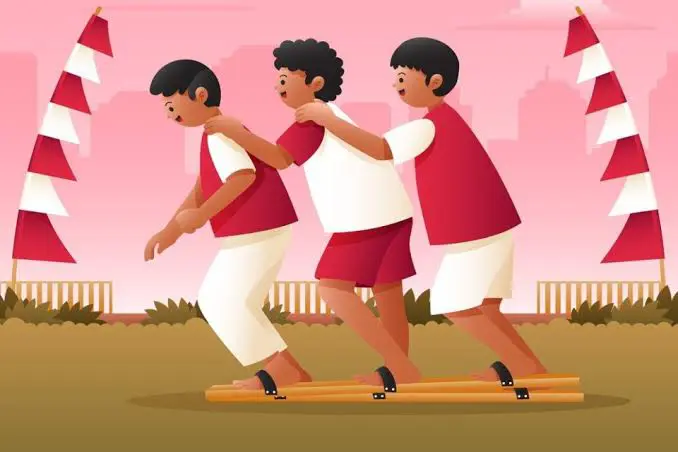
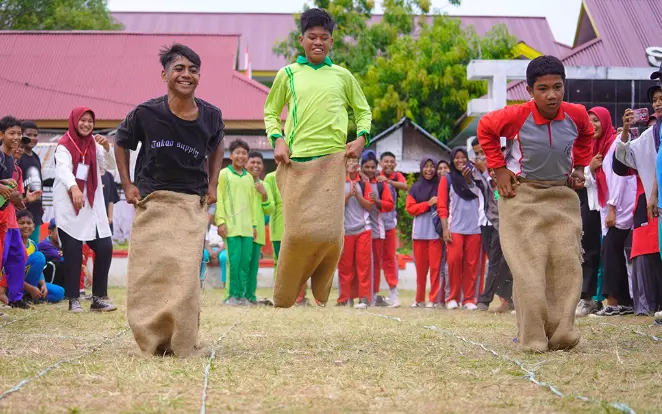
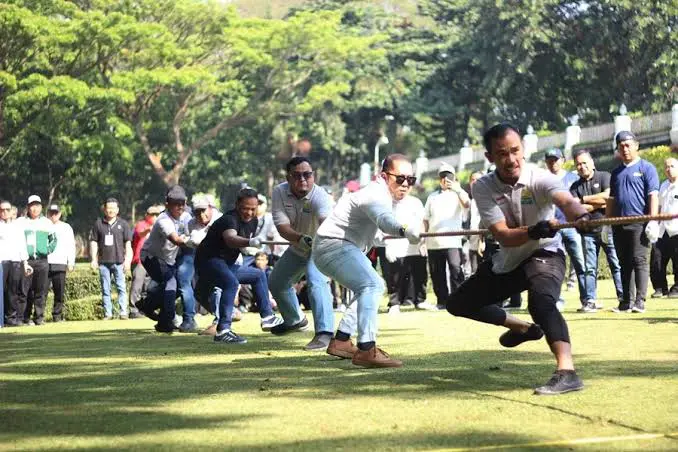
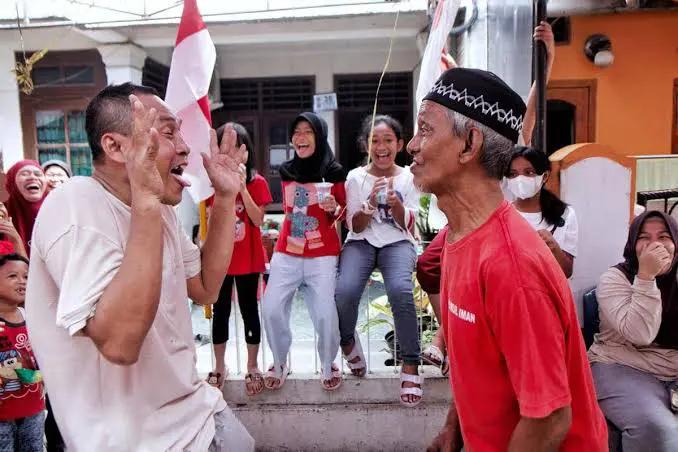
Every August 17th, various environments ranging from schools, offices, communities, to residential areas usually hold competitions to celebrate Indonesia’s Independence Day. Sack races, tug of war, marble relay races, to pole climbing become part of the traditions that are always anticipated.
But what if that competitive spirit was brought into a digital experience?
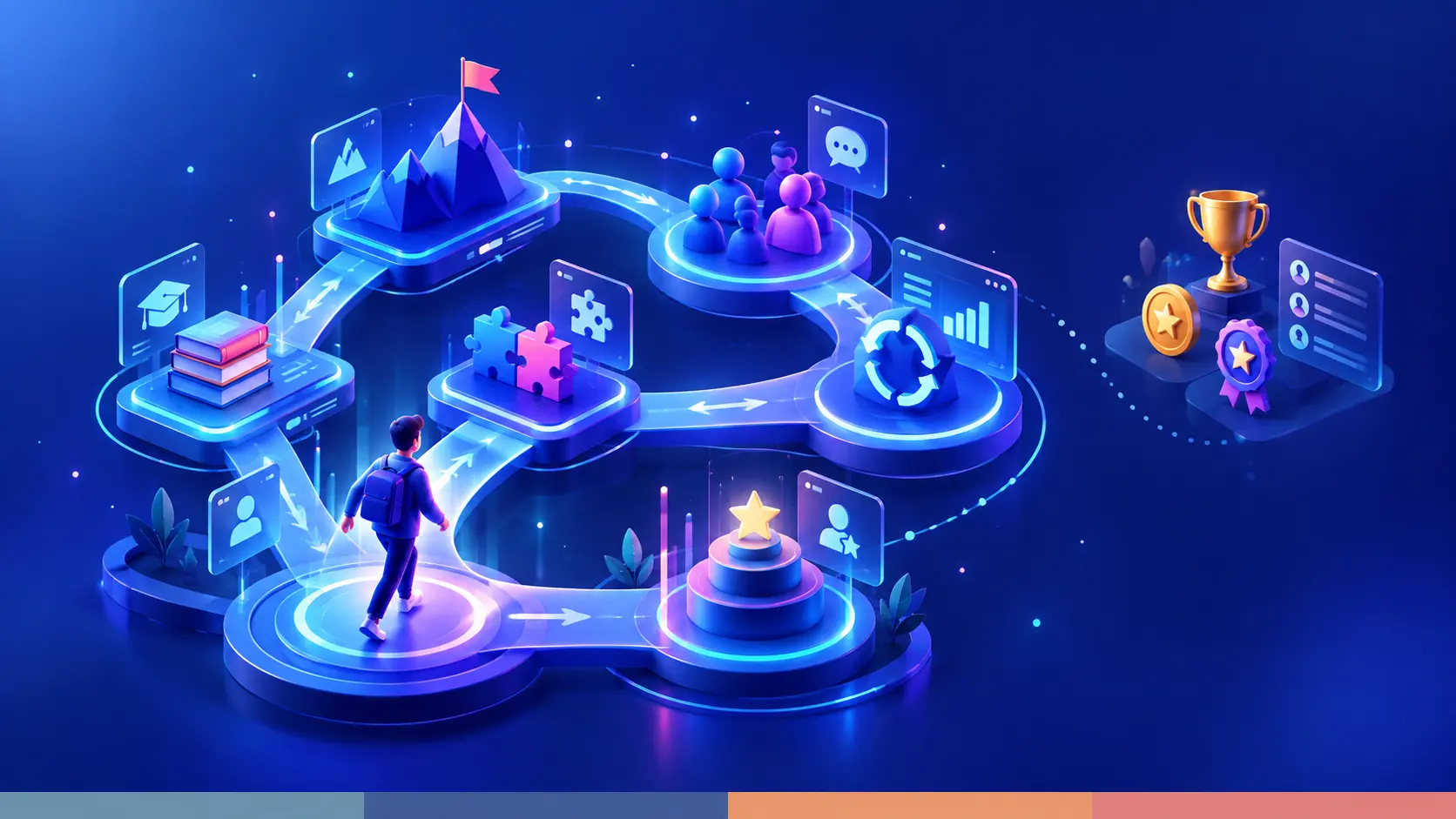
This is where gamification can be applied. It is not just about making an activity into a game; gamification utilizes elements that make games engaging, such as challenges, points, competition, rewards, and leaderboards, to increase participation in an activity.
In the context of the August 17th celebration, gamification can be a new way to present the spirit of independence through a more interactive experience.
Why is Gamification Suitable for the August 17th Celebration?
The essence of various August 17th competitions actually already has many gamification elements.
There are participants who have targets to achieve, challenges to complete, competition between individuals or groups, a winner system, and prizes as a form of appreciation.
Gamification simply brings these concepts into a format that is more flexible and can be adapted to the needs of the organizer.
For example, a company can create a “August 17th Challenge” program for employees. Each participant earns points by completing various activities, such as taking independence quizzes, answering Indonesian history trivia, following certain challenges, or participating in social activities.
The more activities completed, the higher the score obtained.
That way, the celebration is not just a one-day event, but can evolve into an experience that drives engagement over several days or even several weeks.
From Traditional Competitions to Digital Experiences
1. Sack Race: Challenge and Competition
The sack race is synonymous with speed and competition.
In the digital version, this concept can be applied through a speed challenge. Participants can be given a series of tasks or mini-games that must be completed within a certain time limit.
Participants with the fastest time or highest score can occupy the top positions on the leaderboard.
This mechanism does not always have to be in the form of a game. In a corporate context, for example, challenges can be linked to learning activities, teamwork, or internal campaigns.
2. Tug of War: Teamwork and Collaboration
Tug of war is not just about who is the strongest, but also how a team works together.
This concept can be translated into gamification based on team competition.
For example, employees are divided into several groups. Each group collects points from various activities during the August 17th celebration period.
The more active team members participate, the greater their contribution to the group score.
The final result can be visualized through a leaderboard that shows competition between teams in real-time.
With such a mechanism, simple activities can encourage interaction, collaboration, and a sense of togetherness.
3. Independence Quiz: Points and Rewards
Quizzes are one of the easiest forms of gamification to apply.
Questions can discuss Indonesian history, national figures, unique facts about independence, to knowledge about Indonesian culture.
Each correct answer can yield points. Participants can also earn bonus points for answering quickly or completing a number of questions consecutively correctly.
To make it even more interesting, organizers can provide rewards to participants with the highest scores or to those who manage to reach certain milestones.
Leaderboards Can Make the Celebration More Competitive
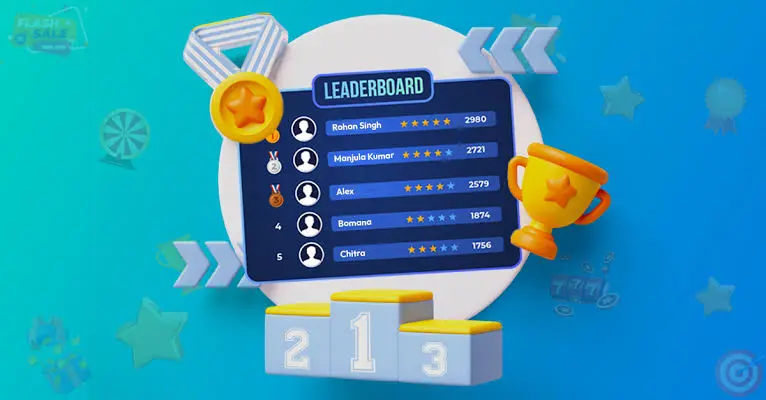
One of the most effective gamification elements to increase engagement is the leaderboard.
A leaderboard provides an overview of a participant’s position compared to other participants. In the context of August 17th, leaderboards can be used to display:
Individuals with the highest score
Teams with the most points
Participants with the most challenges completed
Winners of every competition category
However, leaderboards should not only be used to create competition.
Organizers can also use a milestone system so that participants still feel a sense of achievement even if they are not in first place.
For example, participants who manage to collect 100 points get a “Independence Fighter” badge, while participants who reach 500 points get a special reward.
In this way, motivation comes not only from the desire to defeat other participants, but also from the desire to reach personal targets.
Gamification Does Not Always Have to Be Digital
An important thing to understand is that gamification is not the same as making a game.
Gamification can be applied to both offline and digital activities.
In an August 17th event in an office environment, for example, the committee can create a passport challenge system. Each participant receives a card containing several missions. After completing a competition or certain activity, they get a stamp or points.
Participants who manage to collect a certain number of stamps can exchange them for rewards.
Meanwhile, the digital version can use QR codes, online leaderboards, digital badges, or a point system that can be monitored in real-time.
So, technology is just a tool. What matters most is how the mechanism is designed so that participants are encouraged to participate.
Don't Just Add Points
Although it looks simple, applying gamification is not enough just by adding points and a leaderboard.
Effective gamification needs to have clear goals.
Is the goal to increase engagement? Encourage teamwork? Increase participation in events? Or provide a more engaging learning experience?
Once goals are determined, gamification mechanisms can be designed to support those goals.
Because of that, it doesn’t mean that the more game elements used, the better the resulting experience.
Instead, the right gamification is gamification that fits the purpose, audience, and context of the activity.
Frequently Asked Questions
What is gamification in the August 17th celebration?
Gamification is the application of game elements, such as points, challenges, leaderboards, badges, and rewards, into non-game activities. In the August 17th celebration, gamification can make competitions and independence activities more interactive and interesting.
What are examples of gamification that can be applied during August 17th?
Some examples are independence quizzes with a point system, team challenges, leaderboards between participants, digital badges, passport challenges, to competitions based on mini-games.
Does August 17th gamification have to use technology?
No. Gamification can be done offline or digitally. Stamp systems, challenge cards, scoreboards, and prizes also include forms of gamification application.
What are the benefits of gamification for August 17th events in companies?
Gamification can help increase employee participation, build teamwork, create healthy competition, and make company activities feel more engaging.
How to create an effective August 17th gamification?
Start by determining the event’s goals, understanding the participants’ characteristics, then choosing relevant game mechanisms. Don’t just add points or a leaderboard, but ensure every gamification element supports the goals to be achieved.
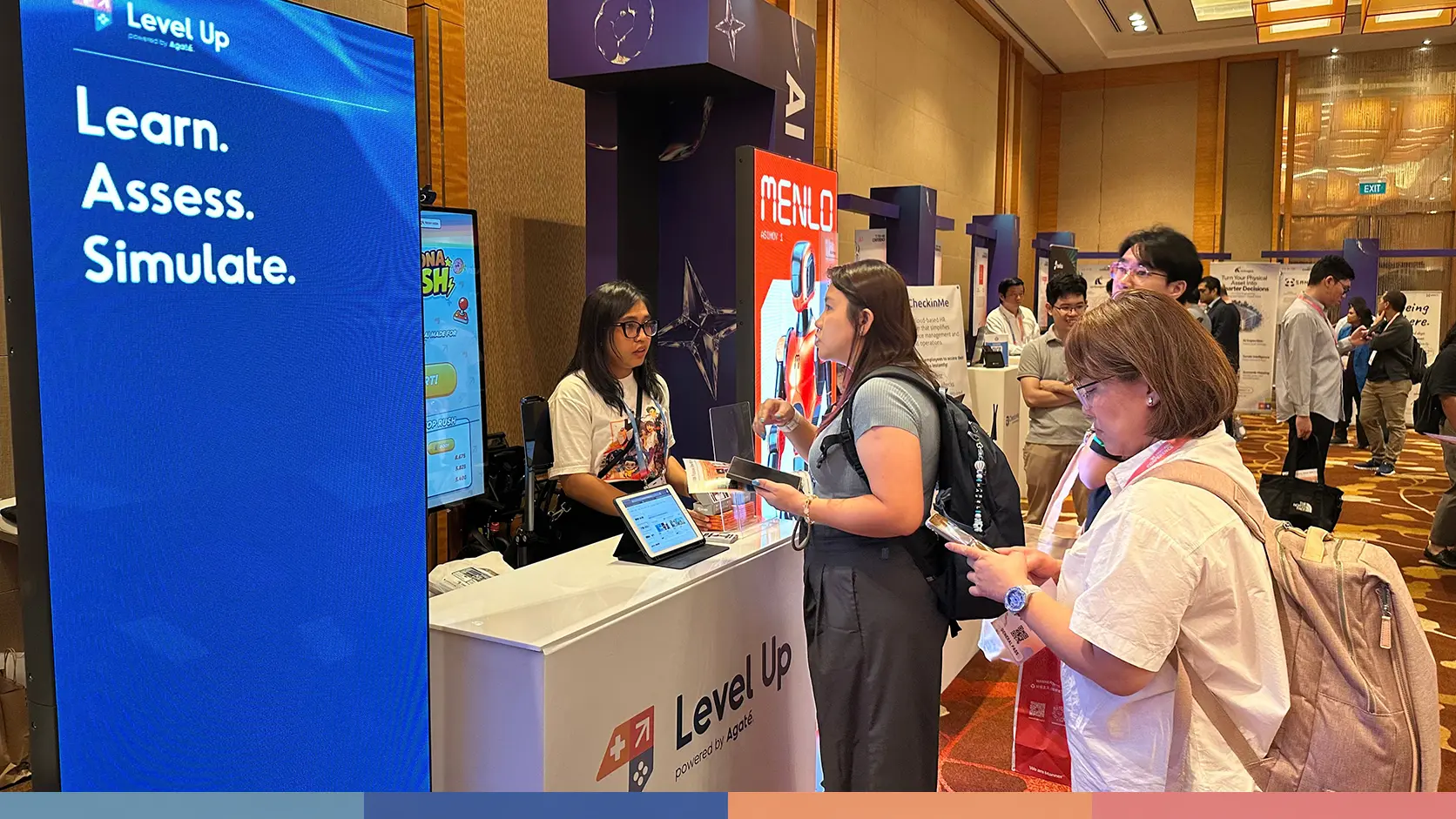
Want to apply gamification that fits your company’s needs? Explore various gamification solutions with Level Up powered by Agate and find out how game-based experiences can help companies achieve their business goals.
All company names, brand names, trademarks, logos, illustrations, videos and any other intellectual property (Intellectual Property) published on this website are the property of their respective owners. Any non-authorized usage of Intellectual Property is strictly prohibited and any violation will be prosecuted under the law.