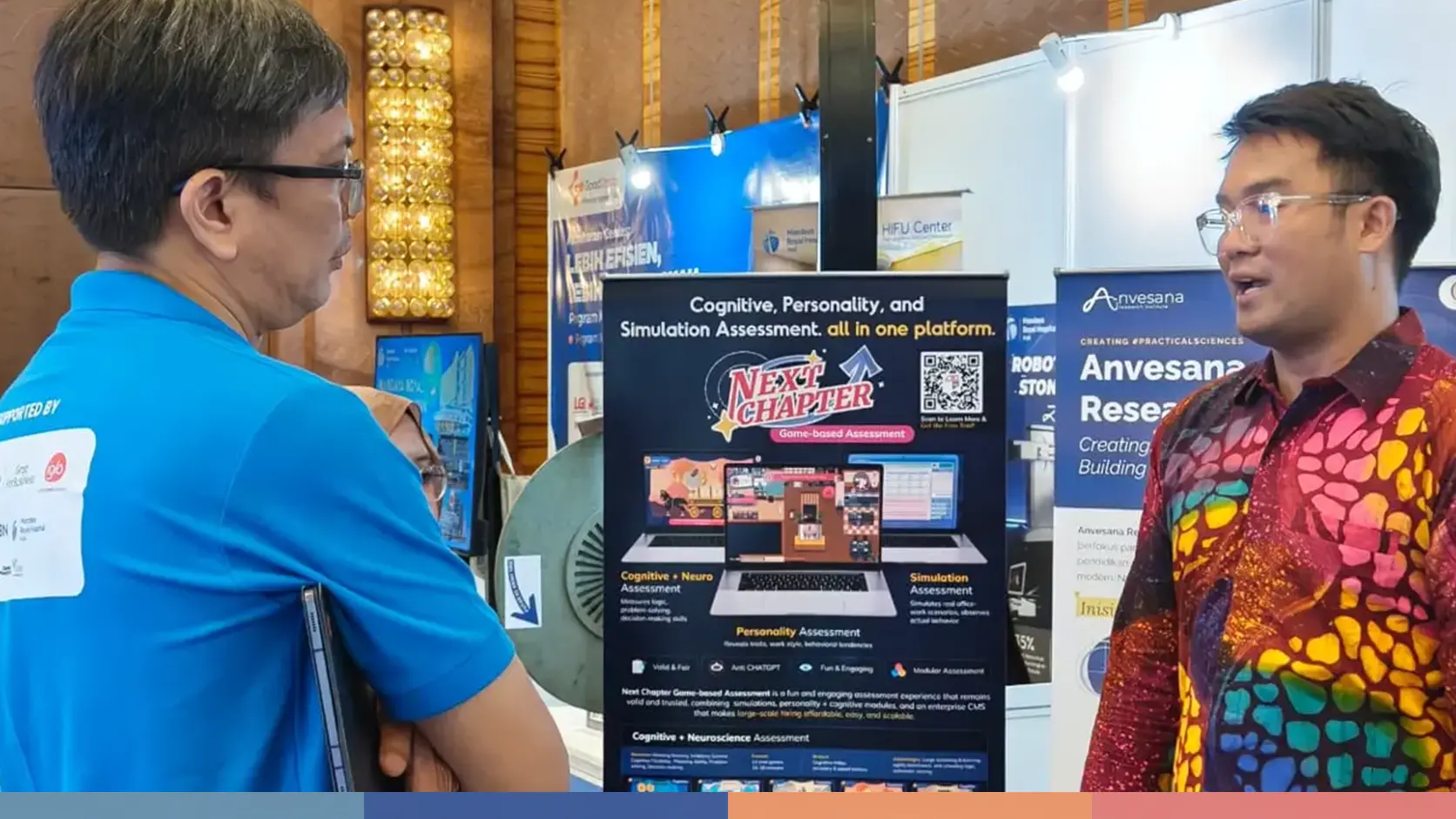
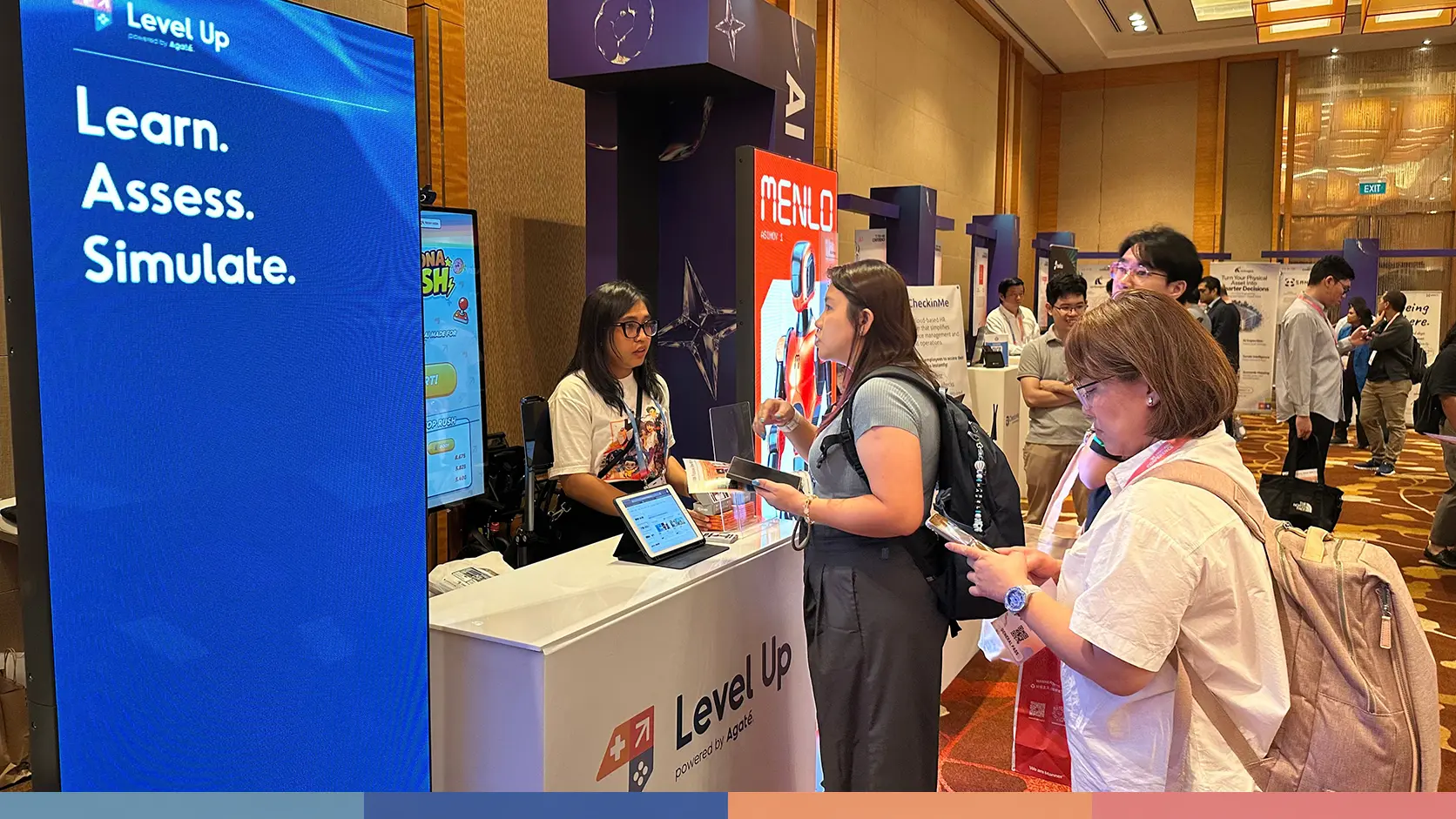
Gamification on ground activation has become a way for brands to create more interactive and memorable experiences for their audience. By combining game elements with technology, a brand activation can encourage the audience not just to watch, but to participate directly.
Technologies like motion gesture, touchscreen, and Virtual Reality (VR) allow brands to create various forms of interactive experiences, from mini-games to immersive brand experiences.
However, every technology has different characteristics and use cases. Understanding these differences is important so brands can choose the form of on ground activation that suits their campaign objectives and target audience.
What Is Gamification On Ground Activation?
Gamification on ground activation is the application of game mechanics in direct or offline marketing activities. Elements such as challenges, points, rewards, competition, and leaderboards are used to encourage the audience to interact with the brand.
Unlike conventional activation that relies more on visual booths or product displays, gamification makes the audience an active part of the experience.
Technology can then be used to strengthen that interaction. Three technologies commonly used in interactive activation are motion gesture, touchscreen, and VR.
1. Motion Gesture: Interacting with Movement
Motion gesture allows the audience to control a game or digital experience using body or hand movements.
This technology can be divided into two main categories: full-body motion gesture and hand-only motion gesture.
Full-Body Motion Gesture
Full-body motion gesture uses body movement as input. The audience can move, jump, dodge, or perform specific movements to interact with digital content.
This format is very suitable for activations that want to create a high-energy experience. For example, a brand can create a game where participants must avoid obstacles, follow character movements, or complete a physical challenge.
Because the participants’ movements can be seen by people around the booth, full-body activation also has the potential to be a crowd attraction.
Best use cases:
Sports activation
Physical challenges
Dance games
Competitive games
Brand challenges
Hand-Only Motion Gesture
Hand-only motion gesture uses hand movements as input without requiring the audience to move their entire body.
Participants can use their hands to select objects, catch items, direct visuals, or complete a mini-game within a certain time.
Compared to full-body interaction, this format can be a more practical choice for activations with high visitor traffic because participants can understand and complete the experience in a relatively short time.
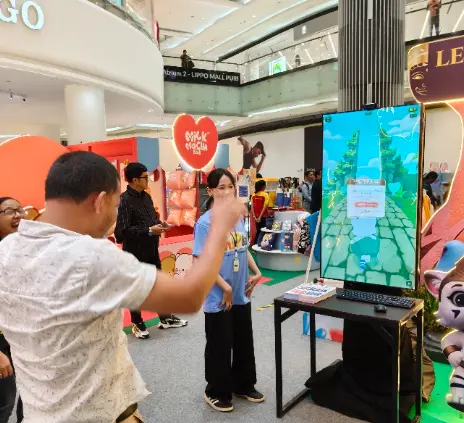
Participants playing an interactive game using full-body motion gesture at an on ground activation
Best use cases:
Interactive product showcase
Quick mini-games
Product interaction
Digital challenges
Content activation
2. Touchscreen Activation: Familiar and Intuitive Interaction
Touchscreen activation is a form of interactive experience that is easy to understand because the audience is already familiar with touchscreen technology.
In gamification on ground activation, a touchscreen can be used for more than just providing information. Brands can turn it into an interactive game station with various game mechanics.
Some examples are quizzes, reaction games, memory games, digital wheels, product matching, and leaderboard challenges.
Touchscreens also provide flexibility because one device can be used for various types of gameplay.
Besides increasing engagement, touchscreens can be combined with other activities in the customer journey. For example, after finishing a game, participants can be directed to follow the brand’s social media, fill out a form, or get a reward.
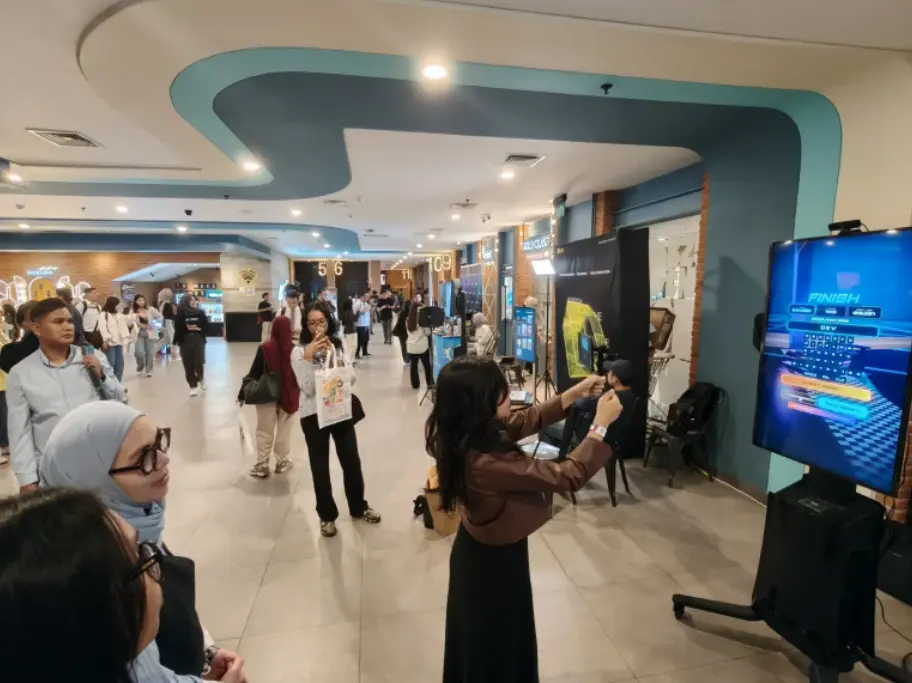
Participants playing an interactive game via touchscreen at an on ground activation
Best use cases:
Quiz and trivia
Product discovery
Lead generation
Interactive storytelling
Digital competition
Reward-based games
3. VR Activation: Creating an Immersive Brand Experience
Virtual Reality or VR activation provides a more immersive experience by bringing the audience into a virtual environment.
By using a VR headset, brands can create simulations, virtual tours, games, and digital environments that are difficult to realize through conventional activation.
For example, an automotive brand can create a virtual driving experience. A property brand can present a virtual tour, while a consumer brand can create a mini-game that takes participants into a world relevant to the campaign.
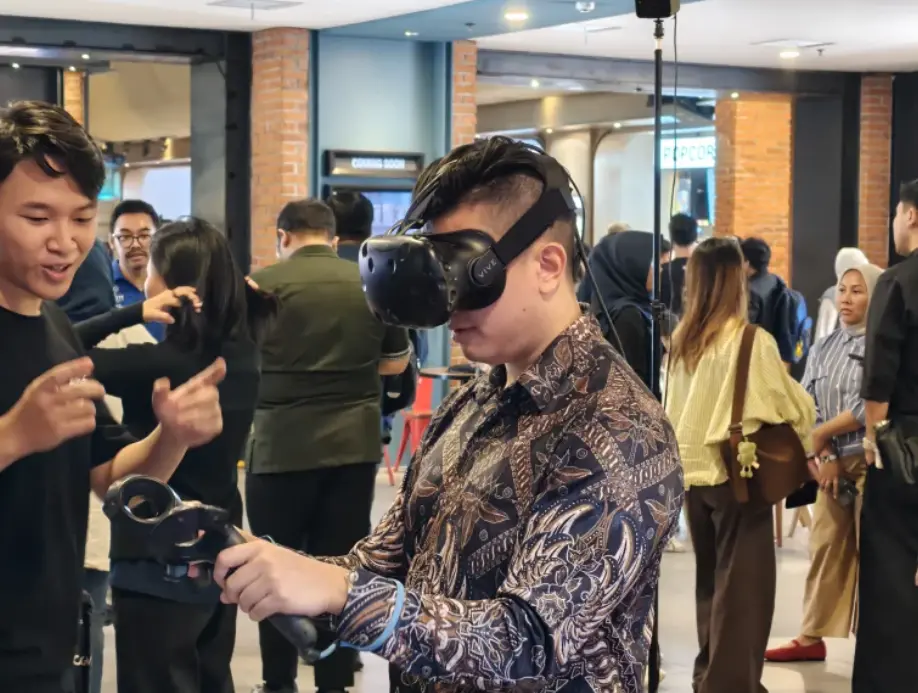
Participants trying an immersive VR experience at an on ground brand activation
The main advantage of VR is its ability to create an immersive experience. The audience does not just see brand content, but can feel like they are part of the experience.
However, VR activation also needs to consider the duration of the experience. Gameplay must be easy to understand and not too long so that the activation can still serve many visitors.
Participants trying an immersive VR experience at an on ground brand activation
Best use cases:
Virtual simulation
Virtual tour
Immersive storytelling
Adventure games
Product experience
Brand world exploration
Best Practices for Gamification On Ground Activation
Using sophisticated technology does not automatically make an activation engaging. The experience still needs to be designed based on the needs of the audience and the brand’s objectives.
1. Make Gameplay Easy to Understand
On ground audiences usually have limited interaction time. Therefore, participants must be able to understand how to play in just a few seconds.
Use simple instructions and provide feedback directly when participants perform an action.
2. Connect Gameplay with the Brand
Gamification should not stand alone. The game mechanics must have a connection with the brand message, product, or campaign objective.
That way, the audience will remember not only the game they played but also the brand behind the experience.
3. Provide Relevant Rewards
Rewards can be a motivator to complete a challenge. The form does not always have to be a big prize.
Digital rewards, merchandise, exclusive items, discounts, or the opportunity to get on a leaderboard can be used according to the campaign.
Frequently Asked Questions
What is gamification on ground activation?
Gamification on ground activation is the use of game elements such as challenges, points, rewards, and competition in offline marketing activities to increase audience engagement.
What technologies can be used in gamification activation?
Some technologies that can be used include motion gesture, touchscreen, and Virtual Reality (VR). Each technology has different forms of interaction and use cases.
What is the difference between full-body and hand-only motion gesture?
Full-body motion gesture uses the movement of the entire body as input, while hand-only motion gesture focuses on hand movements to control the interactive experience.
Is VR suitable for all types of brand activation?
Not always. VR is most effective when a brand wants to create simulations, immersive storytelling, virtual tours, or experiences that require a high level of immersion.
How to choose technology for on ground activation?
Start from the campaign objective, target audience, venue, number of visitors, interaction time, and desired experience. After that, choose the technology that best supports those objectives.
Ready to Turn Your Brand Activation Into an Interactive Experience?
Do not let your on-ground activation stop at booths and attractive visuals. With gamification, motion gesture, touchscreen, and VR, brands can create experiences that invite the audience to interact, play, and connect more closely with the brand.
Together with Level Up powered by Agate, we help brands and event organizers design game-based activation solutions, ranging from interactive booths and gamified challenges to immersive experiences tailored to your campaign objectives.
Ready to create a more engaging and memorable activation?
All company names, brand names, trademarks, logos, illustrations, videos and any other intellectual property (Intellectual Property) published on this website are the property of their respective owners. Any non-authorized usage of Intellectual Property is strictly prohibited and any violation will be prosecuted under the law.