
Gamification On Ground Activation: Menghadirkan Pengalaman Interaktif dengan Motion Gesture, Touchscreen, dan VR
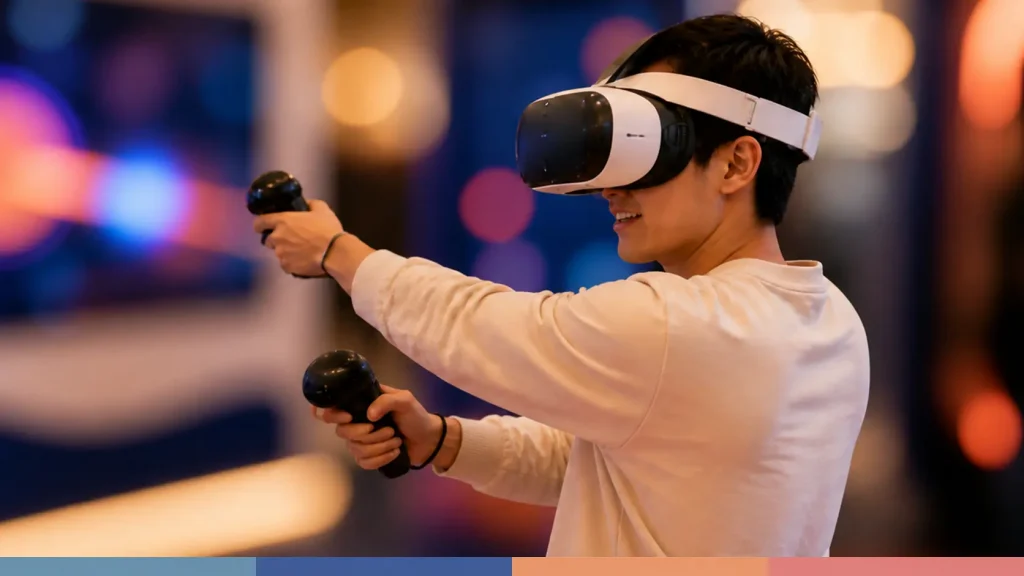
Home Services Our Works Gamification 101 Gamification Case Studies Turnkey Product Game Based Assessment Potentia Level Up RCD Contact English Bahasa Indonesia English Home Services Our Works Gamification 101 Gamification Case Studies Turnkey Product Game Based Assessment Potentia Level Up RCD Contact English Bahasa Indonesia English Home Services Our Works Gamification 101 Gamification Case Studies Turnkey Product Game Based Assessment Potentia Level Up RCD Contact English Bahasa Indonesia English Home Services Our Works Gamification 101 Gamification Case Studies Turnkey Product Game Based Assessment Potentia Level Up RCD Contact English Bahasa Indonesia English Edit Template Gamification On Ground Activation: Menghadirkan Pengalaman Interaktif dengan Motion Gesture, Touchscreen, dan VR Gamification on ground activation menjadi salah satu cara bagi brand untuk menciptakan pengalaman yang lebih interaktif dan memorable bagi audiens. Dengan menggabungkan elemen permainan dan teknologi, sebuah brand activation dapat mendorong audiens untuk tidak hanya melihat, tetapi juga berpartisipasi secara langsung. Teknologi seperti motion gesture, touchscreen, dan Virtual Reality (VR) memungkinkan brand menciptakan berbagai bentuk interactive experience, mulai dari mini-games hingga immersive brand experience. Namun, setiap teknologi memiliki karakteristik dan use case yang berbeda. Memahami perbedaannya menjadi penting agar brand dapat memilih bentuk on ground activation yang sesuai dengan campaign objective dan target audiens. Apa Itu Gamification On Ground Activation? Gamification on ground activation adalah penerapan game mechanics dalam aktivitas pemasaran secara langsung atau offline. Elemen seperti challenges, points, rewards, competition, dan leaderboard digunakan untuk mendorong audiens berinteraksi dengan brand. Berbeda dari activation konvensional yang lebih banyak mengandalkan visual booth atau product display, gamification membuat audiens menjadi bagian aktif dari experience. Teknologi kemudian dapat digunakan untuk memperkuat interaksi tersebut. Tiga teknologi yang umum digunakan dalam interactive activation adalah motion gesture, touchscreen, dan VR. 1. Motion Gesture: Berinteraksi dengan Gerakan Motion gesture memungkinkan audiens mengontrol sebuah game atau digital experience menggunakan gerakan tubuh atau tangan. Teknologi ini dapat dibagi menjadi dua kategori utama, yaitu full-body motion gesture dan hand-only motion gesture. Full-Body Motion Gesture Full-body motion gesture menggunakan pergerakan tubuh sebagai input. Audiens dapat bergerak, melompat, menghindar, atau melakukan gerakan tertentu untuk berinteraksi dengan konten digital. Format ini sangat cocok untuk activation yang ingin menciptakan pengalaman dengan energi tinggi. Misalnya, brand dapat membuat game di mana peserta harus menghindari obstacle, mengikuti gerakan karakter, atau menyelesaikan physical challenge. Karena gerakan peserta dapat terlihat oleh orang di sekitar booth, full-body activation juga memiliki potensi untuk menjadi crowd attraction. Best use cases: Sports activation Physical challenges Dance games Competitive games Brand challenges Hand-Only Motion Gesture Hand-only motion gesture menggunakan gerakan tangan sebagai input tanpa mengharuskan audiens menggerakkan seluruh tubuh. Peserta dapat menggunakan tangan untuk memilih objek, menangkap item, mengarahkan visual, atau menyelesaikan mini-game dalam waktu tertentu. Dibandingkan full-body interaction, format ini dapat menjadi pilihan yang lebih praktis untuk activation dengan high visitor traffic karena peserta dapat memahami dan menyelesaikan experience dalam waktu relatif singkat. Participants playing an interactive game using full-body motion gesture at an on ground activation Best use cases: Interactive product showcase Quick mini-games Product interaction Digital challenges Content activation 2. Touchscreen Activation: Interaksi yang Familiar dan Intuitif Touchscreen activation merupakan salah satu bentuk interactive experience yang mudah dipahami karena audiens sudah familiar dengan teknologi layar sentuh. Dalam gamification on ground activation, touchscreen dapat digunakan lebih dari sekadar media informasi. Brand dapat mengubahnya menjadi interactive game station dengan berbagai mekanisme permainan. Beberapa contohnya adalah quiz, reaction games, memory games, digital wheel, product matching, dan leaderboard challenges. Touchscreen juga memberikan fleksibilitas karena satu perangkat dapat digunakan untuk berbagai jenis gameplay. Selain meningkatkan engagement, touchscreen dapat dikombinasikan dengan aktivitas lain dalam customer journey. Setelah menyelesaikan game, misalnya, peserta dapat diarahkan untuk mengikuti media sosial brand, mengisi form, atau mendapatkan reward. https://www.youtube.com/watch?v=YD7iwo-W500 Peserta mencoba immersive VR experience pada on ground brand activation Best use cases: Quiz and trivia Product discovery Lead generation Interactive storytelling Digital competition Reward-based games 3. VR Activation: Menciptakan Immersive Brand Experience Virtual Reality atau VR activation memberikan pengalaman yang lebih immersive dengan membawa audiens ke dalam lingkungan virtual. Dengan menggunakan VR headset, brand dapat menciptakan simulasi, virtual tour, games, maupun digital environments yang sulit diwujudkan melalui activation konvensional. Contohnya, automotive brand dapat membuat virtual driving experience. Brand property dapat menghadirkan virtual tour, sementara consumer brand dapat membuat mini-game yang membawa peserta masuk ke dalam dunia yang sesuai dengan campaign. Peserta mencoba immersive VR experience pada on ground brand activation Keunggulan utama VR adalah kemampuannya menciptakan immersive experience. Audiens tidak hanya melihat konten brand, tetapi dapat merasa menjadi bagian dari experience tersebut. Namun, VR activation juga perlu memperhatikan durasi experience. Gameplay harus mudah dipahami dan tidak terlalu panjang agar activation tetap dapat melayani banyak pengunjung. https://www.youtube.com/watch?v=lgXaKAlZYX0 Participants trying an immersive VR experience at an on ground brand activation Best use cases: Virtual simulation Virtual tour Immersive storytelling Adventure games Product experience Brand world exploration Best Practices Gamification On Ground Activation Menggunakan teknologi canggih tidak otomatis membuat sebuah activation menjadi engaging. Experience tetap perlu dirancang berdasarkan kebutuhan audiens dan objective brand. 1. Buat Gameplay yang Mudah Dipahami Audiens on ground biasanya memiliki waktu interaksi yang terbatas. Karena itu, peserta harus dapat memahami cara bermain hanya dalam beberapa detik. Gunakan instruksi sederhana dan berikan feedback secara langsung ketika peserta melakukan aksi. 2. Hubungkan Gameplay dengan Brand Gamification sebaiknya tidak berdiri sendiri. Mekanisme permainan harus memiliki hubungan dengan brand message, product, atau campaign objective. Dengan begitu, audiens tidak hanya mengingat permainan yang mereka lakukan, tetapi juga brand di balik experience tersebut. 3. Berikan Reward yang Relevan Rewards dapat menjadi motivator untuk menyelesaikan challenge. Bentuknya tidak harus selalu berupa hadiah besar. Digital rewards, merchandise, exclusive items, discount, atau kesempatan masuk leaderboard dapat digunakan sesuai dengan campaign. Frequently Asked Questions Apa itu gamification on ground activation? Gamification on ground activation adalah penggunaan elemen permainan seperti challenges, points, rewards, dan competition dalam aktivitas pemasaran offline untuk meningkatkan engagement audiens. Apa saja teknologi yang dapat digunakan dalam gamification activation? Beberapa teknologi yang dapat digunakan antara lain motion gesture, touchscreen, dan Virtual Reality (VR). Setiap teknologi memiliki bentuk interaksi dan use case yang berbeda. Apa perbedaan full-body dan hand-only motion gesture? Full-body
Gamification On Ground Activation: Delivering Interactive Experiences with Motion Gesture, Touchscreen, and VR
Home Services Our Works Gamification 101 Gamification Case Studies Turnkey Product Game Based Assessment Potentia Level Up RCD Contact English Bahasa Indonesia English Home Services Our Works Gamification 101 Gamification Case Studies Turnkey Product Game Based Assessment Potentia Level Up RCD Contact English Bahasa Indonesia English Home Services Our Works Gamification 101 Gamification Case Studies Turnkey Product Game Based Assessment Potentia Level Up RCD Contact English Bahasa Indonesia English Home Services Our Works Gamification 101 Gamification Case Studies Turnkey Product Game Based Assessment Potentia Level Up RCD Contact English Bahasa Indonesia English Edit Template Gamification On Ground Activation: Delivering Interactive Experiences with Motion Gesture, Touchscreen, and VR Gamification on ground activation has become a way for brands to create more interactive and memorable experiences for their audience. By combining game elements with technology, a brand activation can encourage the audience not just to watch, but to participate directly. Technologies like motion gesture, touchscreen, and Virtual Reality (VR) allow brands to create various forms of interactive experiences, from mini-games to immersive brand experiences. However, every technology has different characteristics and use cases. Understanding these differences is important so brands can choose the form of on ground activation that suits their campaign objectives and target audience. What Is Gamification On Ground Activation? Gamification on ground activation is the application of game mechanics in direct or offline marketing activities. Elements such as challenges, points, rewards, competition, and leaderboards are used to encourage the audience to interact with the brand. Unlike conventional activation that relies more on visual booths or product displays, gamification makes the audience an active part of the experience. Technology can then be used to strengthen that interaction. Three technologies commonly used in interactive activation are motion gesture, touchscreen, and VR. 1. Motion Gesture: Interacting with Movement Motion gesture allows the audience to control a game or digital experience using body or hand movements. This technology can be divided into two main categories: full-body motion gesture and hand-only motion gesture. Full-Body Motion Gesture Full-body motion gesture uses body movement as input. The audience can move, jump, dodge, or perform specific movements to interact with digital content. This format is very suitable for activations that want to create a high-energy experience. For example, a brand can create a game where participants must avoid obstacles, follow character movements, or complete a physical challenge. Because the participants’ movements can be seen by people around the booth, full-body activation also has the potential to be a crowd attraction. Best use cases: Sports activation Physical challenges Dance games Competitive games Brand challenges Hand-Only Motion Gesture Hand-only motion gesture uses hand movements as input without requiring the audience to move their entire body. Participants can use their hands to select objects, catch items, direct visuals, or complete a mini-game within a certain time. Compared to full-body interaction, this format can be a more practical choice for activations with high visitor traffic because participants can understand and complete the experience in a relatively short time. Participants playing an interactive game using full-body motion gesture at an on ground activation Best use cases: Interactive product showcase Quick mini-games Product interaction Digital challenges Content activation 2. Touchscreen Activation: Familiar and Intuitive Interaction Touchscreen activation is a form of interactive experience that is easy to understand because the audience is already familiar with touchscreen technology. In gamification on ground activation, a touchscreen can be used for more than just providing information. Brands can turn it into an interactive game station with various game mechanics. Some examples are quizzes, reaction games, memory games, digital wheels, product matching, and leaderboard challenges. Touchscreens also provide flexibility because one device can be used for various types of gameplay. Besides increasing engagement, touchscreens can be combined with other activities in the customer journey. For example, after finishing a game, participants can be directed to follow the brand’s social media, fill out a form, or get a reward. https://www.youtube.com/watch?v=YD7iwo-W500 Participants playing an interactive game via touchscreen at an on ground activation Best use cases: Quiz and trivia Product discovery Lead generation Interactive storytelling Digital competition Reward-based games 3. VR Activation: Creating an Immersive Brand Experience Virtual Reality or VR activation provides a more immersive experience by bringing the audience into a virtual environment. By using a VR headset, brands can create simulations, virtual tours, games, and digital environments that are difficult to realize through conventional activation. For example, an automotive brand can create a virtual driving experience. A property brand can present a virtual tour, while a consumer brand can create a mini-game that takes participants into a world relevant to the campaign. Participants trying an immersive VR experience at an on ground brand activation The main advantage of VR is its ability to create an immersive experience. The audience does not just see brand content, but can feel like they are part of the experience. However, VR activation also needs to consider the duration of the experience. Gameplay must be easy to understand and not too long so that the activation can still serve many visitors. https://www.youtube.com/watch?v=lgXaKAlZYX0 Participants trying an immersive VR experience at an on ground brand activation Best use cases: Virtual simulation Virtual tour Immersive storytelling Adventure games Product experience Brand world exploration Best Practices for Gamification On Ground Activation Using sophisticated technology does not automatically make an activation engaging. The experience still needs to be designed based on the needs of the audience and the brand’s objectives. 1. Make Gameplay Easy to Understand On ground audiences usually have limited interaction time. Therefore, participants must be able to understand how to play in just a few seconds. Use simple instructions and provide feedback directly when participants perform an action. 2. Connect Gameplay with the Brand Gamification should not stand alone. The game mechanics must have a connection with the brand message, product, or campaign objective. That way, the audience will remember not only the game they played but also the brand behind the experience. 3. Provide Relevant Rewards Rewards can be a motivator