
Level Up powered by Agate x Provaliants Studio: Menghidupkan IP Lokal lewat Pengalaman Game di hIPlay
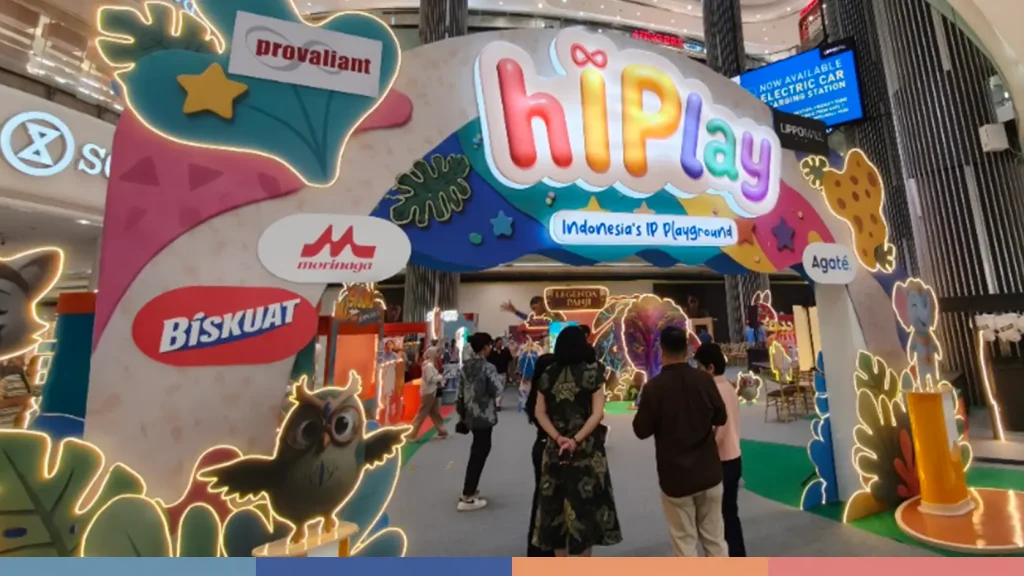
Home Services Our Works Gamification 101 Gamification Case Studies Turnkey Product Game Based Assessment Potentia Level Up RCD Contact English Bahasa Indonesia English Home Services Our Works Gamification 101 Gamification Case Studies Turnkey Product Game Based Assessment Potentia Level Up RCD Contact English Bahasa Indonesia English Home Services Our Works Gamification 101 Gamification Case Studies Turnkey Product Game Based Assessment Potentia Level Up RCD Contact English Bahasa Indonesia English Home Services Our Works Gamification 101 Gamification Case Studies Turnkey Product Game Based Assessment Potentia Level Up RCD Contact English Bahasa Indonesia English Edit Template Level Up powered by Agate x Provaliants Studio: Menghidupkan IP Lokal lewat Pengalaman Game di hIPlay Pintu masuk hIPlay di Lippo Mall Puri yang menampilkan berbagai brand partner dan karakter IP lokal. Bagaimana game dan gamification dapat mengubah IP lokal menjadi pengalaman yang lebih interaktif dan memorable? Perkembangan industri kreatif Indonesia tidak lagi hanya berbicara tentang menciptakan karakter, cerita, atau intellectual property (IP) yang menarik. Tantangan berikutnya adalah bagaimana IP tersebut dapat dikembangkan menjadi pengalaman yang mampu mempertemukan karakter dengan audiens secara lebih dekat. Semangat tersebut hadir melalui hIPlay, sebuah IP Experience Platform yang membawa berbagai karakter dan IP Indonesia ke dalam pengalaman nyata. hIPlay dirancang bukan sekadar sebagai playground, tetapi sebagai platform yang mengubah IP menjadi pengalaman sekaligus membuka peluang untuk engagement dan pertumbuhan. Berlangsung di Main Atrium Lippo Mall Puri 2 pada 21 hingga 30 Agustus 2026, hIPlay menghadirkan berbagai IP melalui booth, games, meet and greet, serta aktivitas komunitas. Di tengah rangkaian tersebut, Level Up powered by Agate berkolaborasi dengan Legenda Panji untuk menghadirkan sebuah pengalaman berbasis game melalui booth Loreng Run. Kolaborasi Level Up powered by Agate dan Legenda Panji Kolaborasi ini menjadi contoh bagaimana IP lokal dapat dibawa keluar dari medium cerita dan karakter, kemudian dikembangkan menjadi sebuah interactive experience. Melalui Loreng Run, pengunjung mendapatkan kesempatan untuk berinteraksi dengan dunia Legenda Panji melalui aktivitas yang dikemas dalam bentuk permainan. Dengan pendekatan ini, audiens tidak hanya melihat atau mengenal karakter, tetapi juga menjadi bagian dari pengalaman tersebut. https://www.instagram.com/p/DcVdgYPhxpg/ Keseruan booth Loreng Run Level Up Powered by Agate dalam acara HiPlay Inilah salah satu prinsip penting dalam game-based experience. Ketika audiens diberikan kesempatan untuk berpartisipasi secara langsung, interaksi dengan sebuah brand atau IP dapat terasa lebih personal dan memorable. Bagi Level Up powered by Agate, pendekatan tersebut juga menunjukkan bagaimana game dan gamification dapat digunakan sebagai medium engagement, bukan hanya sebagai hiburan. Loreng Run: Mengubah IP menjadi Pengalaman Bermain Salah satu daya tarik utama dari kolaborasi ini adalah Loreng Run. Alih-alih menghadirkan Legenda Panji hanya dalam bentuk visual atau storytelling, pengalaman tersebut dikembangkan menjadi aktivitas yang mengajak pengunjung untuk berinteraksi secara langsung. Konsep seperti ini memungkinkan IP memiliki touchpoint tambahan dengan audiens. Karakter yang sebelumnya mungkin hanya dikenal melalui cerita atau media tertentu dapat hadir dalam bentuk pengalaman yang dapat dimainkan. Dengan demikian, Loreng Run bukan sekadar booth game di sebuah event. Aktivasi ini memperlihatkan bagaimana game dapat menjadi jembatan antara IP dan audiens. Pengunjung berfoto bersama maskot karakter Loreng dan Klepon di area aktivasi hIPlay. Semakin banyak bentuk interaksi yang dapat dibangun di sekitar sebuah IP, semakin besar pula kesempatan bagi audiens untuk mengenal, mengingat, dan membangun kedekatan dengan karakter tersebut. Mengapa Game Menjadi Medium yang Menarik untuk IP? Game memiliki karakteristik yang berbeda dibandingkan media komunikasi lainnya. Audiens tidak hanya menerima pesan secara pasif, tetapi ikut mengambil keputusan, melakukan aksi, dan merasakan konsekuensi dari interaksi yang mereka lakukan. Karena itu, ketika pendekatan game digunakan dalam pengembangan IP, audiens dapat memiliki pengalaman yang lebih participatory. Dalam konteks Legenda Panji, pendekatan seperti Loreng Run dapat menjadi salah satu cara untuk memperkenalkan IP kepada audiens yang lebih luas melalui aktivitas yang lebih ringan, accessible, dan engaging. https://youtube.com/shorts/YUbx-HP2uXE Keseruan pengunjung dalam mencoba booth Loreng Run di acara HiPlay Hal ini juga relevan dengan konsep hIPlay yang mempertemukan berbagai IP dengan karakter audiens yang berbeda. Materi hIPlay menekankan bahwa setiap IP membawa segmen audiensnya sendiri, sementara penggabungan berbagai audience behavior dapat menciptakan engagement yang lebih luas dan mendalam. Mendorong Pertumbuhan Ekosistem IP Indonesia hIPlay sendiri memiliki konsep sebagai traveling IP playground, dengan perjalanan yang mencakup Jakarta, Jawa Barat, Jawa Tengah, dan Jawa Timur sebelum kembali ke Jakarta untuk finalenya. Setiap kota menjadi bagian dari perjalanan yang mempertemukan IP, pengalaman, dan komunitas. Konsep ini memperlihatkan bahwa pengembangan IP membutuhkan ekosistem. IP tidak hanya membutuhkan cerita dan karakter yang kuat, tetapi juga membutuhkan ruang untuk berinteraksi dengan audiens. Di sinilah kolaborasi antara IP owner, creative industry, dan game-based experience menjadi relevan. Chandra Sugiono (CEO Provaliant Group) bersama Muhammad Fauzy (Direktur Pengembangan Fasilitas Kekayaan Intelektual Republik Indonesia) saat meninjau aktivasi game Loreng Run. Level Up powered by Agate x Legenda Panji melalui Loreng Run menjadi salah satu contoh bagaimana kolaborasi lintas bidang dapat menciptakan bentuk pengalaman baru untuk sebuah IP lokal. Kehadiran Tokoh Penting dalam Ekosistem IP Rangkaian hIPlay juga menjadi momentum yang mempertemukan berbagai pihak yang memiliki peran dalam perkembangan industri kreatif dan kekayaan intelektual di Indonesia. Dalam event ini hadir Chandra Sugiono, CEO Provaliant Group, yang merupakan bagian dari pihak penyelenggara dan pengembangan ekosistem hIPlay. Materi event sendiri memperkenalkan hIPlay sebagai inisiatif yang bertujuan mendorong creative economy melalui pengalaman berbasis IP. Turut hadir Muhammad Fauzy, Direktur Pengembangan Fasilitas Kekayaan Intelektual Republik Indonesia. Chandra Sugiono (CEO Provaliant Group) bersama Muhammad Fauzy (Direktur Pengembangan Fasilitas Kekayaan Intelektual Republik Indonesia) saat meninjau aktivasi game Loreng Run. Kehadiran tokoh dari sisi industri dan pengembangan kekayaan intelektual ini memperkuat pesan bahwa pengembangan IP membutuhkan kolaborasi dari berbagai stakeholder. Bukan hanya creator dan IP owner, tetapi juga pelaku industri, komunitas, pemerintah, serta pihak yang mampu mengembangkan IP menjadi produk dan pengalaman yang memiliki nilai ekonomi. Dari Karakter Menjadi Experience Perjalanan sebuah IP tidak berhenti ketika karakter berhasil diciptakan. Karakter membutuhkan cerita. Cerita membutuhkan audiens. Dan audiens membutuhkan alasan untuk terus berinteraksi. Game dapat menjadi salah satu medium yang menghubungkan ketiganya. Melalui Loreng Run, Level Up powered by Agate dan Legenda Panji menunjukkan bagaimana karakter lokal dapat dikembangkan menjadi pengalaman yang lebih interaktif. Pendekatan ini membuka kemungkinan bagi IP lokal untuk terus berkembang
Level Up powered by Agate x Provaliants Studio: Bringing Local IP to Life Through Game Experiences at hIPlay
Home Services Our Works Gamification 101 Gamification Case Studies Turnkey Product Game Based Assessment Potentia Level Up RCD Contact English Bahasa Indonesia English Home Services Our Works Gamification 101 Gamification Case Studies Turnkey Product Game Based Assessment Potentia Level Up RCD Contact English Bahasa Indonesia English Home Services Our Works Gamification 101 Gamification Case Studies Turnkey Product Game Based Assessment Potentia Level Up RCD Contact English Bahasa Indonesia English Home Services Our Works Gamification 101 Gamification Case Studies Turnkey Product Game Based Assessment Potentia Level Up RCD Contact English Bahasa Indonesia English Edit Template Level Up powered by Agate x Provaliants Studio: Bringing Local IP to Life Through Game Experiences at hIPlay The entrance to hIPlay at Lippo Mall Puri, featuring various brand partners and local IP characters. How can games and gamification transform local IP into more interactive and memorable experiences? The development of Indonesia’s creative industry is no longer just about creating attractive characters, stories, or intellectual property (IP). The next challenge is how that IP can be developed into an experience that brings characters and audiences closer together. This spirit is present through hIPlay, an IP Experience Platform that brings various Indonesian characters and IPs into real-world experiences. hIPlay is designed not just as a playground, but as a platform that transforms IP into experiences while opening opportunities for engagement and growth. Taking place at the Main Atrium of Lippo Mall Puri 2 from August 21 to 30, 2026, hIPlay presents various IPs through booths, games, meet and greets, and community activities. Amidst this series of events, Level Up powered by Agate collaborated with Legenda Panji to present a game-based experience through the Loreng Run booth. Collaboration Between Level Up powered by Agate and Legenda Panji This collaboration serves as an example of how local IP can be taken out of the medium of stories and characters and then developed into an interactive experience. Through Loreng Run, visitors get the opportunity to interact with the world of Legenda Panji through activities packaged in the form of a game. With this approach, the audience doesn’t just see or know the character, but also becomes part of the experience. https://www.instagram.com/p/DcVdgYPhxpg/ The excitement at the Loreng Run booth by Level Up Powered by Agate during the HiPlay event This is one of the important principles in game-based experiences. When the audience is given the chance to participate directly, interaction with a brand or IP can feel more personal and memorable. For Level Up powered by Agate, this approach also demonstrates how games and gamification can be used as a medium for engagement, not just as entertainment. Loreng Run: Transforming IP into a Play Experience One of the main attractions of this collaboration is Loreng Run. Instead of presenting Legenda Panji only in visual or storytelling form, the experience was developed into an activity that invites visitors to interact directly. Concepts like this allow an IP to have additional touchpoints with the audience. Characters that might have previously only been known through stories or specific media can now be present in the form of a playable experience. Thus, Loreng Run is not just a game booth at an event. This activation shows how games can be a bridge between IP and the audience. Visitors taking photos with the Loreng and Klepon character mascots in the hIPlay activation area. The more forms of interaction that can be built around an IP, the greater the opportunity for the audience to get to know, remember, and build a connection with the character. Why are Games an Attractive Medium for IP? Games have different characteristics compared to other communication media. The audience does not just receive messages passively, but also makes decisions, takes action, and feels the consequences of the interactions they perform. Therefore, when a game approach is used in IP development, the audience can have a more participatory experience. In the context of Legenda Panji, an approach like Loreng Run can be one way to introduce IP to a wider audience through activities that are lighter, more accessible, and engaging. https://youtube.com/shorts/YUbx-HP2uXE The excitement of visitors trying out the Loreng Run booth at the HiPlay event This is also relevant to the hIPlay concept, which brings together various IPs with different audience characters. hIPlay materials emphasize that every IP brings its own audience segment, while the combination of various audience behaviors can create broader and deeper engagement. Fostering the Growth of the Indonesian IP Ecosystem hIPlay itself has a concept as a traveling IP playground, with a journey covering Jakarta, West Java, Central Java, and East Java before returning to Jakarta for the finale. Each city becomes part of a journey that brings together IP, experience, and community. This concept shows that IP development requires an ecosystem. IP doesn’t just need strong stories and characters, but also space to interact with the audience. This is where collaboration between IP owners, the creative industry, and game-based experiences becomes relevant. Chandra Sugiono (CEO of Provaliant Group) together with Muhammad Fauzy (Director of Facility Development for Indonesian Intellectual Property) while reviewing the Loreng Run game activation. Level Up powered by Agate x Legenda Panji through Loreng Run is an example of how cross-field collaboration can create new forms of experience for a local IP. Presence of Key Figures in the IP Ecosystem The hIPlay series also became a momentum that brought together various parties who have a role in the development of the creative industry and intellectual property in Indonesia. Present at this event was Chandra Sugiono, CEO of Provaliant Group, who is part of the organizing team and hIPlay ecosystem development. Event materials introduced hIPlay as an initiative aimed at pushing the creative economy through IP-based experiences. Also present was Muhammad Fauzy, Director of Facility Development for Indonesian Intellectual Property. Chandra Sugiono (CEO of Provaliant Group) together with Muhammad Fauzy (Director of Facility Development for Indonesian Intellectual Property) while reviewing the Loreng Run game activation. The presence of these industrial and intellectual property development figures
Level Up 17-an: Mengubah Semangat Kemerdekaan Jadi Pengalaman yang Lebih Interaktif
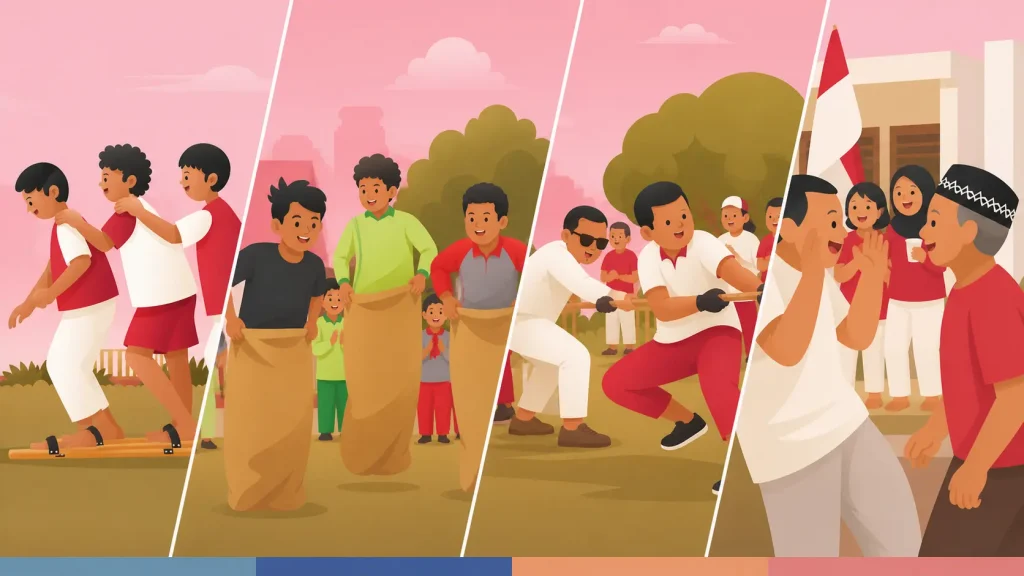
Home Services Our Works Gamification 101 Gamification Case Studies Turnkey Product Game Based Assessment Potentia Level Up RCD Contact English Bahasa Indonesia English Home Services Our Works Gamification 101 Gamification Case Studies Turnkey Product Game Based Assessment Potentia Level Up RCD Contact English Bahasa Indonesia English Home Services Our Works Gamification 101 Gamification Case Studies Turnkey Product Game Based Assessment Potentia Level Up RCD Contact English Bahasa Indonesia English Home Services Our Works Gamification 101 Gamification Case Studies Turnkey Product Game Based Assessment Potentia Level Up RCD Contact English Bahasa Indonesia English Edit Template Level Up 17-an: Mengubah Semangat Kemerdekaan Jadi Pengalaman yang Lebih Interaktif Setiap tanggal 17 Agustus, berbagai lingkungan mulai dari sekolah, kantor, komunitas, hingga perumahan biasanya mengadakan perlombaan untuk merayakan Hari Kemerdekaan Indonesia. Balap karung, tarik tambang, estafet kelereng, hingga panjat pinang menjadi bagian dari tradisi yang selalu dinantikan. Namun, bagaimana jika semangat perlombaan tersebut dibawa ke dalam pengalaman digital? Di sinilah gamifikasi dapat diterapkan. Bukan sekadar membuat sebuah aktivitas menjadi permainan, gamifikasi memanfaatkan elemen-elemen yang membuat game menarik, seperti tantangan, poin, kompetisi, reward, dan leaderboard, untuk meningkatkan partisipasi dalam sebuah aktivitas. Dalam konteks perayaan 17 Agustus, gamifikasi dapat menjadi cara baru untuk menghadirkan semangat kemerdekaan melalui pengalaman yang lebih interaktif. Mengapa Gamifikasi Cocok untuk Perayaan 17 Agustus? Esensi dari berbagai perlombaan 17 Agustus sebenarnya sudah memiliki banyak elemen gamifikasi. Ada peserta yang memiliki target untuk dicapai, tantangan yang harus diselesaikan, kompetisi antarindividu atau kelompok, sistem pemenang, hingga hadiah sebagai bentuk apresiasi. Gamifikasi hanya membawa konsep tersebut ke dalam format yang lebih fleksibel dan dapat disesuaikan dengan kebutuhan penyelenggara. Misalnya, sebuah perusahaan dapat membuat program “17 Agustus Challenge” untuk karyawan. Setiap peserta memperoleh poin dari menyelesaikan berbagai aktivitas, seperti mengikuti kuis kemerdekaan, menjawab trivia sejarah Indonesia, mengikuti challenge tertentu, atau berpartisipasi dalam kegiatan sosial. Semakin banyak aktivitas yang diselesaikan, semakin tinggi pula skor yang diperoleh. Dengan begitu, perayaan tidak hanya menjadi acara satu hari, tetapi dapat berkembang menjadi pengalaman yang mendorong engagement selama beberapa hari atau bahkan beberapa minggu. Dari Lomba Tradisional ke Pengalaman Digital 1. Balap Karung: Challenge dan Competition Balap karung identik dengan kecepatan dan kompetisi. Dalam versi digital, konsep tersebut dapat diterapkan melalui speed challenge. Peserta dapat diberikan serangkaian tugas atau mini games yang harus diselesaikan dalam batas waktu tertentu. Peserta dengan waktu tercepat atau skor tertinggi dapat menempati posisi teratas di leaderboard. Mekanisme ini tidak harus selalu berbentuk game. Dalam konteks perusahaan, misalnya, challenge dapat dikaitkan dengan aktivitas pembelajaran, teamwork, atau campaign internal. 2. Tarik Tambang: Teamwork dan Collaboration Tarik tambang bukan hanya soal siapa yang paling kuat, tetapi juga bagaimana sebuah tim bekerja bersama. Konsep ini dapat diterjemahkan menjadi gamifikasi berbasis team competition. Contohnya, karyawan dibagi menjadi beberapa kelompok. Setiap kelompok mengumpulkan poin dari berbagai aktivitas selama periode perayaan 17 Agustus. Semakin aktif anggota tim berpartisipasi, semakin besar kontribusi mereka terhadap skor kelompok. Hasil akhirnya dapat divisualisasikan melalui leaderboard yang memperlihatkan persaingan antar tim secara real-time. Dengan mekanisme tersebut, aktivitas sederhana dapat mendorong interaksi, kolaborasi, dan rasa kebersamaan. 3. Kuis Kemerdekaan: Points dan Rewards Kuis merupakan salah satu bentuk gamifikasi yang paling mudah diterapkan. Pertanyaan dapat membahas sejarah Indonesia, tokoh nasional, fakta unik tentang kemerdekaan, hingga pengetahuan seputar budaya Indonesia. Setiap jawaban benar dapat menghasilkan poin. Peserta juga dapat memperoleh bonus points untuk menjawab secara cepat atau menyelesaikan sejumlah pertanyaan berturut-turut dengan benar. Agar semakin menarik, penyelenggara dapat memberikan reward kepada peserta dengan skor tertinggi atau kepada mereka yang berhasil mencapai milestone tertentu. Leaderboard Bisa Membuat Perayaan Lebih Kompetitif Salah satu elemen gamifikasi yang sangat efektif untuk meningkatkan engagement adalah leaderboard. Leaderboard memberikan gambaran mengenai posisi peserta dibandingkan dengan peserta lainnya. Dalam konteks 17 Agustus, leaderboard dapat digunakan untuk menampilkan: Individu dengan skor tertinggi Tim dengan poin terbanyak Peserta dengan challenge terbanyak Pemenang setiap kategori lomba Namun, leaderboard sebaiknya tidak hanya digunakan untuk menciptakan kompetisi. Penyelenggara juga dapat menggunakan sistem milestone sehingga peserta tetap merasa mendapatkan pencapaian meskipun tidak berada di posisi pertama. Misalnya, peserta yang berhasil mengumpulkan 100 poin mendapatkan badge “Pejuang Kemerdekaan”, sementara peserta yang mencapai 500 poin mendapatkan reward khusus. Dengan cara ini, motivasi tidak hanya datang dari keinginan untuk mengalahkan peserta lain, tetapi juga dari keinginan untuk mencapai target pribadi. Gamifikasi Tidak Harus Selalu Digital Hal penting yang perlu dipahami adalah gamifikasi tidak sama dengan membuat game. Gamifikasi dapat diterapkan pada aktivitas offline maupun digital. Dalam acara 17 Agustus di lingkungan kantor, misalnya, panitia dapat membuat sistem passport challenge. Setiap peserta memperoleh kartu yang berisi beberapa misi. Setelah menyelesaikan lomba atau aktivitas tertentu, mereka mendapatkan stamp atau poin. Peserta yang berhasil mengumpulkan sejumlah stamp dapat menukarkannya dengan reward. Sementara itu, versi digitalnya dapat menggunakan QR code, leaderboard online, digital badge, atau sistem poin yang dapat dipantau secara real-time. Jadi, teknologi hanyalah alat. Yang paling penting adalah bagaimana mekanisme tersebut dirancang agar peserta terdorong untuk berpartisipasi. Jangan Sekadar Menambahkan Poin Meski terlihat sederhana, penerapan gamifikasi tidak cukup hanya dengan menambahkan poin dan leaderboard. Gamifikasi yang efektif perlu memiliki tujuan yang jelas. Apakah tujuannya untuk meningkatkan engagement? Mendorong teamwork? Meningkatkan partisipasi dalam acara? Atau memberikan pengalaman belajar yang lebih menarik? Setelah tujuan ditentukan, mekanisme gamifikasi dapat dirancang untuk mendukung tujuan tersebut. Karena itu, bukan berarti semakin banyak elemen game yang digunakan, semakin baik pula pengalaman yang dihasilkan. Justru, gamifikasi yang tepat adalah gamifikasi yang sesuai dengan tujuan, audiens, dan konteks aktivitasnya. Frequently Asked Questions Apa itu gamifikasi dalam perayaan 17 Agustus? Gamifikasi adalah penerapan elemen-elemen permainan, seperti poin, tantangan, leaderboard, badge, dan reward, ke dalam aktivitas non-game. Dalam perayaan 17 Agustus, gamifikasi dapat membuat lomba dan aktivitas kemerdekaan menjadi lebih interaktif dan menarik. Apa contoh gamifikasi yang bisa diterapkan saat 17 Agustus? Beberapa contohnya adalah kuis kemerdekaan dengan sistem poin, team challenge, leaderboard antar peserta, digital badge, passport challenge, hingga kompetisi berbasis mini games. Apakah gamifikasi 17 Agustus harus menggunakan teknologi? Tidak. Gamifikasi dapat dilakukan secara offline maupun digital. Sistem stamp, kartu tantangan, papan skor, dan hadiah juga termasuk bentuk penerapan gamifikasi. Apa manfaat gamifikasi untuk acara 17 Agustus di perusahaan? Gamifikasi dapat membantu meningkatkan partisipasi karyawan, membangun teamwork,
Level Up 17-an: Turning Independence Spirit into a More Interactive Experience
Home Services Our Works Gamification 101 Gamification Case Studies Turnkey Product Game Based Assessment Potentia Level Up RCD Contact English Bahasa Indonesia English Home Services Our Works Gamification 101 Gamification Case Studies Turnkey Product Game Based Assessment Potentia Level Up RCD Contact English Bahasa Indonesia English Home Services Our Works Gamification 101 Gamification Case Studies Turnkey Product Game Based Assessment Potentia Level Up RCD Contact English Bahasa Indonesia English Home Services Our Works Gamification 101 Gamification Case Studies Turnkey Product Game Based Assessment Potentia Level Up RCD Contact English Bahasa Indonesia English Edit Template Level Up 17-an: Turning Independence Spirit into a More Interactive Experience Every August 17th, various environments ranging from schools, offices, communities, to residential areas usually hold competitions to celebrate Indonesia’s Independence Day. Sack races, tug of war, marble relay races, to pole climbing become part of the traditions that are always anticipated. But what if that competitive spirit was brought into a digital experience? This is where gamification can be applied. It is not just about making an activity into a game; gamification utilizes elements that make games engaging, such as challenges, points, competition, rewards, and leaderboards, to increase participation in an activity. In the context of the August 17th celebration, gamification can be a new way to present the spirit of independence through a more interactive experience. Why is Gamification Suitable for the August 17th Celebration? The essence of various August 17th competitions actually already has many gamification elements. There are participants who have targets to achieve, challenges to complete, competition between individuals or groups, a winner system, and prizes as a form of appreciation. Gamification simply brings these concepts into a format that is more flexible and can be adapted to the needs of the organizer. For example, a company can create a “August 17th Challenge” program for employees. Each participant earns points by completing various activities, such as taking independence quizzes, answering Indonesian history trivia, following certain challenges, or participating in social activities. The more activities completed, the higher the score obtained. That way, the celebration is not just a one-day event, but can evolve into an experience that drives engagement over several days or even several weeks. From Traditional Competitions to Digital Experiences 1. Sack Race: Challenge and Competition The sack race is synonymous with speed and competition. In the digital version, this concept can be applied through a speed challenge. Participants can be given a series of tasks or mini-games that must be completed within a certain time limit. Participants with the fastest time or highest score can occupy the top positions on the leaderboard. This mechanism does not always have to be in the form of a game. In a corporate context, for example, challenges can be linked to learning activities, teamwork, or internal campaigns. 2. Tug of War: Teamwork and Collaboration Tug of war is not just about who is the strongest, but also how a team works together. This concept can be translated into gamification based on team competition. For example, employees are divided into several groups. Each group collects points from various activities during the August 17th celebration period. The more active team members participate, the greater their contribution to the group score. The final result can be visualized through a leaderboard that shows competition between teams in real-time. With such a mechanism, simple activities can encourage interaction, collaboration, and a sense of togetherness. 3. Independence Quiz: Points and Rewards Quizzes are one of the easiest forms of gamification to apply. Questions can discuss Indonesian history, national figures, unique facts about independence, to knowledge about Indonesian culture. Each correct answer can yield points. Participants can also earn bonus points for answering quickly or completing a number of questions consecutively correctly. To make it even more interesting, organizers can provide rewards to participants with the highest scores or to those who manage to reach certain milestones. Leaderboards Can Make the Celebration More Competitive One of the most effective gamification elements to increase engagement is the leaderboard. A leaderboard provides an overview of a participant’s position compared to other participants. In the context of August 17th, leaderboards can be used to display: Individuals with the highest score Teams with the most points Participants with the most challenges completed Winners of every competition category However, leaderboards should not only be used to create competition. Organizers can also use a milestone system so that participants still feel a sense of achievement even if they are not in first place. For example, participants who manage to collect 100 points get a “Independence Fighter” badge, while participants who reach 500 points get a special reward. In this way, motivation comes not only from the desire to defeat other participants, but also from the desire to reach personal targets. Gamification Does Not Always Have to Be Digital An important thing to understand is that gamification is not the same as making a game. Gamification can be applied to both offline and digital activities. In an August 17th event in an office environment, for example, the committee can create a passport challenge system. Each participant receives a card containing several missions. After completing a competition or certain activity, they get a stamp or points. Participants who manage to collect a certain number of stamps can exchange them for rewards. Meanwhile, the digital version can use QR codes, online leaderboards, digital badges, or a point system that can be monitored in real-time. So, technology is just a tool. What matters most is how the mechanism is designed so that participants are encouraged to participate. Don’t Just Add Points Although it looks simple, applying gamification is not enough just by adding points and a leaderboard. Effective gamification needs to have clear goals. Is the goal to increase engagement? Encourage teamwork? Increase participation in events? Or provide a more engaging learning experience? Once goals are determined, gamification mechanisms can be designed to support those goals. Because of that, it doesn’t mean that the more game elements used,
Event Recap: How Level Up powered by Agate Showcased Gamification Across Indonesia’s Business and Technology Events
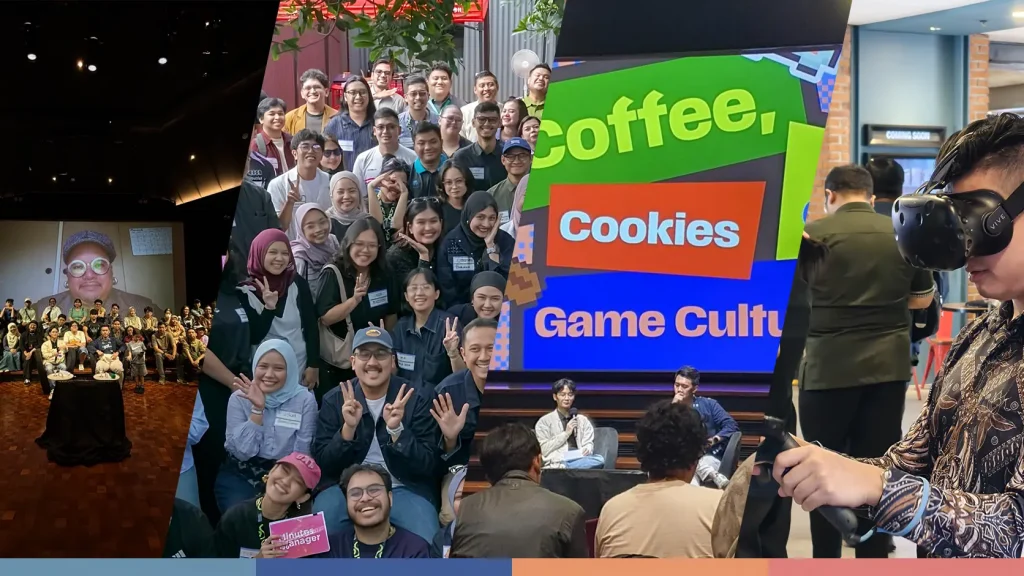
Home Services Our Works Gamification 101 Gamification Case Studies Turnkey Product Game Based Assessment Potentia Level Up RCD Contact English Bahasa Indonesia English Home Services Our Works Gamification 101 Gamification Case Studies Turnkey Product Game Based Assessment Potentia Level Up RCD Contact English Bahasa Indonesia English Home Services Our Works Gamification 101 Gamification Case Studies Turnkey Product Game Based Assessment Potentia Level Up RCD Contact English Bahasa Indonesia English Home Services Our Works Gamification 101 Gamification Case Studies Turnkey Product Game Based Assessment Potentia Level Up RCD Contact English Bahasa Indonesia English Home Services Our Works Gamification 101 Gamification Case Studies Turnkey Product Game Based Assessment Potentia Level Up RCD Contact English Bahasa Indonesia English Home Services Our Works Gamification 101 Gamification Case Studies Turnkey Product Game Based Assessment Potentia Level Up RCD Contact English Bahasa Indonesia English Edit Template Event Recap: How Level Up powered by Agate Showcased Gamification Across Indonesia’s Business and Technology Events As organizations continue exploring new ways to improve engagement, learning, and customer experiences, gamification has become one of the most promising approaches to achieve these goals. Throughout 2026, Level Up powered by Agate participated in several major events to demonstrate how game design can create meaningful business impact. From technology exhibitions and international discussions to local community meetups, each event provided a unique opportunity to introduce gamification to different audiences while encouraging conversations about its practical applications beyond entertainment. Tech for Business 2026: Demonstrating Gamification Through Interactive Booths Tech for Business 2026 brought together companies, innovators, and business leaders looking for technology-driven solutions to accelerate digital transformation. As one of the exhibitors, Level Up powered by Agate participated by creating two interactive booths designed to let visitors experience gamification instead of simply learning about it through presentations. The first booth featured an immersive Virtual Reality experience, demonstrating how VR can be utilized for employee training, simulation-based learning, and experiential engagement. Visitors were able to experience firsthand how immersive environments improve focus, knowledge retention, and participation compared to traditional learning methods. The second booth introduced interactive hand gesture technology, allowing participants to control games using body movement instead of conventional controllers. Beyond being entertaining, this experience showcased how interactive technologies can be integrated into exhibitions, marketing campaigns, corporate events, and customer engagement initiatives to create memorable brand experiences. https://youtu.be/Ll7kBC8fp_oExamples of gamification that we encounter in daily life Throughout the exhibition, the Level Up team also engaged directly with visitors, discussing how gamification can be adapted to various business challenges, including recruitment, onboarding, learning and development, employee engagement, and marketing activation. Rather than promoting a one-size-fits-all solution, these conversations focused on understanding each organization’s objectives before recommending suitable gamification strategies. Clogs, Tulips and Video Games at Erasmus Huis: Sharing Business Perspectives on Gamification Unlike Tech for Business, which emphasized hands-on experiences, Clogs, Tulips and Video Games at Erasmus Huis focused on knowledge sharing and industry discussion. The event brought together professionals from Indonesia and the Netherlands to explore the growing role of the gaming industry, not only in entertainment but also in education, business, and technology. As one of the featured speakers, Junialdi Dwijaputra, Head of Level Up powered by Agate, shared how game design principles can solve real organizational challenges. During the session, participants learned the differences between gamification, game-based learning, and game-based assessment, concepts that are often misunderstood or used interchangeably. The discussion also introduced the Level Up Gamification Framework, explaining how organizations can identify business objectives, design meaningful player experiences, and measure outcomes that align with company goals. The session generated valuable discussions on how businesses should approach gamification strategically rather than treating it as a collection of game elements. By emphasizing measurable outcomes and user-centered design, the presentation reinforced that successful gamification begins with understanding human behavior and organizational needs. Minutes Meetup Bandung #7: Building Connections Through Interactive Community Engagement Minutes Meetup Bandung #7 offered a different atmosphere from the previous events. As a community gathering for creative and technology professionals, the meetup emphasized networking, collaboration, and the exchange of ideas in a more casual setting. To support this environment, Level Up powered by Agate once again presented interactive booths that encouraged participants to engage directly with gamified experiences. Instead of acting as passive visitors, attendees became active participants, allowing them to better understand how game mechanics influence motivation, collaboration, and user engagement. The meetup also created opportunities for meaningful conversations between the Level Up team and professionals from various industries. Many discussions revolved around practical business applications of gamification, ranging from employee learning programs and recruitment processes to marketing campaigns and event activations. https://youtu.be/39aJfbccHYo Participating in community-driven events like Minutes Meetup demonstrates that increasing awareness of gamification does not only happen at large conferences. Smaller gatherings provide valuable opportunities to exchange ideas, gather feedback, and connect with organizations that are beginning to explore innovative approaches to engagement. One Mission Across Different Events Although each event had a different format and audience, they all reflected the same objective: helping businesses understand that gamification is more than adding points or rewards. At Tech for Business 2026, visitors experienced gamification through immersive technology. At Erasmus Huis, industry professionals explored the strategic thinking behind game-based solutions. At Minutes Meetup Bandung #7, communities and businesses connected through interactive experiences and open discussions. Together, these events demonstrate how Level Up powered by Agate continues to expand awareness of gamification across different industries while encouraging organizations to view game design as a practical business strategy capable of improving engagement, learning, and organizational performance. As interest in gamification continues to grow, Level Up remains committed to collaborating with businesses, communities, and industry partners to develop solutions that create measurable impact through meaningful interactive experiences. About Level Up powered by Agate Level Up powered by Agate is Agate’s gamification division, dedicated to helping organizations transform business challenges into engaging and impactful experiences through game design. Backed by over 15 years of experience in the gaming industry, Level Up specializes in gamification solutions for employee learning, recruitment, customer engagement, marketing
Gamification vs Game: Apa Bedanya?
Home Services Our Works Gamification 101 Gamification Case Studies Turnkey Product Game Based Assessment Potentia Level Up RCD Contact English Bahasa Indonesia English Home Services Our Works Gamification 101 Gamification Case Studies Turnkey Product Game Based Assessment Potentia Level Up RCD Contact English Bahasa Indonesia English Home Services Our Works Gamification 101 Gamification Case Studies Turnkey Product Game Based Assessment Potentia Level Up RCD Contact English Bahasa Indonesia English Home Services Our Works Gamification 101 Gamification Case Studies Turnkey Product Game Based Assessment Potentia Level Up RCD Contact English Bahasa Indonesia English Home Services Our Works Gamification 101 Gamification Case Studies Turnkey Product Game Based Assessment Potentia Level Up RCD Contact English Bahasa Indonesia English Home Services Our Works Gamification 101 Gamification Case Studies Turnkey Product Game Based Assessment Potentia Level Up RCD Contact English Bahasa Indonesia English Edit Template Gamification vs Game: Apa Bedanya? Banyak orang masih menganggap gamification dan game adalah hal yang sama. Padahal, keduanya memiliki tujuan dan cara kerja yang berbeda. Memahami perbedaannya penting agar organisasi dapat memilih pendekatan yang tepat untuk meningkatkan keterlibatan pengguna maupun karyawan. Apa Itu Game? Game adalah sebuah produk yang dirancang untuk memberikan pengalaman bermain dan hiburan. Pemain memiliki tujuan tertentu, menghadapi tantangan, mengikuti aturan, dan memperoleh kepuasan dari proses bermain. Contohnya adalah Mobile Legends, Minecraft, atau FIFA. Tujuan utama game adalah menciptakan pengalaman yang menyenangkan dan membuat pemain ingin terus bermain. Karakter video game mainstream yang sering kita temui Apa Itu Gamification? Gamification adalah penerapan elemen-elemen yang biasa ditemukan dalam game ke dalam aktivitas yang bukan permainan. Tujuannya bukan untuk menghibur, melainkan untuk mendorong perilaku tertentu agar seseorang lebih termotivasi, konsisten, dan terlibat dalam suatu proses. Beberapa elemen gamification yang umum digunakan meliputi: Poin Badge atau lencana Leaderboard Progress bar Level Misi atau challenge Reward Dengan memanfaatkan elemen-elemen tersebut, gamification membantu meningkatkan pengalaman pengguna tanpa mengubah aktivitas utama menjadi sebuah permainan. Contoh gamifikasi yang kita temui di sehari hari Perbedaan Gamification dan Game Aspect Game Gamification Tujuan Hiburan Mendorong perubahan perilaku Fokus Pengalaman bermain Engagement dan pencapaian tujuan Bentuk Produk atau aplikasi permainan Fitur yang diterapkan pada aktivitas nyata Pengguna Bermain untuk bersenang-senang Menyelesaikan aktivitas dengan motivasi tambahan Contoh Minecraft, FIFA, Mobile Legends Program loyalitas, aplikasi belajar, employee training Contoh dalam Kehidupan Sehari-hari Misalkan sebuah perusahaan ingin meningkatkan tingkat penyelesaian pelatihan karyawan. Jika menggunakan game, perusahaan membuat permainan edukasi yang harus dimainkan oleh seluruh peserta. Jika menggunakan gamification, materi pelatihan tetap sama, tetapi ditambahkan poin, progress bar, badge, tantangan mingguan, dan penghargaan ketika peserta menyelesaikan setiap modul. Dengan kata lain, gamification tidak mengubah aktivitas menjadi permainan. Ia hanya membuat aktivitas tersebut menjadi lebih menarik dan memotivasi. Mengapa Perusahaan Lebih Banyak Menggunakan Gamification? Mengembangkan sebuah game membutuhkan investasi waktu, biaya, dan sumber daya yang besar. Sebaliknya, gamification dapat diterapkan pada sistem yang sudah ada sehingga lebih mudah diimplementasikan. Beberapa contoh penerapannya antara lain: Employee onboarding Learning & Development Employee wellness Sales incentive Customer loyalty Employee engagement Karena fleksibel, gamification dapat diterapkan di berbagai industri, mulai dari pendidikan, kesehatan, teknologi, hingga perusahaan korporasi. Gamification Bukan Sekadar Poin dan Badge Salah satu kesalahpahaman terbesar adalah menganggap gamification hanya sebatas memberikan poin atau hadiah. Padahal, gamification yang efektif dirancang berdasarkan prinsip behavioral design. Elemen seperti tujuan yang jelas, umpan balik yang cepat, rasa pencapaian, perkembangan yang terlihat, dan tantangan yang sesuai sering kali memiliki dampak yang jauh lebih besar dibandingkan hadiah itu sendiri. Ketika dirancang dengan baik, gamification mampu membantu membangun kebiasaan positif dan meningkatkan keterlibatan pengguna dalam jangka panjang. Frequently Asked Questions Apa perbedaan utama antara game dan gamification? Game dibuat untuk memberikan pengalaman bermain dan hiburan, sedangkan gamification menerapkan elemen-elemen permainan ke dalam aktivitas nyata untuk meningkatkan motivasi, keterlibatan, dan perubahan perilaku. Apakah gamification hanya menggunakan poin dan badge? Tidak. Gamification juga memanfaatkan berbagai elemen lain seperti progress bar, level, tantangan, feedback, leaderboard, dan sistem penghargaan yang dirancang untuk menciptakan pengalaman yang lebih menarik. Di mana gamification dapat diterapkan? Gamification dapat diterapkan di berbagai bidang, seperti employee onboarding, pelatihan karyawan, program employee wellness, sales incentive, customer loyalty, pendidikan, hingga aplikasi kesehatan. Mengapa gamification penting bagi perusahaan? Gamification membantu meningkatkan engagement, mendorong partisipasi, membangun kebiasaan positif, dan memotivasi pengguna atau karyawan untuk mencapai tujuan bisnis secara lebih efektif. Rancang Solusi Gamification untuk Organisasi Anda Gamification yang efektif tidak hanya membuat aktivitas menjadi lebih menarik, tetapi juga menghasilkan dampak nyata terhadap engagement, produktivitas, dan perubahan perilaku. Level Up powered by Agate membantu organisasi merancang solusi gamification yang disesuaikan dengan tujuan bisnis dan kebutuhan pengguna. Konsultasikan kebutuhan Anda bersama tim Level Up dan mulai bangun pengalaman yang mampu menciptakan hasil yang berkelanjutan. Author Artikel Terkait All Posts Service Highlight News Education All Gamification vs Game: Apa Bedanya? July 31, 2026/ Mengapa Feedback Loop Menjadi Elemen Penting dalam Game Based Assessment? July 30, 2026/ Behavioral Wellness Gamification: Strategi HR untuk Membangun Perubahan Perilaku Karyawan July 29, 2026/ Gamifikasi AI: Mengubah Data Menjadi Wawasan Bisnis July 24, 2026/ Pembelajaran Gamifikasi: Masa Depan Pelatihan Perusahaan July 23, 2026/ Semua Lagi Pakai Gamifikasi. Tapi, Apa Perusahaanmu Perlu yang Sama? July 22, 2026/ Mengapa Semakin Banyak Perusahaan Beralih ke Game-Based Assessment? July 17, 2026/ Gamifikasi Bukan Sekadar Poin dan Badge July 16, 2026/ Tren Gamification dalam Promosi Dunia Perfilman July 15, 2026/ Load More End of Content. All company names, brand names, trademarks, logos, illustrations, videos and any other intellectual property (Intellectual Property) published on this website are the property of their respective owners. Any non-authorized usage of Intellectual Property is strictly prohibited and any violation will be prosecuted under the law. © 2023 Agate. All rights reserved. Home Services Our Works Contact Gamification 101 Case Studies Instagram Linkedin Youtube Edit Template
Gamification vs Game: What is the Difference?
Home Services Our Works Gamification 101 Gamification Case Studies Turnkey Product Game Based Assessment Potentia Level Up RCD Contact English Bahasa Indonesia English Home Services Our Works Gamification 101 Gamification Case Studies Turnkey Product Game Based Assessment Potentia Level Up RCD Contact English Bahasa Indonesia English Home Services Our Works Gamification 101 Gamification Case Studies Turnkey Product Game Based Assessment Potentia Level Up RCD Contact English Bahasa Indonesia English Home Services Our Works Gamification 101 Gamification Case Studies Turnkey Product Game Based Assessment Potentia Level Up RCD Contact English Bahasa Indonesia English Home Services Our Works Gamification 101 Gamification Case Studies Turnkey Product Game Based Assessment Potentia Level Up RCD Contact English Bahasa Indonesia English Home Services Our Works Gamification 101 Gamification Case Studies Turnkey Product Game Based Assessment Potentia Level Up RCD Contact English Bahasa Indonesia English Edit Template Gamification vs Game: What is the Difference? Many people still consider gamification and games to be the same thing. In fact, both have different goals and ways of working. Understanding the difference is important so that organizations can choose the right approach to increase user and employee engagement. What Is a Game? A game is a product designed to provide a playing experience and entertainment. Players have specific goals, face challenges, follow rules, and gain satisfaction from the playing process. Examples include Mobile Legends, Minecraft, or FIFA. The main goal of a game is to create an enjoyable experience and make players want to keep playing. Mainstream video game characters that we often encounter What Is Gamification? Gamification is the application of elements commonly found in games into non-game activities. The goal is not to entertain, but to encourage certain behaviors so that someone is more motivated, consistent, and involved in a process. Some commonly used gamification elements include: Points Badges Leaderboard Progress bar Levels Missions or challenges Rewards By utilizing these elements, gamification helps improve the user experience without turning the main activity into a game. Examples of gamification that we encounter in daily life Differences Between Gamification and Game Aspect Game Gamification Goal Entertainment Encourage behavioral change Focus Playing experience Engagement and goal achievement Form Product or game application Features applied to real activities Users Play for fun Completing activities with additional motivation Examples Minecraft, FIFA, Mobile Legends Loyalty programs, learning apps, employee training Examples in Daily Life Suppose a company wants to increase the completion rate of employee training. If using a game, the company creates an educational game that must be played by all participants. If using gamification, the training material remains the same, but points, progress bars, badges, weekly challenges, and rewards are added as participants complete each module. In other words, gamification does not turn an activity into a game. It only makes that activity more interesting and motivating. Why Do Companies Use Gamification More? Developing a game requires a large investment of time, cost, and resources. In contrast, gamification can be applied to existing systems, making it easier to implement. Some examples of its application include: Employee onboarding Learning & Development Employee wellness Sales incentive Customer loyalty Employee engagement Because it is flexible, gamification can be applied in various industries, from education, healthcare, technology, to corporate firms. Gamification Is Not Just Points and Badges One of the biggest misconceptions is thinking that gamification is only about giving points or prizes. In fact, effective gamification is designed based on principles of behavioral design. Elements such as clear goals, fast feedback, a sense of achievement, visible progress, and appropriate challenges often have a much larger impact than the rewards themselves. When well-designed, gamification can help build positive habits and increase user engagement in the long term. Frequently Asked Questions What is the main difference between a game and gamification? Games are made to provide a playing experience and entertainment, while gamification applies game elements into real activities to increase motivation, engagement, and behavioral change. Does gamification only use points and badges? No. Gamification also utilizes various other elements such as progress bars, levels, challenges, feedback, leaderboards, and reward systems designed to create a more engaging experience. Where can gamification be applied? Gamification can be applied in various fields, such as employee onboarding, employee training, employee wellness programs, sales incentives, customer loyalty, education, to health applications. Why is gamification important for companies? Gamification helps increase engagement, encourage participation, build positive habits, and motivate users or employees to achieve business goals more effectively. Design Gamification Solutions for Your Organization Effective gamification not only makes activities more interesting, but also produces a real impact on engagement, productivity, and behavioral change. Level Up powered by Agate helps organizations design gamification solutions tailored to business goals and user needs. Consult your needs with the Level Up team and start building experiences capable of creating sustainable results. Author Related Article All Posts Service Highlight-EN News-EN Education-EN All-EN Gamification vs Game: What is the Difference? July 31, 2026/ Why is the Feedback Loop a Critical Element in Game-Based Assessment? July 30, 2026/ Behavioral Wellness Gamification: HR Strategy for Building Employee Behavior Change July 29, 2026/ AI Gamification: Turning Data Into Business Insights July 24, 2026/ Gamification Learning: The Future of Corporate Training July 23, 2026/ Everyone Is Using Gamification. But, Does Your Company Need the Same? July 22, 2026/ Why Are More Companies Switching to Game-Based Assessment? July 17, 2026/ Gamification is More Than Just Points and Badges July 16, 2026/ Level Up powered by Agate Presents Interactive Booths at Minutes Meetup Bandung #7 July 15, 2026/ Load More End of Content. All company names, brand names, trademarks, logos, illustrations, videos and any other intellectual property (Intellectual Property) published on this website are the property of their respective owners. Any non-authorized usage of Intellectual Property is strictly prohibited and any violation will be prosecuted under the law. © 2023 Agate. All rights reserved. Home Services Our Works Contact Gamification 101 Case Studies Instagram Linkedin Youtube Edit Template
Mengapa Feedback Loop Menjadi Elemen Penting dalam Game Based Assessment?
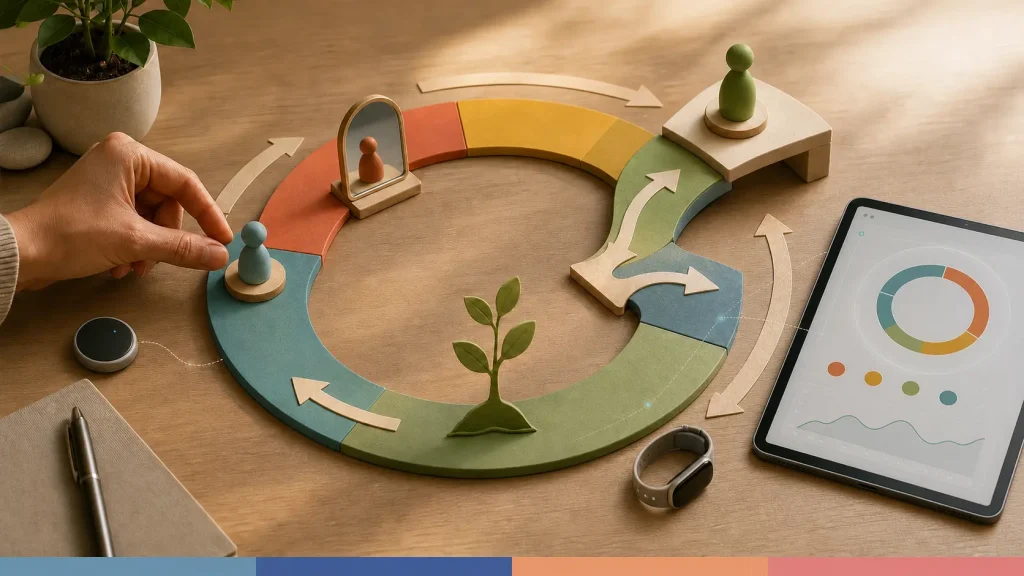
Home Services Our Works Gamification 101 Gamification Case Studies Turnkey Product Game Based Assessment Potentia Level Up RCD Contact English Bahasa Indonesia English Home Services Our Works Gamification 101 Gamification Case Studies Turnkey Product Game Based Assessment Potentia Level Up RCD Contact English Bahasa Indonesia English Home Services Our Works Gamification 101 Gamification Case Studies Turnkey Product Game Based Assessment Potentia Level Up RCD Contact English Bahasa Indonesia English Home Services Our Works Gamification 101 Gamification Case Studies Turnkey Product Game Based Assessment Potentia Level Up RCD Contact English Bahasa Indonesia English Home Services Our Works Gamification 101 Gamification Case Studies Turnkey Product Game Based Assessment Potentia Level Up RCD Contact English Bahasa Indonesia English Home Services Our Works Gamification 101 Gamification Case Studies Turnkey Product Game Based Assessment Potentia Level Up RCD Contact English Bahasa Indonesia English Edit Template Mengapa Feedback Loop Menjadi Elemen Penting dalam Game Based Assessment? Game Based Assessment Bukan Sekadar Mengukur, Tetapi Membentuk Performa Banyak organisasi mulai mengadopsi Game Based Assessment (GBA) sebagai metode yang lebih modern untuk mengevaluasi kemampuan kandidat maupun karyawan. Dibandingkan tes konvensional yang hanya menghasilkan skor di akhir proses, GBA mampu menangkap pola pengambilan keputusan, strategi berpikir, kemampuan beradaptasi, hingga perilaku peserta selama proses berlangsung. Namun, keberhasilan sebuah Game Based Assessment tidak hanya ditentukan oleh desain permainan atau tingkat kesulitannya. Salah satu elemen yang paling menentukan kualitas pengalaman sekaligus akurasi data adalah feedback loop. Feedback loop memastikan setiap tindakan peserta mendapatkan respons yang relevan dari sistem. Respons tersebut tidak selalu berupa penilaian benar atau salah, melainkan sinyal yang membantu peserta memahami konsekuensi dari setiap keputusan yang mereka ambil. Dengan demikian, assessment tidak terasa seperti ujian yang pasif, tetapi menjadi pengalaman interaktif yang mampu menggambarkan perilaku secara lebih autentik. Melalui siklus Act → Instant Result → Progress → Repeat, Game Based Assessment mampu menghadirkan pengalaman evaluasi yang lebih interaktif sekaligus menghasilkan insight perilaku yang lebih mendalam. Inilah yang menjadikan feedback loop sebagai salah satu elemen utama dalam menciptakan assessment yang akurat, menarik, dan berbasis behavioral science. Inilah yang membuat feedback loop menjadi salah satu fondasi utama dalam behavioral design pada Game Based Assessment. Dari Tes Konvensional Menuju Assessment yang Adaptif Dalam assessment tradisional, peserta biasanya mengerjakan seluruh soal terlebih dahulu, kemudian menerima hasil beberapa hari bahkan beberapa minggu setelahnya. Selama proses berlangsung, hampir tidak ada interaksi yang membantu peserta memahami bagaimana keputusan mereka memengaruhi jalannya assessment. Sebaliknya, Game Based Assessment dirancang sebagai rangkaian aksi dan respons yang terus berlangsung. Setiap keputusan peserta menghasilkan reaksi dari sistem. Reaksi tersebut dapat berupa perubahan kondisi permainan, munculnya tantangan baru, penyesuaian tingkat kesulitan, atau konsekuensi terhadap skenario berikutnya. Melalui mekanisme ini, assessment mampu menangkap bagaimana seseorang: mengambil keputusan di bawah tekanan, menyusun strategi, belajar dari konsekuensi, beradaptasi terhadap perubahan, mempertahankan konsistensi perilaku. Alih-alih hanya menghasilkan skor akhir, GBA memberikan gambaran mengenai proses berpikir yang terjadi selama assessment berlangsung. Ilustrasi karyawan dalam menggunakan game based assesment Mengapa Feedback Loop Penting dalam Game Based Assessment? Feedback loop bukan bertujuan memberi tahu peserta bahwa mereka berhasil atau gagal. Tujuan utamanya adalah menjaga hubungan antara tindakan dan konsekuensi tetap jelas. Ketika hubungan tersebut terasa nyata, peserta akan terus terlibat dalam assessment dan menunjukkan perilaku yang lebih alami. Sebaliknya, jika respons sistem terlambat atau tidak terasa, pengalaman assessment menjadi pasif. Peserta cenderung hanya menebak jawaban atau menyelesaikan tugas tanpa benar-benar terlibat dalam proses pengambilan keputusan. Dalam konteks behavioral assessment, kondisi tersebut dapat mengurangi kualitas data yang diperoleh. Tiga Feedback Gap yang Sering Terjadi pada Assessment Digital Assessment yang Hanya Menampilkan Skor Akhir Masih banyak platform assessment yang hanya memberikan hasil setelah seluruh tes selesai. Peserta tidak pernah merasakan bagaimana setiap keputusan memengaruhi jalannya assessment. Akibatnya, pengalaman menjadi datar dan kurang mampu memunculkan perilaku yang sesungguhnya. Simulasi yang Tidak Memberikan Konsekuensi Nyata Dalam simulasi yang kurang optimal, peserta dapat mengambil keputusan apa pun tanpa melihat dampaknya terhadap situasi berikutnya. Padahal, dalam dunia kerja, setiap keputusan selalu memiliki konsekuensi. Game Based Assessment yang baik harus mampu merepresentasikan hubungan sebab akibat tersebut melalui feedback loop yang jelas. Tantangan yang Tidak Beradaptasi Assessment yang memberikan tingkat kesulitan yang sama kepada seluruh peserta sering kali gagal mengukur kemampuan secara optimal. Dengan feedback loop yang kuat, sistem dapat menyesuaikan tantangan berdasarkan pola perilaku peserta sehingga assessment menjadi lebih akurat dan tetap menarik untuk diselesaikan. Merancang Feedback Loop yang Efektif dalam Game Based Assessment HR dan karyawan berkolaborasi dalam game based assesment Hubungkan Setiap Keputusan dengan Konsekuensi Setiap pilihan yang dibuat peserta sebaiknya memengaruhi kondisi permainan atau jalannya assessment. Dengan cara ini, peserta terdorong untuk berpikir secara strategis karena setiap keputusan memiliki arti. Bangun Progress yang Terlihat Peserta perlu merasakan bahwa setiap tindakan membawa mereka menuju perkembangan tertentu. Progress tidak harus berupa poin atau badge. Perubahan situasi, terbukanya tantangan baru, maupun evolusi skenario dapat menjadi indikator kemajuan yang jauh lebih bermakna. Gunakan Feedback untuk Mengumpulkan Data Perilaku Dalam Game Based Assessment, feedback bukan hanya bermanfaat bagi peserta. Respons sistem juga menjadi alat untuk mengamati bagaimana seseorang bereaksi terhadap tekanan, perubahan, kegagalan, maupun keberhasilan. Semakin kaya interaksi yang terjadi, semakin komprehensif pula insight perilaku yang dapat diperoleh organisasi. Selaraskan Mekanik dengan Kompetensi yang Diukur Setiap mekanik permainan harus memiliki tujuan yang jelas. Jika organisasi ingin mengukur kemampuan problem solving, maka feedback loop harus mendorong peserta untuk mencoba berbagai strategi penyelesaian masalah. Jika kompetensi yang ingin diukur adalah kolaborasi atau kepemimpinan, maka seluruh respons sistem harus dirancang untuk memunculkan perilaku tersebut secara alami. Dengan demikian, setiap elemen permainan benar-benar berfungsi sebagai alat assessment, bukan sekadar hiburan. Frequently Asked Questions Apa itu feedback loop dalam Game Based Assessment? Feedback loop adalah mekanisme aksi dan respons yang memastikan setiap keputusan peserta menghasilkan konsekuensi yang langsung terlihat. Mekanisme ini membantu assessment menangkap perilaku peserta secara lebih alami. Mengapa feedback loop penting dalam Game Based Assessment? Karena feedback loop menjaga keterlibatan peserta sekaligus menghasilkan data perilaku yang lebih akurat dibandingkan assessment yang hanya memberikan skor akhir. Apakah feedback loop selalu berupa poin atau badge? Tidak. Feedback dapat berupa perubahan skenario, konsekuensi keputusan, penyesuaian tingkat kesulitan, munculnya tantangan baru, maupun indikator perkembangan lainnya. Bagaimana
Why is the Feedback Loop a Critical Element in Game-Based Assessment?
Home Services Our Works Gamification 101 Gamification Case Studies Turnkey Product Game Based Assessment Potentia Level Up RCD Contact English Bahasa Indonesia English Home Services Our Works Gamification 101 Gamification Case Studies Turnkey Product Game Based Assessment Potentia Level Up RCD Contact English Bahasa Indonesia English Home Services Our Works Gamification 101 Gamification Case Studies Turnkey Product Game Based Assessment Potentia Level Up RCD Contact English Bahasa Indonesia English Home Services Our Works Gamification 101 Gamification Case Studies Turnkey Product Game Based Assessment Potentia Level Up RCD Contact English Bahasa Indonesia English Home Services Our Works Gamification 101 Gamification Case Studies Turnkey Product Game Based Assessment Potentia Level Up RCD Contact English Bahasa Indonesia English Home Services Our Works Gamification 101 Gamification Case Studies Turnkey Product Game Based Assessment Potentia Level Up RCD Contact English Bahasa Indonesia English Edit Template Why is the Feedback Loop a Critical Element in Game-Based Assessment? Game-Based Assessment: Not Just Measuring, But Shaping Performance Many organizations are beginning to adopt Game-Based Assessment (GBA) as a more modern method to evaluate the capabilities of candidates and employees. Compared to conventional tests that only produce a score at the end of the process, GBA is able to capture patterns of decision-making, thinking strategies, adaptability, and the participant’s behavior throughout the process. However, the success of a Game-Based Assessment is not only determined by the game design or the level of difficulty. One of the most decisive elements for the quality of the experience as well as data accuracy is the feedback loop. The feedback loop ensures that every participant action receives a relevant response from the system. These responses are not always a matter of right or wrong but are signals that help participants understand the consequences of every decision they make. In this way, the assessment does not feel like a passive exam but becomes an interactive experience that can depict behavior more authentically. Through the cycle of Act → Instant Result → Progress → Repeat, Game-Based Assessment is able to present an evaluation experience that is more interactive while producing deeper behavioral insights. This is what makes the feedback loop one of the main elements in creating assessments that are accurate, engaging, and based on behavioral science. This is what makes the feedback loop one of the primary foundations of behavioral design in Game-Based Assessment. From Conventional Testing Toward Adaptive Assessment In traditional assessment, participants usually complete all the questions first and then receive results days or even weeks later. During the process, there is almost no interaction to help participants understand how their decisions affect the course of the assessment. On the contrary, Game-Based Assessment is designed as a continuous series of actions and responses. Every participant decision generates a reaction from the system. These reactions can be in the form of changes in game conditions, the appearance of new challenges, adjustments in difficulty levels, or consequences for subsequent scenarios. Through this mechanism, the assessment is able to capture how a person: takes decisions under pressure, develops strategies, learns from consequences, adapts to changes, maintains consistency in behavior. Rather than just producing a final score, GBA provides an overview of the thinking process that occurs during the assessment. Illustration of employees using game-based assessment Why is the Feedback Loop Important in Game-Based Assessment? The feedback loop is not intended to tell participants whether they succeeded or failed. Its main goal is to keep the connection between actions and consequences clear. When that relationship feels real, participants will remain engaged in the assessment and display more natural behavior. Conversely, if the system’s response is late or not felt, the assessment experience becomes passive. Participants tend to just guess answers or complete tasks without truly being involved in the decision-making process. In the context of behavioral assessment, such conditions can reduce the quality of the data obtained. Three Feedback Gaps Frequently Found in Digital Assessments Assessments That Only Show the Final Score Many assessment platforms still only provide results after the entire test is completed. Participants never feel how every decision affects the course of the assessment. As a result, the experience becomes flat and less capable of bringing out genuine behavior. Simulations That Do Not Provide Real Consequences In sub-optimal simulations, participants can make any decision without seeing its impact on the next situation. In fact, in the workplace, every decision always has a consequence. A good Game-Based Assessment must be able to represent that cause-and-effect relationship through a clear feedback loop. Challenges That Do Not Adapt Assessments that provide the same level of difficulty to all participants often fail to measure ability optimally. With a strong feedback loop, the system can adjust challenges based on participant behavior patterns so the assessment becomes more accurate and remains engaging to complete. Designing an Effective Feedback Loop in Game-Based Assessment HR and employees collaborating in game-based assessment Connect Every Decision with a Consequence Every choice made by a participant should ideally affect game conditions or the course of the assessment. In this way, participants are encouraged to think strategically because every decision has meaning. Build Visible Progress Participants need to feel that every action brings them toward a certain development. Progress does not have to be in the form of points or badges. Changes in the situation, the opening of new challenges, or the evolution of the scenario can be indicators of progress that are far more meaningful. Use Feedback to Collect Behavioral Data In Game-Based Assessment, feedback is not only beneficial for participants. The system’s response also serves as a tool to observe how someone reacts to pressure, change, failure, or success. The richer the interactions that occur, the more comprehensive the behavioral insights that organizations can obtain. Align Mechanics with the Competencies Measured Every game mechanic must have a clear objective. If an organization wants to measure problem-solving ability, then the feedback loop must encourage participants to try various problem-solving strategies. If the competency to be measured is collaboration or leadership, then the entire
Behavioral Wellness Gamification: Strategi HR untuk Membangun Perubahan Perilaku Karyawan
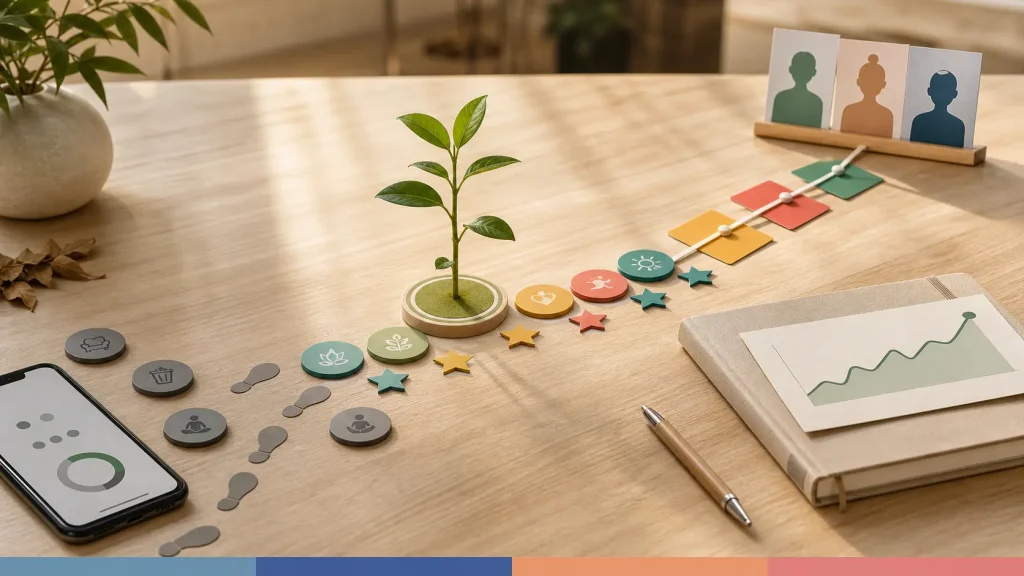
Home Services Our Works Gamification 101 Gamification Case Studies Turnkey Product Game Based Assessment Potentia Level Up RCD Contact English Bahasa Indonesia English Home Services Our Works Gamification 101 Gamification Case Studies Turnkey Product Game Based Assessment Potentia Level Up RCD Contact English Bahasa Indonesia English Home Services Our Works Gamification 101 Gamification Case Studies Turnkey Product Game Based Assessment Potentia Level Up RCD Contact English Bahasa Indonesia English Home Services Our Works Gamification 101 Gamification Case Studies Turnkey Product Game Based Assessment Potentia Level Up RCD Contact English Bahasa Indonesia English Home Services Our Works Gamification 101 Gamification Case Studies Turnkey Product Game Based Assessment Potentia Level Up RCD Contact English Bahasa Indonesia English Home Services Our Works Gamification 101 Gamification Case Studies Turnkey Product Game Based Assessment Potentia Level Up RCD Contact English Bahasa Indonesia English Edit Template Behavioral Wellness Gamification: Strategi HR untuk Membangun Perubahan Perilaku Karyawan Mengapa Behavioral Wellness Gamification Menjadi Tren Baru bagi HR? Di era digital, perusahaan tidak lagi hanya berfokus pada peningkatan keterampilan karyawan melalui pelatihan. Tantangan yang lebih besar adalah memastikan perubahan perilaku benar-benar terjadi setelah proses pembelajaran selesai. Inilah alasan mengapa Behavioral Wellness Gamification mulai menjadi salah satu strategi yang banyak diterapkan oleh tim HR dan Talent Acquisition. Banyak organisasi telah menginvestasikan waktu dan anggaran untuk pelatihan, workshop, hingga program employee engagement. Namun, tanpa adanya mekanisme yang mampu mendorong kebiasaan baru secara konsisten, peserta sering kali kembali pada pola perilaku lama. Behavioral Wellness merupakan pendekatan yang berfokus pada pembentukan kebiasaan positif, pengambilan keputusan yang lebih baik, serta perilaku kerja yang selaras dengan budaya perusahaan. Tujuannya bukan sekadar meningkatkan pengetahuan, melainkan menciptakan perubahan perilaku yang berkelanjutan. Tiga karyawan berinteraksi menggunakan VR dan perangkat digital dalam program gamifikasi Behavioral Wellness di kantor Di sinilah Behavioral Wellness Gamification memberikan pendekatan yang berbeda. Dengan memanfaatkan prinsip psikologi perilaku dan elemen gamifikasi, perusahaan dapat menciptakan pengalaman belajar yang lebih interaktif sekaligus menghasilkan perubahan perilaku yang dapat diukur. Dari Employee Engagement Menuju Behavioral Wellness Gamification Selama beberapa tahun terakhir, gamification identik dengan leaderboard, badge, reward, atau sistem poin yang bertujuan meningkatkan partisipasi. Kini, fungsi tersebut berkembang jauh lebih strategis. Behavioral Wellness Gamification memanfaatkan mekanisme permainan untuk membantu individu membangun perilaku positif melalui tantangan, simulasi, umpan balik langsung, hingga sistem progres yang mendorong konsistensi. Fokus utamanya bukan membuat pekerjaan terasa seperti permainan, melainkan menciptakan pengalaman yang memotivasi seseorang untuk terus melakukan perilaku yang diharapkan. Sebagai contoh, dibandingkan hanya memberikan modul mengenai budaya perusahaan, organisasi dapat menghadirkan simulasi interaktif yang mengajak peserta mengambil keputusan dalam berbagai situasi kerja. Setiap keputusan menghasilkan konsekuensi, pembelajaran, serta feedback yang membantu peserta memahami bagaimana nilai perusahaan diterapkan dalam pekerjaan sehari-hari. Pendekatan seperti ini membuat proses pembelajaran menjadi lebih kontekstual, personal, dan jauh lebih mudah diingat dibandingkan metode konvensional. Mengapa Behavioral Wellness Gamification Efektif untuk HR? Perubahan perilaku membutuhkan lebih dari sekadar pengetahuan. Setidaknya terdapat tiga faktor utama yang menentukan keberhasilannya. Motivasi untuk memulai perubahan. Kesempatan untuk mempraktikkan perilaku baru. Penguatan secara konsisten hingga menjadi kebiasaan. Gamification mampu menggabungkan ketiga komponen tersebut dalam satu pengalaman belajar. Ketika peserta menyelesaikan tantangan, memperoleh feedback secara real-time, membuka level baru, atau melihat perkembangan mereka sendiri, otak menerima penguatan positif yang meningkatkan kemungkinan perilaku tersebut diulangi. Selain meningkatkan employee engagement, pendekatan ini juga menghasilkan behavioral data yang jauh lebih kaya dibandingkan sekadar nilai post-test. HR dapat memahami bagaimana seseorang mengambil keputusan, menyelesaikan masalah, hingga melihat pola perilaku yang muncul selama proses pembelajaran berlangsung. Bagi perusahaan, data tersebut menjadi dasar yang lebih akurat dalam menyusun strategi pengembangan SDM maupun proses rekrutmen. Studi Kasus Behavioral Wellness Gamification: Telkomsel Working Culture Assessment Salah satu implementasi terbaik Behavioral Wellness Gamification di Indonesia adalah kolaborasi antara Level Up powered by Agate dan Telkomsel melalui program Working Culture Assessment. Program ini dirancang untuk mengukur kesesuaian kandidat terhadap budaya kerja Telkomsel dengan pendekatan yang jauh lebih interaktif dibandingkan asesmen konvensional. Objective Tujuan utama program ini adalah mengukur sejauh mana kandidat memiliki kecocokan dengan budaya kerja Telkomsel. Untuk mencapainya, 12 Working Principles Telkomsel diintegrasikan ke dalam pengalaman asesmen berbasis gamifikasi. Alih-alih hanya menguji pengetahuan, program ini mengevaluasi bagaimana kandidat mengambil keputusan berdasarkan nilai-nilai perusahaan. Dengan demikian, Telkomsel dapat memastikan bahwa kandidat yang lolos benar-benar memiliki culture fit yang sesuai dengan organisasi. 12 Working Principles Telkomsel diintegrasikan ke dalam pengalaman asesmen berbasis gamifikasi. Solution Untuk mewujudkan tujuan tersebut, Level Up powered by Agate mengembangkan platform asesmen yang menghadirkan 12 mini-games, masing-masing mewakili satu Working Principle. Melalui berbagai simulasi situasi kerja, kandidat diminta menyelesaikan tantangan yang menyerupai kondisi nyata di lingkungan profesional. Setiap pilihan yang diambil memberikan gambaran mengenai cara berpikir, pola pengambilan keputusan, serta keselarasan kandidat terhadap budaya perusahaan. Pendekatan ini membuat proses asesmen terasa lebih menarik sekaligus memberikan data perilaku yang lebih komprehensif bagi tim HR dan Talent Acquisition. Salah satu mini-games yang masing-masing mewakili satu Working Principle Result Implementasi Behavioral Wellness Gamification tersebut menghasilkan dampak yang sangat positif. Lebih dari 30.000 kandidat mengikuti Working Culture Assessment. 95% dari lebih dari 3.000 peserta memberikan penilaian 3 hingga 4 pada skala 4, menunjukkan tingkat kepuasan yang sangat tinggi terhadap pengalaman asesmen. Program membantu Telkomsel menyederhanakan proses rekrutmen sekaligus mengidentifikasi kandidat yang benar-benar selaras dengan budaya perusahaan. Keberhasilan tersebut menunjukkan bahwa gamification tidak hanya meningkatkan candidate experience, tetapi juga memberikan insight perilaku yang lebih akurat dibandingkan metode asesmen tradisional. Dengan memahami bagaimana kandidat berpikir dan mengambil keputusan, perusahaan dapat membuat keputusan rekrutmen yang lebih objektif dan efektif. Studi kasus ini membuktikan bahwa Behavioral Wellness Gamification mampu menjadi jembatan antara pengalaman kandidat yang menarik dengan kebutuhan organisasi untuk membangun budaya kerja yang kuat sejak proses seleksi. Masa Depan HR dengan Behavioral Wellness Gamification Peran HR kini tidak lagi terbatas pada penyelenggaraan pelatihan. Sebaliknya, HR dituntut untuk memastikan setiap program menghasilkan perubahan perilaku yang dapat diukur dan memberikan dampak terhadap kinerja organisasi. Melalui Behavioral Wellness Gamification, perusahaan dapat menggabungkan psikologi perilaku, pengalaman interaktif, dan analitik berbasis data dalam satu solusi yang terintegrasi. Pendekatan ini tidak hanya meningkatkan employee engagement, tetapi juga membantu organisasi memperkuat budaya kerja, meningkatkan kualitas pembelajaran, serta mengoptimalkan proses talent acquisition. Seiring berkembangnya dunia kerja, organisasi