
Behavioral Wellness Gamification: HR Strategy for Building Employee Behavior Change
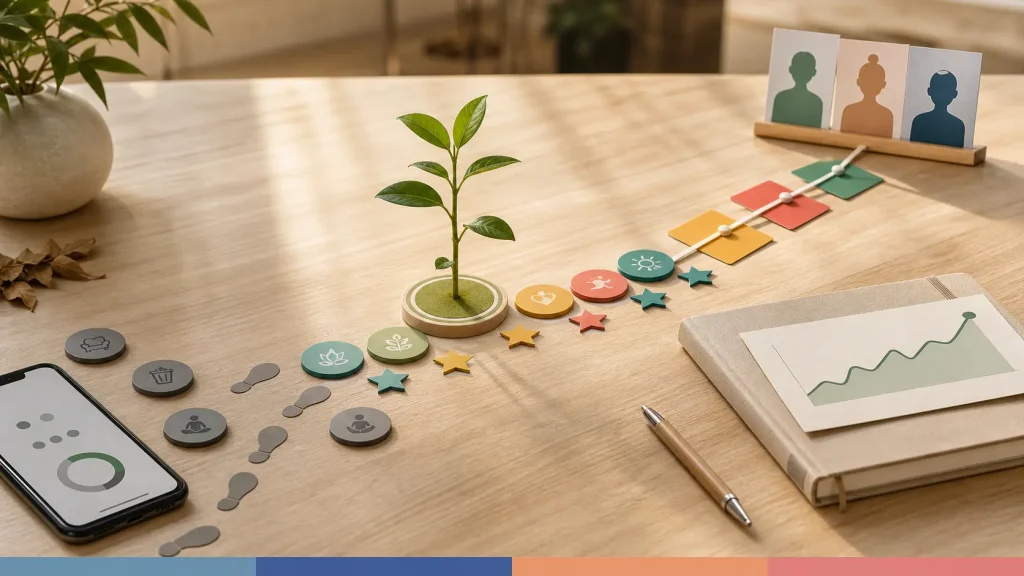
Home Services Our Works Gamification 101 Gamification Case Studies Turnkey Product Game Based Assessment Potentia Level Up RCD Contact English Bahasa Indonesia English Home Services Our Works Gamification 101 Gamification Case Studies Turnkey Product Game Based Assessment Potentia Level Up RCD Contact English Bahasa Indonesia English Home Services Our Works Gamification 101 Gamification Case Studies Turnkey Product Game Based Assessment Potentia Level Up RCD Contact English Bahasa Indonesia English Home Services Our Works Gamification 101 Gamification Case Studies Turnkey Product Game Based Assessment Potentia Level Up RCD Contact English Bahasa Indonesia English Home Services Our Works Gamification 101 Gamification Case Studies Turnkey Product Game Based Assessment Potentia Level Up RCD Contact English Bahasa Indonesia English Home Services Our Works Gamification 101 Gamification Case Studies Turnkey Product Game Based Assessment Potentia Level Up RCD Contact English Bahasa Indonesia English Edit Template Behavioral Wellness Gamification: HR Strategy for Building Employee Behavior Change Why is Behavioral Wellness Gamification Becoming a New Trend for HR? In the digital era, companies no longer focus solely on improving employee skills through training. A greater challenge is ensuring that behavior change actually occurs after the learning process is complete. This is why Behavioral Wellness Gamification is starting to become a strategy widely implemented by HR and Talent Acquisition teams. Many organizations have invested time and budget in training, workshops, and employee engagement programs. However, without a mechanism capable of consistently encouraging new habits, participants often return to old behavior patterns. Behavioral Wellness is an approach that focuses on forming positive habits, better decision-making, and work behaviors aligned with the company culture. The goal is not merely to increase knowledge but to create sustainable behavior change. Three employees interact using VR and digital devices in a Behavioral Wellness gamification program at the office This is where Behavioral Wellness Gamification provides a different approach. By utilizing behavioral psychology principles and gamification elements, companies can create a more interactive learning experience while simultaneously producing measurable behavior changes. From Employee Engagement Toward Behavioral Wellness Gamification For the past few years, gamification has been synonymous with leaderboards, badges, rewards, or point systems aimed at increasing participation. Now, this function is evolving into something much more strategic. Behavioral Wellness Gamification utilizes game mechanisms to help individuals build positive behavior through challenges, simulations, direct feedback, and progress systems that encourage consistency. The primary focus is not to make work feel like a game, but to create an experience that motivates someone to continue performing the expected behaviors. As an example, rather than just providing modules on company culture, organizations can present interactive simulations that invite participants to make decisions in various work situations. Every decision results in consequences, learning, and feedback that helps participants understand how company values are applied in daily work. Such an approach makes the learning process more contextual, personal, and much easier to remember compared to conventional methods. Why is Behavioral Wellness Gamification Effective for HR? Behavior change requires more than just knowledge. There are at least three main factors that determine its success. Motivation to start the change. Opportunity to practice new behaviors. Consistent reinforcement until it becomes a habit. Gamification is able to combine these three components into a single learning experience. When participants complete challenges, receive feedback in real-time, unlock new levels, or see their own development, the brain receives positive reinforcement that increases the likelihood of that behavior being repeated. In addition to increasing employee engagement, this approach also produces behavioral data that is much richer than just post-test scores. HR can understand how someone makes decisions, solves problems, and see behavioral patterns that emerge during the learning process. For companies, this data becomes a more accurate basis for formulating HR development strategies and recruitment processes. Case Study: Behavioral Wellness Gamification – Telkomsel Working Culture Assessment One of the best implementations of Behavioral Wellness Gamification in Indonesia is the collaboration between Level Up powered by Agate and Telkomsel through the Working Culture Assessment program. This program was designed to measure candidates’ suitability with Telkomsel’s working culture using a much more interactive approach compared to conventional assessments. Objective The main objective of this program is to measure the extent to which candidates have a fit with Telkomsel’s working culture. To achieve this, Telkomsel’s 12 Working Principles were integrated into a gamification-based assessment experience. Instead of just testing knowledge, this program evaluates how candidates make decisions based on company values. Thus, Telkomsel can ensure that the candidates who pass truly have a culture fit that matches the organization. Telkomsel’s 12 Working Principles are integrated into a gamification-based assessment experience. Solution To realize this goal, Level Up powered by Agate developed an assessment platform that presents 12 mini-games, each representing one Working Principle. Through various work situation simulations, candidates are asked to complete challenges that resemble real conditions in a professional environment. Each choice made provides a picture of the candidate’s way of thinking, decision-making patterns, and alignment with the company culture. This approach makes the assessment process feel more engaging while providing more comprehensive behavioral data for HR and Talent Acquisition teams. One of the mini-games that each represents one Working Principle Result The implementation of Behavioral Wellness Gamification resulted in a very positive impact. More than 30,000 candidates took the Working Culture Assessment. 95% of more than 3,000 participants gave a rating of 3 to 4 on a scale of 4, showing a very high level of satisfaction with the assessment experience. The program helped Telkomsel simplify the recruitment process while identifying candidates who were truly aligned with the company culture. This success shows that gamification not only improves the candidate experience but also provides more accurate behavioral insights than traditional assessment methods. By understanding how candidates think and make decisions, companies can make more objective and effective recruitment decisions. This case study proves that Behavioral Wellness Gamification can be a bridge between an engaging candidate experience and the organization’s need to build a strong work culture from the selection process. The Future of HR with
Gamifikasi AI: Mengubah Data Menjadi Wawasan Bisnis

Home Services Our Works Gamification 101 Gamification Case Studies Turnkey Product Game Based Assessment Potentia Level Up RCD Contact English Bahasa Indonesia English Home Services Our Works Gamification 101 Gamification Case Studies Turnkey Product Game Based Assessment Potentia Level Up RCD Contact English Bahasa Indonesia English Home Services Our Works Gamification 101 Gamification Case Studies Turnkey Product Game Based Assessment Potentia Level Up RCD Contact English Bahasa Indonesia English Home Services Our Works Gamification 101 Gamification Case Studies Turnkey Product Game Based Assessment Potentia Level Up RCD Contact English Bahasa Indonesia English Home Services Our Works Gamification 101 Gamification Case Studies Turnkey Product Game Based Assessment Potentia Level Up RCD Contact English Bahasa Indonesia English Home Services Our Works Gamification 101 Gamification Case Studies Turnkey Product Game Based Assessment Potentia Level Up RCD Contact English Bahasa Indonesia English Edit Template Gamifikasi AI: Mengubah Data Menjadi Wawasan Bisnis Kecerdasan Buatan (AI) telah menjadi salah satu pendorong terbesar transformasi digital. Organisasi menggunakan AI untuk mengotomatisasi proses, menganalisis informasi, dan mendukung pengambilan keputusan yang lebih baik. Namun, AI hanya sekuat data di baliknya. Banyak perusahaan sudah memiliki akses ke sejumlah besar informasi, tetapi sebagian besar data ini hanya menunjukkan hasil akhir. Data ini menjelaskan apa yang terjadi, tetapi bukan mengapa itu terjadi. Di sinilah gamifikasi AI menciptakan peluang baru. Dengan menggabungkan prinsip desain game dengan kecerdasan buatan, gamifikasi AI memungkinkan organisasi untuk menciptakan pengalaman interaktif sambil mengumpulkan data perilaku yang berharga. Data ini kemudian dapat dianalisis untuk menghasilkan wawasan yang lebih mendalam tentang motivasi pengguna, keterlibatan, dan pola pengambilan keputusan. Untuk bisnis yang ingin meningkatkan pembelajaran, pengalaman karyawan, dan kinerja, gamifikasi AI menyediakan cara yang lebih cerdas untuk memahami dan melibatkan orang. Mengapa Gamifikasi AI Membutuhkan Data Perilaku Data bisnis tradisional sering kali berfokus pada hasil yang terukur. Contohnya meliputi: Tingkat penyelesaian pelatihan. Skor penilaian. Survei kepuasan karyawan. Indikator kinerja. Catatan kehadiran. Meskipun metrik ini berguna, metrik tersebut tidak memberikan gambaran lengkap tentang perilaku pengguna. Misalnya, perusahaan mungkin tahu bahwa seorang karyawan menyelesaikan program pelatihan dengan skor tinggi. Namun, organisasi mungkin tidak tahu: Kegiatan mana yang membantu karyawan belajar lebih cepat. Kapan keterlibatan mulai menurun. Tantangan mana yang menciptakan motivasi. Jenis umpan balik apa yang meningkatkan kinerja. Gamifikasi AI memecahkan keterbatasan ini dengan menangkap data perilaku di seluruh pengalaman. Beberapa profesional menggunakan headset VR untuk mencoba simulasi pembelajaran gamifikasi berbasis AI di sebuah pameran. Bagaimana Gamifikasi AI Menangkap Perilaku Pengguna Sesungguhnya Gamifikasi menciptakan berbagai titik interaksi di mana organisasi dapat memahami bagaimana pengguna berperilaku. Melalui gamifikasi AI, perusahaan dapat menganalisis: Waktu yang dihabiskan untuk menyelesaikan tantangan. Pola pengambilan keputusan pengguna. Preferensi pembelajaran. Tingkat keterlibatan. Perilaku kemajuan. Pola kolaborasi. Respons terhadap hadiah dan umpan balik. Informasi ini memberikan pemahaman yang lebih lengkap tentang pengguna. Alih-alih hanya mengukur hasil akhir, organisasi dapat melihat perjalanan di balik hasil tersebut. Perbedaannya mirip dengan mengetahui skor akhir seseorang versus memahami bagaimana mereka mendekati setiap tantangan di sepanjang jalan. Bagaimana Gamifikasi AI Mengubah Data Menjadi Wawasan Mengumpulkan data hanyalah langkah pertama. Nilai sebenarnya datang ketika AI menganalisis data perilaku dan mengidentifikasi pola yang mungkin terlewatkan oleh manusia. Misalnya, gamifikasi AI dapat membantu organisasi menemukan: Metode pembelajaran mana yang menciptakan retensi yang lebih baik. Tantangan mana yang meningkatkan partisipasi. Karyawan mana yang membutuhkan dukungan tambahan. Sistem hadiah mana yang meningkatkan motivasi. Pengalaman mana yang menciptakan keterlibatan yang lebih tinggi. Wawasan ini memungkinkan perusahaan untuk terus meningkatkan program mereka berdasarkan perilaku pengguna sesungguhnya, alih-alih berdasarkan asumsi. Gamifikasi AI Menciptakan Pengalaman yang Dipersonalisasi Salah satu keuntungan terbesar gamifikasi AI adalah personalisasi. Setiap individu memiliki preferensi pembelajaran dan pemicu motivasi yang berbeda. Beberapa peserta termotivasi oleh kompetisi. Yang lain lebih memilih kolaborasi. Beberapa menikmati tantangan yang kompleks, sementara yang lain berkinerja lebih baik melalui tujuan yang lebih kecil dan dapat dicapai. Dengan menganalisis data perilaku, AI dapat membantu organisasi menciptakan pengalaman yang dipersonalisasi melalui: Jalur pembelajaran adaptif. Tantangan yang relevan. Umpan balik yang disesuaikan. Rekomendasi individual. Pelacakan kemajuan yang dipersonalisasi. Hal ini menciptakan pengalaman yang terasa lebih relevan bagi setiap peserta. Dampak Bisnis Gamifikasi AI Meskipun umumnya dikaitkan dengan pembelajaran dan pengembangan, gamifikasi AI dapat mendukung berbagai tujuan bisnis. Organisasi dapat menerapkannya untuk: Orientasi karyawan (employee onboarding). Pengembangan kepemimpinan. Penilaian rekrutmen. Pemberdayaan penjualan (sales enablement). Keterlibatan karyawan (employee engagement). Program inovasi. Inisiatif loyalitas pelanggan. Setiap interaksi menjadi sumber wawasan berharga yang membantu organisasi membuat keputusan yang lebih baik. Seseorang mencatat analisis data di sebelah laptop yang menampilkan diagram konsep gamifikasi. Masa Depan Pengalaman Cerdas Masa depan transformasi bisnis bukan hanya tentang mengumpulkan lebih banyak data. Ini tentang memahami orang dengan lebih baik. Gamifikasi AI menggabungkan pengalaman yang menarik dengan analisis cerdas, memungkinkan perusahaan untuk memahami perilaku pengguna, meningkatkan pengalaman, dan menciptakan dampak yang terukur. Organisasi yang berhasil menggabungkan data perilaku dengan kemampuan AI akan memiliki peluang yang lebih kuat untuk membangun pengalaman karyawan yang lebih baik dan mencapai hasil bisnis yang lebih baik. Anak-anak dan seorang pengajar berinteraksi secara kolaboratif menggunakan papan permainan gamifikasi digital di tablet. Frequently Asked Questions Apa itu gamifikasi AI? Gamifikasi AI menggabungkan kecerdasan buatan dengan prinsip desain game untuk menciptakan pengalaman yang menarik sambil mengumpulkan data perilaku yang dapat dianalisis untuk wawasan bisnis. Mengapa data perilaku penting untuk AI? Data perilaku memberikan konteks tentang bagaimana dan mengapa pengguna berinteraksi dengan suatu sistem, memungkinkan AI untuk menghasilkan wawasan dan rekomendasi yang lebih akurat. Dapatkah gamifikasi AI meningkatkan pembelajaran karyawan? Ya. Gamifikasi AI dapat mempersonalisasi pengalaman belajar, meningkatkan keterlibatan, dan membantu organisasi memahami perilaku belajar karyawan. Apakah gamifikasi AI hanya digunakan untuk pelatihan? Tidak. Gamifikasi AI dapat mendukung orientasi, rekrutmen, program keterlibatan, penjualan, inisiatif inovasi, dan pengalaman pelanggan. Siap Membuka Wawasan Bisnis yang Lebih Cerdas? Melalui Level Up powered by Agate, kami membantu perusahaan merancang solusi gamifikasi AI yang disesuaikan yang mengubah interaksi pengguna menjadi wawasan bisnis yang bermakna. Dari pembelajaran karyawan hingga program keterlibatan, tim kami membantu organisasi menciptakan pengalaman yang menarik, terukur, dan selaras dengan tujuan bisnis. Kunjungi halaman Hubungi Kami untuk mendiskusikan bagaimana gamifikasi AI dapat mendukung transformasi digital organisasi Anda. Author Related Article All Posts Service Highlight-EN News-EN Education-EN All-EN Pembelajaran Gamifikasi: Masa Depan Pelatihan
AI Gamification: Turning Data Into Business Insights
Home Services Our Works Gamification 101 Gamification Case Studies Turnkey Product Game Based Assessment Potentia Level Up RCD Contact English Bahasa Indonesia English Home Services Our Works Gamification 101 Gamification Case Studies Turnkey Product Game Based Assessment Potentia Level Up RCD Contact English Bahasa Indonesia English Home Services Our Works Gamification 101 Gamification Case Studies Turnkey Product Game Based Assessment Potentia Level Up RCD Contact English Bahasa Indonesia English Home Services Our Works Gamification 101 Gamification Case Studies Turnkey Product Game Based Assessment Potentia Level Up RCD Contact English Bahasa Indonesia English Home Services Our Works Gamification 101 Gamification Case Studies Turnkey Product Game Based Assessment Potentia Level Up RCD Contact English Bahasa Indonesia English Home Services Our Works Gamification 101 Gamification Case Studies Turnkey Product Game Based Assessment Potentia Level Up RCD Contact English Bahasa Indonesia English Edit Template AI Gamification: Turning Data Into Business Insights Artificial Intelligence (AI) has become one of the biggest drivers of digital transformation. Organizations are using AI to automate processes, analyze information, and support better decision making. However, AI is only as powerful as the data behind it. Many companies already have access to large amounts of information, but most of this data only shows final outcomes. It explains what happened, but not why it happened. This is where AI gamification creates a new opportunity. By combining game design principles with artificial intelligence, AI gamification allows organizations to create interactive experiences while collecting valuable behavioral data. This data can then be analyzed to generate deeper insights about user motivation, engagement, and decision-making patterns. For businesses looking to improve learning, employee experience, and performance, AI gamification provides a smarter way to understand and engage people. Why AI Gamification Needs Behavioral Data Traditional business data often focuses on measurable outcomes. Examples include: Training completion rates. Assessment scores. Employee satisfaction surveys. Performance indicators. Attendance records. While these metrics are useful, they do not provide a complete picture of user behavior. For example, a company may know that an employee completed a training program with a high score. However, the organization may not know: Which activities helped the employee learn faster. When engagement started to decrease. Which challenges created motivation. What type of feedback improved performance. AI gamification solves this limitation by capturing behavioral data throughout the entire experience. Professionals using VR headsets to experience AI-powered gamified learning simulations at an exhibition. How AI Gamification Captures Real User Behavior Gamification creates multiple interaction points where organizations can understand how users behave. Through AI gamification, companies can analyze: Time spent completing challenges. User decision patterns. Learning preferences. Engagement levels. Progress behavior. Collaboration patterns. Response to rewards and feedback. This information provides a more complete understanding of users. Instead of only measuring the final result, organizations can see the journey behind that result. The difference is similar to knowing someone’s final score versus understanding how they approached every challenge along the way. How AI Gamification Turns Data Into Insights Collecting data is only the first step. The true value comes when AI analyzes behavioral data and identifies patterns that humans may overlook. For example, AI gamification can help organizations discover: Which learning methods create better retention. Which challenges increase participation. Which employees need additional support. Which reward systems improve motivation. Which experiences create higher engagement. These insights allow companies to continuously improve their programs based on real user behavior instead of assumptions. AI Gamification Creates Personalized Experiences One of the biggest advantages of AI gamification is personalization. Every individual has different learning preferences and motivation triggers. Some participants are motivated by competition. Others prefer collaboration. Some enjoy complex challenges, while others perform better through smaller achievable goals. By analyzing behavioral data, AI can help organizations create personalized experiences through: Adaptive learning paths. Relevant challenges. Customized feedback. Individual recommendations. Personalized progress tracking. This creates an experience that feels more relevant for each participant. The Business Impact of AI Gamification Although commonly associated with learning and development, AI gamification can support various business objectives. Organizations can implement it for: Employee onboarding. Leadership development. Recruitment assessment. Sales enablement. Employee engagement. Innovation programs. Customer loyalty initiatives. Every interaction becomes a valuable source of insight that helps organizations make better decisions. A person taking notes next to a laptop displaying a mind map of gamification concepts. The Future of Intelligent Experiences The future of business transformation is not only about collecting more data. It is about understanding people better. AI gamification combines engaging experiences with intelligent analysis, allowing companies to understand user behavior, improve experiences, and create measurable impact. Organizations that successfully combine behavioral data with AI capabilities will have stronger opportunities to build better employee experiences and achieve better business outcomes. Children and a teacher collaboratively interacting with a digital gamified board game on a tablet. Frequently Asked Questions What is AI gamification? AI gamification combines artificial intelligence with game design principles to create engaging experiences while collecting behavioral data that can be analyzed for business insights. Why is behavioral data important for AI? Behavioral data provides context about how and why users interact with a system, allowing AI to generate more accurate insights and recommendations. Can AI gamification improve employee learning? Yes. AI gamification can personalize learning experiences, increase engagement, and help organizations understand employee learning behavior. Is AI gamification only used for training? No. AI gamification can support onboarding, recruitment, engagement programs, sales, innovation initiatives, and customer experiences. Ready to Unlock Smarter Business Insights? Through Level Up powered by Agate, we help companies design customized AI gamification solutions that transform user interactions into meaningful business insights. From employee learning to engagement programs, our team helps organizations create experiences that are engaging, measurable, and aligned with business goals. Visit our Contact Us page to discuss how AI gamification can support your organization’s digital transformation. Author Related Article All Posts Service Highlight-EN News-EN Education-EN All-EN AI Gamification: Turning Data Into Business Insights July 24, 2026/ Pembelajaran Gamifikasi: Masa Depan Pelatihan Perusahaan July 23, 2026/ Gamification Learning: The Future of Corporate Training July
Pembelajaran Gamifikasi: Masa Depan Pelatihan Perusahaan
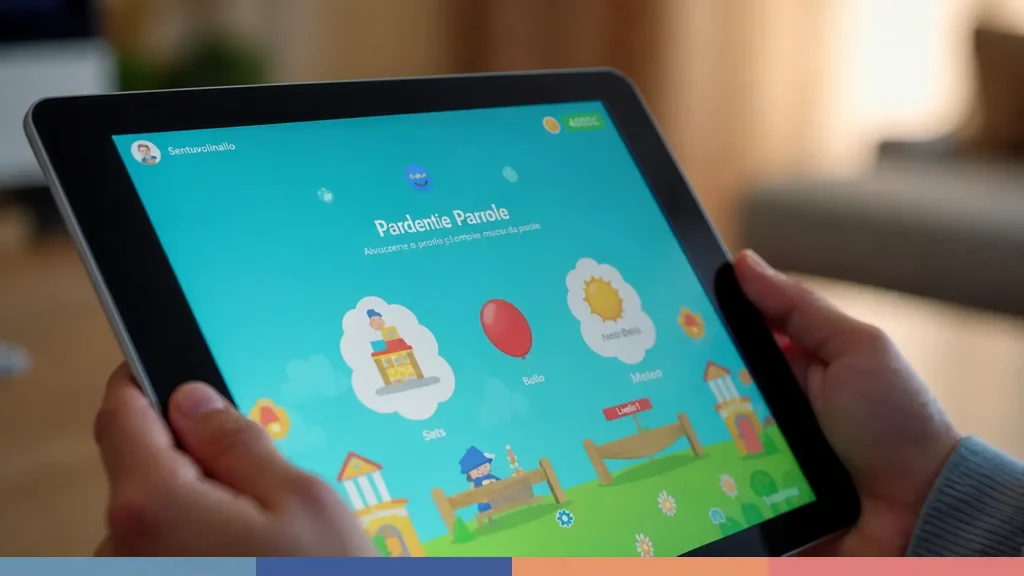
Home Services Our Works Gamification 101 Gamification Case Studies Turnkey Product Game Based Assessment Potentia Level Up RCD Contact English Bahasa Indonesia English Home Services Our Works Gamification 101 Gamification Case Studies Turnkey Product Game Based Assessment Potentia Level Up RCD Contact English Bahasa Indonesia English Home Services Our Works Gamification 101 Gamification Case Studies Turnkey Product Game Based Assessment Potentia Level Up RCD Contact English Bahasa Indonesia English Home Services Our Works Gamification 101 Gamification Case Studies Turnkey Product Game Based Assessment Potentia Level Up RCD Contact English Bahasa Indonesia English Home Services Our Works Gamification 101 Gamification Case Studies Turnkey Product Game Based Assessment Potentia Level Up RCD Contact English Bahasa Indonesia English Home Services Our Works Gamification 101 Gamification Case Studies Turnkey Product Game Based Assessment Potentia Level Up RCD Contact English Bahasa Indonesia English Edit Template Pembelajaran Gamifikasi: Masa Depan Pelatihan Perusahaan Selama beberapa dekade, pelatihan perusahaan mengikuti pendekatan yang familier. Karyawan menghadiri presentasi, menonton video pelatihan, membaca materi, dan menyelesaikan penilaian di akhir sesi. Meskipun metode ini dapat menyampaikan informasi, metode ini tidak selalu menciptakan keterlibatan, motivasi, atau perubahan perilaku jangka panjang. Masalahnya bukan karena orang tidak lagi ingin belajar. Masalahnya adalah pengalaman belajar belum berevolusi. Seseorang memegang tablet yang menampilkan antarmuka aplikasi pembelajaran gamifikasi yang interaktif. Tenaga kerja saat ini mengharapkan pengalaman belajar yang interaktif, dipersonalisasi, dan bermakna. Inilah mengapa pembelajaran gamifikasi menjadi pendekatan yang semakin penting bagi organisasi yang ingin meningkatkan pengembangan karyawan. Mengapa Pembelajaran Gamifikasi Mengubah Pembelajaran Modern Kesalahpahaman umum adalah bahwa karyawan yang lebih muda tidak tertarik untuk belajar. Pada kenyataannya, orang terus belajar setiap hari melalui platform digital, komunitas daring, tutorial, dan aplikasi interaktif. Perbedaannya adalah pengalamannya. Peserta didik modern lebih terlibat ketika pembelajaran memberikan: Tujuan yang jelas. Umpan balik segera. Kemajuan yang terlihat. Tantangan praktis. Peluang untuk menerapkan pengetahuan. Ilustrasi gamifikasi bergaya pixel art ala gim video retro Mengapa Pelatihan Tradisional Mulai Kehilangan Keterlibatan Banyak program pelatihan konvensional berfokus pada penyampaian informasi. Peserta mendengarkan. Mereka mencatat. Mereka menyelesaikan tes. Namun, informasi saja tidak menjamin pemahaman. Tanpa interaksi dan umpan balik, peserta dapat dengan cepat kehilangan motivasi. Pembelajaran gamifikasi memperkenalkan mekanisme yang mendorong partisipasi berkelanjutan, seperti tantangan, pelacakan kemajuan, pencapaian, dan skenario interaktif. Bagaimana Pembelajaran Gamifikasi Meningkatkan Keterlibatan Permainan efektif karena dirancang berdasarkan motivasi manusia. Permainan memberikan: Tujuan yang jelas. Tantangan bertahap. Umpan balik. Pencapaian. Visibilitas kemajuan. Prinsip-prinsip yang sama ini dapat meningkatkan pembelajaran di tempat kerja. Melalui pembelajaran gamifikasi, karyawan didorong untuk berpartisipasi secara aktif alih-alih hanya mengonsumsi informasi. Mereka memecahkan masalah, membuat keputusan, dan mengalami konsekuensi dari pilihan mereka. Pembelajaran Gamifikasi Mendukung Pengembangan yang Dipersonalisasi Setiap karyawan memiliki gaya dan motivasi belajar yang berbeda. Beberapa orang lebih suka kompetisi. Beberapa lebih suka kerja tim. Beberapa belajar lebih baik melalui praktik daripada teori. Pembelajaran gamifikasi modern memungkinkan organisasi untuk menciptakan pengalaman yang lebih fleksibel dengan menyesuaikan tantangan, umpan balik, dan jalur pembelajaran berdasarkan perilaku peserta. Hal ini menciptakan perjalanan pembelajaran yang lebih relevan bagi setiap karyawan. Bagaimana Pembelajaran Gamifikasi Mendukung Tujuan Bisnis Selain pelatihan karyawan, pembelajaran gamifikasi dapat mendukung berbagai kebutuhan organisasi, termasuk: Orientasi karyawan (Employee onboarding). Pengembangan kepemimpinan. Pelatihan kepatuhan (Compliance training). Edukasi produk. Pelatihan penjualan. Program komunikasi internal. Inisiatif manajemen perubahan. Dengan meningkatkan keterlibatan dan partisipasi, organisasi dapat menciptakan budaya belajar yang lebih kuat. Pengalaman Belajar sebagai Keunggulan Kompetitif Perusahaan saat ini bersaing tidak hanya untuk pelanggan tetapi juga untuk talenta. Karyawan mengharapkan organisasi memberikan peluang pengembangan yang sesuai dengan kualitas pengalaman digital yang mereka gunakan setiap hari. Organisasi yang berinvestasi dalam pembelajaran gamifikasi dapat menciptakan pengalaman pelatihan yang benar-benar ingin diselesaikan oleh karyawan. Masa depan pembelajaran bukan hanya tentang menyampaikan lebih banyak konten. Ini tentang menciptakan pengalaman yang lebih baik. Dua anak fokus menyelesaikan puzzle geometri interaktif yang mencerminkan prinsip pembelajaran berbasis permainan (game-based learning) Frequently Asked Questions Apa itu pembelajaran gamifikasi? Pembelajaran gamifikasi adalah pendekatan yang menerapkan elemen desain permainan seperti tantangan, pelacakan kemajuan, umpan balik, dan hadiah untuk meningkatkan pengalaman belajar. Apakah pembelajaran gamifikasi menggantikan pelatihan tradisional? Tidak. Pembelajaran gamifikasi meningkatkan metode pelatihan yang ada dengan membuat pembelajaran lebih interaktif, menarik, dan efektif. Apakah pembelajaran gamifikasi hanya cocok untuk Gen Z? Tidak. Pembelajaran gamifikasi didasarkan pada prinsip motivasi universal yang dapat bermanfaat bagi karyawan di berbagai generasi. Bagaimana perusahaan dapat mengukur keberhasilan pembelajaran gamifikasi? Organisasi dapat mengukur keberhasilan melalui tingkat keterlibatan, tingkat penyelesaian, retensi pengetahuan, perubahan perilaku, dan peningkatan kinerja bisnis. Siap Mengubah Pengalaman Belajar Anda? Melalui Level Up powered by Agate, kami membantu organisasi merancang solusi pembelajaran gamifikasi disesuaikan untuk meningkatkan keterlibatan karyawan dan menciptakan pengalaman belajar yang lebih efektif. Baik untuk orientasi, pelatihan, atau program pengembangan internal, tim kami membantu bisnis membangun pengalaman interaktif yang memberikan hasil yang terukur. Kunjungi halaman Hubungi Kami kami untuk mengetahui bagaimana pembelajaran gamifikasi dapat mendukung pertumbuhan organisasi Anda. Author Related Article All Posts Service Highlight-EN News-EN Education-EN All-EN Pembelajaran Gamifikasi: Masa Depan Pelatihan Perusahaan July 23, 2026/ Gamification Learning: The Future of Corporate Training July 23, 2026/ Semua Lagi Pakai Gamifikasi. Tapi, Apa Perusahaanmu Perlu yang Sama? July 22, 2026/ Everyone Is Using Gamification. But, Does Your Company Need the Same? July 22, 2026/ Why Are More Companies Switching to Game-Based Assessment? July 17, 2026/ Gamification is More Than Just Points and Badges July 16, 2026/ Level Up powered by Agate Presents Interactive Booths at Minutes Meetup Bandung #7 July 15, 2026/ Game-Based Assessment vs Traditional Psychometric Tests July 10, 2026/ Gamification Trends in Movies Promotion July 10, 2026/ Load More End of Content. All company names, brand names, trademarks, logos, illustrations, videos and any other intellectual property (Intellectual Property) published on this website are the property of their respective owners. Any non-authorized usage of Intellectual Property is strictly prohibited and any violation will be prosecuted under the law. © 2023 Agate. All rights reserved. Home Services Our Works Contact Gamification 101 Case Studies Instagram Linkedin Youtube Edit Template
Gamification Learning: The Future of Corporate Training
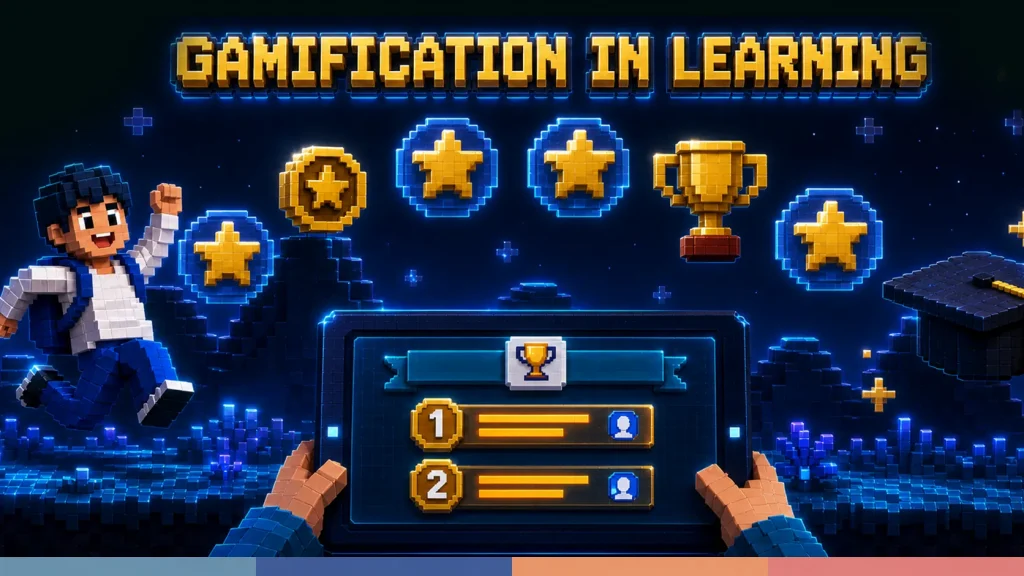
Home Services Our Works Gamification 101 Gamification Case Studies Turnkey Product Game Based Assessment Potentia Level Up RCD Contact English Bahasa Indonesia English Home Services Our Works Gamification 101 Gamification Case Studies Turnkey Product Game Based Assessment Potentia Level Up RCD Contact English Bahasa Indonesia English Home Services Our Works Gamification 101 Gamification Case Studies Turnkey Product Game Based Assessment Potentia Level Up RCD Contact English Bahasa Indonesia English Home Services Our Works Gamification 101 Gamification Case Studies Turnkey Product Game Based Assessment Potentia Level Up RCD Contact English Bahasa Indonesia English Home Services Our Works Gamification 101 Gamification Case Studies Turnkey Product Game Based Assessment Potentia Level Up RCD Contact English Bahasa Indonesia English Home Services Our Works Gamification 101 Gamification Case Studies Turnkey Product Game Based Assessment Potentia Level Up RCD Contact English Bahasa Indonesia English Edit Template Gamification Learning: The Future of Corporate Training For decades, corporate training followed a familiar approach. Employees attended presentations, watched training videos, read materials, and completed assessments at the end of the session. While this method can deliver information, it does not always create engagement, motivation, or long-term behavioral change. The problem is not that people no longer want to learn. The problem is that the learning experience has not evolved. A person holding a tablet displaying an interactive gamified learning application interface. Today’s workforce expects learning experiences that are interactive, personalized, and meaningful. This is why gamification learning is becoming an increasingly important approach for organizations that want to improve employee development. Why Gamification Learning Changes Modern Learning A common misconception is that younger employees are not interested in learning. In reality, people continue learning every day through digital platforms, online communities, tutorials, and interactive applications. The difference is the experience. Modern learners are more engaged when learning provides: Clear goals. Immediate feedback. Visible progress. Practical challenges. Opportunities to apply knowledge. Gamification learning applies these principles to workplace development by transforming passive learning into an active experience. Why Traditional Training Starts Losing Engagement Many conventional training programs focus on information delivery. Participants listen. They take notes. They complete a test. However, information alone does not guarantee understanding. Without interaction and feedback, participants may quickly lose motivation. Retro video game pixel art illustration with the text “Gamification in Education” and interactive buttons for Learn, Engage, and Achieve. Gamification learning introduces mechanics that encourage continuous participation, such as challenges, progress tracking, achievements, and interactive scenarios. How Gamification Learning Improves Engagement Games are effective because they are designed around human motivation. They provide: Clear objectives. Gradual challenges. Feedback. Achievement. Progress visibility. These same principles can improve workplace learning. Through gamification learning, employees are encouraged to actively participate instead of simply consuming information. They solve problems, make decisions, and experience the consequences of their choices. Gamification Learning Supports Personalized Development Every employee has different learning styles and motivations. Some people prefer competition. Some prefer teamwork. Some learn better through practice rather than theory. Modern gamification learning enables organizations to create more flexible experiences by adapting challenges, feedback, and learning paths based on participant behavior. This creates a more relevant learning journey for every employee. How Gamification Learning Supports Business Goals Beyond employee training, gamification learning can support multiple organizational needs, including: Employee onboarding. Leadership development. Compliance training. Product education. Sales training. Internal communication programs. Change management initiatives. By increasing engagement and participation, organizations can create stronger learning cultures. Learning Experience as a Competitive Advantage Companies today compete not only for customers but also for talent. Employees expect organizations to provide development opportunities that match the quality of digital experiences they use every day. Organizations that invest in gamification learning can create training experiences that employees genuinely want to complete. The future of learning is not only about delivering more content. It is about creating better experiences. Two young children happily focused on playing with colorful shape puzzles at a table. Frequently Asked Questions What is gamification learning? Gamification learning is an approach that applies game design elements such as challenges, progress tracking, feedback, and rewards to improve learning experiences. Does gamification learning replace traditional training? No. It enhances existing training methods by making learning more interactive, engaging, and effective. Is gamification learning only suitable for Gen Z? No. Gamification learning is based on universal motivation principles that can benefit employees across different generations. How can companies measure gamification learning success? Organizations can measure success through engagement rates, completion rates, knowledge retention, behavioral changes, and business performance improvements. Ready to Transform Your Learning Experience? Through Level Up powered by Agate, we help organizations design customized gamification learning solutions that improve employee engagement and create more effective learning experiences. Whether for onboarding, training, or internal development programs, our team helps businesses build interactive experiences that deliver measurable results. Visit our Contact Us page to explore how gamification learning can support your organization’s growth. Author Related Article All Posts Service Highlight-EN News-EN Education-EN All-EN Gamification Learning: The Future of Corporate Training July 23, 2026/ Everyone Is Using Gamification. But, Does Your Company Need the Same? July 23, 2026/ Why Are More Companies Switching to Game-Based Assessment? July 23, 2026/ Gamification is More Than Just Points and Badges July 16, 2026/ Level Up powered by Agate Presents Interactive Booths at Minutes Meetup Bandung #7 July 15, 2026/ Game-Based Assessment vs Traditional Psychometric Tests July 10, 2026/ Gamification Trends in Movies Promotion July 10, 2026/ The World Cup and Gamification: Why Do Billions of People Always Come Back to Watch July 10, 2026/ Progress Bar, Leaderboard, Badge, and Quest in Gamification: Which One Is Most Effective? July 9, 2026/ Load More End of Content. All company names, brand names, trademarks, logos, illustrations, videos and any other intellectual property (Intellectual Property) published on this website are the property of their respective owners. Any non-authorized usage of Intellectual Property is strictly prohibited and any violation will be prosecuted under the law. © 2023 Agate. All rights reserved. Home Services Our Works Contact Gamification 101 Case Studies Instagram Linkedin Youtube Edit
Semua Lagi Pakai Gamifikasi. Tapi, Apa Perusahaanmu Perlu yang Sama?
Home Services Our Works Gamification 101 Gamification Case Studies Turnkey Product Game Based Assessment Potentia Level Up RCD Contact English Bahasa Indonesia English Home Services Our Works Gamification 101 Gamification Case Studies Turnkey Product Game Based Assessment Potentia Level Up RCD Contact English Bahasa Indonesia English Home Services Our Works Gamification 101 Gamification Case Studies Turnkey Product Game Based Assessment Potentia Level Up RCD Contact English Bahasa Indonesia English Home Services Our Works Gamification 101 Gamification Case Studies Turnkey Product Game Based Assessment Potentia Level Up RCD Contact English Bahasa Indonesia English Home Services Our Works Gamification 101 Gamification Case Studies Turnkey Product Game Based Assessment Potentia Level Up RCD Contact English Bahasa Indonesia English Home Services Our Works Gamification 101 Gamification Case Studies Turnkey Product Game Based Assessment Potentia Level Up RCD Contact English Bahasa Indonesia English Edit Template Semua Lagi Pakai Gamifikasi. Tapi, Apa Perusahaanmu Perlu yang Sama? Gamifikasi semakin populer sebagai strategi untuk meningkatkan employee engagement, efektivitas pelatihan, hingga produktivitas kerja. Berbagai perusahaan mulai menerapkan sistem poin, badge, leaderboard, hingga misi interaktif karena terbukti mampu membuat pengalaman belajar dan bekerja terasa lebih menarik. Namun, ada satu kesalahan yang masih sering terjadi. Banyak perusahaan menerapkan gamifikasi hanya karena sedang menjadi tren. Mereka melihat kompetitor menggunakan leaderboard, lalu ikut menerapkannya. Mereka menambahkan badge ke platform learning karena dianggap menarik, tanpa benar-benar memahami apakah elemen tersebut sesuai dengan kebutuhan organisasi. Padahal, gamifikasi bukan tentang menambahkan fitur permainan, melainkan tentang merancang pengalaman yang mampu mendorong perilaku sesuai tujuan bisnis. Mengapa Mengikuti Tren Gamifikasi Saja Tidak Cukup? Setiap organisasi memiliki tujuan bisnis, budaya kerja, serta karakter karyawan yang berbeda. Oleh karena itu, pendekatan gamifikasi yang berhasil di satu perusahaan belum tentu memberikan hasil yang sama di perusahaan lain. Sebagai contoh, tim sales mungkin lebih termotivasi oleh sistem kompetisi melalui leaderboard karena target mereka bersifat individual. Sebaliknya, tim customer service atau divisi operasional mungkin lebih membutuhkan pendekatan yang mendorong kolaborasi dibanding persaingan. Begitu pula dalam proses onboarding. Karyawan baru umumnya membutuhkan pengalaman belajar yang bertahap melalui progress bar atau quest, bukan langsung dibandingkan dengan rekan kerja lainnya. Hal terpenting yang perlu dipahami adalah bahwa gamifikasi seharusnya dirancang berdasarkan perilaku yang ingin dibentuk. Jika tujuan utamanya meningkatkan penyelesaian pelatihan, maka progress tracking akan lebih efektif dibanding leaderboard. Jika targetnya meningkatkan performa penjualan, kompetisi sehat bisa menjadi pilihan yang lebih tepat. Cara Memilih Gamifikasi yang Sesuai dengan Perusahaan Sebelum menentukan elemen gamifikasi yang akan digunakan, perusahaan sebaiknya menjawab beberapa pertanyaan berikut. Tentukan tujuan bisnis terlebih dahulu Gamifikasi harus mendukung objective perusahaan, bukan menjadi sekadar fitur tambahan. Beberapa tujuan yang umum antara lain: meningkatkan employee engagement; mempercepat proses onboarding; meningkatkan penyelesaian pelatihan; mendorong performa penjualan; atau membentuk kebiasaan kerja tertentu. Dengan memahami tujuan tersebut, perusahaan dapat memilih pendekatan gamifikasi yang benar-benar relevan. Identifikasi perilaku yang ingin dibangun Gamifikasi yang baik berfokus pada perubahan perilaku. Misalnya, perusahaan ingin mendorong karyawan agar lebih aktif menyelesaikan modul pembelajaran, berkolaborasi lintas divisi, memberikan ide inovasi, atau lebih disiplin mengikuti prosedur kerja. Perilaku inilah yang menjadi dasar dalam menentukan desain gamifikasi. Sesuaikan dengan budaya perusahaan Budaya organisasi juga memiliki pengaruh besar terhadap keberhasilan implementasi gamifikasi. Perusahaan dengan budaya yang kompetitif biasanya cocok menggunakan sistem ranking atau leaderboard. Sebaliknya, organisasi yang lebih mengutamakan kerja sama akan memperoleh hasil yang lebih baik melalui tantangan kelompok atau misi kolaboratif. Jenis-Jenis Gamifikasi yang Umum Digunakan Tidak semua gamifikasi memiliki fungsi yang sama. Berikut beberapa jenis gamifikasi yang paling sering diterapkan di lingkungan kerja. Achievement-Based Gamification Achievement-Based Gamification berfokus pada pencapaian individu melalui pemberian penghargaan. Elemen yang umum digunakan meliputi badge, poin, level, achievement, maupun sertifikat. Pendekatan ini cocok diterapkan pada program onboarding, Learning & Development, sertifikasi internal, maupun pengembangan kompetensi karena memberikan rasa pencapaian setiap kali peserta berhasil menyelesaikan target tertentu. Competition-Based Gamification Jenis gamifikasi ini memanfaatkan kompetisi sebagai sumber motivasi. Elemen yang sering digunakan antara lain leaderboard, ranking, kompetisi individu, maupun kompetisi antartim. Competition-Based Gamification banyak diterapkan pada program sales incentive, campaign internal, atau tantangan peningkatan produktivitas. Meski efektif, kompetisi tetap perlu dirancang secara sehat agar tidak mengurangi semangat kolaborasi di dalam organisasi. Collaboration-Based Gamification Berbeda dengan pendekatan kompetitif, Collaboration-Based Gamification mendorong peserta untuk bekerja sama mencapai tujuan bersama. Contohnya adalah team quest, misi kelompok, collaborative challenge, maupun shared progress. Jenis ini cocok diterapkan pada program team building, employee engagement, hingga proyek lintas divisi yang membutuhkan kerja sama antarkaryawan. Narrative-Based Gamification Narrative-Based Gamification memanfaatkan storytelling sebagai bagian dari pengalaman belajar. Peserta tidak hanya menyelesaikan modul pembelajaran, tetapi juga mengikuti alur cerita dengan berbagai tantangan yang saling berkaitan. Pendekatan ini sering digunakan dalam leadership training, customer service training, compliance training, maupun pengembangan soft skill karena mampu membuat materi terasa lebih kontekstual dan mudah diingat. Progress-Based Gamification Progress-Based Gamification membantu peserta melihat perkembangan mereka secara visual. Elemen yang umum digunakan meliputi progress bar, checklist, milestone, level progression, dan quest. Pendekatan ini sangat efektif untuk aktivitas jangka panjang karena peserta dapat mengetahui sejauh mana progres yang telah dicapai sekaligus memahami langkah berikutnya yang perlu diselesaikan. Gamifikasi yang Efektif Biasanya Menggabungkan Beberapa Pendekatan Dalam praktiknya, perusahaan jarang menggunakan hanya satu jenis gamifikasi. Sebuah program onboarding dapat menggabungkan progress bar untuk menunjukkan perkembangan, badge sebagai bentuk apresiasi, storytelling agar pengalaman belajar lebih menarik, serta team challenge untuk membangun kolaborasi antarpegawai. Pendekatan yang tepat bukanlah memilih satu elemen yang paling populer, melainkan mengombinasikan berbagai mekanisme sesuai kebutuhan organisasi. Fokus pada Tujuan, Bukan Sekadar Mengikuti Tren Gamifikasi bukan tentang membuat aktivitas terasa seperti bermain game. Nilai utamanya terletak pada kemampuan untuk menciptakan pengalaman yang mendorong perubahan perilaku sesuai tujuan organisasi. Ketika dirancang berdasarkan kebutuhan perusahaan, gamifikasi mampu meningkatkan motivasi, engagement, efektivitas pembelajaran, hingga produktivitas secara berkelanjutan. Sebaliknya, jika diterapkan hanya karena mengikuti tren, gamifikasi berisiko menjadi sekadar fitur menarik yang kehilangan dampaknya setelah rasa penasaran awal peserta menghilang. Karena itu, langkah pertama bukanlah memilih leaderboard, badge, atau sistem poin. Langkah pertama adalah memahami apa yang benar-benar ingin dicapai oleh perusahaan. Frequently Asked Questions Apa itu gamifikasi dalam perusahaan? Gamifikasi adalah penerapan elemen permainan ke dalam aktivitas non-game untuk meningkatkan motivasi, engagement, pembelajaran, maupun perubahan perilaku karyawan. Apakah semua perusahaan perlu
Everyone Is Using Gamification. But, Does Your Company Need the Same?
Home Services Our Works Gamification 101 Gamification Case Studies Turnkey Product Game Based Assessment Potentia Level Up RCD Contact English Bahasa Indonesia English Home Services Our Works Gamification 101 Gamification Case Studies Turnkey Product Game Based Assessment Potentia Level Up RCD Contact English Bahasa Indonesia English Home Services Our Works Gamification 101 Gamification Case Studies Turnkey Product Game Based Assessment Potentia Level Up RCD Contact English Bahasa Indonesia English Home Services Our Works Gamification 101 Gamification Case Studies Turnkey Product Game Based Assessment Potentia Level Up RCD Contact English Bahasa Indonesia English Home Services Our Works Gamification 101 Gamification Case Studies Turnkey Product Game Based Assessment Potentia Level Up RCD Contact English Bahasa Indonesia English Home Services Our Works Gamification 101 Gamification Case Studies Turnkey Product Game Based Assessment Potentia Level Up RCD Contact English Bahasa Indonesia English Edit Template Everyone Is Using Gamification. But, Does Your Company Need the Same? Gamification is increasingly popular as a strategy to boost employee engagement, training effectiveness, and work productivity. Various companies are starting to implement point systems, badges, leaderboards, and interactive missions because they are proven to make the learning and working experience more engaging. However, one mistake still often occurs. Many companies implement gamification simply because it is trending. They see competitors using leaderboards, and then they follow suit. They add badges to their learning platforms because they are considered attractive, without truly understanding whether these elements align with the organization’s needs. In reality, gamification is not about adding game features, but about designing experiences that can encourage behavior aligned with business goals. Why Is Following the Gamification Trend Alone Not Enough? Every organization has different business objectives, work culture, and employee characteristics. Therefore, a gamification approach that succeeds in one company may not yield the same results in another. For example, a sales team might be more motivated by a competition system through a leaderboard because their targets are individual. Conversely, a customer service team or operational division might need an approach that encourages collaboration more than competition. The same applies to the onboarding process. New employees generally need a gradual learning experience through progress bars or quests, rather than being immediately compared to their colleagues. The most important thing to understand is that gamification should be designed based on the behavior you want to instill. If the main goal is to increase training completion, then progress tracking will be more effective than a leaderboard. If the target is to boost sales performance, healthy competition might be a better choice. How to Choose Gamification That Suits Your Company Before deciding on the gamification elements to use, companies should answer the following questions. Determine business objectives first Gamification must support company objectives, not be merely an added feature. Some common objectives include: increasing employee engagement; accelerating the onboarding process; increasing training completion; boosting sales performance; or forming specific work habits. By understanding these objectives, companies can choose a truly relevant gamification approach. By understanding these objectives, companies can choose a truly relevant gamification approach. Identify the desired behavior to be built Good gamification focuses on behavior change. For example, a company wants to encourage employees to be more active in completing learning modules, collaborating across divisions, providing innovative ideas, or being more disciplined in following work procedures. This behavior is the basis for determining the gamification design. Adjust to company culture Organizational culture also has a major influence on the success of gamification implementation. Companies with a competitive culture are usually suitable for using a ranking system or leaderboard. Conversely, organizations that prioritize cooperation will achieve better results through group challenges or collaborative missions. Common Types of Gamification Used Not all gamification serves the same function. Here are some types of gamification most frequently implemented in the workplace. Achievement-Based Gamification Achievement-Based Gamification focuses on individual accomplishments through the granting of rewards. Common elements used include badges, points, levels, achievements, and certificates. This approach is suitable for onboarding programs, Learning & Development, internal certifications, and competency development because it provides a sense of accomplishment every time participants successfully complete a certain target. Competition-Based Gamification This type of gamification utilizes competition as a source of motivation. Elements frequently used include leaderboards, rankings, individual competitions, and inter-team competitions. Competition-Based Gamification is widely applied in sales incentive programs, internal campaigns, or productivity improvement challenges. Although effective, competition still needs to be designed in a healthy way so as not to reduce the spirit of collaboration within the organization. Collaboration-Based Gamification In contrast to the competitive approach, Collaboration-Based Gamification encourages participants to work together to achieve a shared goal. Examples include team quests, group missions, collaborative challenges, and shared progress. This type is suitable for team building programs, employee engagement, and cross-divisional projects that require cooperation among employees. Narrative-Based Gamification Narrative-Based Gamification utilizes storytelling as part of the learning experience. Participants not only complete learning modules but also follow a storyline with various interconnected challenges. This approach is often used in leadership training, customer service training, compliance training, and soft skill development because it can make the material feel more contextual and easy to remember. Progress-Based Gamification Progress-Based Gamification helps participants visualize their development. Common elements used include progress bars, checklists, milestones, level progression, and quests. This approach is highly effective for long-term activities because participants can know how far the progress they have achieved is, while also understanding the next steps that need to be completed. Effective Gamification Usually Combines Several Approaches In practice, companies rarely use only one type of gamification. An onboarding program can combine a progress bar to show development, badges as a form of appreciation, storytelling to make the learning experience more engaging, and team challenges to build collaboration among employees. The right approach is not choosing the most popular element, but combining various mechanisms according to the organization’s needs. Focus on the Goal, Not Just Following the Trend Gamification is not about making activities feel like playing a game. Its core value lies in the ability to create an
Mengapa Semakin Banyak Perusahaan Beralih ke Game-Based Assessment?
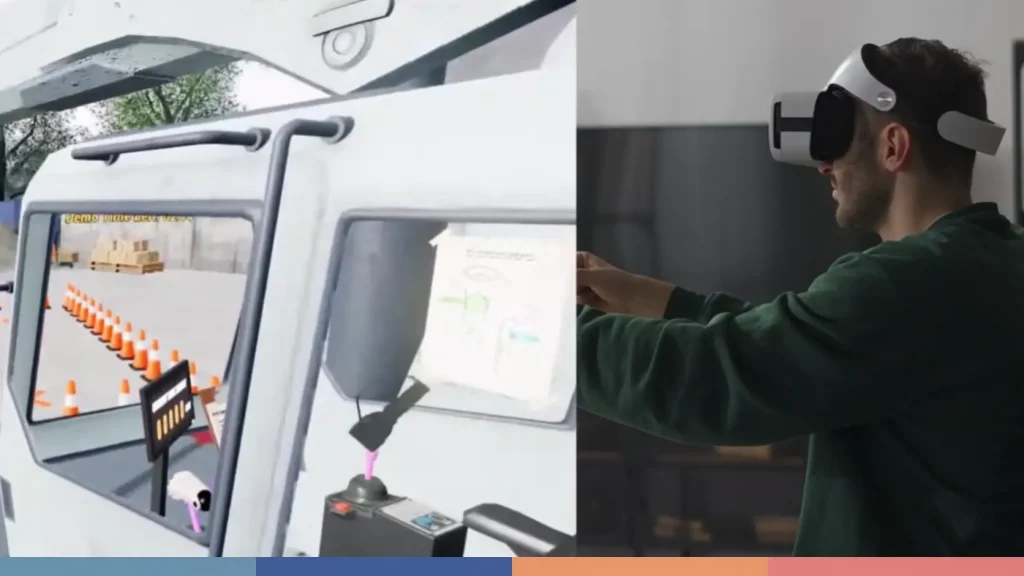
Home Services Our Works Gamification 101 Gamification Case Studies Turnkey Product Game Based Assessment Potentia Level Up RCD Contact English Bahasa Indonesia English Home Services Our Works Gamification 101 Gamification Case Studies Turnkey Product Game Based Assessment Potentia Level Up RCD Contact English Bahasa Indonesia English Home Services Our Works Gamification 101 Gamification Case Studies Turnkey Product Game Based Assessment Potentia Level Up RCD Contact English Bahasa Indonesia English Home Services Our Works Gamification 101 Gamification Case Studies Turnkey Product Game Based Assessment Potentia Level Up RCD Contact English Bahasa Indonesia English Home Services Our Works Gamification 101 Gamification Case Studies Turnkey Product Game Based Assessment Potentia Level Up RCD Contact English Bahasa Indonesia English Home Services Our Works Gamification 101 Gamification Case Studies Turnkey Product Game Based Assessment Potentia Level Up RCD Contact English Bahasa Indonesia English Edit Template Mengapa Semakin Banyak Perusahaan Beralih ke Game-Based Assessment? Dalam beberapa tahun terakhir, proses rekrutmen dan pengembangan talenta mengalami perubahan yang signifikan. Perusahaan tidak lagi hanya mencari kandidat dengan pengalaman terbaik di atas kertas, tetapi juga ingin memahami bagaimana seseorang berpikir, mengambil keputusan, hingga beradaptasi dalam situasi tertentu. Di tengah perubahan tersebut, Game-Based Assessment (GBA) mulai menjadi salah satu pendekatan yang banyak dilirik. Bukan karena prosesnya terasa lebih menyenangkan, tetapi karena metode ini mampu menghadirkan pengalaman assessment yang lebih interaktif sekaligus memberikan insight tambahan mengenai perilaku peserta. Lalu, apa yang membuat Game-Based Assessment semakin relevan bagi organisasi modern? Assessment Tidak Lagi Hanya Tentang Jawaban Benar atau Salah Tes konvensional umumnya berfokus pada hasil akhir, seperti jumlah jawaban benar atau skor tertentu. Meskipun masih relevan untuk mengukur aspek tertentu, pendekatan ini sering kali belum memberikan gambaran yang utuh mengenai bagaimana seseorang menghadapi tantangan. Game-Based Assessment menawarkan perspektif yang berbeda. Peserta dihadapkan pada berbagai skenario atau tantangan yang dirancang untuk melihat proses pengambilan keputusan, kemampuan memecahkan masalah, hingga cara mereka merespons perubahan situasi. Dengan demikian, perusahaan tidak hanya memperoleh hasil akhir, tetapi juga memahami proses yang dilalui peserta. Pengalaman Assessment yang Lebih Menarik Mengikuti proses seleksi sering kali menjadi pengalaman yang menegangkan bagi kandidat. Ketika assessment dirancang dalam bentuk permainan yang tetap memiliki tujuan evaluasi, proses tersebut dapat terasa lebih interaktif tanpa mengurangi kualitas pengukuran. Bagi organisasi, pengalaman kandidat yang positif juga menjadi nilai tambah. Candidate experience yang baik dapat membantu memperkuat employer branding sekaligus menciptakan kesan profesional selama proses rekrutmen. https://www.youtube.com/watch?v=-DAbknTMd7M%20Ilustrasi proses Game-Based Assessment yang menghadirkan pengalaman seleksi kerja lebih interaktif dan menarik. Data yang Lebih Kaya untuk Mendukung Pengambilan Keputusan Salah satu keunggulan Game-Based Assessment adalah kemampuannya mengumpulkan berbagai jenis data selama peserta berinteraksi dengan permainan. Misalnya, perusahaan dapat memperoleh informasi mengenai: Cara peserta menyusun strategi. Kecepatan mengambil keputusan. Kemampuan beradaptasi ketika kondisi berubah. Konsistensi dalam menyelesaikan tantangan. Pola penyelesaian masalah. Insight tersebut dapat menjadi pelengkap bagi metode assessment lain, seperti wawancara, studi kasus, maupun psikotes. Dashboard hasil Game-Based Assessment yang menampilkan visualisasi performa peserta, analisis kompetensi, dan laporan individual. Tidak Hanya untuk Rekrutmen Meskipun sering dikaitkan dengan proses seleksi kandidat, Game-Based Assessment juga dapat dimanfaatkan dalam berbagai kebutuhan organisasi. Beberapa contoh implementasinya meliputi: Identifikasi potensi karyawan. Talent mapping. Leadership assessment. Program pengembangan kompetensi. Assessment center berbasis digital. Dengan desain yang tepat, organisasi dapat menyesuaikan assessment sesuai tujuan evaluasi yang ingin dicapai. Simulasi Game-Based Assessment menggunakan teknologi virtual reality (VR) untuk mengevaluasi kompetensi peserta dalam lingkungan yang realistis dan interaktif. Teknologi Mendukung, Manusia Tetap Menentukan Perlu dipahami bahwa Game-Based Assessment bukan bertujuan menggantikan peran HR atau assessor. Sebaliknya, metode ini hadir sebagai alat pendukung untuk memberikan data tambahan yang dapat membantu proses pengambilan keputusan. Keputusan akhir tetap berada di tangan organisasi dengan mempertimbangkan berbagai aspek lainnya. Frequently Asked Questions Apakah Game-Based Assessment sama dengan psikotes? Tidak. Game-Based Assessment menggunakan mekanisme permainan sebagai media untuk mengevaluasi kompetensi atau perilaku tertentu. Dalam praktiknya, metode ini dapat digunakan sebagai pelengkap psikotes atau metode assessment lainnya, tergantung pada kebutuhan organisasi. Apakah Game-Based Assessment hanya cocok untuk proses rekrutmen? Tidak. Selain rekrutmen, Game-Based Assessment juga dapat diterapkan untuk talent mapping, leadership assessment, pengembangan kompetensi, hingga program talent development. Apakah semua posisi pekerjaan bisa menggunakan Game-Based Assessment? Bisa, selama desain assessment disesuaikan dengan kompetensi yang ingin diukur. Setiap organisasi memiliki kebutuhan yang berbeda, sehingga skenario dan mekanisme permainan perlu dirancang secara spesifik. Apakah Game-Based Assessment menggantikan wawancara? Tidak. Game-Based Assessment berfungsi sebagai pelengkap yang memberikan insight tambahan mengenai perilaku dan cara berpikir peserta. Keputusan akhir tetap mempertimbangkan metode assessment lain, seperti wawancara dan studi kasus. Tertarik mengeksplorasi Game-Based Assessment untuk organisasi Anda? Level Up powered by Agate siap membantu Anda merancang solusi Game-Based Assessment yang interaktif, relevan, dan disesuaikan dengan kebutuhan organisasi. Hubungi tim kami melalui halaman Contact Us untuk mendiskusikan bagaimana pendekatan berbasis game dapat mendukung proses assessment di perusahaan Anda. Author Artikel Terkait All Posts Service Highlight News Education All Mengapa Semakin Banyak Perusahaan Beralih ke Game-Based Assessment? July 17, 2026/ Gamifikasi Bukan Sekadar Poin dan Badge July 16, 2026/ Tren Gamification dalam Promosi Dunia Perfilman July 15, 2026/ Piala Dunia dan Gamification: Kenapa Miliaran Orang Selalu Kembali Menonton? July 15, 2026/ HYROX dan Gamification: Ketika Kompetisi Fitness Dibangun Seperti Video Game July 15, 2026/ Level Up powered by Agate Hadirkan Booth Interaktif di Minutes Meetup Bandung #7 July 15, 2026/ Game-Based Assessment vs Psikotes Tradisional July 10, 2026/ Progress Bar, Leaderboard, Badge, dan Quest dalam Gamifikasi: Mana yang Paling Efektif? July 9, 2026/ Level Up powered by Agate Tunjukkan Potensi Game untuk Dunia Bisnis di Clogs, Tulips and Video Games Erasmus Huis July 8, 2026/ Load More End of Content. All company names, brand names, trademarks, logos, illustrations, videos and any other intellectual property (Intellectual Property) published on this website are the property of their respective owners. Any non-authorized usage of Intellectual Property is strictly prohibited and any violation will be prosecuted under the law. © 2023 Agate. All rights reserved. Home Services Our Works Contact Gamification 101 Case Studies Instagram Linkedin Youtube Edit Template
Why Are More Companies Switching to Game-Based Assessment?
Home Services Our Works Gamification 101 Gamification Case Studies Turnkey Product Game Based Assessment Potentia Level Up RCD Contact English Bahasa Indonesia English Home Services Our Works Gamification 101 Gamification Case Studies Turnkey Product Game Based Assessment Potentia Level Up RCD Contact English Bahasa Indonesia English Home Services Our Works Gamification 101 Gamification Case Studies Turnkey Product Game Based Assessment Potentia Level Up RCD Contact English Bahasa Indonesia English Home Services Our Works Gamification 101 Gamification Case Studies Turnkey Product Game Based Assessment Potentia Level Up RCD Contact English Bahasa Indonesia English Home Services Our Works Gamification 101 Gamification Case Studies Turnkey Product Game Based Assessment Potentia Level Up RCD Contact English Bahasa Indonesia English Home Services Our Works Gamification 101 Gamification Case Studies Turnkey Product Game Based Assessment Potentia Level Up RCD Contact English Bahasa Indonesia English Edit Template Why Are More Companies Switching to Game-Based Assessment? In recent years, the process of recruitment and talent development has undergone significant changes. Companies are no longer just looking for candidates with the best experience on paper, but also want to understand how someone thinks, makes decisions, and adapts to certain situations. Amidst these changes, Game-Based Assessment (GBA) has begun to attract a lot of attention. Not because the process feels more fun, but because this method is able to provide a more interactive assessment experience while offering additional insights into participant behavior. So, what makes Game-Based Assessment increasingly relevant for modern organizations? Assessment Is No Longer Just About Right or Wrong Answers Conventional tests generally focus on the final result, such as the number of correct answers or a specific score. While still relevant for measuring certain aspects, this approach often doesn’t provide a complete picture of how someone faces challenges. Game-Based Assessment offers a different perspective. Participants are presented with various scenarios or challenges designed to observe decision-making processes, problem-solving abilities, and how they respond to changing situations. As a result, companies don’t just get a final score, but also understand the process participants went through. A More Engaging Assessment Experience Going through a selection process is often a stressful experience for candidates. When an assessment is designed as a game that still maintains evaluation goals, the process can feel more interactive without compromising measurement quality. For organizations, a positive candidate experience is also an added value. A good candidate experience can help strengthen employer branding while creating a professional impression during the recruitment process. https://www.youtube.com/watch?v=-DAbknTMd7M%20Illustration of a Game-Based Assessment process that brings a more interactive and engaging job selection experience. Richer Data to Support Decision Making One of the advantages of Game-Based Assessment is its ability to collect various types of data while participants interact with the game. For example, companies can obtain information regarding: How participants strategize. Speed of decision making. Ability to adapt when conditions change. Consistency in completing challenges. Problem-solving patterns. These insights can complement other assessment methods, such as interviews, case studies, and psychometrics. Game-Based Assessment result dashboard displaying visualizations of participant performance, competency analysis, and individual reports. Not Only for Recruitment Although often associated with the candidate selection process, Game-Based Assessment can also be used for various organizational needs. Some examples of its implementation include: Identification of employee potential. Talent mapping. Leadership assessment. Competency development programs. Digital-based assessment centers. With the right design, organizations can customize the assessment according to the evaluation goals they want to achieve. Game-Based Assessment simulation using virtual reality (VR) technology to evaluate participant competencies in a realistic and interactive environment. Technology Supports, Humans Decide It is important to understand that Game-Based Assessment is not intended to replace the role of HR or assessors. Instead, this method serves as a supporting tool to provide additional data that can assist in the decision-making process. The final decision remains in the hands of the organization, considering various other aspects. Frequently Asked Questions Is Game-Based Assessment the same as psychometrics? No. Game-Based Assessment uses game mechanisms as a medium to evaluate specific competencies or behaviors. In practice, this method can be used as a complement to psychometrics or other assessment methods, depending on the organization’s needs. Is Game-Based Assessment only suitable for the recruitment process? No. In addition to recruitment, Game-Based Assessment can also be applied for talent mapping, leadership assessment, competency development, and talent development programs. Can Game-Based Assessment be used for all job positions? Yes, as long as the assessment design is tailored to the competencies being measured. Each organization has different needs, so scenarios and game mechanisms need to be designed specifically. Does Game-Based Assessment replace interviews? No. Game-Based Assessment serves as a complement that provides additional insights into participants’ behavior and thinking processes. The final decision still considers other assessment methods, such as interviews and case studies. Interested in exploring Game-Based Assessment for your organization? Level Up powered by Agate is ready to help you design interactive, relevant Game-Based Assessment solutions tailored to your organization’s needs. Contact our team through the Contact Us page to discuss how a game-based approach can support the assessment process in your company. Author Related Article All Posts Service Highlight-EN News-EN Education-EN All-EN Gamification Learning: The Future of Corporate Training July 23, 2026/ Everyone Is Using Gamification. But, Does Your Company Need the Same? July 23, 2026/ Why Are More Companies Switching to Game-Based Assessment? July 17, 2026/ Gamification is More Than Just Points and Badges July 16, 2026/ Level Up powered by Agate Presents Interactive Booths at Minutes Meetup Bandung #7 July 15, 2026/ Game-Based Assessment vs Traditional Psychometric Tests July 10, 2026/ Gamification Trends in Movies Promotion July 10, 2026/ The World Cup and Gamification: Why Do Billions of People Always Come Back to Watch July 10, 2026/ Progress Bar, Leaderboard, Badge, and Quest in Gamification: Which One Is Most Effective? July 9, 2026/ Load More End of Content. All company names, brand names, trademarks, logos, illustrations, videos and any other intellectual property (Intellectual Property) published on this website are the property of their respective owners. Any non-authorized usage of
Gamifikasi Bukan Sekadar Poin dan Badge
Home Services Our Works Gamification 101 Gamification Case Studies Turnkey Product Game Based Assessment Potentia Level Up RCD Contact English Bahasa Indonesia English Home Services Our Works Gamification 101 Gamification Case Studies Turnkey Product Game Based Assessment Potentia Level Up RCD Contact English Bahasa Indonesia English Home Services Our Works Gamification 101 Gamification Case Studies Turnkey Product Game Based Assessment Potentia Level Up RCD Contact English Bahasa Indonesia English Home Services Our Works Gamification 101 Gamification Case Studies Turnkey Product Game Based Assessment Potentia Level Up RCD Contact English Bahasa Indonesia English Home Services Our Works Gamification 101 Gamification Case Studies Turnkey Product Game Based Assessment Potentia Level Up RCD Contact English Bahasa Indonesia English Home Services Our Works Gamification 101 Gamification Case Studies Turnkey Product Game Based Assessment Potentia Level Up RCD Contact English Bahasa Indonesia English Edit Template Gamifikasi Bukan Sekadar Poin dan Badge Ketika mendengar istilah gamifikasi, banyak orang langsung membayangkan poin, badge, leaderboard, atau hadiah. Padahal, elemen-elemen tersebut hanyalah sebagian kecil dari konsep gamifikasi. Esensi gamifikasi bukanlah membuat sebuah aktivitas terasa seperti permainan, melainkan menerapkan prinsip desain game untuk menciptakan pengalaman yang lebih menarik, memotivasi, dan mendorong partisipasi. Inilah alasan mengapa gamifikasi kini mulai diterapkan di berbagai bidang, mulai dari pembelajaran, pengembangan karyawan, hingga program engagement di perusahaan. Mengapa Gamifikasi Efektif? Game memiliki kemampuan untuk membuat pemain tetap terlibat dalam waktu yang lama. Hal tersebut bukan semata karena hadiahnya, melainkan karena game dirancang dengan tujuan yang jelas, tantangan yang bertahap, umpan balik yang cepat, dan rasa pencapaian yang terus berkembang. Prinsip yang sama dapat diterapkan dalam berbagai aktivitas non-game. Alih-alih hanya memberikan materi atau tugas, organisasi dapat merancang pengalaman yang membuat peserta terdorong untuk terus berpartisipasi. Gamifikasi Berawal dari Memahami Perilaku Salah satu kesalahan yang sering terjadi adalah menganggap gamifikasi selesai setelah menambahkan sistem poin atau leaderboard. Padahal, desain gamifikasi yang efektif dimulai dengan memahami perilaku yang ingin dibentuk. Misalnya: Apakah organisasi ingin meningkatkan partisipasi? Apakah ingin mendorong kolaborasi antar tim? Apakah ingin meningkatkan penyelesaian pelatihan? Atau ingin membangun kebiasaan belajar secara konsisten? Setelah tujuan tersebut jelas, barulah elemen permainan dipilih untuk mendukung perilaku yang diharapkan. Elemen Game yang Memiliki Fungsi Nyata Berbagai elemen permainan memiliki fungsi yang berbeda-beda. Progress bar membantu peserta melihat perkembangan mereka. Quest membagi target besar menjadi tantangan yang lebih mudah dicapai. Badge memberikan pengakuan atas pencapaian tertentu. Leaderboard dapat mendorong kompetisi yang sehat apabila digunakan pada konteks yang tepat. Ketika dikombinasikan secara seimbang, elemen-elemen tersebut mampu menciptakan pengalaman yang lebih menarik dibandingkan aktivitas konvensional. Ilustrasi elemen-elemen gamifikasi seperti progress bar, quest, badge, dan leaderboard yang digunakan dalam platform pembelajaran atau assessment. Penerapan Gamifikasi di Dunia Kerja Saat ini, gamifikasi telah digunakan dalam berbagai kebutuhan organisasi, seperti: Onboarding karyawan baru. Learning & Development. Employee engagement. Sales incentive. Internal campaign. Program inovasi. Kegiatan assessment. Setiap implementasi memiliki pendekatan yang berbeda karena tujuan bisnis setiap organisasi juga berbeda. https://www.youtube.com/watch?v=4IoNRk2vgMY%20 Ilustrasi proses rekrutmen berbasis gamifikasi oleh Level Up powered by Agate Pengalaman Menjadi Faktor yang Tidak Kalah Penting Di era digital, pengalaman pengguna menjadi salah satu faktor yang menentukan keberhasilan sebuah program. Sebuah pelatihan dengan materi yang baik belum tentu efektif apabila pesertanya tidak termotivasi untuk menyelesaikannya. Sebaliknya, pengalaman yang dirancang dengan pendekatan gamifikasi dapat membantu meningkatkan partisipasi, menjaga motivasi, dan membuat proses belajar terasa lebih menyenangkan tanpa menghilangkan tujuan utamanya. Peserta mengikuti gamified assessment melalui tantangan interaktif yang dirancang untuk mengevaluasi kemampuan Frequently Asked Questions Apa perbedaan gamifikasi dengan game? Gamifikasi adalah penerapan elemen dan prinsip desain game pada aktivitas non-game, seperti pelatihan, onboarding, atau program employee engagement. Sementara itu, game dibuat dengan tujuan utama untuk dimainkan sebagai sebuah permainan. Apakah gamifikasi hanya menggunakan poin dan leaderboard? Tidak. Poin dan leaderboard hanyalah sebagian dari elemen gamifikasi. Desain gamifikasi juga dapat mencakup progress bar, quest, badge, feedback instan, level, hingga storytelling, tergantung pada tujuan yang ingin dicapai. Apakah gamifikasi hanya cocok untuk perusahaan teknologi? Tidak. Gamifikasi dapat diterapkan di berbagai industri, mulai dari manufaktur, perbankan, kesehatan, pendidikan, hingga sektor pemerintahan. Kuncinya adalah menyesuaikan desain gamifikasi dengan kebutuhan organisasi dan karakteristik pesertanya. Bagaimana cara mengetahui apakah gamifikasi berhasil? Keberhasilan gamifikasi dapat diukur melalui indikator yang sesuai dengan tujuan program, seperti tingkat partisipasi, penyelesaian pelatihan, engagement peserta, perubahan perilaku, atau peningkatan performa. Siap menghadirkan pengalaman yang lebih engaging melalui gamifikasi? Melalui Level Up powered by Agate, kami membantu perusahaan mengembangkan solusi gamifikasi yang disesuaikan untuk berbagai kebutuhan, mulai dari onboarding, learning & development, employee engagement, hingga program internal lainnya. Kunjungi halaman Contact Us untuk berdiskusi dengan tim kami dan temukan solusi yang paling sesuai bagi organisasi Anda. Author Artikel Terkait All Posts Service Highlight News Education All Gamifikasi Bukan Sekadar Poin dan Badge July 23, 2026/ Level Up powered by Agate Hadirkan Booth Interaktif di Minutes Meetup Bandung #7 July 21, 2026/ Game-Based Assessment vs Psikotes Tradisional July 20, 2026/ Progress Bar, Leaderboard, Badge, dan Quest dalam Gamifikasi: Mana yang Paling Efektif? July 17, 2026/ Level Up powered by Agate Tunjukkan Potensi Game untuk Dunia Bisnis di Clogs, Tulips and Video Games Erasmus Huis July 16, 2026/ Tren Gamification dalam Promosi Dunia Perfilman July 15, 2026/ Piala Dunia dan Gamification: Kenapa Miliaran Orang Selalu Kembali Menonton? July 15, 2026/ HYROX dan Gamification: Ketika Kompetisi Fitness Dibangun Seperti Video Game July 15, 2026/ Beyond the Leaderboard V4: Tren Gamifikasi Modern Berbasis Data pada Marketing, Brand, dan HR June 30, 2026/ Load More End of Content. All company names, brand names, trademarks, logos, illustrations, videos and any other intellectual property (Intellectual Property) published on this website are the property of their respective owners. Any non-authorized usage of Intellectual Property is strictly prohibited and any violation will be prosecuted under the law. © 2023 Agate. All rights reserved. Home Services Our Works Contact Gamification 101 Case Studies Instagram Linkedin Youtube Edit Template