
Gamification is More Than Just Points and Badges
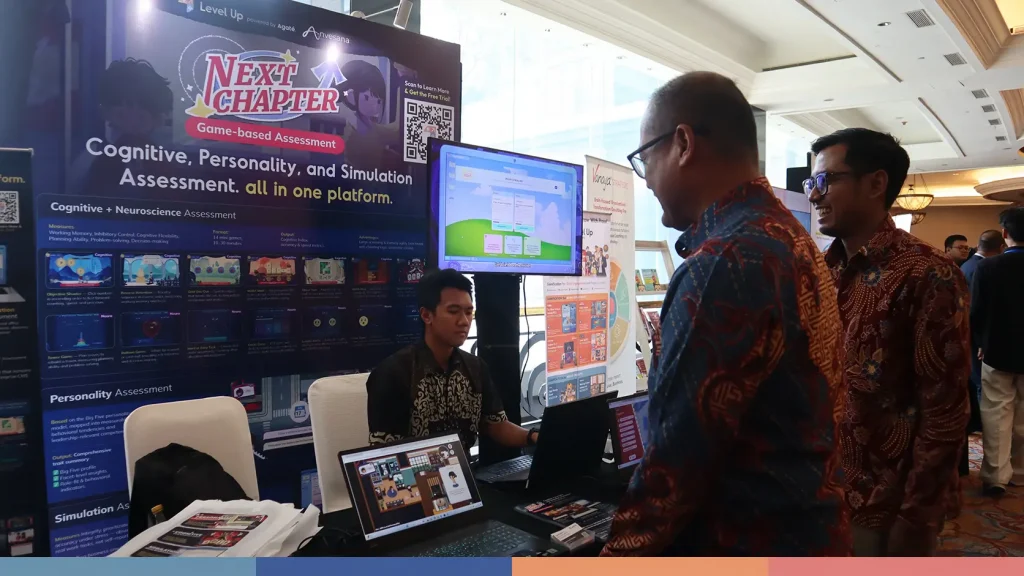
Home Services Our Works Gamification 101 Gamification Case Studies Turnkey Product Game Based Assessment Potentia Level Up RCD Contact English Bahasa Indonesia English Home Services Our Works Gamification 101 Gamification Case Studies Turnkey Product Game Based Assessment Potentia Level Up RCD Contact English Bahasa Indonesia English Home Services Our Works Gamification 101 Gamification Case Studies Turnkey Product Game Based Assessment Potentia Level Up RCD Contact English Bahasa Indonesia English Home Services Our Works Gamification 101 Gamification Case Studies Turnkey Product Game Based Assessment Potentia Level Up RCD Contact English Bahasa Indonesia English Home Services Our Works Gamification 101 Gamification Case Studies Turnkey Product Game Based Assessment Potentia Level Up RCD Contact English Bahasa Indonesia English Home Services Our Works Gamification 101 Gamification Case Studies Turnkey Product Game Based Assessment Potentia Level Up RCD Contact English Bahasa Indonesia English Edit Template Gamification is More Than Just Points and Badges When hearing the term gamification, many people immediately imagine points, badges, leaderboards, or prizes. In fact, these elements are only a small part of the concept of gamification. The essence of gamification is not making an activity feel like a game, but rather applying game design principles to create an experience that is more interesting, motivating, and encourages participation. This is the reason why gamification is now starting to be applied in various fields, starting from learning, employee development, to engagement programs in companies. Why is Gamification Effective? Games have the ability to keep players involved for a long time. This is not solely because of the prizes, but because games are designed with clear goals, gradual challenges, fast feedback, and a sense of achievement that continues to grow. The same principles can be applied in various non-game activities. Instead of just providing materials or tasks, organizations can design experiences that encourage participants to continue participating. Gamification Starts from Understanding Behavior One of the mistakes that often occurs is assuming gamification is finished after adding a points system or leaderboard. In fact, effective gamification design starts with understanding the behavior you want to shape. For example: Does the organization want to increase participation? Does it want to encourage collaboration between teams? Does it want to increase training completion? Or does it want to build consistent learning habits? Once these goals are clear, then game elements are selected to support the expected behavior. Game Elements That Have a Real Function Various game elements have different functions. Progress bars help participants see their progress. Quests divide large targets into challenges that are easier to achieve. Badges provide recognition for certain achievements. Leaderboards can encourage healthy competition when used in the right context. When combined in a balanced way, these elements are able to create a more engaging experience compared to conventional activities. Illustration of gamification elements such as progress bars, quests, badges, and leaderboards used in learning or assessment platforms. Implementation of Gamification in the Workplace Currently, gamification has been used for various organizational needs, such as: New employee onboarding. Learning & Development. Employee engagement. Sales incentive. Internal campaigns. Innovation programs. Assessment activities. Every implementation has a different approach because the business goals of each organization are also different. https://www.youtube.com/watch?v=4IoNRk2vgMY%20 Illustration of the gamification-based recruitment process by Level Up powered by Agate Experience is a No Less Important Factor In the digital era, user experience has become one of the factors that determines the success of a program. A training session with good material is not necessarily effective if the participants are not motivated to complete it. Conversely, an experience designed with a gamification approach can help increase participation, maintain motivation, and make the learning process feel more enjoyable without losing its main goal. Participants take part in a gamified assessment through interactive challenges designed to evaluate abilities Frequently Asked Questions What is the difference between gamification and games? Gamification is the application of game elements and design principles to non-game activities, such as training, onboarding, or employee engagement programs. Meanwhile, a game is created with the main goal of being played as a game. Does gamification only use points and leaderboards? No. Points and leaderboards are only a part of gamification elements. Gamification design can also include progress bars, quests, badges, instant feedback, levels, and even storytelling, depending on the goal to be achieved. Is gamification only suitable for technology companies? No. Gamification can be applied in various industries, ranging from manufacturing, banking, health, education, to the government sector. The key is to adapt the gamification design to the needs of the organization and the characteristics of its participants. How do you know if gamification is successful? The success of gamification can be measured through indicators that match the program’s goals, such as participation rates, training completion, participant engagement, behavioral changes, or performance improvements. Ready to bring a more engaging experience through gamification? Through Level Up powered by Agate, we help companies develop customized gamification solutions for various needs, starting from onboarding, learning & development, employee engagement, to other internal programs. Visit the Contact Us page to discuss with our team and find the most suitable solution for your organization. Author Related Article All Posts Service Highlight-EN News-EN Education-EN All-EN Gamification is More Than Just Points and Badges July 23, 2026/ Level Up powered by Agate Presents Interactive Booths at Minutes Meetup Bandung #7 July 21, 2026/ Game-Based Assessment vs Traditional Psychometric Tests July 20, 2026/ Progress Bar, Leaderboard, Badge, and Quest in Gamification: Which One Is Most Effective? July 17, 2026/ Level Up powered by Agate Shows the Potential of Games for the Business World at Clogs, Tulips and Video Games… July 15, 2026/ Gamification Trends in Movies Promotion July 10, 2026/ The World Cup and Gamification: Why Do Billions of People Always Come Back to Watch July 10, 2026/ HYROX and Gamification: When Fitness Competition is Built Like a Video Game July 8, 2026/ Beyond the Leaderboard: Modern Data-Driven Gamification Trends in Marketing, Brand, and HR July 1, 2026/ Load More End of Content. All company names, brand names, trademarks,
Tren Gamification dalam Promosi Dunia Perfilman
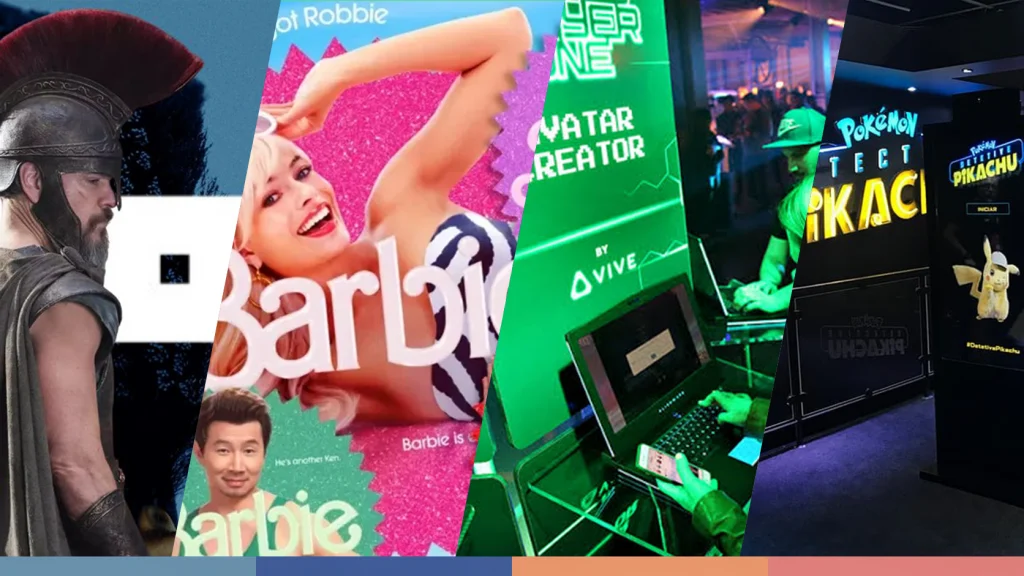
Home Services Our Works Gamification 101 Gamification Case Studies Turnkey Product Game Based Assessment Potentia Level Up RCD Contact English Bahasa Indonesia English Home Services Our Works Gamification 101 Gamification Case Studies Turnkey Product Game Based Assessment Potentia Level Up RCD Contact English Bahasa Indonesia English Home Services Our Works Gamification 101 Gamification Case Studies Turnkey Product Game Based Assessment Potentia Level Up RCD Contact English Bahasa Indonesia English Home Services Our Works Gamification 101 Gamification Case Studies Turnkey Product Game Based Assessment Potentia Level Up RCD Contact English Bahasa Indonesia English Home Services Our Works Gamification 101 Gamification Case Studies Turnkey Product Game Based Assessment Potentia Level Up RCD Contact English Bahasa Indonesia English Home Services Our Works Gamification 101 Gamification Case Studies Turnkey Product Game Based Assessment Potentia Level Up RCD Contact English Bahasa Indonesia English Edit Template Tren Gamification dalam Promosi Dunia Perfilman Industri perfilman telah mengalami perubahan besar dalam cara memasarkan sebuah film. Jika beberapa tahun lalu promosi masih didominasi oleh trailer, poster, konferensi pers, atau wawancara para pemeran, kini studio film mulai memanfaatkan teknologi digital untuk menciptakan pengalaman yang jauh lebih interaktif. Perubahan perilaku audiens, terutama generasi muda yang tumbuh bersama game dan media sosial, membuat pendekatan pemasaran konvensional semakin sulit mempertahankan perhatian mereka. Di sinilah gamification mulai memainkan peran penting. Dengan mengadopsi elemen permainan seperti misi, tantangan, eksplorasi, sistem hadiah, hingga koleksi item digital, promosi film tidak lagi hanya mengajak orang untuk menonton, tetapi juga mengundang mereka untuk ikut merasakan dunia film sebelum tayang di bioskop. Mengapa Gamification Semakin Relevan dalam Industri Perfilman? Persaingan industri hiburan saat ini jauh lebih kompleks dibanding satu dekade lalu. Sebuah film tidak hanya bersaing dengan film lain, tetapi juga dengan serial streaming, media sosial, video pendek, live streaming, hingga video game yang mampu menghabiskan waktu pengguna selama berjam-jam setiap harinya. Akibatnya, perhatian audiens menjadi semakin terbatas. Sebuah trailer berdurasi dua menit sering kali hanya ditonton sebagian, sementara poster digital hanya muncul beberapa detik di linimasa media sosial sebelum tergantikan oleh konten lain. Gamification menawarkan pendekatan yang berbeda. Alih-alih menyampaikan pesan secara satu arah, gamification mengajak audiens untuk berpartisipasi secara aktif. Semakin banyak interaksi yang dilakukan pengguna, semakin tinggi pula peluang mereka membangun hubungan emosional dengan sebuah film. Dalam konteks pemasaran, pendekatan ini memberikan berbagai manfaat, seperti: meningkatkan brand awareness melalui pengalaman yang lebih berkesan memperpanjang durasi interaksi audiens terhadap IP (Intellectual Property) film menciptakan komunitas penggemar bahkan sebelum film dirilis mendorong user generated content melalui media sosial meningkatkan word of mouth secara organik memperkuat emotional attachment terhadap karakter maupun dunia film Dengan kata lain, gamification mengubah promosi film dari sekadar aktivitas pemasaran menjadi sebuah pengalaman. Roblox x The Odyssey: Ketika Dunia Film Bertemu Dunia Game Salah satu implementasi gamification yang paling menarik pada tahun ini datang dari kolaborasi antara Roblox dan film The Odyssey. Film garapan Christopher Nolan ini mengadaptasi kisah klasik karya Homer mengenai perjalanan panjang Odysseus setelah Perang Troya. Sebelum film resmi tayang, audiens diajak mengenal dunia tersebut melalui sebuah experience khusus di Roblox. Pendekatan ini cukup berbeda dibanding strategi promosi film pada umumnya. Studio tidak hanya memperlihatkan cuplikan adegan melalui trailer, tetapi juga mengajak calon penonton untuk menjelajahi dunia cerita secara langsung. Alih-alih menjadi penonton pasif, pemain berubah menjadi peserta aktif yang dapat mengeksplorasi berbagai area, mengikuti tantangan, hingga memperoleh item digital eksklusif. Strategi seperti ini memiliki nilai yang jauh lebih tinggi dibanding iklan tradisional karena memberikan kesempatan kepada audiens untuk membangun rasa penasaran secara alami. Semakin lama seseorang menghabiskan waktu di dalam experience tersebut, semakin kuat pula keterikatan mereka terhadap dunia yang sedang dibangun oleh film. Tampilan experience The Odyssey di Roblox yang memungkinkan pemain menjelajahi dunia film sebelum perilisannya. Mengapa Roblox Menjadi Platform yang Sangat Efektif untuk Marketing Film? Dalam beberapa tahun terakhir, Roblox berkembang menjadi lebih dari sekadar platform game. Banyak brand global memanfaatkannya sebagai media untuk membangun pengalaman digital yang lebih imersif. Bagi industri perfilman, Roblox menawarkan beberapa keunggulan yang sulit ditemukan pada media promosi lain. Pertama, platform ini memiliki ratusan juta pengguna aktif yang sebagian besar berasal dari kelompok usia muda, yaitu segmen yang juga menjadi target utama berbagai film blockbuster. Kedua, rata-rata durasi bermain pengguna jauh lebih tinggi dibanding waktu yang dihabiskan untuk menonton trailer di YouTube atau melihat iklan di media sosial. Semakin lama audiens berada dalam sebuah experience, semakin besar peluang mereka mengingat brand film tersebut. Ketiga, Roblox memiliki budaya komunitas yang sangat kuat. Pemain gemar membagikan gameplay, screenshot, maupun video pendek di berbagai platform media sosial. Hal ini membuat kampanye dapat menyebar secara organik tanpa harus sepenuhnya bergantung pada media berbayar. Contoh Gamification Lain dalam Dunia Perfilman Barbie Selfie Generator Menjelang perilisan Barbie pada tahun 2023, Warner Bros. meluncurkan Barbie Selfie Generator, sebuah website yang memungkinkan pengguna mengunggah foto mereka dan mengubahnya menjadi poster resmi bergaya Barbie. Secara teknis, pengalaman ini memang bukan sebuah video game. Namun, ia tetap menerapkan prinsip-prinsip gamification seperti personalisasi, partisipasi aktif, instant feedback, dan social sharing. Jutaan pengguna kemudian membagikan hasil poster mereka ke Instagram, TikTok, hingga X. Kampanye ini menjadi viral bahkan sebelum film resmi tayang, sekaligus memperkuat identitas visual Barbie di berbagai platform digital. Pengguna membuat poster personal melalui Barbie Selfie Generator sebagai bagian dari kampanye film Barbie. Ready Player One VR Experience Sebelum perilisan Ready Player One, Warner Bros. juga menghadirkan berbagai pengalaman virtual reality yang memungkinkan penggemar merasakan dunia OASIS secara langsung. Pendekatan ini sangat relevan dengan tema film yang memang berpusat pada dunia virtual. Dengan memberikan pengalaman yang selaras dengan cerita, audiens tidak hanya mengenal film melalui trailer, tetapi juga dapat “merasakan” konsep utamanya. Pengguna mencoba pengalaman virtual reality bertema Ready Player One. Detective Pikachu Interactive Campaign Untuk mempromosikan Detective Pikachu, berbagai aktivitas digital bertema pencarian Pokémon diperkenalkan melalui kampanye interaktif. Konsep treasure hunt seperti ini memanfaatkan rasa ingin tahu pengguna sekaligus memberikan pengalaman yang lebih menyenangkan dibanding sekadar melihat materi promosi biasa. Kampanye interaktif Detective Pikachu yang mengajak pengguna mengikuti aktivitas bertema Pokémon. Apa yang Bisa Dipelajari Brand dari Strategi Marketing Film? Keberhasilan berbagai kampanye di atas menunjukkan bahwa gamification bukan hanya relevan untuk
Piala Dunia dan Gamification: Kenapa Miliaran Orang Selalu Kembali Menonton?
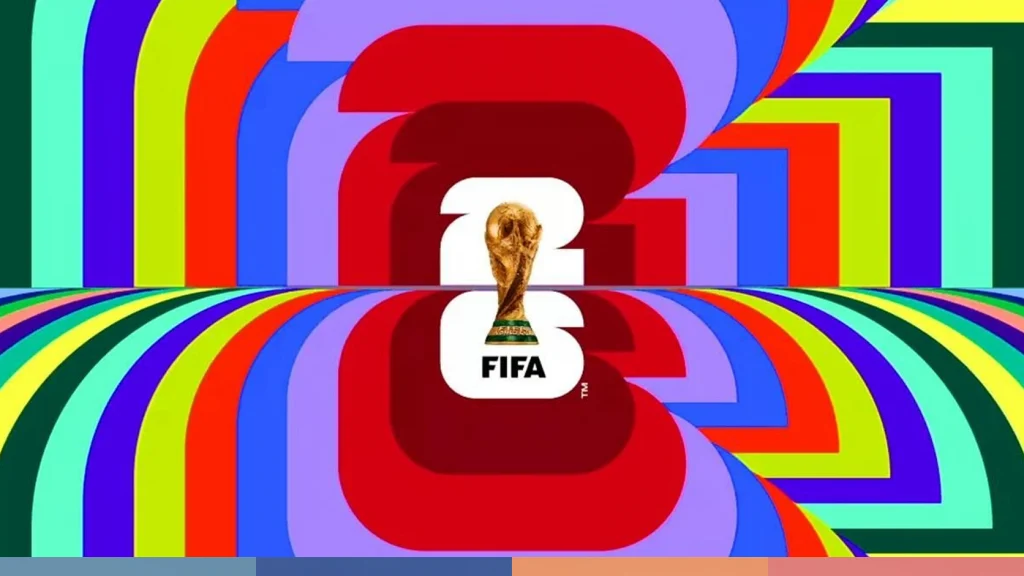
Home Services Our Works Gamification 101 Gamification Case Studies Turnkey Product Game Based Assessment Potentia Level Up RCD Contact English Bahasa Indonesia English Home Services Our Works Gamification 101 Gamification Case Studies Turnkey Product Game Based Assessment Potentia Level Up RCD Contact English Bahasa Indonesia English Home Services Our Works Gamification 101 Gamification Case Studies Turnkey Product Game Based Assessment Potentia Level Up RCD Contact English Bahasa Indonesia English Home Services Our Works Gamification 101 Gamification Case Studies Turnkey Product Game Based Assessment Potentia Level Up RCD Contact English Bahasa Indonesia English Home Services Our Works Gamification 101 Gamification Case Studies Turnkey Product Game Based Assessment Potentia Level Up RCD Contact English Bahasa Indonesia English Home Services Our Works Gamification 101 Gamification Case Studies Turnkey Product Game Based Assessment Potentia Level Up RCD Contact English Bahasa Indonesia English Edit Template Piala Dunia dan Gamification: Kenapa Miliaran Orang Selalu Kembali Menonton? Piala Dunia Bukan Sekadar Sepak Bola FIFA World Cup adalah salah satu event dengan engagement terbesar di dunia. Setiap empat tahun sekali, miliaran orang menonton, mendukung tim favorit, mengikuti prediksi, dan terlibat dalam berbagai aktivitas digital. Di balik besarnya antusiasme itu, terdapat struktur gamification yang sangat kuat. Piala Dunia bukan hanya pertandingan sepak bola, tetapi juga sistem kompetisi yang membuat orang terus kembali. Poster FIFA World Cup dengan ilustrasi trofi di tengah dan latar warna-warni, menggambarkan antusiasme global terhadap Piala Dunia. Unsur Gamification dalam Piala Dunia Tournament Progression Piala Dunia memiliki progression system yang sangat jelas, dimulai dari group stage, lalu berlanjut ke round of 16, quarter-final, semi-final, hingga final. Setiap kemenangan menjadi semacam level up yang membawa tim lebih dekat ke trofi. Sistem progression seperti ini menciptakan emotional investment yang semakin tinggi di setiap tahap. Bracket turnamen FIFA World Cup 2026 yang menunjukkan jalur pertandingan menuju juara. Salah satu faktor terbesar yang membuat Piala Dunia begitu spesial adalah scarcity. Turnamen ini hanya hadir sekali setiap empat tahun. Kelangkaan ini menciptakan urgency dan rasa eksklusivitas yang tinggi. Dalam gamification, scarcity adalah salah satu elemen paling efektif untuk meningkatkan engagement. Poster daftar 18 negara tuan rumah Piala Dunia dari 1930 hingga 2026. Reward Hierarchy Piala Dunia memiliki sistem reward bertingkat yang sangat kuat. Tidak hanya soal menjadi juara dunia, tetapi juga reward kecil di sepanjang perjalanan seperti lolos fase grup, mencapai semifinal, memenangkan golden boot, atau golden glove. Layered rewards seperti ini menjaga motivasi tetap hidup bagi pemain maupun penonton. Infografik pembagian hadiah FIFA World Cup 2026 berdasarkan peringkat akhir tim. Prediction Mechanics Fantasy football, bracket prediction, dan score guessing adalah bentuk gamification tambahan yang membuat audiens ikut bermain. Penonton bukan lagi sekadar melihat pertandingan, tetapi ikut terlibat secara aktif melalui prediksi dan kompetisi kecil bersama teman atau komunitas. Social Competition Piala Dunia juga memicu social competition yang sangat besar. Fans membandingkan prediksi, membahas statistik, dan menunjukkan loyalitas mereka terhadap tim tertentu. Social validation ini membuat engagement semakin kuat karena pengalaman menonton berubah menjadi aktivitas sosial. Infografik statistik viewership dan engagement FIFA World Cup Qatar 2022 di kawasan MENA. Bagaimana Brand Memanfaatkan Gamification di Piala Dunia? Banyak brand memanfaatkan momentum Piala Dunia untuk menjalankan campaign gamified. Coca-Cola sering menggunakan collectible campaign yang mendorong repeat purchase. Adidas memanfaatkan challenge activation untuk meningkatkan interaksi konsumen. Sementara McDonald’s sering menjalankan campaign berbasis prediksi pertandingan dengan hadiah tertentu. Brand tidak perlu membangun excitement dari nol, mereka hanya perlu masuk ke excitement yang sudah ada. Iklan kampanye Coca-Cola bertema koleksi kaleng tim nasional dengan hadiah menarik. Pelajaran untuk Marketer Piala Dunia menunjukkan bahwa gamification paling efektif memiliki lima unsur utama: progression, emotional stakes, scarcity, social interaction, dan reward hierarchy. Brand bisa meniru sistem ini melalui campaign berbasis event, limited-time challenge, prediction mechanic, leaderboard, dan reward unlockables. Ketika audiens merasa ikut bermain, engagement akan jauh lebih tinggi dibanding hanya menjadi penonton pasif. Frequently Asked Questions Mengapa FIFA World Cup bisa dianggap sebagai bentuk gamification? Piala Dunia memiliki semua elemen inti gamification: goals, rules, progression, rewards, dan uncertainty. Dari fase grup hingga final, setiap pertandingan membawa konsekuensi yang jelas dan meningkatkan emotional stakes. Struktur ini menciptakan engagement yang sangat tinggi karena penonton merasa terus mengikuti progression layaknya sebuah game. Kenapa Piala Dunia selalu punya engagement yang sangat besar? Salah satu faktor terbesarnya adalah kombinasi antara scarcity dan emotional investment. Karena hanya berlangsung sekali setiap empat tahun, Piala Dunia memiliki urgency yang sangat tinggi. Ditambah dengan loyalty terhadap tim nasional, rivalitas antar negara, dan unpredictable outcomes, engagement yang tercipta menjadi jauh lebih intens dibanding event olahraga biasa. Apa peran prediction mechanics dalam gamification Piala Dunia? Prediction mechanics seperti bracket prediction, fantasy football, dan score guessing membuat audiens berubah dari passive viewers menjadi active participants. Mereka tidak hanya menonton pertandingan, tetapi ikut bermain melalui prediksi dan kompetisi kecil bersama komunitas. Inilah yang memperpanjang durasi engagement selama turnamen berlangsung. Bagaimana brand memanfaatkan momentum gamification di Piala Dunia? Banyak brand memanfaatkan Piala Dunia dengan campaign berbasis gamification seperti collectible rewards, prediction challenges, leaderboard competitions, dan limited-time promotions. Karena excitement sudah terbentuk secara organik, brand hanya perlu masuk ke dalam ekosistem tersebut untuk meningkatkan interaksi dan conversion. Apakah prinsip gamification Piala Dunia bisa diterapkan di bisnis? Tentu. Struktur seperti progression stages, limited-time urgency, reward hierarchy, dan social competition sangat relevan untuk customer loyalty, employee engagement, hingga digital marketing campaigns. Prinsip yang sama bisa diadaptasi untuk menciptakan pengalaman yang lebih interaktif dan meningkatkan partisipasi pengguna. Bagi perusahaan yang ingin membangun campaign dengan engagement setinggi event seperti Piala Dunia, gamification bisa menjadi pendekatan strategis. Bersama Agate melalui Level Up powered by Agate, brand dapat mengembangkan pengalaman gamified seperti prediction systems, reward mechanics, leaderboard competitions, hingga immersive digital activations yang dirancang untuk meningkatkan engagement dan mencapai tujuan bisnis secara lebih efektif. Author Related Article All Posts Service Highlight-EN News-EN Education-EN All-EN Gamification Trends in Movies Promotion July 10, 2026/ The World Cup and Gamification: Why Do Billions of People Always Come Back to Watch July 10, 2026/ HYROX and Gamification: When Fitness Competition is Built Like a Video Game July 8, 2026/ Beyond the Leaderboard: Modern Data-Driven Gamification Trends in Marketing, Brand, and HR July
HYROX dan Gamification: Ketika Kompetisi Fitness Dibangun Seperti Video Game
Home Services Our Works Gamification 101 Gamification Case Studies Turnkey Product Game Based Assessment Potentia Level Up RCD Contact English Bahasa Indonesia English Home Services Our Works Gamification 101 Gamification Case Studies Turnkey Product Game Based Assessment Potentia Level Up RCD Contact English Bahasa Indonesia English Home Services Our Works Gamification 101 Gamification Case Studies Turnkey Product Game Based Assessment Potentia Level Up RCD Contact English Bahasa Indonesia English Home Services Our Works Gamification 101 Gamification Case Studies Turnkey Product Game Based Assessment Potentia Level Up RCD Contact English Bahasa Indonesia English Home Services Our Works Gamification 101 Gamification Case Studies Turnkey Product Game Based Assessment Potentia Level Up RCD Contact English Bahasa Indonesia English Home Services Our Works Gamification 101 Gamification Case Studies Turnkey Product Game Based Assessment Potentia Level Up RCD Contact English Bahasa Indonesia English Edit Template HYROX dan Gamification: Ketika Kompetisi Fitness Dibangun Seperti Video Game Apa Itu HYROX? HYROX adalah kompetisi fitness global yang menggabungkan lari dan functional workout dalam format race standar. Dalam satu race, peserta harus menyelesaikan delapan kilometer lari yang diselingi delapan workout stations seperti SkiErg, sled push, sled pull, rowing, dan wall balls. Format yang konsisten di setiap negara membuat HYROX menjadi sistem kompetisi yang repeatable, measurable, dan scalable. Inilah yang menjadikan HYROX sebagai salah satu contoh nyata gamification dalam dunia olahraga modern. Kolase atlet HYROX yang melakukan latihan intens seperti battle rope, floor workout, dan wall ball. Mengapa HYROX Bisa Disebut Gamification? Gamification bukan hanya soal poin, badge, atau hadiah digital. Inti dari gamification adalah bagaimana sebuah sistem dirancang untuk membuat orang terus kembali, berkembang, dan berkompetisi. HYROX memiliki semua elemen itu. Setiap race dibangun seperti gameplay loop, di mana peserta menghadapi challenge, melihat progress secara real-time, menerima reward, lalu termotivasi untuk mencoba lagi dan mencetak hasil lebih baik. Unsur Gamification dalam HYROX Progression System yang Jelas Setiap workout station dalam HYROX bertindak sebagai checkpoint. Peserta bergerak dari satu tantangan ke tantangan berikutnya, menciptakan rasa progression yang sangat jelas. Sama seperti dalam video game, semakin jauh seseorang melangkah, semakin dekat mereka ke tujuan akhir. Progression yang terstruktur ini memberi dorongan psikologis yang kuat karena peserta selalu bisa melihat seberapa jauh mereka sudah berkembang. Diagram tahapan race HYROX yang menampilkan urutan lari dan workout stations. Global Leaderboard sebagai Competitive Trigger Salah satu elemen terkuat dari HYROX adalah leaderboard global. Setelah menyelesaikan race, peserta dapat membandingkan waktu mereka dengan ribuan peserta lain di seluruh dunia. Sistem ini menciptakan kompetisi sosial yang kuat. Bukan hanya tentang menyelesaikan race, tetapi juga tentang ranking, personal best, dan posisi di komunitas global. Mekanisme ini mirip dengan ranked system dalam Valorant atau League of Legends. Layar leaderboard HYROX menampilkan ranking dan waktu peserta setelah kompetisi. Achievement System yang Membuat Ketagihan HYROX juga memiliki sistem achievement yang sangat jelas. Mulai dari finisher medal, personal record, hingga kesempatan untuk lolos ke world championship. Reward ini menciptakan rasa pencapaian yang membuat peserta ingin kembali lagi. Semakin sulit target yang ingin dicapai, semakin tinggi engagement yang tercipta. Peserta HYROX berlomba dalam event fitness dengan elemen reward dan pencapaian kompetitif. Identity Building Salah satu level tertinggi dari gamification adalah ketika sistem berhasil membentuk identitas pengguna. Banyak peserta HYROX mulai menganggap diri mereka sebagai “HYROX athlete”. Ketika seseorang mulai membangun identitas dari sebuah aktivitas, engagement biasanya tidak lagi bersifat sementara, tetapi berubah menjadi gaya hidup. Apa yang Bisa Dipelajari Brand dari HYROX? HYROX menunjukkan bahwa gamification terbaik bukan tentang gimmick, tetapi tentang sistem yang jelas. Brand bisa belajar untuk membangun customer journey seperti race progression, membagi perjalanan pelanggan menjadi beberapa checkpoint, memberikan reward bertingkat, dan menyediakan visual progress agar pelanggan merasa terus berkembang. Selain itu, leaderboard atau social comparison bisa menjadi alat yang sangat kuat untuk meningkatkan retention dan community engagement. Frequently Asked Questions Apa yang membuat HYROX berbeda dari kompetisi fitness lainnya? HYROX memiliki format kompetisi yang konsisten di seluruh dunia, sehingga peserta bisa membandingkan performa mereka secara objektif dari satu event ke event lain. Berbeda dengan banyak kompetisi fitness lain yang formatnya dinamis, HYROX menawarkan sistem progression yang stabil. Ini membuat pengalaman kompetisi terasa seperti game dengan level tetap, di mana pemain terus meningkatkan skill dan performa mereka seiring waktu. Kenapa HYROX bisa membuat peserta terus kembali? Salah satu alasan utama HYROX sangat engaging adalah karena memiliki feedback loop yang jelas: challenge, progress, reward, compare, repeat. Setelah menyelesaikan satu race, peserta langsung mengetahui hasil mereka, area yang perlu diperbaiki, dan posisi mereka dibanding peserta lain. Sistem ini menciptakan dorongan alami untuk kembali mencoba dan mengejar hasil yang lebih baik. Apa hubungan HYROX dengan gamification? HYROX adalah contoh nyata bagaimana game mechanics diterapkan di dunia nyata. Progression system, leaderboard, achievement unlock, dan milestone rewards adalah fondasi utama gamification. Elemen-elemen ini biasanya banyak digunakan dalam digital products, loyalty programs, maupun employee engagement systems untuk meningkatkan partisipasi dan retensi. Apa yang bisa dipelajari perusahaan dari HYROX? Perusahaan bisa belajar bahwa engagement yang kuat lahir dari sistem yang terstruktur. Sama seperti HYROX membagi perjalanan race menjadi checkpoint, bisnis juga bisa membangun customer journey atau employee journey dengan milestone yang jelas, reward bertingkat, dan progress tracking yang transparan. Pendekatan ini membantu meningkatkan motivation, retention, dan participation. Apakah gamification hanya efektif untuk fitness dan olahraga? Tidak. Prinsip gamification bisa diterapkan di banyak industri seperti marketing, brand activation, HR, education, hingga employee onboarding. Kuncinya ada pada bagaimana sebuah sistem dirancang agar pengguna merasa terus berkembang, tertantang, dan termotivasi untuk kembali. Bagi perusahaan yang ingin menerapkan prinsip seperti HYROX ke dalam customer experience, employee engagement, atau learning journey, solusi gamification kini semakin relevan. Bersama Agate melalui Level Up powered by Agate, brand dan organisasi dapat merancang sistem gamification yang disesuaikan dengan tujuan bisnis, mulai dari challenge mechanics, leaderboard, reward systems, hingga immersive experiences yang mampu meningkatkan engagement secara nyata. Author Artikel Terkait All Posts Service Highlight News Edutech Education All HYROX dan Gamification: Ketika Kompetisi Fitness Dibangun Seperti Video Game July 15, 2026/ Beyond the Leaderboard V4: Tren Gamifikasi Modern Berbasis Data pada Marketing, Brand, dan HR June 30, 2026/ Level Up powered by Agate Hadir di Tech
Level Up powered by Agate Hadirkan Booth Interaktif di Minutes Meetup Bandung #7

Home Services Our Works Gamification 101 Gamification Case Studies Turnkey Product Game Based Assessment Potentia Level Up RCD Contact English Bahasa Indonesia English Home Services Our Works Gamification 101 Gamification Case Studies Turnkey Product Game Based Assessment Potentia Level Up RCD Contact English Bahasa Indonesia English Home Services Our Works Gamification 101 Gamification Case Studies Turnkey Product Game Based Assessment Potentia Level Up RCD Contact English Bahasa Indonesia English Home Services Our Works Gamification 101 Gamification Case Studies Turnkey Product Game Based Assessment Potentia Level Up RCD Contact English Bahasa Indonesia English Home Services Our Works Gamification 101 Gamification Case Studies Turnkey Product Game Based Assessment Potentia Level Up RCD Contact English Bahasa Indonesia English Home Services Our Works Gamification 101 Gamification Case Studies Turnkey Product Game Based Assessment Potentia Level Up RCD Contact English Bahasa Indonesia English Edit Template Level Up powered by Agate Hadirkan Booth Interaktif di Minutes Meetup Bandung #7 Minutes Meetup Bandung #7 menjadi ajang berkumpulnya lebih dari 100 business owner, junior manager, manager, hingga C-level untuk berdiskusi mengenai kepemimpinan melalui tema “The Unofficial Leadership Manual: Because No One Handed You the Playbook.” Selain sesi sharing dari para pembicara, peserta juga disambut dengan berbagai aktivitas interaktif. Salah satunya datang dari Level Up powered by Agate, yang menghadirkan dua booth gamifikasi: Manager Personality Test dan Interactive Boxing Game. Kedua pengalaman ini dirancang untuk memberikan hiburan sekaligus mengajak peserta merefleksikan dinamika dunia kerja dengan cara yang lebih menyenangkan. Mengenal Gaya Kepemimpinan Lewat Manager Personality Test Salah satu booth yang paling banyak menarik perhatian peserta adalah Manager Personality Test. Melalui serangkaian pertanyaan singkat, peserta dapat mengetahui archetype kepemimpinan yang paling menggambarkan karakter mereka. Salah satu hasil yang muncul adalah “The Culture Keeper”, sebuah profil yang menggambarkan sosok pemimpin yang berfokus pada menjaga kekompakan tim, membangun budaya kerja yang positif, serta menciptakan hubungan jangka panjang dengan anggota tim. Selain menampilkan tipe kepribadian, hasil tes juga dilengkapi dengan berbagai insight menarik, seperti: Leadership profile berdasarkan beberapa kompetensi Gaya kepemimpinan yang paling menonjol Tingkat brand loyalty secara simbolis “Lucky Tool” yang merepresentasikan kekuatan utama peserta Persona yang dapat dibagikan ke media sosial Pendekatan ini membuat proses refleksi diri terasa lebih ringan dan engaging dibandingkan asesmen konvensional. Peserta tidak hanya mendapatkan hasil tes, tetapi juga pengalaman yang interaktif dan mudah dibagikan kepada rekan kerja maupun di media sosial. Peserta mencoba Manager Personality Test dari Level Up powered by Agate di Minutes Meetup Bandung #7 dan mendapatkan hasil profil kepemimpinan Boxing Game Interaktif, Cara Seru Melepas Penat Selain personality test, Level Up powered by Agate juga menghadirkan Interactive Boxing Game yang mengundang peserta untuk beristirahat sejenak dari diskusi dan menyalurkan energi mereka. Melalui permainan ini, peserta diajak memukul target sekuat mungkin untuk mencetak skor tertinggi. Aktivitas sederhana ini berhasil menjadi ice breaker yang menyenangkan sekaligus memberikan kesempatan bagi peserta untuk melepas stres setelah menjalani rutinitas pekerjaan sehari-hari. Tidak sedikit peserta yang saling menantang untuk mendapatkan skor tertinggi, menciptakan suasana kompetitif yang tetap santai dan penuh tawa. Aktivitas ini juga menjadi salah satu titik interaksi yang mempererat networking antar peserta selama acara berlangsung. Peserta mencoba Interactive Boxing Game dari Level Up powered by Agate di Minutes Meetup Bandung #7 Gamifikasi Membuat Event Lebih Berkesan Kehadiran dua booth interaktif tersebut menunjukkan bagaimana gamifikasi dapat memberikan nilai tambah pada sebuah event profesional. Alih-alih hanya menjadi pelengkap acara, aktivitas seperti personality test dan interactive game mampu: meningkatkan partisipasi peserta, menciptakan pengalaman yang lebih memorable, membuka percakapan antar peserta, serta menghadirkan engagement yang berlangsung sepanjang acara. Pendekatan seperti ini sejalan dengan visi Level Up powered by Agate, yaitu menghadirkan pengalaman belajar dan interaksi yang lebih aktif melalui prinsip-prinsip game design. https://www.youtube.com/watch?v=39aJfbccHYo Komitmen Level Up powered by Agate dalam Menciptakan Pengalaman Interaktif Partisipasi sebagai supporter sekaligus penyedia aktivitas interaktif di Minutes Meetup Bandung #7 menjadi bagian dari komitmen Level Up powered by Agate untuk menghadirkan gamifikasi di berbagai konteks, mulai dari pembelajaran, pengembangan talenta, hingga event dan community engagement. Dengan menggabungkan elemen permainan, refleksi diri, dan interaksi sosial, Level Up menunjukkan bahwa pengalaman yang menyenangkan juga dapat memberikan insight yang bermakna bagi para profesional. Melalui kolaborasi seperti ini, gamifikasi tidak hanya menjadi sarana hiburan, tetapi juga menjadi media yang efektif untuk membangun koneksi, meningkatkan engagement, dan menciptakan pengalaman acara yang lebih berkesan bagi setiap peserta. Frequently Asked Questions Apa saja aktivitas yang dibawa Level Up powered by Agate di Minutes Meetup Bandung #7? Level Up powered by Agate menghadirkan dua booth interaktif, yaitu Manager Personality Test dan Interactive Boxing Game, yang dapat diikuti seluruh peserta acara. Apa itu Manager Personality Test? Manager Personality Test adalah pengalaman gamifikasi yang membantu peserta mengenali gaya kepemimpinan mereka melalui serangkaian pertanyaan singkat. Hasilnya disajikan dalam bentuk persona lengkap dengan insight mengenai karakter dan kekuatan kepemimpinan. Mengapa ada Interactive Boxing Game? Interactive Boxing Game dihadirkan sebagai aktivitas yang menyenangkan agar peserta dapat melepas penat, berinteraksi dengan peserta lain, sekaligus menciptakan suasana networking yang lebih santai. Bagaimana gamifikasi mendukung acara profesional? Gamifikasi membantu meningkatkan partisipasi peserta, memperkuat interaksi, menciptakan pengalaman yang lebih mudah diingat, serta membuat proses belajar dan networking terasa lebih menarik. Melalui Level Up by Agate, perusahaan dapat merancang solusi gamifikasi yang disesuaikan dengan berbagai kebutuhan, mulai dari employee engagement, corporate learning, onboarding, hingga game-based assessment. Dengan pendekatan berbasis desain pengalaman (experience design), setiap mekanik gamifikasi dirancang untuk mendorong partisipasi, meningkatkan motivasi, dan menciptakan perubahan perilaku yang berdampak. Ingin menghadirkan pengalaman belajar atau proses kerja yang lebih menarik dan efektif? Hubungi Level Up by Agate untuk mendiskusikan bagaimana gamifikasi dapat membantu mencapai tujuan organisasi Anda. Author Related Article All Posts Service Highlight-EN News-EN Education-EN All-EN Level Up powered by Agate Presents Interactive Booths at Minutes Meetup Bandung #7 July 21, 2026/ Game-Based Assessment vs Traditional Psychometric Tests July 20, 2026/ Progress Bar, Leaderboard, Badge, and Quest in Gamification: Which One Is Most Effective? July 17, 2026/ Level Up powered by Agate Shows the Potential of Games for the Business World at Clogs, Tulips and Video Games… July 15, 2026/ Gamification Trends in Movies Promotion July 10, 2026/ The World Cup and Gamification: Why
Level Up powered by Agate Presents Interactive Booths at Minutes Meetup Bandung #7
Home Services Our Works Gamification 101 Gamification Case Studies Turnkey Product Game Based Assessment Potentia Level Up RCD Contact English Bahasa Indonesia English Home Services Our Works Gamification 101 Gamification Case Studies Turnkey Product Game Based Assessment Potentia Level Up RCD Contact English Bahasa Indonesia English Home Services Our Works Gamification 101 Gamification Case Studies Turnkey Product Game Based Assessment Potentia Level Up RCD Contact English Bahasa Indonesia English Home Services Our Works Gamification 101 Gamification Case Studies Turnkey Product Game Based Assessment Potentia Level Up RCD Contact English Bahasa Indonesia English Home Services Our Works Gamification 101 Gamification Case Studies Turnkey Product Game Based Assessment Potentia Level Up RCD Contact English Bahasa Indonesia English Home Services Our Works Gamification 101 Gamification Case Studies Turnkey Product Game Based Assessment Potentia Level Up RCD Contact English Bahasa Indonesia English Edit Template Level Up powered by Agate Presents Interactive Booths at Minutes Meetup Bandung #7 Minutes Meetup Bandung #7 became a gathering place for over 100 business owners, junior managers, managers, up to C-level executives to discuss leadership through the theme “The Unofficial Leadership Manual: Because No One Handed You the Playbook.” In addition to sharing sessions from speakers, participants were also welcomed with various interactive activities. One of these came from Level Up powered by Agate, which presented two gamification booths: Manager Personality Test and Interactive Boxing Game. Both experiences were designed to provide entertainment while inviting participants to reflect on the dynamics of the professional world in a more enjoyable way. Getting to Know Leadership Styles Through the Manager Personality Test One of the booths that attracted the most attention from participants was the Manager Personality Test. Through a series of short questions, participants could discover the leadership archetype that most accurately describes their character. One of the results that appeared was “The Culture Keeper”, a profile describing a leader who focuses on maintaining team cohesion, building a positive work culture, and creating long-term relationships with team members. In addition to displaying the personality type, the test results were also equipped with various interesting insights, such as: Leadership profile based on several competencies The most prominent leadership style Symbolic brand loyalty levels “Lucky Tool” representing the participant’s primary strength Persona that can be shared to social media This approach makes the self-reflection process feel lighter and more engaging compared to conventional assessments. Participants not only get the test results but also an interactive experience that is easily shared with colleagues or on social media. Participants try the Manager Personality Test from Level Up powered by Agate at Minutes Meetup Bandung #7 and receive leadership profile results Interactive Boxing Game, a Fun Way to Unwind Besides the personality test, Level Up powered by Agate also presented an Interactive Boxing Game that invited participants to take a short break from the discussion and channel their energy. Through this game, participants were invited to hit targets as hard as possible to score the highest. This simple activity successfully became a fun ice breaker while providing an opportunity for participants to release stress after their daily work routines. Many participants challenged each other to get the highest score, creating a competitive yet relaxed atmosphere full of laughter. This activity also served as an interaction point that strengthened networking among participants during the event. Participants try the Interactive Boxing Game from Level Up powered by Agate at Minutes Meetup Bandung #7 Gamification Makes Events More Memorable The presence of these two interactive booths demonstrates how gamification can provide added value to a professional event. Rather than just being event supplements, activities like personality tests and interactive games are able to: increase participant participation, create a more memorable experience, open conversations between participants, and provide engagement that lasts throughout the event. This approach aligns with the vision of Level Up powered by Agate, which is to deliver active learning and interaction experiences through game design principles. https://www.youtube.com/watch?v=39aJfbccHYo Level Up powered by Agate’s Commitment to Creating Interactive Experiences Participation as a supporter and provider of interactive activities at Minutes Meetup Bandung #7 is part of Level Up powered by Agate’s commitment to bringing gamification to various contexts, ranging from learning and talent development to events and community engagement. By combining elements of play, self-reflection, and social interaction, Level Up shows that fun experiences can also provide meaningful insights for professionals. Through collaborations like this, gamification is not just a means of entertainment, but also an effective medium for building connections, increasing engagement, and creating a more memorable event experience for every participant. Frequently Asked Questions What activities did Level Up powered by Agate bring to Minutes Meetup Bandung #7? Level Up powered by Agate presented two interactive booths, namely the Manager Personality Test and the Interactive Boxing Game, which all event participants could join. What is the Manager Personality Test? The Manager Personality Test is a gamification experience that helps participants recognize their leadership style through a series of short questions. The results are presented in the form of a persona complete with insights regarding their leadership character and strengths. Why was there an Interactive Boxing Game? The Interactive Boxing Game was presented as a fun activity so that participants could unwind, interact with others, and create a more relaxed networking atmosphere. How does gamification support professional events? Gamification helps increase participant participation, strengthen interaction, create a more memorable experience, and make the learning and networking processes more interesting. Through Level Up by Agate, companies can design gamification solutions tailored to various needs, from employee engagement, corporate learning, onboarding, to game-based assessment. With an experience design approach, every gamification mechanic is designed to drive participation, increase motivation, and create impactful behavioral changes. Want to bring a more interesting and effective learning or work process? Contact Level Up by Agate to discuss how gamification can help achieve your organization’s goals. Author Related Article All Posts Service Highlight-EN News-EN Education-EN All-EN Level Up powered by Agate Presents Interactive Booths at Minutes Meetup Bandung #7 July 21, 2026/ Game-Based
Game-Based Assessment vs Psikotes Tradisional
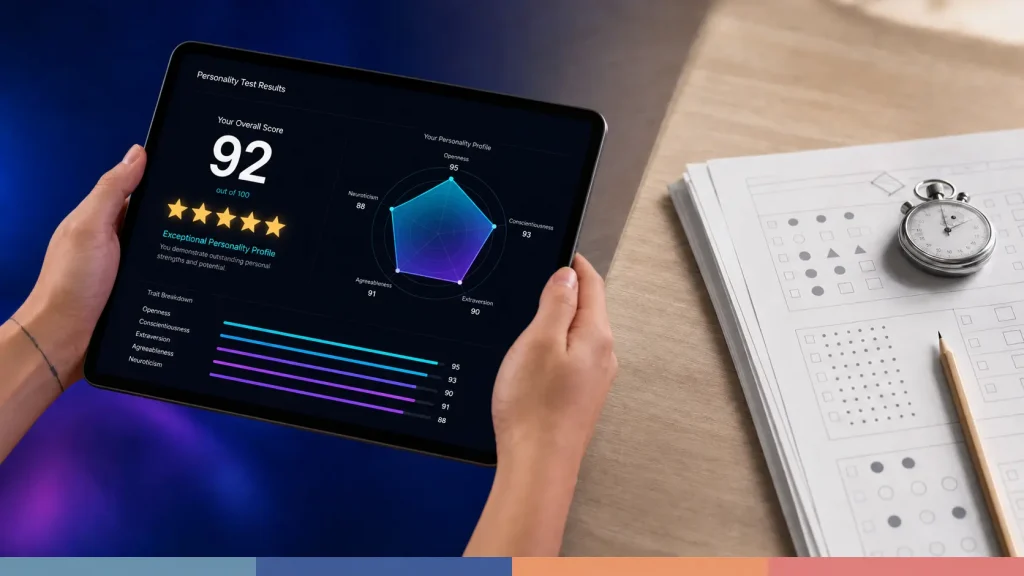
Home Services Our Works Gamification 101 Gamification Case Studies Turnkey Product Game Based Assessment Potentia Level Up RCD Contact English Bahasa Indonesia English Home Services Our Works Gamification 101 Gamification Case Studies Turnkey Product Game Based Assessment Potentia Level Up RCD Contact English Bahasa Indonesia English Home Services Our Works Gamification 101 Gamification Case Studies Turnkey Product Game Based Assessment Potentia Level Up RCD Contact English Bahasa Indonesia English Home Services Our Works Gamification 101 Gamification Case Studies Turnkey Product Game Based Assessment Potentia Level Up RCD Contact English Bahasa Indonesia English Home Services Our Works Gamification 101 Gamification Case Studies Turnkey Product Game Based Assessment Potentia Level Up RCD Contact English Bahasa Indonesia English Home Services Our Works Gamification 101 Gamification Case Studies Turnkey Product Game Based Assessment Potentia Level Up RCD Contact English Bahasa Indonesia English Edit Template Game-Based Assessment vs Psikotes Tradisional Di tengah perubahan dunia kerja yang semakin cepat, perusahaan tidak lagi hanya mencari kandidat dengan nilai akademis tinggi atau pengalaman kerja yang panjang. Kemampuan berpikir kritis, adaptasi, pengambilan keputusan, hingga cara seseorang menghadapi tantangan kini menjadi aspek yang semakin diperhatikan dalam proses rekrutmen. Untuk memahami karakteristik tersebut, perusahaan menggunakan berbagai metode assessment. Selama bertahun-tahun, psikotes tradisional menjadi standar dalam proses seleksi. Namun, seiring berkembangnya teknologi, muncul pendekatan baru berupa Game-Based Assessment, yaitu metode penilaian yang memanfaatkan mekanisme permainan untuk mengukur perilaku dan kemampuan kandidat. Lalu, apa sebenarnya perbedaan keduanya? Apakah Game-Based Assessment menggantikan psikotes tradisional? Atau justru keduanya saling melengkapi? Kandidat mengerjakan Game-Based Assessment melalui laptop dengan tampilan permainan interaktif. Apa Itu Psikotes Tradisional? Psikotes tradisional merupakan serangkaian tes yang dirancang untuk mengukur kemampuan kognitif, kepribadian, minat, maupun potensi seseorang. Bentuknya dapat berupa soal pilihan ganda, tes logika, deret angka, analogi verbal, hingga kuesioner kepribadian. Selama puluhan tahun, psikotes telah menjadi bagian penting dari proses rekrutmen karena mampu memberikan gambaran mengenai berbagai aspek kandidat, seperti: Kemampuan berpikir logis Kemampuan numerik dan verbal Konsentrasi Karakter dan kepribadian Gaya bekerja Potensi kepemimpinan Psikotes masih banyak digunakan hingga saat ini, terutama untuk posisi yang membutuhkan pengukuran kemampuan tertentu secara spesifik. Apa Itu Game-Based Assessment? Game-Based Assessment adalah metode assessment yang menggunakan elemen permainan sebagai media untuk mengumpulkan data perilaku kandidat saat menyelesaikan berbagai tantangan. Berbeda dengan permainan untuk hiburan, setiap aktivitas dalam Game-Based Assessment dirancang dengan tujuan tertentu. Cara kandidat mengambil keputusan, mengatur strategi, mengelola risiko, atau merespons perubahan dapat menjadi sumber informasi yang membantu perusahaan memahami karakteristik kandidat. Pendekatan ini menghadirkan pengalaman assessment yang lebih interaktif tanpa menghilangkan tujuan utamanya sebagai alat evaluasi. Ilustrasi Game-Based Assessment dalam proses rekrutmen. Perbedaan Game-Based Assessment dan Psikotes Tradisional Meskipun sama-sama bertujuan membantu proses seleksi, keduanya memiliki pendekatan yang berbeda. Aspect Traditional Psychometric Test Game-Based Assessment Form of assessment Questions, questionnaires, and written tests Interactive game-style challenges Candidate experience More formal More interactive and engaging Data acquisition method Direct answers from participants Behavioral patterns during play Interaction Relatively static Dynamic and responsive Medium Paper or digital platforms Game-based digital platforms Perbedaan ini bukan berarti salah satu lebih baik dari yang lain. Sebaliknya, masing-masing memiliki fungsi sesuai kebutuhan perusahaan. Apakah Game-Based Assessment Lebih Akurat? Pertanyaan ini sering muncul ketika perusahaan mulai mempertimbangkan penggunaan Game-Based Assessment. Pada dasarnya, tidak ada satu metode assessment yang dapat menjawab seluruh kebutuhan rekrutmen. Akurasi sebuah assessment dipengaruhi oleh banyak faktor, seperti desain alat ukur, validitas, tujuan penggunaan, hingga bagaimana hasilnya diinterpretasikan. Game-Based Assessment bukan dibuat untuk “mengalahkan” psikotes tradisional, melainkan menawarkan pendekatan berbeda dalam memperoleh data perilaku kandidat melalui pengalaman yang lebih interaktif. Dalam praktiknya, banyak organisasi mengombinasikan beberapa metode assessment agar memperoleh gambaran kandidat yang lebih menyeluruh. Ilustrasi Game-Based Assessment dalam proses rekrutmen. Dari Sudut Pandang Kandidat Selain membantu perusahaan memperoleh informasi, pengalaman kandidat selama proses seleksi juga semakin menjadi perhatian. Proses assessment yang panjang, monoton, atau membingungkan dapat memengaruhi persepsi kandidat terhadap perusahaan. Oleh karena itu, banyak organisasi mulai mengevaluasi tidak hanya hasil assessment, tetapi juga bagaimana pengalaman tersebut dirasakan oleh peserta. Game-Based Assessment menawarkan pengalaman yang lebih interaktif karena peserta menyelesaikan berbagai tantangan berbentuk permainan. Sementara itu, psikotes tradisional tetap menjadi pilihan ketika perusahaan membutuhkan format assessment yang sudah umum digunakan dan sesuai dengan kebutuhan pengukuran tertentu. Pada akhirnya, pengalaman kandidat yang baik dapat menjadi bagian dari employer branding perusahaan. Kapan Sebaiknya Menggunakan Game-Based Assessment? Game-Based Assessment dapat menjadi pilihan ketika perusahaan ingin: Memberikan pengalaman assessment yang lebih interaktif. Menghadirkan proses seleksi berbasis digital. Melengkapi metode assessment yang sudah digunakan sebelumnya. Mendukung proses rekrutmen yang melibatkan banyak kandidat. Mengumpulkan data perilaku melalui aktivitas yang dirancang secara khusus. Sementara itu, psikotes tradisional tetap relevan untuk berbagai kebutuhan assessment yang memerlukan pendekatan konvensional atau pengukuran tertentu. Game-Based Assessment dan Psikotes Bukanlah Kompetitor Sering kali kedua metode ini dianggap saling menggantikan. Padahal, dalam praktiknya, Game-Based Assessment dan psikotes tradisional justru dapat saling melengkapi. Psikotes memberikan informasi berdasarkan instrumen psikologi yang telah lama digunakan dalam proses assessment. Di sisi lain, Game-Based Assessment menawarkan pendekatan yang lebih interaktif dalam mengumpulkan data perilaku kandidat selama menyelesaikan tantangan. Dengan mengkombinasikan beberapa metode assessment, perusahaan dapat memperoleh perspektif yang lebih komprehensif terhadap potensi setiap kandidat. Kesimpulan Perkembangan teknologi menghadirkan berbagai inovasi dalam proses rekrutmen, termasuk munculnya Game-Based Assessment sebagai alternatif pendekatan assessment digital. Perbedaan utama antara Game-Based Assessment dan psikotes tradisional terletak pada cara keduanya mengumpulkan informasi. Psikotes mengandalkan jawaban peserta terhadap serangkaian tes atau kuesioner, sedangkan Game-Based Assessment memanfaatkan interaksi kandidat dalam sebuah pengalaman berbasis permainan. Alih-alih memilih salah satu, perusahaan dapat mempertimbangkan metode assessment yang paling sesuai dengan tujuan rekrutmen, karakteristik posisi, serta pengalaman yang ingin diberikan kepada kandidat. Frequently Asked Questions Apakah Game-Based Assessment sama dengan bermain game biasa? Tidak. Game-Based Assessment dirancang khusus sebagai alat assessment. Setiap tantangan memiliki tujuan untuk mengumpulkan data perilaku atau kemampuan tertentu, bukan sekadar memberikan hiburan. Apakah Game-Based Assessment menggantikan psikotes? Tidak selalu. Banyak perusahaan menggunakan Game-Based Assessment sebagai pelengkap psikotes tradisional agar memperoleh gambaran kandidat yang lebih menyeluruh. Apakah saya harus jago bermain game untuk mengikuti Game-Based Assessment? Tidak. Game-Based Assessment umumnya dirancang agar mudah dipahami oleh berbagai kalangan. Fokus utamanya bukan kemampuan bermain game, melainkan bagaimana peserta merespons tantangan yang
Game-Based Assessment vs Traditional Psychometric Tests
Home Services Our Works Gamification 101 Gamification Case Studies Turnkey Product Game Based Assessment Potentia Level Up RCD Contact English Bahasa Indonesia English Home Services Our Works Gamification 101 Gamification Case Studies Turnkey Product Game Based Assessment Potentia Level Up RCD Contact English Bahasa Indonesia English Home Services Our Works Gamification 101 Gamification Case Studies Turnkey Product Game Based Assessment Potentia Level Up RCD Contact English Bahasa Indonesia English Home Services Our Works Gamification 101 Gamification Case Studies Turnkey Product Game Based Assessment Potentia Level Up RCD Contact English Bahasa Indonesia English Home Services Our Works Gamification 101 Gamification Case Studies Turnkey Product Game Based Assessment Potentia Level Up RCD Contact English Bahasa Indonesia English Home Services Our Works Gamification 101 Gamification Case Studies Turnkey Product Game Based Assessment Potentia Level Up RCD Contact English Bahasa Indonesia English Edit Template Game-Based Assessment vs Traditional Psychometric Tests In the midst of an increasingly fast-paced world of work, companies are no longer just looking for candidates with high academic scores or long work experience. Critical thinking, adaptation, decision-making skills, and how someone faces challenges are now becoming aspects that are increasingly considered in the recruitment process. To understand these characteristics, companies use various assessment methods. For years, traditional psychometric tests have been the standard in the selection process. However, as technology develops, a new approach has emerged in the form of Game-Based Assessment, a valuation method that utilizes game mechanics to measure candidate behavior and abilities. So, what exactly is the difference between the two? Does Game-Based Assessment replace traditional psychometric tests? Or do the two actually complement each other? Candidate completing a Game-Based Assessment via laptop with an interactive game interface. What is a Traditional Psychometric Test? A traditional psychometric test is a series of tests designed to measure a person’s cognitive abilities, personality, interests, or potential. These can take the form of multiple-choice questions, logic tests, number series, verbal analogies, and personality questionnaires. For decades, psychometric tests have been an important part of the recruitment process because they are able to provide an overview of various aspects of a candidate, such as: Logical thinking ability Numerical and verbal skills Concentration Character and personality Work style Leadership potential Psychometric tests are still widely used today, especially for positions that require the measurement of specific skills. What is Game-Based Assessment? Game-Based Assessment is an assessment method that uses game elements as a medium to collect candidate behavioral data while completing various challenges. Unlike games for entertainment, each activity in a Game-Based Assessment is designed with a specific purpose. How candidates make decisions, set strategies, manage risks, or respond to changes can be a source of information that helps companies understand candidate characteristics. This approach presents a more interactive assessment experience without losing its primary objective as an evaluation tool. Illustration of Game-Based Assessment in the recruitment process. Differences Between Game-Based Assessment and Traditional Psychometric Tests Although both aim to help the selection process, the two have different approaches. Aspect Traditional Psychometric Test Game-Based Assessment Form of assessment Questions, questionnaires, and written tests Interactive game-style challenges Candidate experience More formal More interactive and engaging Data acquisition method Direct answers from participants Behavioral patterns during play Interaction Relatively static Dynamic and responsive Medium Paper or digital platforms Game-based digital platforms This difference does not mean one is better than the other. Rather, each has a function according to the company’s needs. Is Game-Based Assessment More Accurate? This question often arises when companies begin to consider using Game-Based Assessment. Fundamentally, no single assessment method can answer all recruitment needs. The accuracy of an assessment is influenced by many factors, such as the design of the measuring tool, validity, purpose of use, and how the results are interpreted. Game-Based Assessment was not created to “beat” traditional psychometric tests, but rather to offer a different approach in obtaining candidate behavioral data through a more interactive experience. In practice, many organizations combine several assessment methods to obtain a more comprehensive overview of candidates. Illustration of Game-Based Assessment in the recruitment process. From the Candidate’s Perspective In addition to helping companies obtain information, candidate experience during the selection process is also receiving more attention. A long, monotonous, or confusing assessment process can affect a candidate’s perception of the company. Therefore, many organizations are starting to evaluate not just assessment results, but also how the experience is perceived by participants. Game-Based Assessment offers a more interactive experience because participants complete various challenges in the form of games. Meanwhile, traditional psychometric tests remain the choice when companies need a commonly used assessment format that suits specific measurement needs. Ultimately, a good candidate experience can be part of the company’s employer branding. When Should You Use Game-Based Assessment? Game-Based Assessment can be a choice when a company wants to: Provide a more interactive assessment experience. Present a digital-based selection process. Complement assessment methods that have been used previously. Support recruitment processes involving many candidates. Collect behavioral data through specially designed activities. Meanwhile, traditional psychometric tests remain relevant for various assessment needs that require a conventional approach or specific measurement. Game-Based Assessment and Psychometric Tests are Not Competitors Often these two methods are considered mutually exclusive. In fact, in practice, Game-Based Assessment and traditional psychometric tests can actually complement each other. Psychometric tests provide information based on psychological instruments that have long been used in the assessment process. On the other hand, Game-Based Assessment offers a more interactive approach in collecting candidate behavioral data during challenge completion. By combining several assessment methods, companies can obtain a more comprehensive perspective on the potential of each candidate. Conclusion Technological developments bring various innovations to the recruitment process, including the emergence of Game-Based Assessment as an alternative digital assessment approach. The main difference between Game-Based Assessment and traditional psychometric tests lies in how both collect information. Psychometric tests rely on participant answers to a series of tests or questionnaires, whereas Game-Based Assessment utilizes candidate interaction in a game-based experience. Instead of choosing one, companies can
Gamification Trends in Movies Promotion
Home Services Our Works Gamification 101 Gamification Case Studies Turnkey Product Game Based Assessment Potentia Level Up RCD Contact English Bahasa Indonesia English Home Services Our Works Gamification 101 Gamification Case Studies Turnkey Product Game Based Assessment Potentia Level Up RCD Contact English Bahasa Indonesia English Home Services Our Works Gamification 101 Gamification Case Studies Turnkey Product Game Based Assessment Potentia Level Up RCD Contact English Bahasa Indonesia English Home Services Our Works Gamification 101 Gamification Case Studies Turnkey Product Game Based Assessment Potentia Level Up RCD Contact English Bahasa Indonesia English Home Services Our Works Gamification 101 Gamification Case Studies Turnkey Product Game Based Assessment Potentia Level Up RCD Contact English Bahasa Indonesia English Home Services Our Works Gamification 101 Gamification Case Studies Turnkey Product Game Based Assessment Potentia Level Up RCD Contact English Bahasa Indonesia English Edit Template Gamification Trends in Movies Promotion The film industry has undergone a major shift in how movies are marketed. While a few years ago promotion was still dominated by trailers, posters, press conferences, or cast interviews, film studios are now starting to leverage digital technology to create far more interactive experiences. The change in audience behavior, especially among the younger generation who grew up with games and social media, makes conventional marketing approaches increasingly difficult to maintain their attention. This is where gamification begins to play an important role. By adopting game elements such as missions, challenges, exploration, reward systems, and collecting digital items, film promotion no longer just invites people to watch, but also invites them to participate in experiencing the film’s world before it hits theaters. Why Is Gamification Increasingly Relevant in the Film Industry? The competition in the entertainment industry today is far more complex than it was a decade ago. A film does not only compete with other films, but also with streaming series, social media, short videos, live streaming, and video games that can consume users’ time for hours every day. Consequently, audience attention is becoming increasingly limited. A two-minute trailer is often only partially watched, while a digital poster only appears for a few seconds on a social media timeline before being replaced by other content. Gamification offers a different approach. Instead of delivering a one-way message, gamification invites the audience to participate actively. The more interactions users engage in, the higher the chance they build an emotional connection with the film. In a marketing context, this approach provides various benefits, such as: increasing brand awareness through a more memorable experience extending the duration of audience interaction with the film’s IP (Intellectual Property) creating a fan community even before the film is released encouraging user-generated content through social media boosting organic word-of-mouth strengthening emotional attachment to the characters and the film’s world In other words, gamification transforms film promotion from a mere marketing activity into an experience. Roblox x The Odyssey: Where the World of Film Meets the World of Games One of the most interesting implementations of gamification this year comes from the collaboration between Roblox and the film The Odyssey. The film by Christopher Nolan adapts Homer’s classic tale about Odysseus’ long journey after the Trojan War. Before the film’s official release, audiences are invited to get to know the world through a special experience on Roblox. This approach is quite different from typical film promotion strategies. The studio does not only show clips of scenes through the trailer but also invites prospective viewers to explore the story world directly. Instead of being passive spectators, players turn into active participants who can explore various areas, follow challenges, and obtain exclusive digital items. A strategy like this has a much higher value than traditional advertising because it provides an opportunity for the audience to build curiosity naturally. The longer someone spends time within the experience, the stronger their attachment to the world being built by the film. The visual experience of ‘The Odyssey’ on Roblox, which allows players to explore the movie’s world prior to its release. Why Is Roblox a Highly Effective Platform for Film Marketing? In recent years, Roblox has evolved into more than just a gaming platform. Many global brands utilize it as a medium to build more immersive digital experiences. For the film industry, Roblox offers several advantages that are difficult to find in other promotional media. First, the platform has hundreds of millions of active users, most of whom come from the young age group, a segment that is also the main target for various blockbuster films. Second, the average playtime duration for users is much higher than the time spent watching trailers on YouTube or seeing ads on social media. The longer the audience stays in an experience, the greater the chance they will remember the film brand. Third, Roblox has a very strong community culture. Players enjoy sharing gameplay, screenshots, and short videos across various social media platforms. This allows campaigns to spread organically without having to fully rely on paid media. Other Examples of Gamification in the Film Industry Barbie Selfie Generator Leading up to the release of Barbie in 2023, Warner Bros. launched the Barbie Selfie Generator, a website that allows users to upload their photos and transform them into official Barbie-style posters. Technically, this experience is not a video game. However, it still applies gamification principles such as personalization, active participation, instant feedback, and social sharing. Millions of users then shared their poster results on Instagram, TikTok, and X. The campaign went viral even before the film’s official release, while also strengthening Barbie’s visual identity across various digital platforms. Users created personalized posters through the Barbie Selfie Generator as part of the Barbie movie campaign Ready Player One VR Experience Before the release of Ready Player One, Warner Bros. also presented various virtual reality experiences that allowed fans to directly experience the OASIS world. This approach is very relevant to the film’s theme, which centers on the virtual world. By providing an experience aligned with the story, the audience not only gets to
The World Cup and Gamification: Why Do Billions of People Always Come Back to Watch
Home Services Our Works Gamification 101 Gamification Case Studies Turnkey Product Game Based Assessment Potentia Level Up RCD Contact English Bahasa Indonesia English Home Services Our Works Gamification 101 Gamification Case Studies Turnkey Product Game Based Assessment Potentia Level Up RCD Contact English Bahasa Indonesia English Home Services Our Works Gamification 101 Gamification Case Studies Turnkey Product Game Based Assessment Potentia Level Up RCD Contact English Bahasa Indonesia English Home Services Our Works Gamification 101 Gamification Case Studies Turnkey Product Game Based Assessment Potentia Level Up RCD Contact English Bahasa Indonesia English Home Services Our Works Gamification 101 Gamification Case Studies Turnkey Product Game Based Assessment Potentia Level Up RCD Contact English Bahasa Indonesia English Home Services Our Works Gamification 101 Gamification Case Studies Turnkey Product Game Based Assessment Potentia Level Up RCD Contact English Bahasa Indonesia English Edit Template The World Cup and Gamification: Why Do Billions of People Always Come Back to Watch The World Cup is More Than Just Football The FIFA World Cup is one of the biggest engagement events in the world. Every four years, billions of people watch, support their favorite teams, follow predictions, and engage in various digital activities. Behind the massive enthusiasm, there is a very strong gamification structure. The World Cup is not just a football match, but also a competition system that keeps people coming back. FIFA World Cup poster featuring the trophy at the center with colorful background graphics symbolizing global excitement. Gamification Elements in the World Cup Tournament Progression The World Cup has a very clear progression system, starting from the group stage, then continuing to the round of 16, quarter-finals, semi-finals, and the final. Each victory is a kind of level up that brings the team closer to the trophy. A progression system like this creates higher emotional investment at every stage. FIFA World Cup 2026 tournament bracket showing the path of matches toward the championship. One of the biggest factors that makes the World Cup so special is scarcity. This tournament only happens once every four years. This rarity creates a high sense of urgency and exclusivity. In gamification, scarcity is one of the most effective elements for increasing engagement. Poster displaying the 18 FIFA World Cup host nations from 1930 to 2026. Reward Hierarchy The World Cup has a very strong tiered reward system. It’s not just about becoming a world champion, but also small rewards along the way, such as qualifying from the group stage, reaching the semi-finals, winning the golden boot, or the golden glove. Layered rewards like this keep the motivation alive for both players and spectators. Infographic showing FIFA World Cup 2026 prize money distribution based on final team rankings. Prediction Mechanics Fantasy football, bracket prediction, and score guessing are additional forms of gamification that allow the audience to participate. Spectators are no longer just watching the match, but are actively involved through predictions and small competitions with their communities. Social Competition The World Cup also triggers huge social competition. Fans compare predictions, discuss statistics, and show their loyalty to certain teams. This social validation makes engagement stronger because the viewing experience changes into a social activity. Infographic of FIFA World Cup Qatar 2022 viewership and social media engagement statistics in the MENA region. How Brands Utilize Gamification in the World Cup? Many brands take advantage of the World Cup momentum to run gamified campaigns. Coca-Cola often uses collectible campaigns that encourage repeat purchases. Adidas uses challenge activation to increase consumer interaction. Meanwhile, McDonald’s often runs campaigns based on match predictions with specific prizes. Brands don’t need to build excitement from scratch; they just need to enter the existing excitement. Coca-Cola campaign poster featuring collectible national team cans and prize rewards. Lessons for Marketers The World Cup shows that the most effective gamification has five main elements: progression, emotional stakes, scarcity, social interaction, and reward hierarchy. Brands can emulate this system through event-based campaigns, limited-time challenges, prediction mechanics, leaderboards, and reward unlockables. When the audience feels like they are playing along, engagement will be much higher than just being a passive viewer. Frequently Asked Questions Why can the FIFA World Cup be considered a form of gamification? The World Cup has all the core elements of gamification: goals, rules, progression, rewards, and uncertainty. From the group stage to the final, every match has clear consequences and raises the emotional stakes. This structure creates very high engagement because the audience feels like they are continuously following the progression, just like a game. Why does the World Cup always have such massive engagement? One of the biggest factors is the combination of scarcity and emotional investment. Because it only takes place once every four years, the World Cup has very high urgency. Coupled with loyalty to the national team, rivalry between countries, and unpredictable outcomes, the resulting engagement is far more intense than ordinary sports events. What is the role of prediction mechanics in World Cup gamification? Prediction mechanics such as bracket prediction, fantasy football, and score guessing transform the audience from passive viewers into active participants. They are not just watching the match, but are playing along through predictions and small competitions with their communities. This extends the duration of engagement throughout the tournament. How do brands utilize the gamification momentum in the World Cup? Many brands utilize the World Cup with gamification-based campaigns such as collectible rewards, prediction challenges, leaderboard competitions, and limited-time promotions. Since excitement is already organically formed, brands only need to enter that ecosystem to increase interaction and conversion. Can the World Cup gamification principles be applied in business? Absolutely. Structures such as progression stages, limited-time urgency, reward hierarchy, and social competition are highly relevant for customer loyalty, employee engagement, and digital marketing campaigns. The same principles can be adapted to create more interactive experiences and increase user participation. For companies that want to build campaigns with engagement as high as the World Cup, gamification can be a strategic approach. Together with Agate through Level Up powered