
Progress Bar, Leaderboard, Badge, dan Quest dalam Gamifikasi: Mana yang Paling Efektif?
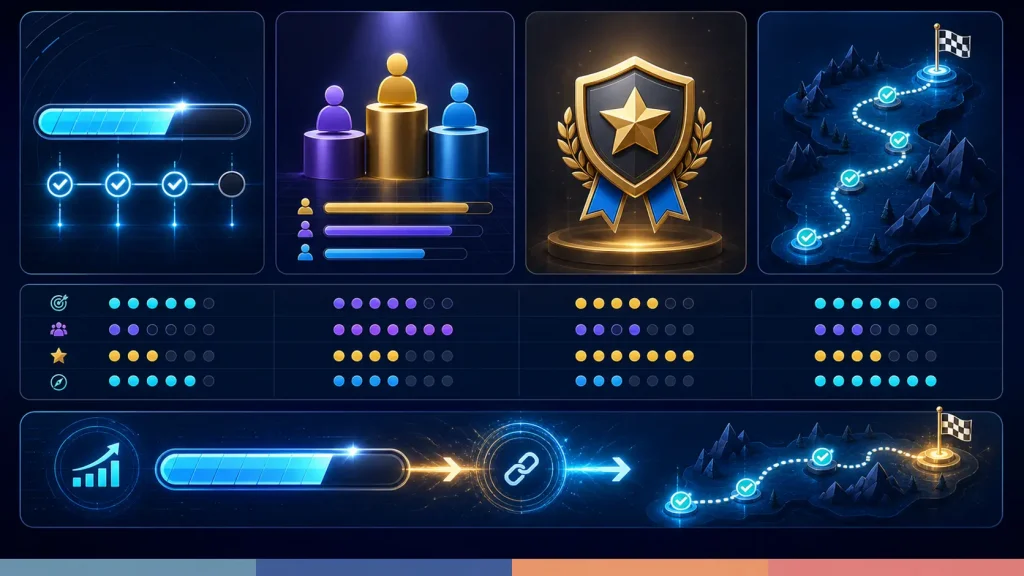
Home Services Our Works Gamification 101 Gamification Case Studies Turnkey Product Game Based Assessment Potentia Level Up RCD Contact English Bahasa Indonesia English Home Services Our Works Gamification 101 Gamification Case Studies Turnkey Product Game Based Assessment Potentia Level Up RCD Contact English Bahasa Indonesia English Home Services Our Works Gamification 101 Gamification Case Studies Turnkey Product Game Based Assessment Potentia Level Up RCD Contact English Bahasa Indonesia English Home Services Our Works Gamification 101 Gamification Case Studies Turnkey Product Game Based Assessment Potentia Level Up RCD Contact English Bahasa Indonesia English Home Services Our Works Gamification 101 Gamification Case Studies Turnkey Product Game Based Assessment Potentia Level Up RCD Contact English Bahasa Indonesia English Home Services Our Works Gamification 101 Gamification Case Studies Turnkey Product Game Based Assessment Potentia Level Up RCD Contact English Bahasa Indonesia English Edit Template Progress Bar, Leaderboard, Badge, dan Quest dalam Gamifikasi: Mana yang Paling Efektif? Ketika mendengar istilah gamifikasi, banyak orang langsung membayangkan poin dan leaderboard. Padahal, gamifikasi jauh lebih luas dari sekadar sistem peringkat. Berbagai elemen seperti progress bar, badge, leaderboard, hingga quest memiliki fungsi psikologis yang berbeda dan dapat digunakan sesuai tujuan bisnis maupun pembelajaran. Kesalahan yang sering terjadi adalah menerapkan semua elemen sekaligus tanpa mempertimbangkan perilaku pengguna. Akibatnya, pengalaman yang seharusnya menyenangkan justru terasa membingungkan atau bahkan membuat pengguna kehilangan motivasi. Lalu, apa sebenarnya fungsi masing-masing elemen gamifikasi, dan kapan waktu yang tepat untuk menggunakannya? Mengapa Elemen Gamifikasi Penting? Gamifikasi bekerja dengan memanfaatkan motivasi intrinsik dan ekstrinsik seseorang. Setiap elemen dirancang untuk memicu perilaku tertentu, seperti mendorong penyelesaian tugas, membangun kompetisi sehat, memberikan pengakuan atas pencapaian, atau menciptakan rasa memiliki tujuan. Dengan memilih elemen yang tepat, perusahaan dapat meningkatkan engagement, mempercepat proses belajar, meningkatkan retensi pengguna, hingga mendorong perubahan perilaku secara berkelanjutan. Berikut empat elemen yang paling sering digunakan dalam implementasi gamifikasi. Progress Bar: Memberikan Rasa Kemajuan Progress bar merupakan indikator visual yang menunjukkan sejauh mana seseorang telah menyelesaikan suatu proses. Contohnya dapat ditemukan pada: Proses onboarding aplikasi. Modul e-learning. Program pelatihan karyawan. Formulir pendaftaran. Program sertifikasi. Progress bar bekerja karena manusia cenderung terdorong untuk menyelesaikan sesuatu yang hampir selesai. Fenomena ini dikenal sebagai goal gradient effect, yaitu motivasi yang meningkat ketika seseorang merasa semakin dekat dengan tujuan. Misalnya, ketika sebuah pelatihan menunjukkan bahwa peserta telah menyelesaikan 80% materi, kemungkinan mereka menyelesaikan 20% sisanya menjadi jauh lebih tinggi dibandingkan jika tidak ada indikator kemajuan sama sekali. Progress bar sangat cocok digunakan apabila tujuan utama adalah meningkatkan completion rate. Leaderboard: Mendorong Kompetisi Sehat Leaderboard menampilkan peringkat peserta berdasarkan performa tertentu. Elemen ini banyak digunakan dalam: Program sales. Kompetisi internal perusahaan. Pelatihan berbasis skor. Challenge komunitas. Kampanye pemasaran. Leaderboard memanfaatkan motivasi sosial. Ketika seseorang mengetahui posisinya dibandingkan peserta lain, muncul dorongan untuk meningkatkan performa. Namun, leaderboard tidak selalu menjadi solusi terbaik. Jika selisih skor terlalu jauh atau peserta baru merasa mustahil mengejar posisi teratas, motivasi justru dapat menurun. Oleh karena itu, leaderboard sering kali lebih efektif jika dikombinasikan dengan: Leaderboard mingguan. Leaderboard berdasarkan divisi. Leaderboard per kelompok. Reset skor secara berkala. Pendekatan tersebut membuat kompetisi tetap terasa realistis dan mendorong lebih banyak peserta untuk terus berpartisipasi. Badge: Memberikan Pengakuan atas Pencapaian Badge adalah simbol digital yang diberikan ketika seseorang berhasil mencapai target tertentu. Contohnya antara lain: Menyelesaikan modul pelatihan. Mencapai target penjualan. Mengikuti webinar. Menjadi mentor. Berkontribusi pada komunitas. Berbeda dengan leaderboard yang membandingkan individu dengan orang lain, badge lebih berfokus pada pencapaian pribadi. Badge memberikan rasa bangga sekaligus menjadi bentuk pengakuan atas usaha yang telah dilakukan. Dalam dunia pembelajaran, badge juga dapat digunakan sebagai bukti kompetensi atau micro-credential yang menunjukkan kemampuan tertentu tanpa harus menunggu sertifikasi besar. Agar efektif, badge sebaiknya memiliki nama yang menarik, desain visual yang jelas, serta syarat pencapaian yang transparan. Quest: Membuat Aktivitas Menjadi Lebih Bermakna Quest merupakan rangkaian misi yang harus diselesaikan pengguna untuk mencapai tujuan tertentu. Alih-alih hanya memberikan daftar tugas, quest mengubah aktivitas menjadi sebuah perjalanan yang memiliki tantangan dan alur. Sebagai contoh, proses onboarding karyawan dapat diubah menjadi beberapa quest seperti: Mengenal budaya perusahaan. Menyelesaikan pelatihan keamanan. Bertemu mentor. Mengikuti simulasi pekerjaan. Menyelesaikan proyek pertama. Setiap quest dapat memberikan reward, membuka tantangan berikutnya, atau menghadirkan cerita yang membuat pengalaman terasa lebih menarik. Quest sangat efektif untuk aktivitas yang berlangsung dalam jangka waktu panjang karena membantu pengguna memahami apa yang harus dilakukan selanjutnya. Apakah Harus Menggunakan Semua Elemen Sekaligus? Tidak. Gamifikasi yang efektif bukan tentang menggunakan sebanyak mungkin fitur, melainkan memilih elemen yang paling sesuai dengan tujuan. Sebagai contoh: Jika ingin meningkatkan penyelesaian pelatihan, progress bar biasanya menjadi pilihan utama. Jika ingin meningkatkan performa tim penjualan, leaderboard dapat menjadi pendorong kompetisi. Jika ingin memberikan apresiasi terhadap pencapaian individu, badge lebih relevan. Jika ingin membuat proses belajar terasa seperti sebuah perjalanan, quest merupakan pilihan yang tepat. Dalam banyak implementasi, beberapa elemen memang sering dikombinasikan. Misalnya, quest dilengkapi progress bar untuk menunjukkan perkembangan, kemudian peserta memperoleh badge setelah menyelesaikan seluruh misi. Cara Memilih Elemen Gamifikasi yang Tepat Sebelum menentukan fitur yang akan digunakan, ada beberapa pertanyaan yang perlu dijawab: Perilaku apa yang ingin diubah? Apa motivasi utama target pengguna? Apakah aktivitas bersifat individu atau kompetitif? Berapa lama program akan berlangsung? Bagaimana keberhasilan program akan diukur? Jawaban atas pertanyaan tersebut membantu memastikan bahwa setiap elemen gamifikasi memiliki fungsi yang jelas dan mendukung tujuan organisasi. Gamifikasi yang Efektif Berawal dari Desain, Bukan Sekadar Fitur Progress bar, leaderboard, badge, dan quest hanyalah alat. Dampaknya sangat bergantung pada bagaimana elemen-elemen tersebut dirancang dan diintegrasikan ke dalam pengalaman pengguna. Gamifikasi yang berhasil bukan sekadar membuat aktivitas terasa seperti permainan, tetapi mampu menciptakan motivasi, mempertahankan keterlibatan, dan mendorong perubahan perilaku yang nyata. Itulah sebabnya banyak organisasi kini tidak lagi hanya menambahkan poin atau peringkat, melainkan merancang pengalaman gamifikasi secara menyeluruh agar sesuai dengan tujuan pembelajaran, pengembangan talenta, maupun strategi bisnis. Frequently Asked Questions Apa fungsi progress bar dalam gamifikasi? Progress bar membantu pengguna melihat perkembangan mereka menuju suatu tujuan. Indikator visual ini dapat meningkatkan motivasi untuk menyelesaikan tugas karena pengguna merasa semakin dekat dengan target akhir. Kapan leaderboard sebaiknya digunakan? Leaderboard paling efektif ketika tujuan program adalah mendorong kompetisi sehat, seperti
Progress Bar, Leaderboard, Badge, and Quest in Gamification: Which One Is Most Effective?
Home Services Our Works Gamification 101 Gamification Case Studies Turnkey Product Game Based Assessment Potentia Level Up RCD Contact English Bahasa Indonesia English Home Services Our Works Gamification 101 Gamification Case Studies Turnkey Product Game Based Assessment Potentia Level Up RCD Contact English Bahasa Indonesia English Home Services Our Works Gamification 101 Gamification Case Studies Turnkey Product Game Based Assessment Potentia Level Up RCD Contact English Bahasa Indonesia English Home Services Our Works Gamification 101 Gamification Case Studies Turnkey Product Game Based Assessment Potentia Level Up RCD Contact English Bahasa Indonesia English Home Services Our Works Gamification 101 Gamification Case Studies Turnkey Product Game Based Assessment Potentia Level Up RCD Contact English Bahasa Indonesia English Home Services Our Works Gamification 101 Gamification Case Studies Turnkey Product Game Based Assessment Potentia Level Up RCD Contact English Bahasa Indonesia English Edit Template Progress Bar, Leaderboard, Badge, and Quest in Gamification: Which One Is Most Effective? When hearing the term gamification, many people immediately imagine points and leaderboards. In fact, gamification is much broader than just ranking systems. Various elements such as progress bars, badges, leaderboards, and quests have different psychological functions and can be used according to business or learning objectives. A common mistake is applying all elements at once without considering user behavior. As a result, an experience that should be fun instead feels confusing or even causes users to lose motivation. So, what exactly are the functions of each gamification element, and when is the right time to use them? Why Are Gamification Elements Important? Gamification works by leveraging a person’s intrinsic and extrinsic motivation. Each element is designed to trigger specific behaviors, such as encouraging task completion, building healthy competition, providing recognition for achievements, or creating a sense of purpose. By choosing the right elements, companies can increase engagement, speed up the learning process, improve user retention, and drive sustainable behavioral change. Here are the four elements most commonly used in gamification implementation. Progress Bar: Providing a Sense of Progress A progress bar is a visual indicator that shows how far someone has completed a process. Examples can be found in: Application onboarding processes. E-learning modules. Employee training programs. Registration forms. Certification programs. Progress bars work because humans tend to be driven to complete something that is almost finished. This phenomenon is known as the goal gradient effect, which is motivation that increases as someone feels closer to the goal. For example, when a training course shows that a participant has completed 80% of the material, the likelihood of them finishing the remaining 20% becomes much higher compared to if there were no progress indicator at all. Progress bars are very suitable for use when the main goal is to increase the completion rate. Leaderboard: Encouraging Healthy Competition A leaderboard displays participant rankings based on specific performance. This element is widely used in: Sales programs. Internal company competitions. Score-based training. Community challenges. Marketing campaigns. Leaderboards leverage social motivation. When someone knows their position compared to other participants, a drive to improve performance emerges. However, leaderboards are not always the best solution. If the score difference is too large or new participants feel it is impossible to catch up to the top positions, motivation can actually decrease. Therefore, leaderboards are often more effective if combined with: Weekly leaderboards. Leaderboards based on division. Leaderboards per group. Periodic score resets. Such approaches keep competition feeling realistic and encourage more participants to continue engaging. Badge: Providing Recognition for Achievements A badge is a digital symbol given when someone successfully reaches a certain target. Examples include: Completing a training module. Reaching a sales target. Attending a webinar. Becoming a mentor. Contributing to the community. Unlike leaderboards that compare individuals with others, badges focus more on personal achievement. Badges provide a sense of pride as well as being a form of recognition for the effort put in. In the learning world, badges can also be used as proof of competence or micro-credentials that show specific skills without having to wait for a major certification. To be effective, badges should have attractive names, clear visual designs, and transparent achievement requirements. Quest: Making Activities More Meaningful A quest is a series of missions that users must complete to reach a certain goal. Instead of just providing a task list, a quest turns an activity into a journey that has challenges and a plot. As an example, the employee onboarding process can be turned into several quests such as: Getting to know the company culture. Completing security training. Meeting a mentor. Participating in a job simulation. Completing the first project. Each quest can provide rewards, unlock the next challenge, or present stories that make the experience feel more engaging. Quests are very effective for activities that take place over a long period because they help users understand what they should do next. Should All Elements Be Used Simultaneously? No. Effective gamification is not about using as many features as possible, but about choosing the elements that best suit the goal. For example: If you want to increase training completion, a progress bar is usually the primary choice. If you want to improve sales team performance, a leaderboard can be a driver of competition. If you want to provide appreciation for individual achievements, badges are more relevant. If you want to make the learning process feel like a journey, quests are the right choice. In many implementations, several elements are indeed often combined. For example, a quest is equipped with a progress bar to show development, then participants earn a badge after completing all missions. How to Choose the Right Gamification Elements Before determining the features to be used, there are several questions that need to be answered: What behavior do you want to change? What is the main motivation of the target users? Is the activity individual or competitive? How long will the program last? How will the program’s success be measured? The answers to these questions help ensure that each gamification element has a clear function
HYROX and Gamification: When Fitness Competition is Built Like a Video Game
Home Services Our Works Gamification 101 Gamification Case Studies Turnkey Product Game Based Assessment Potentia Level Up RCD Contact English Bahasa Indonesia English Home Services Our Works Gamification 101 Gamification Case Studies Turnkey Product Game Based Assessment Potentia Level Up RCD Contact English Bahasa Indonesia English Home Services Our Works Gamification 101 Gamification Case Studies Turnkey Product Game Based Assessment Potentia Level Up RCD Contact English Bahasa Indonesia English Home Services Our Works Gamification 101 Gamification Case Studies Turnkey Product Game Based Assessment Potentia Level Up RCD Contact English Bahasa Indonesia English Edit Template HYROX and Gamification: When Fitness Competition is Built Like a Video Game What is HYROX? HYROX is a global fitness competition that combines running and functional workouts in a standardized race format. In one race, participants must complete eight kilometers of running interspersed with eight workout stations, such as SkiErg, sled push, sled pull, rowing, and wall balls. The consistent format across every country makes HYROX a repeatable, measurable, and scalable competition system. This is what makes HYROX a clear example of gamification in the modern sports world. Collage of HYROX athletes performing intense exercises such as battle ropes, floor workouts, and wall balls. Why Can HYROX Be Called Gamification? Gamification is not just about points, badges, or digital prizes. The core of gamification is how a system is designed to make people keep coming back, developing, and competing. HYROX has all these elements. Every race is built like a gameplay loop, where participants face a challenge, see real-time progress, receive a reward, and are then motivated to try again and achieve a better result. Gamification Elements in HYROX Clear Progression System Every workout station in HYROX acts as a checkpoint. Participants move from one challenge to the next, creating a very clear sense of progression. Just like in a video game, the further someone moves, the closer they get to the final goal. This structured progression provides a strong psychological boost because participants can always see how far they have progressed. HYROX race progression diagram showing the sequence of running segments and workout stations. Global Leaderboard as a Competitive Trigger One of the strongest elements of HYROX is the global leaderboard. After completing the race, participants can compare their time with thousands of other participants worldwide. This system creates a strong social competition. It’s not just about finishing the race, but also about ranking, personal bests, and position in the global community. This mechanism is similar to the ranked system in Valorant or League of Legends. HYROX leaderboard screen displaying participant rankings and race completion times. Addictive Achievement System HYROX also has a very clear achievement system. Starting from a finisher medal, a personal record, to the opportunity to qualify for the world championship. These rewards create a sense of accomplishment that makes participants want to come back. The more difficult the target to achieve, the higher the engagement created. HYROX participants competing in a fitness event featuring reward-based and achievement-driven challenges. Identity Building One of the highest levels of gamification is when the system succeeds in forming a user’s identity. Many HYROX participants start to view themselves as a “HYROX athlete.” When someone begins to build an identity around an activity, engagement is usually no longer temporary but transforms into a lifestyle. What Brands Can Learn from HYROX? HYROX shows that the best gamification is not about a gimmick, but about a clear system. Brands can learn to build a customer journey like race progression, dividing the customer journey into several checkpoints, providing tiered rewards, and offering visual progress so customers feel they are constantly developing. Furthermore, leaderboards or social comparison can be a very powerful tool for increasing retention and community engagement. Frequently Asked Questions What makes HYROX different from other fitness competitions? HYROX has a consistent competition format worldwide, allowing participants to objectively compare their performance from one event to another. Unlike many other fitness competitions whose formats are dynamic, HYROX offers a stable progression system. This makes the competition experience feel like a game with fixed levels, where players continue to improve their skills and performance over time. Why does HYROX keep participants coming back? One of the main reasons HYROX is highly engaging is that it has a clear feedback loop: challenge, progress, reward, compare, repeat. After completing one race, participants immediately know their results, the areas they need to improve, and their position compared to other participants. This system creates a natural drive to return and chase a better result. What is the connection between HYROX and gamification? HYROX is a real-world example of how game mechanics are applied. A progression system, leaderboards, achievement unlocks, and milestone rewards are the main foundations of gamification. These elements are commonly used in digital products, loyalty programs, and employee engagement systems to increase participation and retention. What can companies learn from HYROX? Companies can learn that strong engagement is born from a structured system. Just as HYROX divides the race journey into checkpoints, businesses can also build a customer journey or employee journey with clear milestones, tiered rewards, and transparent progress tracking. This approach helps increase motivation, retention, and participation. Is gamification only effective for fitness and sports? No. The principles of gamification can be applied across many industries such as marketing, brand activation, HR, education, and employee onboarding. The key lies in how a system is designed so that users feel they are constantly developing, challenged, and motivated to return. For companies looking to apply principles like HYROX into customer experience, employee engagement, or learning journeys, gamification solutions are increasingly relevant. Together with Agate through Level Up powered by Agate, brands and organizations can design gamification systems tailored to business goals, ranging from challenge mechanics, leaderboards, reward systems, to immersive experiences that can tangibly increase engagement. Author Related Article All Posts Service Highlight-EN News-EN Education-EN All-EN HYROX and Gamification: When Fitness Competition is Built Like a Video Game July 8, 2026/ Beyond the Leaderboard: Modern Data-Driven Gamification Trends in Marketing,
Level Up powered by Agate Shows the Potential of Games for the Business World at Clogs, Tulips and Video Games Erasmus Huis
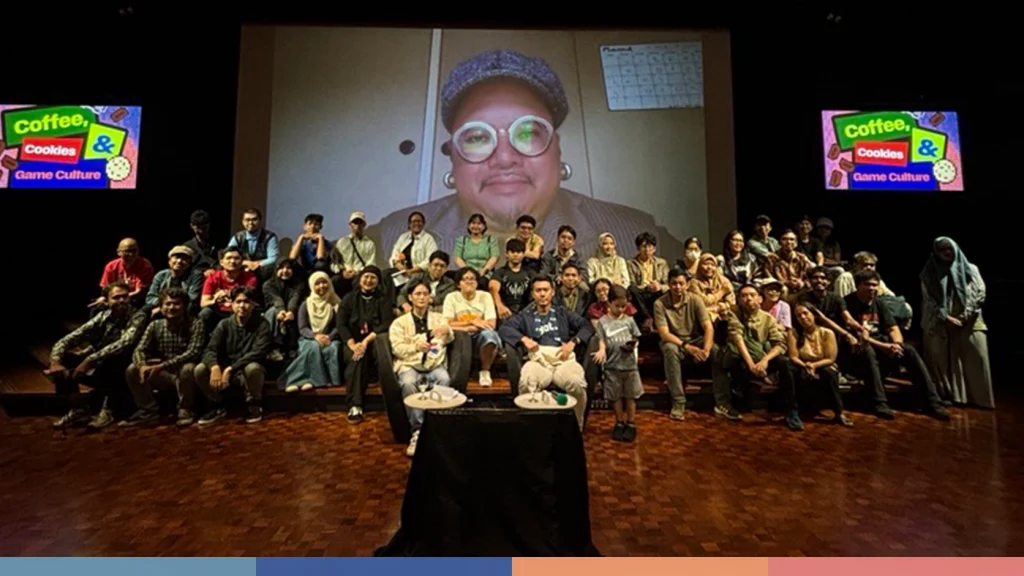
Home Services Our Works Gamification 101 Gamification Case Studies Turnkey Product Game Based Assessment Potentia Level Up RCD Contact English Bahasa Indonesia English Home Services Our Works Gamification 101 Gamification Case Studies Turnkey Product Game Based Assessment Potentia Level Up RCD Contact English Bahasa Indonesia English Home Services Our Works Gamification 101 Gamification Case Studies Turnkey Product Game Based Assessment Potentia Level Up RCD Contact English Bahasa Indonesia English Home Services Our Works Gamification 101 Gamification Case Studies Turnkey Product Game Based Assessment Potentia Level Up RCD Contact English Bahasa Indonesia English Home Services Our Works Gamification 101 Gamification Case Studies Turnkey Product Game Based Assessment Potentia Level Up RCD Contact English Bahasa Indonesia English Home Services Our Works Gamification 101 Gamification Case Studies Turnkey Product Game Based Assessment Potentia Level Up RCD Contact English Bahasa Indonesia English Edit Template Level Up powered by Agate Shows the Potential of Games for the Business World at Clogs, Tulips and Video Games Erasmus Huis Video games are no longer seen purely as a form of entertainment. In various industries, games have evolved into a means of learning, assessment, and a strategy to increase user engagement. This topic was one of the discussions at Clogs, Tulips and Video Games, a series of events held by Erasmus Huis to introduce innovations in the Dutch gaming industry while connecting Indonesian and Dutch gaming industry players. Representing Agate, Junialdi Dwijaputra, Head of Level Up powered by Agate, attended as a speaker in a discussion session to share how the game design approach can be applied outside the game industry, particularly in human resource development, learning, and corporate assessment processes. Through the session titled Trend & Case Study of Game-Based Learning & Assessment, Junialdi explained how game design principles can help organizations create more engaging learning experiences while yielding more accurate competency measurements. Changing the Way Companies View Games In his presentation, Junialdi explained that there is a fundamental difference between gamification, game-based learning, and game-based assessment, even though all three utilize game elements. Gamification focuses on adding game elements such as points, badges, and leaderboards to increase motivation in activities that are not actual games. Meanwhile, game-based learning uses games as the primary medium to build competence, whereas game-based assessment utilizes gameplay to measure a person’s behavior and abilities more naturally, making it more difficult to manipulate compared to conventional assessment methods. According to Junialdi, these three approaches share the same DNA. The game mechanism is not the main goal, but a tool to achieve business or learning objectives. Junialdi Dwijaputra, Head of Level Up powered by Agate, presented trends and case studies on game-based learning and assessment at the ‘Clogs, Tulips and Video Games’ event held at Erasmus Huis Jakarta. Why Are Games Increasingly Relevant for the Working World? One highlighted point is the change in demographics and societal behavior. Indonesia is currently the largest gaming market in Southeast Asia, with the majority of internet users playing video games and most Gen Z interacting with game content even outside of playing activity. On the other hand, various studies also show that the application of gamification in HR can increase engagement, retention, and training effectiveness, especially for the Millennial and Gen Z generations. This makes it necessary for companies to start viewing games not just as entertainment media, but also as a medium for communication, learning, and talent development. Junialdi also added that the experience of candidates and employees during the learning and assessment process now influences a company’s employer branding. A poor experience in the learning or selection process can form a negative perception of the organization. Game Development Becomes the Bridge Between Business Goals and Play Experience One of the main topics discussed is how the game development process acts as a bridge between business needs and the playing experience. According to Junialdi, a good educational game does not start with a gameplay idea, but with the business goal to be achieved. Once the objective is determined, every game mechanism must be designed to directly support that goal. This approach forms the basis of the Level Up Gamification Framework, a framework developed by Agate to translate business objectives into relevant and measurable game mechanisms. The framework consists of four main stages: defining the business objective, understanding the target user, designing the gameplay, and ensuring technical requirements before development begins. Bringing Real Experience from Various Industries Not only did Junialdi discuss theory, but he also showcased various real implementations that have been developed by Level Up powered by Agate. One example is Jago Money Quest, a financial education game with Bank Jago designed to help students understand financial literacy through interactive money management simulations. Every decision made by the player affects the course of the story and is part of the learning process about financial health. Junialdi also shared the case study of Telkomsel Working Culture Assessment, a game-based assessment that successfully involved over 32,000 participants and received a high satisfaction rate from candidates. Unlike conventional tests that only rely on participant answers, this approach observes the players’ actual behavior while making decisions in the game, providing a more objective overview of competency. Another example is Santos Jaya Abadi Managerial Assessment, which uses simulation to map managerial readiness through various decisions made by participants under conditions resembling actual work situations. This approach helps companies reduce bias and obtain a more comprehensive picture of competency. In addition, Junialdi introduced Next Chapter, a game-based assessment solution that integrates business simulation, narrative-based personality assessment, cognitive games, and neuroscience games into one integrated platform for large-scale recruitment needs. Agate Promotes the Use of Impactful Games Agate’s participation in Clogs, Tulips and Video Games demonstrates how the Indonesian gaming industry continues to evolve, not only producing entertainment products but also presenting game-based solutions capable of addressing challenges in various sectors. Through Level Up powered by Agate, the company offers various gamification solutions such as game-based learning, game-based assessment, immersive training, and interactive brand engagement that have been utilized by
Level Up powered by Agate Tunjukkan Potensi Game untuk Dunia Bisnis di Clogs, Tulips and Video Games Erasmus Huis
Home Services Our Works Gamification 101 Gamification Case Studies Turnkey Product Game Based Assessment Potentia Level Up RCD Contact English Bahasa Indonesia English Home Services Our Works Gamification 101 Gamification Case Studies Turnkey Product Game Based Assessment Potentia Level Up RCD Contact English Bahasa Indonesia English Home Services Our Works Gamification 101 Gamification Case Studies Turnkey Product Game Based Assessment Potentia Level Up RCD Contact English Bahasa Indonesia English Home Services Our Works Gamification 101 Gamification Case Studies Turnkey Product Game Based Assessment Potentia Level Up RCD Contact English Bahasa Indonesia English Home Services Our Works Gamification 101 Gamification Case Studies Turnkey Product Game Based Assessment Potentia Level Up RCD Contact English Bahasa Indonesia English Home Services Our Works Gamification 101 Gamification Case Studies Turnkey Product Game Based Assessment Potentia Level Up RCD Contact English Bahasa Indonesia English Edit Template Level Up powered by Agate Tunjukkan Potensi Game untuk Dunia Bisnis di Clogs, Tulips and Video Games Erasmus Huis Video game kini tidak lagi dipandang semata sebagai media hiburan. Di berbagai industri, game telah berkembang menjadi sarana pembelajaran, asesmen, hingga strategi meningkatkan keterlibatan pengguna. Topik inilah yang menjadi salah satu pembahasan dalam Clogs, Tulips and Video Games, sebuah rangkaian acara yang diselenggarakan Erasmus Huis untuk memperkenalkan inovasi industri game Belanda sekaligus mempertemukan pelaku industri game Indonesia dan Belanda. Mewakili Agate, Junialdi Dwijaputra, Head of Level Up powered by Agate, hadir sebagai pembicara dalam sesi diskusi untuk membagikan bagaimana pendekatan game design dapat diterapkan di luar industri game, khususnya dalam pengembangan sumber daya manusia, pembelajaran, hingga proses asesmen perusahaan. Melalui sesi bertajuk Trend & Case Study of Game-Based Learning & Assessment, Junialdi menjelaskan bagaimana prinsip desain game dapat membantu organisasi menciptakan pengalaman belajar yang lebih menarik sekaligus menghasilkan pengukuran kompetensi yang lebih akurat. Mengubah Cara Perusahaan Melihat Game Dalam presentasinya, Junialdi menjelaskan bahwa terdapat perbedaan mendasar antara gamification, game-based learning, dan game-based assessment, meskipun ketiganya sama-sama memanfaatkan elemen permainan. Gamification berfokus pada penambahan elemen permainan seperti poin, badge, dan leaderboard untuk meningkatkan motivasi dalam aktivitas yang sebenarnya bukan permainan. Sementara itu, game-based learning menggunakan game sebagai media utama untuk membangun kompetensi, sedangkan game-based assessment memanfaatkan gameplay untuk mengukur perilaku dan kemampuan seseorang secara lebih alami sehingga lebih sulit dimanipulasi dibandingkan metode asesmen konvensional. Menurut Junialdi, ketiga pendekatan tersebut memiliki DNA yang sama. Mekanisme permainan bukan menjadi tujuan utama, melainkan alat untuk mencapai objective bisnis atau pembelajaran. “Junialdi Dwijaputra, Head of Level Up powered by Agate, mempresentasikan tren dan studi kasus game-based learning serta assessment dalam acara Clogs, Tulips and Video Games di Erasmus Huis Jakarta.” Mengapa Game Semakin Relevan untuk Dunia Kerja? Salah satu poin yang disoroti adalah perubahan demografi dan perilaku masyarakat. Indonesia saat ini merupakan pasar game terbesar di Asia Tenggara, dengan mayoritas pengguna internet memainkan video game dan sebagian besar Gen Z berinteraksi dengan konten game bahkan di luar aktivitas bermain. Di sisi lain, berbagai penelitian juga menunjukkan bahwa penerapan gamification dalam HR mampu meningkatkan engagement, retensi, serta efektivitas pelatihan, terutama bagi generasi Milenial dan Gen Z. Hal ini membuat perusahaan perlu mulai memandang game bukan hanya sebagai media hiburan, tetapi juga sebagai media komunikasi, pembelajaran, dan pengembangan talenta. Junialdi juga menambahkan bahwa pengalaman kandidat maupun karyawan selama proses learning dan assessment kini turut memengaruhi employer branding perusahaan. Pengalaman yang kurang baik dalam proses pembelajaran maupun seleksi dapat membentuk persepsi negatif terhadap organisasi. Game Development Menjadi Jembatan antara Tujuan Bisnis dan Pengalaman Bermain Salah satu materi utama yang dibahas adalah bagaimana proses pengembangan game berperan sebagai penghubung antara kebutuhan bisnis dengan pengalaman bermain. Menurut Junialdi, sebuah game edukasi yang baik tidak dimulai dari ide gameplay, melainkan dari tujuan bisnis yang ingin dicapai. Setelah objective ditentukan, setiap mekanisme permainan harus dirancang agar mampu mendukung tujuan tersebut secara langsung. Pendekatan inilah yang menjadi dasar Level Up Gamification Framework, framework yang dikembangkan Agate untuk menerjemahkan business objective menjadi mekanisme permainan yang relevan dan terukur. Framework tersebut terdiri dari empat tahapan utama, yaitu menentukan tujuan bisnis, memahami target pengguna, merancang gameplay, serta memastikan kebutuhan teknis sebelum pengembangan dimulai. Membawa Pengalaman Nyata dari Berbagai Industri Tidak hanya membahas teori, Junialdi juga memperlihatkan berbagai implementasi nyata yang telah dikembangkan oleh Level Up powered by Agate. Salah satunya adalah Jago Money Quest, sebuah game edukasi finansial bersama Bank Jago yang dirancang untuk membantu mahasiswa memahami literasi keuangan melalui simulasi pengelolaan uang yang interaktif. Setiap keputusan pemain memengaruhi jalannya cerita sekaligus menjadi bagian dari proses pembelajaran mengenai kesehatan finansial. Junialdi juga membagikan studi kasus Telkomsel Working Culture Assessment, sebuah game-based assessment yang berhasil melibatkan lebih dari 32.000 peserta dan memperoleh tingkat kepuasan tinggi dari kandidat. Berbeda dengan tes konvensional yang hanya mengandalkan jawaban peserta, pendekatan ini mengamati perilaku nyata pemain selama mengambil keputusan di dalam permainan sehingga memberikan gambaran kompetensi yang lebih objektif. Contoh lainnya adalah Santos Jaya Abadi Managerial Assessment, yang menggunakan simulasi untuk memetakan kesiapan manajerial melalui berbagai keputusan yang diambil peserta dalam kondisi menyerupai situasi kerja sebenarnya. Pendekatan ini membantu perusahaan mengurangi bias sekaligus memperoleh gambaran kompetensi yang lebih komprehensif. Selain itu, Junialdi turut memperkenalkan Next Chapter, solusi game-based assessment yang menggabungkan simulasi bisnis, asesmen kepribadian berbasis naratif, cognitive games, hingga neuroscience games ke dalam satu platform terintegrasi untuk kebutuhan rekrutmen skala besar. Agate Dorong Pemanfaatan Game yang Berdampak Partisipasi Agate dalam Clogs, Tulips and Video Games menunjukkan bagaimana industri game Indonesia terus berkembang, tidak hanya menghasilkan produk hiburan, tetapi juga menghadirkan solusi berbasis game yang mampu menjawab tantangan di berbagai sektor. Melalui Level Up powered by Agate, perusahaan menghadirkan berbagai solusi gamifikasi seperti game-based learning, game-based assessment, immersive training, hingga interactive brand engagement yang telah digunakan oleh perusahaan dari berbagai industri. Keikutsertaan Junialdi Dwijaputra sebagai pembicara di Erasmus Huis sekaligus menjadi bukti bahwa inovasi game asal Indonesia mampu berkontribusi dalam diskusi internasional mengenai masa depan pembelajaran, asesmen, dan transformasi digital berbasis game. Frequently Asked Questions Apa itu Clogs, Tulips and Video Games? Clogs, Tulips and Video Games adalah rangkaian acara yang diselenggarakan Erasmus Huis untuk memperkenalkan industri game Belanda sekaligus menjadi ruang diskusi antara pelaku industri game Indonesia dan Belanda. Siapa
Beyond the Leaderboard: Modern Data-Driven Gamification Trends in Marketing, Brand, and HR
Home Services Our Works Gamification 101 Gamification Case Studies Turnkey Product Game Based Assessment Potentia Level Up RCD Contact English Bahasa Indonesia English Home Services Our Works Gamification 101 Gamification Case Studies Turnkey Product Game Based Assessment Potentia Level Up RCD Contact English Bahasa Indonesia English Home Services Our Works Gamification 101 Gamification Case Studies Turnkey Product Game Based Assessment Potentia Level Up RCD Contact English Bahasa Indonesia English Home Services Our Works Gamification 101 Gamification Case Studies Turnkey Product Game Based Assessment Potentia Level Up RCD Contact English Bahasa Indonesia English Edit Template Beyond the Leaderboard: Modern Data-Driven Gamification Trends in Marketing, Brand, and HR Entering the second half of the 2020s decade, specifically in 2026, gamification has undergone a radical evolution. Obsolete mechanisms like generic point accumulation and meaningless badges are now abandoned, considered merely manipulative psychological tricks. Modern consumers and employees demand agency, transparency, and meaningful play. The exponential growth of this industry is driven by the integration of cutting-edge technologies such as Artificial Intelligence (AI), Digital Twin, and Immersive Experience. This document dissects how three main business pillars—Marketing, Brand, and Human Resources (HR)—are transforming their operational landscape through modern gamification architecture, along with real-world case studies in the industry. Marketing: Ethical Data and Sustainable Retention Systems Marketers today face significant challenges due to soaring customer acquisition costs, fragmented digital attention, and strict data privacy regulations. Marketing strategy no longer focuses on one-off stunts, but shifts towards creating long-term engagement infrastructure. Key Trends: AI-Generated Gamification, Digital Twin of a Customer (DToC) & Zero-Party Data Capture Modern gamification acts as the best zero-party data collection engine. Through personalized mini-games powered by AI, brands offer explicit value exchange in return for consumer behavioral data. AI plays a critical role in adjusting game difficulty levels in real-time based on the player’s profile (Dynamic Difficulty Adjustment). According to industry analysis, the implementation of gamification in marketing strategy has been proven to increase customer loyalty and raise brand interaction metrics by up to 30% (Gartner IT Glossary). Real Case Study: Starbucks (“Deep Brew” AI Ecosystem) Starbucks uses the Deep Brew AI engine to map transaction history data, commute times, local store inventory, and even weather. The app then triggers highly personalized Bonus Star Challenges. If the system detects a customer frequently buys coffee in the morning and the weather is currently rainy, the app automatically triggers an instant mission rewarding double points for a pastry purchase within the next 30 minutes. Illustration of Starbucks Deep Brew featuring a mobile app and four coffee beverage variants, representing an AI-powered customer personalization system. Additional Efficiency Case Study: Autodesk The software giant Autodesk integrates gamification elements into their product free trial period. This interactive approach successfully increased user engagement metrics by 40% and boosted purchase conversions by up to 15% (Autodesk Business Review). Interface display of Autodesk’s gamification system featuring interactive missions, progress tracking, points, and rewards to increase user engagement during the free trial period. Brand: Emotional Loyalty Ecosystem Based on Digital Twin and Immersive Experience Conventional physical card-based loyalty programs are now considered dead. Consumers no longer desire bland transactions; they crave exclusive membership status (insider status) and a sense of ownership within a community. Globally, the gamification market capitalization value is projected to grow rapidly from $9.1 billion in 2020 to $30.7 billion in 2025 with a CAGR of 27.8% (MarketsandMarkets Report). Key Trends: Loyalty Metaverse, Immersive Brand Twin & Phygital AR Global brands are now creating Digital Twins of their physical products or building immersive spaces (AR/VR) where consumers can interact. Consumers are not just buying goods, but completing narrative-driven challenges, unlocking virtual achievements, and attending digital seasonal events. The integration between Immersive Experience and the real world creates a strong loyalty loop. Real Case Study: Nike (Nike Run Club & Nikeland on Roblox) Nike bridges users’ physical activity through the Nike Run Club (NRC) application. Every kilometer completed by the user running in the real world is recorded as a performance metric. The success of completing these physical targets is then converted into rewards in their virtual world on the Roblox platform (Nikeland), where users can unlock exclusive digital wearables for their avatars or gain early access to purchase limited edition physical shoes. Users interact with the NikeLand installation, connecting real-world physical activity with a virtual gamified experience in Roblox. Real Case Study: Coca-Cola (“Create Real Magic” Campaign) Coca-Cola launched a platform based on GPT-4 and DALL-E, challenging consumers to perform visual experiments using the brand’s iconic assets (such as the contour bottle or the polar bear). The gamification element lies in a global creative competition, where the best consumer-created artwork is projected in real-time on giant billboards in New York’s Times Square and London’s Piccadilly Circus. Public billboard for The Coca-Cola Company’s “Create Real Magic” campaign, showcasing AI-generated consumer artwork as part of a global creative initiative. Human Resources: Recruitment Transformation through Game-Based Assessment The most scientifically mature gamification revolution is actually occurring in the human resources (HR) management sector. Traditional recruitment formats are considered obsolete: static Likert scale questionnaires on desktop browsers trigger applicant abandonment rates of up to 60%, coupled with a high bias for manipulating answers (social desirability bias). Key Trends: Psychometric Game-Based Assessment (GBA) & Enterprise Metaverse Modern HR utilizes Game-Based Assessment to measure candidates’ cognitive abilities and personality traits (Big Five personality traits). Instead of answering theoretical questions, candidates complete interactive challenges lasting 5-10 minutes. Through GBA, machine learning algorithms record underlying behavioral data of candidates while playing, such as decision-making speed, post-failure resilience, and problem-solving strategies. The recruitment sector that adopts game elements records an increase in employee productivity by up to 48% and an increase in internal engagement by 60%, based on empirical industry studies (Aberdeen Group Research). In the Learning & Development pillar, competition-based challenges can increase employee knowledge retention thanks to the stimulation of active recall. Real Case Study: Unilever (Global Future Leaders Programme via Pymetrics) Unilever eliminated the traditional document selection stage and replaced it with 12 neuro-science
Beyond the Leaderboard V4: Tren Gamifikasi Modern Berbasis Data pada Marketing, Brand, dan HR
Home Services Our Works Gamification 101 Gamification Case Studies Turnkey Product Game Based Assessment Potentia Level Up RCD Contact English Bahasa Indonesia English Home Services Our Works Gamification 101 Gamification Case Studies Turnkey Product Game Based Assessment Potentia Level Up RCD Contact English Bahasa Indonesia English Home Services Our Works Gamification 101 Gamification Case Studies Turnkey Product Game Based Assessment Potentia Level Up RCD Contact English Bahasa Indonesia English Home Services Our Works Gamification 101 Gamification Case Studies Turnkey Product Game Based Assessment Potentia Level Up RCD Contact English Bahasa Indonesia English Edit Template Beyond the Leaderboard V4: Tren Gamifikasi Modern Berbasis Data pada Marketing, Brand, dan HR Memasuki paruh kedua dekade 2020-an, tepatnya di tahun 2026, gamifikasi telah mengalami evolusi radikal. Mekanisme usang seperti akumulasi poin generik dan lencana (badges) tanpa arti kini ditinggalkan karena dianggap sebagai trik manipulatif psikologis semata. Konsumen dan karyawan modern menuntut agensi, transparansi, dan interaksi yang cerdas (meaningful play). Pertumbuhan eksponensial industri ini didorong oleh integrasi teknologi mutakhir seperti Artificial Intelligence (AI), Digital Twin, dan Immersive Experience. Dokumen ini membedah bagaimana tiga pilar bisnis utama—Marketing, Brand, dan Human Resources (HR)—mentransformasi lanskap operasional mereka melalui arsitektur gamifikasi modern beserta studi kasus riilnya di dunia industri. Marketing: Data Berbasis Etika dan Sistem Retensi Berkelanjutan Di masa kini, pemasar menghadapi tantangan berat akibat melonjaknya biaya akuisisi pelanggan (customer acquisition cost), fragmentasi perhatian digital, serta regulasi privasi data yang ketat. Strategi pemasaran tidak lagi berfokus pada kampanye sekali pakai (one-off stunts), melainkan beralih ke pembuatan infrastruktur keterlibatan jangka panjang. Tren Utama: AI-Generated Gamification, Digital Twin of a Customer (DToC) & Zero-Party Data Capture Gamifikasi modern bertindak sebagai mesin pengumpul zero-party data terbaik. Melalui mini-games terpersonalisasi yang ditenagai AI, merek menawarkan nilai nyata (explicit value exchange) sebagai imbalan atas data perilaku konsumen. AI memegang peran penting dalam menyesuaikan tingkat kesulitan game secara real-time berdasarkan profil pemain (Dynamic Difficulty Adjustment). Menurut analisis industri, implementasi gamifikasi dalam strategi pemasaran terbukti meningkatkan loyalitas pelanggan dan menaikkan metrik interaksi merek hingga 30% (Gartner IT Glossary). Studi Kasus Riil: Starbucks (Ekosistem AI “Deep Brew”) Starbucks menggunakan mesin AI Deep Brew untuk memetakan data riwayat transaksi, waktu komuter, inventaris toko lokal, hingga cuaca. Aplikasi kemudian memicu Bonus Star Challenges yang sangat personal. Jika sistem mendeteksi seorang pelanggan sering membeli kopi di pagi hari dan cuaca saat itu sedang hujan, aplikasi secara otomatis memicu misi instan berhadiah poin ganda untuk pembelian pastry dalam kurun waktu 30 menit ke depan. Ilustrasi Starbucks Deep Brew menampilkan aplikasi mobile dan empat varian minuman kopi sebagai representasi sistem AI personalisasi pelanggan. Studi Kasus Efisiensi Tambahan: Autodesk Raksasa peranti lunak Autodesk mengintegrasikan elemen gamifikasi ke dalam periode uji coba (free trial) produk mereka. Pendekatan interaktif ini berhasil meningkatkan metrik keterlibatan pengguna sebesar 40% dan mendongkrak konversi pembelian hingga 15% (Autodesk Business Review). Tampilan antarmuka gamifikasi Autodesk berupa misi interaktif dengan sistem progress, poin, dan reward untuk meningkatkan engagement pengguna selama masa free trial. Brand: Ekosistem Loyalitas Emosional Berbasis Digital Twin dan Immersive Experience Program loyalitas konvensional berbasis kartu fisik kini dianggap telah mati. Konsumen tidak lagi menginginkan transaksi hambar; mereka mendambakan status keanggotaan eksklusif (insider status) dan rasa kepemilikan dalam suatu komunitas. Secara global, nilai kapitalisasi pasar gamifikasi diproyeksikan tumbuh pesat dari $9,1 miliar pada tahun 2020 menjadi $30,7 miliar pada tahun 2025 dengan CAGR sebesar 27,8% (MarketsandMarkets Report). Tren Utama: Metaverse Loyalitas, Immersive Brand Twin & Phygital AR Merek-merek global kini menciptakan Digital Twin dari produk fisik mereka atau membangun ruang imersif (AR/VR) di mana konsumen dapat berinteraksi. Konsumen tidak sekadar membeli barang, melainkan menyelesaikan misi naratif (narrative-driven challenges), membuka pencapaian virtual, dan menghadiri acara musiman digital. Integrasi antara Immersive Experience dan dunia nyata menciptakan loyalty loop yang kuat. Studi Kasus Riil: Nike (Nike Run Club & Nikeland di Roblox) Nike menjembatani aktivitas fisik pengguna melalui aplikasi Nike Run Club (NRC). Setiap kilometer yang ditempuh pengguna saat berlari di dunia nyata dicatat sebagai metrik performa. Keberhasilan menyelesaikan target fisik tersebut kemudian dikonversi menjadi reward di dunia virtual mereka di platform Roblox (Nikeland), di mana pengguna dapat membuka pakaian digital (digital wearables) eksklusif untuk avatar mereka atau mendapatkan akses awal (early access) pembelian sepatu fisik edisi terbatas. Pengguna berinteraksi dengan instalasi NikeLand yang menghubungkan aktivitas fisik dunia nyata dengan pengalaman gamifikasi virtual di Roblox. Studi Kasus Riil: Coca-Cola (Kampanye “Create Real Magic”) Coca-Cola meluncurkan platform berbasis GPT-4 dan DALL-E, menantang konsumen untuk melakukan eksperimen visual menggunakan aset ikonik brand (seperti botol kontur atau beruang kutub). Elemen gamifikasinya terletak pada kompetisi kreatif berskala global, di mana karya seni terbaik hasil kreasi konsumen langsung diproyeksikan secara real-time di papan reklame raksasa Times Square New York dan Piccadilly Circus London. Billboard Coca-Cola “Create Real Magic” di ruang publik menampilkan karya seni AI buatan konsumen sebagai bagian dari kampanye kreatif global. Human Resources: Transformasi Rekrutmen Lewat Game-Based Assessment Revolusi gamifikasi paling matang secara ilmiah justru terjadi di sektor pengelolaan sumber daya manusia (HR). Format rekrutmen tradisional dinilai sudah usang: kuesioner skala Likert statis di peramban desktop memicu tingkat keputusasaan pelamar (candidate abandonment rate) hingga 60%, ditambah tingginya bias manipulasi jawaban (social desirability bias). Tren Utama: Game-Based Assessment (GBA) Berbasis Psikometri & Enterprise Metaverse HR modern memanfaatkan Game-Based Assessment untuk mengukur kemampuan kognitif dan sifat kepribadian (Big Five personality traits) kandidat. Alih-alih menjawab pertanyaan teoretis, kandidat menyelesaikan tantangan interaktif berdurasi 5-10 menit. Melalui GBA, algoritma machine learning merekam data perilaku bawah sabar kandidat saat bermain, seperti kecepatan pengambilan keputusan, resiliensi pasca-kegagalan, dan strategi pemecahan masalah. Sektor rekrutmen yang mengadopsi elemen permainan mencatat kenaikan produktivitas karyawan hingga 48% dan peningkatan keterikatan internal sebesar 60% berdasarkan studi empiris industri (Aberdeen Group Research). Di pilar pelatihan (Learning & Development), tantangan berbasis kompetisi mampu meningkatkan retensi pengetahuan karyawan berkat stimulasi active recall (penarikan memori aktif). Studi Kasus Riil: Unilever (Global Future Leaders Programme via Pymetrics) Unilever menghapus tahap seleksi dokumen tradisional dan menggantinya dengan 12 gim psikometri mikro berbasis neurosains. Kandidat memainkan gim teka-teki digital yang mengukur aspek kepribadian dan kognitif tanpa mereka sadari. Algoritma AI melacak kecepatan adaptasi kandidat setelah melakukan kesalahan, tingkat regulasi risiko (risk appetite), dan
Level Up powered by Agate Present at Tech for Business 2026, Showcasing Gamification Innovation Through Two Interactive Booths

Home Services Our Works Gamification 101 Gamification Case Studies Turnkey Product Game Based Assessment Potentia Level Up RCD Contact English Bahasa Indonesia English Home Services Our Works Gamification 101 Gamification Case Studies Turnkey Product Game Based Assessment Potentia Level Up RCD Contact English Bahasa Indonesia English Home Services Our Works Gamification 101 Gamification Case Studies Turnkey Product Game Based Assessment Potentia Level Up RCD Contact English Bahasa Indonesia English Home Services Our Works Gamification 101 Gamification Case Studies Turnkey Product Game Based Assessment Potentia Level Up RCD Contact English Bahasa Indonesia English Edit Template Level Up powered by Agate Present at Tech for Business 2026, Showcasing Gamification Innovation Through Two Interactive Booths The development of digital technology continues to push businesses to seek new ways to build stronger engagement with their audiences. One approach that is increasingly relevant is gamification, a strategy that incorporates game elements to enhance interaction, participation, and user experience. At Tech for Business 2026, held on June 23, 2026, at CGV Grand Indonesia, Level Up powered by Agate is present as a tech partner, bringing two interactive booths that demonstrate how game technology can be adapted for modern business needs. Instead of merely being part of a technology exhibition, Level Up powered by Agate’s presence is an opportunity for visitors to directly experience how immersive technology, VR, and hand gesture interaction can be tangible solutions for engagement, training, and experiential activation. Why Is Gamification Increasingly Important for Business? In the era of AI and digital transformation, the pattern of interaction between brands and audiences has changed drastically. The one-way approach is becoming less effective because users want a more personal, interactive, and memorable experience. Gamification addresses this need by providing an experience that makes users an active part of an activity. In a business context, its application can be used for: Employee training and onboarding Brand activation and experiential marketing Event engagement Customer loyalty program Recruitment and assessment Through its participation in Tech for Business 2026, Level Up powered by Agate showcases how gamification can be applied practically through two different experiences. Booth 1: Immersive VR Experience with Pasien Terakhir One of the main attractions at the Level Up powered by Agate booth is the Virtual Reality (VR) experience through a full development game titled Pasien Terakhir (The Last Patient). Visitor trying the Pasien Terakhir VR experience at the Level Up powered by Agate booth at Tech for Business 2026 Pasien Terakhir is an immersive storytelling-based game that draws players into an experience full of tension and real-time decision-making. VR Potential for Business Solutions Although developed as an entertainment game, the technology used in it demonstrates significant potential for business needs such as: Training simulation Safety learning Behavioral education Interactive storytelling Experiential campaign Through this booth, visitors can see firsthand how full-scale game development can deliver a deeper and more impactful experience compared to conventional media. Booth 2: Hand Gesture Gaming with Slice Party and Kart Rush In addition to VR, Level Up powered by Agate also presents a second booth featuring two games based on hand gesture interaction, namely Slice Party and Kart Rush. Hand gesture technology allows players to interact without controllers, using only hand movements. This creates a more intuitive, fast, and easily accessible playing experience. Slice Party: Fast and Natural Interaction https://www.youtube.com/watch?v=Ll7kBC8fp_o Visitor trying the Slice Party hand gesture game at the Level Up powered by Agate booth In Slice Party, players must perform slicing movements to complete challenges quickly. This concept is highly suitable for: Event activation Product showcase Retail engagement Interactive exhibition Slice Party demonstrates that engagement does not have to be complex to be effective. Kart Rush: Light Competition that Boosts Participation https://www.youtube.com/watch?v=_0RX9OsPEEU&feature=youtu.be Visitor trying the Kart Rush hand gesture game at the Level Up powered by Agate booth Meanwhile, Kart Rush offers a competitive racing experience with light and fun gameplay, suitable for creating: Leaderboard competition Team building activities Customer engagement Community activation Competitive formats like this prove effective in attracting visitor attention and increasing interaction time at the booth. Bringing Game Technology Closer to Business Solutions Level Up powered by Agate’s participation in Tech for Business 2026 is not just about showcasing technology, but also demonstrating how game mechanics can be translated into relevant business solutions. From HR, marketing, training, to event activation, gamification now opens new opportunities to build stronger engagement, increase learning retention, and create more memorable experiences. By bringing VR and hand gesture gaming experiences to the event, Level Up powered by Agate affirms its commitment to continuously drive gamification innovation for businesses in Indonesia. The excitement of visitors at the Kart Rush hand gesture game booth at the Level Up powered by Agate booth Ready to Bring Gamification to Your Business Strategy? Seeing how VR, game-based interaction, and immersive technology can capture visitor attention at Tech for Business 2026 is just a small part of the potential of gamification for business. Imagine if the same approach were applied to your company’s needs, from employee training, recruitment, marketing activation, to customer engagement. At Agate Level Up, we help businesses transform ordinary interactions into more engaging, measurable, and impactful experiences through gamification solutions tailored to company objectives. Interested in exploring how gamification can be applied to your business? Visit our contact page and start discussing your needs with our team at Level Up powered by Agate. Frequently Asked Questions (FAQ) What is gamification in business? Gamification in business is the use of game elements such as challenges, rewards, and interactions to increase engagement in various business activities. From HR, marketing, to training, gamification helps companies create more effective and engaging experiences. To understand its application further, you can check out the gamification solutions from Level Up powered by Agate. What are the benefits of VR for business needs? VR can be used for training simulation, product storytelling, and more immersive experiential marketing. With an experience-based approach, VR is able to enhance user understanding and retention. What is the advantage of hand gesture games for
Level Up powered by Agate Hadir di Tech for Business 2026, Tampilkan Inovasi Gamification Lewat Dua Booth Interaktif
Beranda Layanan Portofolio 101 Gamifikasi Studi Kasus Turnkey Produk Game Based Assessment Potentia Level Up RCD Kontak Bahasa Indonesia Bahasa Indonesia English Beranda Layanan Portofolio 101 Gamifikasi Studi Kasus Turnkey Produk Game Based Assessment Potentia Level Up RCD Kontak Bahasa Indonesia Bahasa Indonesia English Beranda Layanan Portofolio 101 Gamifikasi Studi Kasus Turnkey Produk Game Based Assessment Potentia Level Up RCD Kontak Bahasa Indonesia Bahasa Indonesia English Beranda Layanan Portofolio 101 Gamifikasi Studi Kasus Turnkey Produk Game Based Assessment Potentia Level Up RCD Kontak Bahasa Indonesia Bahasa Indonesia English Edit Template Level Up powered by Agate Hadir di Tech for Business 2026, Tampilkan Inovasi Gamification Lewat Dua Booth Interaktif Perkembangan teknologi digital terus mendorong bisnis untuk mencari cara baru dalam membangun engagement yang lebih kuat dengan audiens. Salah satu pendekatan yang kini semakin relevan adalah gamification, strategi yang menggabungkan elemen permainan untuk meningkatkan interaksi, partisipasi, dan pengalaman pengguna. Dalam ajang Tech for Business 2026 yang berlangsung pada 23 Juni 2026 di CGV Grand Indonesia, Level Up powered by Agate hadir sebagai tech partner dan membawa dua booth interaktif yang menunjukkan bagaimana teknologi game dapat diadaptasi untuk kebutuhan bisnis modern. Alih-alih hanya menjadi bagian dari pameran teknologi, kehadiran Level Up powered by Agate menjadi kesempatan bagi pengunjung untuk merasakan langsung bagaimana immersive technology, VR, dan hand gesture interaction dapat menjadi solusi nyata untuk engagement, training, dan experiential activation. Mengapa Gamification Semakin Penting untuk Bisnis? Di era AI dan digital transformation, pola interaksi antara brand dan audiens telah berubah drastis. Pendekatan satu arah kini semakin kurang efektif karena pengguna menginginkan pengalaman yang lebih personal, interaktif, dan memorable. Gamification menjawab kebutuhan ini dengan menghadirkan pengalaman yang membuat pengguna menjadi bagian aktif dari sebuah aktivitas. Dalam konteks bisnis, penerapannya dapat digunakan untuk: Employee training dan onboarding Brand activation dan experiential marketing Event engagement Customer loyalty program Recruitment dan assessment Melalui partisipasinya di Tech for Business 2026, Level Up powered by Agate menunjukkan bagaimana gamification bisa diterapkan secara nyata melalui dua pengalaman berbeda. Booth 1: Pengalaman VR Immersive Lewat Pasien Terakhir Salah satu daya tarik utama dari booth Level Up powered by Agate adalah pengalaman Virtual Reality (VR) melalui game full development berjudul Pasien Terakhir. Pengunjung mencoba pengalaman VR Pasien Terakhir di booth Level Up powered by Agate pada Tech for Business 2026 Pasien Terakhir adalah game berbasis immersive storytelling yang membawa pemain masuk ke dalam pengalaman penuh ketegangan dan pengambilan keputusan secara real-time. Potensi VR untuk Solusi Bisnis Meski dikembangkan sebagai game hiburan, teknologi yang digunakan di dalamnya menunjukkan potensi besar untuk kebutuhan bisnis seperti: Training simulation Safety learning Behavioral education Interactive storytelling Experiential campaign Melalui booth ini, pengunjung dapat melihat secara langsung bagaimana full-scale game development mampu menghadirkan pengalaman yang lebih dalam dan impactful dibandingkan media konvensional. Booth 2: Hand Gesture Gaming dengan Slice Party dan Kart Rush Selain VR, Level Up powered by Agate juga menghadirkan booth kedua yang menampilkan dua game berbasis hand gesture interaction, yaitu Slice Party dan Kart Rush. Teknologi hand gesture memungkinkan pemain berinteraksi tanpa controller, hanya menggunakan gerakan tangan. Hal ini menciptakan pengalaman bermain yang lebih intuitif, cepat, dan mudah diakses. Slice Party: Interaksi Cepat dan Natural https://www.youtube.com/watch?v=Ll7kBC8fp_o Visitor trying the Slice Party hand gesture game at the Level Up powered by Agate booth Pada Slice Party, pemain harus melakukan gerakan slicing untuk menyelesaikan tantangan dengan cepat. Konsep ini sangat cocok untuk: Event activation Product showcase Retail engagement Interactive exhibition Slice Party menunjukkan bahwa engagement tidak harus kompleks untuk bisa efektif. Kart Rush: Kompetisi Ringan yang Meningkatkan Partisipasi https://www.youtube.com/watch?v=_0RX9OsPEEU&feature=youtu.be Visitor trying the Kart Rush hand gesture game at the Level Up powered by Agate booth Sementara itu, Kart Rush menghadirkan pengalaman balapan kompetitif dengan gameplay yang ringan dan fun, cocok untuk menciptakan: Leaderboard competition Team building activities Customer engagement Community activation Format kompetitif seperti ini terbukti efektif untuk menarik perhatian pengunjung dan meningkatkan waktu interaksi di booth. Membawa Game Technology Lebih Dekat ke Solusi Bisnis Partisipasi Level Up powered by Agate di Tech for Business 2026 bukan hanya tentang menunjukkan teknologi, tetapi juga memperlihatkan bagaimana game mechanics dapat diterjemahkan menjadi solusi bisnis yang relevan. Mulai dari HR, marketing, training, hingga event activation, gamification kini membuka peluang baru untuk membangun engagement yang lebih kuat, meningkatkan retensi pembelajaran, dan menciptakan pengalaman yang lebih berkesan. Dengan membawa pengalaman VR dan hand gesture gaming ke acara ini, Level Up powered by Agate menegaskan komitmennya untuk terus mendorong inovasi gamification bagi bisnis di Indonesia. Kemeriahan Pengunjung di booth game hand gesture Kart Rush di booth Level Up powered by Agate Siap Membawa Gamification ke Strategi Bisnis Anda? Melihat bagaimana VR, game-based interaction, dan immersive technology dapat menarik perhatian pengunjung di Tech for Business 2026 hanyalah sebagian kecil dari potensi gamification untuk bisnis. Bayangkan jika pendekatan yang sama diterapkan untuk kebutuhan perusahaan Anda, mulai dari employee training, recruitment, marketing activation, hingga customer engagement. Di Agate Level Up, kami membantu bisnis mengubah interaksi biasa menjadi pengalaman yang lebih engaging, measurable, dan impactful melalui solusi gamification yang dirancang sesuai objective perusahaan. Ingin mengeksplorasi bagaimana gamification bisa diterapkan di bisnis Anda? Kunjungi halaman kontak kami dan mulai diskusikan kebutuhan Anda bersama tim kami di Level Up powered by Agate. Frequently Asked Questions (FAQ) Apa itu gamification dalam bisnis? Gamification dalam bisnis adalah penggunaan elemen permainan seperti challenge, reward, dan interaksi untuk meningkatkan engagement dalam berbagai aktivitas bisnis. Mulai dari HR, marketing, hingga training, gamification membantu perusahaan menciptakan pengalaman yang lebih efektif dan menarik. Untuk memahami penerapannya lebih lanjut, Anda bisa melihat solusi gamification dari Level Up powered by Agate. Apa manfaat VR untuk kebutuhan bisnis? VR dapat digunakan untuk training simulation, product storytelling, hingga experiential marketing yang lebih immersive. Dengan pendekatan berbasis pengalaman, VR mampu meningkatkan pemahaman dan retensi pengguna. Apa keunggulan hand gesture game untuk event? Hand gesture game memberikan pengalaman interaktif tanpa alat tambahan, sehingga lebih praktis, menarik, dan mudah diakses pengunjung. Teknologi ini sangat cocok untuk event activation, exhibition, maupun brand engagement. Apakah Level Up powered by Agate menyediakan solusi gamification custom? Ya, Level Up powered by Agate menyediakan solusi gamification yang dapat
Resmi Diluncurkan di The 7th Assessment Centre, Next Chapter Game-Based Assessment Siap Ubah Wajah Rekrutmen Indonesia
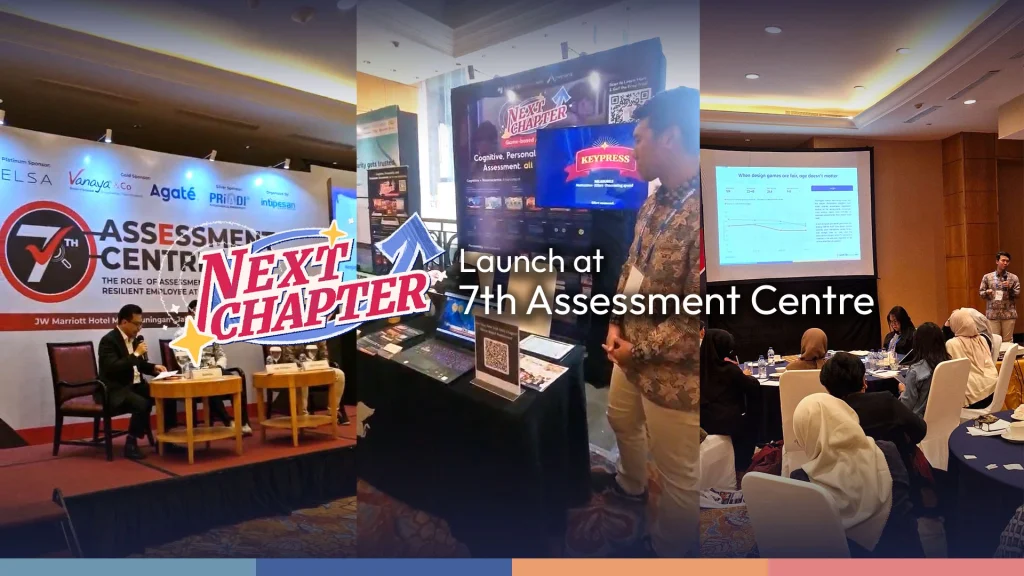
Beranda Layanan Portofolio 101 Gamifikasi Studi Kasus Turnkey Produk Game Based Assessment Potentia Level Up RCD Kontak Bahasa Indonesia Bahasa Indonesia English Beranda Layanan Portofolio 101 Gamifikasi Studi Kasus Turnkey Produk Game Based Assessment Potentia Level Up RCD Kontak Bahasa Indonesia Bahasa Indonesia English Beranda Layanan Portofolio 101 Gamifikasi Studi Kasus Turnkey Produk Game Based Assessment Potentia Level Up RCD Kontak Bahasa Indonesia Bahasa Indonesia English Beranda Layanan Portofolio 101 Gamifikasi Studi Kasus Turnkey Produk Game Based Assessment Potentia Level Up RCD Kontak Bahasa Indonesia Bahasa Indonesia English Edit Template Resmi Diluncurkan di The 7th Assessment Centre, Next Chapter Game-Based Assessment Siap Ubah Wajah Rekrutmen Indonesia Ajang bergengsi bagi para praktisi HR, The 7th Assessment Centre by Intipesan, sukses digelar pada 10–11 Juni 2026 di Hotel JW Marriott, Mega Kuningan, Jakarta. Acara tahunan ini menjadi sangat spesial karena menjadi saksi peluncuran resmi (grand launching) dari Next Chapter: Game-Based Assessment (GBA), sebuah inovasi teknologi rekrutmen hasil kolaborasi Level Up powered by Agate dan Anvesana Research Institute. Di hadapan para pemimpin HR dan praktisi assessment centre terkemuka di Indonesia, sesi bertajuk “Evolution of Assessment: Game-based Assessment” dipresentasikan dengan apik oleh Junialdi Dwijaputra (Head of Level Up powered by Agate) bersama Anjar Kartaputra, S.Psi., M.Psi., Psikolog (Director of Anvesana Research Institute). Mereka membedah bagaimana gim kini bukan lagi sekadar hiburan, melainkan alat ukur psikologis yang sangat akurat. Sorotan Utama di The 7th Assessment Centre: Mengapa Game-Based Assessment Mencuri Perhatian? Selama ini, tantangan terbesar dalam proses seleksi karyawan adalah kejenuhan kandidat saat mengisi ratusan soal kuesioner (test fatigue) serta kecenderungan mereka untuk “memanipulasi” jawaban demi terlihat sempurna. Di panggung The 7th Assessment Centre, Junialdi dan Anjar memaparkan bahwa Next Chapter Game-Based Assessment hadir untuk menyelesaikan masalah tersebut. Alih-alih menyuruh kandidat mengisi kuesioner teks, platform ini mengajak kandidat masuk ke dalam ekosistem gim virtual. Kemeriahan sesi presentasi Evolution of Assessment Game-based Assessment di panggung utama The 7th Assessment Centre Intipesan 2026 3 Area Kompetensi yang Diuji Lewat 17 Gim Interaktif Pengunjung mencoba demo Next Chapter Game-Based Assessment di booth Level Up Agate pada acara The 7th Assessment Centre Melalui demo produk yang dipamerkan sepanjang acara, para pengunjung dapat melihat bagaimana Next Chapter Game-Based Assessment memanfaatkan 17 gim kognitif serta 2 simulasi kantor dan kepemimpinan untuk membaca karakter asli kandidat secara objektif: Tes Kognitif & Neuro-Sains: Mengukur kemampuan inti kandidat seperti memori kerja (working memory) untuk menyimpan dan memproses informasi, kecepatan berpikir (processing speed) dalam memahami situasi dan merespons dengan cepat, serta problem solving untuk melihat bagaimana kandidat menganalisis tantangan dan menemukan solusi. Selain itu, assessment ini juga membantu mengidentifikasi tingkat fokus, ketelitian, dan fleksibilitas berpikir kandidat saat menghadapi perubahan atau tekanan dalam situasi kerja. Tes Kognitif & Neuro-Sains untuk Mengukur memori kerja, kecepatan berpikir, dan kelincahan kandidat dalam memecahkan masalah. Tes Kognitif & Neuro-Sains untuk Mengukur memori kerja, kecepatan berpikir, dan kelincahan kandidat dalam memecahkan masalah. Kepribadian Big Five: Menilai lima dimensi utama kepribadian, yaitu Openness, Conscientiousness, Extraversion, Agreeableness, dan Neuroticism, melalui tindakan nyata kandidat di dalam gim. Pendekatan ini memungkinkan perusahaan melihat kecenderungan perilaku, pola interaksi, hingga cara kandidat beradaptasi dalam situasi tertentu secara lebih autentik dibandingkan kuesioner konvensional. Assessment Report berdasarkan penilaian kepribadian Big Five Simulasi Kepemimpinan (Leadership): Kandidat ditantang untuk berperan sebagai manajer virtual dalam berbagai skenario kerja, mulai dari pengambilan keputusan strategis, pengelolaan tim, hingga penyelesaian konflik. Simulasi ini membantu mengidentifikasi gaya kepemimpinan, kemampuan problem solving, serta ketahanan kandidat saat bekerja di bawah tekanan. Simulation Assesment yang menantang kandidat untuk berperasn sebagai manajer virtual Rayakan Peluncuran, Level Up Buka Program Pilot Gratis! Sebagai bagian dari perayaan grand launching di The 7th Assessment Centre, Level Up powered by Agate memberikan penawaran eksklusif bagi perusahaan yang ingin bertransformasi. Anda bisa mencoba Game-Based Assessment Pilot Project secara gratis langsung untuk posisi (job role) nyata yang sedang Anda cari. Program pilot ini bersifat low-commitment, di mana skalanya akan dibantu dan disesuaikan langsung oleh tim Business Development Agate agar cocok dengan kebutuhan unik perusahaan Anda. Daftar Uji Coba Gratis Anda Di Sini: s.agate.id/nextgba Frequently Asked Questions (FAQ) Mengapa Next Chapter Game-Based Assessment baru diluncurkan secara resmi di The 7th Assessment Centre? Acara ini merupakan wadah berkumpulnya para praktisi assessment centre dan HR leaders terbesar di Indonesia. Momentum ini dinilai paling tepat untuk memperkenalkan evolusi alat ukur rekrutmen yang berbasis perilaku nyata kepada industri. Apakah data hasil penilaian dari gim ini benar-benar bisa dipertanggungjawabkan? Sangat bisa. Seluruh arsitektur gim di dalam Next Chapter Game-Based Assessment dirancang dan dikalibrasi ketat bersama psikolog dari Anvesana Research Institute untuk memastikan hasil asesmen tetap valid dan reliabel secara keilmuan. Bagaimana cara perusahaan saya mengikuti program free pilot yang diumumkan di acara tersebut? Cukup mengunjungi tautan resmi s.agate.id/nextgba dan mengisi formulir yang tersedia. Tim Level Up akan segera menghubungi Anda untuk menjadwalkan diskusi ruang lingkup pilot. Jenis assessment apa saja yang ada di Next Chapter Game-Based Assessment? Next Chapter Game-Based Assessment mencakup tiga area utama: Cognitive Assessment, Personality Assessment, dan Leadership Simulation. Mulai dari mengukur kemampuan berpikir, memahami kepribadian melalui Big Five, hingga melihat cara kandidat mengambil keputusan dan memimpin tim. Apa bedanya Game-Based Assessment dengan assessment biasa? Game-Based Assessment menilai kandidat lewat perilaku nyata saat bermain, bukan hanya jawaban kuesioner. Hasilnya lebih natural, minim bias, dan mengurangi test fatigue. https://www.youtube.com/watch?si=2KNXoF_qH-kiiSid&v=4IoNRk2vgMY&feature=youtu.be More than 2 results are available in the PRO version (This notice is only visible to admin users) The Authors Related Articles Result: Faster creation, broader access, and more efficient workflows. Source: Canva Newsroom All Posts All-EN Education-EN News-EN Service Highlight-EN Level Up powered by Agate Present at Tech for Business 2026, Showcasing Gamification Innovation Through Two Interactive Booths Juni 26, 2026/ Officially Launched at The 7th Assessment Centre, Next Chapter Game-Based Assessment is Ready to Change the Face of Indonesian Recruitment Juni 26, 2026/ Lenovo Legion Go S Retail Mini-Game Case Study: When the Game Becomes the Product Demo Mei 20, 2026/ World Cup 2026 and Roblox: The Indonesian Brand Activation Window CMOs Should Not Miss Mei 20, 2026/ How Long Does It Take to Build a Roblox World for Your Brand? The GrindBlox 4-Phase Process Explained Mei 19, 2026/