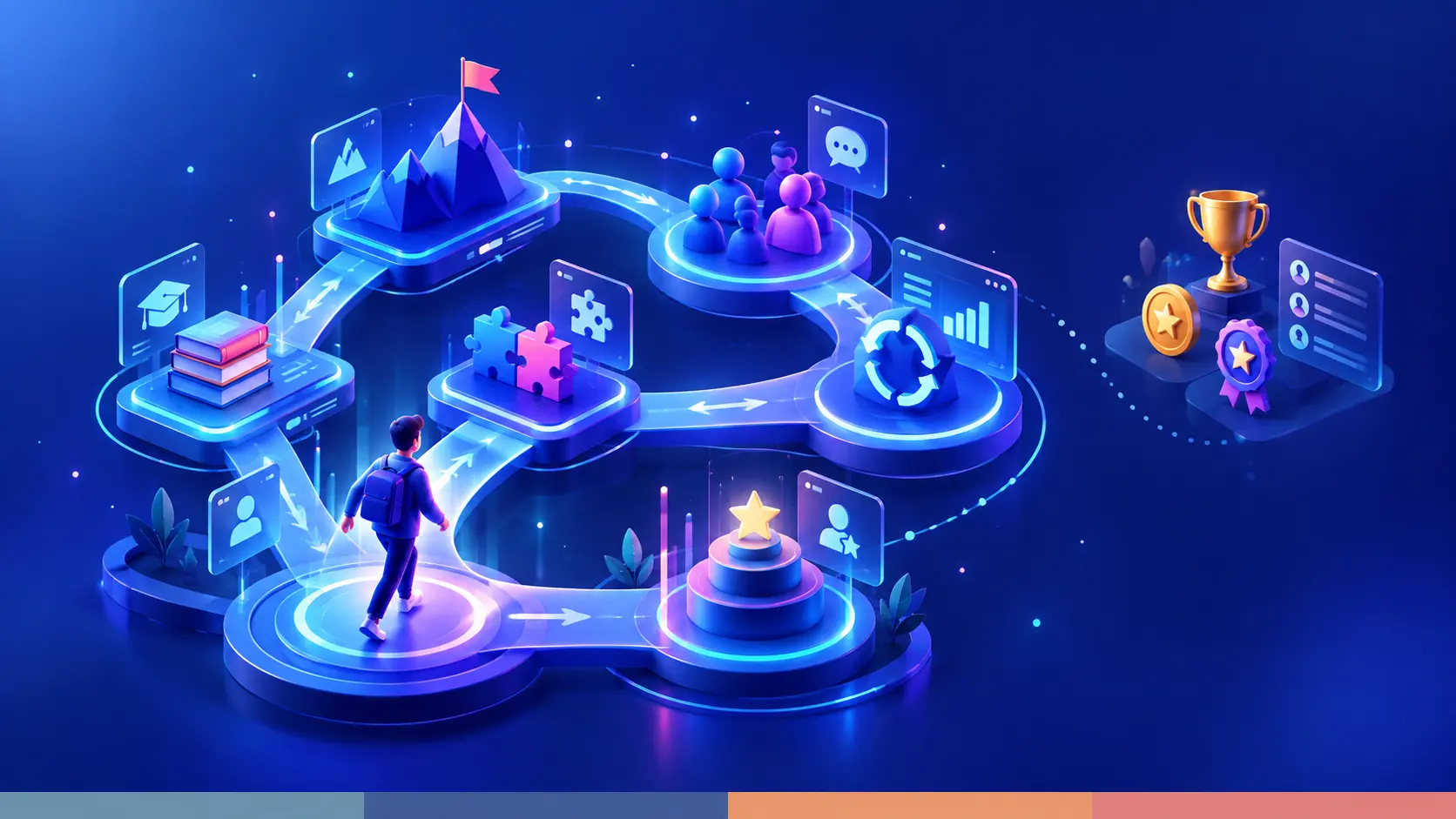
When hearing the term gamification, many people immediately imagine points and leaderboards. In fact, gamification is much broader than just ranking systems. Various elements such as progress bars, badges, leaderboards, and quests have different psychological functions and can be used according to business or learning objectives.
A common mistake is applying all elements at once without considering user behavior. As a result, an experience that should be fun instead feels confusing or even causes users to lose motivation.
So, what exactly are the functions of each gamification element, and when is the right time to use them?
Why Are Gamification Elements Important?
Gamification works by leveraging a person’s intrinsic and extrinsic motivation. Each element is designed to trigger specific behaviors, such as encouraging task completion, building healthy competition, providing recognition for achievements, or creating a sense of purpose.
By choosing the right elements, companies can increase engagement, speed up the learning process, improve user retention, and drive sustainable behavioral change.
Here are the four elements most commonly used in gamification implementation.
Progress Bar: Providing a Sense of Progress
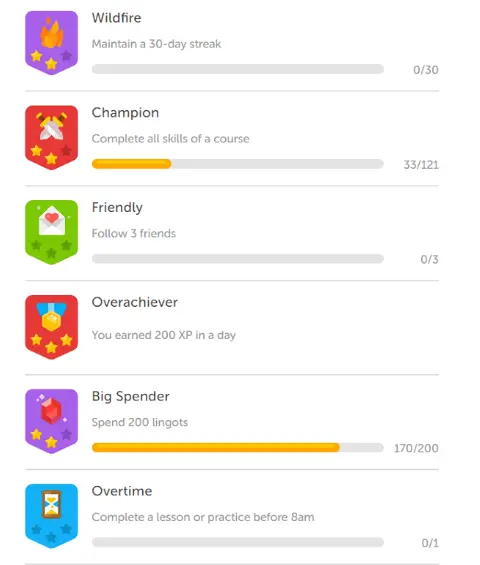
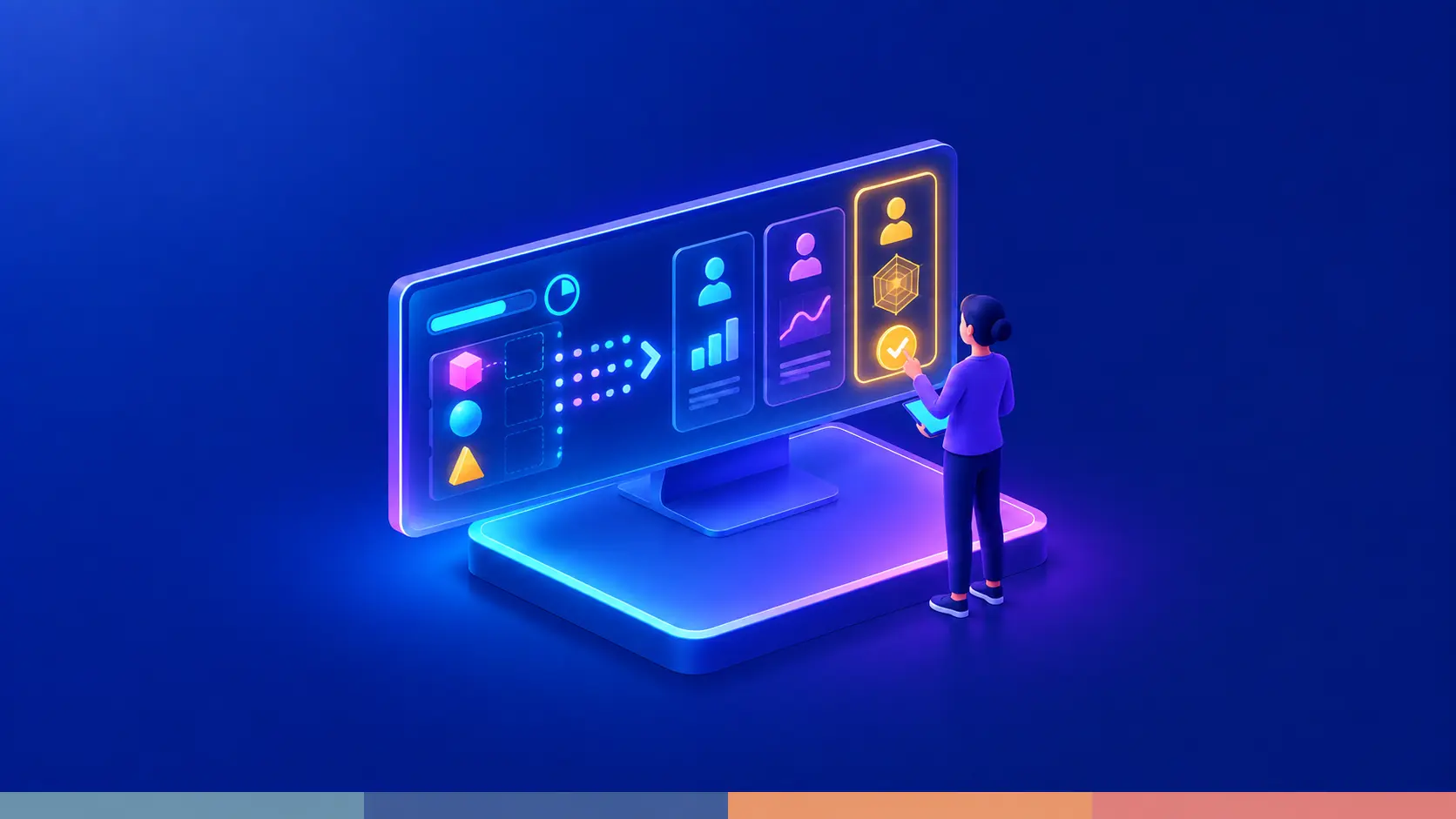
A progress bar is a visual indicator that shows how far someone has completed a process.
Examples can be found in:
Application onboarding processes.
E-learning modules.
Employee training programs.
Registration forms.
Certification programs.
Progress bars work because humans tend to be driven to complete something that is almost finished. This phenomenon is known as the goal gradient effect, which is motivation that increases as someone feels closer to the goal.
For example, when a training course shows that a participant has completed 80% of the material, the likelihood of them finishing the remaining 20% becomes much higher compared to if there were no progress indicator at all.
Progress bars are very suitable for use when the main goal is to increase the completion rate.
Leaderboard: Encouraging Healthy Competition
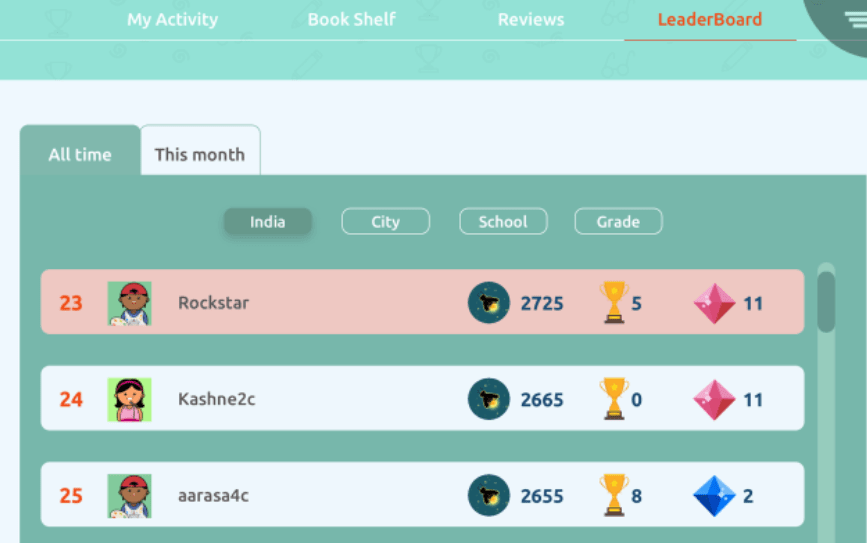
A leaderboard displays participant rankings based on specific performance.
This element is widely used in:
Sales programs.
Internal company competitions.
Score-based training.
Community challenges.
Marketing campaigns.
Leaderboards leverage social motivation. When someone knows their position compared to other participants, a drive to improve performance emerges.
However, leaderboards are not always the best solution.
If the score difference is too large or new participants feel it is impossible to catch up to the top positions, motivation can actually decrease. Therefore, leaderboards are often more effective if combined with:
Weekly leaderboards.
Leaderboards based on division.
Leaderboards per group.
Periodic score resets.
Such approaches keep competition feeling realistic and encourage more participants to continue engaging.
Badge: Providing Recognition for Achievements
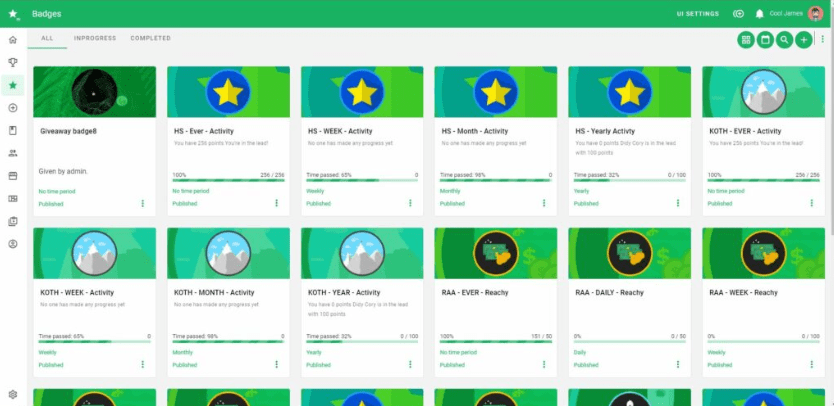
A badge is a digital symbol given when someone successfully reaches a certain target.
Examples include:
Completing a training module.
Reaching a sales target.
Attending a webinar.
Becoming a mentor.
Contributing to the community.
Unlike leaderboards that compare individuals with others, badges focus more on personal achievement.
Badges provide a sense of pride as well as being a form of recognition for the effort put in.
In the learning world, badges can also be used as proof of competence or micro-credentials that show specific skills without having to wait for a major certification.
To be effective, badges should have attractive names, clear visual designs, and transparent achievement requirements.
Quest: Making Activities More Meaningful
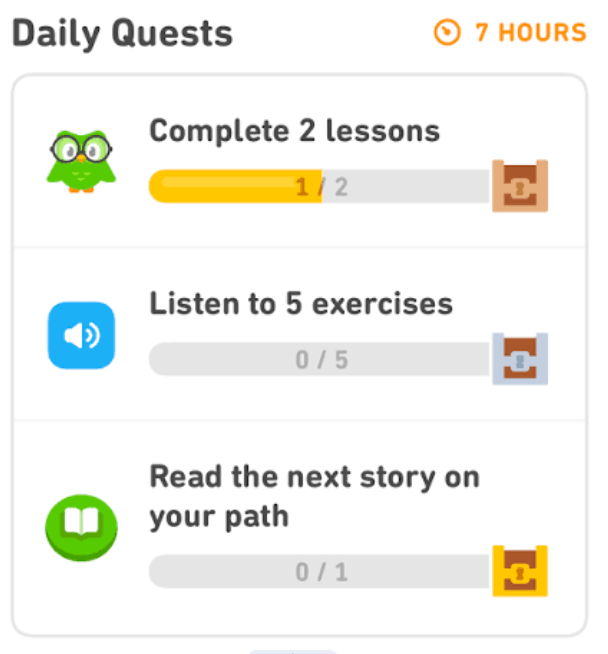
A quest is a series of missions that users must complete to reach a certain goal.
Instead of just providing a task list, a quest turns an activity into a journey that has challenges and a plot.
As an example, the employee onboarding process can be turned into several quests such as:
Getting to know the company culture.
Completing security training.
Meeting a mentor.
Participating in a job simulation.
Completing the first project.
Each quest can provide rewards, unlock the next challenge, or present stories that make the experience feel more engaging.
Quests are very effective for activities that take place over a long period because they help users understand what they should do next.
Should All Elements Be Used Simultaneously?
No.
Effective gamification is not about using as many features as possible, but about choosing the elements that best suit the goal.
For example:
If you want to increase training completion, a progress bar is usually the primary choice.
If you want to improve sales team performance, a leaderboard can be a driver of competition.
If you want to provide appreciation for individual achievements, badges are more relevant.
If you want to make the learning process feel like a journey, quests are the right choice.
In many implementations, several elements are indeed often combined. For example, a quest is equipped with a progress bar to show development, then participants earn a badge after completing all missions.
How to Choose the Right Gamification Elements
Before determining the features to be used, there are several questions that need to be answered:
What behavior do you want to change?
What is the main motivation of the target users?
Is the activity individual or competitive?
How long will the program last?
How will the program’s success be measured?
The answers to these questions help ensure that each gamification element has a clear function and supports organizational goals.
Effective Gamification Starts with Design, Not Just Features
Progress bars, leaderboards, badges, and quests are just tools. Their impact depends heavily on how those elements are designed and integrated into the user experience.
Successful gamification is not just about making an activity feel like a game, but being able to create motivation, maintain engagement, and drive real behavioral change.
That is why many organizations no longer just add points or rankings, but design the entire gamification experience to fit learning objectives, talent development, or business strategy.
Frequently Asked Questions
What is the function of a progress bar in gamification?
A progress bar helps users see their development toward a goal. This visual indicator can increase motivation to complete tasks because users feel closer to the final target.
When should a leaderboard be used?
Leaderboards are most effective when the program’s goal is to encourage healthy competition, such as in score-based training, sales programs, or community challenges. Leaderboard design needs to consider so that new participants still feel they have a chance to compete.
Are badges only used as rewards?
No. Besides being a form of appreciation, badges can also function as recognition of competence, achievement indicators, and even micro-credentials in employee learning and development programs.
What is the difference between a quest and a regular task list?
A quest organizes activities in the form of missions that have goals, a flow, and are often accompanied by rewards. This approach makes users feel like they are on a journey, not just completing a list of jobs.
How do you choose the right gamification elements for a company?
The choice of elements must be based on the program’s goals and the behavior to be built. If an organization wants to increase engagement, accelerate learning, or create a more interactive user experience through gamification, working with an experienced partner will help ensure each element is strategically designed.
At Level Up by Agate, we help companies design gamification solutions tailored to business needs, ranging from learning experiences and employee engagement to game-based assessments. Our approach focuses not only on using features like leaderboards or badges, but on how the entire experience is designed to produce behavioral change and measurable impact.
Ready to increase team engagement with gamification?Contact us to design the right solution for your company.
All company names, brand names, trademarks, logos, illustrations, videos and any other intellectual property (Intellectual Property) published on this website are the property of their respective owners. Any non-authorized usage of Intellectual Property is strictly prohibited and any violation will be prosecuted under the law.