
How to Boost Your Virtual Events with Gamification
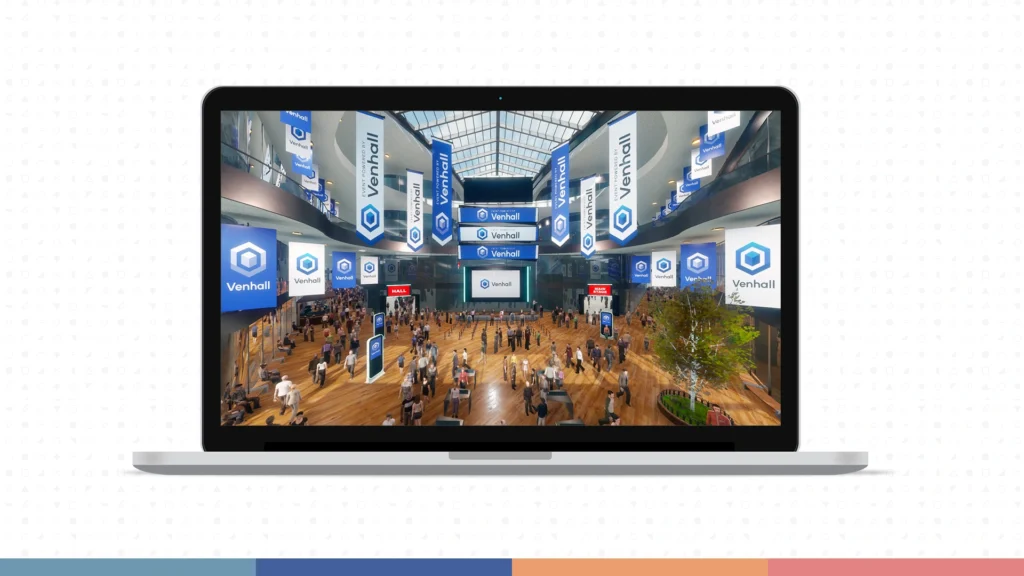
Home Services Our Works Gamification 101 Case Studies Turnkey Event Contact Languages Home Services Our Works Gamification 101 Case Studies Turnkey Event Contact Languages Home Services Our Works Gamification 101 Case Studies Turnkey Event Contact Languages Home Services Our Works Gamification 101 Case Studies Turnkey Event Contact Languages Edit Template How to Boost Your Virtual Events with Gamification Virtual events are becoming more and more popular and necessary in the post-pandemic world. They offer many advantages over conventional events regarding cost, reach, accessibility, and sustainability. However, they also pose some challenges when it comes to engagement, interaction, and retention. How can you make your events more fun, memorable, and effective? The answer is gamification. As we bid farewell to traditional in-venue gatherings, it’s essential to explore the myriad benefits that virtual events and gamification bring to the table. This article delves into the advantages of both virtual events and gamification individually and examines how their combination can elevate a company’s event strategy. The Rise of Virtual Platforms The traditional way of hosting physical events in brick-and-mortar venues has been disrupted by the emergence of virtual platforms. These platforms offer companies the opportunity to reach a global audience without the geographical limitations of conventional event proceedings. This increased accessibility promotes a larger mass of audience and more diverse participation, breaking barriers and fostering inclusivity. We have seen evidence of this with the success of Fortnite’s special event music concert by Travis Scott, which gathered audiences from around the world in the comfort of their homes. This shows one of the key advantages of virtual platforms is the ability to transcend geographical boundaries, allowing attendees to participate from anywhere, eliminating travel expenses and time-consuming commutes. This not only expands the reach of the event but also ensures a more diverse and inclusive audience can partake in the experience. https://www.youtube.com/watch?v=wYeFAlVC8qU&ab_channel=TravisScott Hosting events in physical venues can incur substantial costs for venue rental and logistics. Virtual events significantly reduce these expenses, making them a more cost-effective option for companies. The saved resources can be redirected towards enhancing the overall event experience or invested in other strategic initiatives. Data Analytics and Insights Virtual events provide a wealth of data and analytics that can be invaluable for companies. From attendee engagement metrics to content performance analytics, organizers can gain insights into participant behavior and preferences. This data-driven approach allows for more informed decision-making and the refinement of future events based on real-time feedback. The Power of Gamification Gamification has been proven to be a powerful tool to enhance engagement and motivate people. However, its application in virtual events is not very common, despite limited evidence. When gamification is implemented in virtual events, it introduces an element of amusement and competition, turning the attendee experience into an interactive and immersive journey. Using game development expertise such as Level Up Powered by Agate, they have shed light on the effectiveness of virtual events compared to conventional events, by adding gamification to virtual events. Their successful work such as Venhall in creating a virtual event demonstrates that gamification can significantly enhance the experience of virtual events when used effectively. Enhanced Engagement and Participation Gamification injects a sense of playfulness into virtual events, making them more engaging and enjoyable for participants. Whether through quizzes, challenges, or virtual scavenger hunts, gamified elements captivate the audience’s attention, fostering active participation and sustained interest throughout the event. Community Building and Networking Virtual events often struggle to replicate the organic networking opportunities that in-person gatherings offer. Gamification addresses this challenge by providing structured activities that encourage interaction and networking. From leaderboards showcasing top performers to team-based challenges, gamification strengthens the sense of community among participants. Learning and Skill Development Incorporating game-like mechanics into virtual events can facilitate effective learning experiences. Whether through simulations, case studies, or role-playing scenarios, gamification promotes skill development in a dynamic and engaging way. Attendees are more likely to retain information and apply learned skills when the educational component is presented in a gamified format. The Synergy of Virtual Events and Gamification By combining virtual events with gamification, companies can unlock a synergistic effect that transcends the benefits of each individually. This powerful duo creates an immersive and memorable experience that resonates with participants long after the event concludes. Increased Interaction and Social Connectivity Virtual events, when infused with gamified elements, become social hubs where participants actively engage with content and each other. From friendly competition to collaborative challenges, gamification fosters a sense of camaraderie and shared experience, mitigating the isolation that can sometimes accompany virtual events. Brand Differentiation and Memorable Experiences In a crowded digital landscape, companies strive to differentiate themselves and leave a lasting impression. Virtual events with gamification offer a unique and memorable experience that sets them apart. Attendees are more likely to remember and associate positive emotions with brands that provide entertaining and interactive events. Measurable ROI and Continuous Improvement The combination of virtual events and gamification allows for precise measurement of return on investment (ROI). Organizers can track engagement metrics, participant feedback, and overall event success. This data-driven approach enables continuous improvement, with organizers refining future events based on insights gained from the gamified virtual experiences. From the time spent by participants, the number of sessions attended, to the level of engagement in gamified activities – all these data points contribute to a comprehensive understanding of the event’s impact. This data-driven approach not only quantifies the success of the event but also provides valuable insights for future improvements and strategies. It’s a win-win situation for both the organizers and the participants. The organizers get their desired ROI and the participants get an engaging and personalized experience. Understanding the concept of virtual event gamification is crucial, but creating creative ideas to implement it can be a significant hurdle for organizers. To assist you in developing your gamified virtual events, here are some innovative gamification suggestions to help you get started. Create Custom Games Designing custom games tailored to your event’s theme adds a
Better Financial Literacy With Gamification: Collaborating with Bank Jago
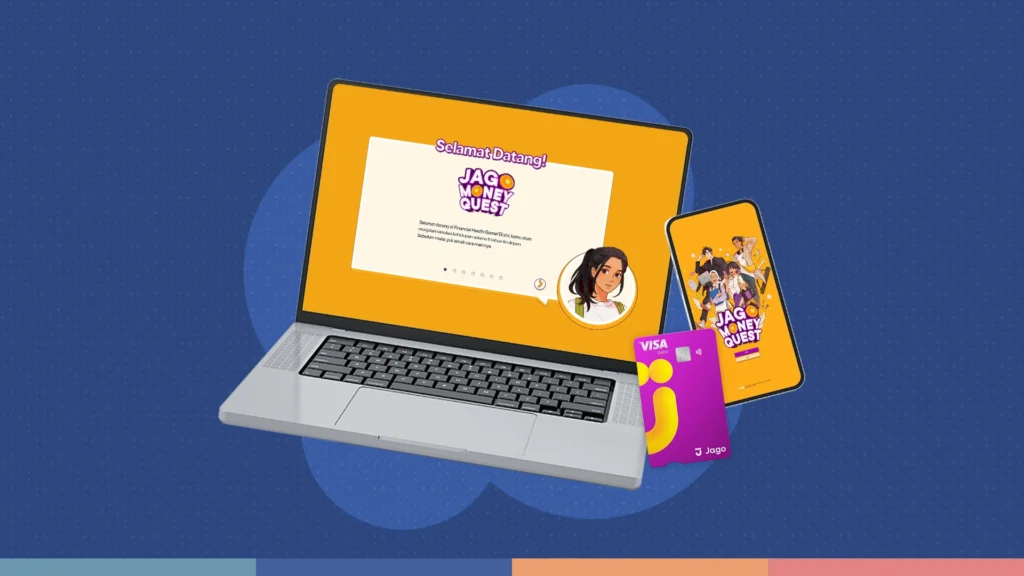
Home Services Our Works Gamification 101 Case Studies Turnkey Event Contact Languages Home Services Our Works Gamification 101 Case Studies Turnkey Event Contact Languages Home Services Our Works Gamification 101 Case Studies Turnkey Event Contact Languages Home Services Our Works Gamification 101 Case Studies Turnkey Event Contact Languages Edit Template Better Financial Literacy With Gamification: Collaborating with Bank Jago Let’s face it, understanding how money works, and more importantly, how it can work to our benefit, has become increasingly crucial over the years. This is especially true when you consider the dynamic changes in the global economy, including the rise of financial alternatives such as digital wallets, online banks, and cryptocurrencies. Not to mention, the 2019 National Survey on Financial Literacy and Inclusion (SNLIK) even revealed a financial literacy index of 38.03% and a financial inclusion index of 76.19%. This data indicates that the Indonesian population still lacks a comprehensive understanding of various financial products and services offered by formal institutions. As a result, those trusty school textbooks written just five years ago, or even the latest editions that we just bought, start to feel outdated pretty quickly. This realization underscores the urgent need for innovative learning methods that can keep pace with our ever-changing financial ecosystem. Financial literacy is key to achieving greater financial inclusion and development. Honing our skills in planning and managing personal finances is crucial for building a resilient and sustainable well-being. A constantly updated financial education empowers us not only to make informed decisions about saving and investing but also to mitigate risks that could negatively impact our financial security. Furthermore, updated financial literacy promotes financial inclusion by equipping individuals with the skills needed to access and utilize financial services effectively. The question is, is there such a thing? Short answer, yes, there is. Recently, Level Up powered by Agate has just collaborated with PT Bank Jago Tbk to create a financial literacy education in the form of a game or gamification. In February 2024, they launched Jago Money Quest, a groundbreaking interactive web-based game for financial education accessible through jagomoneyquest.com. This isn’t just any game though. In line with the United Nations Financial Health Framework, Jago Money Quest takes players on a simulated financial journey through eight levels. You’ll start as a freshman, navigating student life, and progress all the way to graduation and your first job. This approach aligns perfectly with several of the United Nations’ Sustainable Development Goals (SDGs). Here’s how: Goal 1: No Poverty Financial illiteracy is a significant barrier to poverty reduction. By equipping young people with the knowledge and skills to manage their finances effectively, Jago Money Quest empowers them to make informed choices that can lead to financial security and break the cycle of poverty. Goal 4: Quality Education As we mentioned before, traditional education often falls short when it comes to practical financial literacy. The Jago Money Quest game fills this gap by providing an engaging and interactive platform for young people to learn essential financial concepts. This complements formal education, ensuring a well-rounded understanding of financial matters. Goal 8: Decent Work and Economic Growth Financial literacy is a cornerstone of economic empowerment. By fostering responsible financial management among young people, Jago Money Quest prepares them to participate more actively in the workforce. This can lead to increased savings, better investment decisions, and ultimately, contribute to overall economic growth. Bank Jago’s Agenda Bank Jago’s Head of Sustainability & Digital Lending, Andy Djiwandono, expressed that Jago Money Quest goes beyond just the numbers. The game encourages players to consider other crucial factors impacting financial decisions, like health and time management. The goal? To empower younger generations to become financially responsible, confident managers of their money and set sustainable long-term goals. Bank Jago’s collaboration with Level Up powered by Agate, highlights their commitment to innovative and accessible financial education. Through trial and error over two years, Level Up powered by Agate’s development team ensured that the game resonates with the experiences of students. As Andy Djiwandono explains, “We found that everyone, young or old, wants to be financially secure, but everyone faces unique challenges. This game is designed to be relevant to students before they graduate and enter the workforce, so they can start making informed financial decisions early on.” Jago Money Quest is truly a powerful tool with the potential to transform financial literacy for the younger generation. By aligning with the UN’s SDGs and utilizing innovative teaching methods, Bank Jago is taking a proactive step towards building a future where financial well-being is accessible to all. United Nations Sustainable Development Goals To align with the UN Sustainable Development Goals (SDGs) framework, as mentioned before, Jago Money Quest was built with Indonesian college students in mind. This web-based game, developed by Level Up powered by Agate in collaboration with Bank Jago, aims to provide a deeper understanding and awareness about the importance of financial literacy and financial health. Here’s how Jago Money Quest uses gamification to make learning fun and engaging: Simulating Real-Life Money Management Jago Money Quest throws you right into the thick of things. You’ll make everyday financial decisions in a safe, virtual environment. Through gameplay, you’ll learn how to budget, save, and make informed choices about your money, all in a format that’s both accessible and engaging. Assessment and Feedback The game incorporates an assessment element that reveals your financial personality. This valuable feedback helps you identify areas for improvement and develop a personalized financial strategy for the real world. Appealing Visuals Learning doesn’t have to be boring! Jago Money Quest features eye-catching illustrations that enhance the gameplay experience and keep you engaged throughout. Choice-Driven Narrative The game throws you curveballs, but unlike real life, you get to see how your choices play out. Jago Money Quest introduces scenarios where your decisions shape the storyline. This interactive element adds another layer of depth and allows you to experience the consequences of your financial choices firsthand. https://s3.ap-southeast-1.amazonaws.com/assets-website.agate.id/Agate-Levelup/Website-Asset/article/Learning+Solution+-+Gamified+Learning+App+-++Bank+Jago.mp4 Aligning with the UN Financial Health Framework
Try Out Our Free Games Online
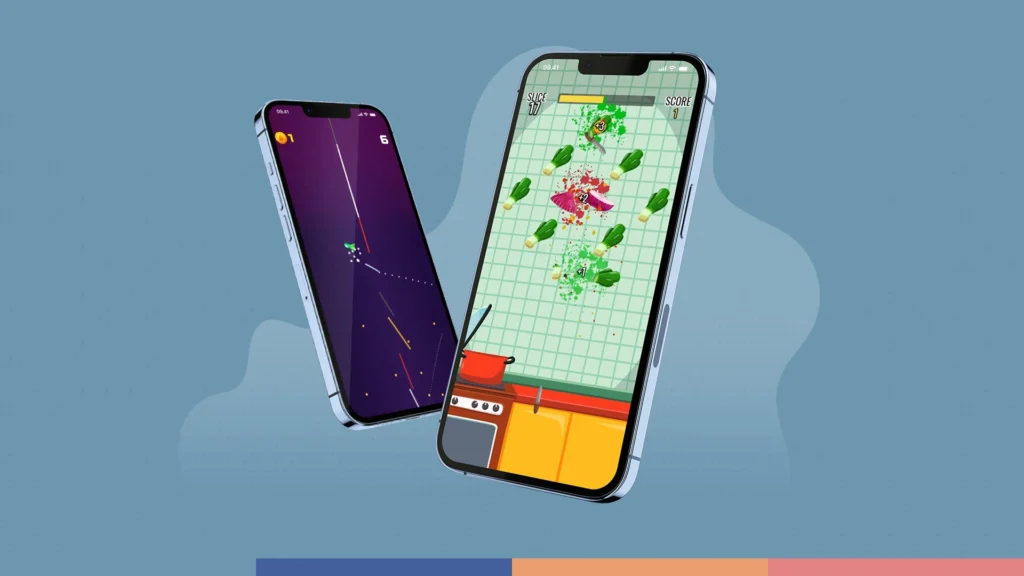
Home Services Our Works Gamification 101 Case Studies Turnkey Event Contact Languages Home Services Our Works Gamification 101 Case Studies Turnkey Event Contact Languages Home Services Our Works Gamification 101 Case Studies Turnkey Event Contact Languages Home Services Our Works Gamification 101 Case Studies Turnkey Event Contact Languages Edit Template Try Out Our Free Games Online Discover Turnkey Games by Level Up Powered by Agate In today’s fast-paced digital landscape, businesses and institutions are constantly seeking innovative solutions to engage their audiences and drive success. At Level Up powered by Agate, we offer a range of turnkey games designed to meet these needs effectively. What Are Turnkey Games? Turnkey games are pre-built, customizable game solutions that can be quickly and easily deployed to serve various purposes. Unlike bespoke game development, which requires significant time and resources, turnkey games provide a ready-to-use platform that can be tailored to specific requirements. These games are designed to enhance user engagement, improve learning outcomes, and boost overall productivity. What Our Turnkey Games Have to Offer Our turnkey games are crafted with meticulous attention to detail, ensuring they meet the highest standards of quality and engagement. Here’s what you can expect: Customization: Our games are highly customizable, allowing businesses and institutions to tailor the content and mechanics to fit their unique needs. User Engagement: Designed with engaging narratives and interactive elements, our games keep users hooked and motivated. Educational Value: Perfect for learning and training, our games incorporate gamification techniques to enhance knowledge retention and application. Scalability: Whether you are a small business or a large institution, our turnkey solutions can scale to meet your demands. Quick Deployment: Our turnkey games are ready to go, reducing the time and cost associated with custom game development. Explore our Turnkey Games page for more information. Examples of Our Work To see our turnkey solutions in action, check out some of our successful projects: Danamon D’Shima Gojek Suwit Siloam Mini Game How Level Up Powered by Agate Can Help At Level Up powered by Agate, we specialize in creating impactful gamification solutions that drive results. Our services extend beyond game development to include marketing strategies, increasing return on investment, improving hiring processes, and enhancing assessments. By leveraging our expertise, businesses and institutions can achieve their goals more effectively and efficiently. Visit our Services page to learn more about how we can assist you. Frequently Asked Questions Q: What are turnkey games? A: Turnkey games are pre-built, customizable game solutions designed for quick deployment and tailored to meet specific business or educational needs. Q: How can turnkey games benefit my business? A: Turnkey games enhance user engagement, improve learning outcomes, and can be deployed quickly and cost-effectively, making them a versatile tool for various applications. Q: Can I customize the turnkey games to fit my brand? A: Yes, our turnkey games are highly customizable to reflect your brand’s unique identity and requirements. Q: What industries can benefit from turnkey games? A: Turnkey games are suitable for a wide range of industries, including education, corporate training, marketing, and more. Q: How quickly can we deploy a turnkey game? A: Our turnkey games are designed for rapid deployment, significantly reducing the time compared to custom game development. Explore more about our innovative solutions and how they can transform your business by visiting Level Up powered by Agate. If you are interested in learning more about gamification and how it can benefit you or your organization Check out our gamification services page and contact us today. We are ready to help you create a gamification experience that aligns with your needs and preferences. All Posts All Literasi Keuangan Lebih Baik dengan Gamifikasi: Kolaborasi dengan Bank Jago October 30, 2024/ Level Up powered by Agate Berpartisipasi sebagai Pembicara di Studium Generale BINUS University October 24, 2024/ Aplikasi Gamifikasi Terbaik untuk Pendidikan October 4, 2024/ Menciptakan Game yang Menyenangkan untuk Upaya Pemasaran October 3, 2024/ Bagaimana Membangun Game Dapat Memberdayakan Bisnis Anda October 2, 2024/ Contoh Gamifikasi Terbaik yang Perlu Kamu Ketahui October 1, 2024/ Memilih Partner Gamification dengan Perusahaan Pengembang Game September 30, 2024/ Memanfaatkan Mini Game dalam Aplikasi Loyalitas untuk Meningkatkan Keterikatan Pelanggan September 27, 2024/ Apakah VR dalam Pendidikan Menjanjikan? September 26, 2024/ Load More End of Content. All company names, brand names, trademarks, logos, illustrations, videos and any other intellectual property (Intellectual Property) published on this website are the property of their respective owners. Any non-authorized usage of Intellectual Property is strictly prohibited and any violation will be prosecuted under the law. © 2023 Agate. All rights reserved. Home Services Our Works Contact Gamification 101 Case Studies Gamification for Marketing Gamification for Learning Instagram Linkedin Twitter Facebook Youtube Edit Template
What We Can Learn from the Game of Go

Home Services Our Works Gamification 101 Case Studies Turnkey Event Contact Languages Home Services Our Works Gamification 101 Case Studies Turnkey Event Contact Languages Home Services Our Works Gamification 101 Case Studies Turnkey Event Contact Languages Home Services Our Works Gamification 101 Case Studies Turnkey Event Contact Languages Edit Template What We Can Learn from the Game of Go Go, an ancient board game also known as Baduk or Weiqi, was developed in China over 4000 years ago and is still played by millions today. It remains a timeless and profound source of strategic insight and wisdom. With its simple rules and complex outcomes, Go offers a rich tapestry of lessons applicable to various aspects of life, from strategic thinking and decision-making to emotional intelligence and cultural understanding. The Essence of Go At its core, Go is a game for two players who alternately place black and white stones on the vacant intersections of a 19×19 grid. The objective is to control more territory than the opponent by surrounding empty areas on the board. The simplicity of the rules belies the deep strategic and tactical complexity that unfolds as the game progresses. Unlike many other games, Go has no element of chance; the outcome is purely determined by the players’ choices. Strategic Thinking Long-term Planning: Go teaches the importance of thinking several moves ahead. Success in Go requires players to balance immediate gains with long-term strategy, mirroring real-life situations where foresight is crucial. Adaptability: The game is dynamic, with each move altering the balance of power. Players must adapt their strategies to the evolving board, highlighting the importance of flexibility in strategy and planning. Risk Management: Go involves assessing when to defend and when to attack. The ability to evaluate and manage risk, recognizing when to make sacrifices for greater gains, is a valuable skill both in the game and in life. Decision-Making Prioritization: Each move in Go can influence multiple aspects of the board. Players learn to prioritize their actions based on overall strategic goals, a skill that is transferable to personal and professional decision-making. Problem-Solving: The complex patterns and potential moves in Go encourage players to develop strong problem-solving abilities, teaching them to recognize and create opportunities. Resource Management: Stones in Go represent resources that must be used judiciously. Efficient use of resources, knowing when to conserve and when to expend, is a critical lesson from the game. Emotional Intelligence Patience and Discipline: Go requires patience and discipline, as the game can last several hours and often hinges on subtle, incremental gains rather than quick victories. Resilience: Players often face setbacks during a game. Go teaches resilience and the ability to recover from mistakes, maintaining focus and composure under pressure. Humility: Given the complexity of the game, even experienced players can make mistakes. Go fosters humility, as it encourages continuous learning and improvement. Cultural Understanding Cultural Heritage: Understanding Go provides insight into East Asian culture and philosophy. The game’s emphasis on balance, harmony, and strategic depth reflects the broader cultural values of the regions where it is most popular. Interpersonal Connections: Go is traditionally a social game, played in a communal setting. It promotes communication, respect, and understanding between players, fostering interpersonal connections. Historical Significance: As one of the oldest board games still played today, Go offers a connection to history and tradition. Its continued popularity across millennia underscores its timeless appeal and the universality of its lessons. Application in Modern Contexts Business and Leadership: The strategic insights from Go are highly applicable in business and leadership. Executives and managers can learn to navigate competitive environments, make informed decisions, and develop long-term strategies. Artificial Intelligence: Go has been a benchmark for AI development. The creation of AI programs like AlphaGo, which defeated world champions, demonstrates the potential of machine learning and has advanced our understanding of artificial intelligence. Education: Go is used in educational contexts to develop cognitive skills, enhance concentration, and teach complex problem-solving and strategic thinking. The Value of Games: Lessons from Go Games are often undervalued and dismissed as mere entertainment, yet they hold profound potential for growth and learning. The game of Go exemplifies this notion. While many view games simply as a pastime, Go demonstrates that when a game is born from a place of genuine joy and play, grounded in deep understanding and knowledge, it becomes a powerful tool for personal and intellectual development. The lessons learned from Go underscore the potential of gamification, which can benefit players significantly. This approach harnesses the intrinsic motivation and engagement of games to foster skills such as strategic thinking, problem-solving, and emotional intelligence. By appreciating the deeper value of games like Go, we can unlock their potential as educational and developmental tools, transforming how we perceive and utilize games in various aspects of life. Conclusion The game of Go is much more than an ancient pastime; it is a profound source of wisdom and practical lessons. From strategic thinking and decision-making to emotional intelligence and cultural appreciation, the insights gained from playing Go are invaluable. Whether one is seeking personal growth, professional development, or a deeper understanding of cultural history, the timeless game of Go offers a wealth of knowledge and inspiration. Frequently Asked Questions Q: What is the basic objective of the game of Go? A: The basic objective of Go is to control more territory than your opponent by placing stones on a 19×19 grid board. Players alternately place black and white stones, aiming to surround empty spaces and capture their opponent’s stones. Q: How does Go teach strategic thinking? A: Go teaches strategic thinking by requiring players to plan several moves ahead, balance immediate gains with long-term strategy, and adapt to the evolving game state. The complexity of the game fosters a deep understanding of foresight and flexibility. Q: In what ways does Go improve decision-making skills? A: Go improves decision-making skills by encouraging players to prioritize actions, solve complex problems, and manage resources efficiently. Each move has multiple implications, helping
More Games, More Engagement: How Gamification Can Fuel Your Business Growth
Home Services Our Works Gamification 101 Case Studies Turnkey Event Contact Languages Home Services Our Works Gamification 101 Case Studies Turnkey Event Contact Languages Home Services Our Works Gamification 101 Case Studies Turnkey Event Contact Languages Home Services Our Works Gamification 101 Case Studies Turnkey Event Contact Languages Edit Template More Games, More Engagement: How Gamification Can Fuel Your Business Growth Gamification is a powerful strategy to drive business growth by enhancing user engagement, boosting productivity, and increasing customer loyalty. By integrating game mechanics into business processes, companies can achieve significant improvements in performance and satisfaction. Increasing User Engagement Gamification can transform passive users into active participants. Businesses incorporating gamified elements can increase user engagement. This strategy can be applied to websites, apps, and social media platforms to keep users engaged and invested in your brand. Enhancing Employee Productivity Integrating gamification into employee workflows can lead to higher productivity and motivation. According to a 2022 report by Deloitte, companies using gamified performance management systems experienced a 25% increase in employee productivity. For example, Level Up powered by Agate provides solutions that make routine tasks more enjoyable and rewarding for employees. Collecting Actionable Data Gamification can also help in gathering valuable customer data. Interactive games and challenges can provide insights into customer preferences and behaviors. A 2023 study in Marketing Science indicated that gamified data collection methods had a 20% higher response rate compared to traditional methods. The Power of Games Games are inherently engaging. They offer challenges, rewards, and social interaction, all of which can drive engagement. By incorporating game elements into your business, you can tap into this power and create a more engaging experience for your customers. Gamification in Business Gamification can be applied in various aspects of business, from marketing and sales to customer service and employee training. For example, you can use games to reward customers for purchases, encourage employees to achieve sales targets, or train staff in a fun and engaging way. Driving Engagement through Games Games can drive engagement by offering rewards, fostering competition, and providing a sense of achievement. By offering more games, you can create more opportunities for engagement, leading to increased customer loyalty and repeat business. Fueling Business Growth Increased engagement can fuel business growth in several ways. Engaged customers are more likely to make repeat purchases, refer friends, and provide positive reviews. Engaged employees are more productive, provide better customer service, and contribute to a positive company culture. Practical Applications Marketing Campaigns: Use gamification to create interactive marketing campaigns that capture and maintain customer interest. Sales Incentives: Implement gamified sales programs to motivate and reward your sales team. Customer Service: Enhance customer service experiences by gamifying feedback and support systems. Frequently Asked Questions Q: How can gamification increase user engagement? A: By incorporating game elements, businesses can create more interactive and enjoyable experiences, encouraging users to engage more deeply with the brand. Q: What are the benefits of gamified employee productivity tools? A: These tools can boost motivation, improve performance, and make routine tasks more enjoyable, leading to higher overall productivity. Q: How can gamified loyalty programs enhance customer retention? A: By offering rewards and incentives through game mechanics, these programs can make the customer experience more engaging and encourage repeat business. For more information on gamification solutions, visit Level Up powered by Agate, where we offer tailored strategies to fuel your business growth through innovative gamification techniques. Gamification is a versatile and effective strategy to boost engagement, productivity, and loyalty, ultimately driving substantial business growth. If you are interested in learning more about gamification and how it can benefit you or your organization Check out our gamification services page and contact us today. We are ready to help you create a gamification experience that aligns with your needs and preferences. All Posts All Literasi Keuangan Lebih Baik dengan Gamifikasi: Kolaborasi dengan Bank Jago October 30, 2024/ Level Up powered by Agate Berpartisipasi sebagai Pembicara di Studium Generale BINUS University October 24, 2024/ Aplikasi Gamifikasi Terbaik untuk Pendidikan October 4, 2024/ Menciptakan Game yang Menyenangkan untuk Upaya Pemasaran October 3, 2024/ Bagaimana Membangun Game Dapat Memberdayakan Bisnis Anda October 2, 2024/ Contoh Gamifikasi Terbaik yang Perlu Kamu Ketahui October 1, 2024/ Memilih Partner Gamification dengan Perusahaan Pengembang Game September 30, 2024/ Memanfaatkan Mini Game dalam Aplikasi Loyalitas untuk Meningkatkan Keterikatan Pelanggan September 27, 2024/ Apakah VR dalam Pendidikan Menjanjikan? September 26, 2024/ Load More End of Content. All company names, brand names, trademarks, logos, illustrations, videos and any other intellectual property (Intellectual Property) published on this website are the property of their respective owners. Any non-authorized usage of Intellectual Property is strictly prohibited and any violation will be prosecuted under the law. © 2023 Agate. All rights reserved. Home Services Our Works Contact Gamification 101 Case Studies Gamification for Marketing Gamification for Learning Instagram Linkedin Twitter Facebook Youtube Edit Template
How Game IDs Help Gamification

Home Services Our Works Gamification 101 Case Studies Turnkey Event Contact Languages Home Services Our Works Gamification 101 Case Studies Turnkey Event Contact Languages Home Services Our Works Gamification 101 Case Studies Turnkey Event Contact Languages Home Services Our Works Gamification 101 Case Studies Turnkey Event Contact Languages Edit Template How Game IDs Help Gamification Game IDs allow companies to manage user data efficiently. By assigning unique identifiers to each user, organizations can track progress, performance, and engagement across various learning and training modules. Here’s how game id can unlock the full potential of gamification. What are Game IDs? Imagine a learning management system where each learner has a unique identifier that tracks their progress, points, and badges. Or a marketing campaign where customers earn rewards tied to a specific program. This unique identifier – the Game ID – is the magic behind the scenes. It allows companies to: Track Individual Performance: Game IDs provide a personalized experience. They track individual performance within the gamified program, enabling companies to assess progress, identify areas for improvement, and personalize the learning or marketing journey. Assign Rewards and Challenges: Game IDs connect users to specific actions and achievements. By linking points, badges, and leaderboards to a user’s Game ID, companies can create a sense of accomplishment and encourage healthy competition. Segment User Engagement: Understanding user behavior is crucial for successful gamification. Game IDs permit companies to segment users based on their activity levels, allowing for targeted interventions and adjustments to the program. Powering Gamification Across Industries Let’s get to how Game IDs fuel gamification strategies in different sectors: Learning and Training: Incorporating Game IDs into eLearning platforms personalizes the learning experience. Learners can track their progress through courses, modules, and assessments, all tied to their unique ID. This fosters a sense of ownership and motivates them to complete the program. Employee Onboarding: Onboarding new employees can be dry. Gamification with Game IDs injects excitement. Imagine a points system for completing onboarding tasks, with leaderboards showcasing top performers. This not only accelerates learning but also fosters a sense of community among new hires. Marketing Campaigns: Customer engagement is paramount in marketing. Gamified campaigns that utilize Game IDs can incentivize desired actions. Imagine earning points for signing up for a newsletter, completing a survey, or referring a friend. This not only increases brand awareness but also drives valuable customer interactions. Advanced Applications of Game IDs While core functionalities are essential, Game IDs can be leveraged for even more sophisticated gamification strategies: Adaptive Learning: Game IDs can track user performance and tailor the learning path accordingly. Imagine an eLearning platform that adjusts the difficulty level of challenges based on a user’s Game ID data, creating a personalized and optimized learning experience. Unlocking New Features: Game IDs can be used to gate content or features within the gamified program. By achieving specific milestones or completing challenges, users with their unique IDs can unlock new levels, functionalities, or rewards, keeping them engaged and motivated to progress. The Future of Gamification with Game IDs As technology evolves, Game IDs will become even more versatile. Integration with Artificial Intelligence (AI) can create personalized learning paths and marketing recommendations based on a user’s Game ID data. Additionally, the rise of blockchain technology can pave the way for secure, tamper-proof Game IDs, enabling the creation of unique rewards and experiences within gamified programs. Benefits of Game ID Streamlined User Management Game IDs allow companies to manage user data efficiently. By assigning unique identifiers to each user, organizations can track progress, performance, and engagement across various learning and training modules. Personalized Learning Paths With Game IDs, companies can customize learning experiences. User data, including past activities and achievements, helps tailor content to individual needs, enhancing learning outcomes. Enhanced Security Game IDs provide secure access to training materials and gamified content, ensuring that only authorized users can access sensitive information. Improved Engagement By using Game IDs, companies can integrate social features like leaderboards and multiplayer challenges, fostering a competitive and collaborative environment. This boosts engagement and motivation. Data Analytics Game IDs facilitate the collection of detailed analytics. Companies can analyze user behavior, identify areas for improvement, and measure the effectiveness of their gamified strategies. Seamless Integration Game IDs enable integration across different platforms and devices, ensuring that users have a consistent experience whether they’re accessing content on a computer, tablet, or smartphone. Conclusion Game IDs are crucial for companies looking to gamify their learning, training, or marketing efforts. They provide a robust framework for managing user data, personalizing experiences, ensuring security, and boosting engagement. For more information on how gamification can benefit your organization, visit Level Up powered by Agate. Frequently Asked Questions Q: What are Game IDs? A: Game IDs are unique identifiers assigned to users, tracking their progress, points, and achievements within gamified programs. Q: How do Game IDs improve learning and training? A: Game IDs personalize learning paths, track progress, and integrate social features, enhancing engagement and motivation. Q: Can Game IDs enhance security? A: Yes, they provide secure access to training materials and gamified content, ensuring only authorized users can access sensitive information. Q: How do Game IDs benefit marketing efforts? A: They enable personalized marketing experiences, track customer interactions, and facilitate targeted campaigns based on user behavior. If you are interested in learning more about gamification and how it can benefit you or your organization Check out our gamification services page and contact us today. We are ready to help you create a gamification experience that aligns with your needs and preferences. All Posts All Literasi Keuangan Lebih Baik dengan Gamifikasi: Kolaborasi dengan Bank Jago October 30, 2024/ Level Up powered by Agate Berpartisipasi sebagai Pembicara di Studium Generale BINUS University October 24, 2024/ Aplikasi Gamifikasi Terbaik untuk Pendidikan October 4, 2024/ Menciptakan Game yang Menyenangkan untuk Upaya Pemasaran October 3, 2024/ Bagaimana Membangun Game Dapat Memberdayakan Bisnis Anda October 2, 2024/ Contoh Gamifikasi Terbaik yang Perlu Kamu Ketahui October 1, 2024/ Memilih Partner Gamification dengan Perusahaan Pengembang
The History of Games in Education

Home Services Our Works Gamification 101 Case Studies Turnkey Event Contact Languages Home Services Our Works Gamification 101 Case Studies Turnkey Event Contact Languages Home Services Our Works Gamification 101 Case Studies Turnkey Event Contact Languages Home Services Our Works Gamification 101 Case Studies Turnkey Event Contact Languages Edit Template The History of Games in Education Games have played a pivotal role in education, evolving from simple tools to sophisticated digital platforms. Here’s a comprehensive look at their journey: Ancient Beginnings The use of games in education has a rich history, dating back to ancient civilizations. The Greeks and Romans used board games to teach strategy and decision-making skills, while Chess, originating in India, where it was called the chaturanga, taught critical thinking and planning. In the 20th century, educational games gained popularity with the advent of board games like Monopoly, which taught financial literacy. The introduction of computers in the latter half of the century revolutionized educational games, with early computer games like “The Oregon Trail” and “Math Blaster” demonstrating the potential of interactive learning. Impact on Learning Research has consistently shown that games enhance motivation, engagement, and retention. They cater to diverse learning styles and promote problem-solving, critical thinking, and collaboration. Educational institutions and businesses alike are leveraging these benefits to improve training and learning outcomes. For instance, language learning apps provide rewards for completing lessons, while coding platforms introduce challenges and competitions to enhance coding abilities. Virtual Reality (VR) and Augmented Reality (AR) are being increasingly used to create immersive and interactive learning experiences, enhancing knowledge retention and comprehension of complex concepts. Modern Innovations Today, gamification integrates game mechanics into non-game contexts, significantly impacting education. Virtual Reality (VR) and Augmented Reality (AR) are being increasingly used to create engaging and interactive learning experiences. These technologies provide immersive and interactive learning experiences, creating a sense of presence and enhancing understanding of complex concepts. Personalized learning is another significant advantage, as systems can adjust the pace, difficulty level, and content to optimize learning outcomes. Virtual environments enable students to work together, regardless of their physical location, creating a global classroom experience. Collaborative activities, group projects, and team-based simulations can be conducted in virtual spaces, promoting teamwork, communication, and problem-solving skills. Impact on Learning Research shows that games enhance motivation, engagement, and retention. They cater to diverse learning styles and promote problem-solving, critical thinking, and collaboration. Educational institutions and businesses alike are leveraging these benefits to improve training and learning outcomes. Case Studies and Applications Financial Literacy: Games like Monopoly have long been used to teach financial principles. A modern example is Jago Money Quest, a financial literacy game developed by Level Up powered by Agate for Bank Jago. This game helps users understand financial concepts through engaging missions and challenges, significantly improving their financial knowledge and decision-making skills. Language Acquisition: Modern apps employ gamification to make language learning engaging. A notable example is Batique, an assessment game designed for children aged 5-12. It evaluates linguistic skills, comprehension, and other cognitive abilities, providing a comprehensive and enjoyable assessment experience. STEM Education: Sandbox games provide hands-on experience with scientific and mathematical concepts. Conclusion From ancient board games to advanced digital platforms, the history of games in education reflects a continual evolution towards more engaging and effective learning methods. As technology advances, the role of games in education is poised to grow, offering even more innovative ways to enhance learning. For more information on how to integrate gamified learning solutions into your educational strategy, visit Level Up powered by Agate. Frequently Asked Questions Q: What is the history of games in education? A: Games have been used in education since ancient times. The Greeks and Romans used board games for strategy learning, and Chess, originating in India, taught critical thinking. The 20th century saw the rise of educational board games like Monopoly, while the advent of computers introduced interactive learning games like “The Oregon Trail” and “Math Blaster.” Q: How do games impact learning? A: Games enhance motivation, engagement, and retention by catering to diverse learning styles and promoting problem-solving, critical thinking, and collaboration. They are used by educational institutions and businesses to improve training and learning outcomes. Q: What are some modern innovations in educational games? A: Modern innovations include gamification, which integrates game mechanics into non-game contexts, and the use of Virtual Reality (VR) and Augmented Reality (AR) to create immersive and interactive learning experiences. Personalized learning systems also adjust pace, difficulty, and content to optimize outcomes. Q: Can you provide examples of games used in specific educational contexts? A: Financial Literacy: Games like Monopoly and Jago Money Quest teach financial principles and improve decision-making skills. Language Acquisition: Apps like Batique make language learning engaging and assess cognitive abilities. STEM Education: Sandbox games offer hands-on experience with scientific and mathematical concepts. Q: How can Level Up powered by Agate assist with gamified learning solutions? A: Level Up powered by Agate provides tailored gamified learning solutions for educational institutions and businesses, enhancing training, engagement, and learning outcomes. Visit Level Up powered by Agate for more information. If you are interested in learning more about gamification and how it can benefit you or your organization Check out our gamification services page and contact us today. We are ready to help you create a gamification experience that aligns with your needs and preferences. All Posts All Literasi Keuangan Lebih Baik dengan Gamifikasi: Kolaborasi dengan Bank Jago October 30, 2024/ Level Up powered by Agate Berpartisipasi sebagai Pembicara di Studium Generale BINUS University October 24, 2024/ Aplikasi Gamifikasi Terbaik untuk Pendidikan October 4, 2024/ Menciptakan Game yang Menyenangkan untuk Upaya Pemasaran October 3, 2024/ Bagaimana Membangun Game Dapat Memberdayakan Bisnis Anda October 2, 2024/ Contoh Gamifikasi Terbaik yang Perlu Kamu Ketahui October 1, 2024/ Memilih Partner Gamification dengan Perusahaan Pengembang Game September 30, 2024/ Memanfaatkan Mini Game dalam Aplikasi Loyalitas untuk Meningkatkan Keterikatan Pelanggan September 27, 2024/ Apakah VR dalam Pendidikan Menjanjikan? September 26, 2024/ Load More End of Content. All company names,
5 Top Game Genres You NEED to Try for Your Learning Method

Home Services Our Works Gamification 101 Case Studies Turnkey Event Contact Languages Home Services Our Works Gamification 101 Case Studies Turnkey Event Contact Languages Home Services Our Works Gamification 101 Case Studies Turnkey Event Contact Languages Home Services Our Works Gamification 101 Case Studies Turnkey Event Contact Languages Edit Template 5 Top Game Genres You NEED to Try for Your Learning Method Incorporating games into learning methods can significantly enhance engagement and retention. Here are five top game genres that are highly effective for educational purposes: 1. Language Learning Games Language learning games have roots in educational psychology, leveraging repetitive and interactive tasks to facilitate language acquisition. Originally, language learning involved rote memorization and passive studying. However, with advancements in technology, games introduced interactive and immersive environments where learners can practice vocabulary, grammar, and pronunciation in engaging ways. These games use points, levels, and rewards to motivate learners, making the process more enjoyable and effective compared to traditional methods. 2. Quiz and Trivia Games Quiz and trivia games have long been popular in both entertainment and education. Their origins can be traced back to radio and TV quiz shows, which captivated audiences with competitive and engaging formats. Educators recognized the potential of this format for classroom use, incorporating quizzes to assess knowledge and reinforce learning. Digital platforms have further revolutionized this genre, enabling interactive and real-time quizzes that foster engagement and competition among learners, thus enhancing participation and retention of information. 3. Sandbox Games Sandbox games offer open-ended environments where players can explore, create, and experiment without predefined goals. This genre emerged from early computer-based construction and simulation games. Educators saw the potential of sandbox games to encourage creativity, critical thinking, and problem-solving skills. In educational settings, sandbox games allow students to engage in project-based learning, collaborate on building projects, and explore complex concepts in subjects like science, engineering, and art. 4. Role-Playing Games (RPGs) Role-playing games (RPGs) have their origins in tabletop games like Dungeons & Dragons, where players assume character roles and navigate fictional worlds. Educators adopted RPG elements to create immersive learning experiences where students can role-play historical figures, scientists, or fictional characters to explore different perspectives and scenarios. This approach enhances engagement, empathy, and understanding of complex topics by allowing learners to actively participate in narrative-driven educational experiences. 5. Flashcard and Matching Games Flashcard and matching games are based on traditional educational tools used for memorization and recall. Flashcards have been a staple in education for decades, helping learners reinforce vocabulary, facts, and concepts through repetition. The digital evolution of these tools introduced interactive elements like timed challenges and matching games, making studying more engaging and competitive. These games use immediate feedback and rewards to enhance learning outcomes, catering to various subjects and age groups. How Level Up powered by Agate Can Help At Level Up powered by Agate, we specialize in creating customized gamified learning solutions that cater to your specific educational needs. Our expertise ensures that your learning methods are not only effective but also engaging and enjoyable. Frequently Asked Questions Q: What are the benefits of using games for learning? Games increase engagement, motivation, and retention, making learning more effective and enjoyable. Q: Are these game genres suitable for all ages? Yes, these game genres offer varying levels of difficulty and can be tailored to different age groups and learning needs. Q. Can Level Up powered by Agate create custom learning games? Absolutely! Our team can develop bespoke gamified solutions tailored to your educational objectives. By integrating these top game genres into your learning methods, you can create a dynamic and interactive educational experience. For more information on gamified learning solutions, visit Level Up powered by Agate. If you are interested in learning more about gamification and how it can benefit you or your organization Check out our gamification services page and contact us today. We are ready to help you create a gamification experience that aligns with your needs and preferences. All Posts All Literasi Keuangan Lebih Baik dengan Gamifikasi: Kolaborasi dengan Bank Jago October 30, 2024/ Level Up powered by Agate Berpartisipasi sebagai Pembicara di Studium Generale BINUS University October 24, 2024/ Aplikasi Gamifikasi Terbaik untuk Pendidikan October 4, 2024/ Menciptakan Game yang Menyenangkan untuk Upaya Pemasaran October 3, 2024/ Bagaimana Membangun Game Dapat Memberdayakan Bisnis Anda October 2, 2024/ Contoh Gamifikasi Terbaik yang Perlu Kamu Ketahui October 1, 2024/ Memilih Partner Gamification dengan Perusahaan Pengembang Game September 30, 2024/ Memanfaatkan Mini Game dalam Aplikasi Loyalitas untuk Meningkatkan Keterikatan Pelanggan September 27, 2024/ Apakah VR dalam Pendidikan Menjanjikan? September 26, 2024/ Load More End of Content. All company names, brand names, trademarks, logos, illustrations, videos and any other intellectual property (Intellectual Property) published on this website are the property of their respective owners. Any non-authorized usage of Intellectual Property is strictly prohibited and any violation will be prosecuted under the law. © 2023 Agate. All rights reserved. Home Services Our Works Contact Gamification 101 Case Studies Gamification for Marketing Gamification for Learning Instagram Linkedin Twitter Facebook Youtube Edit Template
Why Businesses Are Turning to Online Play

Home Services Our Works Gamification 101 Case Studies Turnkey Event Contact Languages Home Services Our Works Gamification 101 Case Studies Turnkey Event Contact Languages Home Services Our Works Gamification 101 Case Studies Turnkey Event Contact Languages Home Services Our Works Gamification 101 Case Studies Turnkey Event Contact Languages Edit Template Why Businesses Are Turning to Online Play In recent years, a growing number of businesses have quietly embraced online play as a strategic tool for various aspects of their operations. From enhancing marketing efforts to improving employee engagement and training, the adoption of gamification and virtual experiences is reshaping the business landscape. This article delves into the reasons behind this trend, backed by recent scientific findings and trusted news sources, while highlighting the unique services provided by Level Up powered by Agate. The Power of Gamification in Business Gamification, the application of game-design elements in non-game contexts, has proven to be a powerful tool for businesses. A study published in the Journal of Business Research found that companies implementing gamification strategies saw a 22% increase in customer engagement and a 15% boost in sales performance. This significant impact on ROI is a compelling reason for businesses to adopt these techniques. Enhancing Marketing Efforts Companies are increasingly using gamification to create interactive marketing campaigns that capture consumer interest and drive engagement. According to a report by Marketing Week, brands that incorporated gamified elements in their marketing strategies experienced a 30% higher conversion rate compared to those that did not. For instance, Level Up powered by Agate has successfully developed gamified campaigns that resonate with target audiences, resulting in enhanced brand loyalty and customer retention. Improving Employee Engagement and Training Employee engagement is crucial for productivity and job satisfaction. Gamification in the workplace, such as interactive training modules and performance-based rewards, has shown remarkable results. Research from Harvard Business Review indicates that gamified training programs lead to a 60% increase in employee engagement and a 50% improvement in knowledge retention. Level Up powered by Agate offers bespoke gamified solutions that help businesses create more effective training and assessment programs. Attracting and Retaining Talent Finding the right candidates and retaining them is a significant challenge for many organizations. Gamified recruitment processes, which include game-based assessments and simulations, have been found to improve the quality of hires. A study in the International Journal of Selection and Assessment revealed that gamified recruitment resulted in a 25% reduction in employee turnover. Businesses leveraging these techniques can better evaluate candidate skills and fit, ensuring long-term success. Level Up Powered by Agate: Your Partner in Gamification At Level Up powered by Agate, we specialize in creating powerful gamified solutions tailored to your business needs. Whether you aim to enhance your marketing efforts, improve employee training, or streamline your recruitment process, our team of experts can help you achieve your goals with innovative and effective strategies. Frequently Asked Questions 1. What is gamification? Gamification is the application of game-design elements and principles in non-game contexts to engage users and solve problems. 2. How does gamification benefit businesses? Gamification can increase customer engagement, improve employee training, enhance recruitment processes, and boost overall productivity. 3. Can gamification improve ROI? Yes, studies have shown that gamification can significantly improve ROI by increasing customer engagement and sales performance. 4. How can Level Up powered by Agate help my business? Level Up powered by Agate provides tailored gamified solutions for marketing, employee training, recruitment, and more, helping businesses achieve their strategic goals effectively. By integrating these innovative strategies, businesses can stay ahead of the competition and achieve sustainable growth. For more information on how gamification can transform your business, visit Level Up powered by Agate. If you are interested in learning more about gamification and how it can benefit you or your organization Check out our gamification services page and contact us today. We are ready to help you create a gamification experience that aligns with your needs and preferences. All Posts All Literasi Keuangan Lebih Baik dengan Gamifikasi: Kolaborasi dengan Bank Jago October 30, 2024/ Level Up powered by Agate Berpartisipasi sebagai Pembicara di Studium Generale BINUS University October 24, 2024/ Aplikasi Gamifikasi Terbaik untuk Pendidikan October 4, 2024/ Menciptakan Game yang Menyenangkan untuk Upaya Pemasaran October 3, 2024/ Bagaimana Membangun Game Dapat Memberdayakan Bisnis Anda October 2, 2024/ Contoh Gamifikasi Terbaik yang Perlu Kamu Ketahui October 1, 2024/ Memilih Partner Gamification dengan Perusahaan Pengembang Game September 30, 2024/ Memanfaatkan Mini Game dalam Aplikasi Loyalitas untuk Meningkatkan Keterikatan Pelanggan September 27, 2024/ Apakah VR dalam Pendidikan Menjanjikan? September 26, 2024/ Load More End of Content. All company names, brand names, trademarks, logos, illustrations, videos and any other intellectual property (Intellectual Property) published on this website are the property of their respective owners. Any non-authorized usage of Intellectual Property is strictly prohibited and any violation will be prosecuted under the law. © 2023 Agate. All rights reserved. Home Services Our Works Contact Gamification 101 Case Studies Gamification for Marketing Gamification for Learning Instagram Linkedin Twitter Facebook Youtube Edit Template
How to Incorporate Internet Games into Your Business Strategy
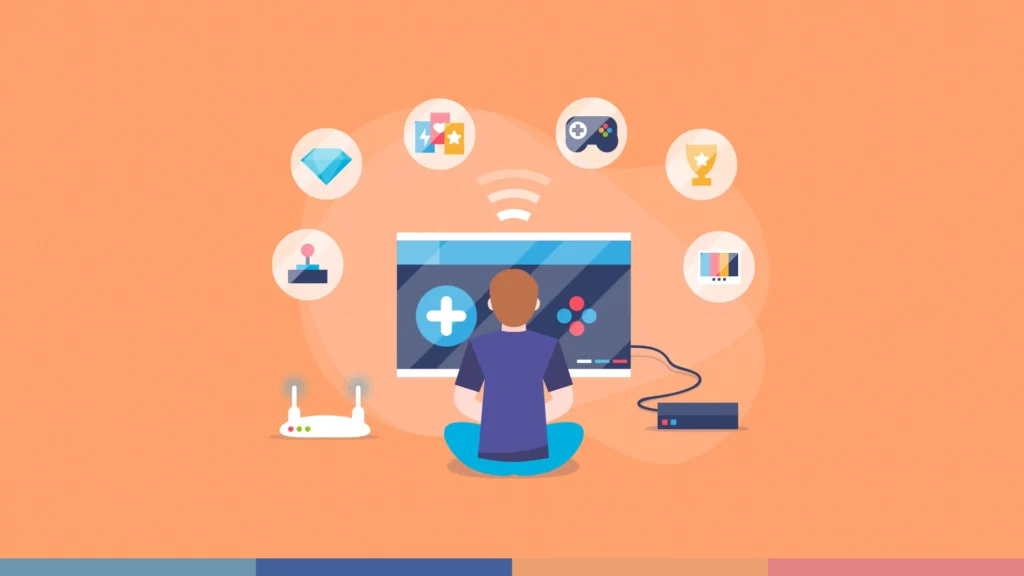
Home Services Our Works Gamification 101 Case Studies Turnkey Event Contact Languages Home Services Our Works Gamification 101 Case Studies Turnkey Event Contact Languages Home Services Our Works Gamification 101 Case Studies Turnkey Event Contact Languages Home Services Our Works Gamification 101 Case Studies Turnkey Event Contact Languages Edit Template [gtranslate] How to Incorporate Internet Games into Your Business Strategy Integrating internet games into your business strategy can provide a unique way to enhance engagement, improve training, and drive customer loyalty. This approach leverages the entertaining and interactive nature of games to achieve various business objectives. Boosting Engagement Internet games can significantly increase user engagement. Gamified elements can boost engagement by implementing interactive games on your website or social media platforms can attract more users and keep them engaged longer. Enhancing Training Programs Gamification in employee training can lead to better learning outcomes. Companies using gamified training will expect an improvement in employee knowledge retention. For instance, Level Up powered by Agate offers tailored gamified training solutions that make learning more effective and enjoyable. Driving Customer Loyalty Gamified loyalty programs can increase customer retention and repeat purchases. Utilizing game mechanics, such as points and rewards, can incentivize customers to engage more frequently with your brand. Collecting Valuable Data Games can be an excellent tool for collecting customer data and insights. By analyzing game interactions, businesses can gain a deeper understanding of customer preferences and behaviors. A 2023 study in Marketing Science highlighted that gamified surveys had a 40% higher response rate than traditional surveys. Practical Applications Marketing Campaigns: Use internet games to create interactive and memorable marketing campaigns that resonate with your target audience. Product Demos: Develop game-based product demonstrations to provide an engaging way for customers to learn about new products. Employee Recruitment: Implement gamified recruitment processes to attract top talent and make the hiring process more enjoyable. Understanding the Power of Internet Games Internet games are a powerful tool that can be used to engage customers, promote your brand, and drive business growth. They offer a unique blend of entertainment and interaction that can captivate audiences and keep them engaged with your brand. Identifying the Right Games for Your Brand Not all games are created equal, and the key to successful game-based marketing is choosing the right games that align with your brand and business objectives. This could be anything from simple puzzle games to complex strategy games. Integrating Games into Your Marketing Strategy Once you’ve identified the right games, the next step is to integrate them into your marketing strategy. This could involve incorporating your branding into the game, using the game to drive traffic to your website, or using the game as a platform for advertising your products or services. Leveraging Social Media and Viral Marketing Internet games have a strong social component, and this can be leveraged to boost your marketing efforts. Encourage users to share the game with their friends, compete against each other, and post their scores on social media. Tracking and Measuring Success Like any marketing strategy, it’s important to track the success of your internet games. This can be done through various metrics such as number of players, time spent playing the game, and conversion rates. Frequently Asked Questions Q: How can internet games improve customer engagement? A: Internet games can captivate users by providing an interactive and enjoyable experience, leading to longer engagement times and increased brand interaction. Q: What are the benefits of gamified training for employees? A: Gamified training can enhance knowledge retention, make learning more engaging, and improve overall employee performance. Q: How do gamified loyalty programs work? A: These programs use game mechanics like points and rewards to incentivize repeat purchases and foster customer loyalty. For more information on how to integrate internet games into your business strategy, visit Level Up powered by Agate, where we specialize in creating innovative gamification solutions tailored to your business needs. Incorporating internet games into your business strategy can lead to higher engagement, improved training outcomes, and increased customer loyalty, helping your business thrive in a competitive market. If you are interested in learning more about gamification and how it can benefit you or your organization Check out our gamification services page and contact us today. We are ready to help you create a gamification experience that aligns with your needs and preferences. All Posts All Literasi Keuangan Lebih Baik dengan Gamifikasi: Kolaborasi dengan Bank Jago October 30, 2024/ Level Up powered by Agate Berpartisipasi sebagai Pembicara di Studium Generale BINUS University October 24, 2024/ Aplikasi Gamifikasi Terbaik untuk Pendidikan October 4, 2024/ Menciptakan Game yang Menyenangkan untuk Upaya Pemasaran October 3, 2024/ Bagaimana Membangun Game Dapat Memberdayakan Bisnis Anda October 2, 2024/ Contoh Gamifikasi Terbaik yang Perlu Kamu Ketahui October 1, 2024/ Memilih Partner Gamification dengan Perusahaan Pengembang Game September 30, 2024/ Memanfaatkan Mini Game dalam Aplikasi Loyalitas untuk Meningkatkan Keterikatan Pelanggan September 27, 2024/ Apakah VR dalam Pendidikan Menjanjikan? September 26, 2024/ Load More End of Content. All company names, brand names, trademarks, logos, illustrations, videos and any other intellectual property (Intellectual Property) published on this website are the property of their respective owners. Any non-authorized usage of Intellectual Property is strictly prohibited and any violation will be prosecuted under the law. © 2023 Agate. All rights reserved. Home Services Our Works Contact Gamification 101 Case Studies Gamification for Marketing Gamification for Learning Instagram Linkedin Twitter Facebook Youtube Edit Template