
The Future of Engaging Online IT Training

Home Services Our Works Gamification 101 Case Studies Turnkey Event Contact Languages Home Services Our Works Gamification 101 Case Studies Turnkey Event Contact Languages Home Services Our Works Gamification 101 Case Studies Turnkey Event Contact Languages Home Services Our Works Gamification 101 Case Studies Turnkey Event Contact Languages Edit Template The Future of Engaging Online IT Training As technology continues to evolve at a rapid pace, the landscape of IT training is also transforming. The future of engaging online IT training lies in leveraging innovative tools and strategies that cater to diverse learning preferences, enhance interactivity, and ensure effective knowledge retention. This article explores the emerging trends and technologies that are set to revolutionize online IT training. 1. Personalized Learning Experiences The Concept Personalized learning experiences tailor educational content to the individual needs and preferences of each learner. This approach ensures that each student can learn at their own pace and focus on areas where they need the most improvement. Implementation Adaptive Learning Technologies: These systems use algorithms to adjust the difficulty of content based on learner performance. For example, if a student struggles with a particular topic, the system provides additional resources and exercises to help them understand it better. Customized Learning Paths: Platforms like Level Up powered by Agate can develop bespoke learning paths that align with the learner’s career goals and current skill level. Rationale Personalized learning addresses the unique needs of each learner, making the training process more efficient and effective. It also increases learner engagement by providing relevant and challenging content. 2. Gamification and Game-Based Learning The Concept Gamification incorporates game design elements into the learning environment, while game-based learning uses actual games to teach concepts. Both strategies aim to make learning more engaging and enjoyable. Implementation Points, Badges, and Leaderboards: Rewarding learners with points and badges for completing tasks and showcasing their progress on leaderboards can motivate them to perform better. Platforms like Moodle and Canvas support these gamification elements. Educational Games: Integrating games that teach programming through real coding challenges can make learning complex IT skills more interactive. Rationale Gamification and game-based learning leverage the natural human desire for competition and achievement, thus enhancing motivation and engagement. They also provide a fun and immersive way to learn difficult concepts. 3. Virtual and Augmented Reality (VR/AR) The Concept VR and AR technologies create immersive learning experiences that can make abstract IT concepts more tangible and understandable. VR offers a fully immersive environment, while AR overlays digital information on the real world. Implementation Virtual Labs: Platforms like Labster provide VR simulations of lab environments where students can conduct experiments and practice skills without the need for physical resources. AR Apps: Using AR apps to visualize complex data structures or network configurations can help students better understand and interact with the material. Rationale VR and AR provide a hands-on learning experience that can be particularly beneficial for subjects that are difficult to grasp through traditional methods. They also allow learners to practice in a risk-free environment. 4. Interactive and Collaborative Tools The Concept Interactive tools enhance engagement by allowing students to actively participate in the learning process. Collaborative tools enable learners to work together, fostering teamwork and communication skills. Implementation Interactive Whiteboards: Tools like Jamboard and Miro allow students to brainstorm and collaborate in real-time, making learning more dynamic and interactive. Project Management Software: Platforms like Trello and Asana can be used to manage group projects, ensuring that all team members can contribute effectively. Rationale Interactivity and collaboration are key to maintaining student engagement and facilitating deeper understanding. These tools help simulate real-world work environments where teamwork and communication are crucial. 5. AI-Driven Analytics and Feedback The Concept Artificial Intelligence (AI) can analyze learner data to provide insights and personalized feedback. This helps educators understand student performance and identify areas needing improvement. Implementation Learning Analytics Platforms: Tools like Edmodo and Formative use AI to track student progress and provide detailed analytics on performance. Automated Feedback Systems: AI can provide instant feedback on assignments and quizzes, helping students learn from their mistakes in real-time. Rationale AI-driven analytics enable a more data-informed approach to education, allowing for the continuous improvement of training programs. Automated feedback helps students correct errors immediately, reinforcing learning. 6. Mobile Learning The Concept Mobile learning, or m-learning, involves delivering educational content via mobile devices. This allows learners to access training materials anytime, anywhere, providing greater flexibility. Implementation Responsive Design: Ensure that learning platforms and materials are optimized for mobile devices. Google Classroom and Blackboard are examples of platforms that offer robust mobile support. Microlearning Modules: Break down content into small, digestible modules that can be easily accessed on mobile devices. Apps like Duolingo and Coursera have successfully implemented this approach. Rationale Mobile learning caters to the modern learner’s need for flexibility and convenience. It allows for continuous learning, fitting into the busy schedules of IT professionals. 7. Blockchain for Credentialing The Concept Blockchain technology can be used to securely store and verify educational credentials. This ensures the authenticity of certifications and makes it easier for employers to verify skills. Implementation Digital Badges: Use blockchain to issue digital badges that represent specific skills or achievements. Platforms like Credly and BadgeCert provide these services. Credential Wallets: Allow learners to store and share their credentials using blockchain-powered digital wallets. Rationale Blockchain ensures the integrity and security of educational credentials, making it easier for employers to trust the certifications presented by candidates. It also simplifies the process of sharing and verifying qualifications. Conclusion The future of engaging online IT training lies in the integration of personalized learning, gamification, VR/AR, interactive tools, AI-driven analytics, mobile learning, and blockchain technology. By adopting these innovative strategies, educators can create a dynamic and effective learning environment that meets the evolving needs of IT professionals. For more insights and customized solutions, explore the services offered by Level Up powered by Agate. Our expertise in developing advanced learning platforms can help you design the future of IT training. Frequently Asked Questions Q: How
Gamification Strategies for Google Learning Platforms

Home Services Our Works Gamification 101 Case Studies Turnkey Event Contact Languages Home Services Our Works Gamification 101 Case Studies Turnkey Event Contact Languages Home Services Our Works Gamification 101 Case Studies Turnkey Event Contact Languages Home Services Our Works Gamification 101 Case Studies Turnkey Event Contact Languages Edit Template Gamification Strategies for Google Learning Platforms Google of learning platforms, including Google Classroom, Google Forms, and Google Meet, provides a robust foundation for creating engaging and effective educational experiences. Educators can enhance student engagement, motivation, and retention by integrating gamification strategies. This article explores various gamification strategies that can be applied to Google learning platforms, supported by recent findings and practical examples. 1. Incorporate Badges and Rewards Importance Badges and rewards recognize student achievements and encourage continued participation. These elements can be particularly motivating and can foster a sense of accomplishment. Implementation Google Classroom: Use Google Classroom’s assignment feature to award digital badges for completing tasks, achieving high scores, or demonstrating improvement. Google Forms: Create quizzes with Google Forms that include immediate feedback and badges for correct answers. 2. Use Leaderboards to Foster Healthy Competition Importance Leaderboards introduce a competitive element that can motivate students to perform better. They provide a visual representation of progress and encourage friendly competition. Implementation Google Sheets: Maintain a leaderboard using Google Sheets, where student scores and achievements are updated regularly. Google Classroom: Post regular updates in the Classroom stream to showcase top performers and milestones. 3. Create Interactive Quizzes and Puzzles Importance Interactive quizzes and puzzles make learning fun and challenging. They help reinforce concepts and test knowledge in an engaging way. Implementation Google Forms: Design quizzes with varied question types such as multiple-choice, true/false, and short answers. Include images and videos to make them more interactive. Google Slides: Create escape room-style puzzles where each slide provides a clue or a challenge that must be solved to proceed. Tools Quizizz: Integrates with Google Classroom to create interactive quizzes that sync with classroom assignments. 4. Implement Story-Based Learning Importance Story-based learning integrates course content into a narrative, making the material more relatable and memorable. Implementation Google Sites: Create a storyline using Google Sites where each page represents a chapter of the story. Include multimedia elements and interactive tasks. Google Docs: Develop choose-your-own-adventure stories where students make decisions that affect the outcome, teaching problem-solving and critical thinking skills. 5. Utilize Real-Time Feedback Importance Real-time feedback helps students understand their progress and areas for improvement immediately, enhancing the learning experience. Implementation Google Classroom: Use the commenting feature to provide instant feedback on assignments and posts. Google Forms: Enable the quiz feature to provide immediate feedback on quiz responses. Tools Kaizena: An add-on for Google Docs that allows for voice and text feedback directly within the document. 6. Promote Peer Collaboration Importance Peer collaboration fosters a sense of community and allows students to learn from one another. Collaborative projects can simulate real-world scenarios and enhance learning outcomes. Implementation Google Docs: Use shared documents for group projects and peer reviews. Google Meet: Facilitate live collaboration sessions and breakout rooms for group discussions. 7. Customize Learning Paths Importance Customized learning paths cater to individual student needs, allowing them to learn at their own pace and focus on areas where they need improvement. Implementation Google Classroom: Create differentiated assignments tailored to various skill levels and learning preferences. Google Sheets: Develop individualized learning plans that track student progress and suggest next steps. Tools Edpuzzle: Integrates with Google Classroom to create video lessons that adapt to student responses. 8. Integrate Virtual and Augmented Reality Importance Virtual Reality (VR) and Augmented Reality (AR) provide immersive learning experiences, making abstract concepts more tangible. Implementation Google Expeditions: Use VR and AR tours to take students on virtual field trips and explore complex subjects in a visually engaging way. Google Earth: Incorporate geographic and spatial learning into your curriculum through interactive maps and tours. Tools CoSpaces Edu: A tool for creating and exploring VR and AR content that can be shared with students. 9. Develop Game-Based Learning Modules Importance Game-based learning uses actual games to teach concepts, making learning more interactive and enjoyable. Implementation Google Classroom: Assign educational games as homework or in-class activities, with follow-up discussions and assessments. Google Sites: Host and link to various educational games relevant to the curriculum. Tools Classcraft: A platform that transforms classroom interactions into a role-playing game, integrating seamlessly with Google Classroom. 10. Utilize Analytics and Progress Tracking Importance Analytics and progress tracking provide insights into student performance, helping educators identify areas needing improvement and adjust the course accordingly. Implementation Google Classroom: Use built-in analytics to monitor assignment submissions, grades, and student engagement. Google Sheets: Create dashboards to visualize student progress and identify trends. Tools Formative: An assessment tool that integrates with Google Classroom, providing detailed analytics on student performance. Conclusion Gamifying Google learning platforms can significantly enhance student engagement and learning outcomes. By incorporating tools and techniques such as badges, leaderboards, interactive quizzes, and story-based learning, educators can create a more dynamic and motivating educational experience. For more insights on gamification strategies, explore the services offered by Level Up powered by Agate. Our expertise in developing custom gamified solutions can help you design innovative and impactful learning experiences. Frequently Asked Questions Q: What are some effective gamification tools for Google Classroom? A: Effective tools include Badgr for badges, Flippity for leaderboards, and Quizizz for interactive quizzes. Q: How can I incorporate story-based learning in my IT courses? A: Use Google Sites to create narrative-driven lessons and Google Docs for choose-your-own-adventure stories. Q: What are the benefits of real-time feedback in gamified learning? A: Real-time feedback helps students immediately understand their progress and areas for improvement, enhancing the learning process. Q: How can VR and AR be used in Google learning platforms? A: Use Google Expeditions for virtual field trips and Google Earth for interactive geographic learning experiences. Q: How can analytics improve the effectiveness of gamified learning? A: Analytics provide insights into student performance, helping educators adjust courses
How Gamification Can Accelerate Skill-Up Initiatives

Home Services Our Works Gamification 101 Case Studies Turnkey Event Contact Languages Home Services Our Works Gamification 101 Case Studies Turnkey Event Contact Languages Home Services Our Works Gamification 101 Case Studies Turnkey Event Contact Languages Home Services Our Works Gamification 101 Case Studies Turnkey Event Contact Languages Edit Template How Gamification Can Accelerate Skill-Up Initiatives In today’s fast-paced business environment, continuous skill development is crucial for maintaining a competitive edge. Gamification has emerged as a powerful tool to enhance skill-up initiatives by making learning more engaging and effective. This article explores how gamification can accelerate skill-up initiatives, backed by recent research and practical examples. The Power of Gamification in Learning Enhanced Engagement and Motivation Gamification taps into the inherent human love for games and competition. By incorporating game elements such as points, badges, leaderboards, and rewards into learning programs, organizations can significantly boost engagement and motivation. Research has shown that gamified learning environments increase user engagement by 60%, leading to better learning outcomes. Immediate Feedback and Progress Tracking One of the key benefits of gamification is the provision of immediate feedback. Learners can see their progress in real-time, which helps them identify areas for improvement and stay motivated. This instant feedback loop is essential for skill development, as it allows learners to adjust their strategies and improve continuously. Promotes Active Learning Gamification encourages active participation rather than passive consumption of information. By engaging in challenges, quizzes, and interactive scenarios, learners actively apply their knowledge, which enhances retention and understanding. Studies have found that active learning methods, including gamification, can increase knowledge retention rates by up to 75% . How Gamification Can Accelerate Skill-Up Initiatives Gamification can accelerate skill-up initiatives by: Creating Interactive and Immersive Experiences: By incorporating game elements and mechanics, gamification can create interactive and immersive experiences that simulate real-world scenarios, making learning more enjoyable and effective. Providing Feedback and Analytics: Gamification can provide real-time feedback and analytics, enabling learners to track their progress and adjust their strategy accordingly. Fostering Collaboration and Competition: Gamification can foster collaboration and competition by creating shared goals and challenges, encouraging learners to work together and compete with each other. Enhancing Motivation and Engagement: By leveraging the psychological and emotional aspects of games, gamification can enhance motivation and engagement, making learning more enjoyable and effective. Practical Applications of Gamification in Skill-Up Initiatives Coding Bootcamps and Technical Training Platforms like Codecademy and HackerRank use gamification to teach coding skills. These platforms offer challenges, leaderboards, and badges to motivate learners. By turning coding exercises into competitive games, these platforms make the learning process enjoyable and addictive. Sales and Customer Service Training Gamified training modules for sales and customer service teams often include scenario-based learning and role-playing games. These simulations help employees practice real-world situations in a controlled environment, enhancing their problem-solving and interpersonal skills. For instance, companies like Level Up powered by Agate develop customized gamified solutions to improve employee performance and customer satisfaction. Leadership and Soft Skills Development Gamification is also effective for developing leadership and soft skills. Programs that incorporate simulations, team-based challenges, and interactive storytelling can help learners develop critical thinking, communication, and leadership skills. These programs often include elements like virtual badges and progress tracking to motivate continuous improvement. Scientific Findings Supporting Gamification Recent studies have highlighted the effectiveness of gamification in skill development: A study published in MDPI found that gamification in online learning environments enhances motivation, engagement, and performance. Another review in SpringerOpen identified self-determination theory and flow theory as key frameworks that explain why gamification is effective in educational settings. These theories emphasize the importance of intrinsic motivation and optimal experience in learning . How Level Up Powered by Agate Can Help At Level Up powered by Agate, we specialize in creating gamified learning solutions that drive skill development. Our expertise in gamification can help your organization design effective training programs that increase engagement, motivation, and skill acquisition. Whether you need to improve technical skills, enhance customer service, or develop leadership capabilities, our tailored solutions can help you achieve your goals. Frequently Asked Questions Q: What are the key elements of gamification in learning? A: Key elements include points, badges, leaderboards, rewards, and interactive challenges that make learning engaging and competitive. Q: How does gamification improve learning outcomes? A: Gamification improves learning outcomes by increasing engagement, providing immediate feedback, promoting active participation, and making the learning process enjoyable. Q: Can gamification be used for all types of training? A: Yes, gamification can be applied to various types of training, including technical skills, soft skills, sales, customer service, and leadership development. Q: How can Level Up powered by Agate assist in implementing gamified training programs? A: We offer customized gamified learning solutions that cater to the specific needs of your organization. Our expertise ensures that your training programs are engaging, effective, and aligned with your business objectives. Explore our services to learn more. By integrating gamification into your skill-up initiatives, you can create a more engaging and effective learning experience that accelerates skill development and enhances overall performance. If you are interested in learning more about gamification and how it can benefit you or your organization Check out our gamification services page and contact us today. We are ready to help you create a gamification experience that aligns with your needs and preferences. All Posts All Literasi Keuangan Lebih Baik dengan Gamifikasi: Kolaborasi dengan Bank Jago October 30, 2024/ Level Up powered by Agate Berpartisipasi sebagai Pembicara di Studium Generale BINUS University October 24, 2024/ Aplikasi Gamifikasi Terbaik untuk Pendidikan October 4, 2024/ Menciptakan Game yang Menyenangkan untuk Upaya Pemasaran October 3, 2024/ Bagaimana Membangun Game Dapat Memberdayakan Bisnis Anda October 2, 2024/ Contoh Gamifikasi Terbaik yang Perlu Kamu Ketahui October 1, 2024/ Memilih Partner Gamification dengan Perusahaan Pengembang Game September 30, 2024/ Memanfaatkan Mini Game dalam Aplikasi Loyalitas untuk Meningkatkan Keterikatan Pelanggan September 27, 2024/ Apakah VR dalam Pendidikan Menjanjikan? September 26, 2024/ Load More End of Content. All company names, brand names, trademarks, logos, illustrations, videos
Online Training is Considered Traditional Now? Then What’s New?
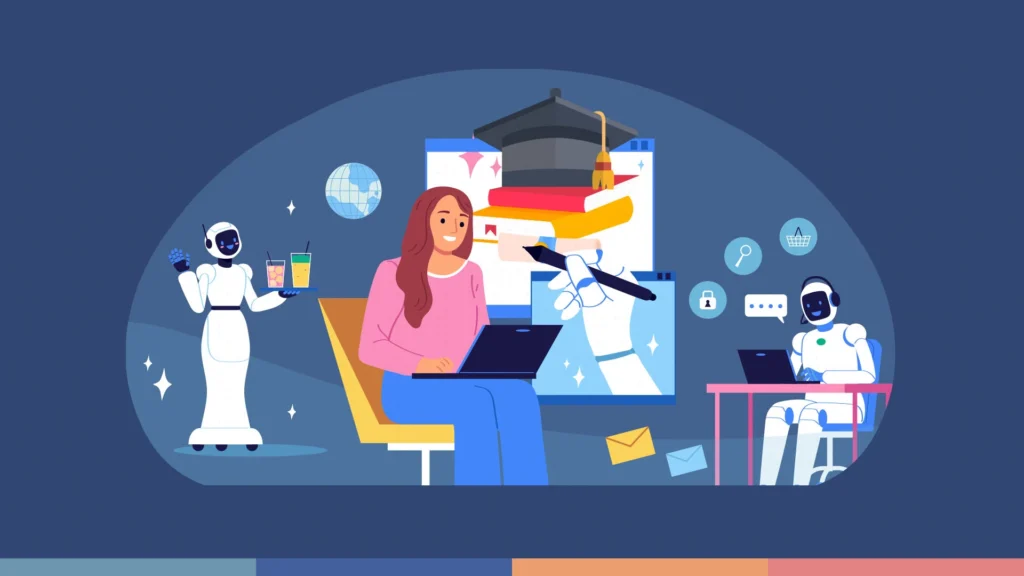
Home Services Our Works Gamification 101 Case Studies Turnkey Event Contact Languages Home Services Our Works Gamification 101 Case Studies Turnkey Event Contact Languages Home Services Our Works Gamification 101 Case Studies Turnkey Event Contact Languages Home Services Our Works Gamification 101 Case Studies Turnkey Event Contact Languages Edit Template Online Training is Considered Traditional Now? Then What’s New? The concept of online training has undergone significant changes over the years. What was once considered innovative and cutting-edge is now considered traditional. This shift in perception is a testament to the rapid evolution of technology and the adaptability of the training industry. According to a systematic literature review in the Information Systems Frontier, e-learning systems have received increasing attention in academia, business, and public administration, especially during major crises like the pandemic. The study highlights the importance of the appropriate development of e-learning systems and their adoption and processes in organizations. Furthermore, a review by the MDPI examines the transformation of educational practices to online and distance learning during the COVID-19 pandemic, emphasizing the integration of educational technology, student well-being, and teacher development. In this article, we will explore the current state of online training and what’s new in the world of training and development, keeping in mind the insights gathered from these experiences, which will be invaluable in shaping a resilient and dynamic educational framework that is well suited for the post-pandemic era The Evolution of Online Training Online training has come a long way since its inception. From its early days of text-based courses to the current era of immersive, interactive experiences, online training has evolved to meet the changing needs of learners and organizations. The rise of mobile devices, social media, and cloud computing has enabled the widespread adoption of online training, making it a staple in the training and development landscape. What’s New in Online Training? So, what’s new in online training? The answer lies in the advancements in technology and the increasing demand for personalized, engaging, and effective learning experiences. Here are some of the latest trends and innovations in online training: Artificial Intelligence (AI) and Machine Learning (ML): AI and ML are being used to create personalized learning experiences, automate content creation, and improve the overall efficiency of online training. Virtual and Augmented Reality (VR/AR): VR/AR is revolutionizing the way we learn by providing immersive, interactive experiences that simulate real-world scenarios. Microlearning: Microlearning is a trend that involves breaking down learning into shorter, bite-sized chunks, making it easier for learners to fit training into their busy schedules. Gamification: Gamification is the use of game elements and mechanics to engage learners and make training more enjoyable and interactive. Social Learning: Social learning is the use of social media and online communities to facilitate learning and collaboration among learners. The Future of Online Training As technology continues to evolve, we can expect online training to become even more sophisticated and personalized. The future of online training will likely involve the use of AI, ML, and other emerging technologies to create immersive, interactive, and effective learning experiences. Emerging Trends in Online Training Mobile-First Learning With the rise of mobile device usage, mobile-first learning is becoming a critical trend. This approach ensures that all learning content is optimized for mobile devices, providing a seamless and accessible learning experience on-the-go. By 2024, the mobile learning market is expected to reach $46.9 billion, growing at a CAGR of about 26% (Skillshub.com) . Hybrid and Blended Learning Hybrid learning combines in-person and online education, allowing learners to choose their preferred mode of participation. This model supports flexibility and caters to diverse learning preferences. The pandemic has accelerated the adoption of hybrid models, making them a staple in modern education (LearnWorlds) . Performance-Based Assessment Moving beyond traditional testing, performance-based assessments require learners to demonstrate their skills through real-world projects and problem-solving scenarios. This method not only evaluates knowledge but also enhances critical thinking, collaboration, and practical skills (LearnWorlds) . Learning Experience Platforms (LXPs) LXPs are transforming how training content is delivered. These platforms offer personalized learning pathways, integrate diverse content sources, and use data analytics to recommend relevant materials. They address the limitations of traditional Learning Management Systems (LMS) by providing a more customized and engaging learning experience (Valamis) . Micro-Credentials Micro-credentials provide certification for specific skills or competencies, allowing learners to build expertise in targeted areas without committing to lengthy degree programs. These credentials are particularly popular in business settings, where they enhance resumes and validate job skills (SelectHub) . Extended Reality (XR) XR, which includes Virtual Reality (VR) and Augmented Reality (AR), offers immersive learning experiences. VR can simulate complex environments for hands-on training, while AR adds interactive elements to real-world settings. These technologies are increasingly used in fields that require practical, experiential learning (SelectHub) . Generative AI The integration of generative AI, such as ChatGPT, is revolutionizing content creation and personalized learning. AI can generate learning materials, provide instant feedback, and create interactive learning experiences that adapt to individual learner needs (Valamis). How Level Up Powered by Agate Can Help At Level Up powered by Agate, we specialize in developing innovative gamified learning solutions that incorporate these cutting-edge trends. Our services can help businesses and institutions enhance their training programs, improve employee engagement, and achieve better learning outcomes. Whether it’s through VR education apps or personalized learning platforms, we have the expertise to elevate your training initiatives. Conclusion In conclusion, online training is no longer considered traditional. It has evolved to meet the changing needs of learners and organizations, and it continues to play a vital role in the training and development landscape. The future of online training holds much promise, with the potential to revolutionize the way we learn and develop skills. Frequently Asked Questions Q: What is the current state of online training? A: The current state of online training is one of rapid evolution and innovation, with the widespread adoption of technology and the increasing demand for personalized, engaging, and effective learning experiences. Q: What
What Tools and Techniques Can Be Used for Gamifying IT Courses Online?
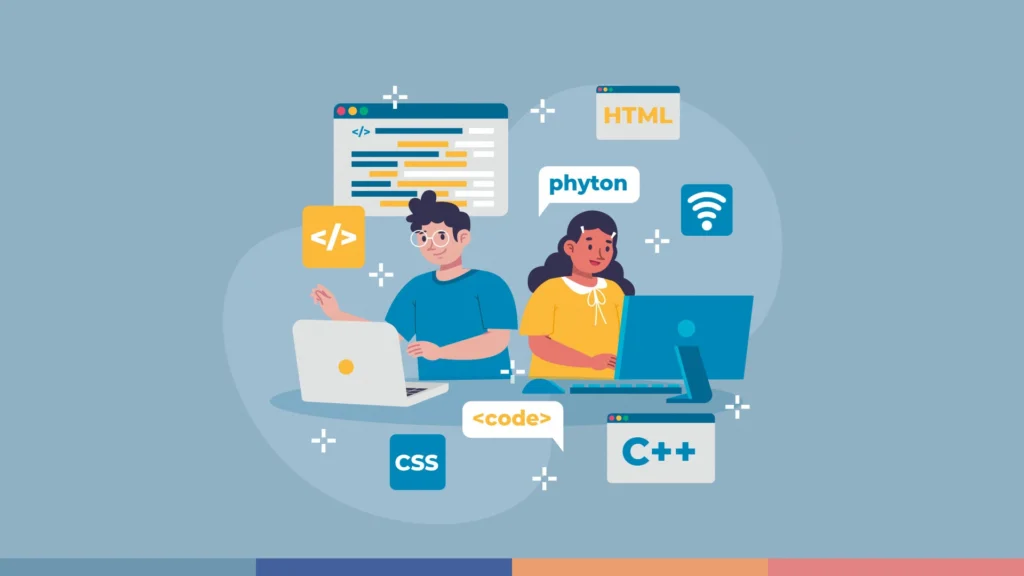
Home Services Our Works Gamification 101 Case Studies Turnkey Event Contact Languages Home Services Our Works Gamification 101 Case Studies Turnkey Event Contact Languages Home Services Our Works Gamification 101 Case Studies Turnkey Event Contact Languages Home Services Our Works Gamification 101 Case Studies Turnkey Event Contact Languages Edit Template What Tools and Techniques Can Be Used for Gamifying IT Courses Online? Gamification has revolutionized the way online education is delivered, particularly in IT courses. By integrating game elements into educational environments, educators can significantly enhance student engagement, motivation, and overall learning outcomes. This article explores the tools and techniques used for gamifying IT courses online, highlighting recent scientific findings and practical applications. Tools for Gamifying IT Courses Learning Management Systems (LMS) with Gamification Features: Platforms like Moodle and Blackboard offer gamification plugins that enable educators to incorporate points, badges, and leaderboards into their courses. These elements encourage healthy competition and motivate students to participate actively. Gamified Learning Platforms: These platforms use game mechanics such as timed challenges and instant feedback to make learning more engaging. Virtual Reality (VR) and Augmented Reality (AR) Tools: VR and AR provide immersive learning experiences that can simulate real-world IT environments. Platforms like Unity and Unreal Engine allow educators to create gamified VR/AR applications that enhance practical learning. Coding Challenge Platforms: Websites like Codewars and HackerRank use gamification to teach coding skills. These platforms offer problem-solving challenges, leaderboards, and achievements to motivate continuous learning and skill improvement. Techniques for Gamifying IT Courses Storytelling and Scenario-Based Learning Story-based learning integrates course content into a narrative, making the learning experience more engaging and memorable. This technique can make complex IT concepts easier to understand. Integrating storytelling elements and real-world scenarios into the curriculum can make learning more relatable and exciting. This technique helps students understand the practical applications of their knowledge. Techniques Branching Scenarios: Create scenarios where students make decisions that affect the outcome, simulating real-world IT challenges. Quest-Based Learning: Structure the course as a series of quests or missions that students must complete to progress. 1. Real-Time Feedback Real-time feedback helps students understand their progress and areas for improvement immediately, which is crucial for effective learning. Tools Socrative: A real-time feedback tool that allows instructors to create quizzes and polls to gauge student understanding. Mentimeter: An interactive presentation software that provides real-time feedback through quizzes and polls. 2. Peer Collaboration Encouraging peer collaboration fosters a sense of community and allows students to learn from each other. Collaborative projects can simulate real-world IT tasks and promote teamwork. Tools GitHub Classroom: Enables students to work on coding projects collaboratively, using version control and collaboration features. Microsoft Teams: Provides a platform for group discussions, project management, and file sharing, facilitating collaboration. 3. Personalized Learning Paths Personalized learning paths cater to individual student needs, allowing them to learn at their own pace and focus on areas where they need improvement. 4. Virtual Reality (VR) and Augmented Reality (AR) VR and AR can create immersive learning experiences, making abstract IT concepts more tangible and understandable. Tools Google Expeditions: Provides VR and AR experiences for educational purposes, including IT and computer science topics. Unity: A platform for creating VR and AR applications that can be used to develop custom learning experiences. 5. Game-Based Learning Game-based learning uses actual games to teach IT concepts, making learning fun and interactive. 6. Collaborative Projects and Team-Based Challenges Encouraging students to work together on projects or compete in teams can enhance their collaborative skills and make learning more dynamic. Recent Scientific Findings Research has shown that gamification can significantly improve student engagement and learning outcomes. For example, a study published in MDPI found that gamified learning environments lead to higher levels of motivation and engagement among students. The study highlighted the positive effects of game elements such as points, badges, and leaderboards on students’ performance and social interactions. Another systematic literature review in SpringerOpen identified self-determination theory, flow theory, and goal-setting theory as the primary theoretical frameworks supporting gamified education. These theories emphasize the importance of intrinsic motivation, optimal experience, and clear objectives in gamified learning environments. How Level Up Powered by Agate Can Help At Level Up powered by Agate, we specialize in creating gamified educational solutions that can transform your IT courses. Our expertise in developing custom gamification strategies ensures that your courses are not only engaging but also effective in achieving educational goals. Whether it’s enhancing student engagement, improving ROI, or creating more effective assessments, we have the tools and experience to help your institution succeed. For example, our VR apps provide immersive learning experiences that can simulate complex IT scenarios, allowing students to gain hands-on experience in a safe and controlled environment. We also offer turnkey solutions for businesses and institutions looking to integrate gamification into their training programs. Frequently Asked Questions Q: What are the benefits of gamifying IT courses online? A: Gamification enhances student engagement, motivation, and learning outcomes by making education more interactive and enjoyable. Q: Which game elements are most effective in online learning? A: Points, badges, leaderboards, and storytelling are among the most effective game elements for online learning. Q: How can VR and AR be used in IT education? A: VR and AR can create immersive simulations of real-world IT environments, providing hands-on learning experiences that enhance practical skills. Q: Can gamification improve course completion rates? A: Yes, research has shown that gamification can positively impact course completion rates by keeping students motivated and engaged throughout the course (MDPI) . By leveraging the power of gamification, Level Up powered by Agate can help your institution create a more engaging and effective learning experience for IT students. Explore our services to learn more about how we can assist you in achieving your educational goals. If you are interested in learning more about gamification and how it can benefit you or your organization Check out our gamification services page and contact us today. We are ready to help you create a gamification experience that aligns with
Setting Up Your Virtual Classroom Online

Home Services Our Works Gamification 101 Case Studies Turnkey Contact Home Services Our Works Gamification 101 Case Studies Turnkey Contact Home Services Our Works Gamification 101 Case Studies Turnkey Contact Home Services Our Works Gamification 101 Case Studies Turnkey Contact Edit Template Setting Up Your Virtual Classroom Online In an increasingly digital world, virtual classrooms have become essential for modern education and training. Setting up an effective virtual classroom requires careful planning and the right tools to create an engaging and productive learning environment. This article outlines the key steps and features necessary for setting up your virtual classroom online. 1. Choosing the Right Platform Importance Selecting a reliable and versatile platform is the first step in setting up your virtual classroom. The platform should support various learning activities and be user-friendly for both instructors and students. Recommended Platforms Zoom: Widely used for its robust features and reliability. Microsoft Teams: Ideal for institutions already using Microsoft products. Google Classroom: Great for integrating with other Google services. Custom Platforms by Level Up Powered by Agate For those looking for a more customized solution, Level Up powered by Agate offers the capability to create bespoke virtual classroom platforms. These can range from web-based systems to fully custom-made class online or gamified software tailored to any curriculum or action plan. Leveraging the expertise of a game developer, Level Up can design platforms that include: Interactive Learning Environments: Virtual spaces where students can engage with content and each other in immersive, interactive ways. Gamified Elements: Integrate points, badges, and leaderboards to increase engagement and motivation. Customizable Modules: Tailor learning paths and modules to fit specific educational needs or corporate training objectives. Advanced Analytics: Track and analyze student performance and participation in real-time. Social Learning Tools: Facilitate collaboration and communication through integrated forums, chat functions, and group projects. An example of such a platform is the Venhall virtual event platform developed by Level Up powered by Agate. This platform showcases the potential for creating sophisticated virtual environments that can be adapted for educational purposes, demonstrating Level Up’s ability to craft unique solutions for businesses, institutions, schools, universities, and more. 2. Ensuring Strong Internet Connectivity Importance A stable internet connection is crucial for seamless virtual learning experiences. Interruptions can disrupt the flow of lessons and frustrate both students and instructors. Tips Bandwidth: Ensure sufficient bandwidth to handle video streaming and interactive activities. Backup Plans: Have a backup internet source in case of connectivity issues. 3. Setting Up the Virtual Classroom Environment Importance Creating an effective learning environment involves organizing the virtual space to facilitate engagement and interaction. Steps Background: Choose a quiet, well-lit area with a professional background. Equipment: Use a good quality webcam and microphone to ensure clear communication. Software Setup: Familiarize yourself with the platform’s features and settings. 4. Creating Engaging Content Importance Engaging content is key to maintaining student interest and promoting effective learning. Strategies Multimedia: Incorporate videos, animations, and interactive elements to make lessons more dynamic. Gamification: Use gamified elements like quizzes and challenges to enhance engagement. For inspiration, check out Level Up powered by Agate, which specializes in creating gamified learning solutions. 5. Implementing Interactive Tools Importance Interactive tools facilitate active learning and student participation. Tools Polls and Quizzes: Tools like Kahoot and Poll Everywhere can make lessons interactive. Breakout Rooms: Use breakout rooms for group discussions and collaborative projects. Whiteboards: Digital whiteboards like Miro can be used for brainstorming and interactive teaching. 6. Establishing Clear Communication Channels Importance Effective communication is vital for virtual classrooms to ensure students can easily reach out for help and participate in discussions. Channels Email: Regular updates and feedback through email. Discussion Forums: Platforms like Piazza for class discussions and Q&A. Chat Functions: Utilize chat features during live sessions for real-time interaction. 7. Providing Technical Support Importance Technical issues can hinder the learning process, so it’s important to provide support for students. Solutions Help Desk: Set up a dedicated help desk or support team to address technical issues. Guides and Tutorials: Provide instructional materials on how to use the virtual classroom tools. 8. Monitoring and Evaluating Progress Importance Monitoring student progress and providing timely feedback are crucial for effective learning. Tools Analytics: Use platform analytics to track attendance and participation. Assessment Tools: Implement regular assessments to evaluate understanding and provide feedback. 9. Ensuring Accessibility Importance A virtual classroom should be accessible to all students, including those with disabilities. Features Closed Captions: Enable closed captions for live and recorded sessions. Screen Readers: Ensure compatibility with screen readers and other assistive technologies. 10. Promoting a Positive Learning Environment Importance A positive and supportive learning environment enhances student motivation and success. Strategies Encouragement: Regularly encourage and motivate students. Community Building: Foster a sense of community through group activities and discussions. Conclusion Setting up an effective virtual classroom involves choosing the right platform, ensuring strong connectivity, and creating an engaging and accessible learning environment. By implementing these strategies, you can create a virtual classroom that enhances learning and promotes student success. For more insights on creating powerful virtual learning environments, explore the services offered by Level Up powered by Agate. Our comprehensive solutions are designed to meet the unique needs of educational institutions and businesses. Frequently Asked Questions Q: What are the best platforms for setting up a virtual classroom? A: Recommended platforms include Zoom, Microsoft Teams, and Google Classroom, each offering unique features to support virtual learning. Q: How can I make my virtual classroom more engaging? A: Use multimedia content, gamification elements, and interactive tools like polls, quizzes, and digital whiteboards to enhance engagement. Q: What should I do to ensure accessibility in my virtual classroom? A: Enable closed captions, ensure compatibility with screen readers, and provide materials in accessible formats to accommodate all students. Q: How can I monitor student progress in a virtual classroom? A: Use platform analytics to track attendance and participation, and implement regular assessments to evaluate understanding and provide feedback. Q: What support should I provide for technical issues? A:
10 Essential Features of a Training Platform

Home Services Our Works Gamification 101 Case Studies Turnkey Event Contact Languages Home Services Our Works Gamification 101 Case Studies Turnkey Event Contact Languages Home Services Our Works Gamification 101 Case Studies Turnkey Event Contact Languages Home Services Our Works Gamification 101 Case Studies Turnkey Event Contact Languages Edit Template 10 Essential Features of a Training Platform A robust training platform is crucial for organizations looking to enhance employee skills and knowledge efficiently. In today’s fast-paced business environment, a comprehensive training platform should offer a variety of features to ensure effective learning, engagement, and measurable outcomes. This article outlines the ten essential features every training platform should have. 1. User-Friendly Interface Importance A user-friendly interface is the cornerstone of an effective training platform. It ensures that users can easily navigate the system, access training materials, and complete courses without unnecessary frustration. Benefits Increased Adoption: A simple and intuitive interface encourages more employees to use the platform. Reduced Training Time: Less time is spent learning how to use the platform itself, allowing more focus on the training content. 2. Mobile Compatibility Importance With the rise of remote work and on-the-go learning, a training platform must be accessible on mobile devices. Benefits Flexibility: Employees can access training materials anytime, anywhere. Higher Engagement: Mobile accessibility can increase participation rates. 3. Customizable Learning Paths Importance Every learner has unique needs. Customizable learning paths allow organizations to tailor the training experience to individual requirements. Benefits Personalized Learning: Ensures that training is relevant to each learner’s role and skill level. Improved Outcomes: Personalized paths can lead to better retention and application of knowledge. 4. Gamification Elements Importance Gamification adds game-like elements such as points, badges, and leaderboards to make training more engaging. Benefits Enhanced Motivation: Gamification can make learning more enjoyable and motivate employees to complete courses. Better Retention: Interactive and fun learning experiences can improve information retention. 5. Social Learning Features Importance Social learning features, such as discussion forums, peer reviews, and collaboration tools, foster a community learning environment. Benefits Collaboration: Encourages knowledge sharing and collaboration among employees. Engagement: Social interactions can increase engagement and make learning more dynamic. 6. Real-Time Analytics and Reporting Importance Real-time analytics and reporting provide insights into training effectiveness and learner progress. Benefits Data-Driven Decisions: Helps organizations make informed decisions about training programs. Identify Gaps: Allows for the identification of knowledge gaps and areas needing improvement. 7. Content Library and Authoring Tools Importance A comprehensive content library and robust authoring tools enable the creation and distribution of diverse training materials. Benefits Resource Availability: Easy access to a wide range of training resources. Content Creation: Enables the creation of customized training materials tailored to organizational needs. 8. Integration Capabilities Importance Integration with other systems, such as HR platforms and productivity tools, ensures seamless workflow and data consistency. Benefits Efficiency: Streamlines administrative tasks and reduces manual data entry. Consistency: Ensures that data is consistent across different platforms. 9. Certification and Compliance Tracking Importance Certification and compliance tracking ensure that employees meet industry standards and regulatory requirements. Benefits Compliance: Helps organizations stay compliant with industry regulations. Recognition: Provides employees with certificates that recognize their achievements. 10. Support and Resources Importance Reliable support and access to resources are critical for the smooth operation of a training platform. Benefits Compliance: Helps organizations stay compliant with industry regulations. Recognition: Provides employees with certificates that recognize their achievements. Conclusion Implementing a training platform with these essential features can significantly improve the effectiveness of your organization’s training programs. For more information on how to enhance your training strategies, explore the services offered by Level Up powered by Agate. Our comprehensive solutions are designed to meet the unique needs of businesses and institutions, ensuring maximum impact and ROI. Frequently Asked Questions Q: Why is a user-friendly interface important in a training platform? A: A user-friendly interface ensures that users can easily navigate the platform, access training materials, and complete courses without unnecessary frustration, leading to higher adoption and reduced training time. Q: How does mobile compatibility benefit training programs? A: Mobile compatibility allows employees to access training materials anytime, anywhere, providing flexibility and increasing participation rates. Q: What are the advantages of customizable learning paths? A: Customizable learning paths provide personalized learning experiences, ensuring that training is relevant to each learner’s role and skill level, leading to improved retention and application of knowledge. Q: How do gamification elements enhance training? A: Gamification makes learning more enjoyable and motivates employees to complete courses, enhancing motivation and improving information retention. Q: What role do social learning features play in a training platform? A: Social learning features encourage knowledge sharing and collaboration among employees, increasing engagement and making learning more dynamic. For more insights and examples of our work, visit our Our Works page. If you are interested in learning more about gamification and how it can benefit you or your organization Check out our gamification services page and contact us today. We are ready to help you create a gamification experience that aligns with your needs and preferences. All Posts All Literasi Keuangan Lebih Baik dengan Gamifikasi: Kolaborasi dengan Bank Jago October 30, 2024/ Level Up powered by Agate Berpartisipasi sebagai Pembicara di Studium Generale BINUS University October 24, 2024/ Aplikasi Gamifikasi Terbaik untuk Pendidikan October 4, 2024/ Menciptakan Game yang Menyenangkan untuk Upaya Pemasaran October 3, 2024/ Bagaimana Membangun Game Dapat Memberdayakan Bisnis Anda October 2, 2024/ Contoh Gamifikasi Terbaik yang Perlu Kamu Ketahui October 1, 2024/ Memilih Partner Gamification dengan Perusahaan Pengembang Game September 30, 2024/ Memanfaatkan Mini Game dalam Aplikasi Loyalitas untuk Meningkatkan Keterikatan Pelanggan September 27, 2024/ Apakah VR dalam Pendidikan Menjanjikan? September 26, 2024/ Load More End of Content. All company names, brand names, trademarks, logos, illustrations, videos and any other intellectual property (Intellectual Property) published on this website are the property of their respective owners. Any non-authorized usage of Intellectual Property is strictly prohibited and any violation will be prosecuted under the law. © 2023 Agate. All rights reserved. Home Services Our Works Contact
How to Deploy an Effective Train the Trainer Program with Gamification

Home Services Our Works Gamification 101 Case Studies Turnkey Event Contact Languages Home Services Our Works Gamification 101 Case Studies Turnkey Event Contact Languages Home Services Our Works Gamification 101 Case Studies Turnkey Event Contact Languages Home Services Our Works Gamification 101 Case Studies Turnkey Event Contact Languages Edit Template How to Deploy an Effective Train the Trainer Program with Gamification In today’s dynamic corporate environment, ensuring that trainers are well-equipped to deliver top-notch training is crucial. An effective “Train the Trainer” program can significantly enhance the quality of training across an organization. By incorporating gamification, these programs can become even more engaging and impactful. This article explores strategies for deploying an effective Train the Trainer program using gamification, supported by recent scientific findings and real-world examples. The Importance of a Train the Trainer Program A Train the Trainer program aims to prepare instructors with the skills and knowledge needed to effectively train others. These programs ensure consistency in training delivery and help maintain high standards across the organization. Let’s explore how gamification can elevate your corporate training programs. A Thinkific guide explains how gamification in e-learning involves incorporating features like points systems, badges, and leveled tiers. This approach creates a fresh and engaging way for employees to learn new information and apply it in real-world scenarios. Moving beyond the “what” of gamification, an article in Growth Engineering dives deeper, exploring how it functions and drives high-impact employee engagement in training programs. Building on this concept, a blog post by Originlearning positions gamification as a key strategy for designing and deploying effective workplace training programs. For those interested in a more specialized approach, an article in Forbes offers guidance on building gamified simulation training programs. The Power of Train-the-Trainer Programs While gamification offers unique benefits, a strong foundation is crucial. SessionLab‘s comprehensive guide provides a behind-the-scenes look at designing a train-the-trainer program. It explores the rationale for implementing such programs within your organization, along with design principles and essential ingredients for successful train-the-trainer workshops. Further best practices for train-the-trainer programs can be found in an article by Learnexus. This resource delves into the program’s importance, the benefits of implementing best practices, and how to prepare for successful program execution. Training Journal adds another layer, highlighting that successful train-the-trainer programs go beyond simply transferring knowledge and information. Strategies for Implementing a Gamified Train the Trainer Program 1. Setting Clear Objectives Define clear, measurable objectives for your Train the Trainer program. Objectives might include enhancing trainers’ presentation skills, improving their ability to engage trainees, or increasing their knowledge of the subject matter. Clear goals provide a roadmap for the program and help measure its success. 2. Developing Interactive Content Interactive content such as simulations, role-playing scenarios, and quizzes can make training sessions more engaging. For example, Level Up powered by Agate offers customized gamified solutions that incorporate these elements, making the learning experience immersive and enjoyable. 3. Implementing Reward Systems Incorporate a reward system to motivate trainers. Points, badges, and leaderboards can encourage healthy competition and recognize achievements. A study in the International Journal of Training and Development found that gamified reward systems can increase participant motivation by 40%. 4. Facilitating Peer Learning and Collaboration Encourage peer learning and collaboration through team-based challenges and group projects. This approach not only enhances learning but also fosters a sense of community among trainers. Collaborative learning has been shown to improve knowledge retention and application in real-world scenarios. 5. Providing Real-Time Feedback Real-time feedback helps trainers understand their progress and areas for improvement. Advanced analytics can track performance and provide insights, allowing for continuous improvement. This approach ensures that trainers can adapt and refine their methods effectively. The Role of Level Up Powered by Agate At Level Up powered by Agate, we specialize in designing gamified training solutions that help businesses and institutions enhance their training programs. Our services include: Effective Assessments: We develop gamified assessments that improve the evaluation process for trainers, ensuring they are well-prepared. Customized Solutions: We create tailored gamified solutions to meet the specific needs of each organization, ensuring maximum impact. In conclusion, deploying an effective Train the Trainer program with gamification can significantly enhance the quality of training in your organization. By leveraging the expertise of Level Up powered by Agate, you can create engaging, effective, and personalized training programs that drive performance and success. For more details on our services, visit our Services page. Frequently Asked Questions Q: What is a Train the Trainer program? A: A Train the Trainer program is designed to equip trainers with the skills and knowledge needed to effectively train others within the organization. Q: How does gamification enhance a Train the Trainer program? A: Gamification makes training more engaging and interactive, improving retention and application of knowledge through elements like rewards, simulations, and real-time feedback. Q: What are some effective gamification strategies for these programs? A: Effective strategies include setting clear objectives, developing interactive content, implementing reward systems, facilitating peer learning, and providing real-time feedback. Q: Can you provide examples of successful gamified training programs? A: Examples include the Karyamas project and VR Education Apps, both of which achieved significant improvements in engagement and learning outcomes. Q: How can Level Up powered by Agate help my organization with a Train the Trainer program? A: Level Up powered by Agate offers customized gamified solutions for training programs, helping organizations enhance the effectiveness and engagement of their training initiatives. For further insights and examples of our work, visit our Our Works page. If you are interested in learning more about gamification and how it can benefit you or your organization Check out our gamification services page and contact us today. We are ready to help you create a gamification experience that aligns with your needs and preferences. All Posts All Literasi Keuangan Lebih Baik dengan Gamifikasi: Kolaborasi dengan Bank Jago October 30, 2024/ Level Up powered by Agate Berpartisipasi sebagai Pembicara di Studium Generale BINUS University October 24, 2024/ Aplikasi Gamifikasi Terbaik untuk Pendidikan
Gamification Training and Development Strategies for the Modern Workforce

Home Services Our Works Gamification 101 Case Studies Turnkey Event Contact Languages Home Services Our Works Gamification 101 Case Studies Turnkey Event Contact Languages Home Services Our Works Gamification 101 Case Studies Turnkey Event Contact Languages Home Services Our Works Gamification 101 Case Studies Turnkey Event Contact Languages Edit Template Gamification Training and Development Strategies for the Modern Workforce In the contemporary business landscape, training and development are critical for maintaining a competitive edge. As organizations seek innovative methods to enhance employee engagement and productivity, gamification has emerged as a powerful tool. This article explores effective gamification strategies for training and development, backed by recent scientific findings and real-world examples. Understanding Gamification in Workforce Training Gamification involves applying game-design elements in non-game contexts to motivate and increase user engagement. In workforce training, it transforms mundane tasks into interactive and enjoyable experiences, promoting better learning outcomes and skill retention. The Science Behind Gamification Research highlights the potential of gamification to revolutionize workforce training and development. An article in Training Magazine emphasizes gamification ability to boost engagement, making it a valuable tool for employee retention. The article goes on to advocate for gamifying non-game activities, positioning it as an essential strategy for any employer’s engagement arsenal. Further exploring the psychology behind gamification, a Harvard Business Review report delves into how probabilistic rewards, like performance-linked lotteries, can be leveraged to increase employee motivation. This aligns with the growing trend recently observed by HR Daily Advisor, where employers are increasingly adopting innovative strategies like gamification to develop and engage their workforce. Thinkific’s guide provides a practical approach, explaining how gamification can be implemented in e-learning for corporate training. They suggest incorporating standard gaming features like points systems, badges, and tiered levels into training modules. This approach provides employees with a fresh way to learn new information and practice its real-world application. Building on this foundation, eLearning Industry offers a detailed exploration of various gamification strategies for employee learning and development. This includes options like points systems and leaderboards, badges and certifications, scenario-based learning, storytelling narratives, and collaborative challenges with team competitions. Effective Gamification Strategies 1. Interactive Learning Modules Interactive modules that include quizzes, simulations, and scenario-based learning can make training sessions more engaging. For instance, Level Up powered by Agate offers customized gamified solutions that integrate these elements, ensuring an immersive learning experience. 2. Reward Systems Incorporating rewards such as points, badges, and leaderboards can motivate employees to complete training modules and improve their performance. A study in the Journal of Organizational Behavior found that employees participating in gamified training programs were 60% more likely to achieve their training goals compared to those in non-gamified programs. 3. Personalized Learning Paths Personalization enhances the relevance of training content, making it more effective. Adaptive learning technologies, which adjust the difficulty level based on the learner’s performance, are particularly beneficial. According to a report by Gartner, personalized employee experience can help with learning and development goals. The report suggests that personalization can improve the employee experience and engagement. A study published in Smart Learning Environments found that using an adaptive learning tool improved student performance and satisfaction in online and face-to-face education for a more personalized approach. 4. Social Learning and Collaboration Gamification can also foster social learning and collaboration through team-based challenges and peer-to-peer feedback. This approach not only enhances learning but also builds a sense of community and teamwork among employees. 5. Real-Time Feedback and Analytics Providing real-time feedback helps employees understand their progress and areas for improvement. Advanced analytics can track performance and provide insights, enabling organizations to tailor their training programs effectively. Case Studies and Real-World Examples Jago Money Quest The Jago Money Quest is an excellent example of a gamified financial literacy program that achieved significant engagement and learning outcomes among participants. The Role of Level Up Powered by Agate At Level Up powered by Agate, we specialize in designing gamified training solutions that help businesses and institutions enhance their training programs. Our services include: Marketing and ROI Improvement: We help organizations increase their return on investment by creating engaging marketing campaigns. Effective Assessments: Our gamified assessments are designed to identify the right candidates for hiring and improve employee evaluation processes. Customized Solutions: We develop tailored gamified solutions to meet the unique needs of each client, ensuring maximum impact. In conclusion, gamification is a powerful strategy for enhancing training and development in the modern workforce. By leveraging the expertise of Level Up powered by Agate, organizations can create engaging, effective, and personalized training programs that drive performance and success. For more details on our services, visit our Services page. Frequently Asked Questions Q: What is gamification in training and development? A: Gamification in training and development involves using game design elements such as points, badges, and leaderboards to create engaging and interactive learning experiences. Q: How does gamification improve learning outcomes? A: Gamification enhances learning outcomes by making training more engaging, providing real-time feedback, and fostering a competitive yet collaborative learning environment. Q: Can gamification be personalized? A: Yes, personalized gamified learning paths can be created to tailor the training experience to individual learner needs, improving relevance and effectiveness. Q: What are some examples of successful gamification in training? A: Examples include the Jago Money Quest for financial literacy and Batique for employee training, both of which achieved significant engagement and learning outcomes. Q: How can Level Up powered by Agate help my organization with gamification? A: Level Up powered by Agate offers customized gamified solutions for training and development, marketing, and assessments, helping organizations achieve their goals more effectively. For further insights and examples of our work, visit our Our Works page. If you are interested in learning more about gamification and how it can benefit you or your organization Check out our gamification services page and contact us today. We are ready to help you create a gamification experience that aligns with your needs and preferences. All Posts All Literasi Keuangan Lebih Baik dengan Gamifikasi: Kolaborasi dengan
Gamification in Skill Academies to Boost Professional Skill Development

Home Services Our Works Gamification 101 Case Studies Turnkey Event Contact Languages Home Services Our Works Gamification 101 Case Studies Turnkey Event Contact Languages Home Services Our Works Gamification 101 Case Studies Turnkey Event Contact Languages Home Services Our Works Gamification 101 Case Studies Turnkey Event Contact Languages Edit Template Gamification in Skill Academies to Boost Professional Skill Development In today’s fast-paced professional environment, continuous skill development is crucial. Gamification in skill academies offers a revolutionary approach to enhance professional skill development, leveraging engaging, interactive elements to motivate and educate. Recent studies highlight the profound impact of gamification in education and training. Recent Scientific Findings Gamification in skill academies offers numerous benefits, including increased student engagement, improved learning outcomes, and enhanced critical thinking and problem-solving skills. A study published in the Smart Learning Environments found that gamification can enhance levels of students’ engagement. This increased engagement leads to better learning outcomes, as students are more motivated to participate and learn. Another significant benefit of gamification in skill academies is its ability to enhance critical thinking and problem-solving skills. A study published in the Educational Psychology Review found that gamification has significant small effects on cognitive (g = 0.49), motivational (g = 0.36), and behavioral learning outcomes (g = 0.25). This is because gamification encourages students to think creatively and develop strategies to overcome challenges. Recent scientific findings have highlighted the effectiveness of gamification in skill academies. A study published in the Educational Technology Research and Development found that the overall effect size of gamification on cognitive, motivational, and behavioral learning outcomes was g = 0.464. This increased motivation and engagement lead to better learning outcomes and enhanced professional skill development. Recent articles have also highlighted the benefits of gamification in skill academies. A recent article published in Axon Park noted that gamification can improve student engagement and motivation. This increased engagement and motivation lead to better learning outcomes and enhanced professional skill development. A study published in the Education and Information Technologies found that gamified learning environments can increase learner engagement. Another research from the International Journal of Human-Computer Studies demonstrated that gamification could improve retention rates in professional training programs. Benefits of Gamification in Skill Development Enhanced Engagement Interactive elements such as leaderboards, points, and badges create a more engaging learning experience. Improved Retention Gamified learning helps in better retention of information through repeated engagement and practical application. Personalized Learning Adaptive gamification allows learners to progress at their own pace, catering to individual learning styles and needs. Case Studies and Examples At Level Up powered by Agate, we have successfully implemented gamification strategies in various projects. For instance, our Jago Money Quest and Karyamas initiatives have shown significant improvements in user engagement and learning outcomes. How We Can Help Level Up powered by Agate offers comprehensive services to businesses and institutions to integrate gamification into their training programs. Our expertise spans marketing strategies, increasing ROI, hiring the right candidates, and creating effective assessments. We utilize cutting-edge techniques to ensure our solutions are impactful and aligned with your organizational goals. Practical Applications Marketing: Utilizing gamified elements in marketing campaigns can lead to higher customer engagement and brand loyalty. Recruitment: Gamified assessments help in identifying the right candidates by making the recruitment process more interactive and insightful. Training and Development: Incorporating gamification in training modules results in more effective learning and skill acquisition. Frequently Asked Questions Q. What is gamification in skill development? A: Gamification in skill development involves using game design elements in non-game contexts to enhance learning and engagement. Q. How does gamification improve professional skill development? A: Gamification increases motivation and engagement, leading to better retention of information and practical application of skills. Q. Can gamification be customized for different industries? A: Yes, gamification strategies can be tailored to meet the specific needs and objectives of different industries. Q. What are some examples of successful gamification in education? A: Projects like Batique and VR Education Apps demonstrate the effectiveness of gamification in educational settings. Q. How can Level Up powered by Agate assist with gamification? A: We offer a range of services from strategy development to implementation, ensuring that gamification efforts align with your business objectives and drive measurable results. By leveraging the power of gamification, skill academies can significantly enhance professional skill development, making learning more engaging, effective, and tailored to individual needs. Visit our services page to learn more about how we can help transform your training programs. If you are interested in learning more about gamification and how it can benefit you or your organization Check out our gamification services page and contact us today. We are ready to help you create a gamification experience that aligns with your needs and preferences. All Posts All Literasi Keuangan Lebih Baik dengan Gamifikasi: Kolaborasi dengan Bank Jago October 30, 2024/ Level Up powered by Agate Berpartisipasi sebagai Pembicara di Studium Generale BINUS University October 24, 2024/ Aplikasi Gamifikasi Terbaik untuk Pendidikan October 4, 2024/ Menciptakan Game yang Menyenangkan untuk Upaya Pemasaran October 3, 2024/ Bagaimana Membangun Game Dapat Memberdayakan Bisnis Anda October 2, 2024/ Contoh Gamifikasi Terbaik yang Perlu Kamu Ketahui October 1, 2024/ Memilih Partner Gamification dengan Perusahaan Pengembang Game September 30, 2024/ Memanfaatkan Mini Game dalam Aplikasi Loyalitas untuk Meningkatkan Keterikatan Pelanggan September 27, 2024/ Apakah VR dalam Pendidikan Menjanjikan? September 26, 2024/ Load More End of Content. All company names, brand names, trademarks, logos, illustrations, videos and any other intellectual property (Intellectual Property) published on this website are the property of their respective owners. Any non-authorized usage of Intellectual Property is strictly prohibited and any violation will be prosecuted under the law. © 2023 Agate. All rights reserved. Home Services Our Works Contact Gamification 101 Case Studies Gamification for Marketing Gamification for Learning Instagram Linkedin Twitter Facebook Youtube Edit Template