


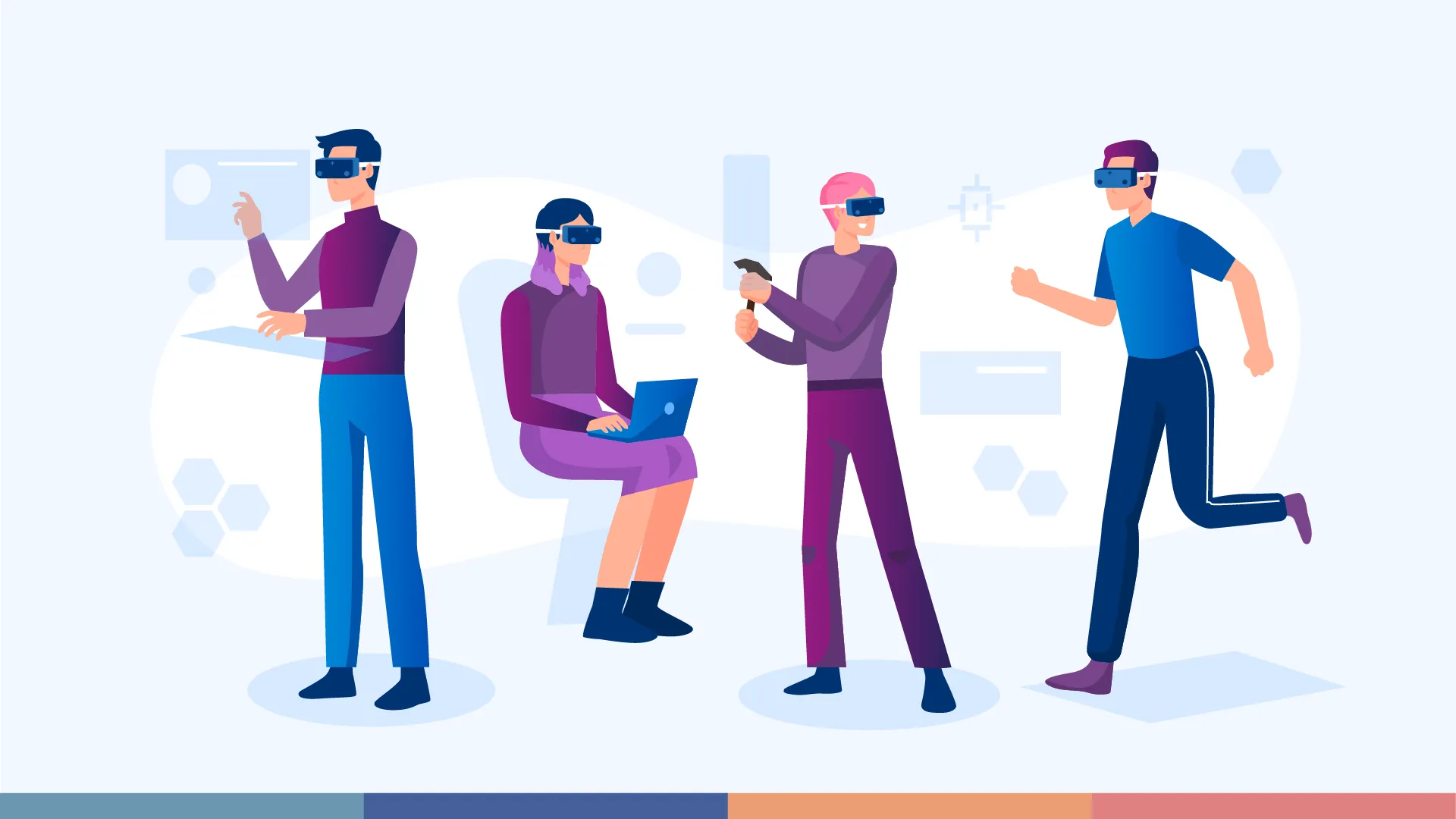
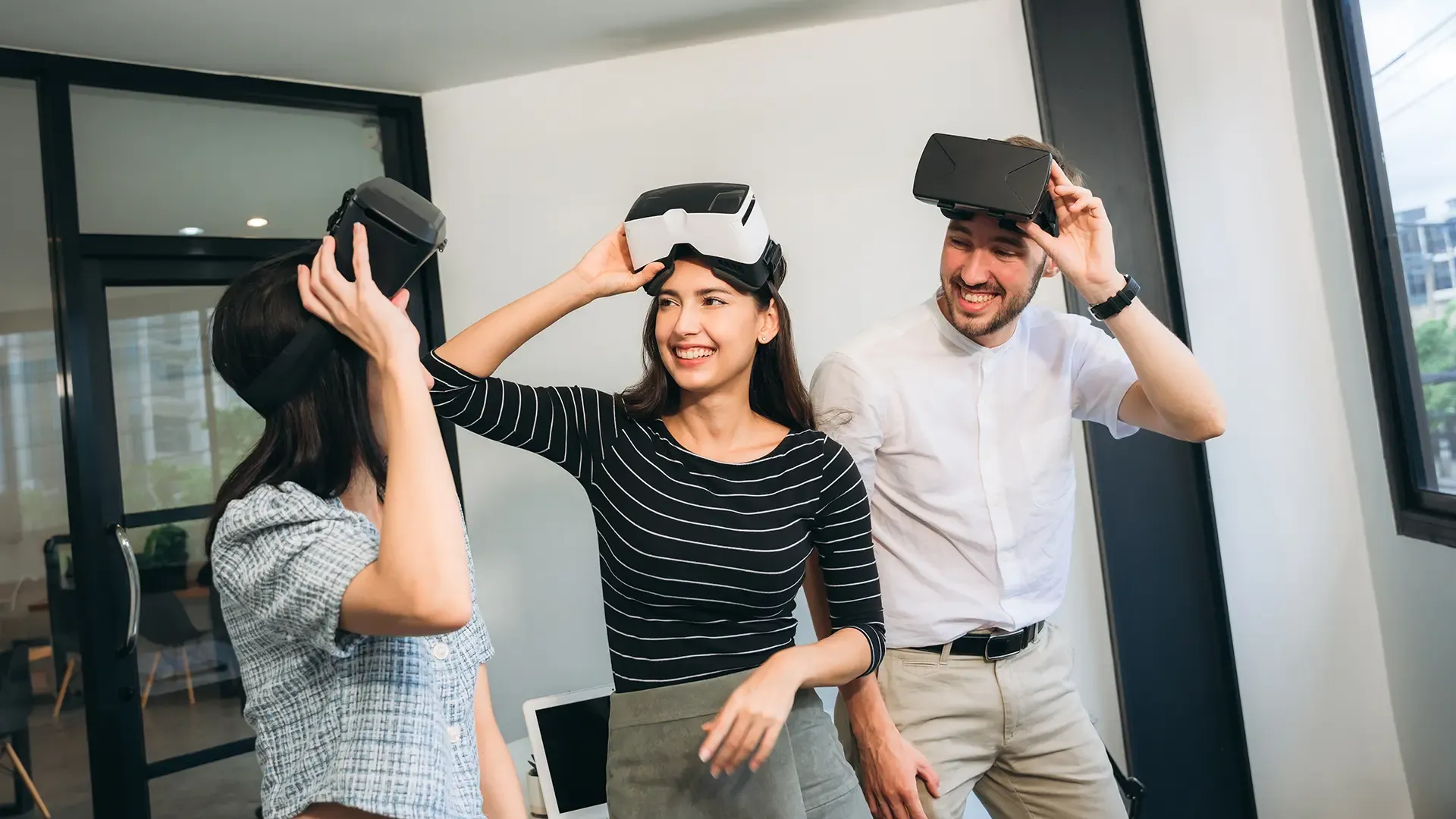
Once dismissed as a niche innovation for gamers, virtual reality (VR) has now taken center stage in the corporate landscape. In 2025, VR is redefining how businesses operate, powering employee training, enhancing customer engagement, streamlining recruitment, and enabling high-stakes simulations. With the global VR market projected to grow from $43.58 billion in 2024 to $382.87 billion by 2033, the shift is clear: VR is no longer futuristic. It’s here, and it’s transformative.
Source: GlobeNewswire, 2025
VR Adoption Is Accelerating in Business
Enterprises across industries are embracing VR at an unprecedented rate. With a 27.31% compound annual growth rate (CAGR), the surge in adoption is largely driven by practical business needs, particularly in talent development, brand engagement, and operational efficiency.
Key areas where VR is now widely used include:
- Employee onboarding and training
- Customer service simulations
- Immersive branding and storytelling
- Safety and emergency drills
Contributing to this growth are the falling costs of VR hardware and advancements in 5G connectivity, making real-time, immersive experiences more accessible than ever before.
Virtual Reality (VR) trend 2025
VR Makes Brands Unforgettable
In 2025, marketing has become more immersive, and memorable through VR. Brands are using the technology to build stronger emotional connections with consumers by offering interactive, story-driven experiences.
Take Gucci, for instance, which created a mixed reality fashion film for the Apple Vision Pro. The project fused luxury fashion with cutting-edge technology, turning product promotion into a sensory-rich experience.
Gucci Mix Reality
Meanwhile, Walmart launched a virtual store inside Roblox, engaging younger audiences with gamified shopping experiences that reflect their digital-native behaviors.
These examples show how “immersive storytelling = deeper brand love.”
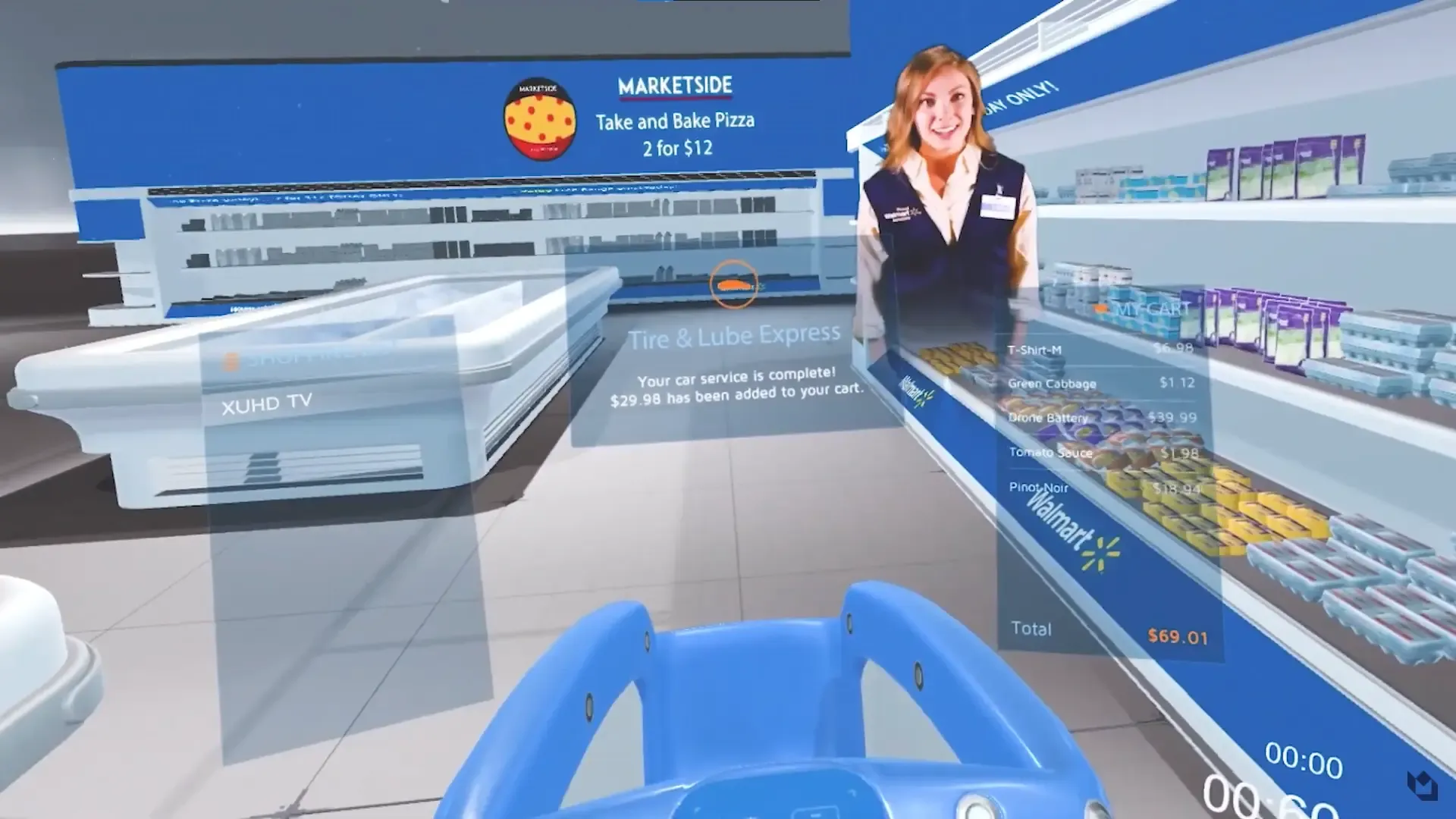
Walmart Virtual Reality (VR)
From Day-One to Experts. VR Empowers People
VR is also driving a transformation in human capital development. Organizations are leveraging VR to improve how employees learn, practice, and grow.
UPS uses VR to simulate real driving environments for training delivery drivers on hazard recognition.
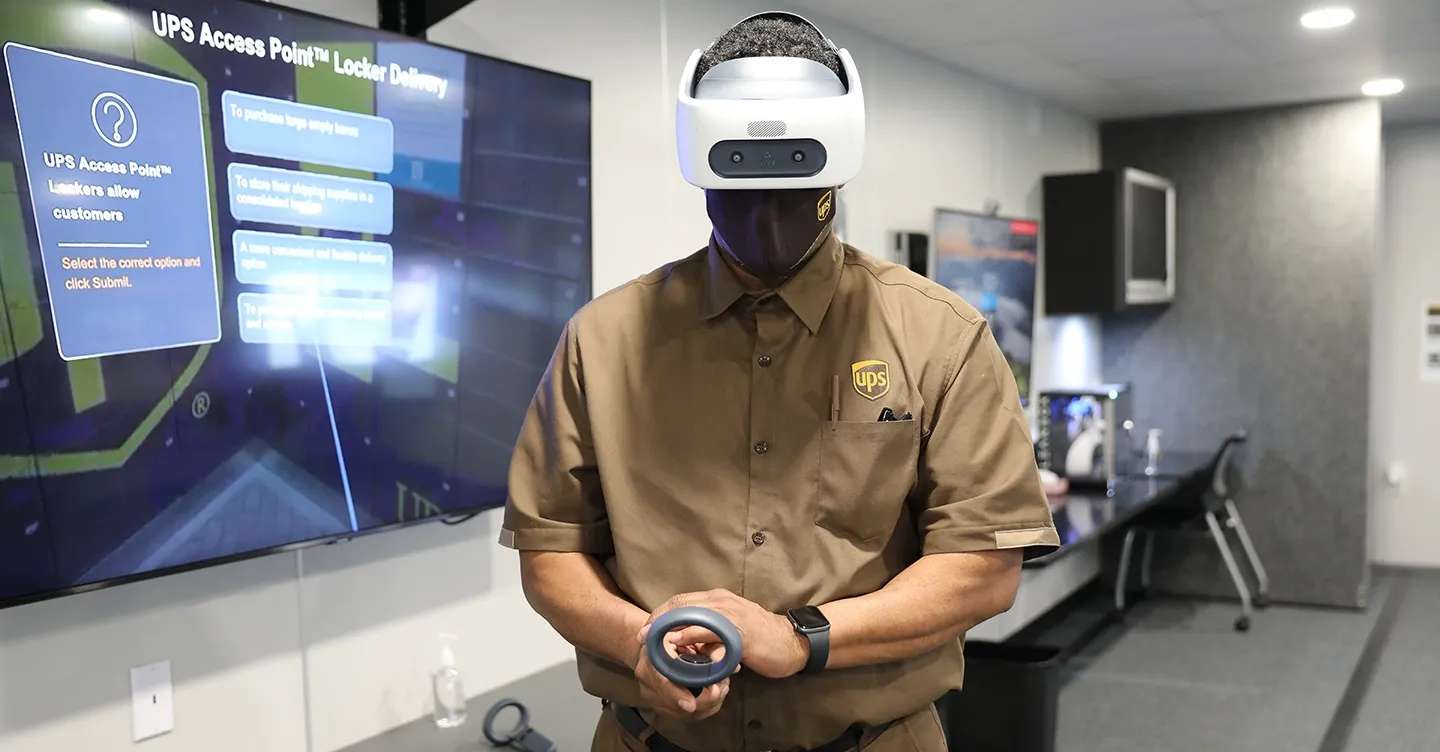
UPS trains new driver in VR
Hilton and Accenture employ VR to replicate customer service scenarios, allowing employees to learn by doing in a safe, controlled environment.
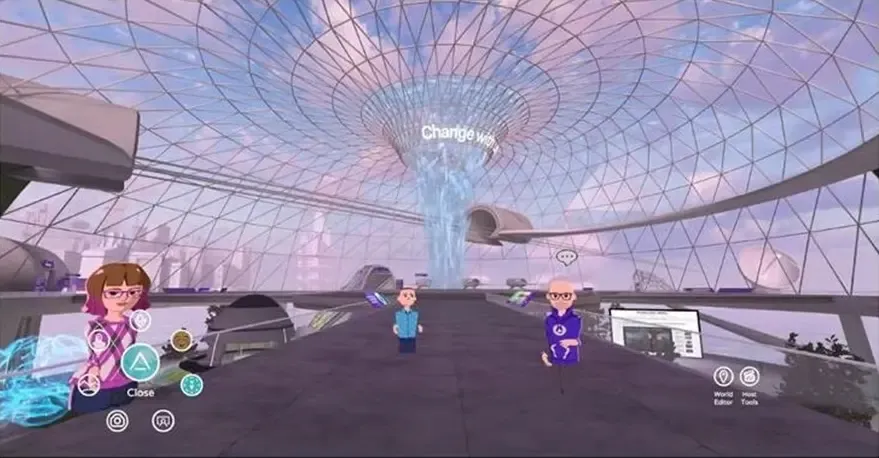
Hilton & Accenture use VR for onboarding
PwC has taken a step further by using VR for soft skills training, including empathy and diversity awareness, areas traditionally difficult to teach using conventional methods.

PWC use VR for soft skills & diversity training
Simulation & Assessment: High-Stakes, Low Risk
Some industries face training challenges where mistakes can be costly or even fatal. In these cases, VR offers safe, repeatable environments for practicing critical procedures without real-world consequences.
Loft Dynamics, for example, has developed FAA-approved flight simulators using VR to train pilots in realistic scenarios, from cockpit protocols to in-flight emergencies.
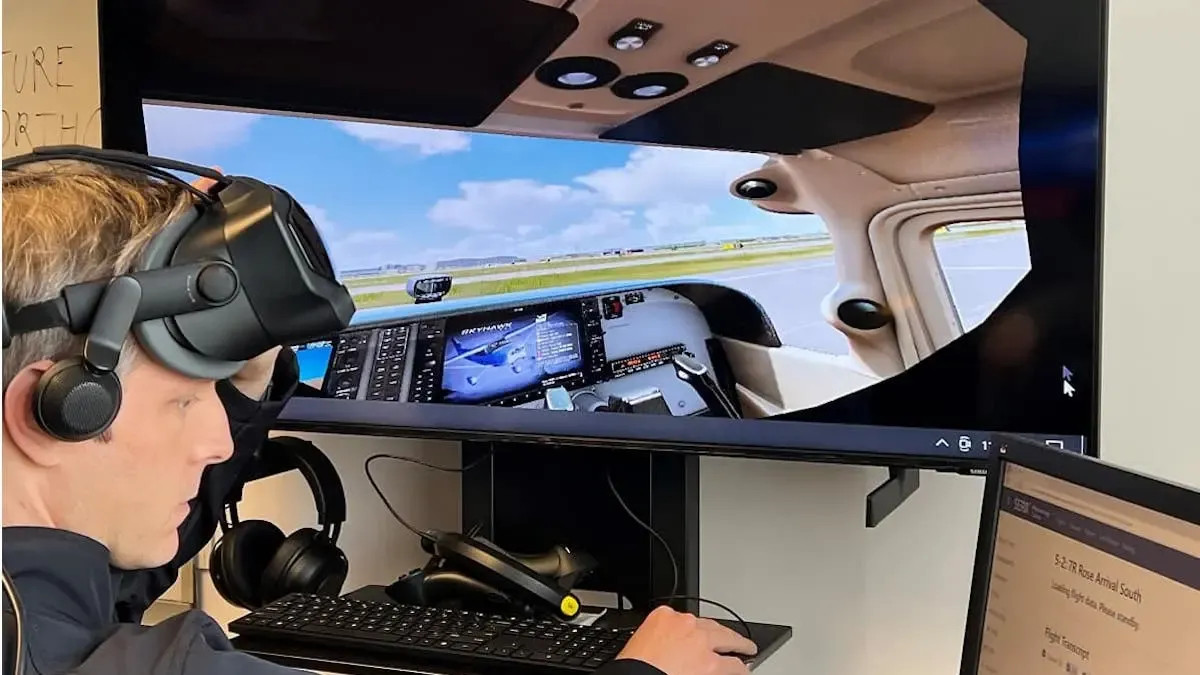
Loft Dynamics build VR flight simulator
In the oil and gas sector, companies like IPLOM Refinery conduct VR-based simulations for emergency responses, helping workers prepare for fire hazards, chemical leaks, and more.
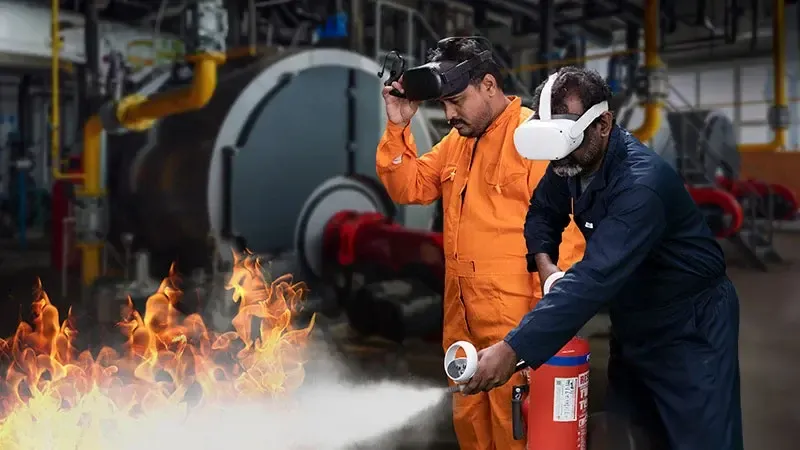
IPLOM use VR for hazard simulation
Even healthcare institutions are adopting VR to train nurses and technicians on operating dialysis machines and other complex equipment, reducing patient risk and boosting competency.
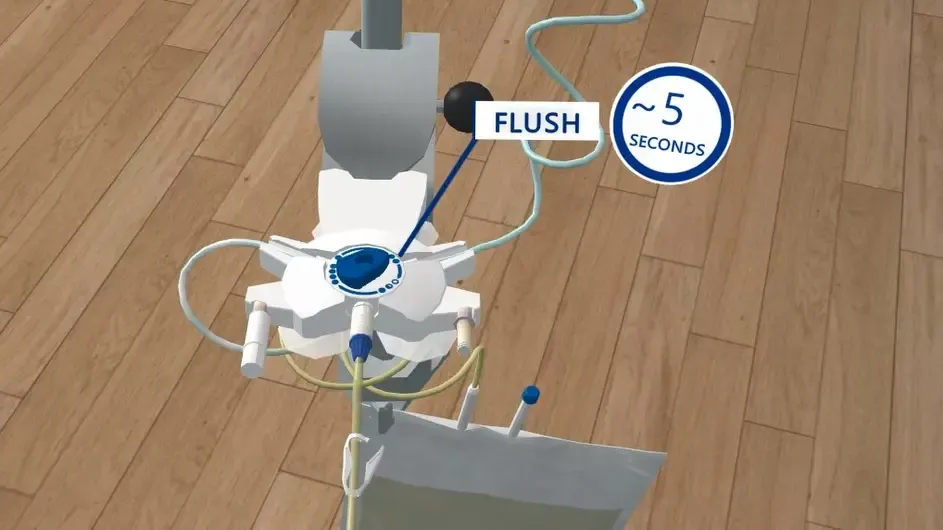
Healthcare industry use VR for training
Is Your Business VR-Ready?
The question is no longer whether VR will impact your industry, it’s how soon. The technology is available, the costs are manageable, and the benefits are proven.
Here are three questions to consider:
- Can your teams benefit from immersive learning?
- Is your brand ready to deliver deeper, more interactive experiences?
- Are your operations in need of safer, smarter simulations?
If you answered “yes” to any of the above, then it’s time to explore how VR can deliver measurable impact in your organization.
Start your VR journey: https://agatelevelup.com/contact