


From Stopwatch to Streaks — The Gamification of Fitness
A decade ago, going for a run meant starting a timer and hoping you’d stay consistent.
In 2025, it’s a different story.
Now, when someone laces up their running shoes, they’re chasing badges, competing in global segments, and sharing their progress in real-time. Fitness has become a game and Strava is the game master.
With over 120 million users worldwide and more than 40 million activities uploaded weekly, Strava isn’t just an app. It’s a movement built on one core principle:
People are more engaged when they feel like they’re playing.
What is Gamification (And Why It Works)?
Gamification is the application of game-design elements—like points, badges, levels, and leaderboards, into non-game environments.
The goal?
To make real-world tasks more engaging, habit-forming, and rewarding.
Studies in behavioral psychology show that gamification taps into intrinsic motivators like:
- Achievement: Progress and mastery
- Social connection: Community and recognition
- Autonomy: Choosing your own goals and paths
Strava uses these motivators to build long-term user habits that feel fun—not forced.
Core Gamification Features Inside Strava
Let’s break down how Strava turns real-world workouts into compelling game loops:
Badges and Achievements
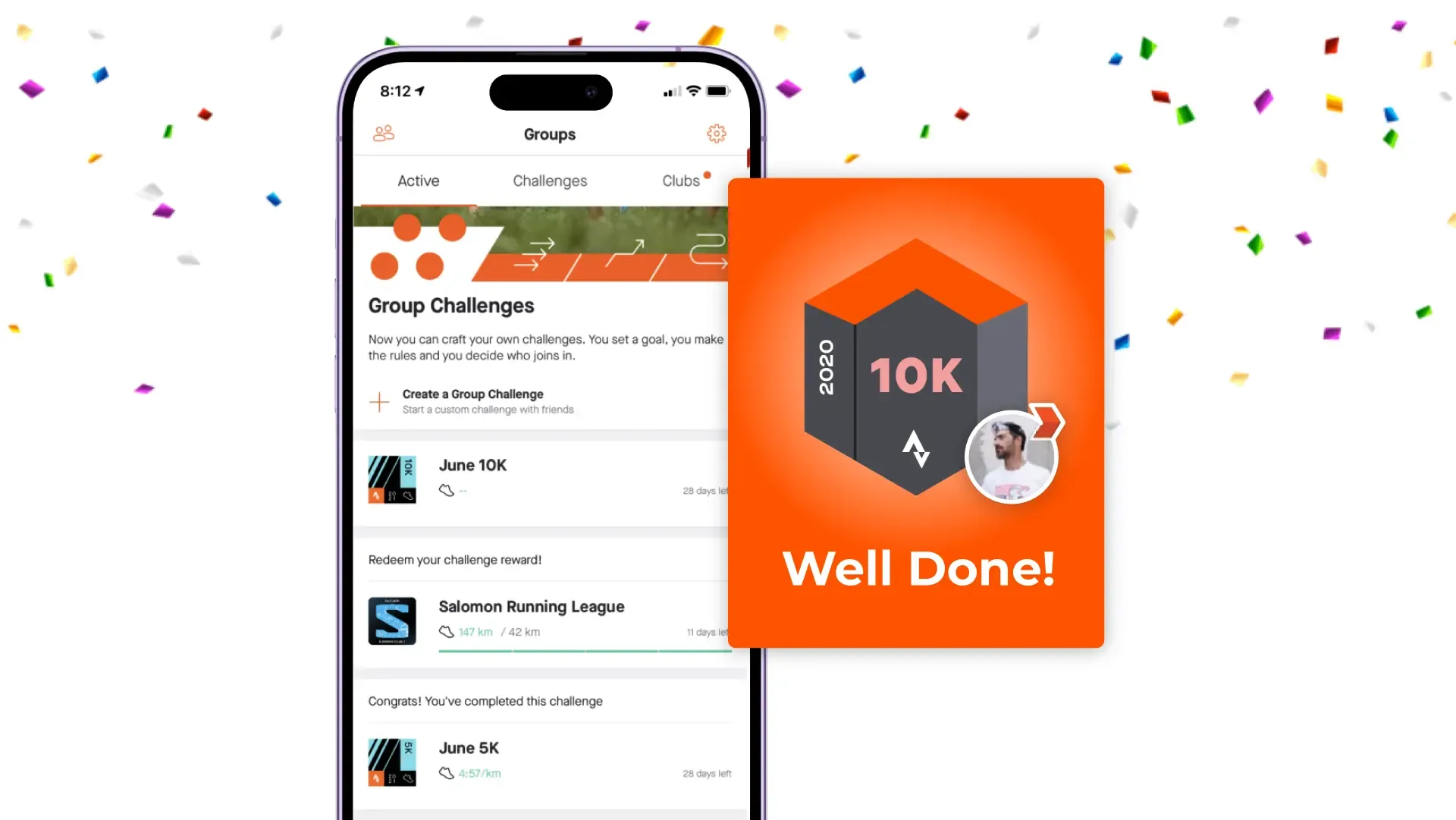
Earn digital medals for completing monthly challenges, personal goals, or distance records. These create a sense of progression and mastery.
Segments & Leaderboards
Compete with anyone who runs or cycles the same route. Strava ranks performance automatically, turning quiet neighborhood jogs into global races.
Streaks and Consistency Rewards
Running daily? You’ll get rewarded for it. Strava encourages commitment by tracking how many days, weeks, or months you stay active.
Kudos and Social Feedback
Just like a “like” on Instagram, kudos reward social validation. The more you get, the more connected you feel to the community.
Visual Progress Tracking
Graphs, maps, charts—all to visualize improvement over time. This satisfies the user’s need to see tangible results.
The Social Engine – Why Strava is More Than a Fitness App
Gamification alone doesn’t explain Strava’s explosive growth. The secret lies in social content.
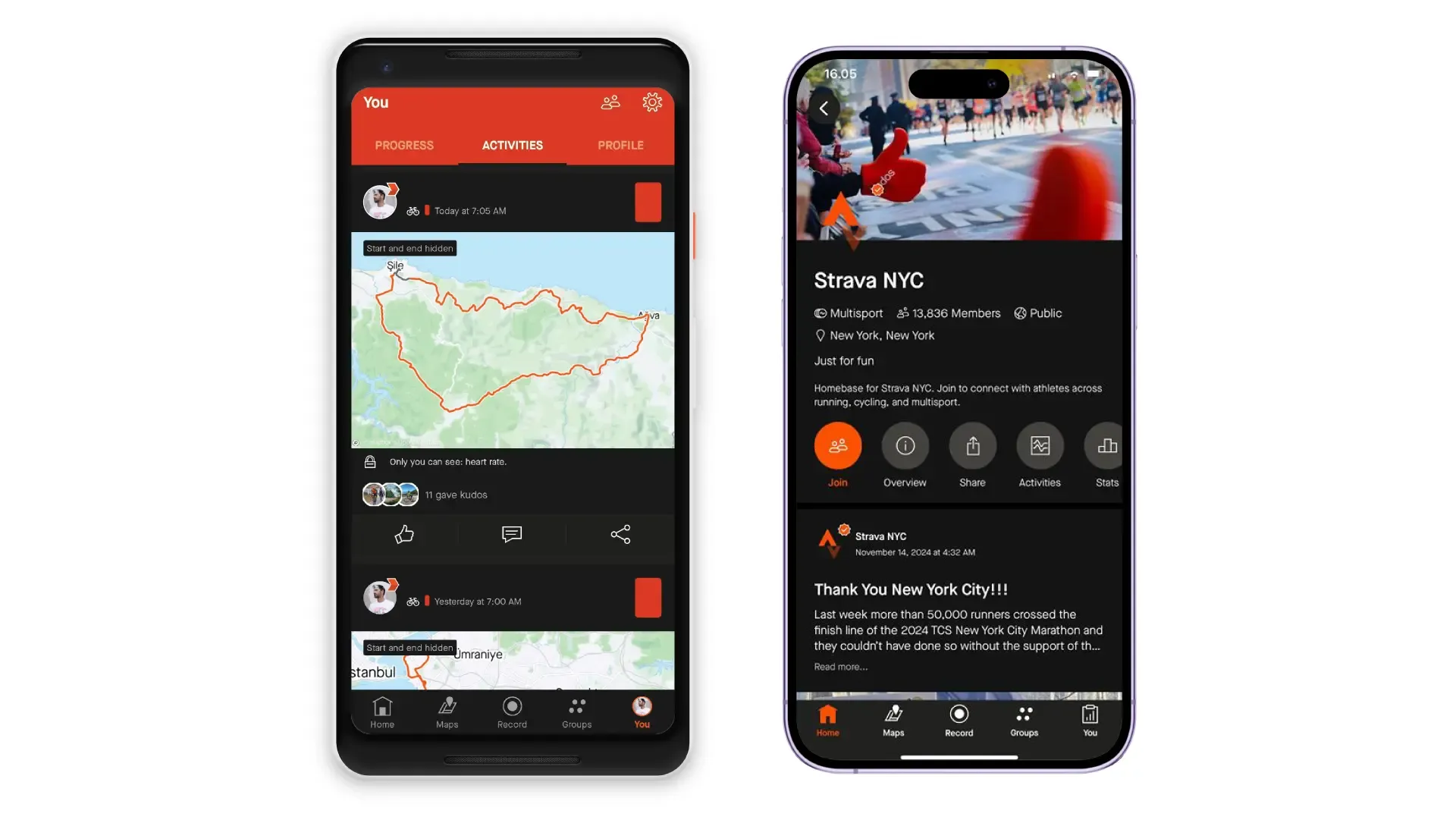
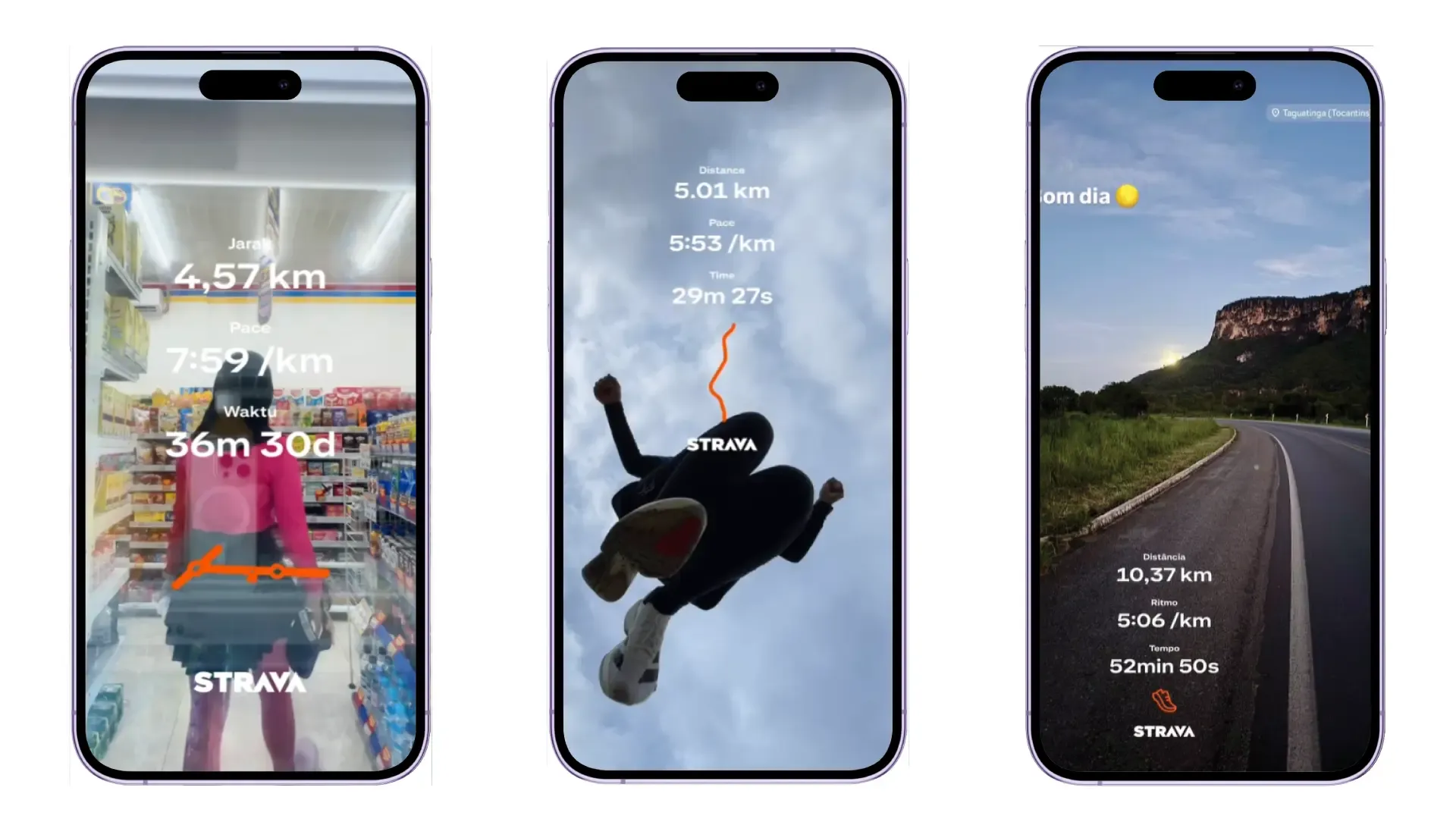
Every activity logged becomes sharable content:
- Route maps with stats
- Highlight reels of streaks
- Workout photos and captions
- Comments from friends and teammates
Every Sport Becomes a Story
Runners post about their weekend half-marathon. Cyclists flex their elevation gains. Gyms become arenas for social proof.
This builds a loop of content → recognition → motivation, turning solo fitness into a social activity.
Want to amplify this effect? Strava encourages group dynamics through:
- Strava Clubs
- Virtual challenges
- Group events and team competitions
The Psychology Behind Gamification (Why It Works So Well)
Strava’s gamification isn’t random. It’s based on decades of research into behavioral design.
Here’s how the mechanics trigger powerful human psychology:
| Game Mechanic | Human Driver | Outcome |
|---|---|---|
| Badges | Achievement | Keeps users coming back to earn more |
| Leaderboards | Competition | Drives improvement and ambition |
| Progress Bars | Clarity | Makes goals measurable and motivating |
| Social Kudos | Validation | Strengthens community and accountability |
| Challenges | Intrinsic Goals | Encourages consistency over time |
Dopamine hits from achievements → Social reinforcement from the community → Long-term habits through fun
It’s not about manipulating behavior. It’s about making the effort feel meaningful.
What Businesses Can Learn from Strava’s Gamification Strategy
You don’t need to build a fitness app to apply Strava’s winning formula.
Here’s what you can do:
Make Progress Visible
Use points, levels, or progress bars to help users track and celebrate their journey.
Reward Micro-Achievements
Don’t wait for the “big wins.” Use small, frequent rewards to boost momentum.
Personalize Goals
Let users choose their own “quests” or objectives to feel empowered and in control.
Use Feedback Loops
Show users how their actions matter—immediate visual or verbal feedback enhances stickiness.
Why Gamification is the Future of Engagement
Strava has shown that people don’t just want to track their steps.
They want to feel like they’re on a journey, unlocking wins, climbing ranks, and being seen.
In a world flooded with choices and distractions, gamification offers clarity, motivation, and delight.
When effort becomes a game, consistency becomes effortless.
Want to Gamify Your Product or Business?
At Level Up powered by Agate, we specialize in turning real-world systems into engaging game-like experiences. Whether it’s for employee engagement, customer loyalty, or user retention, we help you build behavior-changing systems with the power of gamification.
👉 Let’s Talk – discover how we can level up your product.