


Gamification is everywhere, from step trackers to task lists. It’s the subtle art of adding game-like elements to everyday tasks to make them more enjoyable, engaging, and rewarding.
Ever felt a small rush when you:
- Collected coins from a shopping app?
- Closed all your activity rings?
- Hit a 5-day streak in your language-learning app?
That’s gamification at work. And your brain loves it.
What Is Gamification?
Gamification is the use of game elements like points, badges, streaks, and rewards in non-game settings to motivate behavior. It taps into basic human psychology, especially our love for progress, achievement, and feedback.
But it’s not just for fun. It’s grounded in real science.
The Science Behind Gamification
Build Better Habits
Apps that incorporate game mechanics, like reminders, challenges, and badges, have been shown to improve habit formation and long-term consistency.
A study from the University of Twente found gamified habit apps improved adherence to health routines over time.
Hit Fitness Goals
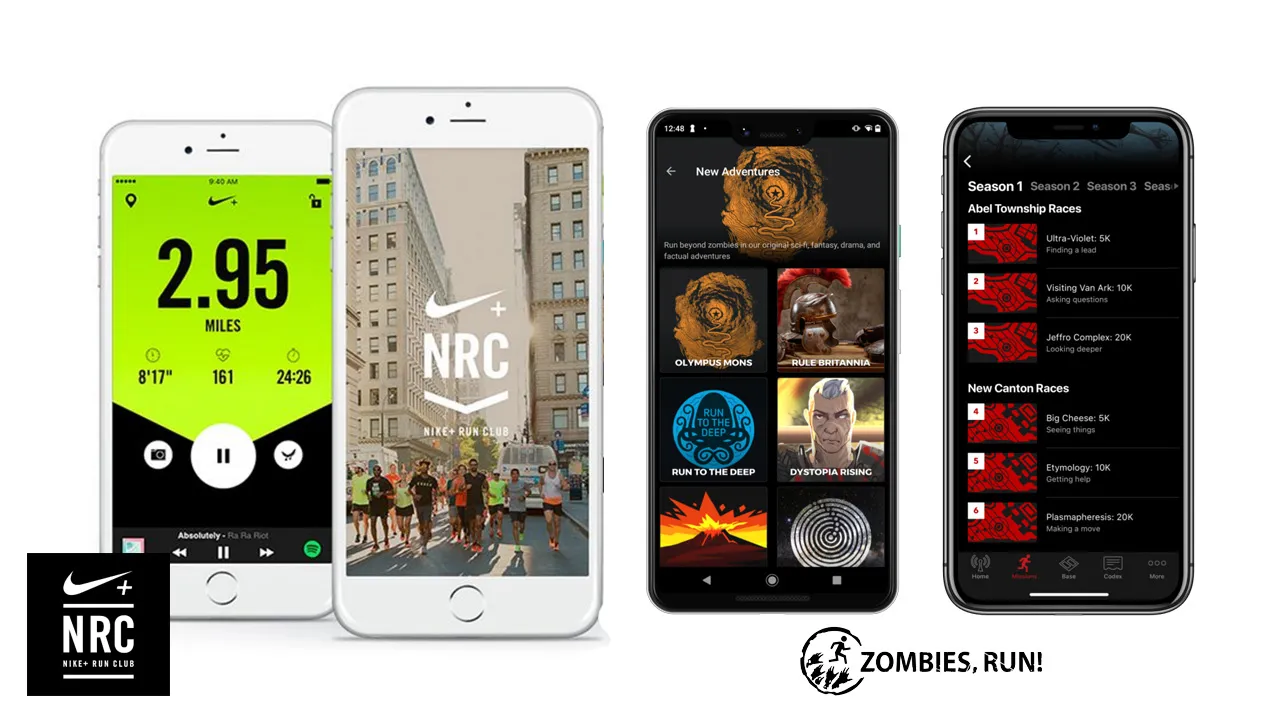
Apps like Nike Run Club or Zombies, Run! motivate users through rewards and story-driven challenges.
According to the Journal of Medical Internet Research (2021), gamified fitness apps increase workout frequency and user satisfaction.
Stick to Your Budget
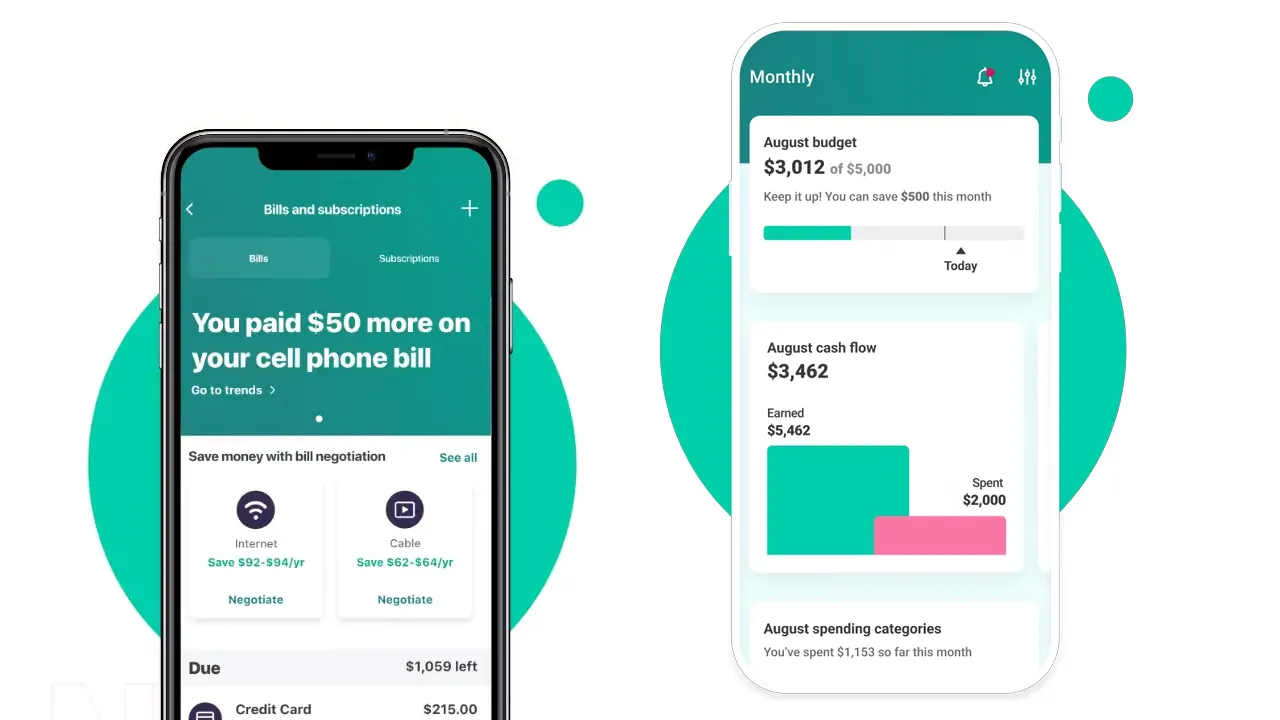
Gamification also works wonders in financial apps. Whether you’re earning a badge for saving or tracking progress toward a goal, it keeps motivation high.
The UK’s Behavioral Insights Team found that apps like Mint and Duolingo use gamification to boost user engagement and long-term consistency.
Boost Productivity
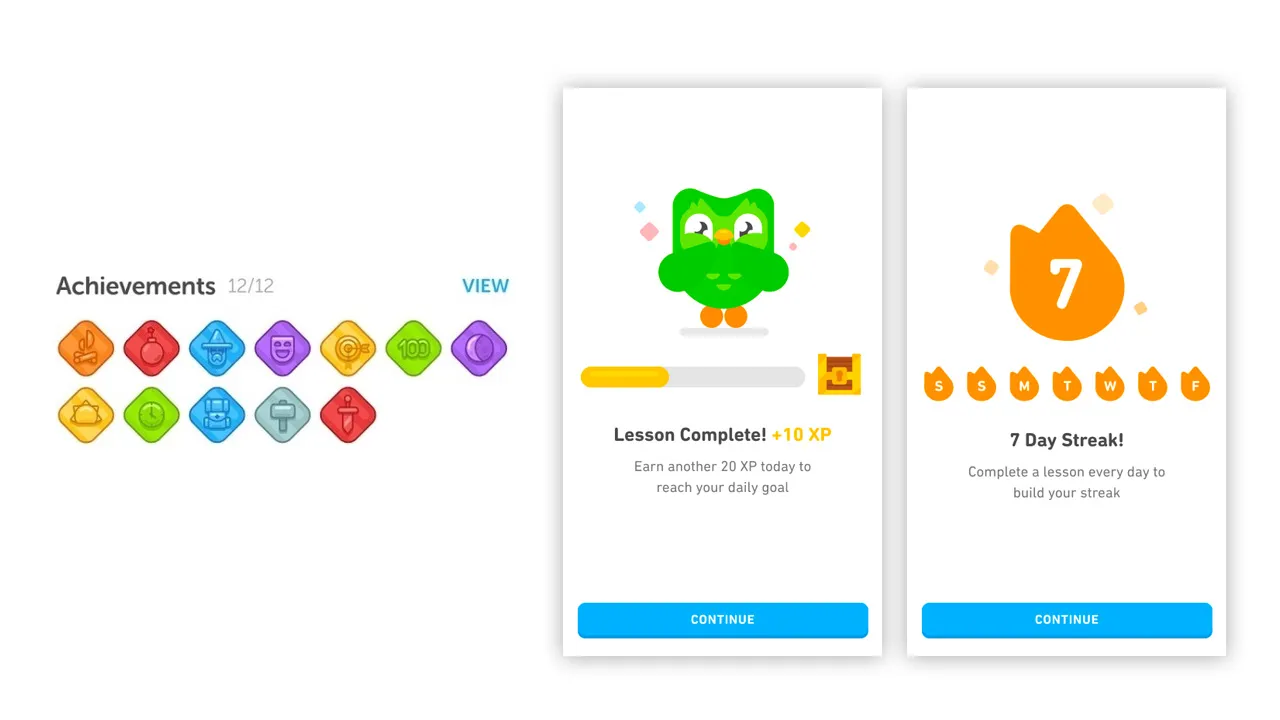
Progress bars, achievements, and feedback loops help teams stay focused and complete tasks.
A 2017 meta-analysis by Hamari et al. in “Computers in Human Behavior” confirmed that gamification increases engagement in work and educational settings.
Why Gamification Works
- Motivation: Gives you small, consistent dopamine hits.
- Clarity: Clear goals and visual progress.
- Feedback: Immediate rewards or reminders.
- Consistency: Streaks and tracking keep you accountable.
When life feels like a game, you’re more likely to play — and win.
Gamification in Everyday Life
Here’s where you’ve probably seen gamification without realizing it:
- Duolingo streaks and XP bars
- Google Fit closing rings
- Habit trackers with leveling systems
- Shopping apps that reward you with coins
- To-do list apps with progress bars and badges
Whether for work, wellness, or just getting through the day, gamification can create lasting impact.
Frequently Asked Questions
What is gamification in simple terms?
Gamification means using game-like features (like points, levels, and streaks) in everyday apps and activities to make them more engaging and fun.
How does gamification help motivation?
It leverages your brain’s reward system, giving you quick wins and visual progress that boost your motivation to keep going.
Where is gamification used in real life?
Fitness apps, language learning apps, finance tools, education platforms, productivity apps, and even HR systems.
Is gamification effective?
Yes. Multiple studies show that gamification improves engagement, builds habits, and helps people reach goals more consistently.
Start Designing Life Like a Game
Gamification isn’t just a gimmick, it’s a tool for real change.
✅ Build better habits
✅ Stay motivated
✅ Reach your goals faster
Let’s design better experiences — for work, wellness, or everyday life.
Reach us at agatelevelup.com/contact
It leverages your brain’s reward system, giving you quick wins and visual progress that boost your motivation to keep going.