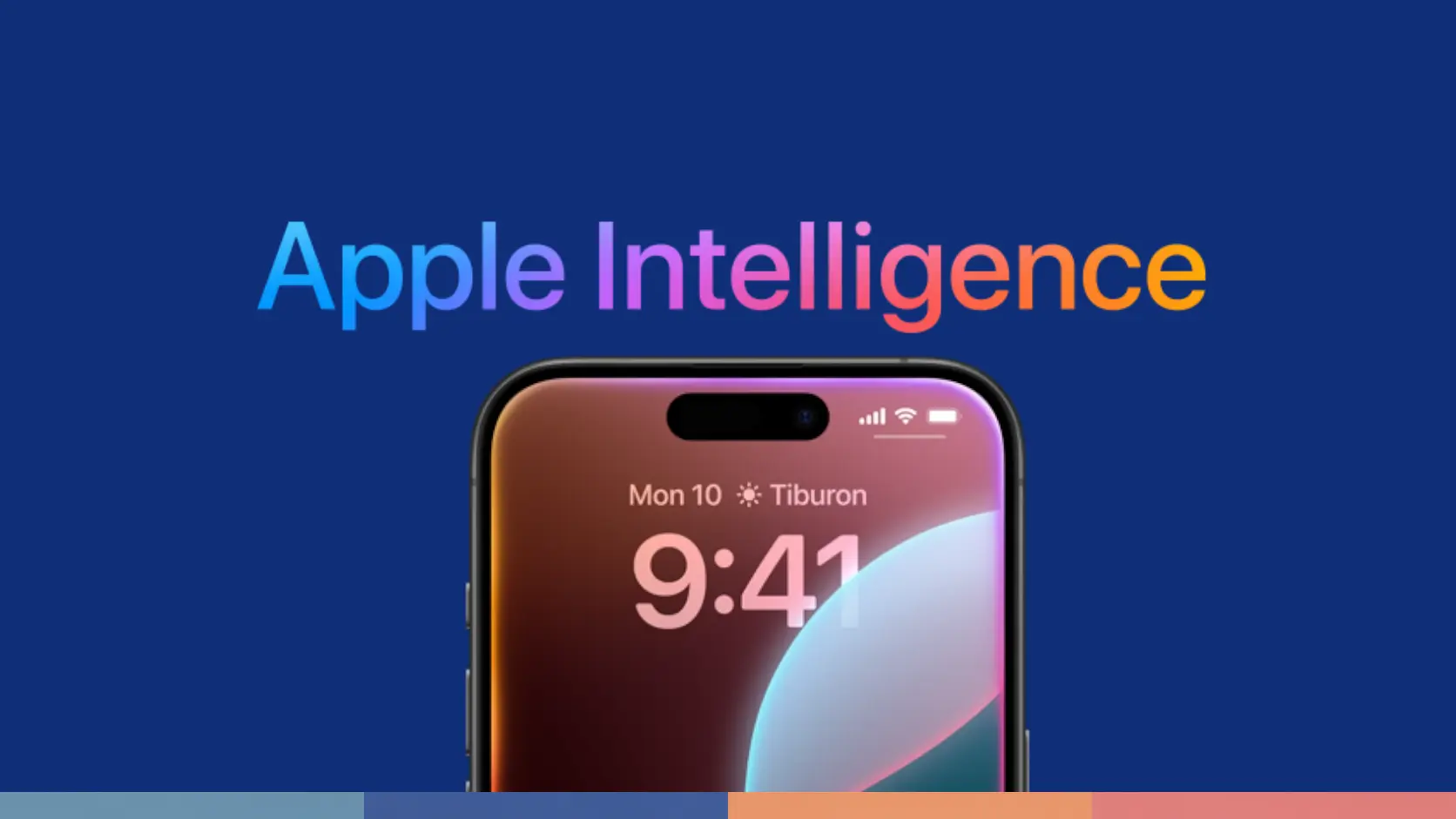
Apple has once again captured attention following the September 2026 Apple Event, which introduced various updates across its ecosystem. Beyond the latest devices and operating systems, one particularly interesting development to observe is the expanding role of Artificial Intelligence (AI) through Apple Intelligence and Siri AI.
This evolution shows how AI is shifting from a mere addon feature to an integral part of the everyday user experience.
AI Starts Becoming Part of User Experience
Siri AI serves as a prime example of how AI is becoming increasingly integrated into the Apple ecosystem. With its ability to understand user context, the information currently displayed on screen, and activities across various apps, AI is no longer functioning just as a tool for answering questions.
Apple also continues to expand the use of AI across various experiences such as Photos, Safari, Shortcuts, Mail, Messages, and other services.
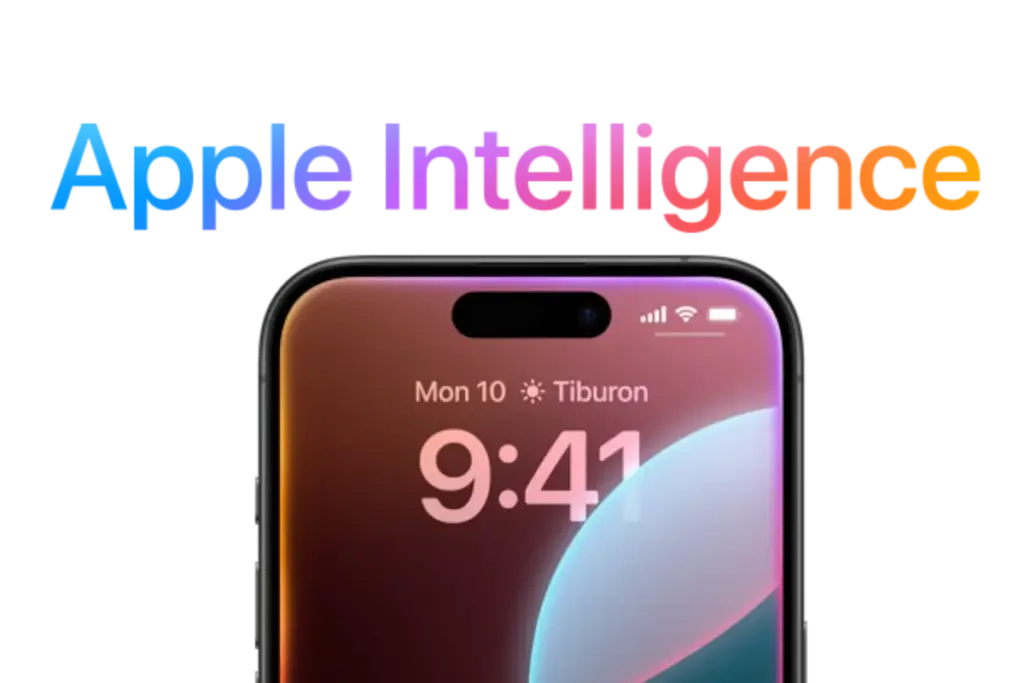
Apple Intelligence across Apple device ecosystem.
This approach reflects an important shift in digital product development: technology is not only required to offer numerous features, but also to deliver experiences that are increasingly relevant to each user’s individual needs.
This change is compelling when viewed from a gamification perspective. For a long time, gamification has often been associated merely with points, badges, leaderboards, or rewards.
However, the core of gamification lies in how game elements are utilized to build experiences that drive engagement, participation, and specific behaviors.
When AI begins to comprehend user context and interaction patterns, the opportunity to create more personalized gamification experiences expands significantly.
When AI Meets Gamification
Imagine a learning platform that does not offer the exact same experience to all of its users. Beginners can receive simple challenges to build a habit, while users with high progress get more complex challenges.
The system can also deliver feedback based on each user’s individual performance, rather than merely displaying identical scores for everyone.
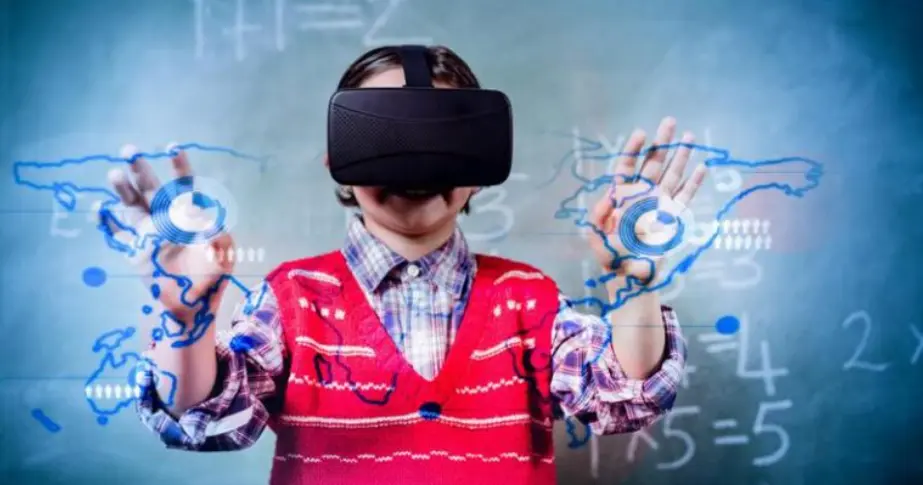
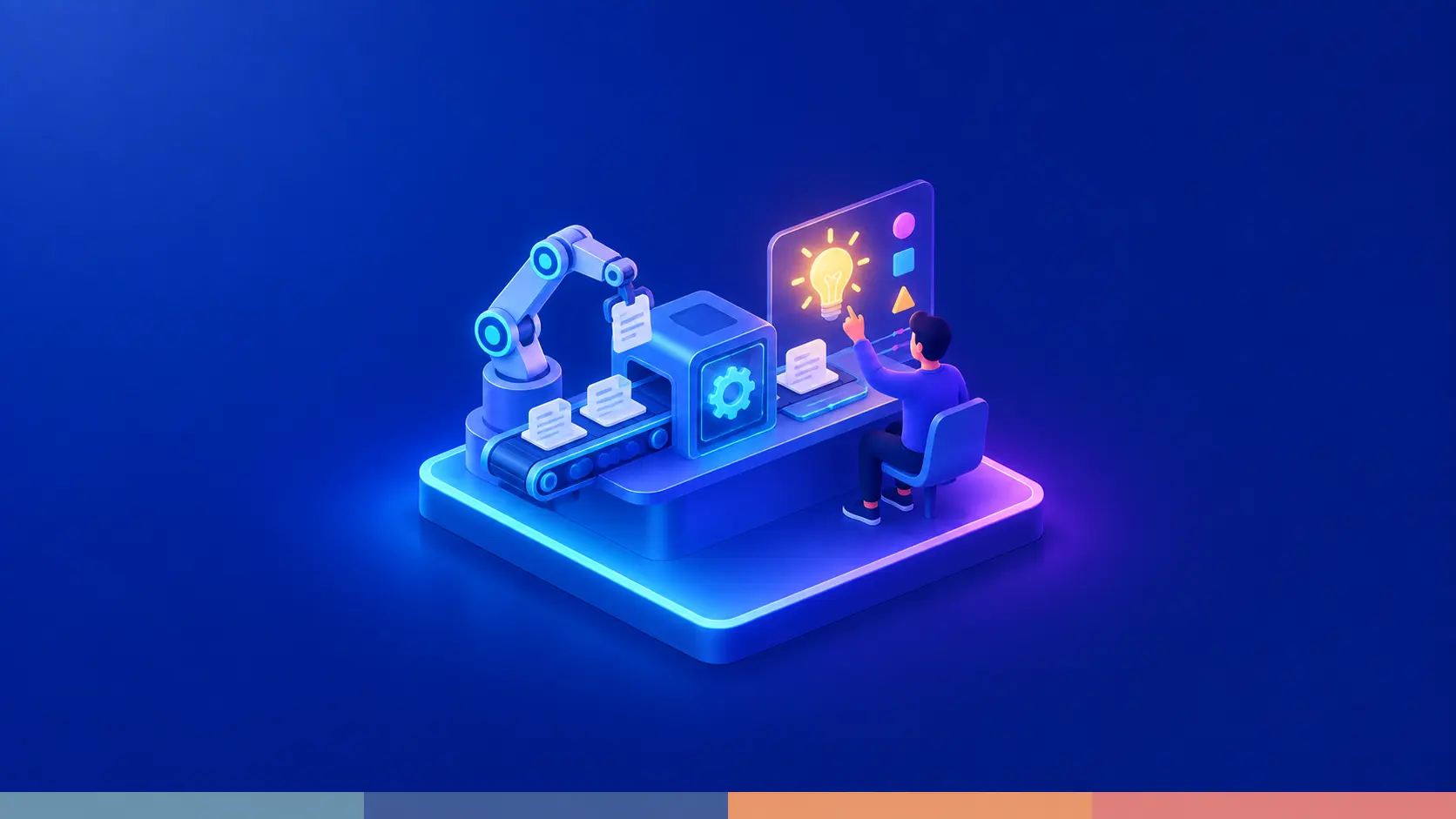
Implementation of interactive technology and artificial intelligence in learning experiences.
AI can help realize this approach by analyzing user interaction patterns and tailoring the experience based on available data.
In the context of gamification, such adjustments can be applied to challenges, progression, feedback, rewards, and recommendations for upcoming activities.
Consequently, gamification can evolve from a one-size-fits-all approach into an adaptive, highly personal experience.
From Personalization to Adaptive Experience
Personalization is certainly not a new concept in the digital space. Many platforms already utilize user data to recommend products, content, or services.
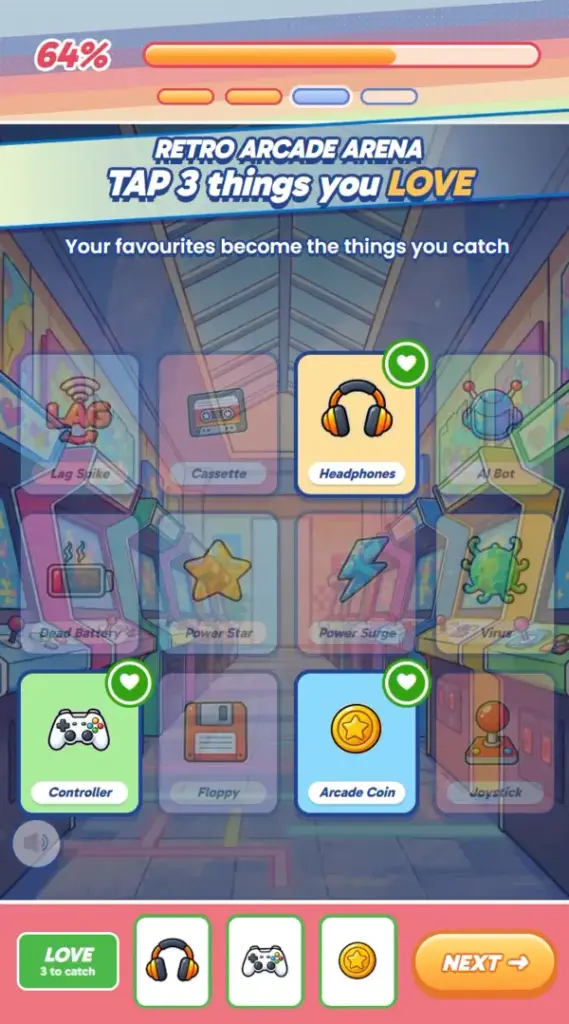
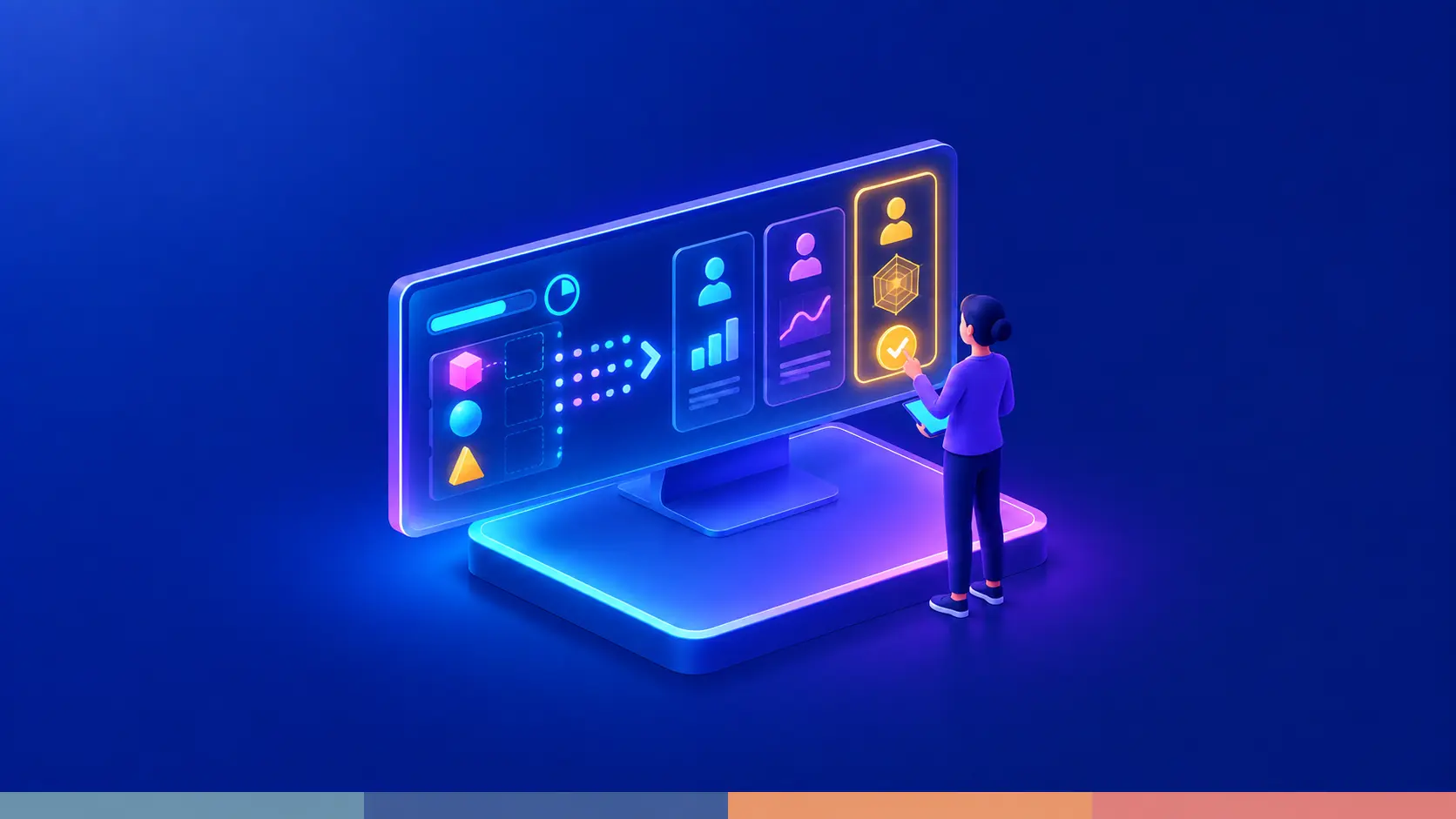
User preference selection interface on the Retro Arcade Arena interface.
However, AI opens up opportunities to make this process more dynamic. The system does not merely offer recommendations based on historical data, but can leverage real-time context and recent interactions to determine the user’s next experience.
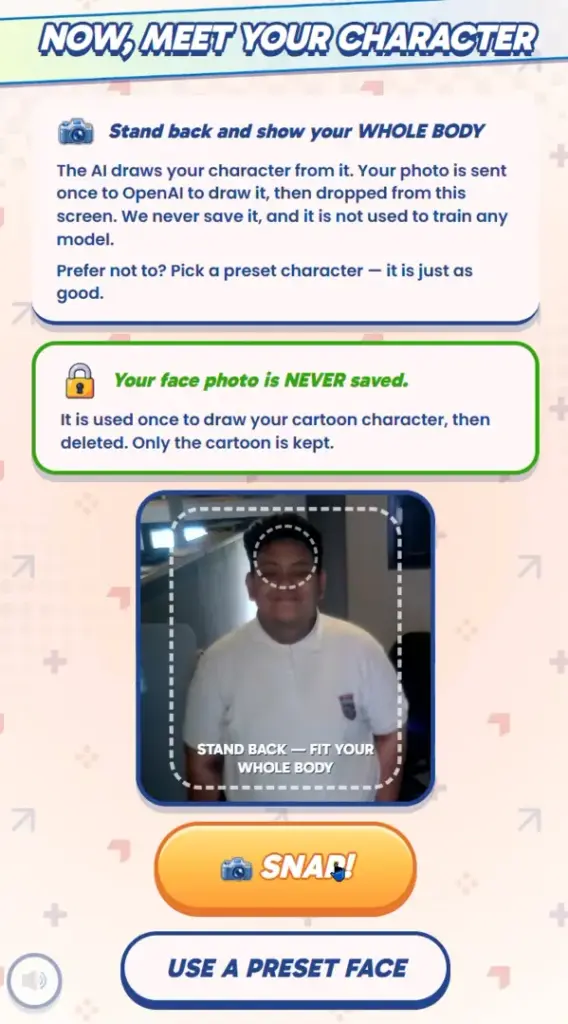
Scanning and AI-based custom avatar/character creation process display.
In gamification, this approach can craft distinct user journeys. A user struggling to complete a specific challenge might require extra assistance or adjusted difficulty levels.
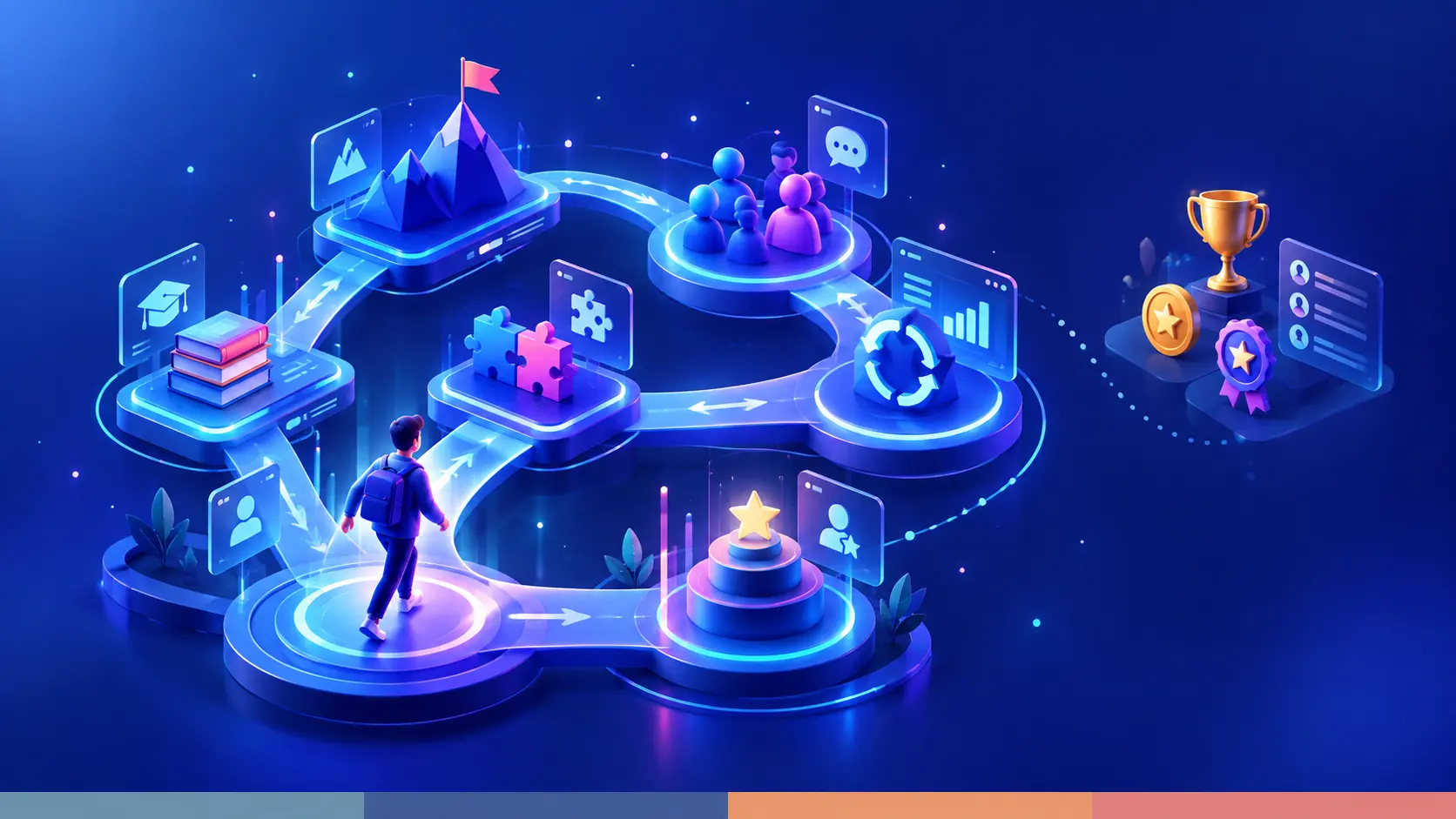
Simulation of adaptive gamification elements according to user progress.
Conversely, high-performing users can be presented with fresh challenges to keep them continuously engaged.
The experience then does not stall at a single reward mechanism, but continually grows alongside the user’s journey.
Does All Gamification Require AI?
Despite its immense potential, AI does not always need to be deployed in every gamification implementation. What remains fundamental is starting with clear business goals and the targeted behaviors to be fostered.
Companies need to understand who their users are, what they aim to achieve, and what factors motivate them to continue participating.
Only then can game mechanics—such as challenges, progression, feedback, rewards, and competition—be chosen to suit those needs.
AI can subsequently serve as a supporting technology to make those experiences more adaptive. If a initiative only requires a basic reward system, applying AI might not yield significant added value.
On the other hand, for experiences serving a large user base, demanding high personalization, or involving complex behavioral patterns, AI can assist companies in managing and refining experiences at scale.
What Does This Mean for Business?
The evolution of AI within Apple’s ecosystem offers a glimpse into how expectations surrounding digital experiences continue to evolve. Users are growing accustomed to technology that understands context, delivers relevant recommendations, and responds to needs in a more personal manner.
For companies, this shift presents a momentum to re-evaluate how they build customer experience, employee experience, and learning experience.
In customer engagement, for instance, businesses can utilize gamification to design challenges and rewards that prompt customers to perform specific actions.
In learning and development, game-based experiences can make the learning process significantly more engaging, while AI helps tailor the learning journey based on participant progress.
Similar approaches can also be applied to employee engagement, loyalty programs, as well as game- and simulation-based assessments.
The Future of Gamification Is Not Simply More Games
The advancements in AI also demonstrate that the future of gamification doesn’t necessarily mean shoehorning more game elements into a product.
Gamification can manifest more naturally through progression, challenge, feedback, reward, and motivational mechanics seamlessly integrated into the overall user experience.
Users might not even feel like they are being “gamified,” yet they still feel a sense of progress, challenge, feedback, and a reason to return and interact.
Powered by AI, these experiences become increasingly adaptive and personalized. Challenges can adjust to individual ability, feedback becomes more relevant, and the user journey evolves based on prior interactions.
This represents one of the greatest opportunities at the intersection of AI and gamification: not simply making users stay longer, but creating meaningful experiences that give them a reason to stay continually engaged.
Frequently Asked Questions
What is the connection between AI and gamification?
AI helps make gamification experiences more personalized and adaptive.
This technology can be utilized to adjust challenges, feedback, progression, and recommendations based on user behavior and interactions.
Does gamification have to use AI?
No. Gamification can be successfully implemented without AI.
AI is best utilized as a supporting technology when a company requires complex personalization, automation, or adaptive experiences.
What are examples of AI and gamification applications in business?
The combination of both can be applied across customer engagement, loyalty programs, employee engagement, learning and development, as well as game- and simulation-based assessments.
Implementation forms can be tailored to align with specific business goals and user characteristics.
What should be considered before implementing gamification?
Companies should first establish clear business objectives and define the user behaviors they wish to build.
Afterward, gamification mechanics can be designed accordingly, with AI incorporated if it provides genuine value to the intended experience.
Exploring Gamification for Business
AI opens new avenues for building increasingly personal and adaptive experiences.
However, technology must still be backed by thoughtful experience design to deliver true value to both users and business.
Level Up powered by Agate helps organizations explore gamification solutions, game-based experiences, and assessments tailored to diverse business needs.
Interested in exploring how gamification can be applied to your company’s needs? Contact Level Up powered by Agate to discuss use cases that align with your business goals.
All company names, brand names, trademarks, logos, illustrations, videos and any other intellectual property (Intellectual Property) published on this website are the property of their respective owners. Any non-authorized usage of Intellectual Property is strictly prohibited and any violation will be prosecuted under the law.