Automation is increasingly becoming an integral part of the working world. From artificial intelligence assisting in content creation, chatbots handling customer inquiries, to software capable of processing data and generating reports automatically.
This development makes one question increasingly relevant:
Will automation replace humans?
The answer may not be about who replaces whom, but rather how humans adapt to technological changes.
Automation Changes How We Work
Automation is designed to make work faster and more efficient. Tasks that are repetitive, structured, and follow clear patterns are becoming easier for technology to handle.
However, a job is not always composed solely of repetitive tasks.
A marketer, for instance, can use automation to send campaigns and process data. But determining strategy, understanding audiences, generating creative ideas, and making context-based decisions still require human capabilities.
Because of this, automation does not always mean human jobs disappear. In many cases, automation actually transforms the types of skills needed.
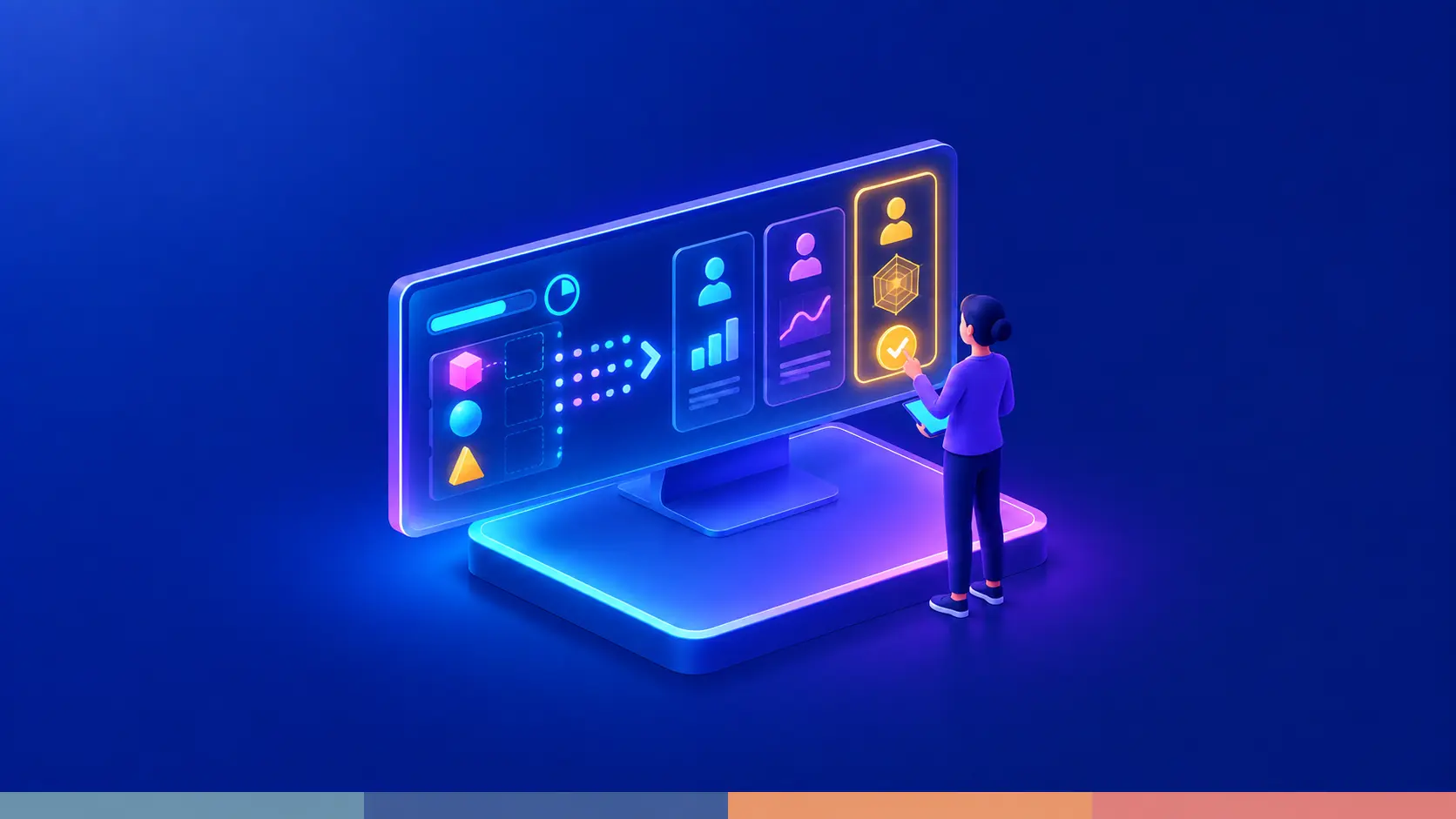
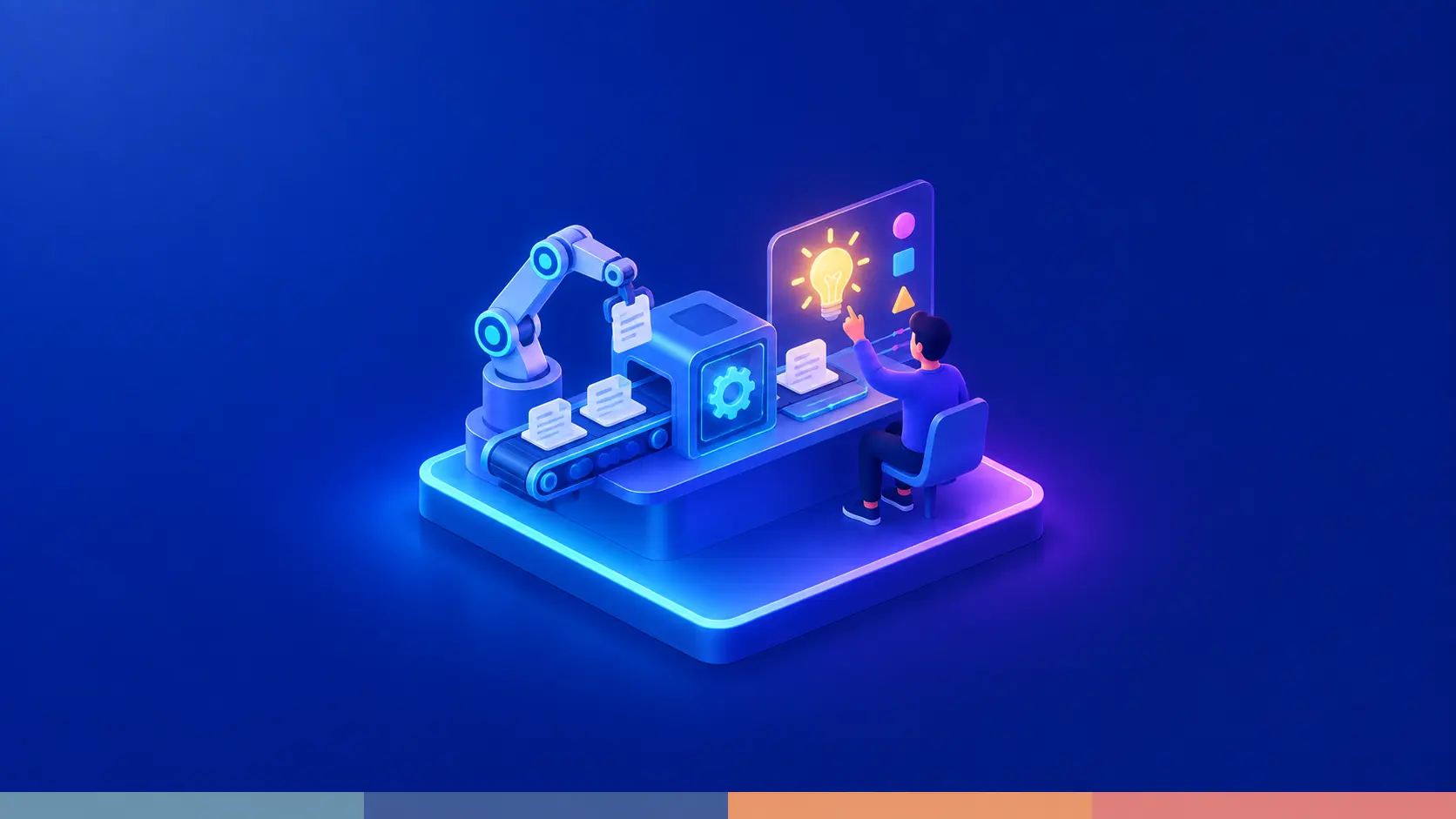
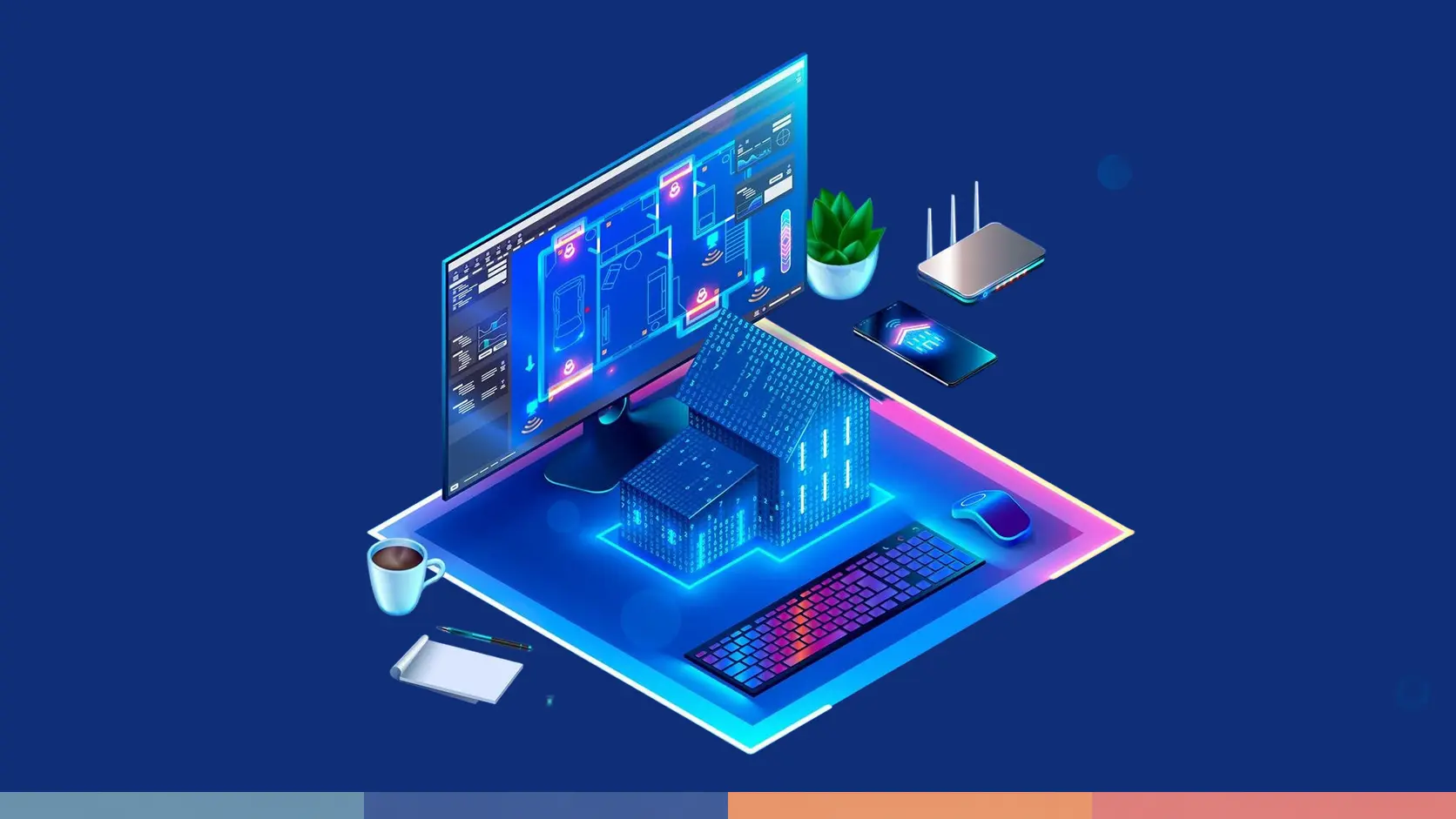
Modern work environment now integrated with various automation technologies.
Skills as an Increasingly Important Investment
When technology takes over part of the technical and repetitive work, humans need to enhance skills that provide higher value.
Problem solving, critical thinking, creativity, communication, collaboration, and adaptability are becoming increasingly essential.
However, building these capabilities takes more than just attending a single training session. Companies also need to create a learning environment that encourages employees to continuously learn and stay involved in the skill development process.
This is where a more engaging learning approach becomes relevant.
How Does Gamification Help the Upskilling Process?
Learning does not always have to be identical with presentations, long modules, or hours of training sessions.
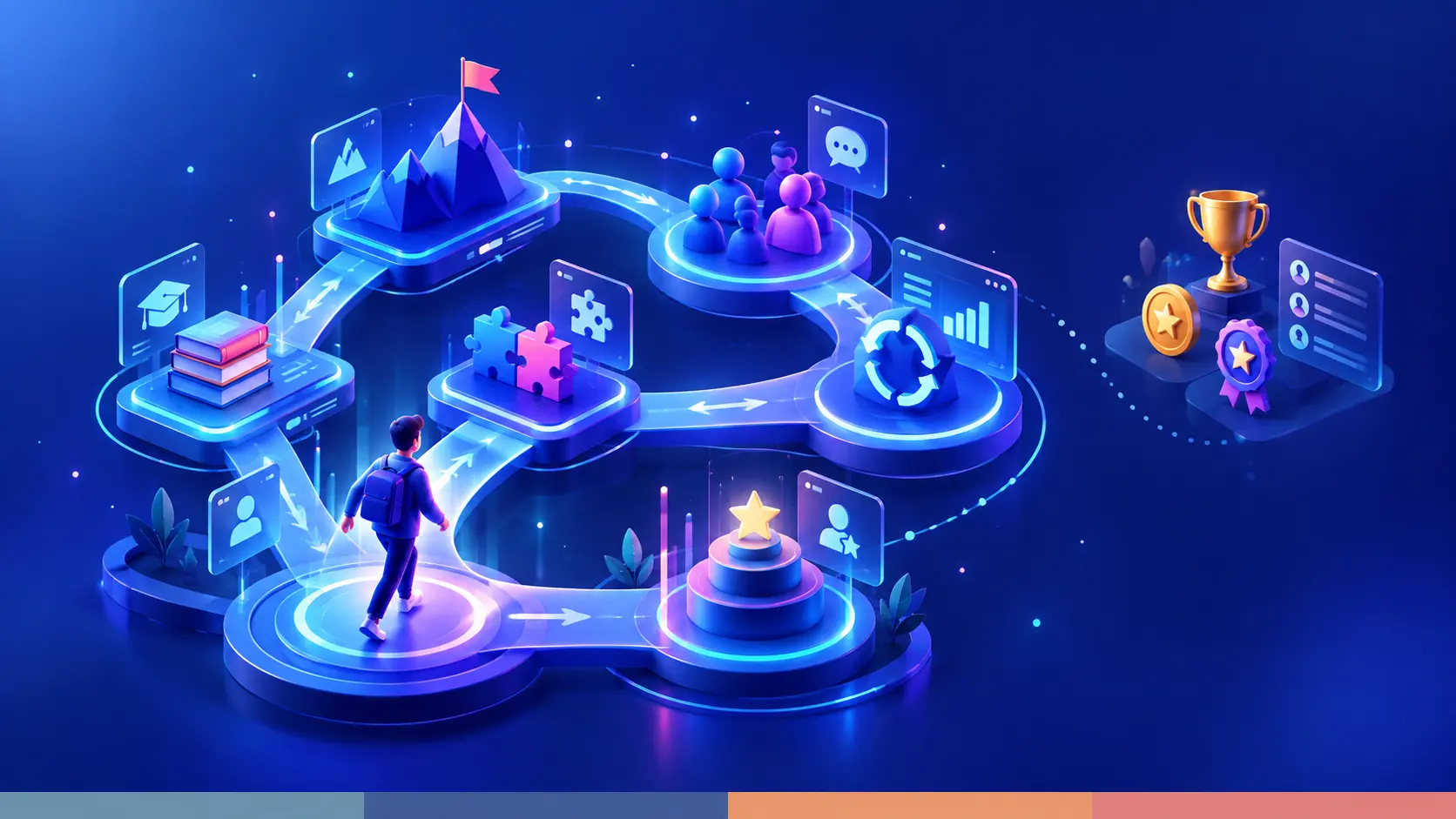
Gamification brings elements such as challenges, points, missions, rewards, and leaderboards into the learning process. This approach can make learning feel more interactive while providing a more engaging experience for employees.
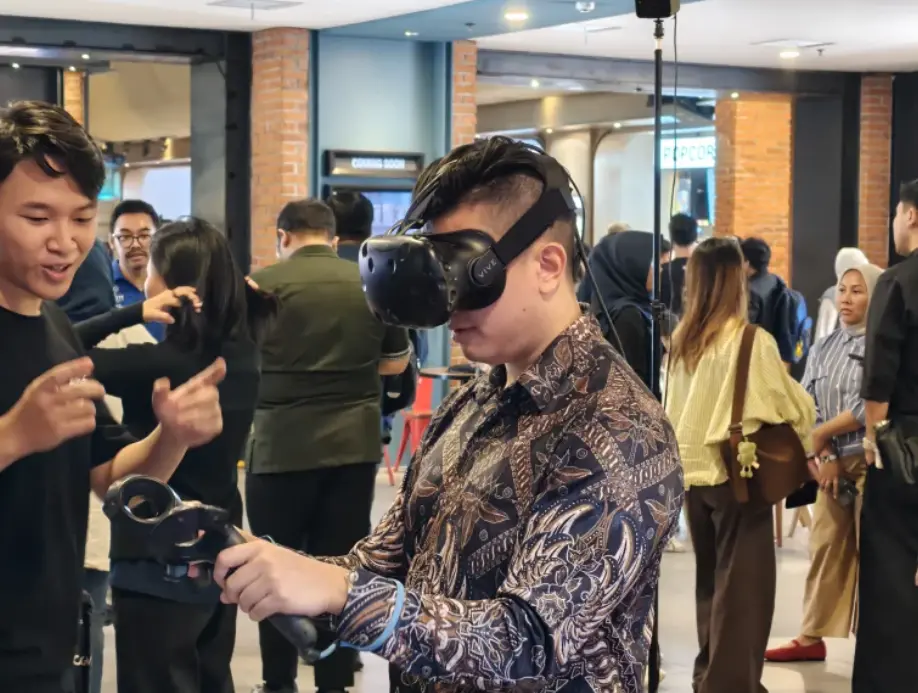
For example, companies can create game-based simulations to train problem-solving or decision-making skills. Employees learn not only theory, but are also presented with scenarios that require them to make decisions.
Such approaches help companies create learning experiences closely aligned with how today’s generation of workers interacts with technology.
Game-based simulation becomes one of the gamification methods to train employees’ problem-solving skills.
Not Fighting Automation, but Learning to Leverage It
Rather than viewing automation as a threat, companies can use it as momentum to elevate team capabilities.
Automation can take over repetitive work, while employees can be directed toward developing more strategic capabilities.
For example:
Automation → reduces repetitive work Gamification → increases engagement in the learning process Upskilling → enhances employee capabilities Human expertise → yields higher-value decisions and solutions
This combination ensures technological transformation doesn’t stop at implementing new tools, but is followed by the development of the people using them.
Building a Workforce Ready for Change
Ultimately, companies do not just need employees capable of using today’s technology. They need people who are capable of learning, adapting, and thriving when the next wave of technology arrives.
Therefore, investing in learning experience is becoming increasingly critical.
Through gamification and game-based learning solutions, Level Up powered by Agate helps companies create more interactive learning and engagement experiences, so capability development is not merely a duty, but a more engaging experience for employees.
Because in the automation era, human advantage does not lie in the ability to perform the exact same job repeatedly.
Human advantage lies in the ability to continuously learn and become better.
Frequently Asked Questions
Will automation replace human jobs?
Automation can replace parts of repetitive and structured tasks, but it does not mean all human jobs will disappear. Human roles can shift toward jobs requiring creativity, problem-solving, communication, and decision-making.
What skills are essential to face the automation era?
Besides technical proficiency, skills like critical thinking, creativity, communication, collaboration, problem-solving, and adaptability are increasingly essential to help individuals remain relevant in the workplace.
What is the relationship between gamification and upskilling?
Gamification incorporates elements like challenges, missions, points, rewards, and leaderboards into the learning process. This approach makes the learning experience more interactive and encourages active employee participation.
How does Level Up help companies adapt to technological shifts?
Level Up powered by Agate helps companies create experiences based on gamification and game-based learning to boost engagement, support learning processes, and aid in employee skill development.
Ready to prepare your team for the changing workplace?
Don’t just adapt to technology. Build a workforce capable of growing alongside it.
Level Up powered by Agate helps companies deliver more engaging learning and development experiences through gamification and game-based learning.
Let’s start building learning experiences that prepare employees for the future.
All company names, brand names, trademarks, logos, illustrations, videos and any other intellectual property (Intellectual Property) published on this website are the property of their respective owners. Any non-authorized usage of Intellectual Property is strictly prohibited and any violation will be prosecuted under the law.