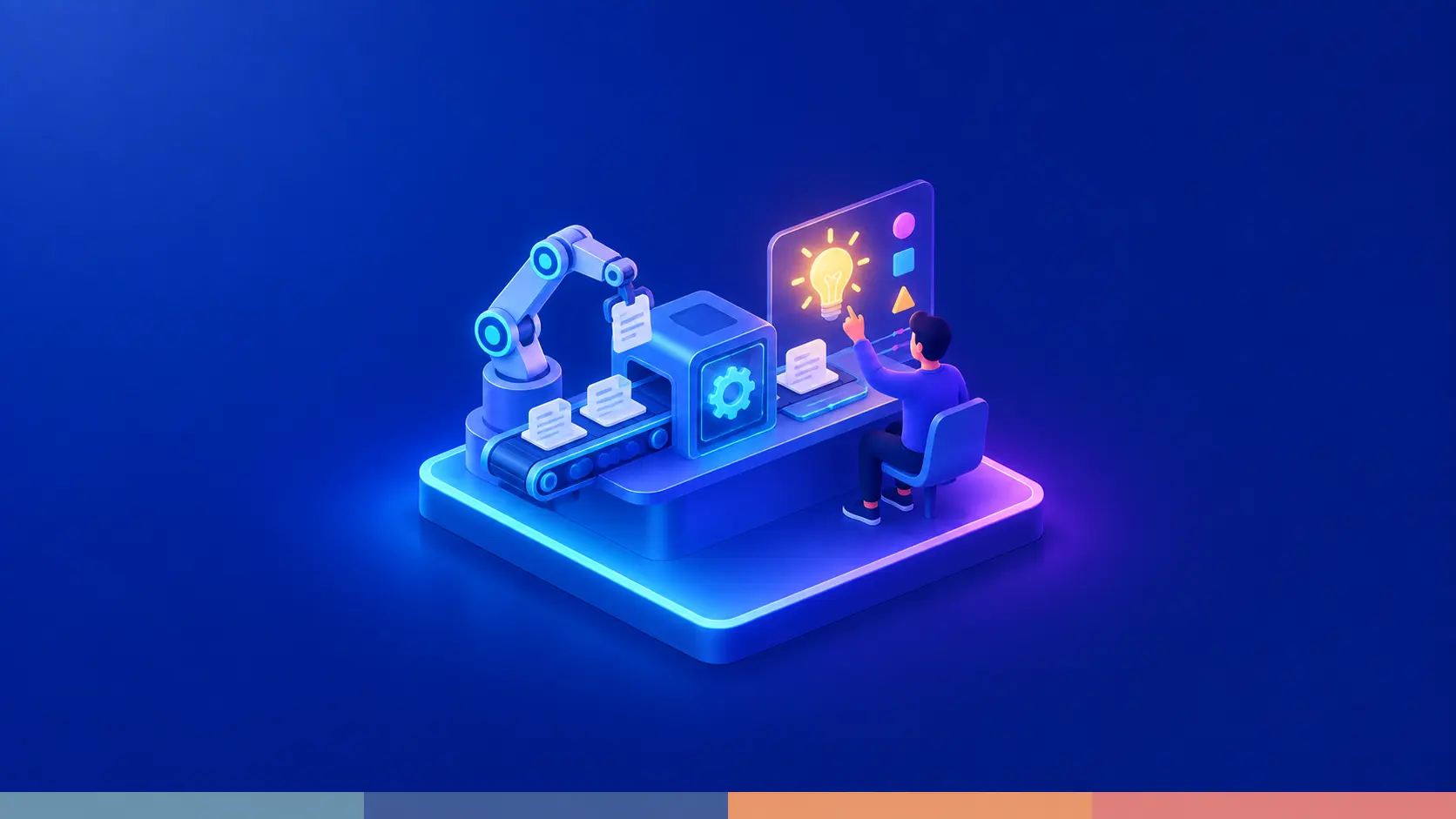
For decades, corporate training followed a familiar approach.
Employees attended presentations, watched training videos, read materials, and completed assessments at the end of the session.
While this method can deliver information, it does not always create engagement, motivation, or long-term behavioral change.
The problem is not that people no longer want to learn.
The problem is that the learning experience has not evolved.
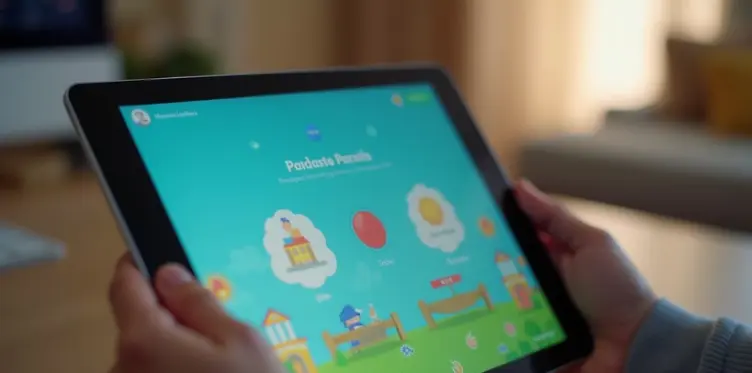
A person holding a tablet displaying an interactive gamified learning application interface.
Today’s workforce expects learning experiences that are interactive, personalized, and meaningful. This is why gamification learning is becoming an increasingly important approach for organizations that want to improve employee development.
Why Gamification Learning Changes Modern Learning
A common misconception is that younger employees are not interested in learning.
In reality, people continue learning every day through digital platforms, online communities, tutorials, and interactive applications.
The difference is the experience.
Modern learners are more engaged when learning provides:
Clear goals.
Immediate feedback.
Visible progress.
Practical challenges.
Opportunities to apply knowledge.
Gamification learning applies these principles to workplace development by transforming passive learning into an active experience.
Why Traditional Training Starts Losing Engagement
Many conventional training programs focus on information delivery.
Participants listen.
They take notes.
They complete a test.
However, information alone does not guarantee understanding.
Without interaction and feedback, participants may quickly lose motivation.
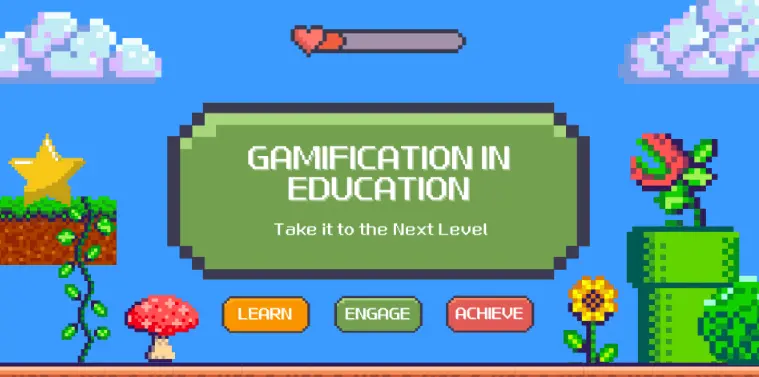
Retro video game pixel art illustration with the text “Gamification in Education” and interactive buttons for Learn, Engage, and Achieve.
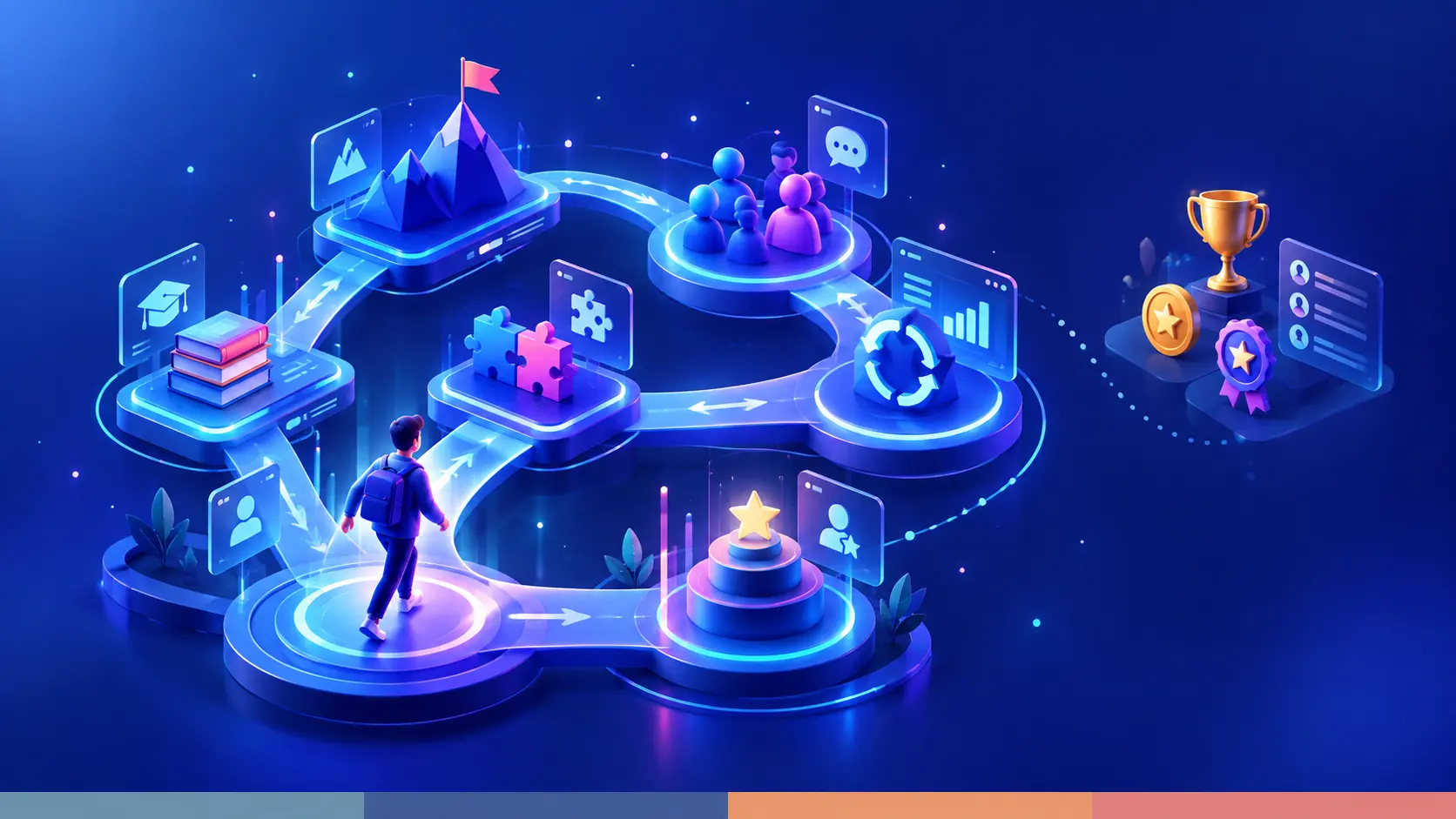
Gamification learning introduces mechanics that encourage continuous participation, such as challenges, progress tracking, achievements, and interactive scenarios.
How Gamification Learning Improves Engagement
Games are effective because they are designed around human motivation.
They provide:
Clear objectives.
Gradual challenges.
Feedback.
Achievement.
Progress visibility.
These same principles can improve workplace learning.
Through gamification learning, employees are encouraged to actively participate instead of simply consuming information.
They solve problems, make decisions, and experience the consequences of their choices.
Gamification Learning Supports Personalized Development
Every employee has different learning styles and motivations.
Some people prefer competition.
Some prefer teamwork.
Some learn better through practice rather than theory.
Modern gamification learning enables organizations to create more flexible experiences by adapting challenges, feedback, and learning paths based on participant behavior.
This creates a more relevant learning journey for every employee.
How Gamification Learning Supports Business Goals
Beyond employee training, gamification learning can support multiple organizational needs, including:
Employee onboarding.
Leadership development.
Compliance training.
Product education.
Sales training.
Internal communication programs.
Change management initiatives.
By increasing engagement and participation, organizations can create stronger learning cultures.
Learning Experience as a Competitive Advantage
Companies today compete not only for customers but also for talent.
Employees expect organizations to provide development opportunities that match the quality of digital experiences they use every day.
Organizations that invest in gamification learning can create training experiences that employees genuinely want to complete.
The future of learning is not only about delivering more content.
It is about creating better experiences.
Two young children happily focused on playing with colorful shape puzzles at a table.
Frequently Asked Questions
What is gamification learning?
Gamification learning is an approach that applies game design elements such as challenges, progress tracking, feedback, and rewards to improve learning experiences.
Does gamification learning replace traditional training?
No. It enhances existing training methods by making learning more interactive, engaging, and effective.
Is gamification learning only suitable for Gen Z?
No. Gamification learning is based on universal motivation principles that can benefit employees across different generations.
How can companies measure gamification learning success?
Organizations can measure success through engagement rates, completion rates, knowledge retention, behavioral changes, and business performance improvements.
Ready to Transform Your Learning Experience?
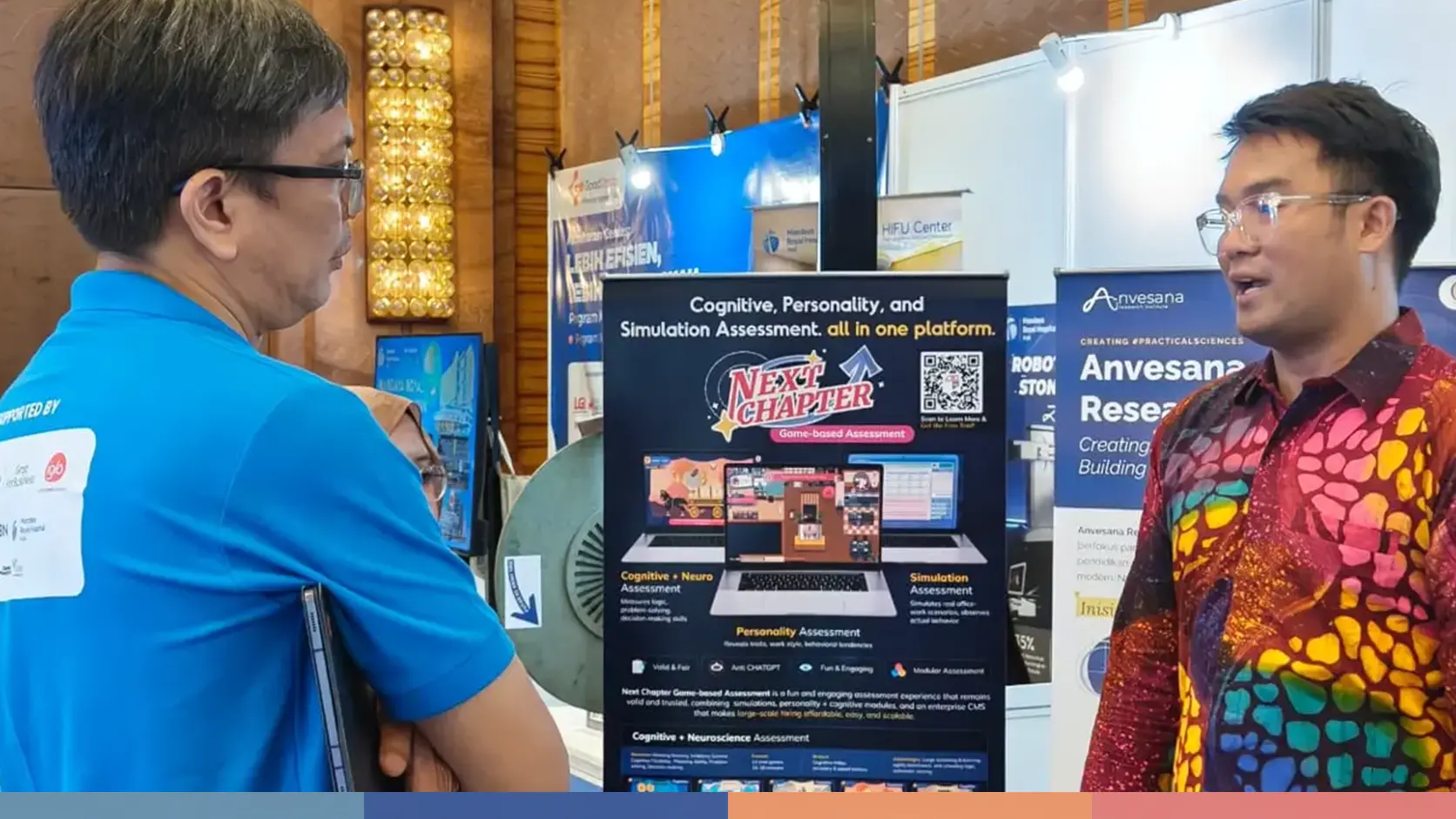
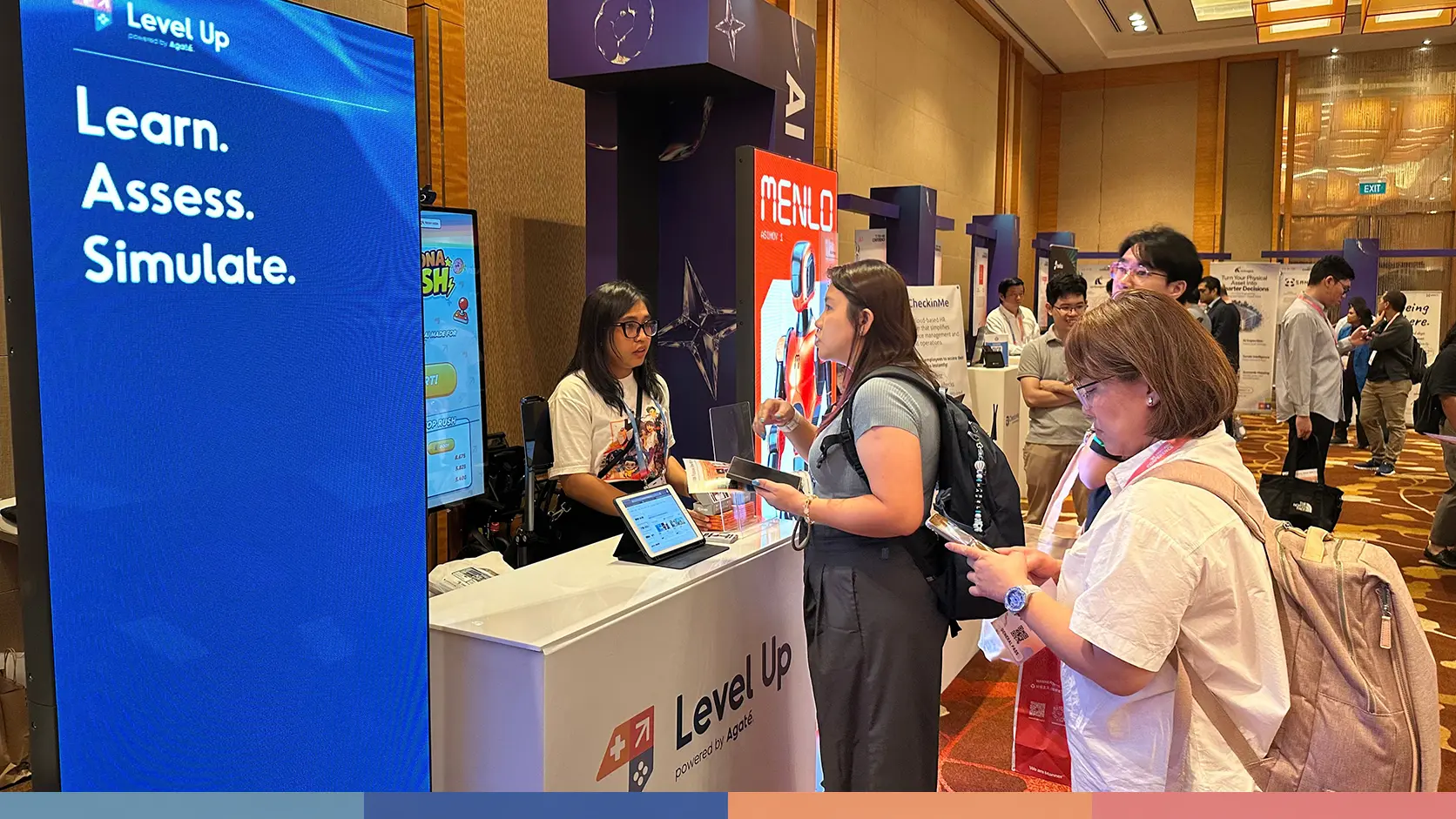
Through Level Up powered by Agate, we help organizations design customized gamification learning solutions that improve employee engagement and create more effective learning experiences.
Whether for onboarding, training, or internal development programs, our team helps businesses build interactive experiences that deliver measurable results.
Visit our Contact Us page to explore how gamification learning can support your organization’s growth.
All company names, brand names, trademarks, logos, illustrations, videos and any other intellectual property (Intellectual Property) published on this website are the property of their respective owners. Any non-authorized usage of Intellectual Property is strictly prohibited and any violation will be prosecuted under the law.