Amid increasingly crowded brand activation spaces, setting up an attractive booth alone is no longer enough. Audiences today expect more interactive, personalized, and relevant experiences aligned with their digital habits. One approach gaining significant traction is phygital activation—a strategy that blends physical experiences (physical) with digital technology (digital) into a seamless customer journey.
This concept allows offline activities to stay connected to the digital realm. Visitors don’t just stop by, look around, and leave; they can interact, play games, earn rewards, share their experience, and leave data that brands can leverage to build ongoing relationships.
In its execution, a software house plays a vital role because phygital experiences require much more than hardware. Behind every interactive booth, gamified experience, or digital activation lies a system managing user interactions, data, content, and integration with digital platforms.
What Is Phygital Activation?
Phygital activation is a brand activation approach that merges physical elements with digital technology to craft highly interactive and seamless experiences.
Examples can take various forms, such as:
Interactive touchscreens inside booths
QR codes connecting offline activities with digital platforms
Gamification and mini-games
Motion gesture or interactive sensors
Augmented Reality (AR)
Digital leaderboards
Digital rewards and vouchers
Photo booths generating social media-shareable content
Experiences linked to websites, applications, or CRM systems
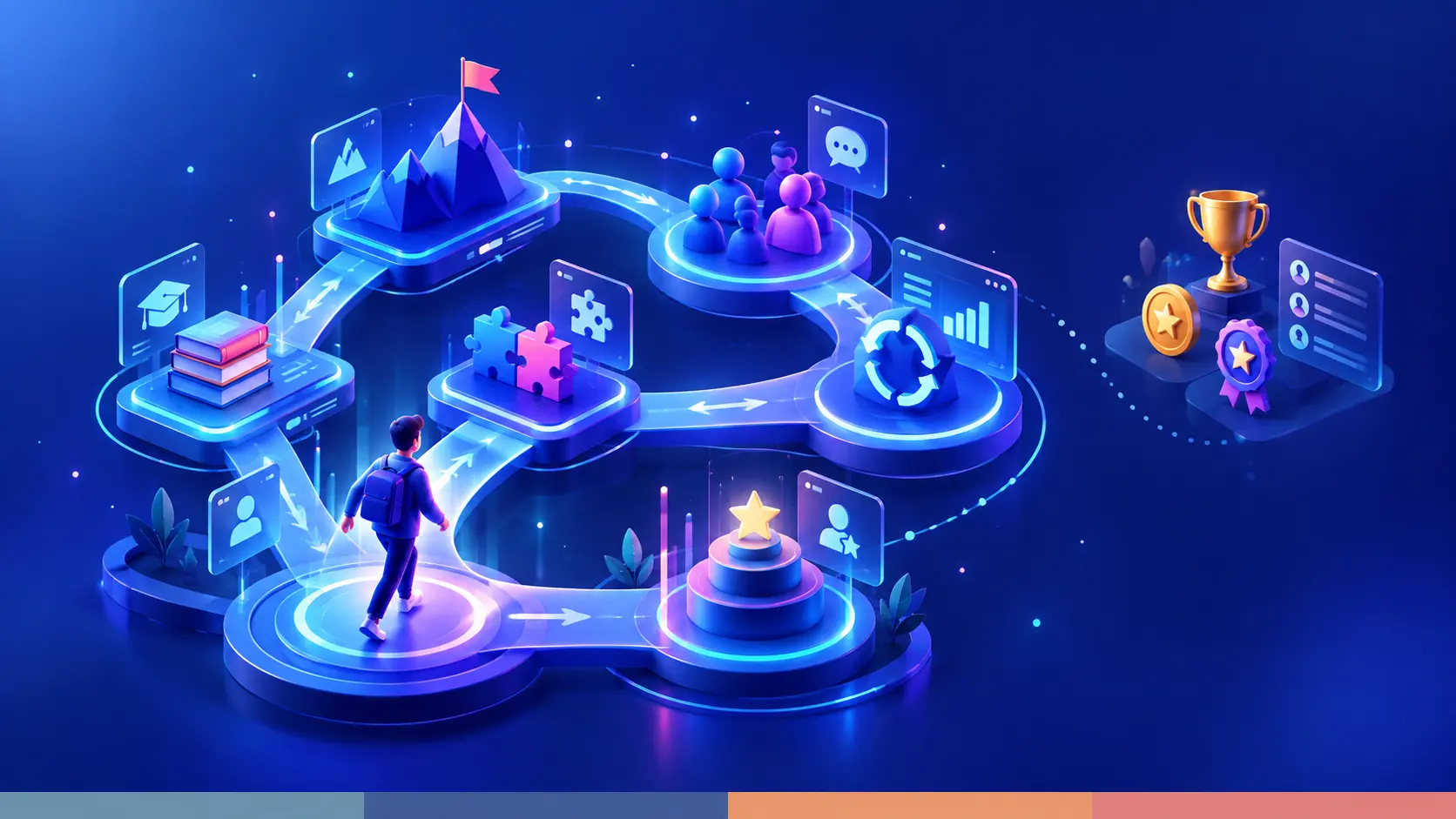
Simply put, physical activity serves as the entry point, while digital technology extends and enhances that experience.
For instance, a visitor plays a mini-game at an event booth. Upon completion, the system displays their score and awards a digital prize. The visitor can then share their results on social media or redeem their reward online.
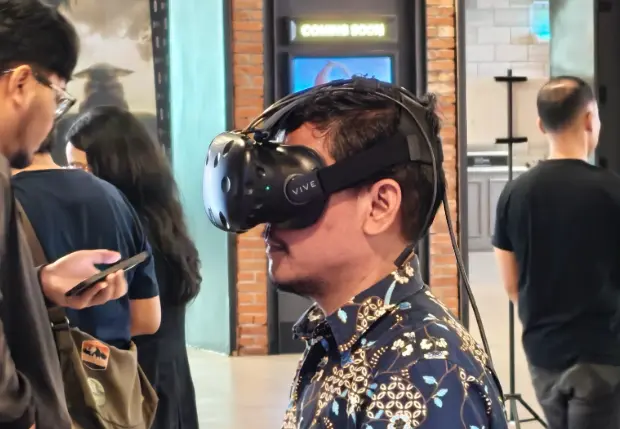
A visitor testing out a Virtual Reality (VR) experience
Through this strategy, a booth transitions from a simple interaction point into an integral component of the brand’s digital ecosystem.
Why Is Phygital Activation Becoming increasingly Relevant?
Shifting consumer behaviors are a major driver behind the rising popularity of phygital strategies for brands.
Audiences are used to performing various tasks digitally—from searching for information and playing games to acquiring promotions and sharing experiences on social media. However, offline touchpoints retain unique power by allowing consumers to engage directly with brands in real life.
Phygital activation aims to combine the strengths of both worlds.
Physical experiences deliver sensory experience and emotional engagement, whereas digital technology offers interactivity, personalization, connectivity, and data.
As a result, brands can create experiences that endure long after an event ends.
Examples of Phygital Activation Concepts
Loreng Run serves as an example of phygital activation blending offline activities with interactive experiences and gamification. Participants don’t just join a running event; they can also engage with the brand through various games and digital booth activities.
A visitor interacting directly with a game themed “Legenda Panji”
This approach renders event experiences far more engaging, turning passive spectators into active participants. Integrating digital elements also adds valuable touchpoints that strengthen attendee engagement with the featured brand and IP.
Physical Event → Interactive Experience → Game/Challenge → Digital Engagement
Two children posing for a photo with the Legenda Panji mascot characters.
The Future of Brand Activation Is Increasingly Phygital
The boundary between online and offline experiences is continually blurring. Consumers might discover a campaign on social media, interact directly with the brand at an event, and then return to digital platforms for rewards or extra details.
Therefore, future brand activations won’t require choosing between physical or digital.
Both can be designed as an interconnected experience.
For brands, this strategy unlocks opportunities to craft more engaging yet measurable activations. For audiences, it delivers more interactive, rewarding, and memorable experiences.
And for software houses, phygital activation provides space to combine diverse capabilities—spanning gamification, game development, interactive technology, data integration, and digital experiences—into unified solutions.
Frequently Asked Questions
What is phygital activation?
Phygital activation is a brand activation strategy combining physical experiences with digital tech across a single customer journey. Examples include interactive booths, QR codes, touchscreens, AR, VR, gamification, and digital rewards. This concept enables smooth transitions for audiences between offline and digital touchpoints.
What are examples of phygital activation?
Examples of phygital activation include interactive game booths, QR-based activation, augmented reality experiences, virtual reality, digital leaderboards, interactive touchscreens, and digital reward systems. For example, visitors play a game at a booth, score points, and receive a digital voucher on their smartphones.
What is the role of a software house in phygital activation?
A software house helps build systems connecting physical activities with digital technology. Their responsibilities can encompass game development, interactive applications, touchscreen interfaces, QR integrations, databases, leaderboards, reward systems, and data analytics.
How does phygital activation differ from digital activation?
Digital activation focuses exclusively on experiences through digital platforms, whereas phygital activation combines physical and digital touchpoints into one cohesive experience. Audiences can interact in person while staying connected to digital systems or platforms.
Why is gamification suitable for phygital activation?
Gamification enhances offline engagement by adding elements like challenges, scores, leaderboards, rewards, and competition. When connected to digital technology, brands can build more interactive experiences while accurately measuring audience engagement.
Ready to Build Your Next Phygital Activation?
Phygital activation isn’t just about introducing tech into events. Crucially, it’s about how technology transforms physical interactions into measurable, interactive, and connected journeys.
By combining gamification, interactive technology, motion gestures, touchscreens, AR, VR, and custom digital solutions, a software house helps brands deliver activations that continue long after visitors leave the booth.
Together with Level Up powered by Agate, brands and event organizers can build game-based activation solutions tailored to campaign goals—from interactive games and gamified challenges to immersive experiences uniting physical and digital realms.
All company names, brand names, trademarks, logos, illustrations, videos and any other intellectual property (Intellectual Property) published on this website are the property of their respective owners. Any non-authorized usage of Intellectual Property is strictly prohibited and any violation will be prosecuted under the law.