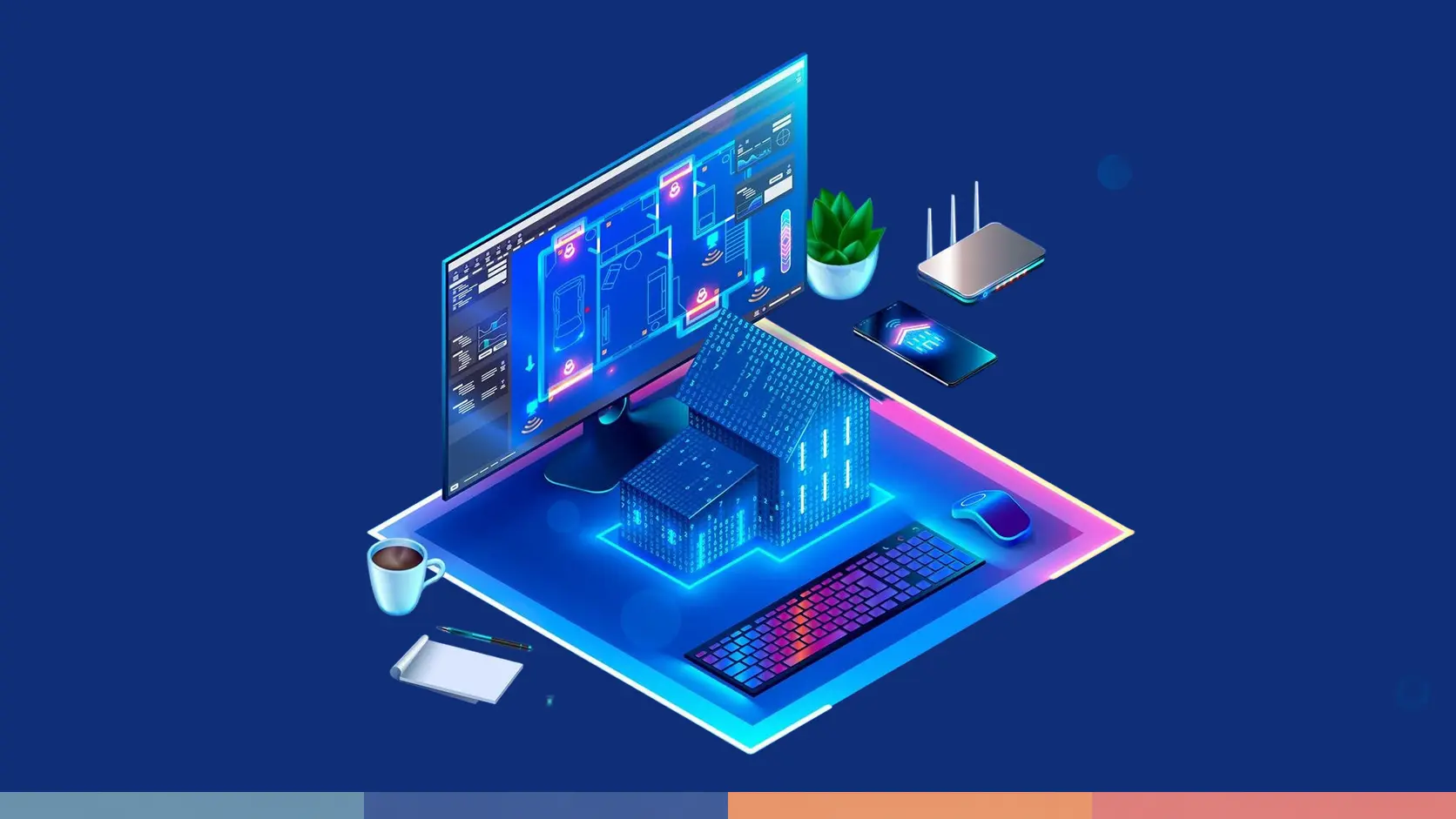
In the midst of increasingly fierce digital competition, simply having an application or digital platform is no longer enough. Companies need to ensure that users do not just come and use the product, but are also interested in continuing to interact within it. One approach that is increasingly being used to achieve this goal is gamification.
This also causes the role of a software house to evolve. If previously software houses were mostly known as partners for building websites, applications, or digital systems, now company needs are increasingly shifting toward solutions that can combine technology with user experience. The combination of software development and gamification can be a strategy to create more engaging digital products.
What Is a Software House?
A software house is a company that provides software development services according to client needs. Its services can include creating websites, mobile applications, web applications, enterprise systems, to various custom digital solutions.
In the process, a software house is not only responsible for the coding stage. Digital product development usually involves various stages, starting from understanding business needs, designing user experience, creating designs, performing development and testing, to maintenance after the product is launched.
With increasingly complex digital needs, companies are also starting to look for software houses that not only have technical capabilities but are able to understand how a product can be used to achieve business goals.
Why Is User Engagement Important?
User engagement describes the extent to which users are interested and involved in interacting with a product, service, or brand.
High engagement can provide various benefits for companies. Users who feel interested in a platform tend to be more active in exploring features, completing activities, returning to use the product, and building a longer relationship with the brand.
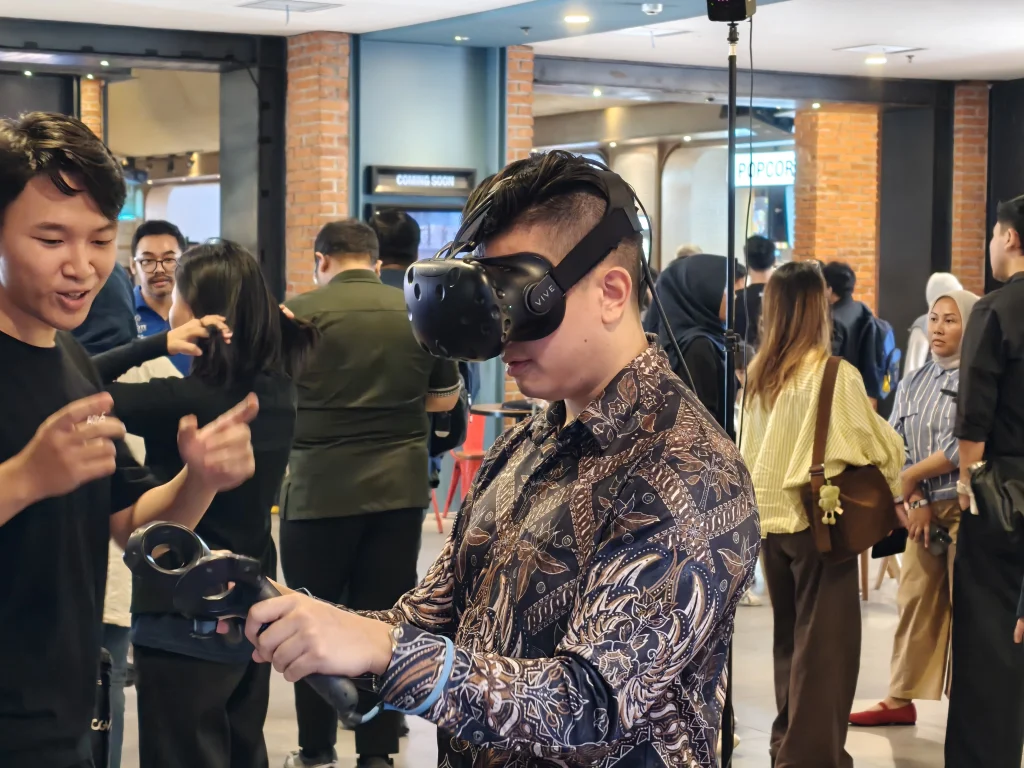
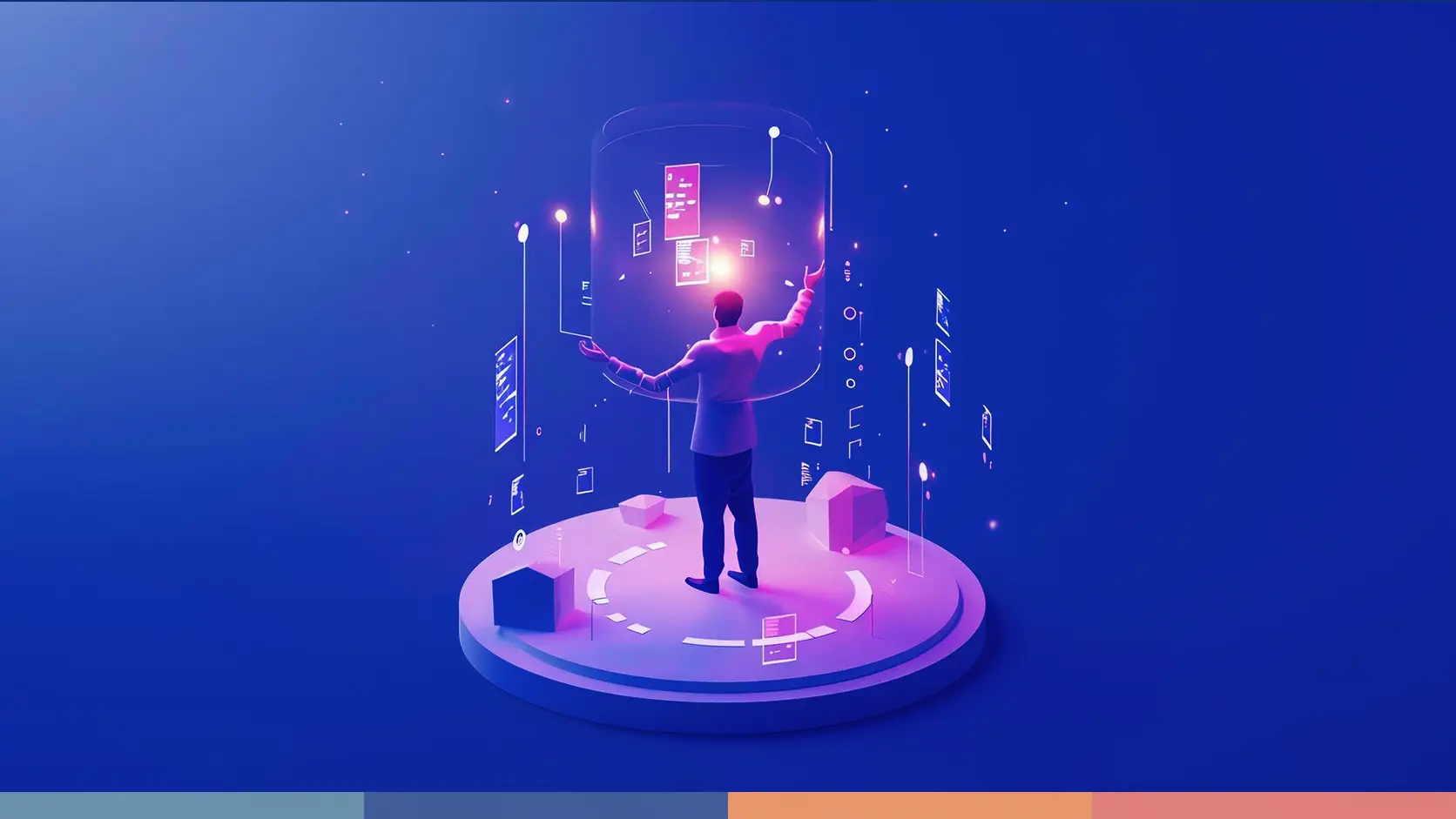
The use of Virtual Reality (VR) technology to create deep interactive experiences.
Conversely, products that only rely on function without considering user experience risk making users quickly lose interest.
Because of this, software development today needs to consider not only the question “can this product be used?” but also “does the user have a reason to keep using it?”
How Does Gamification Increase Engagement?
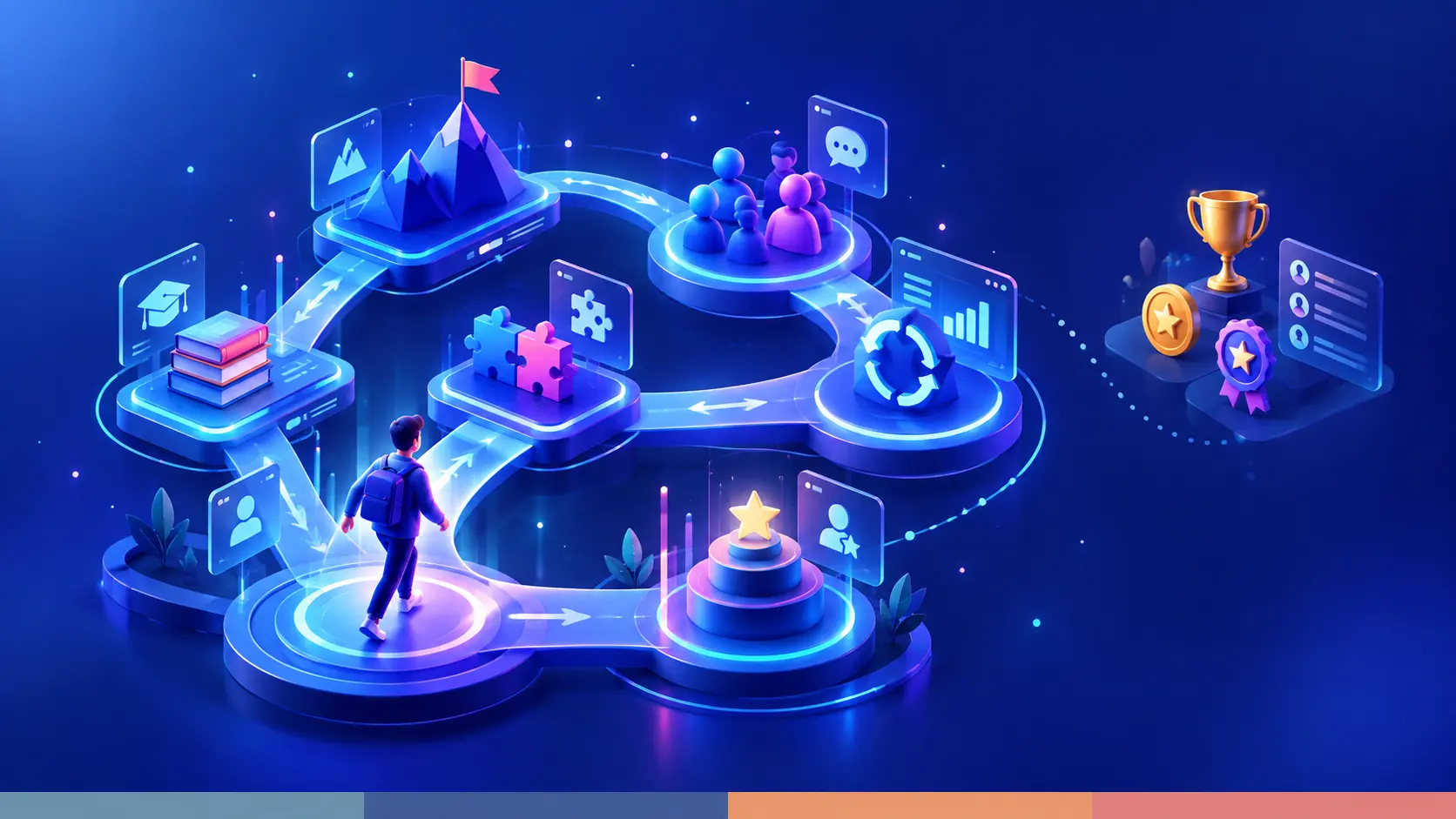
Gamification is an approach that uses elements and mechanisms from games in a non-game context. Some commonly used elements include points, badges, leaderboards, challenges, missions, progress systems, rewards, and achievements.
The goal of gamification is not just to make an application look like a game. What is more important is using game design principles to create motivation and encourage certain behaviors from users.
For example, an online learning platform has a problem with low module completion rates. Gamification can be used by providing progress bars, achievements after completing material, or challenges to encourage users to complete several modules in a row.
In the context of customer engagement, companies can also create challenge-based campaigns. Users can complete certain activities, collect points, unlock achievements, or get rewards.
Thus, previously passive interactions can turn into a more active and participatory experience.
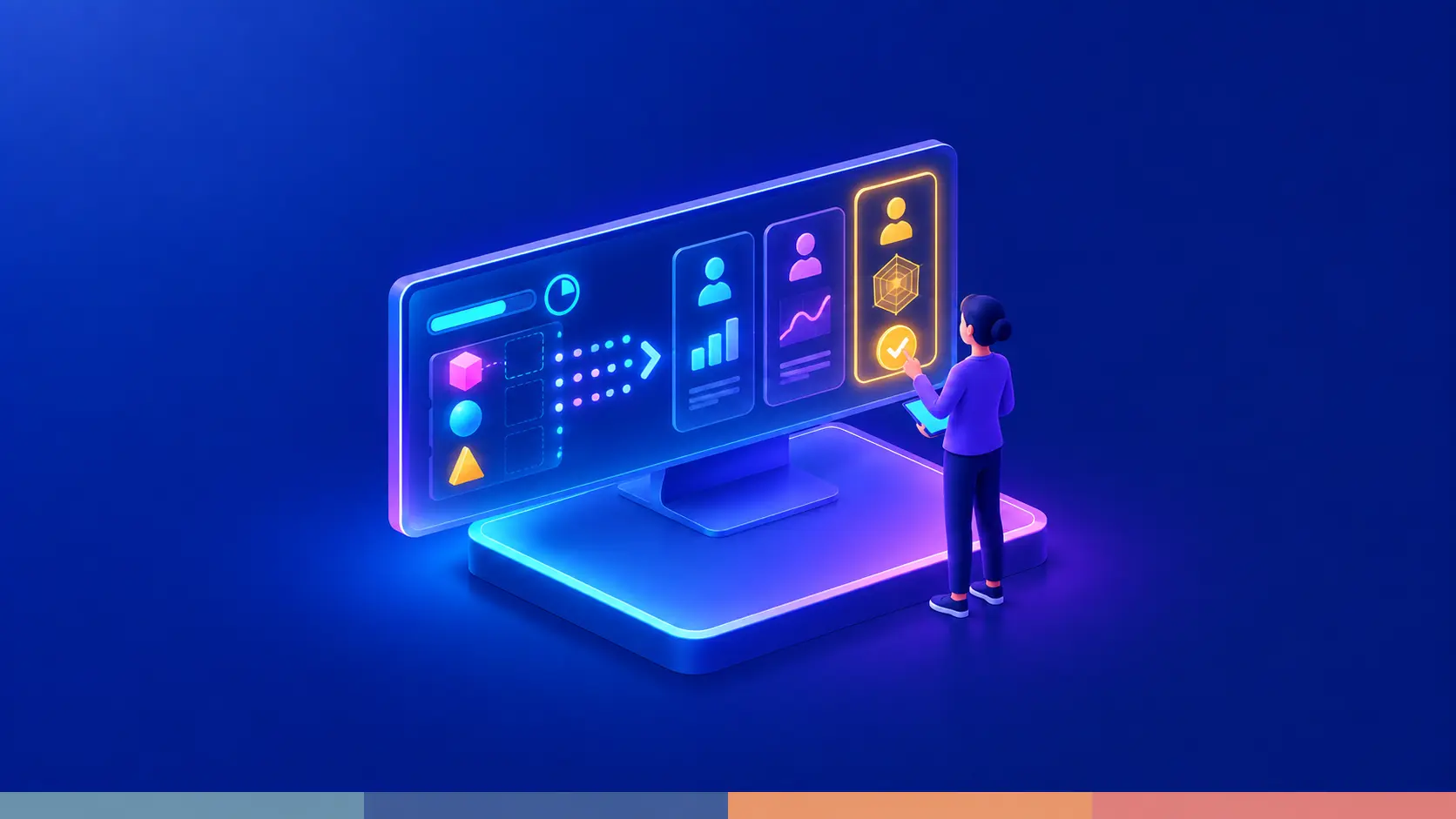
Brand activation through touchscreen-based interactive games.
Examples of Software House and Gamification Implementation
The application of a combination of software development and gamification can be used in various sectors.
1. Game-Based Assessment
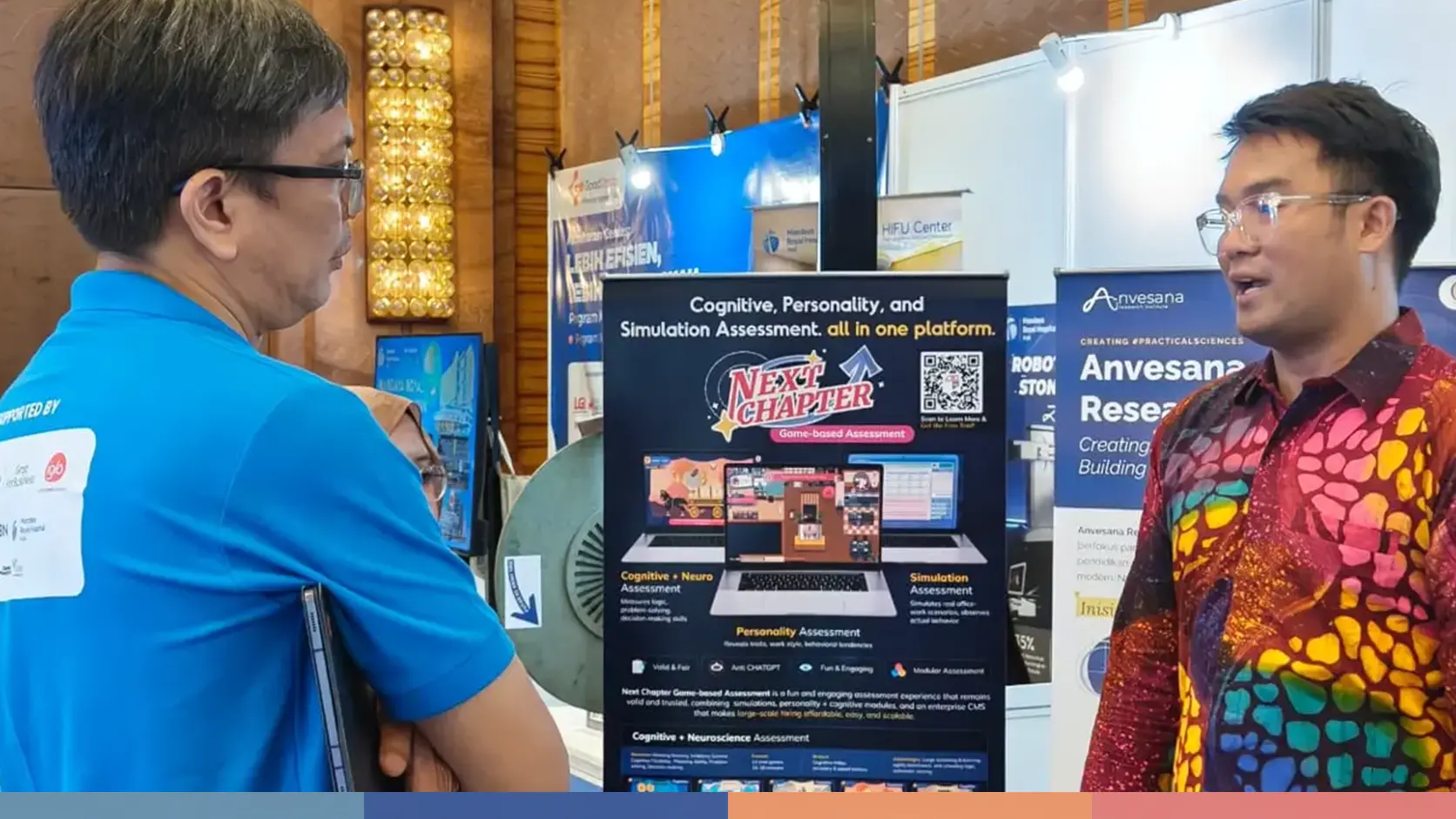
Gamification can be used in the assessment process to evaluate candidates’ competencies through an interactive gaming experience. This approach helps companies assess skills such as problem solving, decision making, and adaptability in a more engaging way.
Video showcasing the implementation of Game-Based Assessment to evaluate candidate competencies through games.
2. On-Ground Activation
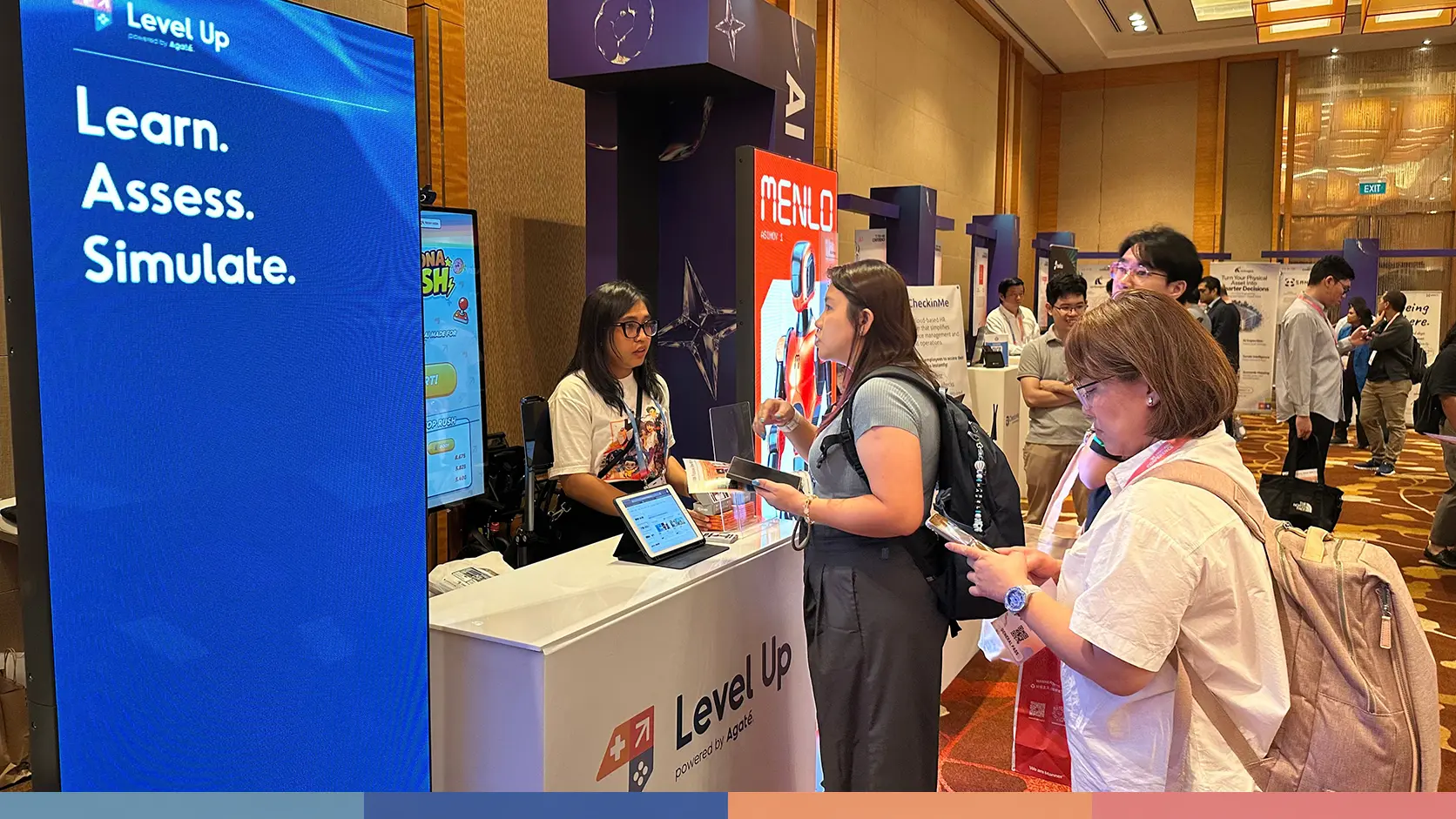
Gamification can also be applied to On-Ground Activation. Brands can create interactive quizzes, digital challenges, spin mechanics, collection systems, and other game-based activities that allow audiences to directly interact with a campaign.
This approach creates additional touchpoints between brands and audiences while delivering a more memorable experience.
3. Digital Activation
Gamification can be applied to digital activation through interactive games, quizzes, challenges, leaderboards, and rewards to increase audience engagement and create more memorable interactions with a brand.
Video showcasing the use of gamification in digital activation to increase audience engagement.
4. Employee Engagement
Companies can use gamification to increase employee participation in internal activities through challenges, achievements, leaderboards, and reward systems.
This approach can support various initiatives such as employee onboarding, internal campaigns, and engagement programs.
Video showcasing the use of gamification to increase employee engagement.
5. Learning and Development
In learning platforms, gamification can make the learning process more interactive. Users can earn points after completing materials, unlock badges, or participate in learning challenges.
The goal is not to turn learning into a game, but to provide structure and feedback that encourages users to complete the learning process.
Video showcasing gamification in a learning platform.
6. Customer Loyalty
Loyalty programs are another area where gamification can be effectively applied. Beyond awarding points for transactions, brands can introduce missions or challenges that encourage customers to complete specific activities.
This approach transforms loyalty programs from simple discount-based systems into more interactive and engaging experiences.
Video showcasing a gamification-based customer loyalty system.
Don't Just Add Points and Leaderboards
One of the mistakes in implementing gamification is assuming that gamification only means adding points, badges, or leaderboards to an application.
In fact, these elements are just tools. What is more important is the reason behind their use.
Before determining mechanics, companies need to understand first what behavior they want to encourage. Is it to increase the completion rate? Increase the frequency of use? Encourage collaboration? Increase customer loyalty? Or make a campaign more interactive?
Once the objective is determined, then gamification mechanisms can be designed to suit user needs and business goals.
The Role of Level Up powered by Agate
Combining technology with game thinking requires an understanding of two sides at once: business needs and user experience.
Level Up powered by Agate is here to help companies explore the implementation of gamification and game-based solutions in various business needs. This approach can be used for employee engagement, learning experiences, assessments, marketing activation, to customer engagement.
By utilizing experience in game design and game-based solution development, companies can design more interactive experiences without losing the business goals they want to achieve.
Ultimately, technology is not just about how a system works. Technology is also about how humans interact with that system.
Conclusion
Software houses and gamification can be an attractive combination for companies that want to build digital products with higher levels of engagement.
Software houses provide the ability to translate business needs into technological solutions, while gamification provides an approach to make user interaction more interesting, directed, and participatory.
However, the success of gamification is not determined by how many game mechanics are used. The key is how each mechanic is designed based on user behavior and business objectives.
With the right approach, software development no longer just produces functional products, but can also create a digital experience that can make users want to keep interacting.
Frequently Asked Questions
What is a software house?
A software house is a company that provides software development services or digital solutions according to business needs. Its services can include website development, mobile applications, enterprise systems, to custom digital solutions.
What is the relationship between a software house and gamification?
A software house can help develop and integrate gamification features into applications, platforms, or digital systems. With development capabilities, concepts such as points, badges, leaderboards, challenges, and rewards can be implemented into features that can be used by users.
Do all software houses provide gamification services?
Not all software houses have specific expertise in gamification. Gamification requires a combination of technological capabilities, user experience, and game design. Therefore, companies should choose a software house that has experience in developing game-based solutions or interactive experiences.
What are some examples of gamification that can be applied in business?
Gamification can be applied to various needs, such as employee engagement, learning and development, customer loyalty, marketing activation, onboarding, to assessment. Mechanics used can be points, missions, challenges, progression, leaderboards, badges, and rewards.
Is Level Up powered by Agate a software house?
Level Up powered by Agate is one of the partners that can help companies develop digital solutions based on games and gamification. By combining game design, technology, and an understanding of business needs, Level Up can help companies design interactive experiences for various needs.
Ready to Turn Your Brand Activation Into an Interactive Experience?
Don’t let your on-ground activation stop at booths and attractive visuals. By utilizing gamification, motion gestures, touchscreens, and VR, brands can create experiences that invite the audience to interact, play, and connect more closely with the brand.
Together with Level Up powered by Agate, we help brands and event organizers design game-based activation solutions, ranging from interactive booths and gamified challenges to immersive experiences tailored to your campaign objectives.
Ready to create a more engaging and memorable activation?
All company names, brand names, trademarks, logos, illustrations, videos and any other intellectual property (Intellectual Property) published on this website are the property of their respective owners. Any non-authorized usage of Intellectual Property is strictly prohibited and any violation will be prosecuted under the law.