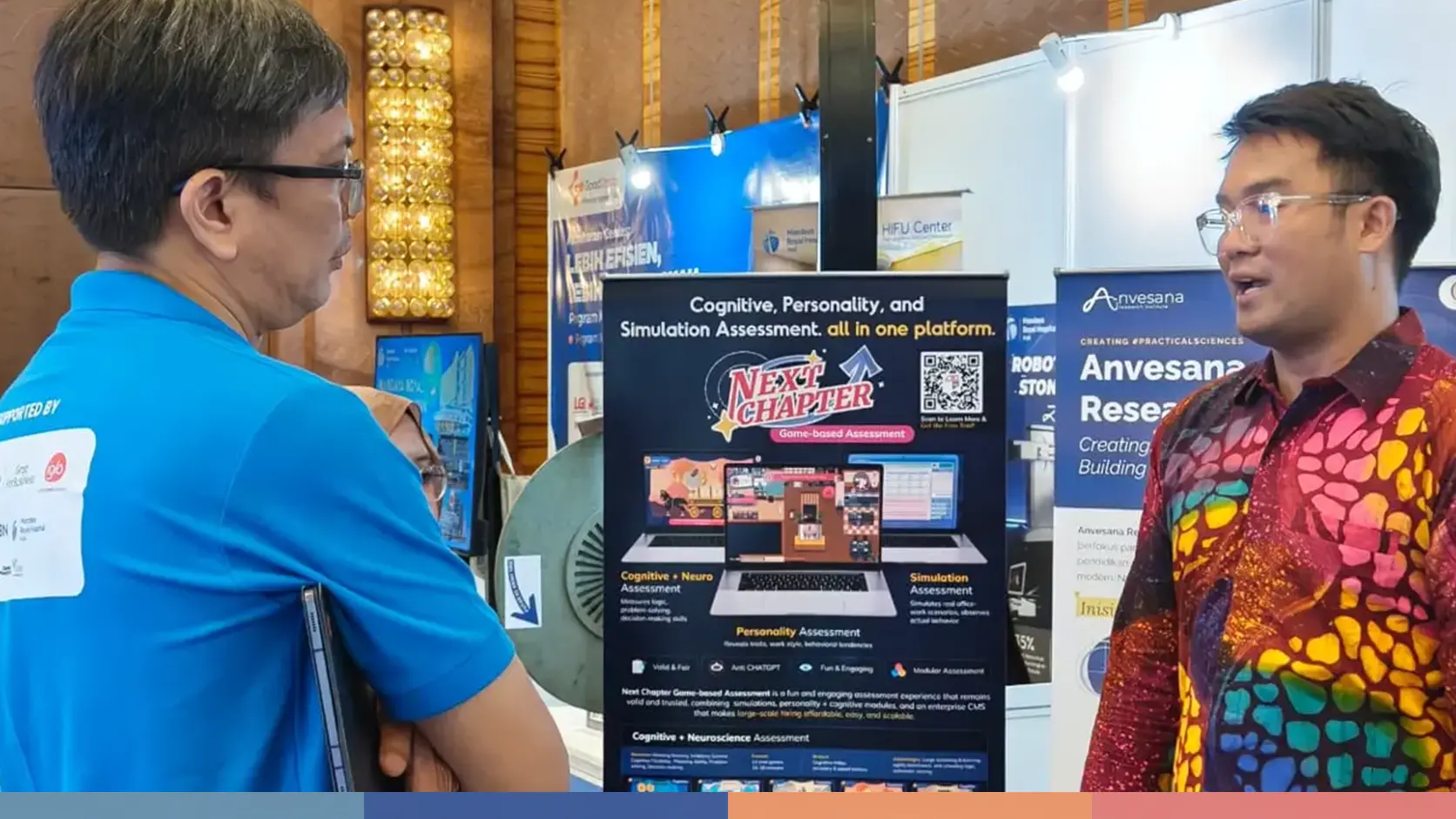
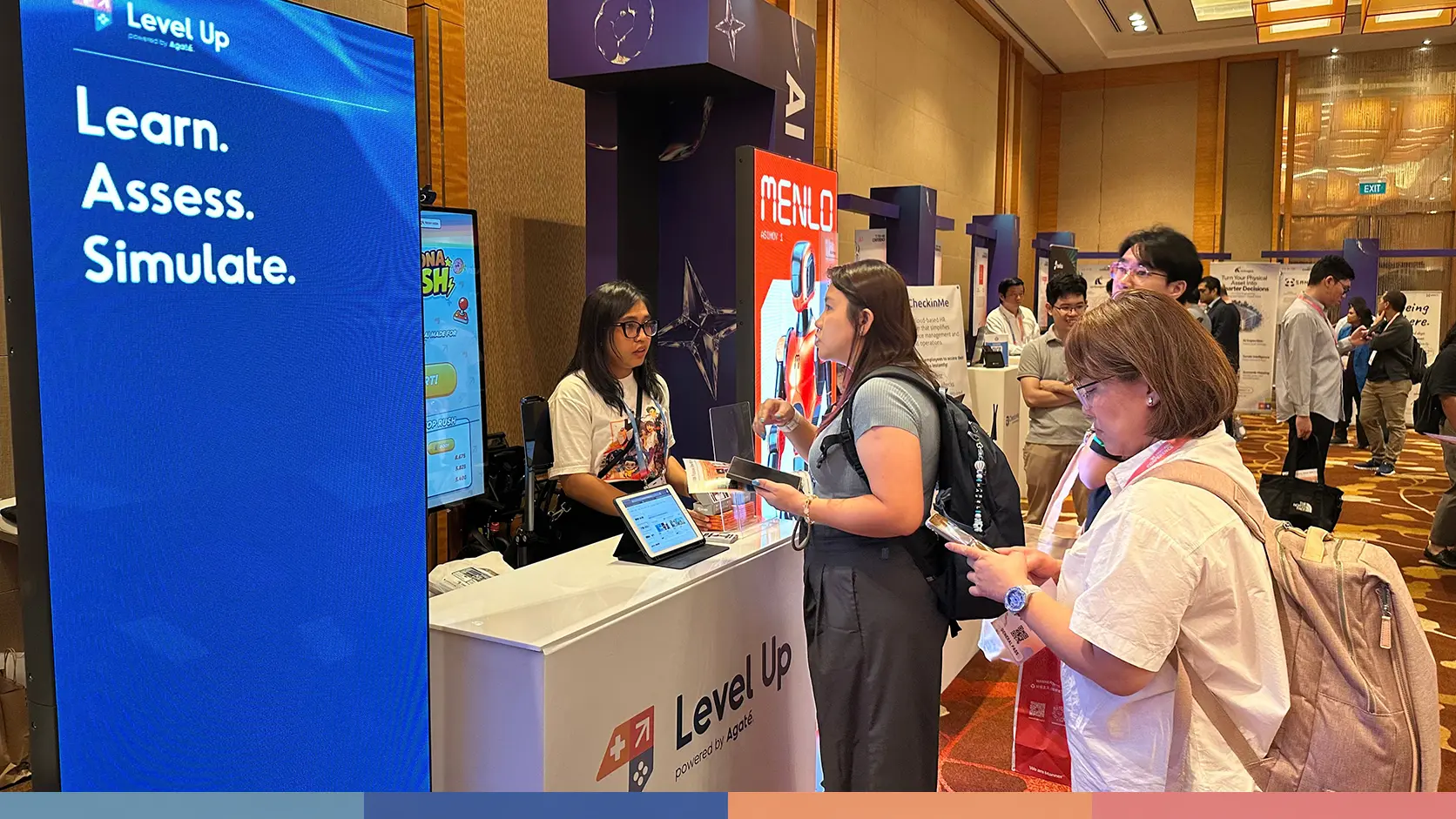
In recent years, the process of recruitment and talent development has undergone significant changes. Companies are no longer just looking for candidates with the best experience on paper, but also want to understand how someone thinks, makes decisions, and adapts to certain situations.
Amidst these changes, Game-Based Assessment (GBA) has begun to attract a lot of attention. Not because the process feels more fun, but because this method is able to provide a more interactive assessment experience while offering additional insights into participant behavior.
So, what makes Game-Based Assessment increasingly relevant for modern organizations?
Assessment Is No Longer Just About Right or Wrong Answers
Conventional tests generally focus on the final result, such as the number of correct answers or a specific score. While still relevant for measuring certain aspects, this approach often doesn’t provide a complete picture of how someone faces challenges.
Game-Based Assessment offers a different perspective. Participants are presented with various scenarios or challenges designed to observe decision-making processes, problem-solving abilities, and how they respond to changing situations.
As a result, companies don’t just get a final score, but also understand the process participants went through.
A More Engaging Assessment Experience
Going through a selection process is often a stressful experience for candidates. When an assessment is designed as a game that still maintains evaluation goals, the process can feel more interactive without compromising measurement quality.
For organizations, a positive candidate experience is also an added value. A good candidate experience can help strengthen employer branding while creating a professional impression during the recruitment process.
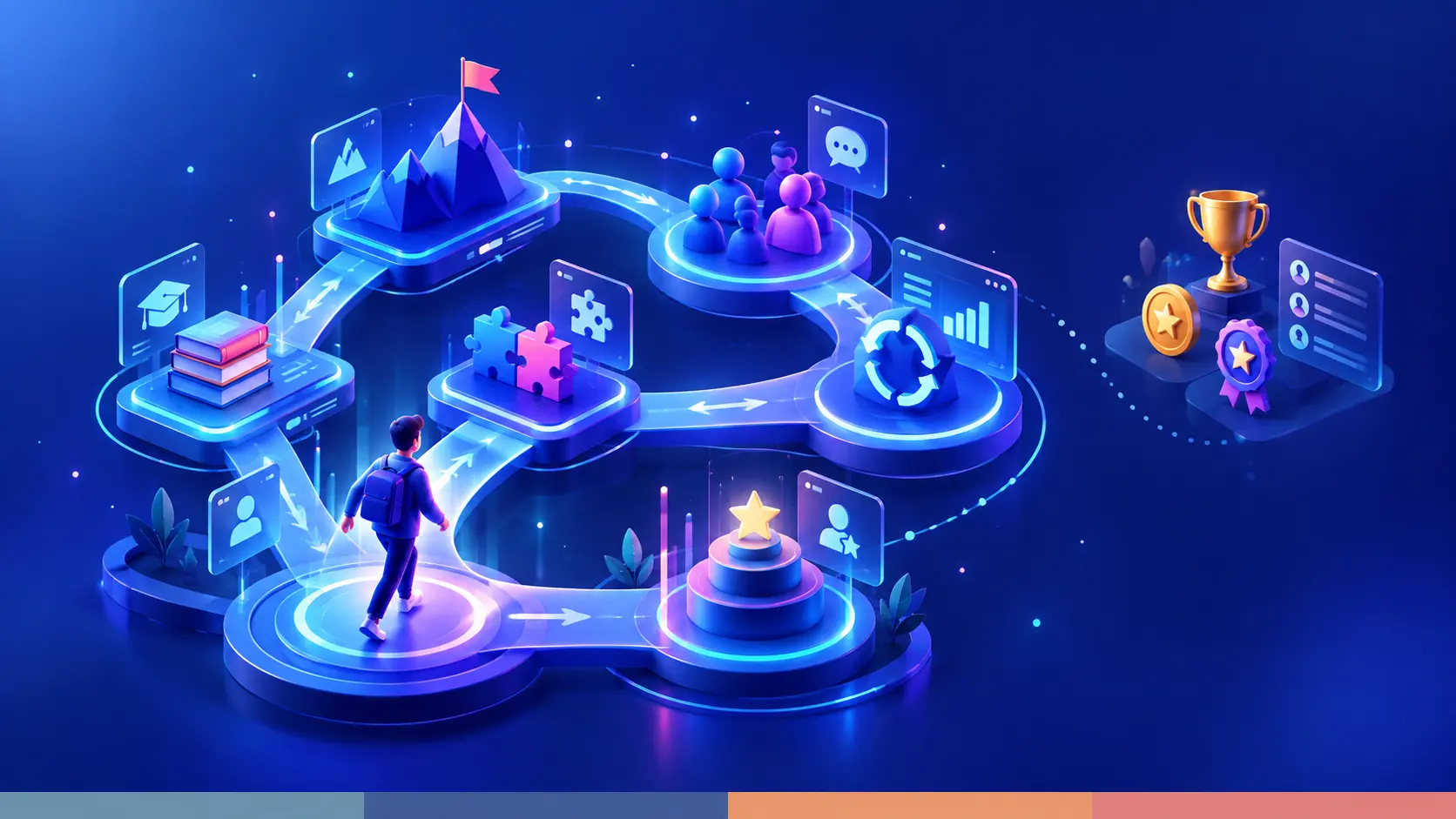
Illustration of a Game-Based Assessment process that brings a more interactive and engaging job selection experience.
Richer Data to Support Decision Making
One of the advantages of Game-Based Assessment is its ability to collect various types of data while participants interact with the game.
For example, companies can obtain information regarding:
How participants strategize.
Speed of decision making.
Ability to adapt when conditions change.
Consistency in completing challenges.
Problem-solving patterns.
These insights can complement other assessment methods, such as interviews, case studies, and psychometrics.
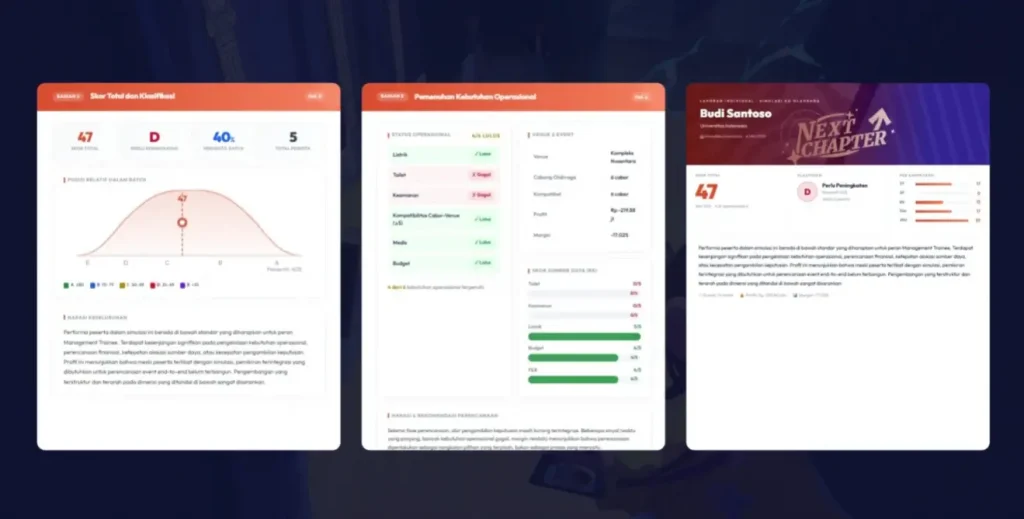
Game-Based Assessment result dashboard displaying visualizations of participant performance, competency analysis, and individual reports.
Not Only for Recruitment
Although often associated with the candidate selection process, Game-Based Assessment can also be used for various organizational needs.
Some examples of its implementation include:
Identification of employee potential.
Talent mapping.
Leadership assessment.
Competency development programs.
Digital-based assessment centers.
With the right design, organizations can customize the assessment according to the evaluation goals they want to achieve.
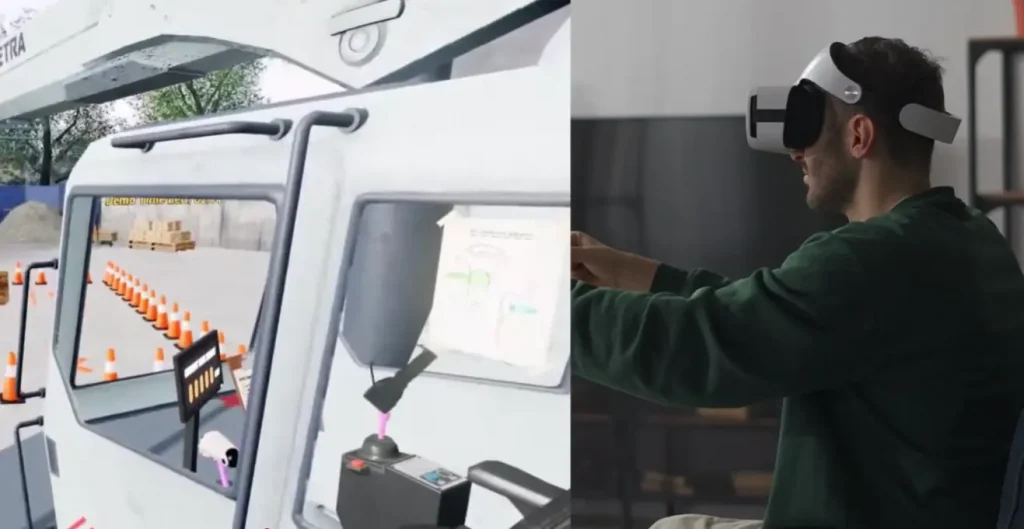
Game-Based Assessment simulation using virtual reality (VR) technology to evaluate participant competencies in a realistic and interactive environment.
Technology Supports, Humans Decide
It is important to understand that Game-Based Assessment is not intended to replace the role of HR or assessors. Instead, this method serves as a supporting tool to provide additional data that can assist in the decision-making process.
The final decision remains in the hands of the organization, considering various other aspects.
Frequently Asked Questions
Is Game-Based Assessment the same as psychometrics?
No. Game-Based Assessment uses game mechanisms as a medium to evaluate specific competencies or behaviors. In practice, this method can be used as a complement to psychometrics or other assessment methods, depending on the organization’s needs.
Is Game-Based Assessment only suitable for the recruitment process?
No. In addition to recruitment, Game-Based Assessment can also be applied for talent mapping, leadership assessment, competency development, and talent development programs.
Can Game-Based Assessment be used for all job positions?
Yes, as long as the assessment design is tailored to the competencies being measured. Each organization has different needs, so scenarios and game mechanisms need to be designed specifically.
Does Game-Based Assessment replace interviews?
No. Game-Based Assessment serves as a complement that provides additional insights into participants’ behavior and thinking processes. The final decision still considers other assessment methods, such as interviews and case studies.
Interested in exploring Game-Based Assessment for your organization?
Level Up powered by Agate is ready to help you design interactive, relevant Game-Based Assessment solutions tailored to your organization’s needs. Contact our team through the Contact Us page to discuss how a game-based approach can support the assessment process in your company.
All company names, brand names, trademarks, logos, illustrations, videos and any other intellectual property (Intellectual Property) published on this website are the property of their respective owners. Any non-authorized usage of Intellectual Property is strictly prohibited and any violation will be prosecuted under the law.