
Why Are More Companies Switching to Game-Based Assessment?
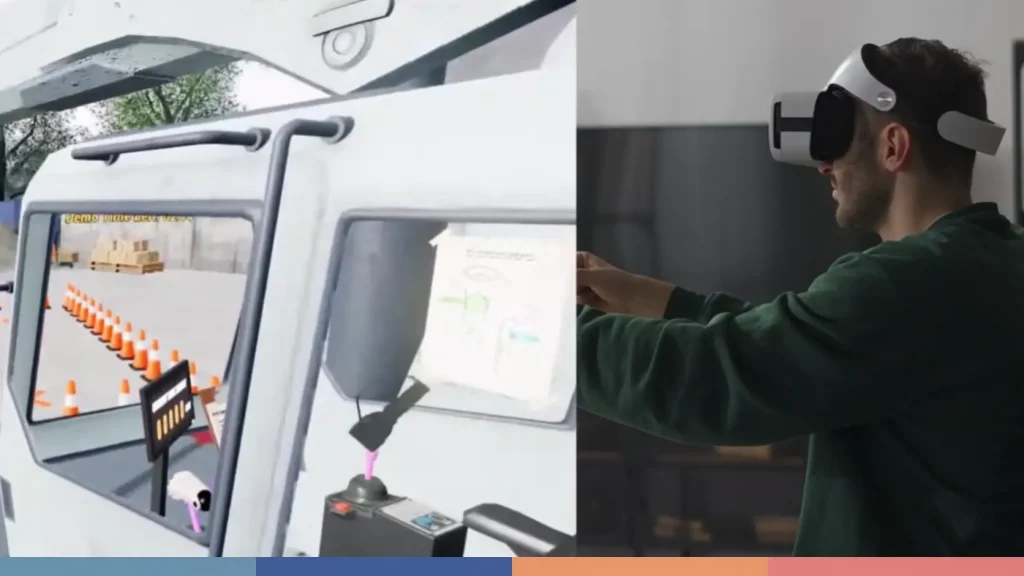
Home Services Our Works Gamification 101 Gamification Case Studies Turnkey Product Game Based Assessment Potentia Level Up RCD Contact English Bahasa Indonesia English Home Services Our Works Gamification 101 Gamification Case Studies Turnkey Product Game Based Assessment Potentia Level Up RCD Contact English Bahasa Indonesia English Home Services Our Works Gamification 101 Gamification Case Studies Turnkey Product Game Based Assessment Potentia Level Up RCD Contact English Bahasa Indonesia English Home Services Our Works Gamification 101 Gamification Case Studies Turnkey Product Game Based Assessment Potentia Level Up RCD Contact English Bahasa Indonesia English Home Services Our Works Gamification 101 Gamification Case Studies Turnkey Product Game Based Assessment Potentia Level Up RCD Contact English Bahasa Indonesia English Home Services Our Works Gamification 101 Gamification Case Studies Turnkey Product Game Based Assessment Potentia Level Up RCD Contact English Bahasa Indonesia English Edit Template Why Are More Companies Switching to Game-Based Assessment? In recent years, the process of recruitment and talent development has undergone significant changes. Companies are no longer just looking for candidates with the best experience on paper, but also want to understand how someone thinks, makes decisions, and adapts to certain situations. Amidst these changes, Game-Based Assessment (GBA) has begun to attract a lot of attention. Not because the process feels more fun, but because this method is able to provide a more interactive assessment experience while offering additional insights into participant behavior. So, what makes Game-Based Assessment increasingly relevant for modern organizations? Assessment Is No Longer Just About Right or Wrong Answers Conventional tests generally focus on the final result, such as the number of correct answers or a specific score. While still relevant for measuring certain aspects, this approach often doesn’t provide a complete picture of how someone faces challenges. Game-Based Assessment offers a different perspective. Participants are presented with various scenarios or challenges designed to observe decision-making processes, problem-solving abilities, and how they respond to changing situations. As a result, companies don’t just get a final score, but also understand the process participants went through. A More Engaging Assessment Experience Going through a selection process is often a stressful experience for candidates. When an assessment is designed as a game that still maintains evaluation goals, the process can feel more interactive without compromising measurement quality. For organizations, a positive candidate experience is also an added value. A good candidate experience can help strengthen employer branding while creating a professional impression during the recruitment process. https://www.youtube.com/watch?v=-DAbknTMd7M%20Illustration of a Game-Based Assessment process that brings a more interactive and engaging job selection experience. Richer Data to Support Decision Making One of the advantages of Game-Based Assessment is its ability to collect various types of data while participants interact with the game. For example, companies can obtain information regarding: How participants strategize. Speed of decision making. Ability to adapt when conditions change. Consistency in completing challenges. Problem-solving patterns. These insights can complement other assessment methods, such as interviews, case studies, and psychometrics. Game-Based Assessment result dashboard displaying visualizations of participant performance, competency analysis, and individual reports. Not Only for Recruitment Although often associated with the candidate selection process, Game-Based Assessment can also be used for various organizational needs. Some examples of its implementation include: Identification of employee potential. Talent mapping. Leadership assessment. Competency development programs. Digital-based assessment centers. With the right design, organizations can customize the assessment according to the evaluation goals they want to achieve. Game-Based Assessment simulation using virtual reality (VR) technology to evaluate participant competencies in a realistic and interactive environment. Technology Supports, Humans Decide It is important to understand that Game-Based Assessment is not intended to replace the role of HR or assessors. Instead, this method serves as a supporting tool to provide additional data that can assist in the decision-making process. The final decision remains in the hands of the organization, considering various other aspects. Frequently Asked Questions Is Game-Based Assessment the same as psychometrics? No. Game-Based Assessment uses game mechanisms as a medium to evaluate specific competencies or behaviors. In practice, this method can be used as a complement to psychometrics or other assessment methods, depending on the organization’s needs. Is Game-Based Assessment only suitable for the recruitment process? No. In addition to recruitment, Game-Based Assessment can also be applied for talent mapping, leadership assessment, competency development, and talent development programs. Can Game-Based Assessment be used for all job positions? Yes, as long as the assessment design is tailored to the competencies being measured. Each organization has different needs, so scenarios and game mechanisms need to be designed specifically. Does Game-Based Assessment replace interviews? No. Game-Based Assessment serves as a complement that provides additional insights into participants’ behavior and thinking processes. The final decision still considers other assessment methods, such as interviews and case studies. Interested in exploring Game-Based Assessment for your organization? Level Up powered by Agate is ready to help you design interactive, relevant Game-Based Assessment solutions tailored to your organization’s needs. Contact our team through the Contact Us page to discuss how a game-based approach can support the assessment process in your company. Author Related Article All Posts Service Highlight-EN News-EN Education-EN All-EN Gamification Learning: The Future of Corporate Training July 23, 2026/ Everyone Is Using Gamification. But, Does Your Company Need the Same? July 23, 2026/ Why Are More Companies Switching to Game-Based Assessment? July 17, 2026/ Gamification is More Than Just Points and Badges July 16, 2026/ Level Up powered by Agate Presents Interactive Booths at Minutes Meetup Bandung #7 July 15, 2026/ Game-Based Assessment vs Traditional Psychometric Tests July 10, 2026/ Gamification Trends in Movies Promotion July 10, 2026/ The World Cup and Gamification: Why Do Billions of People Always Come Back to Watch July 10, 2026/ Progress Bar, Leaderboard, Badge, and Quest in Gamification: Which One Is Most Effective? July 9, 2026/ Load More End of Content. All company names, brand names, trademarks, logos, illustrations, videos and any other intellectual property (Intellectual Property) published on this website are the property of their respective owners. Any non-authorized usage of
Gamification is More Than Just Points and Badges
Home Services Our Works Gamification 101 Gamification Case Studies Turnkey Product Game Based Assessment Potentia Level Up RCD Contact English Bahasa Indonesia English Home Services Our Works Gamification 101 Gamification Case Studies Turnkey Product Game Based Assessment Potentia Level Up RCD Contact English Bahasa Indonesia English Home Services Our Works Gamification 101 Gamification Case Studies Turnkey Product Game Based Assessment Potentia Level Up RCD Contact English Bahasa Indonesia English Home Services Our Works Gamification 101 Gamification Case Studies Turnkey Product Game Based Assessment Potentia Level Up RCD Contact English Bahasa Indonesia English Home Services Our Works Gamification 101 Gamification Case Studies Turnkey Product Game Based Assessment Potentia Level Up RCD Contact English Bahasa Indonesia English Home Services Our Works Gamification 101 Gamification Case Studies Turnkey Product Game Based Assessment Potentia Level Up RCD Contact English Bahasa Indonesia English Edit Template Gamification is More Than Just Points and Badges When hearing the term gamification, many people immediately imagine points, badges, leaderboards, or prizes. In fact, these elements are only a small part of the concept of gamification. The essence of gamification is not making an activity feel like a game, but rather applying game design principles to create an experience that is more interesting, motivating, and encourages participation. This is the reason why gamification is now starting to be applied in various fields, starting from learning, employee development, to engagement programs in companies. Why is Gamification Effective? Games have the ability to keep players involved for a long time. This is not solely because of the prizes, but because games are designed with clear goals, gradual challenges, fast feedback, and a sense of achievement that continues to grow. The same principles can be applied in various non-game activities. Instead of just providing materials or tasks, organizations can design experiences that encourage participants to continue participating. Gamification Starts from Understanding Behavior One of the mistakes that often occurs is assuming gamification is finished after adding a points system or leaderboard. In fact, effective gamification design starts with understanding the behavior you want to shape. For example: Does the organization want to increase participation? Does it want to encourage collaboration between teams? Does it want to increase training completion? Or does it want to build consistent learning habits? Once these goals are clear, then game elements are selected to support the expected behavior. Game Elements That Have a Real Function Various game elements have different functions. Progress bars help participants see their progress. Quests divide large targets into challenges that are easier to achieve. Badges provide recognition for certain achievements. Leaderboards can encourage healthy competition when used in the right context. When combined in a balanced way, these elements are able to create a more engaging experience compared to conventional activities. Illustration of gamification elements such as progress bars, quests, badges, and leaderboards used in learning or assessment platforms. Implementation of Gamification in the Workplace Currently, gamification has been used for various organizational needs, such as: New employee onboarding. Learning & Development. Employee engagement. Sales incentive. Internal campaigns. Innovation programs. Assessment activities. Every implementation has a different approach because the business goals of each organization are also different. https://www.youtube.com/watch?v=4IoNRk2vgMY%20 Illustration of the gamification-based recruitment process by Level Up powered by Agate Experience is a No Less Important Factor In the digital era, user experience has become one of the factors that determines the success of a program. A training session with good material is not necessarily effective if the participants are not motivated to complete it. Conversely, an experience designed with a gamification approach can help increase participation, maintain motivation, and make the learning process feel more enjoyable without losing its main goal. Participants take part in a gamified assessment through interactive challenges designed to evaluate abilities Frequently Asked Questions What is the difference between gamification and games? Gamification is the application of game elements and design principles to non-game activities, such as training, onboarding, or employee engagement programs. Meanwhile, a game is created with the main goal of being played as a game. Does gamification only use points and leaderboards? No. Points and leaderboards are only a part of gamification elements. Gamification design can also include progress bars, quests, badges, instant feedback, levels, and even storytelling, depending on the goal to be achieved. Is gamification only suitable for technology companies? No. Gamification can be applied in various industries, ranging from manufacturing, banking, health, education, to the government sector. The key is to adapt the gamification design to the needs of the organization and the characteristics of its participants. How do you know if gamification is successful? The success of gamification can be measured through indicators that match the program’s goals, such as participation rates, training completion, participant engagement, behavioral changes, or performance improvements. Ready to bring a more engaging experience through gamification? Through Level Up powered by Agate, we help companies develop customized gamification solutions for various needs, starting from onboarding, learning & development, employee engagement, to other internal programs. Visit the Contact Us page to discuss with our team and find the most suitable solution for your organization. Author Related Article All Posts Service Highlight-EN News-EN Education-EN All-EN Gamification is More Than Just Points and Badges July 23, 2026/ Level Up powered by Agate Presents Interactive Booths at Minutes Meetup Bandung #7 July 21, 2026/ Game-Based Assessment vs Traditional Psychometric Tests July 20, 2026/ Progress Bar, Leaderboard, Badge, and Quest in Gamification: Which One Is Most Effective? July 17, 2026/ Level Up powered by Agate Shows the Potential of Games for the Business World at Clogs, Tulips and Video Games… July 15, 2026/ Gamification Trends in Movies Promotion July 10, 2026/ The World Cup and Gamification: Why Do Billions of People Always Come Back to Watch July 10, 2026/ HYROX and Gamification: When Fitness Competition is Built Like a Video Game July 8, 2026/ Beyond the Leaderboard: Modern Data-Driven Gamification Trends in Marketing, Brand, and HR July 1, 2026/ Load More End of Content. All company names, brand names, trademarks,
Level Up powered by Agate Presents Interactive Booths at Minutes Meetup Bandung #7

Home Services Our Works Gamification 101 Gamification Case Studies Turnkey Product Game Based Assessment Potentia Level Up RCD Contact English Bahasa Indonesia English Home Services Our Works Gamification 101 Gamification Case Studies Turnkey Product Game Based Assessment Potentia Level Up RCD Contact English Bahasa Indonesia English Home Services Our Works Gamification 101 Gamification Case Studies Turnkey Product Game Based Assessment Potentia Level Up RCD Contact English Bahasa Indonesia English Home Services Our Works Gamification 101 Gamification Case Studies Turnkey Product Game Based Assessment Potentia Level Up RCD Contact English Bahasa Indonesia English Home Services Our Works Gamification 101 Gamification Case Studies Turnkey Product Game Based Assessment Potentia Level Up RCD Contact English Bahasa Indonesia English Home Services Our Works Gamification 101 Gamification Case Studies Turnkey Product Game Based Assessment Potentia Level Up RCD Contact English Bahasa Indonesia English Edit Template Level Up powered by Agate Presents Interactive Booths at Minutes Meetup Bandung #7 Minutes Meetup Bandung #7 became a gathering place for over 100 business owners, junior managers, managers, up to C-level executives to discuss leadership through the theme “The Unofficial Leadership Manual: Because No One Handed You the Playbook.” In addition to sharing sessions from speakers, participants were also welcomed with various interactive activities. One of these came from Level Up powered by Agate, which presented two gamification booths: Manager Personality Test and Interactive Boxing Game. Both experiences were designed to provide entertainment while inviting participants to reflect on the dynamics of the professional world in a more enjoyable way. Getting to Know Leadership Styles Through the Manager Personality Test One of the booths that attracted the most attention from participants was the Manager Personality Test. Through a series of short questions, participants could discover the leadership archetype that most accurately describes their character. One of the results that appeared was “The Culture Keeper”, a profile describing a leader who focuses on maintaining team cohesion, building a positive work culture, and creating long-term relationships with team members. In addition to displaying the personality type, the test results were also equipped with various interesting insights, such as: Leadership profile based on several competencies The most prominent leadership style Symbolic brand loyalty levels “Lucky Tool” representing the participant’s primary strength Persona that can be shared to social media This approach makes the self-reflection process feel lighter and more engaging compared to conventional assessments. Participants not only get the test results but also an interactive experience that is easily shared with colleagues or on social media. Participants try the Manager Personality Test from Level Up powered by Agate at Minutes Meetup Bandung #7 and receive leadership profile results Interactive Boxing Game, a Fun Way to Unwind Besides the personality test, Level Up powered by Agate also presented an Interactive Boxing Game that invited participants to take a short break from the discussion and channel their energy. Through this game, participants were invited to hit targets as hard as possible to score the highest. This simple activity successfully became a fun ice breaker while providing an opportunity for participants to release stress after their daily work routines. Many participants challenged each other to get the highest score, creating a competitive yet relaxed atmosphere full of laughter. This activity also served as an interaction point that strengthened networking among participants during the event. Participants try the Interactive Boxing Game from Level Up powered by Agate at Minutes Meetup Bandung #7 Gamification Makes Events More Memorable The presence of these two interactive booths demonstrates how gamification can provide added value to a professional event. Rather than just being event supplements, activities like personality tests and interactive games are able to: increase participant participation, create a more memorable experience, open conversations between participants, and provide engagement that lasts throughout the event. This approach aligns with the vision of Level Up powered by Agate, which is to deliver active learning and interaction experiences through game design principles. https://www.youtube.com/watch?v=39aJfbccHYo Level Up powered by Agate’s Commitment to Creating Interactive Experiences Participation as a supporter and provider of interactive activities at Minutes Meetup Bandung #7 is part of Level Up powered by Agate’s commitment to bringing gamification to various contexts, ranging from learning and talent development to events and community engagement. By combining elements of play, self-reflection, and social interaction, Level Up shows that fun experiences can also provide meaningful insights for professionals. Through collaborations like this, gamification is not just a means of entertainment, but also an effective medium for building connections, increasing engagement, and creating a more memorable event experience for every participant. Frequently Asked Questions What activities did Level Up powered by Agate bring to Minutes Meetup Bandung #7? Level Up powered by Agate presented two interactive booths, namely the Manager Personality Test and the Interactive Boxing Game, which all event participants could join. What is the Manager Personality Test? The Manager Personality Test is a gamification experience that helps participants recognize their leadership style through a series of short questions. The results are presented in the form of a persona complete with insights regarding their leadership character and strengths. Why was there an Interactive Boxing Game? The Interactive Boxing Game was presented as a fun activity so that participants could unwind, interact with others, and create a more relaxed networking atmosphere. How does gamification support professional events? Gamification helps increase participant participation, strengthen interaction, create a more memorable experience, and make the learning and networking processes more interesting. Through Level Up by Agate, companies can design gamification solutions tailored to various needs, from employee engagement, corporate learning, onboarding, to game-based assessment. With an experience design approach, every gamification mechanic is designed to drive participation, increase motivation, and create impactful behavioral changes. Want to bring a more interesting and effective learning or work process? Contact Level Up by Agate to discuss how gamification can help achieve your organization’s goals. Author Related Article All Posts Service Highlight-EN News-EN Education-EN All-EN Level Up powered by Agate Presents Interactive Booths at Minutes Meetup Bandung #7 July 21, 2026/ Game-Based
Game-Based Assessment vs Traditional Psychometric Tests
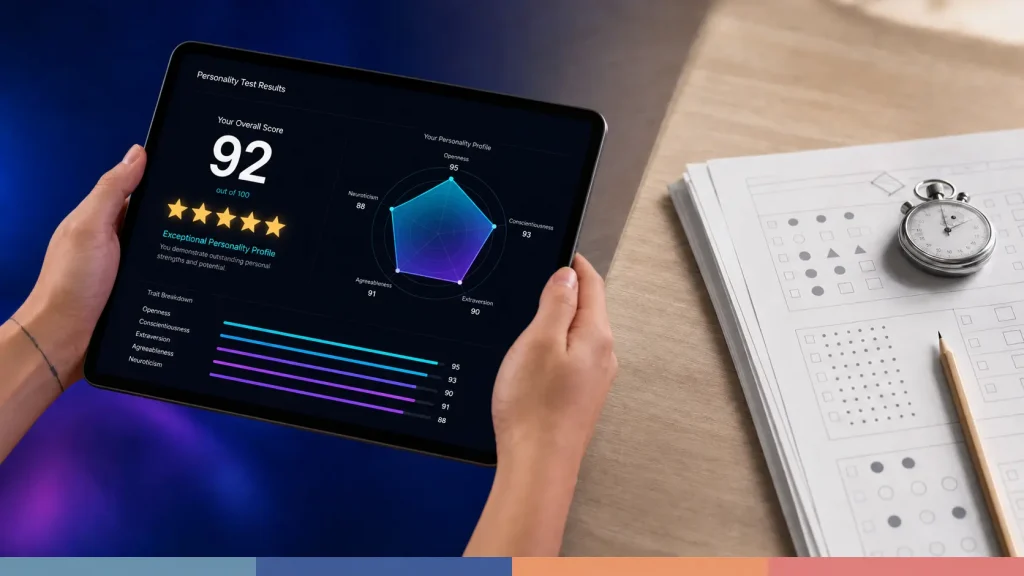
Home Services Our Works Gamification 101 Gamification Case Studies Turnkey Product Game Based Assessment Potentia Level Up RCD Contact English Bahasa Indonesia English Home Services Our Works Gamification 101 Gamification Case Studies Turnkey Product Game Based Assessment Potentia Level Up RCD Contact English Bahasa Indonesia English Home Services Our Works Gamification 101 Gamification Case Studies Turnkey Product Game Based Assessment Potentia Level Up RCD Contact English Bahasa Indonesia English Home Services Our Works Gamification 101 Gamification Case Studies Turnkey Product Game Based Assessment Potentia Level Up RCD Contact English Bahasa Indonesia English Home Services Our Works Gamification 101 Gamification Case Studies Turnkey Product Game Based Assessment Potentia Level Up RCD Contact English Bahasa Indonesia English Home Services Our Works Gamification 101 Gamification Case Studies Turnkey Product Game Based Assessment Potentia Level Up RCD Contact English Bahasa Indonesia English Edit Template Game-Based Assessment vs Traditional Psychometric Tests In the midst of an increasingly fast-paced world of work, companies are no longer just looking for candidates with high academic scores or long work experience. Critical thinking, adaptation, decision-making skills, and how someone faces challenges are now becoming aspects that are increasingly considered in the recruitment process. To understand these characteristics, companies use various assessment methods. For years, traditional psychometric tests have been the standard in the selection process. However, as technology develops, a new approach has emerged in the form of Game-Based Assessment, a valuation method that utilizes game mechanics to measure candidate behavior and abilities. So, what exactly is the difference between the two? Does Game-Based Assessment replace traditional psychometric tests? Or do the two actually complement each other? Candidate completing a Game-Based Assessment via laptop with an interactive game interface. What is a Traditional Psychometric Test? A traditional psychometric test is a series of tests designed to measure a person’s cognitive abilities, personality, interests, or potential. These can take the form of multiple-choice questions, logic tests, number series, verbal analogies, and personality questionnaires. For decades, psychometric tests have been an important part of the recruitment process because they are able to provide an overview of various aspects of a candidate, such as: Logical thinking ability Numerical and verbal skills Concentration Character and personality Work style Leadership potential Psychometric tests are still widely used today, especially for positions that require the measurement of specific skills. What is Game-Based Assessment? Game-Based Assessment is an assessment method that uses game elements as a medium to collect candidate behavioral data while completing various challenges. Unlike games for entertainment, each activity in a Game-Based Assessment is designed with a specific purpose. How candidates make decisions, set strategies, manage risks, or respond to changes can be a source of information that helps companies understand candidate characteristics. This approach presents a more interactive assessment experience without losing its primary objective as an evaluation tool. Illustration of Game-Based Assessment in the recruitment process. Differences Between Game-Based Assessment and Traditional Psychometric Tests Although both aim to help the selection process, the two have different approaches. Aspect Traditional Psychometric Test Game-Based Assessment Form of assessment Questions, questionnaires, and written tests Interactive game-style challenges Candidate experience More formal More interactive and engaging Data acquisition method Direct answers from participants Behavioral patterns during play Interaction Relatively static Dynamic and responsive Medium Paper or digital platforms Game-based digital platforms This difference does not mean one is better than the other. Rather, each has a function according to the company’s needs. Is Game-Based Assessment More Accurate? This question often arises when companies begin to consider using Game-Based Assessment. Fundamentally, no single assessment method can answer all recruitment needs. The accuracy of an assessment is influenced by many factors, such as the design of the measuring tool, validity, purpose of use, and how the results are interpreted. Game-Based Assessment was not created to “beat” traditional psychometric tests, but rather to offer a different approach in obtaining candidate behavioral data through a more interactive experience. In practice, many organizations combine several assessment methods to obtain a more comprehensive overview of candidates. Illustration of Game-Based Assessment in the recruitment process. From the Candidate’s Perspective In addition to helping companies obtain information, candidate experience during the selection process is also receiving more attention. A long, monotonous, or confusing assessment process can affect a candidate’s perception of the company. Therefore, many organizations are starting to evaluate not just assessment results, but also how the experience is perceived by participants. Game-Based Assessment offers a more interactive experience because participants complete various challenges in the form of games. Meanwhile, traditional psychometric tests remain the choice when companies need a commonly used assessment format that suits specific measurement needs. Ultimately, a good candidate experience can be part of the company’s employer branding. When Should You Use Game-Based Assessment? Game-Based Assessment can be a choice when a company wants to: Provide a more interactive assessment experience. Present a digital-based selection process. Complement assessment methods that have been used previously. Support recruitment processes involving many candidates. Collect behavioral data through specially designed activities. Meanwhile, traditional psychometric tests remain relevant for various assessment needs that require a conventional approach or specific measurement. Game-Based Assessment and Psychometric Tests are Not Competitors Often these two methods are considered mutually exclusive. In fact, in practice, Game-Based Assessment and traditional psychometric tests can actually complement each other. Psychometric tests provide information based on psychological instruments that have long been used in the assessment process. On the other hand, Game-Based Assessment offers a more interactive approach in collecting candidate behavioral data during challenge completion. By combining several assessment methods, companies can obtain a more comprehensive perspective on the potential of each candidate. Conclusion Technological developments bring various innovations to the recruitment process, including the emergence of Game-Based Assessment as an alternative digital assessment approach. The main difference between Game-Based Assessment and traditional psychometric tests lies in how both collect information. Psychometric tests rely on participant answers to a series of tests or questionnaires, whereas Game-Based Assessment utilizes candidate interaction in a game-based experience. Instead of choosing one, companies can
Gamification Trends in Movies Promotion
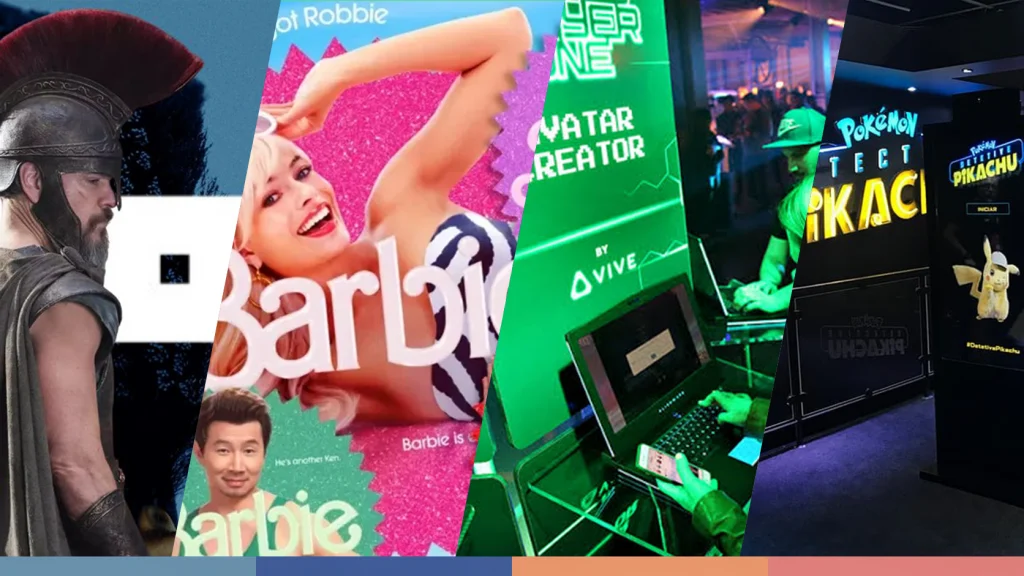
Home Services Our Works Gamification 101 Gamification Case Studies Turnkey Product Game Based Assessment Potentia Level Up RCD Contact English Bahasa Indonesia English Home Services Our Works Gamification 101 Gamification Case Studies Turnkey Product Game Based Assessment Potentia Level Up RCD Contact English Bahasa Indonesia English Home Services Our Works Gamification 101 Gamification Case Studies Turnkey Product Game Based Assessment Potentia Level Up RCD Contact English Bahasa Indonesia English Home Services Our Works Gamification 101 Gamification Case Studies Turnkey Product Game Based Assessment Potentia Level Up RCD Contact English Bahasa Indonesia English Home Services Our Works Gamification 101 Gamification Case Studies Turnkey Product Game Based Assessment Potentia Level Up RCD Contact English Bahasa Indonesia English Home Services Our Works Gamification 101 Gamification Case Studies Turnkey Product Game Based Assessment Potentia Level Up RCD Contact English Bahasa Indonesia English Edit Template Gamification Trends in Movies Promotion The film industry has undergone a major shift in how movies are marketed. While a few years ago promotion was still dominated by trailers, posters, press conferences, or cast interviews, film studios are now starting to leverage digital technology to create far more interactive experiences. The change in audience behavior, especially among the younger generation who grew up with games and social media, makes conventional marketing approaches increasingly difficult to maintain their attention. This is where gamification begins to play an important role. By adopting game elements such as missions, challenges, exploration, reward systems, and collecting digital items, film promotion no longer just invites people to watch, but also invites them to participate in experiencing the film’s world before it hits theaters. Why Is Gamification Increasingly Relevant in the Film Industry? The competition in the entertainment industry today is far more complex than it was a decade ago. A film does not only compete with other films, but also with streaming series, social media, short videos, live streaming, and video games that can consume users’ time for hours every day. Consequently, audience attention is becoming increasingly limited. A two-minute trailer is often only partially watched, while a digital poster only appears for a few seconds on a social media timeline before being replaced by other content. Gamification offers a different approach. Instead of delivering a one-way message, gamification invites the audience to participate actively. The more interactions users engage in, the higher the chance they build an emotional connection with the film. In a marketing context, this approach provides various benefits, such as: increasing brand awareness through a more memorable experience extending the duration of audience interaction with the film’s IP (Intellectual Property) creating a fan community even before the film is released encouraging user-generated content through social media boosting organic word-of-mouth strengthening emotional attachment to the characters and the film’s world In other words, gamification transforms film promotion from a mere marketing activity into an experience. Roblox x The Odyssey: Where the World of Film Meets the World of Games One of the most interesting implementations of gamification this year comes from the collaboration between Roblox and the film The Odyssey. The film by Christopher Nolan adapts Homer’s classic tale about Odysseus’ long journey after the Trojan War. Before the film’s official release, audiences are invited to get to know the world through a special experience on Roblox. This approach is quite different from typical film promotion strategies. The studio does not only show clips of scenes through the trailer but also invites prospective viewers to explore the story world directly. Instead of being passive spectators, players turn into active participants who can explore various areas, follow challenges, and obtain exclusive digital items. A strategy like this has a much higher value than traditional advertising because it provides an opportunity for the audience to build curiosity naturally. The longer someone spends time within the experience, the stronger their attachment to the world being built by the film. The visual experience of ‘The Odyssey’ on Roblox, which allows players to explore the movie’s world prior to its release. Why Is Roblox a Highly Effective Platform for Film Marketing? In recent years, Roblox has evolved into more than just a gaming platform. Many global brands utilize it as a medium to build more immersive digital experiences. For the film industry, Roblox offers several advantages that are difficult to find in other promotional media. First, the platform has hundreds of millions of active users, most of whom come from the young age group, a segment that is also the main target for various blockbuster films. Second, the average playtime duration for users is much higher than the time spent watching trailers on YouTube or seeing ads on social media. The longer the audience stays in an experience, the greater the chance they will remember the film brand. Third, Roblox has a very strong community culture. Players enjoy sharing gameplay, screenshots, and short videos across various social media platforms. This allows campaigns to spread organically without having to fully rely on paid media. Other Examples of Gamification in the Film Industry Barbie Selfie Generator Leading up to the release of Barbie in 2023, Warner Bros. launched the Barbie Selfie Generator, a website that allows users to upload their photos and transform them into official Barbie-style posters. Technically, this experience is not a video game. However, it still applies gamification principles such as personalization, active participation, instant feedback, and social sharing. Millions of users then shared their poster results on Instagram, TikTok, and X. The campaign went viral even before the film’s official release, while also strengthening Barbie’s visual identity across various digital platforms. Users created personalized posters through the Barbie Selfie Generator as part of the Barbie movie campaign Ready Player One VR Experience Before the release of Ready Player One, Warner Bros. also presented various virtual reality experiences that allowed fans to directly experience the OASIS world. This approach is very relevant to the film’s theme, which centers on the virtual world. By providing an experience aligned with the story, the audience not only gets to
The World Cup and Gamification: Why Do Billions of People Always Come Back to Watch

Home Services Our Works Gamification 101 Gamification Case Studies Turnkey Product Game Based Assessment Potentia Level Up RCD Contact English Bahasa Indonesia English Home Services Our Works Gamification 101 Gamification Case Studies Turnkey Product Game Based Assessment Potentia Level Up RCD Contact English Bahasa Indonesia English Home Services Our Works Gamification 101 Gamification Case Studies Turnkey Product Game Based Assessment Potentia Level Up RCD Contact English Bahasa Indonesia English Home Services Our Works Gamification 101 Gamification Case Studies Turnkey Product Game Based Assessment Potentia Level Up RCD Contact English Bahasa Indonesia English Home Services Our Works Gamification 101 Gamification Case Studies Turnkey Product Game Based Assessment Potentia Level Up RCD Contact English Bahasa Indonesia English Home Services Our Works Gamification 101 Gamification Case Studies Turnkey Product Game Based Assessment Potentia Level Up RCD Contact English Bahasa Indonesia English Edit Template The World Cup and Gamification: Why Do Billions of People Always Come Back to Watch The World Cup is More Than Just Football The FIFA World Cup is one of the biggest engagement events in the world. Every four years, billions of people watch, support their favorite teams, follow predictions, and engage in various digital activities. Behind the massive enthusiasm, there is a very strong gamification structure. The World Cup is not just a football match, but also a competition system that keeps people coming back. FIFA World Cup poster featuring the trophy at the center with colorful background graphics symbolizing global excitement. Gamification Elements in the World Cup Tournament Progression The World Cup has a very clear progression system, starting from the group stage, then continuing to the round of 16, quarter-finals, semi-finals, and the final. Each victory is a kind of level up that brings the team closer to the trophy. A progression system like this creates higher emotional investment at every stage. FIFA World Cup 2026 tournament bracket showing the path of matches toward the championship. One of the biggest factors that makes the World Cup so special is scarcity. This tournament only happens once every four years. This rarity creates a high sense of urgency and exclusivity. In gamification, scarcity is one of the most effective elements for increasing engagement. Poster displaying the 18 FIFA World Cup host nations from 1930 to 2026. Reward Hierarchy The World Cup has a very strong tiered reward system. It’s not just about becoming a world champion, but also small rewards along the way, such as qualifying from the group stage, reaching the semi-finals, winning the golden boot, or the golden glove. Layered rewards like this keep the motivation alive for both players and spectators. Infographic showing FIFA World Cup 2026 prize money distribution based on final team rankings. Prediction Mechanics Fantasy football, bracket prediction, and score guessing are additional forms of gamification that allow the audience to participate. Spectators are no longer just watching the match, but are actively involved through predictions and small competitions with their communities. Social Competition The World Cup also triggers huge social competition. Fans compare predictions, discuss statistics, and show their loyalty to certain teams. This social validation makes engagement stronger because the viewing experience changes into a social activity. Infographic of FIFA World Cup Qatar 2022 viewership and social media engagement statistics in the MENA region. How Brands Utilize Gamification in the World Cup? Many brands take advantage of the World Cup momentum to run gamified campaigns. Coca-Cola often uses collectible campaigns that encourage repeat purchases. Adidas uses challenge activation to increase consumer interaction. Meanwhile, McDonald’s often runs campaigns based on match predictions with specific prizes. Brands don’t need to build excitement from scratch; they just need to enter the existing excitement. Coca-Cola campaign poster featuring collectible national team cans and prize rewards. Lessons for Marketers The World Cup shows that the most effective gamification has five main elements: progression, emotional stakes, scarcity, social interaction, and reward hierarchy. Brands can emulate this system through event-based campaigns, limited-time challenges, prediction mechanics, leaderboards, and reward unlockables. When the audience feels like they are playing along, engagement will be much higher than just being a passive viewer. Frequently Asked Questions Why can the FIFA World Cup be considered a form of gamification? The World Cup has all the core elements of gamification: goals, rules, progression, rewards, and uncertainty. From the group stage to the final, every match has clear consequences and raises the emotional stakes. This structure creates very high engagement because the audience feels like they are continuously following the progression, just like a game. Why does the World Cup always have such massive engagement? One of the biggest factors is the combination of scarcity and emotional investment. Because it only takes place once every four years, the World Cup has very high urgency. Coupled with loyalty to the national team, rivalry between countries, and unpredictable outcomes, the resulting engagement is far more intense than ordinary sports events. What is the role of prediction mechanics in World Cup gamification? Prediction mechanics such as bracket prediction, fantasy football, and score guessing transform the audience from passive viewers into active participants. They are not just watching the match, but are playing along through predictions and small competitions with their communities. This extends the duration of engagement throughout the tournament. How do brands utilize the gamification momentum in the World Cup? Many brands utilize the World Cup with gamification-based campaigns such as collectible rewards, prediction challenges, leaderboard competitions, and limited-time promotions. Since excitement is already organically formed, brands only need to enter that ecosystem to increase interaction and conversion. Can the World Cup gamification principles be applied in business? Absolutely. Structures such as progression stages, limited-time urgency, reward hierarchy, and social competition are highly relevant for customer loyalty, employee engagement, and digital marketing campaigns. The same principles can be adapted to create more interactive experiences and increase user participation. For companies that want to build campaigns with engagement as high as the World Cup, gamification can be a strategic approach. Together with Agate through Level Up powered
Progress Bar, Leaderboard, Badge, and Quest in Gamification: Which One Is Most Effective?
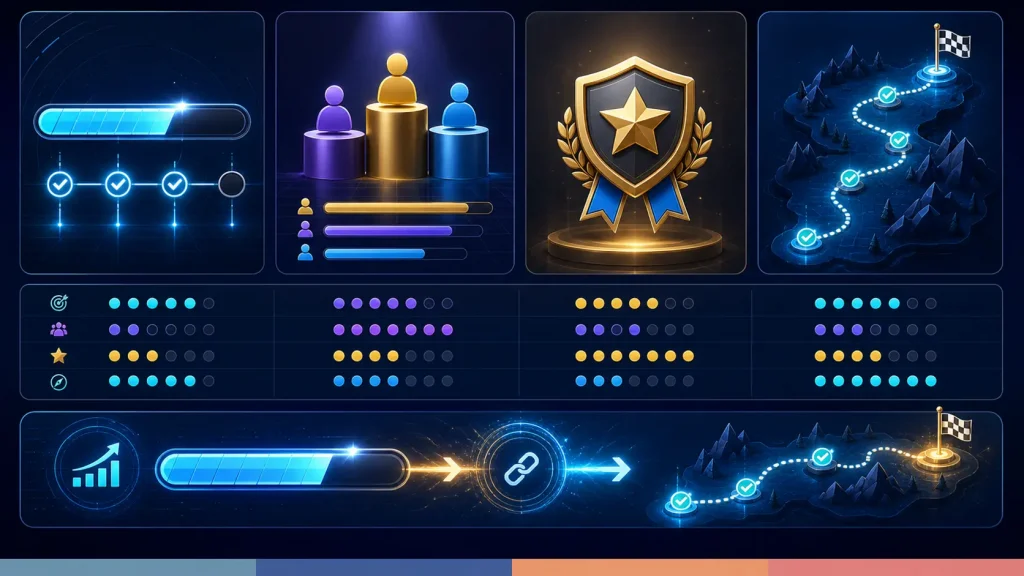
Home Services Our Works Gamification 101 Gamification Case Studies Turnkey Product Game Based Assessment Potentia Level Up RCD Contact English Bahasa Indonesia English Home Services Our Works Gamification 101 Gamification Case Studies Turnkey Product Game Based Assessment Potentia Level Up RCD Contact English Bahasa Indonesia English Home Services Our Works Gamification 101 Gamification Case Studies Turnkey Product Game Based Assessment Potentia Level Up RCD Contact English Bahasa Indonesia English Home Services Our Works Gamification 101 Gamification Case Studies Turnkey Product Game Based Assessment Potentia Level Up RCD Contact English Bahasa Indonesia English Home Services Our Works Gamification 101 Gamification Case Studies Turnkey Product Game Based Assessment Potentia Level Up RCD Contact English Bahasa Indonesia English Home Services Our Works Gamification 101 Gamification Case Studies Turnkey Product Game Based Assessment Potentia Level Up RCD Contact English Bahasa Indonesia English Edit Template Progress Bar, Leaderboard, Badge, and Quest in Gamification: Which One Is Most Effective? When hearing the term gamification, many people immediately imagine points and leaderboards. In fact, gamification is much broader than just ranking systems. Various elements such as progress bars, badges, leaderboards, and quests have different psychological functions and can be used according to business or learning objectives. A common mistake is applying all elements at once without considering user behavior. As a result, an experience that should be fun instead feels confusing or even causes users to lose motivation. So, what exactly are the functions of each gamification element, and when is the right time to use them? Why Are Gamification Elements Important? Gamification works by leveraging a person’s intrinsic and extrinsic motivation. Each element is designed to trigger specific behaviors, such as encouraging task completion, building healthy competition, providing recognition for achievements, or creating a sense of purpose. By choosing the right elements, companies can increase engagement, speed up the learning process, improve user retention, and drive sustainable behavioral change. Here are the four elements most commonly used in gamification implementation. Progress Bar: Providing a Sense of Progress A progress bar is a visual indicator that shows how far someone has completed a process. Examples can be found in: Application onboarding processes. E-learning modules. Employee training programs. Registration forms. Certification programs. Progress bars work because humans tend to be driven to complete something that is almost finished. This phenomenon is known as the goal gradient effect, which is motivation that increases as someone feels closer to the goal. For example, when a training course shows that a participant has completed 80% of the material, the likelihood of them finishing the remaining 20% becomes much higher compared to if there were no progress indicator at all. Progress bars are very suitable for use when the main goal is to increase the completion rate. Leaderboard: Encouraging Healthy Competition A leaderboard displays participant rankings based on specific performance. This element is widely used in: Sales programs. Internal company competitions. Score-based training. Community challenges. Marketing campaigns. Leaderboards leverage social motivation. When someone knows their position compared to other participants, a drive to improve performance emerges. However, leaderboards are not always the best solution. If the score difference is too large or new participants feel it is impossible to catch up to the top positions, motivation can actually decrease. Therefore, leaderboards are often more effective if combined with: Weekly leaderboards. Leaderboards based on division. Leaderboards per group. Periodic score resets. Such approaches keep competition feeling realistic and encourage more participants to continue engaging. Badge: Providing Recognition for Achievements A badge is a digital symbol given when someone successfully reaches a certain target. Examples include: Completing a training module. Reaching a sales target. Attending a webinar. Becoming a mentor. Contributing to the community. Unlike leaderboards that compare individuals with others, badges focus more on personal achievement. Badges provide a sense of pride as well as being a form of recognition for the effort put in. In the learning world, badges can also be used as proof of competence or micro-credentials that show specific skills without having to wait for a major certification. To be effective, badges should have attractive names, clear visual designs, and transparent achievement requirements. Quest: Making Activities More Meaningful A quest is a series of missions that users must complete to reach a certain goal. Instead of just providing a task list, a quest turns an activity into a journey that has challenges and a plot. As an example, the employee onboarding process can be turned into several quests such as: Getting to know the company culture. Completing security training. Meeting a mentor. Participating in a job simulation. Completing the first project. Each quest can provide rewards, unlock the next challenge, or present stories that make the experience feel more engaging. Quests are very effective for activities that take place over a long period because they help users understand what they should do next. Should All Elements Be Used Simultaneously? No. Effective gamification is not about using as many features as possible, but about choosing the elements that best suit the goal. For example: If you want to increase training completion, a progress bar is usually the primary choice. If you want to improve sales team performance, a leaderboard can be a driver of competition. If you want to provide appreciation for individual achievements, badges are more relevant. If you want to make the learning process feel like a journey, quests are the right choice. In many implementations, several elements are indeed often combined. For example, a quest is equipped with a progress bar to show development, then participants earn a badge after completing all missions. How to Choose the Right Gamification Elements Before determining the features to be used, there are several questions that need to be answered: What behavior do you want to change? What is the main motivation of the target users? Is the activity individual or competitive? How long will the program last? How will the program’s success be measured? The answers to these questions help ensure that each gamification element has a clear function
HYROX and Gamification: When Fitness Competition is Built Like a Video Game

Home Services Our Works Gamification 101 Gamification Case Studies Turnkey Product Game Based Assessment Potentia Level Up RCD Contact English Bahasa Indonesia English Home Services Our Works Gamification 101 Gamification Case Studies Turnkey Product Game Based Assessment Potentia Level Up RCD Contact English Bahasa Indonesia English Home Services Our Works Gamification 101 Gamification Case Studies Turnkey Product Game Based Assessment Potentia Level Up RCD Contact English Bahasa Indonesia English Home Services Our Works Gamification 101 Gamification Case Studies Turnkey Product Game Based Assessment Potentia Level Up RCD Contact English Bahasa Indonesia English Edit Template HYROX and Gamification: When Fitness Competition is Built Like a Video Game What is HYROX? HYROX is a global fitness competition that combines running and functional workouts in a standardized race format. In one race, participants must complete eight kilometers of running interspersed with eight workout stations, such as SkiErg, sled push, sled pull, rowing, and wall balls. The consistent format across every country makes HYROX a repeatable, measurable, and scalable competition system. This is what makes HYROX a clear example of gamification in the modern sports world. Collage of HYROX athletes performing intense exercises such as battle ropes, floor workouts, and wall balls. Why Can HYROX Be Called Gamification? Gamification is not just about points, badges, or digital prizes. The core of gamification is how a system is designed to make people keep coming back, developing, and competing. HYROX has all these elements. Every race is built like a gameplay loop, where participants face a challenge, see real-time progress, receive a reward, and are then motivated to try again and achieve a better result. Gamification Elements in HYROX Clear Progression System Every workout station in HYROX acts as a checkpoint. Participants move from one challenge to the next, creating a very clear sense of progression. Just like in a video game, the further someone moves, the closer they get to the final goal. This structured progression provides a strong psychological boost because participants can always see how far they have progressed. HYROX race progression diagram showing the sequence of running segments and workout stations. Global Leaderboard as a Competitive Trigger One of the strongest elements of HYROX is the global leaderboard. After completing the race, participants can compare their time with thousands of other participants worldwide. This system creates a strong social competition. It’s not just about finishing the race, but also about ranking, personal bests, and position in the global community. This mechanism is similar to the ranked system in Valorant or League of Legends. HYROX leaderboard screen displaying participant rankings and race completion times. Addictive Achievement System HYROX also has a very clear achievement system. Starting from a finisher medal, a personal record, to the opportunity to qualify for the world championship. These rewards create a sense of accomplishment that makes participants want to come back. The more difficult the target to achieve, the higher the engagement created. HYROX participants competing in a fitness event featuring reward-based and achievement-driven challenges. Identity Building One of the highest levels of gamification is when the system succeeds in forming a user’s identity. Many HYROX participants start to view themselves as a “HYROX athlete.” When someone begins to build an identity around an activity, engagement is usually no longer temporary but transforms into a lifestyle. What Brands Can Learn from HYROX? HYROX shows that the best gamification is not about a gimmick, but about a clear system. Brands can learn to build a customer journey like race progression, dividing the customer journey into several checkpoints, providing tiered rewards, and offering visual progress so customers feel they are constantly developing. Furthermore, leaderboards or social comparison can be a very powerful tool for increasing retention and community engagement. Frequently Asked Questions What makes HYROX different from other fitness competitions? HYROX has a consistent competition format worldwide, allowing participants to objectively compare their performance from one event to another. Unlike many other fitness competitions whose formats are dynamic, HYROX offers a stable progression system. This makes the competition experience feel like a game with fixed levels, where players continue to improve their skills and performance over time. Why does HYROX keep participants coming back? One of the main reasons HYROX is highly engaging is that it has a clear feedback loop: challenge, progress, reward, compare, repeat. After completing one race, participants immediately know their results, the areas they need to improve, and their position compared to other participants. This system creates a natural drive to return and chase a better result. What is the connection between HYROX and gamification? HYROX is a real-world example of how game mechanics are applied. A progression system, leaderboards, achievement unlocks, and milestone rewards are the main foundations of gamification. These elements are commonly used in digital products, loyalty programs, and employee engagement systems to increase participation and retention. What can companies learn from HYROX? Companies can learn that strong engagement is born from a structured system. Just as HYROX divides the race journey into checkpoints, businesses can also build a customer journey or employee journey with clear milestones, tiered rewards, and transparent progress tracking. This approach helps increase motivation, retention, and participation. Is gamification only effective for fitness and sports? No. The principles of gamification can be applied across many industries such as marketing, brand activation, HR, education, and employee onboarding. The key lies in how a system is designed so that users feel they are constantly developing, challenged, and motivated to return. For companies looking to apply principles like HYROX into customer experience, employee engagement, or learning journeys, gamification solutions are increasingly relevant. Together with Agate through Level Up powered by Agate, brands and organizations can design gamification systems tailored to business goals, ranging from challenge mechanics, leaderboards, reward systems, to immersive experiences that can tangibly increase engagement. Author Related Article All Posts Service Highlight-EN News-EN Education-EN All-EN HYROX and Gamification: When Fitness Competition is Built Like a Video Game July 8, 2026/ Beyond the Leaderboard: Modern Data-Driven Gamification Trends in Marketing,
Level Up powered by Agate Shows the Potential of Games for the Business World at Clogs, Tulips and Video Games Erasmus Huis
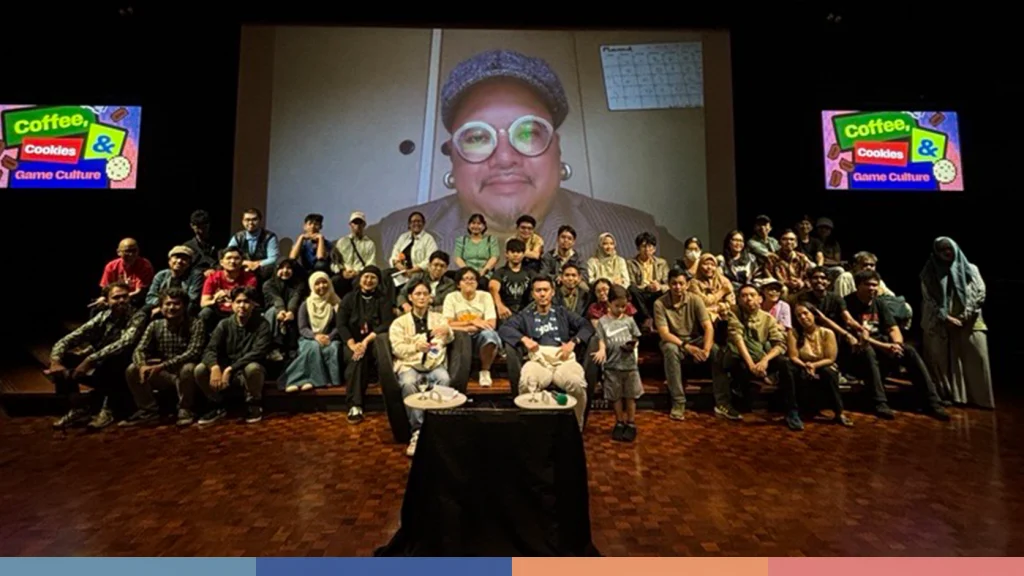
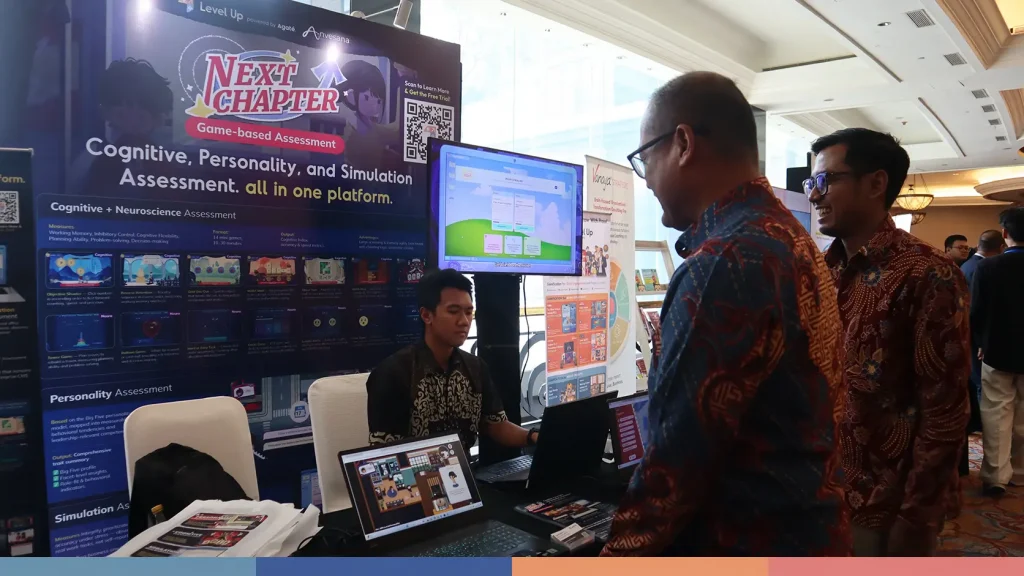
Home Services Our Works Gamification 101 Gamification Case Studies Turnkey Product Game Based Assessment Potentia Level Up RCD Contact English Bahasa Indonesia English Home Services Our Works Gamification 101 Gamification Case Studies Turnkey Product Game Based Assessment Potentia Level Up RCD Contact English Bahasa Indonesia English Home Services Our Works Gamification 101 Gamification Case Studies Turnkey Product Game Based Assessment Potentia Level Up RCD Contact English Bahasa Indonesia English Home Services Our Works Gamification 101 Gamification Case Studies Turnkey Product Game Based Assessment Potentia Level Up RCD Contact English Bahasa Indonesia English Home Services Our Works Gamification 101 Gamification Case Studies Turnkey Product Game Based Assessment Potentia Level Up RCD Contact English Bahasa Indonesia English Home Services Our Works Gamification 101 Gamification Case Studies Turnkey Product Game Based Assessment Potentia Level Up RCD Contact English Bahasa Indonesia English Edit Template Level Up powered by Agate Shows the Potential of Games for the Business World at Clogs, Tulips and Video Games Erasmus Huis Video games are no longer seen purely as a form of entertainment. In various industries, games have evolved into a means of learning, assessment, and a strategy to increase user engagement. This topic was one of the discussions at Clogs, Tulips and Video Games, a series of events held by Erasmus Huis to introduce innovations in the Dutch gaming industry while connecting Indonesian and Dutch gaming industry players. Representing Agate, Junialdi Dwijaputra, Head of Level Up powered by Agate, attended as a speaker in a discussion session to share how the game design approach can be applied outside the game industry, particularly in human resource development, learning, and corporate assessment processes. Through the session titled Trend & Case Study of Game-Based Learning & Assessment, Junialdi explained how game design principles can help organizations create more engaging learning experiences while yielding more accurate competency measurements. Changing the Way Companies View Games In his presentation, Junialdi explained that there is a fundamental difference between gamification, game-based learning, and game-based assessment, even though all three utilize game elements. Gamification focuses on adding game elements such as points, badges, and leaderboards to increase motivation in activities that are not actual games. Meanwhile, game-based learning uses games as the primary medium to build competence, whereas game-based assessment utilizes gameplay to measure a person’s behavior and abilities more naturally, making it more difficult to manipulate compared to conventional assessment methods. According to Junialdi, these three approaches share the same DNA. The game mechanism is not the main goal, but a tool to achieve business or learning objectives. Junialdi Dwijaputra, Head of Level Up powered by Agate, presented trends and case studies on game-based learning and assessment at the ‘Clogs, Tulips and Video Games’ event held at Erasmus Huis Jakarta. Why Are Games Increasingly Relevant for the Working World? One highlighted point is the change in demographics and societal behavior. Indonesia is currently the largest gaming market in Southeast Asia, with the majority of internet users playing video games and most Gen Z interacting with game content even outside of playing activity. On the other hand, various studies also show that the application of gamification in HR can increase engagement, retention, and training effectiveness, especially for the Millennial and Gen Z generations. This makes it necessary for companies to start viewing games not just as entertainment media, but also as a medium for communication, learning, and talent development. Junialdi also added that the experience of candidates and employees during the learning and assessment process now influences a company’s employer branding. A poor experience in the learning or selection process can form a negative perception of the organization. Game Development Becomes the Bridge Between Business Goals and Play Experience One of the main topics discussed is how the game development process acts as a bridge between business needs and the playing experience. According to Junialdi, a good educational game does not start with a gameplay idea, but with the business goal to be achieved. Once the objective is determined, every game mechanism must be designed to directly support that goal. This approach forms the basis of the Level Up Gamification Framework, a framework developed by Agate to translate business objectives into relevant and measurable game mechanisms. The framework consists of four main stages: defining the business objective, understanding the target user, designing the gameplay, and ensuring technical requirements before development begins. Bringing Real Experience from Various Industries Not only did Junialdi discuss theory, but he also showcased various real implementations that have been developed by Level Up powered by Agate. One example is Jago Money Quest, a financial education game with Bank Jago designed to help students understand financial literacy through interactive money management simulations. Every decision made by the player affects the course of the story and is part of the learning process about financial health. Junialdi also shared the case study of Telkomsel Working Culture Assessment, a game-based assessment that successfully involved over 32,000 participants and received a high satisfaction rate from candidates. Unlike conventional tests that only rely on participant answers, this approach observes the players’ actual behavior while making decisions in the game, providing a more objective overview of competency. Another example is Santos Jaya Abadi Managerial Assessment, which uses simulation to map managerial readiness through various decisions made by participants under conditions resembling actual work situations. This approach helps companies reduce bias and obtain a more comprehensive picture of competency. In addition, Junialdi introduced Next Chapter, a game-based assessment solution that integrates business simulation, narrative-based personality assessment, cognitive games, and neuroscience games into one integrated platform for large-scale recruitment needs. Agate Promotes the Use of Impactful Games Agate’s participation in Clogs, Tulips and Video Games demonstrates how the Indonesian gaming industry continues to evolve, not only producing entertainment products but also presenting game-based solutions capable of addressing challenges in various sectors. Through Level Up powered by Agate, the company offers various gamification solutions such as game-based learning, game-based assessment, immersive training, and interactive brand engagement that have been utilized by
Beyond the Leaderboard: Modern Data-Driven Gamification Trends in Marketing, Brand, and HR
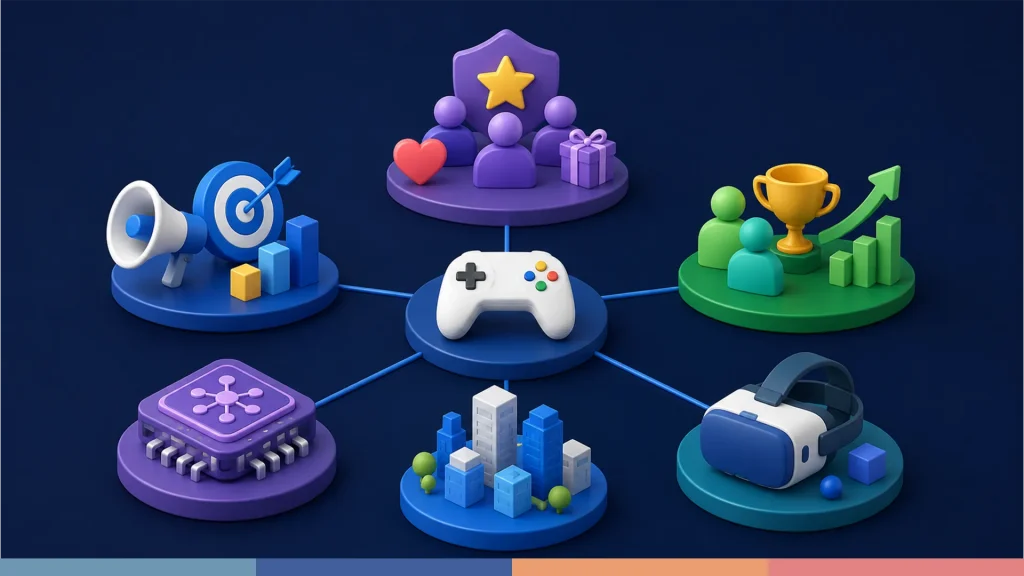
Home Services Our Works Gamification 101 Gamification Case Studies Turnkey Product Game Based Assessment Potentia Level Up RCD Contact English Bahasa Indonesia English Home Services Our Works Gamification 101 Gamification Case Studies Turnkey Product Game Based Assessment Potentia Level Up RCD Contact English Bahasa Indonesia English Home Services Our Works Gamification 101 Gamification Case Studies Turnkey Product Game Based Assessment Potentia Level Up RCD Contact English Bahasa Indonesia English Home Services Our Works Gamification 101 Gamification Case Studies Turnkey Product Game Based Assessment Potentia Level Up RCD Contact English Bahasa Indonesia English Edit Template Beyond the Leaderboard: Modern Data-Driven Gamification Trends in Marketing, Brand, and HR Entering the second half of the 2020s decade, specifically in 2026, gamification has undergone a radical evolution. Obsolete mechanisms like generic point accumulation and meaningless badges are now abandoned, considered merely manipulative psychological tricks. Modern consumers and employees demand agency, transparency, and meaningful play. The exponential growth of this industry is driven by the integration of cutting-edge technologies such as Artificial Intelligence (AI), Digital Twin, and Immersive Experience. This document dissects how three main business pillars—Marketing, Brand, and Human Resources (HR)—are transforming their operational landscape through modern gamification architecture, along with real-world case studies in the industry. Marketing: Ethical Data and Sustainable Retention Systems Marketers today face significant challenges due to soaring customer acquisition costs, fragmented digital attention, and strict data privacy regulations. Marketing strategy no longer focuses on one-off stunts, but shifts towards creating long-term engagement infrastructure. Key Trends: AI-Generated Gamification, Digital Twin of a Customer (DToC) & Zero-Party Data Capture Modern gamification acts as the best zero-party data collection engine. Through personalized mini-games powered by AI, brands offer explicit value exchange in return for consumer behavioral data. AI plays a critical role in adjusting game difficulty levels in real-time based on the player’s profile (Dynamic Difficulty Adjustment). According to industry analysis, the implementation of gamification in marketing strategy has been proven to increase customer loyalty and raise brand interaction metrics by up to 30% (Gartner IT Glossary). Real Case Study: Starbucks (“Deep Brew” AI Ecosystem) Starbucks uses the Deep Brew AI engine to map transaction history data, commute times, local store inventory, and even weather. The app then triggers highly personalized Bonus Star Challenges. If the system detects a customer frequently buys coffee in the morning and the weather is currently rainy, the app automatically triggers an instant mission rewarding double points for a pastry purchase within the next 30 minutes. Illustration of Starbucks Deep Brew featuring a mobile app and four coffee beverage variants, representing an AI-powered customer personalization system. Additional Efficiency Case Study: Autodesk The software giant Autodesk integrates gamification elements into their product free trial period. This interactive approach successfully increased user engagement metrics by 40% and boosted purchase conversions by up to 15% (Autodesk Business Review). Interface display of Autodesk’s gamification system featuring interactive missions, progress tracking, points, and rewards to increase user engagement during the free trial period. Brand: Emotional Loyalty Ecosystem Based on Digital Twin and Immersive Experience Conventional physical card-based loyalty programs are now considered dead. Consumers no longer desire bland transactions; they crave exclusive membership status (insider status) and a sense of ownership within a community. Globally, the gamification market capitalization value is projected to grow rapidly from $9.1 billion in 2020 to $30.7 billion in 2025 with a CAGR of 27.8% (MarketsandMarkets Report). Key Trends: Loyalty Metaverse, Immersive Brand Twin & Phygital AR Global brands are now creating Digital Twins of their physical products or building immersive spaces (AR/VR) where consumers can interact. Consumers are not just buying goods, but completing narrative-driven challenges, unlocking virtual achievements, and attending digital seasonal events. The integration between Immersive Experience and the real world creates a strong loyalty loop. Real Case Study: Nike (Nike Run Club & Nikeland on Roblox) Nike bridges users’ physical activity through the Nike Run Club (NRC) application. Every kilometer completed by the user running in the real world is recorded as a performance metric. The success of completing these physical targets is then converted into rewards in their virtual world on the Roblox platform (Nikeland), where users can unlock exclusive digital wearables for their avatars or gain early access to purchase limited edition physical shoes. Users interact with the NikeLand installation, connecting real-world physical activity with a virtual gamified experience in Roblox. Real Case Study: Coca-Cola (“Create Real Magic” Campaign) Coca-Cola launched a platform based on GPT-4 and DALL-E, challenging consumers to perform visual experiments using the brand’s iconic assets (such as the contour bottle or the polar bear). The gamification element lies in a global creative competition, where the best consumer-created artwork is projected in real-time on giant billboards in New York’s Times Square and London’s Piccadilly Circus. Public billboard for The Coca-Cola Company’s “Create Real Magic” campaign, showcasing AI-generated consumer artwork as part of a global creative initiative. Human Resources: Recruitment Transformation through Game-Based Assessment The most scientifically mature gamification revolution is actually occurring in the human resources (HR) management sector. Traditional recruitment formats are considered obsolete: static Likert scale questionnaires on desktop browsers trigger applicant abandonment rates of up to 60%, coupled with a high bias for manipulating answers (social desirability bias). Key Trends: Psychometric Game-Based Assessment (GBA) & Enterprise Metaverse Modern HR utilizes Game-Based Assessment to measure candidates’ cognitive abilities and personality traits (Big Five personality traits). Instead of answering theoretical questions, candidates complete interactive challenges lasting 5-10 minutes. Through GBA, machine learning algorithms record underlying behavioral data of candidates while playing, such as decision-making speed, post-failure resilience, and problem-solving strategies. The recruitment sector that adopts game elements records an increase in employee productivity by up to 48% and an increase in internal engagement by 60%, based on empirical industry studies (Aberdeen Group Research). In the Learning & Development pillar, competition-based challenges can increase employee knowledge retention thanks to the stimulation of active recall. Real Case Study: Unilever (Global Future Leaders Programme via Pymetrics) Unilever eliminated the traditional document selection stage and replaced it with 12 neuro-science